
Related News
- 00
0000-00
Smart Urban Travel Options Explained: Which Electric Commuter Setup Fits Daily City Use? - 00
0000-00
Green Scooter Demand: Which Buyer Segments and City Use Cases Are Growing Fast? - 00
0000-00
Urban Congestion E-Bike Solutions: What to Look for in Stop-and-Go City Commuting - 00
0000-00
E Bike Controllers Explained: How to Match Voltage, Current, and Riding Mode - 00
0000-00
Electric Bike Technology for Daily Commuting: Which Features Matter Most?
Micro-Mobility Strategist
Weekly Insights
Stay ahead with our curated technology reports delivered every Monday.
How urban traffic innovation reshapes city commuter e-bike deployment in dense metro areas





Urban traffic innovation is no longer a theoretical concept—it’s the operational imperative reshaping how city planners deploy e-bikes in dense metro areas. As congestion, emissions, and equity pressures mount, intelligent, high-density e-bike integration has emerged as a linchpin of sustainable urban mobility strategy. This article unpacks how real-time data orchestration, adaptive right-of-way frameworks, and battery-aware fleet logistics are transforming e-bikes from auxiliary tools into core infrastructure—delivering measurable gains in commuter throughput, modal shift, and carbon reduction. For city planners navigating complex regulatory landscapes and evolving citizen expectations, understanding this innovation wave is critical to designing resilient, scalable, and human-centered transit futures.
What Does “Urban Traffic Innovation” Mean in Practice for E-Bike Deployment?
Urban traffic innovation transcends smart signals or AI-powered traffic lights. It denotes systemic recalibration: redefining vehicle priority, reallocating street space dynamically, and embedding micro-mobility assets into real-time urban operating systems.
In Tokyo, Seoul, and Berlin, innovation manifests as “adaptive lane governance”—where curb lanes switch function hourly based on commuter density detected via edge-computing sensors. E-bikes aren’t just permitted; they’re *orchestrated*.
This shifts deployment logic from static bike-lane mapping to responsive mobility choreography—grounded in live GPS feeds, anonymized mobility app data, and predictive thermal load modeling of battery fleets.
How Are High-Density Metro Areas Rethinking Right-of-Way Allocation?
Legacy right-of-way frameworks treat e-bikes as bicycles—not as low-mass, high-throughput electric assets with distinct acceleration, braking, and energy recovery profiles.
- Amsterdam now designates “e-priority corridors”: 3.2m-wide shared lanes where e-bikes enjoy 15% higher green-light allocation during AM/PM peaks.
- Singapore’s LTA integrates e-bike telemetry into its Intelligent Transport System (ITS), adjusting signal phasing when >80 e-bikes cluster at an intersection within 90 seconds.
- Paris mandates “dynamic loading zones”: kerbside space auto-reconfigures between delivery vans, e-scooter docks, and e-bike charging berths—governed by real-time occupancy APIs.
These are not pilot experiments. They reflect codified urban traffic innovation—where policy, physics, and firmware converge.
Why Battery Management Is Now a Core Urban Infrastructure Concern
Battery state isn’t just a vehicle-level metric—it’s a city-scale variable. Grid strain, thermal safety, and second-life reuse potential directly impact deployment density and service reliability.
Shenzhen operates over 280,000 public e-bikes with a centralized Battery Health Intelligence Platform. It forecasts degradation across 12,000+ battery packs daily—redirecting units with <75% SOH to low-intensity routes and triggering swaps before voltage sag affects hill-climb assist.
This transforms batteries from consumables into managed urban assets—reducing replacement frequency by 37% and cutting peak-grid draw during evening recharge windows by 22%.
What Are the Critical Implementation Risks—and How Are Cities Mitigating Them?
Three risks dominate high-density e-bike deployment:
How Can Cities Move Beyond Pilots to Scalable, Integrated Deployment?
Scalability hinges on three non-negotiable foundations:
- Unified Data Fabric: Interoperable ingestion of e-bike telemetry, traffic signals, weather APIs, and grid load data—standardized under ISO/IEC 30141 (Smart City Reference Architecture).
- Regulatory Modularity: Zoning codes that define e-bike classes by power output, speed ceiling, and braking energy recovery capacity—not just “pedal-assist” vs. “throttle.”
- Infrastructure Co-Location: Integrating e-bike charging, secure parking, and maintenance nodes within 200m of transit hubs—leveraging existing utility rights-of-way to avoid new land acquisition.
Cities achieving this triad—like Helsinki and Portland—report 29% faster e-bike adoption velocity and 53% higher commuter retention at 12-month marks.
Urban traffic innovation is accelerating beyond incremental upgrades. It demands rethinking e-bikes not as vehicles—but as distributed, intelligent nodes in a responsive mobility nervous system. Success requires alignment across battery science, urban code, and real-time data governance.
For cities committed to equitable, decarbonized, and high-capacity transit: prioritize interoperable telemetry standards first, embed adaptive right-of-way logic second, and treat battery health as civic infrastructure third. The next generation of metro mobility won’t be built on asphalt alone—it will run on intelligence, iteration, and intentional integration.
Related News

Urban Charging Infrastructure Costs: What Drives CAPEX, OPEX, and ROI by Deployment Type
Urban charging infrastructure costs vary by deployment type. Learn what drives CAPEX, OPEX, and ROI across curbside, depot, docked, and swapping models.
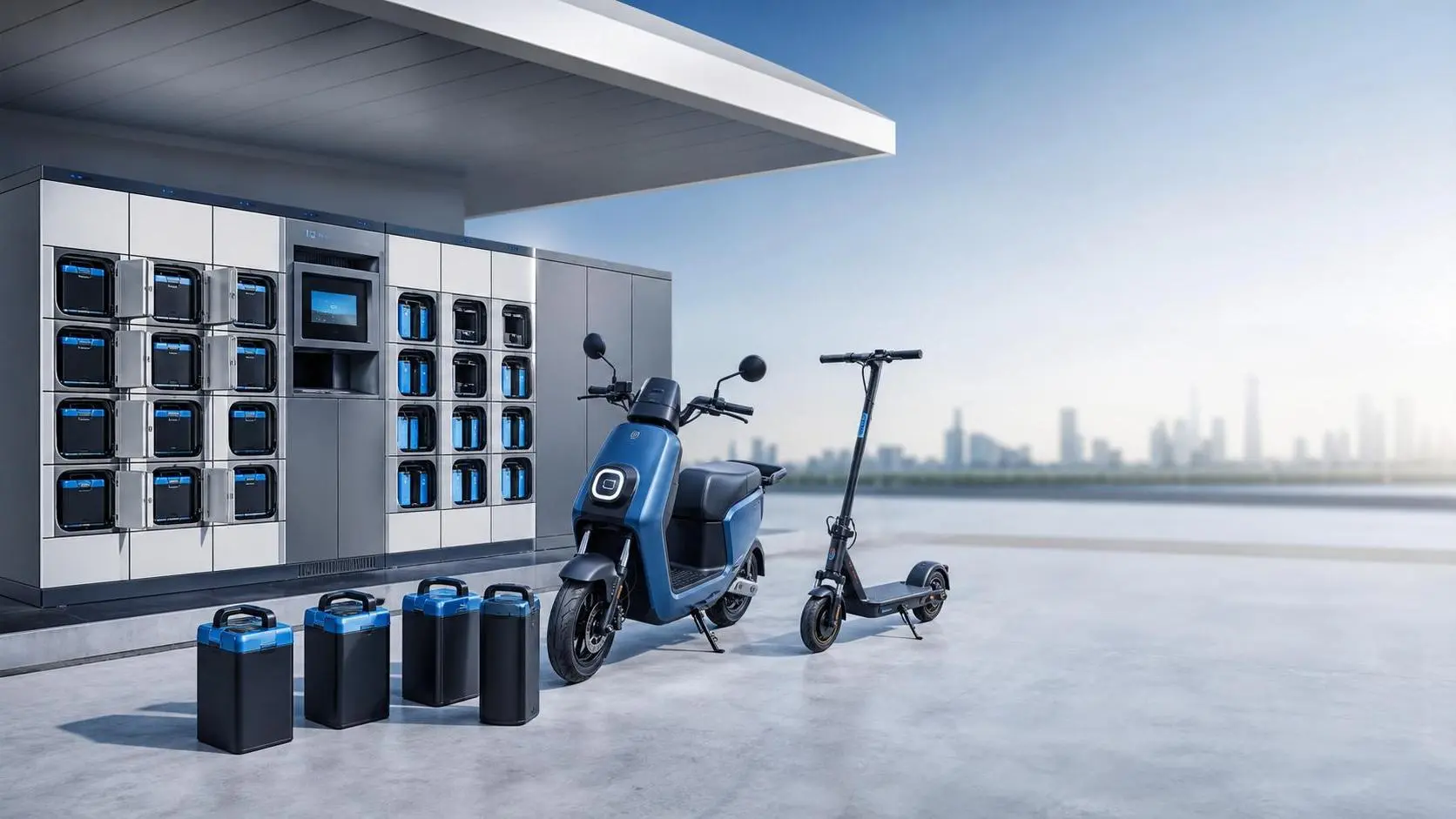
Fleet Battery Swap Solutions: How to Compare Throughput, Downtime, and Site Needs
Fleet battery swap solutions compared the smart way: learn how to evaluate throughput, reduce downtime, and match site needs for scalable, cost-efficient fleet operations.
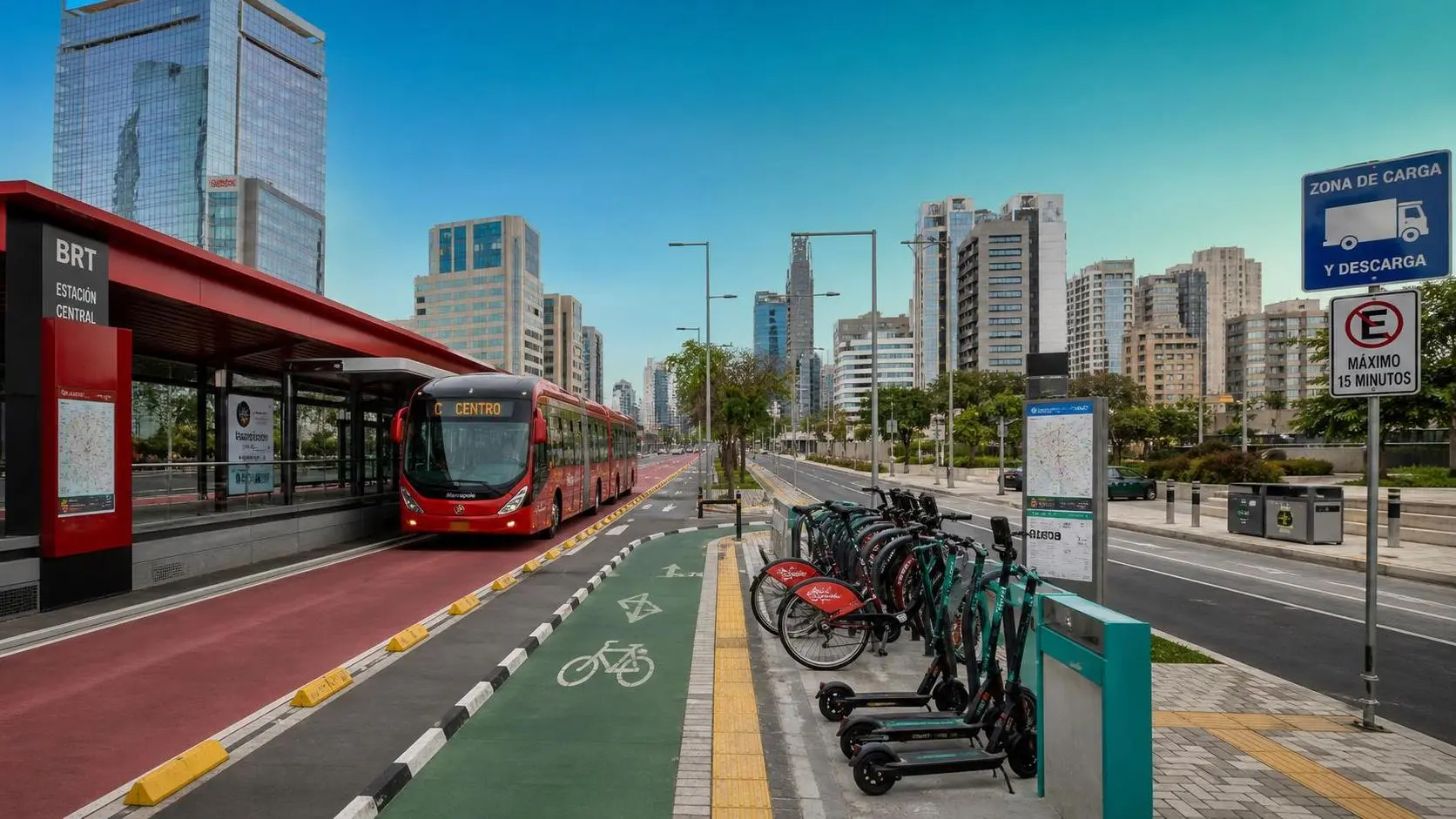
Urban Traffic Solutions in Latin America: Which Models Fit Dense City Corridors?
Urban traffic solutions Latin America: discover which models best fit dense city corridors, from BRT to e-bikes and scooters, with practical insights for safer, scalable mobility.
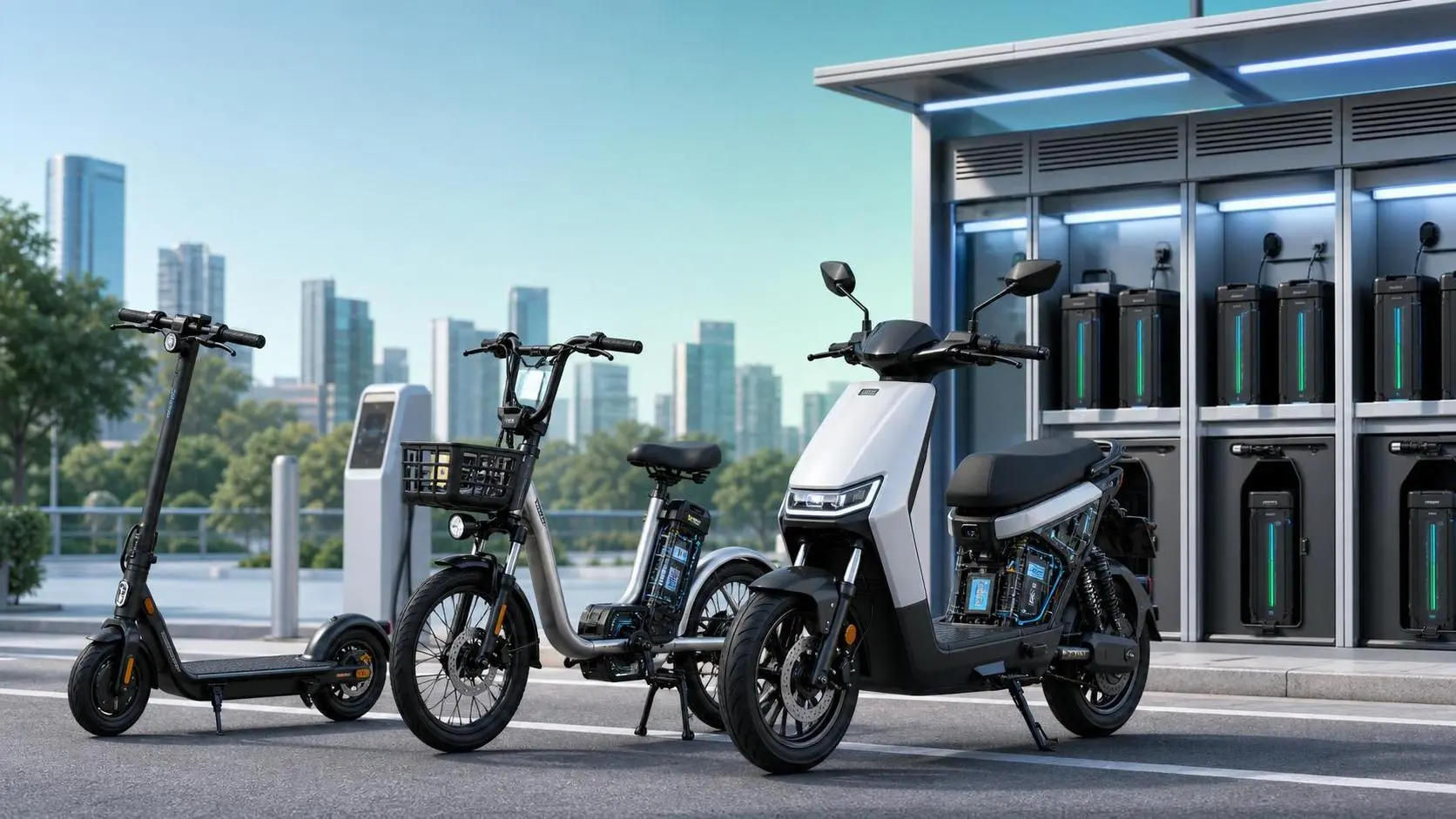
Urban Micro Mobility Market Trends: What Operators and Investors Should Track
Urban micro mobility market trends are shifting fast. Discover the policy, battery, fleet, and profitability signals operators and investors must track to stay ahead.
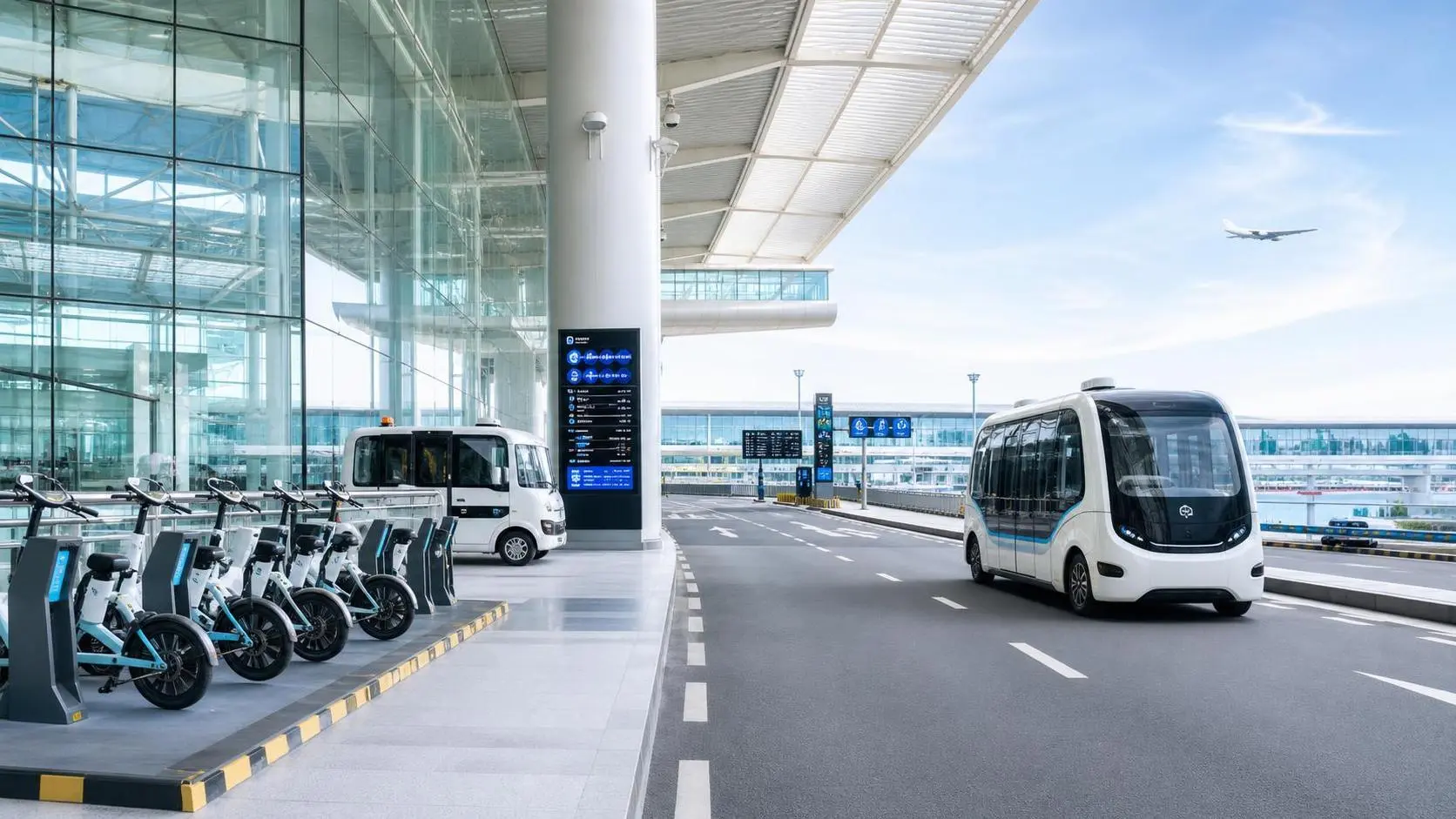
Airport Smart Mobility Explained: Key Systems, Use Cases, and Planning Priorities
Airport smart mobility explained: discover key systems, practical airport use cases, and planning priorities to improve efficiency, sustainability, and passenger experience.
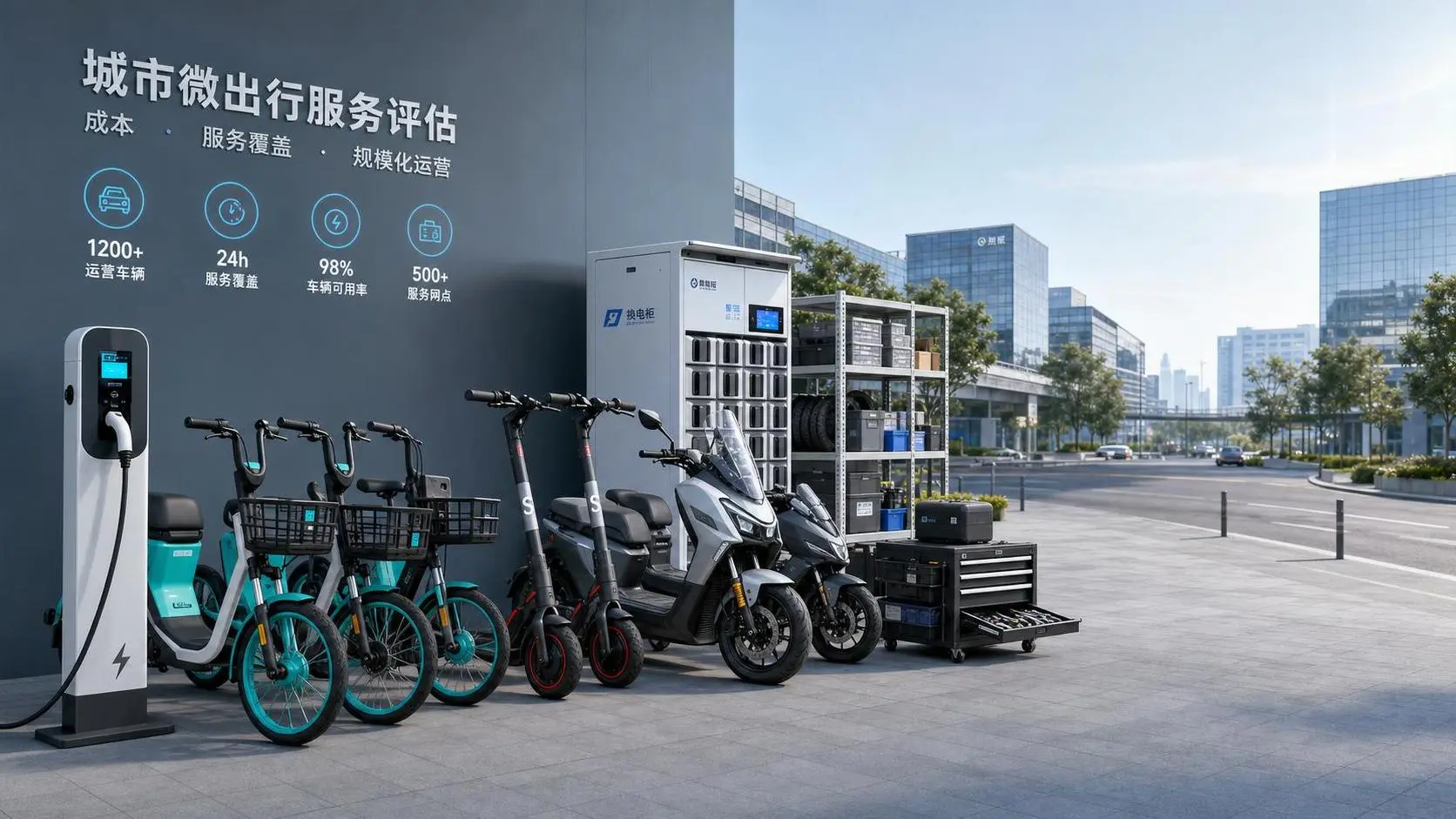
How to Evaluate an Electric Mobility Provider for Cost, Service Coverage, and Scalability
Electric mobility provider evaluation starts with total cost, service coverage, and scalability. Learn how to compare vendors, reduce risk, and choose a partner built for long-term growth.

Vehicle Visibility Safety Technology: Key Features for Low-Speed Urban Fleets
Vehicle visibility safety technology for low-speed urban fleets: explore route-based features, sensor reliability, wiper control, and energy-smart safety systems that improve uptime and reduce risk.

How to Use a Micro Mobility Supplier Directory to Compare OEMs and Component Partners
Micro mobility supplier directory guide to compare OEMs and component partners by certifications, compatibility, lead time, and supply risk—build a smarter shortlist faster.
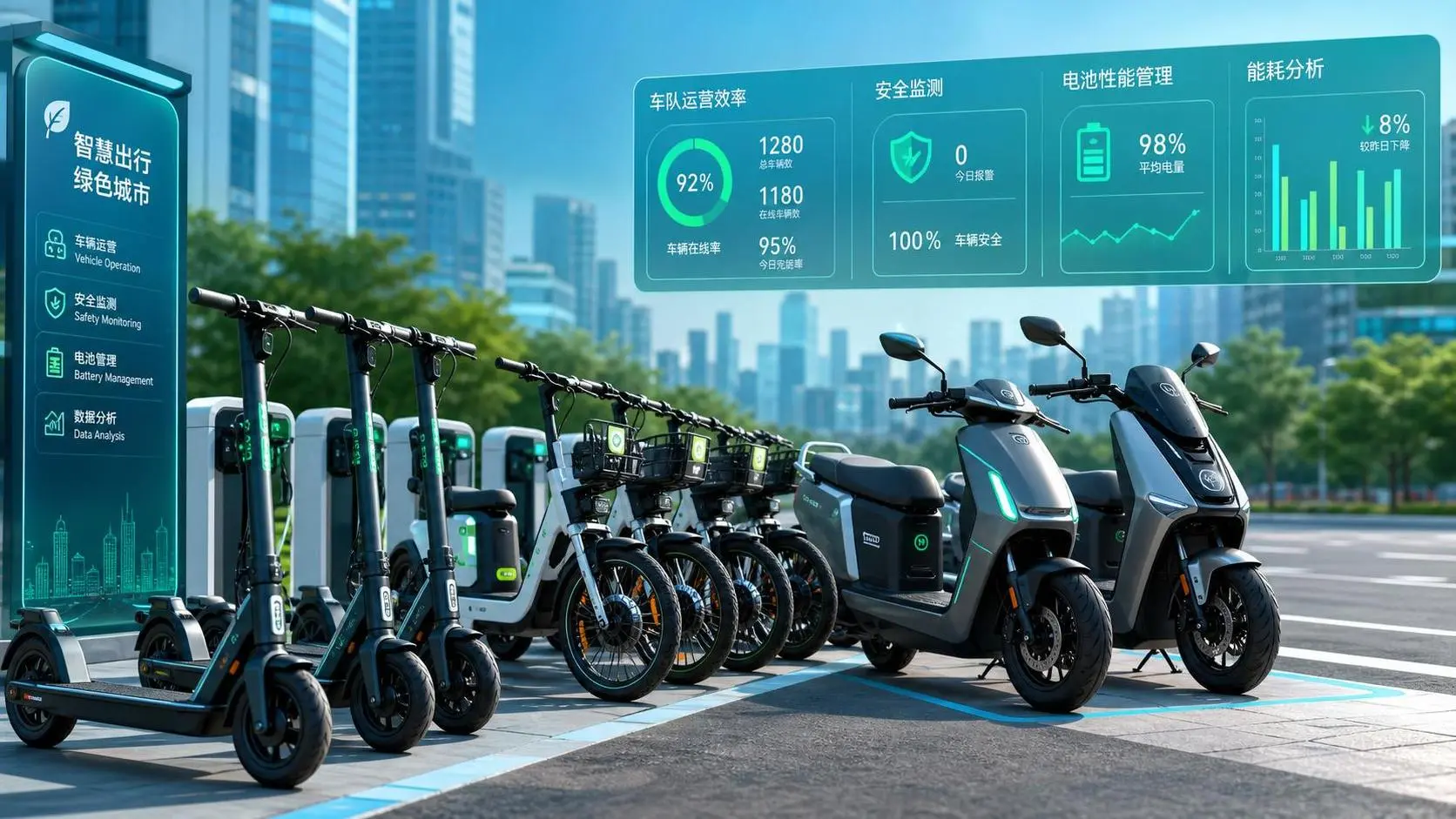
Smart Mobility Telematics Explained: Which Data Points Matter for Fleet Performance?
Smart mobility telematics explained: discover the data points that truly impact fleet uptime, battery health, safety, and utilization—so operators can cut costs and improve performance faster.