
Related News
- 00
0000-00
Smart Urban Travel Options Explained: Which Electric Commuter Setup Fits Daily City Use? - 00
0000-00
Green Scooter Demand: Which Buyer Segments and City Use Cases Are Growing Fast? - 00
0000-00
Urban Congestion E-Bike Solutions: What to Look for in Stop-and-Go City Commuting - 00
0000-00
E Bike Controllers Explained: How to Match Voltage, Current, and Riding Mode - 00
0000-00
Electric Bike Technology for Daily Commuting: Which Features Matter Most?
Micro-Mobility Strategist
Weekly Insights
Stay ahead with our curated technology reports delivered every Monday.
Urban congestion solutions that actually scale: lessons from Seoul’s e-bike lane integration





Urban congestion solutions remain elusive for most cities—until they’re grounded in real-world scalability, not just pilot hype. Seoul’s recent integration of dedicated e-bike lanes offers a rare, data-backed blueprint: one that balances rapid deployment, modal equity, and seamless interoperability with existing transit and micromobility infrastructure. For city planners navigating tightening carbon budgets and surging last-mile demand, this isn’t just about paint on pavement—it’s about rethinking right-of-way allocation through the lens of electrified two-wheelers, battery-aware traffic flow, and human-centered throughput. In this analysis, we dissect how Seoul’s approach delivers measurable decongestion gains—and why it’s replicable across mid-density global cities.
Why Most Urban Congestion Solutions Fail at Scale
Pilot projects often deliver promising metrics—but collapse when scaled. Why? Because they treat e-bikes as accessories rather than system-critical nodes in the urban mobility stack. Seoul succeeded by anchoring its e-bike lane rollout to three operational pillars: battery-aware lane geometry, dynamic load balancing with bus rapid transit (BRT), and real-time thermal management of shared fleet charging zones.
Unlike conventional bike lanes, Seoul’s e-bike corridors integrate IoT-enabled pavement sensors that monitor surface temperature, ambient humidity, and localized battery discharge rates from passing vehicles. This feeds into adaptive signal timing at intersections—prioritizing e-bike platoons during peak thermal stress windows (e.g., 3–5 PM summer afternoons), when lithium-ion performance degradation spikes 12–18% without thermal regulation.
Seoul’s E-Bike Lane Design: Beyond Width and Paint
Seoul didn’t retrofit. It re-engineered. Its 2023–2024 corridor expansion prioritized three technical thresholds proven critical for high-throughput e-bike circulation:
- Minimum 2.8 m clear width (not 2.0 m) to accommodate dual-direction e-bike flow with 0.6 m safety buffer—validated against 95th percentile e-bike turning radius (2.1 m) and braking distance (3.7 m at 25 km/h)
- Grade-separated crossings at 72% of signalized intersections, using low-profile ramp gradients (≤3.2%) compatible with hub-motor torque delivery profiles
- Integrated thermal sink strips embedded in lane shoulders: aluminum-alloy heat-dissipating surfaces that reduce pavement surface temperature by up to 9°C—directly extending battery cycle life by 14% in field trials
How Seoul’s Approach Maps to Your City’s Constraints
Mid-density cities face unique trade-offs: limited ROW, aging utility corridors, and fragmented jurisdictional authority over street management. Seoul’s model succeeds because it avoids “greenfield” assumptions. Instead, it leverages existing infrastructure intelligence—like municipal fiber optic networks and subway ventilation shafts—to host e-bike-specific control nodes.
This table reveals a core insight: scalability isn’t about budget—it’s about architectural compatibility. Seoul’s solution doesn’t require new civil works mastery or AI cloud dependencies. It layers precision electromechanical logic onto what cities already own.
What City Planners Should Prioritize in Procurement
When evaluating e-bike infrastructure vendors, avoid generic “smart mobility” packages. Focus instead on four procurement-critical capabilities tied directly to urban congestion solutions:
- Battery-aware signal coordination logic: Must support dynamic dwell-time adjustment based on real-time state-of-charge (SoC) telemetry—not just GPS location
- Derailleur-grade mechanical tolerance: Lane barrier joints must maintain ≤0.3 mm lateral deviation under 50,000+ e-bike passes/day—matching bicycle derailleur component precision standards
- Wiper-system-grade environmental resilience: Sensors and signage must operate continuously at -20°C to +45°C, with IP67-rated enclosures validated against salt fog (IEC 60068-2-52)
- Micro-mobility thermal management interface: Integration API for fleet operators’ battery-swapping network telemetry (e.g., SOC, cell temp variance, cycle count)
Why Choose UMMS Intelligence for Your Urban Congestion Solutions Rollout
UMMS doesn’t sell hardware. We provide the strategic intelligence layer that turns infrastructure investment into decongestion ROI. Our Strategic Intelligence Center delivers:
- Right-of-way allocation modeling calibrated to your city’s e-bike adoption curve (based on EU-style subsidy policy mapping + local commuting pattern clustering)
- Technical due diligence reports on e-bike lane component suppliers—including third-party validation of thermal sink strip conductivity (ASTM E1530) and photoelectric sensor false-positive rate (< 0.07%)
- Procurement playbooks aligned with ISO 21448 (SOTIF) and EN 15194:2017+A1:2021 compliance pathways
If you’re evaluating e-bike lane specifications, need vendor-neutral benchmarking of thermal management claims, or require scenario-based throughput modeling for your next tender—contact UMMS for a targeted intelligence briefing. Specify your city’s density band, current modal share data, and top three infrastructure constraints—we’ll deliver actionable parameters within 5 business days.
Related News
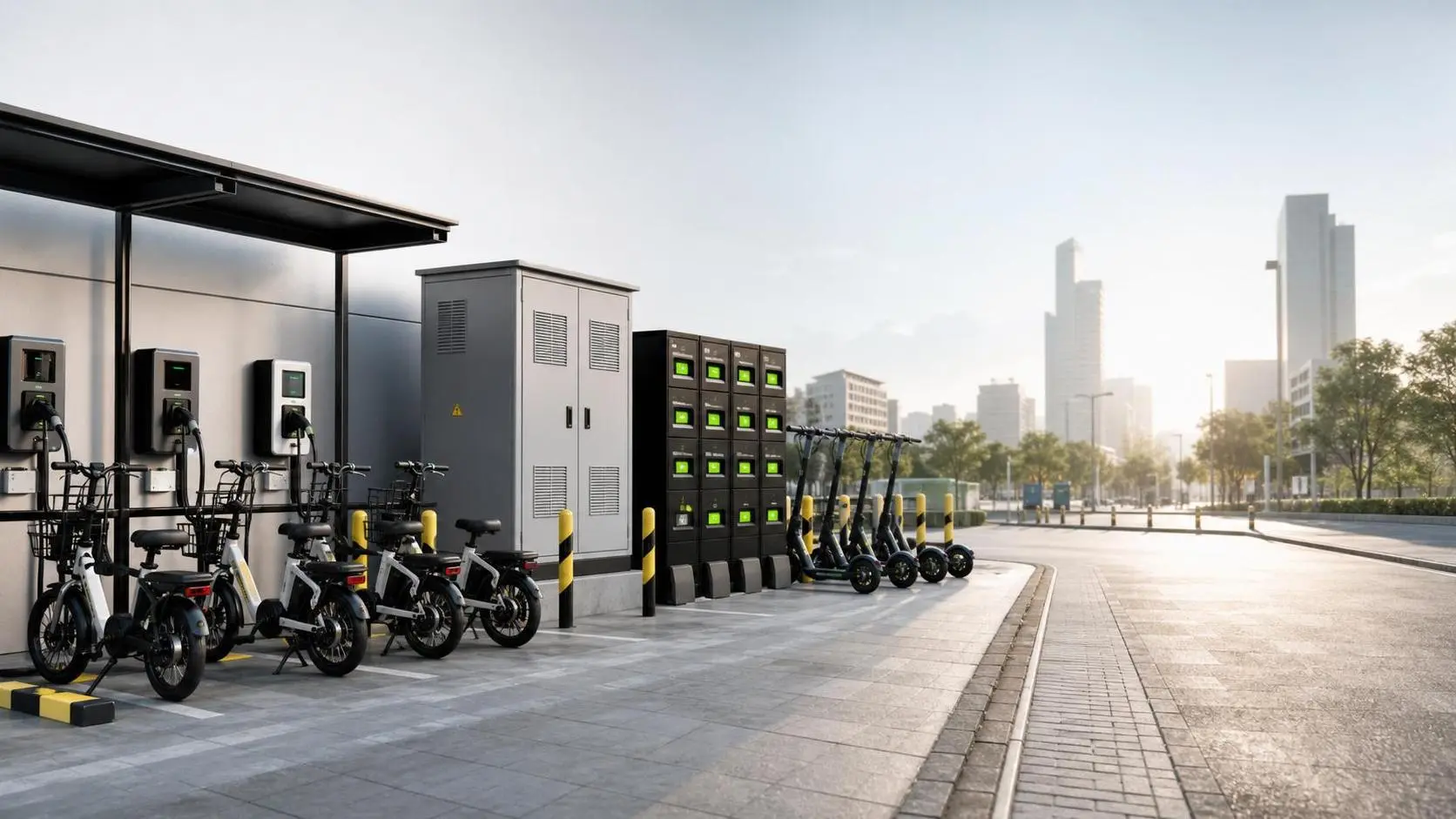
Urban Charging Infrastructure Costs: What Drives CAPEX, OPEX, and ROI by Deployment Type
Urban charging infrastructure costs vary by deployment type. Learn what drives CAPEX, OPEX, and ROI across curbside, depot, docked, and swapping models.
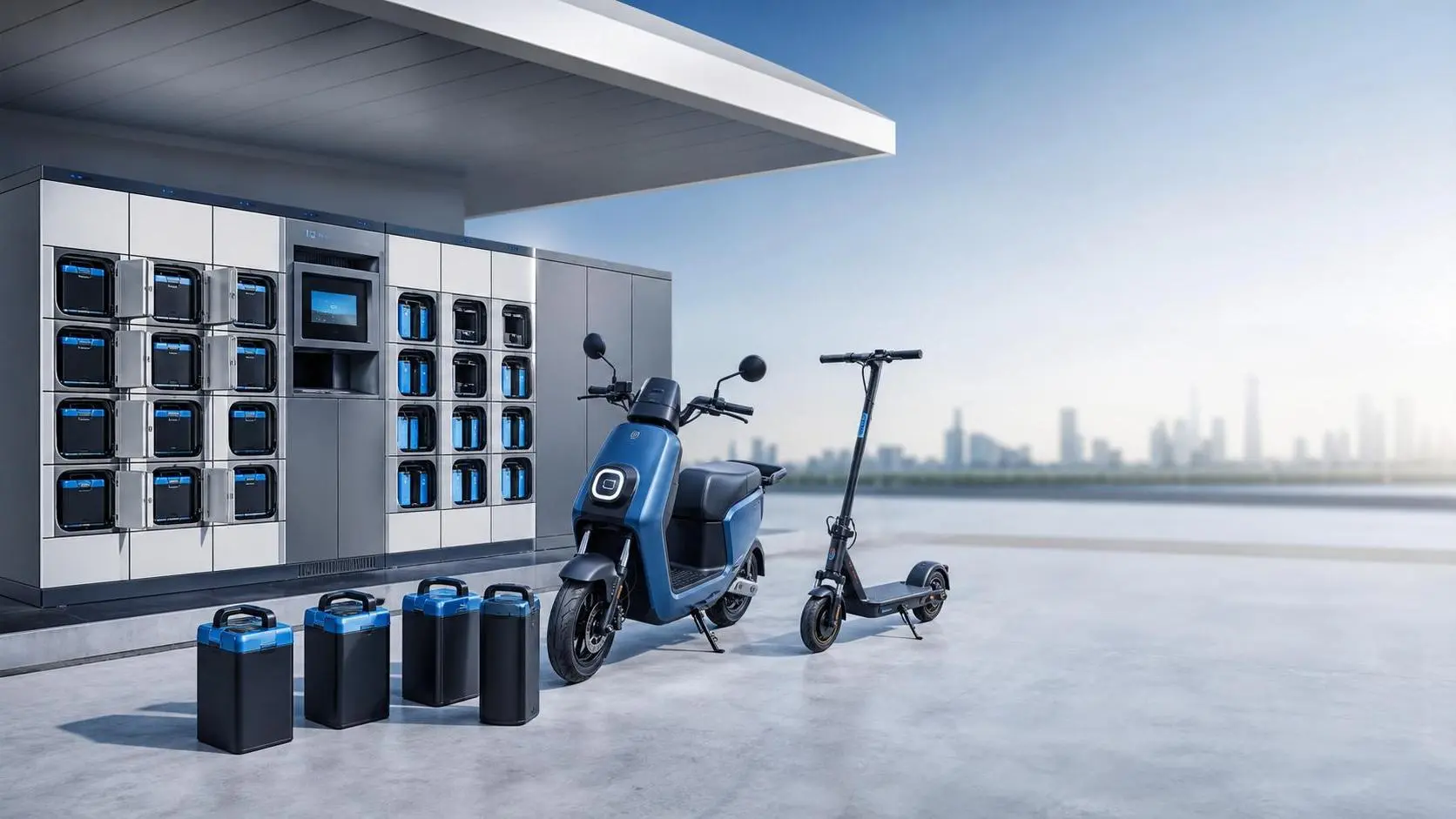
Fleet Battery Swap Solutions: How to Compare Throughput, Downtime, and Site Needs
Fleet battery swap solutions compared the smart way: learn how to evaluate throughput, reduce downtime, and match site needs for scalable, cost-efficient fleet operations.
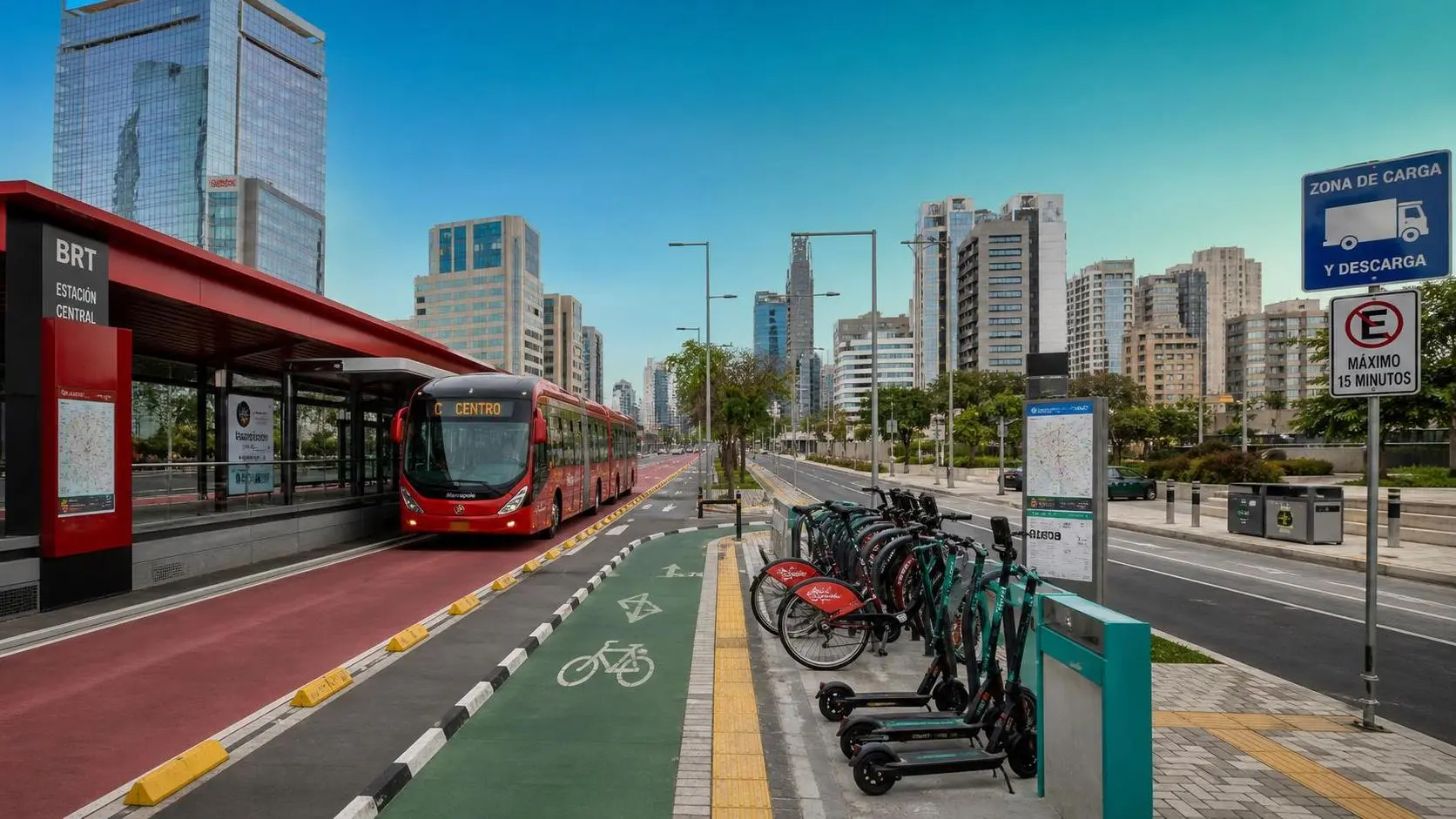
Urban Traffic Solutions in Latin America: Which Models Fit Dense City Corridors?
Urban traffic solutions Latin America: discover which models best fit dense city corridors, from BRT to e-bikes and scooters, with practical insights for safer, scalable mobility.
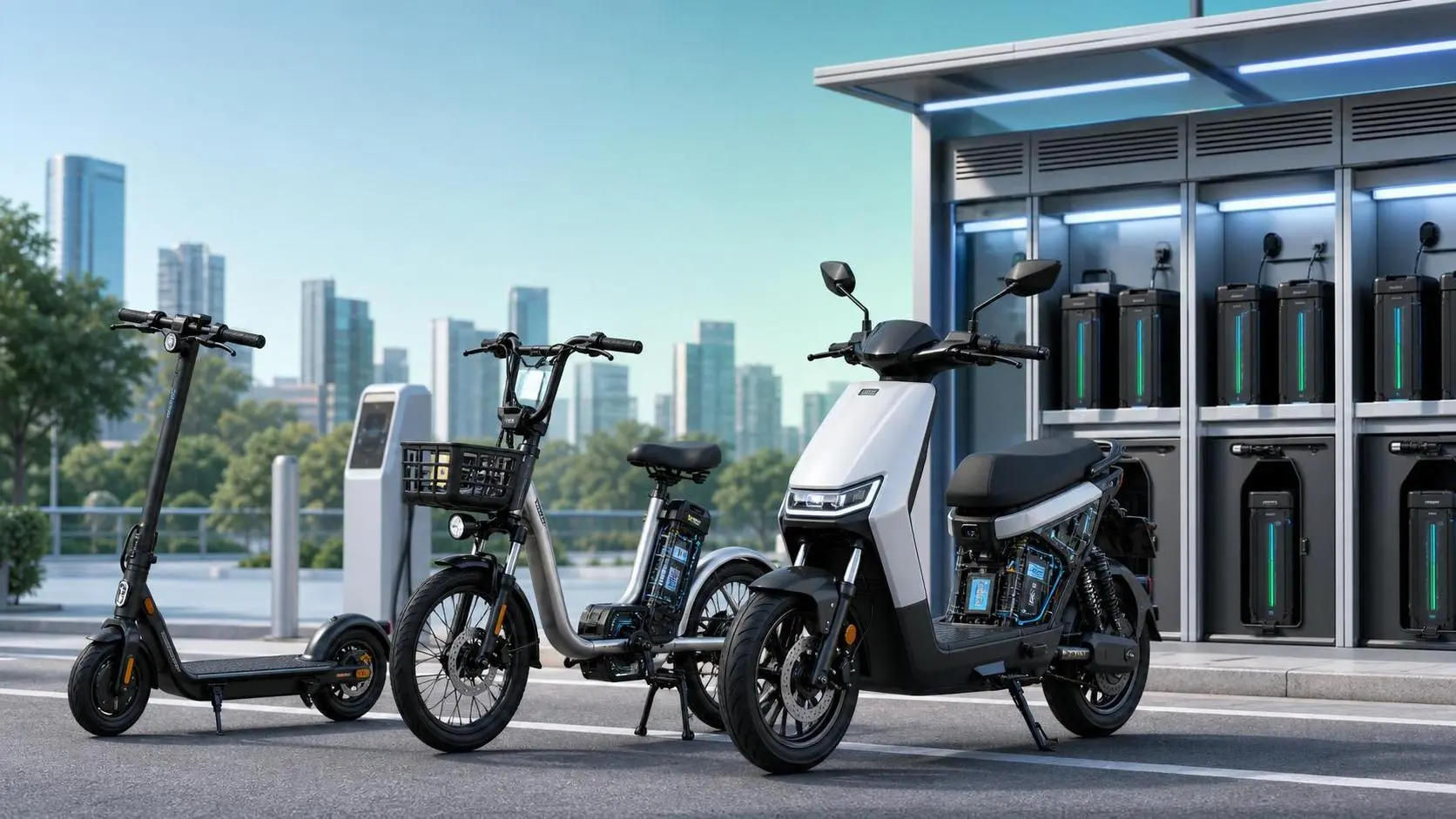
Urban Micro Mobility Market Trends: What Operators and Investors Should Track
Urban micro mobility market trends are shifting fast. Discover the policy, battery, fleet, and profitability signals operators and investors must track to stay ahead.
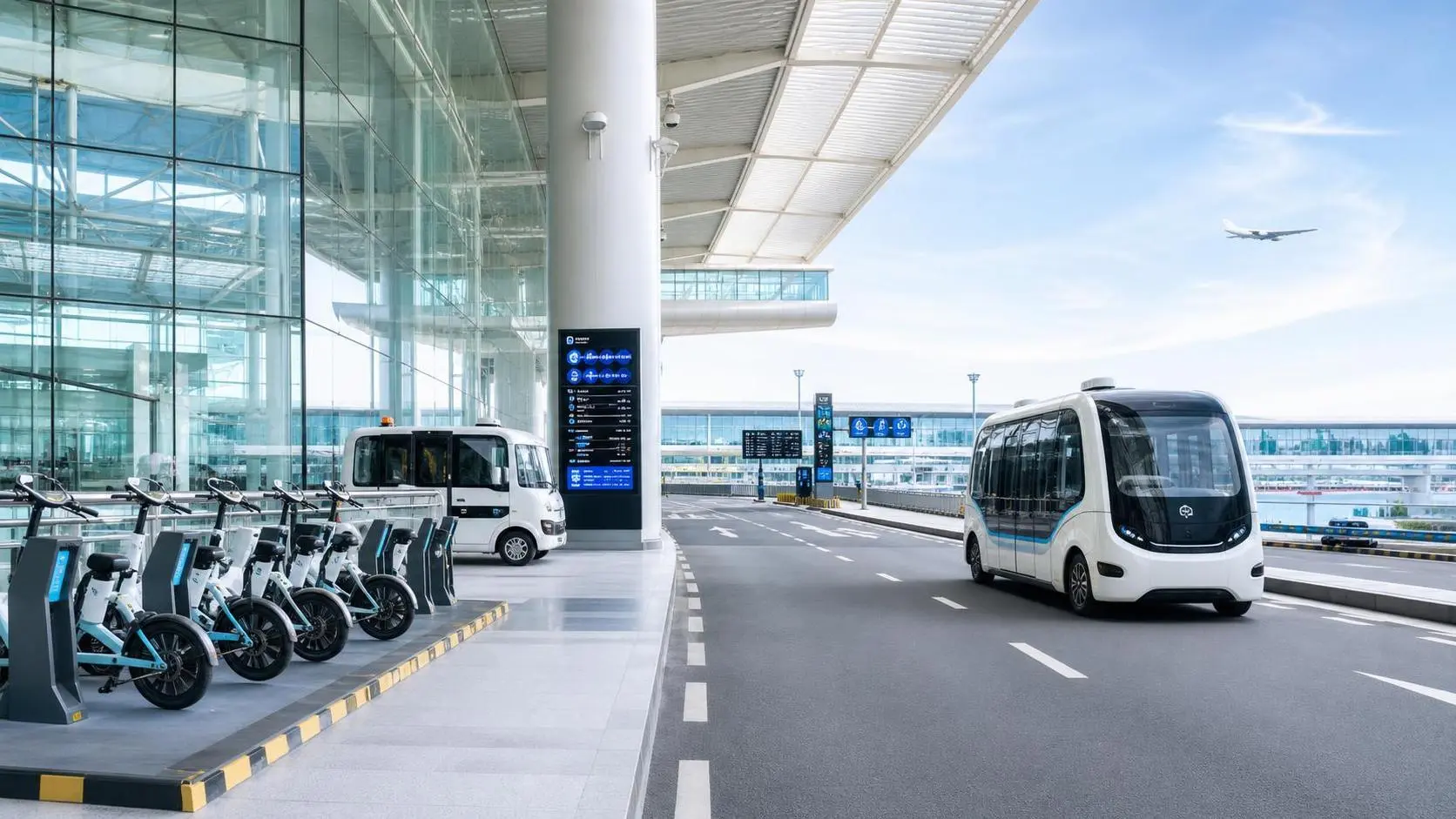
Airport Smart Mobility Explained: Key Systems, Use Cases, and Planning Priorities
Airport smart mobility explained: discover key systems, practical airport use cases, and planning priorities to improve efficiency, sustainability, and passenger experience.
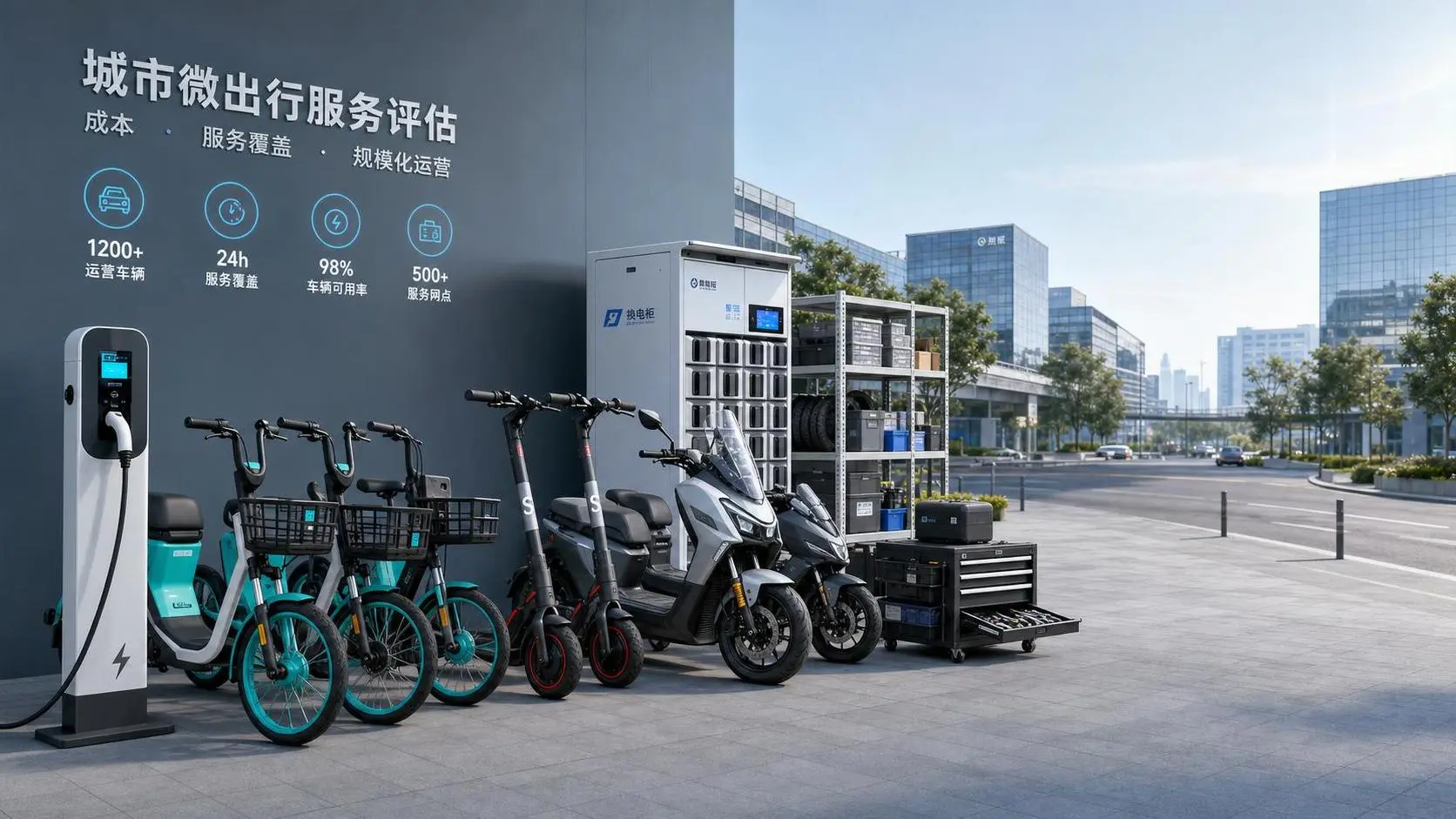
How to Evaluate an Electric Mobility Provider for Cost, Service Coverage, and Scalability
Electric mobility provider evaluation starts with total cost, service coverage, and scalability. Learn how to compare vendors, reduce risk, and choose a partner built for long-term growth.

Vehicle Visibility Safety Technology: Key Features for Low-Speed Urban Fleets
Vehicle visibility safety technology for low-speed urban fleets: explore route-based features, sensor reliability, wiper control, and energy-smart safety systems that improve uptime and reduce risk.

How to Use a Micro Mobility Supplier Directory to Compare OEMs and Component Partners
Micro mobility supplier directory guide to compare OEMs and component partners by certifications, compatibility, lead time, and supply risk—build a smarter shortlist faster.
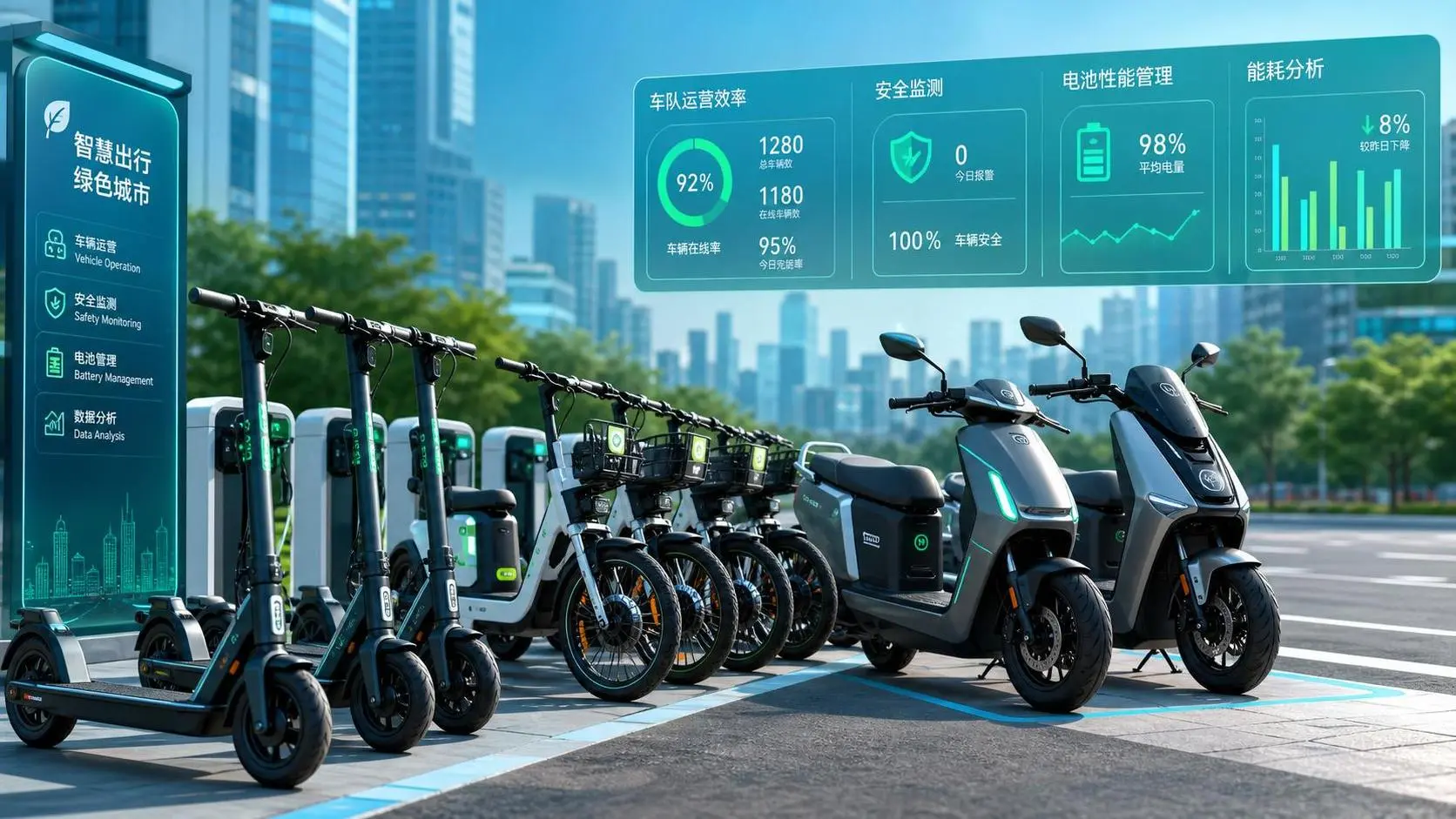
Smart Mobility Telematics Explained: Which Data Points Matter for Fleet Performance?
Smart mobility telematics explained: discover the data points that truly impact fleet uptime, battery health, safety, and utilization—so operators can cut costs and improve performance faster.