
Related News
- 00
0000-00
What Affects Ebike Energy Efficiency? Battery Size, Rider Weight, Terrain, and Speed - 00
0000-00
How to Choose an Electric Bicycle for City Commuting: Range, Motor, and Weight Explained - 00
0000-00
E-Bike Technology Explained: Motor Types, Battery Range, and Control Systems - 00
0000-00
Electric Bike Technology Solutions for Urban Fleets: Connectivity, BMS, and Service Data - 00
0000-00
Electric Bicycles ODM: How to Evaluate Design, MOQ, and Customization Capabilities
Micro-Mobility Strategist
Weekly Insights
Stay ahead with our curated technology reports delivered every Monday.
How Electric Torque Affects Hill Starts and Urban Handling





Electric torque is the defining force behind confident hill starts and responsive urban handling in today’s e-bikes and high-speed e-motorcycles. For riders and operators, understanding how instant power delivery affects traction, balance, acceleration, and stop-and-go control is essential for safer, smoother city travel. This article explores how electric torque shapes real-world performance and what it means for daily mobility efficiency.
Why riders care about electric torque more than peak power
When riders search for information about electric torque, they usually want a practical answer: will the vehicle feel controlled, capable, and safe in real city conditions?
That question matters most during hill starts, traffic lights, short merges, tight turns, wet pavement, and repeated stop-and-go movement common in daily commuting.
In simple terms, electric torque is the twisting force produced by the motor. It determines how strongly the wheel begins to turn from a standstill.
Unlike many combustion motorcycles, electric two-wheelers can deliver torque almost instantly. That fast response is why an e-bike or e-motorcycle often feels lively at low speed.
For users and operators, the biggest takeaway is clear: torque affects not only acceleration, but also balance, traction, confidence, and precision in crowded urban environments.
High peak power may look impressive on a specification sheet, but riders usually notice torque first because it shapes launch feel, climbing ability, and low-speed control.
How electric torque helps or hurts hill starts
Hill starts are one of the easiest real-world tests of torque quality. A vehicle must overcome gravity, rider weight, and rolling resistance before moving smoothly uphill.
If torque arrives too weakly, the bike may hesitate, stall in feel, or require excessive pedaling or throttle input. That can increase stress in traffic.
If torque arrives too suddenly, the wheel may surge forward, upsetting balance or reducing traction, especially on painted road markings, loose gravel, or wet inclines.
The best hill-start behavior comes from torque that is both sufficient and well controlled. Riders need immediate support, but they also need predictable modulation.
On an e-bike, this often depends on how the motor controller blends pedal assist, cadence sensing, torque sensing, and startup current limits.
On a high-speed e-motorcycle, hill-start performance depends heavily on throttle mapping, motor controller tuning, vehicle weight distribution, and tire grip under load transfer.
A good system reduces rollback, avoids jerky launch behavior, and lets the rider start uphill without overcorrecting body position or handlebar input.
What instant torque means for stop-and-go urban traffic
In cities, riders rarely travel at one steady speed. They accelerate, brake, wait, thread through narrow gaps, and restart dozens of times in a single trip.
This is where electric torque becomes especially valuable. Immediate response reduces lag between rider input and vehicle movement, making the machine feel more intuitive.
That responsiveness can improve safety when crossing intersections, clearing a lane change, or moving away from buses, delivery vans, and turning cars.
However, quick response only helps if it is smooth. In dense traffic, too much initial torque can make low-speed handling feel nervous rather than agile.
For new riders, abrupt launch characteristics may lead to overthrottle, foot dabs, steering wobble, or panic braking. Those are usability issues, not just performance details.
Well-calibrated electric torque improves urban handling by giving the rider clean, repeatable control at walking pace, moderate acceleration, and short recovery movements.
That is why controller tuning matters as much as raw motor strength. A refined system makes urban riding calmer, not merely faster.
Torque, traction, and balance: the three-way relationship
Many riders assume more torque always means better performance. In reality, useful performance depends on how torque interacts with traction and balance.
When the motor pushes the rear wheel, weight shifts rearward. On a hill, that can help traction, but it can also lighten the front end.
If the front becomes too light during a launch, steering precision may decrease. On an e-motorcycle, that can affect line control in tight uphill turns.
On compact e-bikes and small-wheel urban platforms, strong low-end torque can feel exciting, but it may amplify twitchiness if geometry or tire choice is poor.
Traction also changes with weather, surface quality, and tire pressure. The same torque level that feels perfect on dry pavement may feel aggressive in rain.
This is why experienced operators look beyond torque numbers alone. They evaluate the whole system: motor output, controller behavior, wheel size, tire compound, and chassis stability.
For daily riders, confidence comes from predictable grip and balanced movement, not from the highest launch force possible.
Why the motor type and controller setup matter
Two vehicles can list similar torque figures yet feel completely different on the road. The reason is that delivery characteristics depend on hardware and software together.
Hub motors often provide direct, simple propulsion and can feel strong at low speed. Mid-drive systems may offer better climbing efficiency through drivetrain leverage.
On e-bikes, a torque sensor usually creates more natural assistance than a basic cadence-only system, especially when starting on an incline.
Torque-sensing systems respond to how hard the rider pushes the pedals. That usually improves launch smoothness and reduces the on-off feeling beginners dislike.
On high-speed e-motorcycles, controller calibration shapes how sharply torque rises with throttle input. This affects both hill starts and urban corner exits.
Manufacturers may also include riding modes such as Eco, Normal, or Sport. These modes often change torque ramp rate, regenerative braking, and throttle sensitivity.
For users, the practical lesson is simple: do not judge rideability by the motor specification alone. Test how the system behaves under realistic urban loads.
How electric torque affects different rider skill levels
Experienced riders often enjoy strong electric torque because it shortens reaction time and makes the vehicle feel energetic in traffic.
But beginners may value gentleness more than force. A softer launch can reduce mistakes while they learn balance, line choice, and low-speed braking coordination.
This difference is important in fleet use, rentals, delivery operations, and shared mobility, where riders may have inconsistent training and varied physical confidence.
For less experienced users, predictable electric torque lowers the learning burden. It helps them start uphill cleanly without fighting sudden forward thrust.
For skilled commuters, stronger torque can improve efficiency by reducing effort on climbs and shortening exposure time in intersections or mixed traffic.
The ideal setup often includes adjustable ride modes. That allows one platform to serve cautious beginners and more assertive riders without changing hardware.
In practical terms, good urban mobility design does not maximize torque for everyone. It matches torque behavior to rider ability and use case.
What to look for when evaluating an e-bike or e-motorcycle for city use
If you are choosing a vehicle, start by asking how it launches from a stop, not just how fast it can go at the top end.
Try a hill start with normal footwear, a realistic bag load, and moderate traffic awareness. This reveals more about useful torque than an empty flat-road test.
Notice whether the vehicle rolls back, surges, or responds late. Good electric torque should feel immediate but never difficult to meter.
Check low-speed throttle or pedal-assist smoothness. In city use, the first few meters often matter more than high-speed acceleration.
Also pay attention to front-end stability, especially on inclines and during slow turns. Excessively abrupt torque can disturb steering confidence.
Evaluate traction on imperfect surfaces if possible. Brick, painted lanes, metal covers, and damp pavement can expose poor torque calibration quickly.
For heavier riders or cargo users, test how torque behaves with load. A setup that feels fine unloaded may become strained or jerky under real conditions.
Finally, look for ride modes, traction-oriented calibration, and a reputation for controller refinement. These features often matter more than headline torque claims.
Common misunderstandings about electric torque
One common misunderstanding is that more torque always means faster commuting. In real cities, smooth launches and precise control often save more time than brute force.
Another misconception is that torque alone determines climbing ability. Battery output, controller current, gearing, motor cooling, and total vehicle mass also play major roles.
Some riders also confuse instant torque with effortless safety. Fast response can help avoid problems, but only if the rider can predict and manage that response.
There is also a tendency to compare torque numbers across different vehicle types without context. An e-bike and an e-motorcycle use torque very differently.
Numbers quoted at the motor, wheel, or system level may not be directly comparable. Real-world feel is often a better guide than marketing language.
For urban users, the better question is not “Which has more torque?” but “Which uses its torque more effectively for my route and skill level?”
The bigger mobility value: efficiency, confidence, and less rider fatigue
Well-managed electric torque does more than improve launch performance. It also reduces physical and mental strain during repeated city riding tasks.
Confident hill starts mean less wobble, fewer awkward foot-down moments, and lower stress when traffic builds behind you on an incline.
Smooth urban handling means fewer corrective inputs, cleaner lane positioning, and better consistency in crowded spaces with pedestrians, bikes, and vehicles nearby.
For e-bike riders, this can translate into a more natural blend of human effort and motor assist, especially on variable terrain.
For e-motorcycle users, it can mean stronger control during overtakes, merges, and low-speed maneuvers without the delay typical of many combustion platforms.
From a mobility systems perspective, refined torque delivery also supports safer adoption. Riders are more likely to trust and keep using vehicles that feel manageable.
That trust matters for commuting reliability, fleet efficiency, shared platform retention, and the broader success of urban electrified two-wheel transport.
Conclusion: electric torque is most valuable when it is usable
Electric torque has a direct effect on hill starts and urban handling because it shapes how a two-wheeler moves from rest, climbs under load, and reacts in traffic.
For riders and operators, the most important point is not maximum force on paper. It is how smoothly, predictably, and confidently that force reaches the road.
The best systems combine immediate response with controlled delivery, strong traction support, stable balance, and low-speed precision.
Whether you ride an e-bike for daily commuting or a high-speed e-motorcycle for rapid urban travel, usable electric torque improves safety, comfort, and efficiency.
When evaluating your next vehicle, focus on real launch behavior, hill-start confidence, and city control. That is where electric torque proves its true value.
Related News
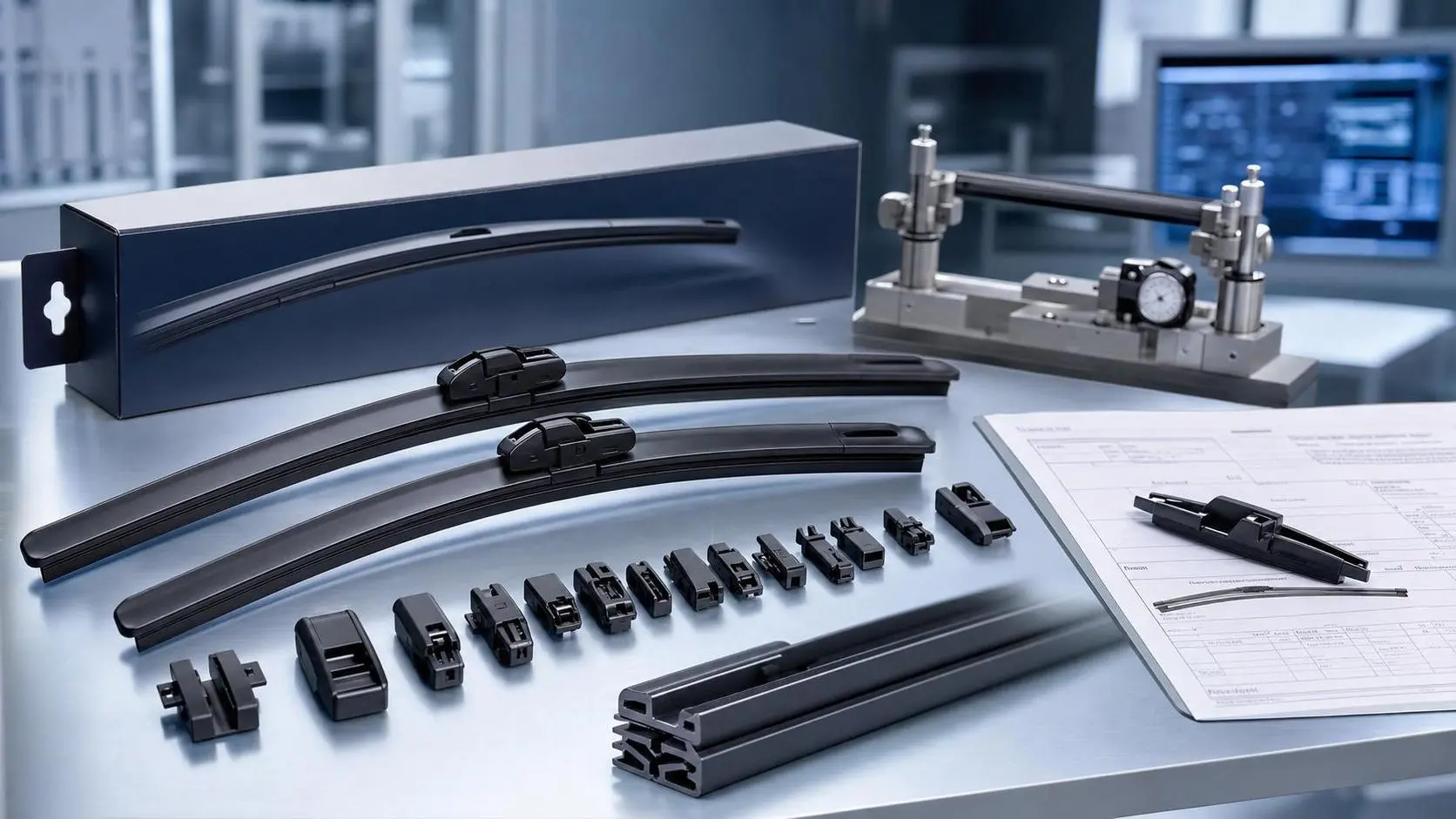
Flat Wiper Blades Wholesale Buying Guide: MOQ, Rubber Quality, Fitment, and Supplier Checks
Flat wiper blades wholesale buying guide covering MOQ, rubber quality, fitment accuracy, and supplier checks to reduce risk, improve margins, and choose reliable bulk partners.
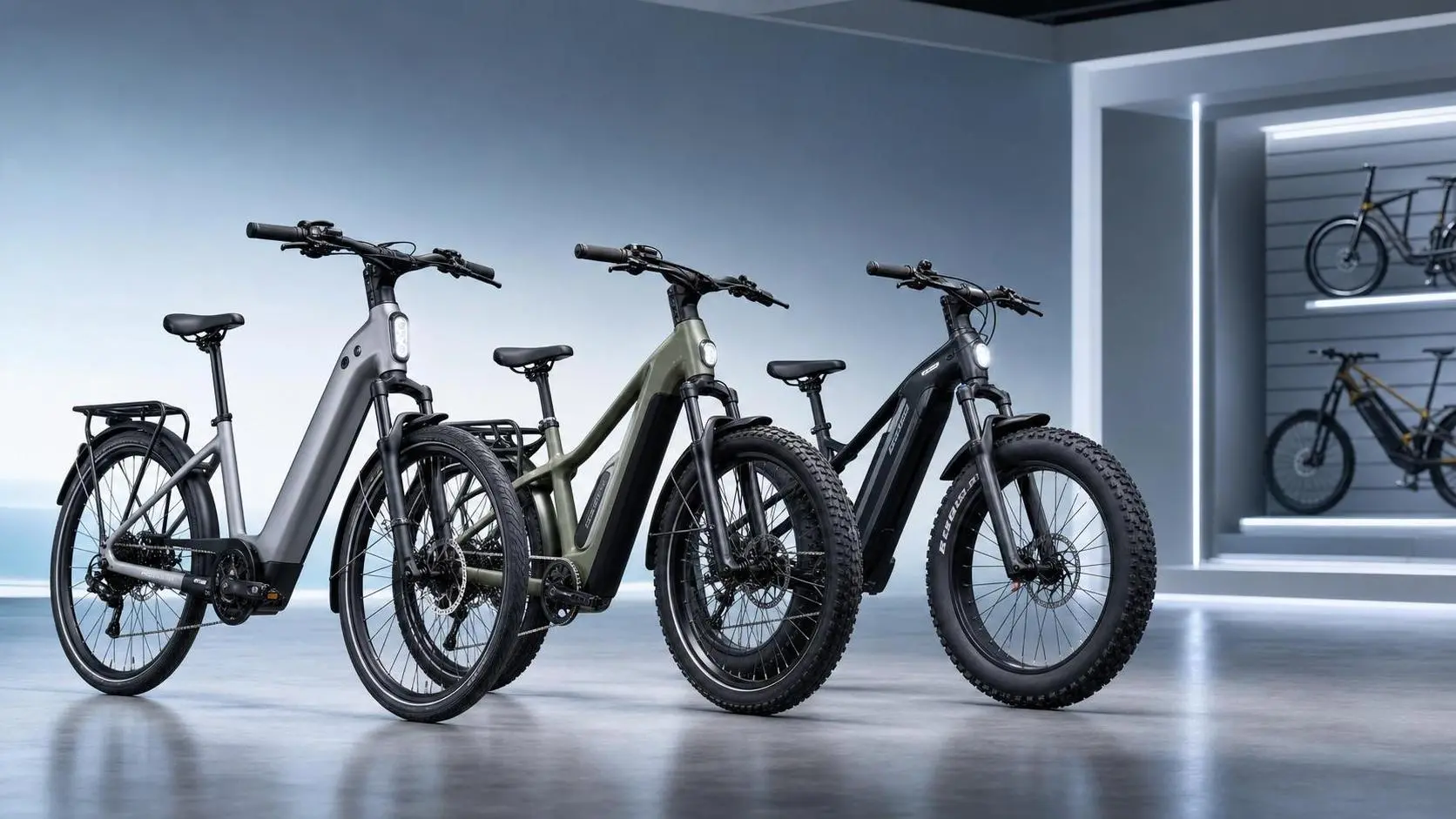
Ebike Market USA: What Dealers Should Know About Demand Shifts, Pricing, and Product Mix
ebike market USA is shifting fast. Discover how demand segmentation, pricing pressure, and smarter product mix decisions can help dealers protect margins and grow.
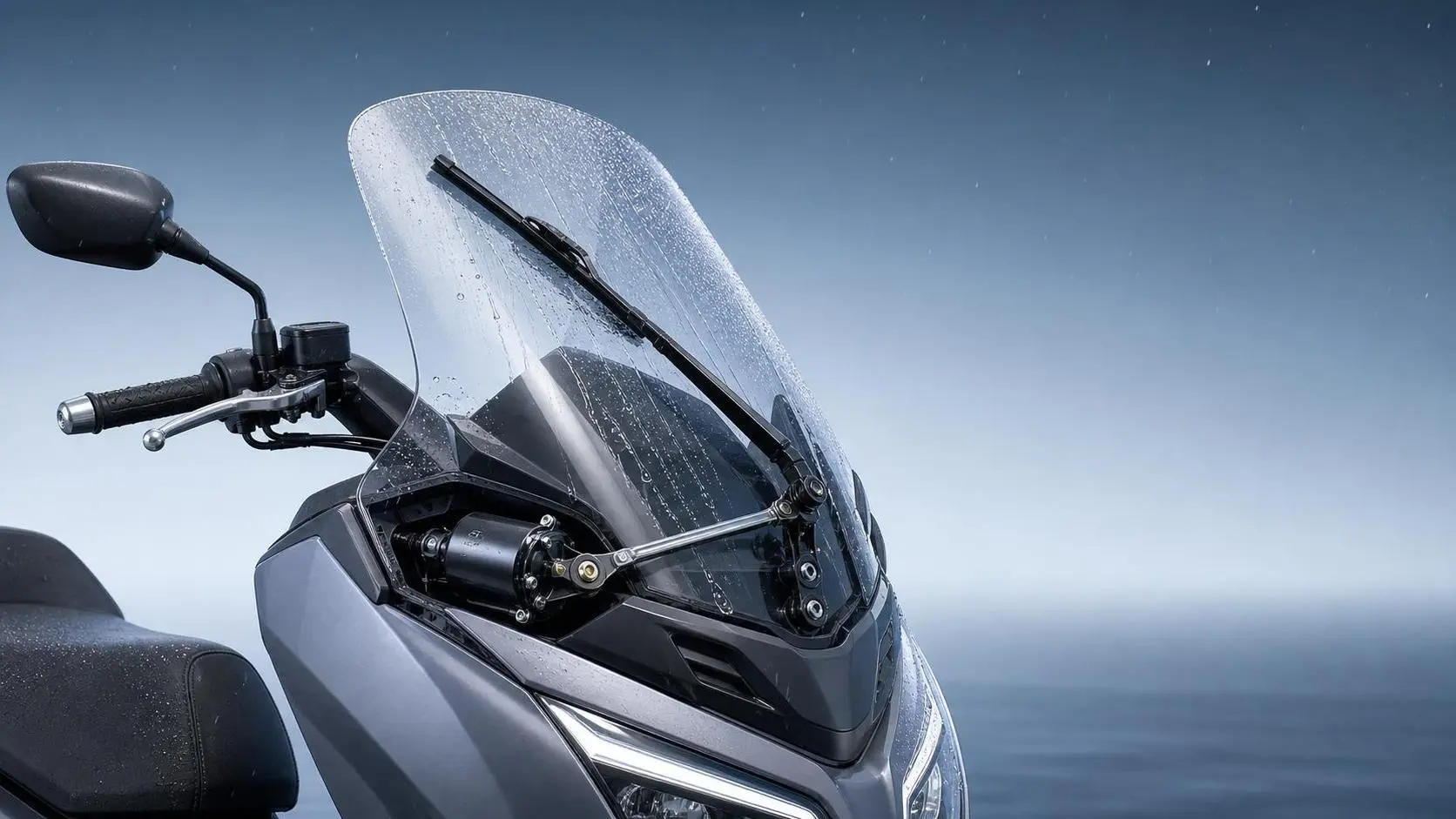
Wiper Systems for Scooters: Common Failure Points, Maintenance Tips, and Replacement Signs
Wiper systems for scooters: learn the most common failure points, smart maintenance tips, and clear replacement signs to improve visibility, reduce repeat repairs, and keep riders safer.
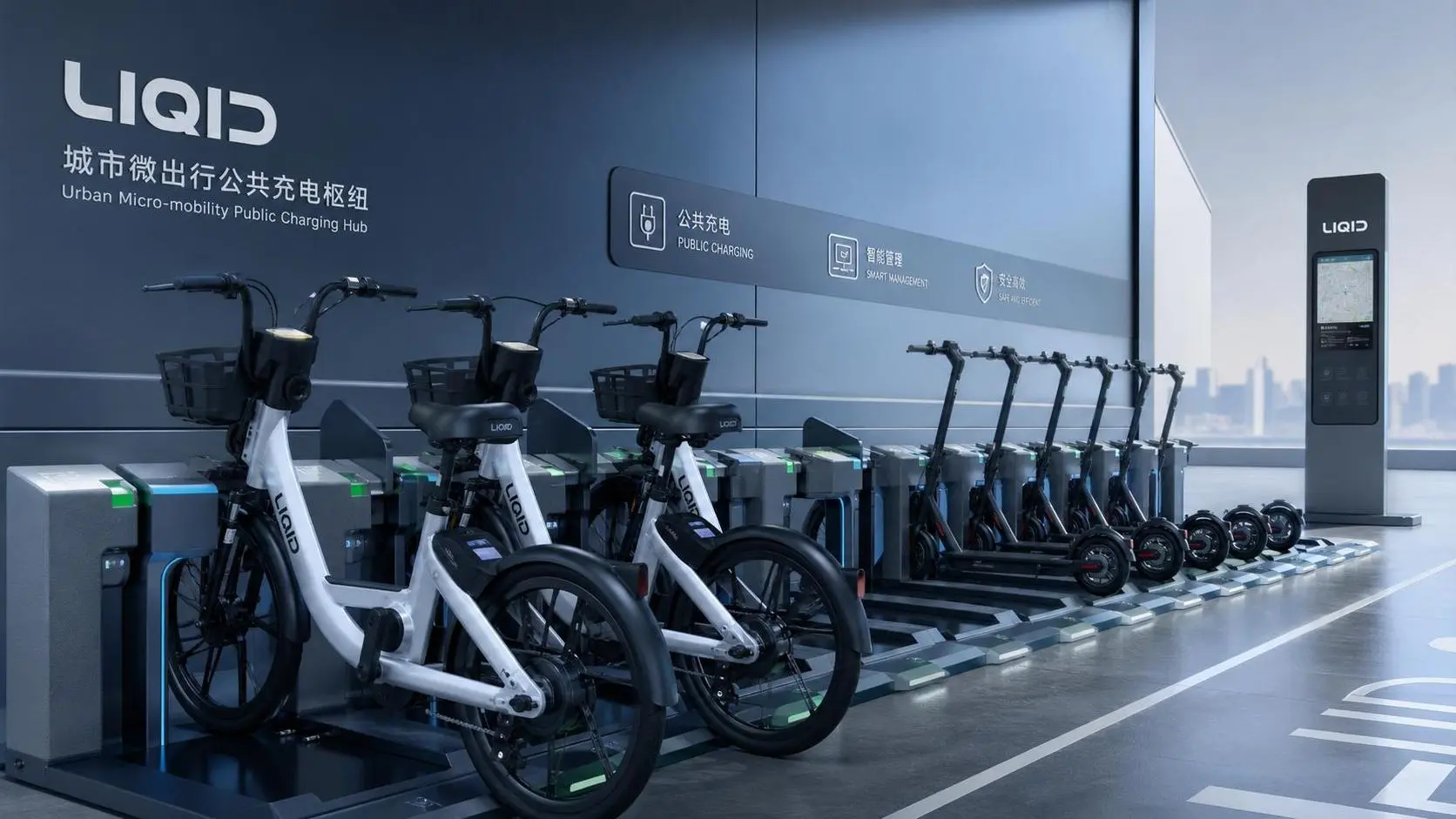
How to Choose Micro-Mobility Docking Stations for Shared Fleets and Public Charging Hubs
Micro-mobility docking stations: learn how to compare charging, locking, software, and site-fit factors to choose safer, smarter hubs for shared fleets and public use.
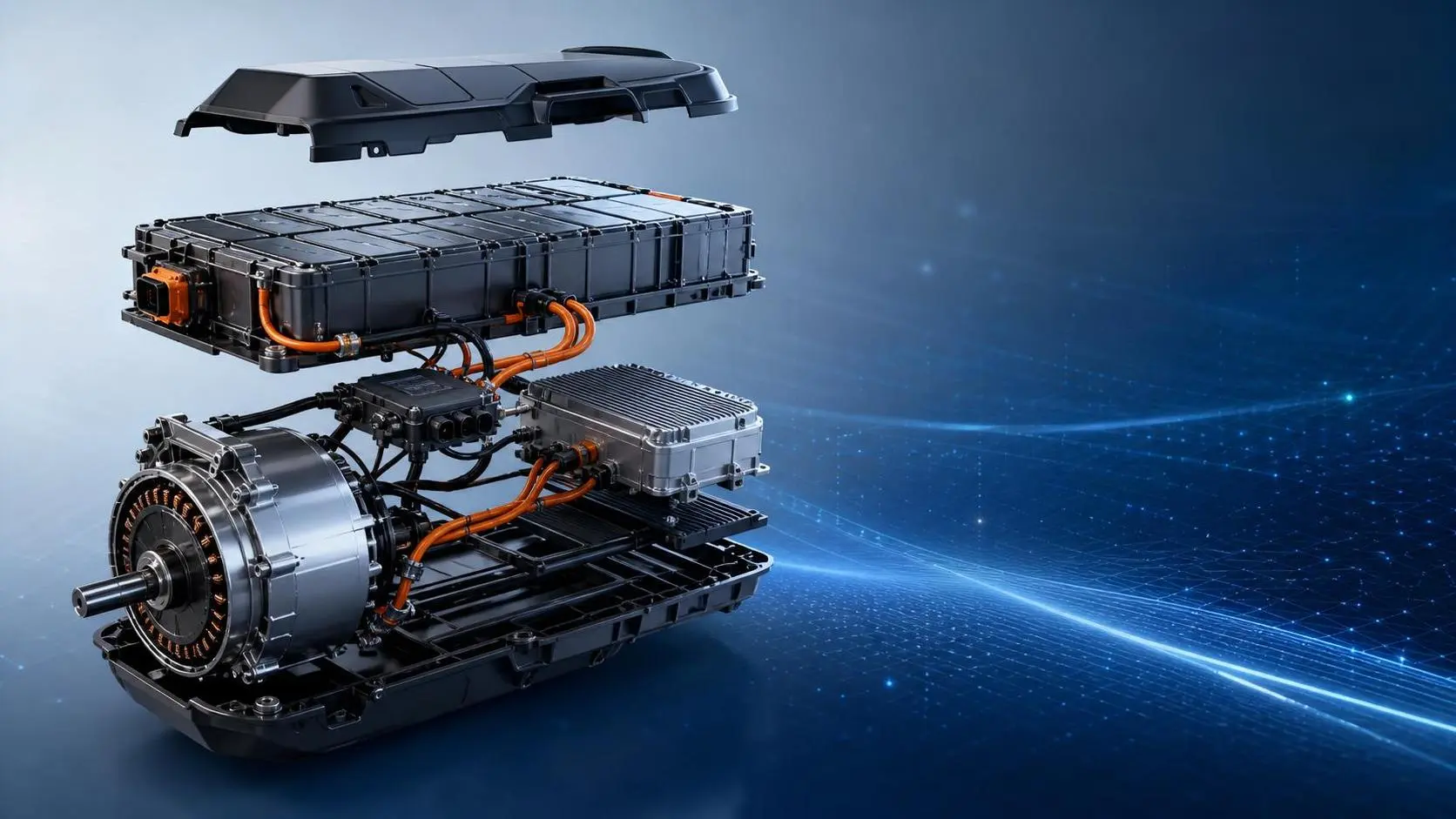
Powertrain Heat Management Explained: Key Design Factors for EV Efficiency and Battery Life
Powertrain heat management explained for EVs: discover how thermal design boosts efficiency, protects battery life, improves safety, and sustains real-world performance.
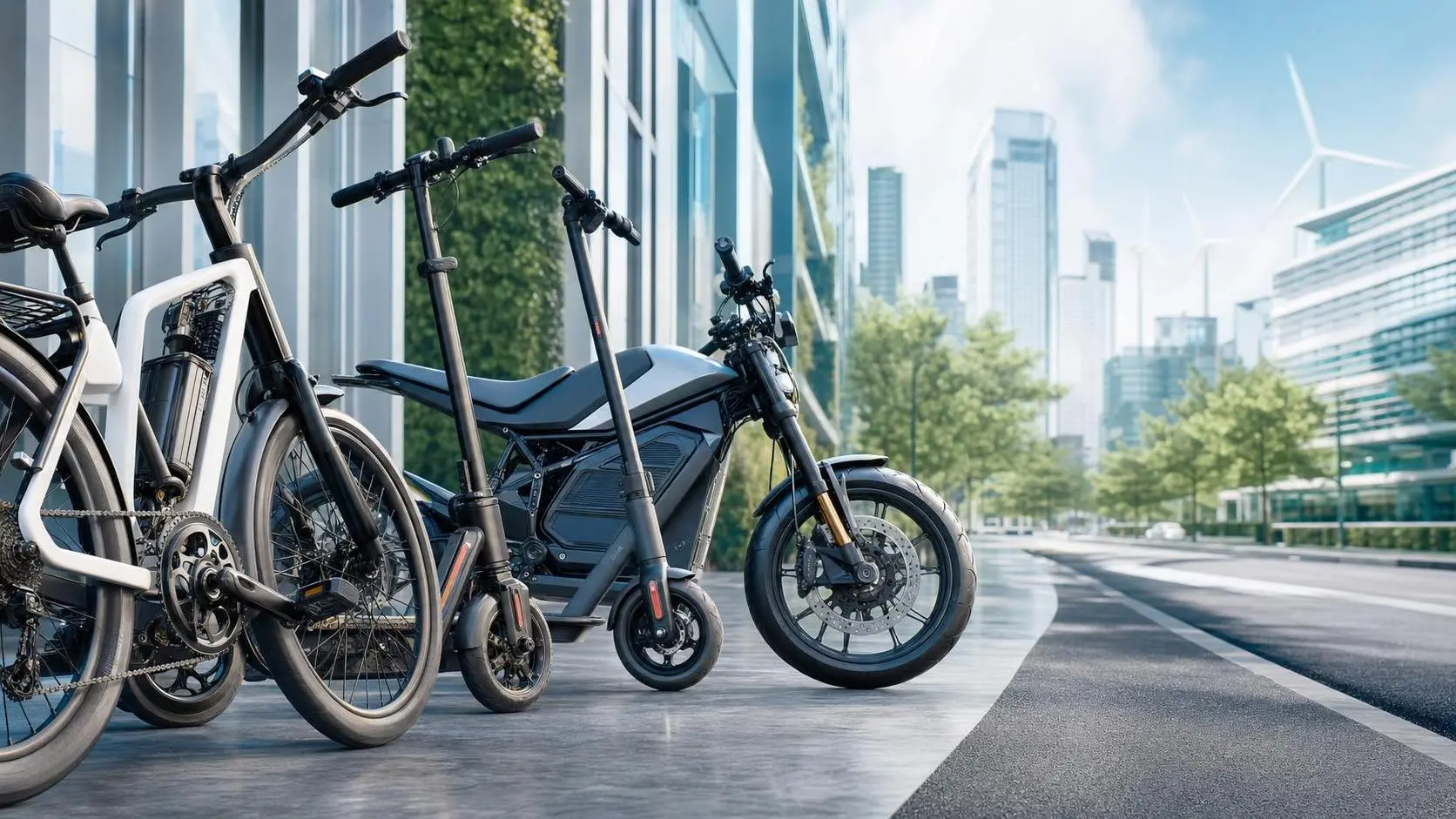
Urban Mobility Market Analysis: Demand Drivers, Policy Risks, and Revenue Models Compared
Urban mobility market analysis compares demand drivers, policy risks, and revenue models across e-bikes, scooters, and e-motorcycles to reveal where growth is durable.
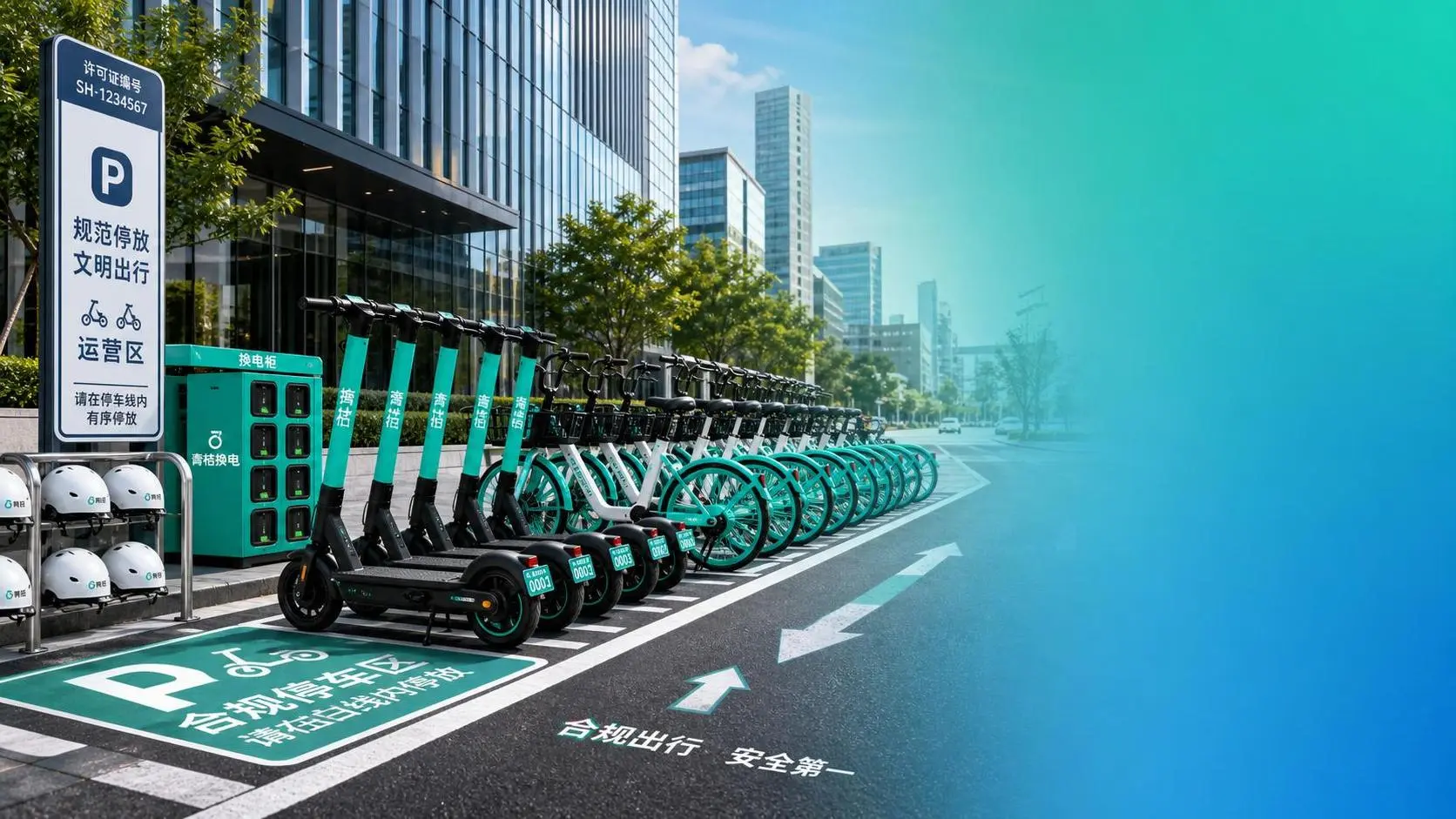
Shared Mobility Compliance Checklist: Permits, Safety Rules, and Fleet Data Requirements
Shared mobility compliance made simple: explore a practical checklist for permits, safety rules, and fleet data requirements to launch faster, reduce risk, and stay audit-ready.
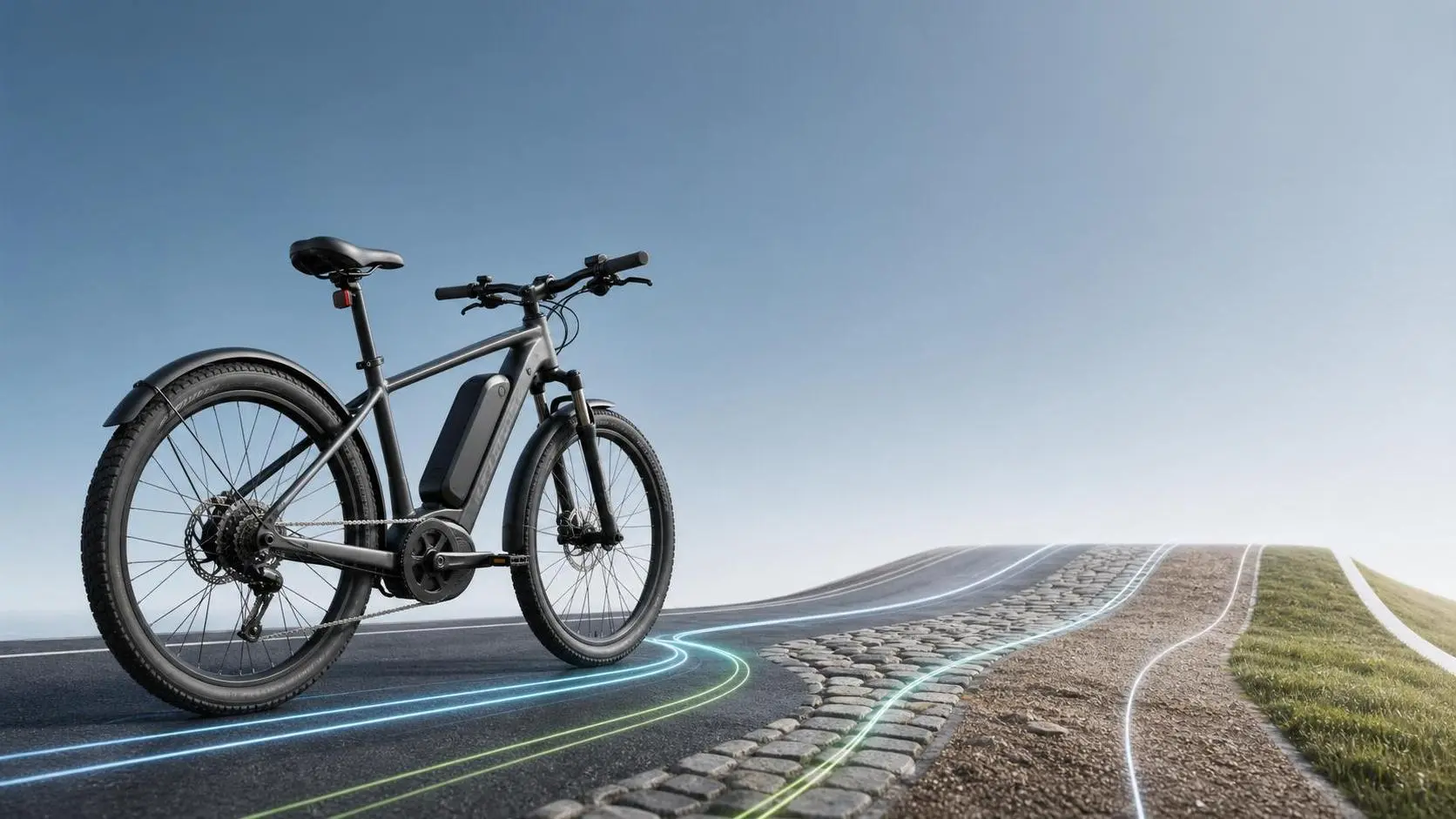
What Affects Ebike Energy Efficiency? Battery Size, Rider Weight, Terrain, and Speed
Ebike energy efficiency explained: learn how battery size, rider weight, terrain, and speed shape real-world range, lower Wh/km, and smarter buying or commuting decisions.
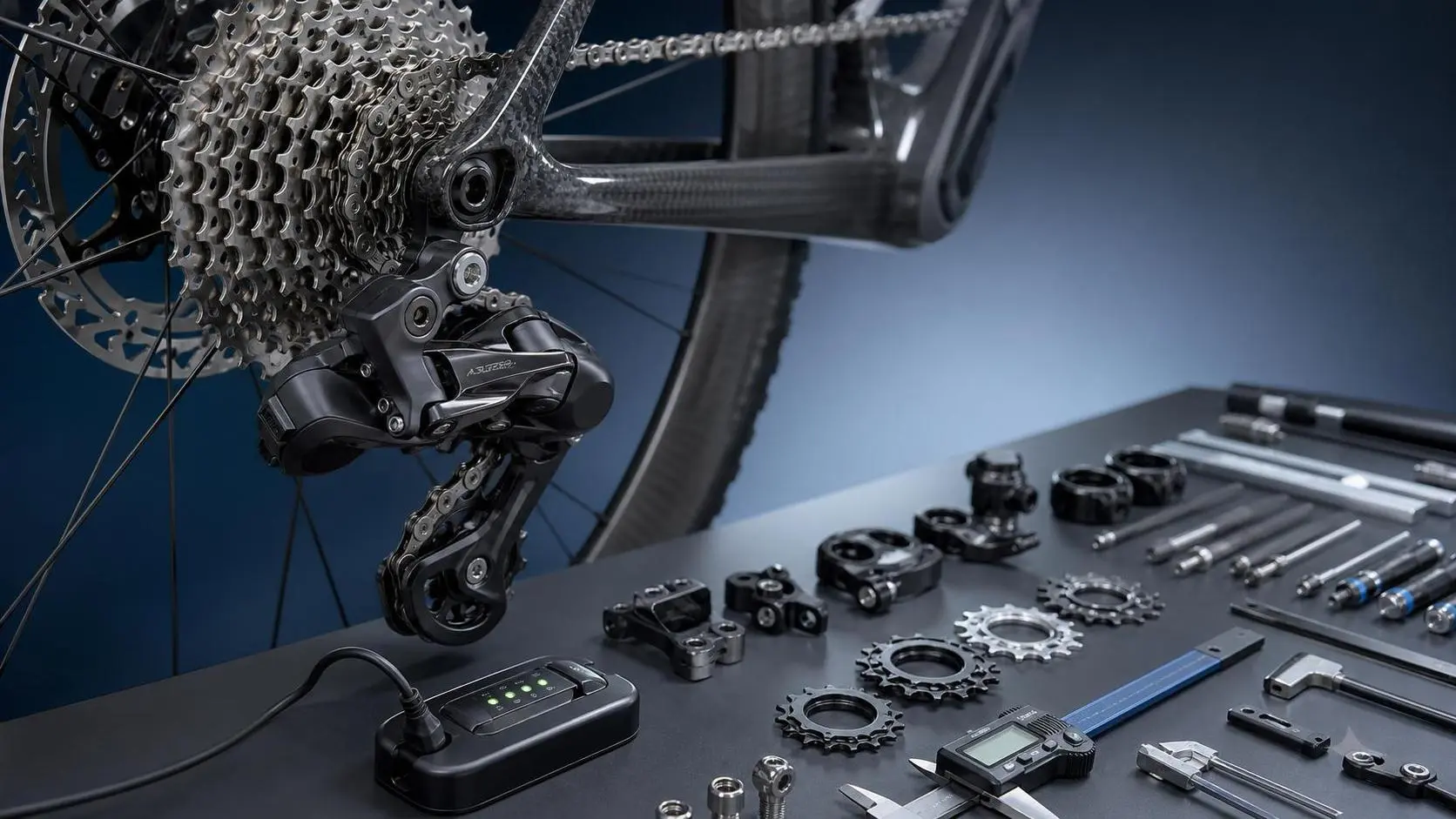
Wireless Electronic Shifting in North America: Compatibility, Standards, and Upgrade Limits
Wireless electronic shifting North America explained: compare compatibility, FCC/ISED standards, retrofit limits, and upgrade risks before choosing the right platform.