
Related News
- 00
0000-00
How to Select the Right E-Bike Battery Components for Range, Safety, and Fit? - 00
0000-00
E-Bike Incentives Explained: How Riders Can Find Local Rebates and Tax Credits - 00
0000-00
How to Choose Urban Commuting E-bikes for Rental Fleets by Range, Durability, and Serviceability - 00
0000-00
E-Bike Component Selection: How to Evaluate a Torque Sensor for Commuting and Cargo Use - 00
0000-00
What Drives Low Carbon E-bike Price: Materials, Battery Specs, and Compliance Costs
Micro-Mobility Strategist
Weekly Insights
Stay ahead with our curated technology reports delivered every Monday.
Electric Mobility vs Gas-Powered Transport: Which Option Makes Sense for Daily Commuting?





Daily commuting decisions are changing fast. The real comparison is no longer only fuel cost versus charging cost, but how each mode fits urban time, traffic, maintenance, and long-term mobility value.
That is why electric mobility now sits at the center of transport planning. E-bikes, smart e-scooters, and high-speed e-motorcycles are no longer niche alternatives. They are practical tools for dense, congested cities.
Gas-powered transport still has strengths, especially in range, refueling speed, and familiarity. Yet for many short urban trips, the older model is being challenged by quieter, lighter, and more efficient options.
Seen through the lens of UMMS, this shift is part of a wider last-mile revolution. It links battery management, drivetrain efficiency, safety systems, and real-world commuting behavior into one practical mobility question.
What the comparison really means
At a basic level, electric mobility covers vehicles powered fully or partly by electricity. In daily commuting, this usually means e-bikes, e-scooters, and electric motorcycles used for short to medium urban travel.
Gas-powered transport refers to vehicles using internal combustion engines. For commuters, that often includes scooters, motorcycles, and cars that rely on gasoline for consistent power and longer operating range.
The important point is that commuters do not choose technology in isolation. They choose a transport system that affects travel time, parking flexibility, comfort, running cost, and the stress level of everyday movement.
This is where electric mobility gains attention. It is not automatically better in every condition, but it often matches the realities of modern urban trips more closely than traditional fuel vehicles do.
Why urban mobility is pushing the debate forward
Cities are dealing with congestion, emissions pressure, tighter parking rules, and changing road access policies. These pressures make the daily commute a strategic problem, not just a personal convenience choice.
At the same time, public policy increasingly favors low-carbon movement. Subsidies for e-bikes, right-of-way rules for shared scooters, and investment in charging or battery-swapping infrastructure are reshaping commuter habits.
UMMS tracks this shift across several connected sectors. E-bikes respond to short-distance mobility demand. Smart e-scooters address last-mile gaps. High-speed e-motorcycles expand the electric option into longer and faster daily routes.
Even supporting technologies matter. Precision derailleur systems improve riding efficiency, while advanced visibility and sensor systems highlight how safety remains central as micro-mobility grows in mixed traffic conditions.
Where electric mobility makes the most sense
Electric mobility is strongest when trips are predictable, relatively short, and frequent. Typical urban commutes of five to twenty kilometers are often ideal for e-bikes, e-scooters, or compact electric motorcycles.
In these conditions, electric vehicles reduce idle time in traffic, simplify parking, and lower routine operating costs. The experience is often smoother because torque arrives instantly and stop-and-go travel wastes less energy.
Another advantage is maintenance. Electric drivetrains usually have fewer moving parts than combustion systems. That can mean fewer service intervals, less fluid-related upkeep, and more predictable day-to-day reliability.
For mixed-mode commuting, electric mobility also fits well with trains, buses, and office storage needs. Foldable or lightweight platforms can close the final distance between transit hubs and destinations with less friction.
Best-fit commuting patterns
- Short urban trips with frequent traffic lights and congestion.
- Routes where parking is limited or expensive.
- Commutes that combine personal travel with public transit.
- Daily use cases where low noise and low emissions matter.
Why gas-powered transport still remains relevant
Gas-powered transport still works well when range uncertainty is high. Long commutes, irregular detours, and limited charging access can make fuel vehicles feel more practical and less restrictive.
Refueling speed is another advantage. A short stop can restore full range quickly, which remains useful for people with back-to-back travel demands or little ability to charge during work hours.
There is also the issue of climate and terrain. Very cold weather, steep gradients, and heavier payloads can affect battery performance or shorten real-world electric range more than expected.
For some, familiarity matters too. Existing repair networks, mature resale markets, and known riding behavior still give gas-powered transport a practical edge in regions where electric support systems remain incomplete.
A practical comparison for daily commuting
The most useful comparison is not ideological. It is operational. Commuters should look at what happens over weeks and months, not just at the purchase price or the advertised range.
In many city environments, electric mobility wins on everyday usability. But where schedule flexibility and distance matter more than efficiency, fuel-based transport can still be the safer operational choice.
Technology details that influence the real outcome
The decision is increasingly shaped by component quality, not only by energy source. Battery density, thermal management, controller tuning, and drivetrain response all affect whether an electric vehicle feels dependable or frustrating.
This is why intelligence platforms such as UMMS matter in the broader industry. Market value is tied not only to headline vehicle categories, but also to subsystem performance and the maturity of supporting ecosystems.
For example, a well-designed e-bike motor and efficient electronic shifting system can stretch practical range and improve ride consistency. A poor battery management system can cancel those advantages quickly.
The same logic applies to high-speed e-motorcycles. Instant torque is attractive, but thermal control, charging strategy, and swap-network availability often determine whether the platform truly works for daily commuting.
How to judge the right option in practice
A useful decision starts with route reality. Distance, elevation, traffic density, parking access, and weather exposure usually matter more than marketing claims or broad assumptions about sustainability.
It also helps to compare total commuting friction. That includes charging time, refueling time, service interruptions, storage needs, and local regulations affecting where each vehicle can be ridden or parked.
- Check real daily distance, not occasional peak distance.
- Review home, workplace, or public charging availability.
- Compare maintenance schedules over one year, not one month.
- Look at local policies on lanes, parking, and low-emission zones.
- Assess safety features for visibility, braking, and wet-weather use.
In simple terms, electric mobility tends to make the most sense when the commute is repetitive, urban, and infrastructure-supported. Gas-powered transport still makes sense when the route is variable and operational flexibility dominates.
A sensible next step for commuters and market watchers
The better question is not whether electric mobility will replace gas-powered transport everywhere. It is where each option creates the least friction and the most value in real commuting conditions.
For short urban travel, the balance is moving steadily toward electrified two-wheelers and compact mobility systems. For longer, less predictable routes, combustion platforms still offer reassurance.
A practical evaluation should combine route data, infrastructure access, vehicle quality, and local policy signals. Following those indicators makes the choice clearer than relying on price alone.
That is also where UMMS provides useful context. Tracking technology evolution, component performance, and regulatory movement helps turn a simple commuting choice into a better-informed mobility decision.
Related News
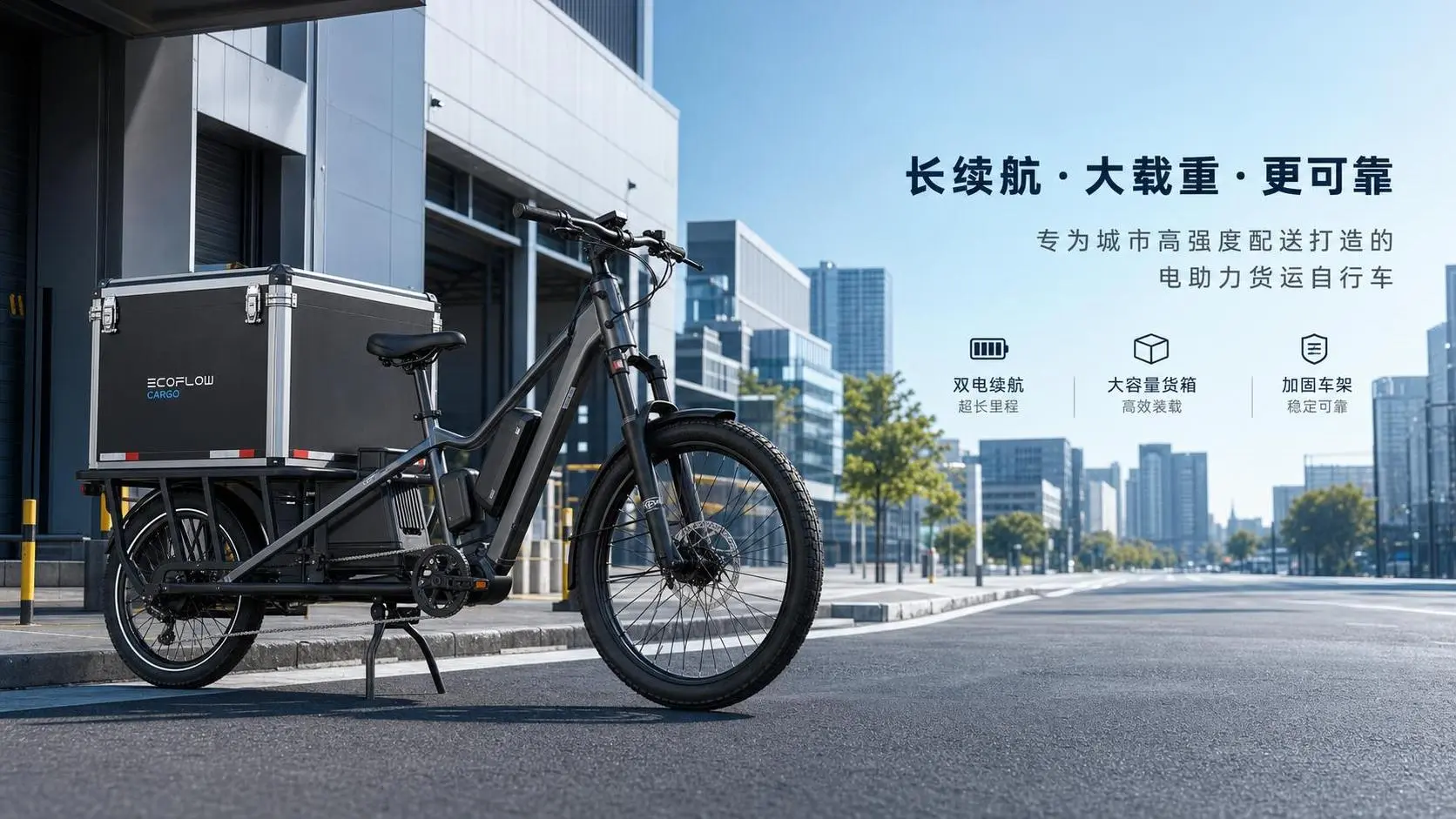
How to Choose a Long-Range Commercial Cargo E-Bike for Delivery Operations
Commercial cargo e-bike long range buying guide: learn how to assess battery, payload, route fit, and uptime support to choose a reliable delivery model with lower operating costs.
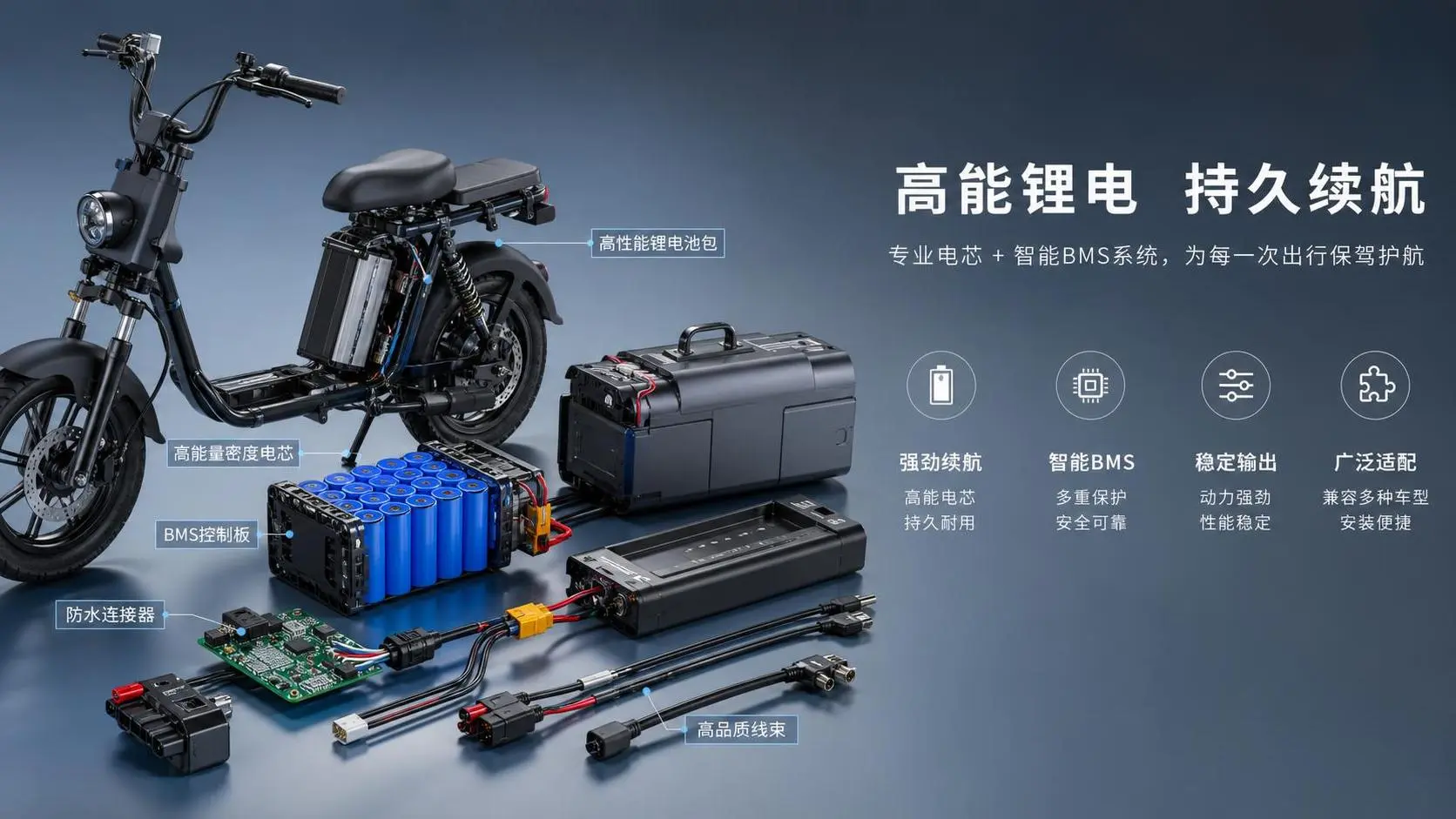
How to Select the Right E-Bike Battery Components for Range, Safety, and Fit?
E-bike component selection battery guide: learn how to choose the right battery components for better range, stronger safety, and perfect fit across modern e-bike platforms.
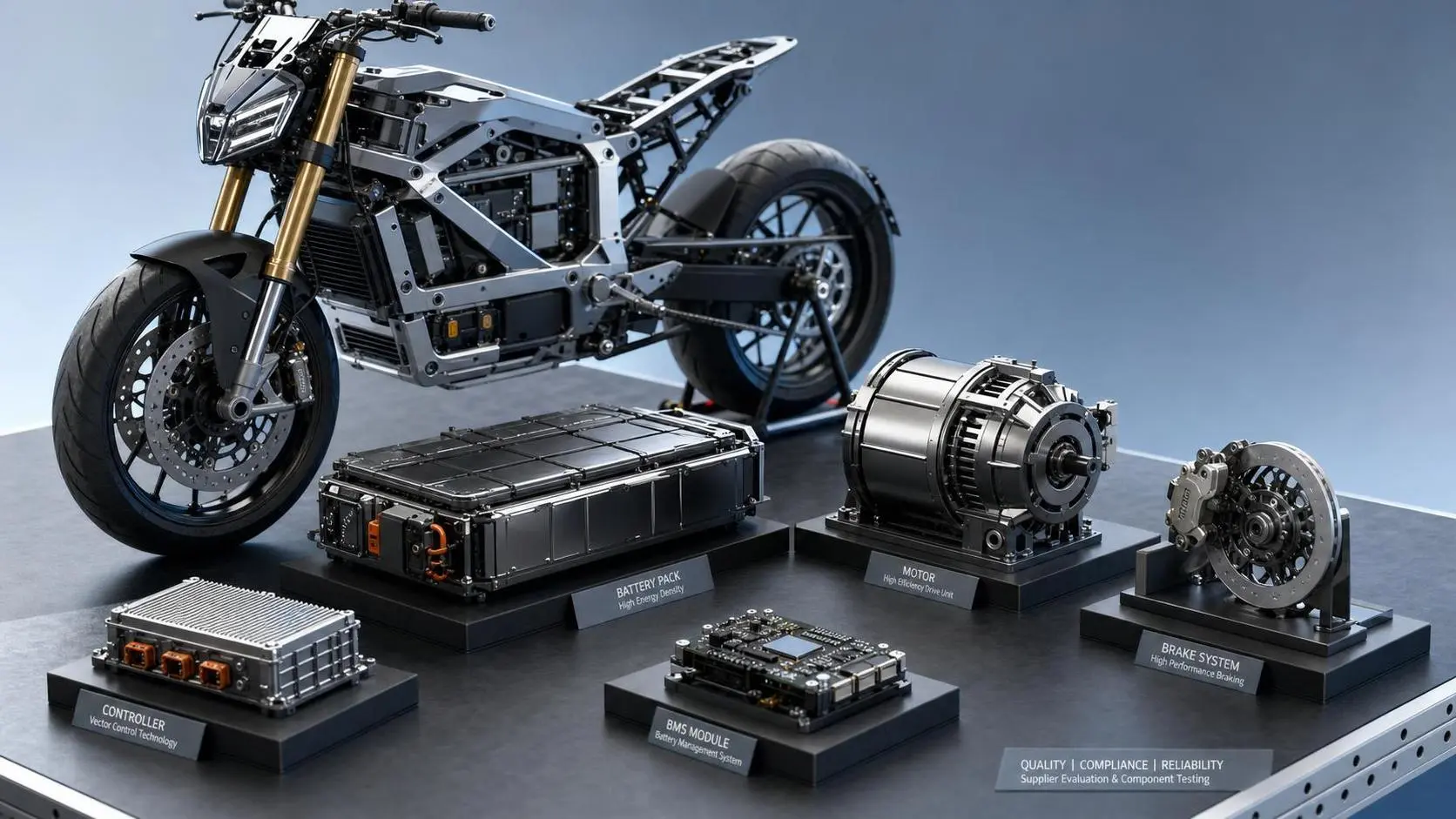
How to Evaluate Core Component Suppliers for Electric Motorcycles Before Sourcing?
Core component suppliers for electric motorcycles can make or break safety, compliance, and delivery. Learn how to assess technical strength, certifications, quality control, and hidden sourcing risks before you buy.
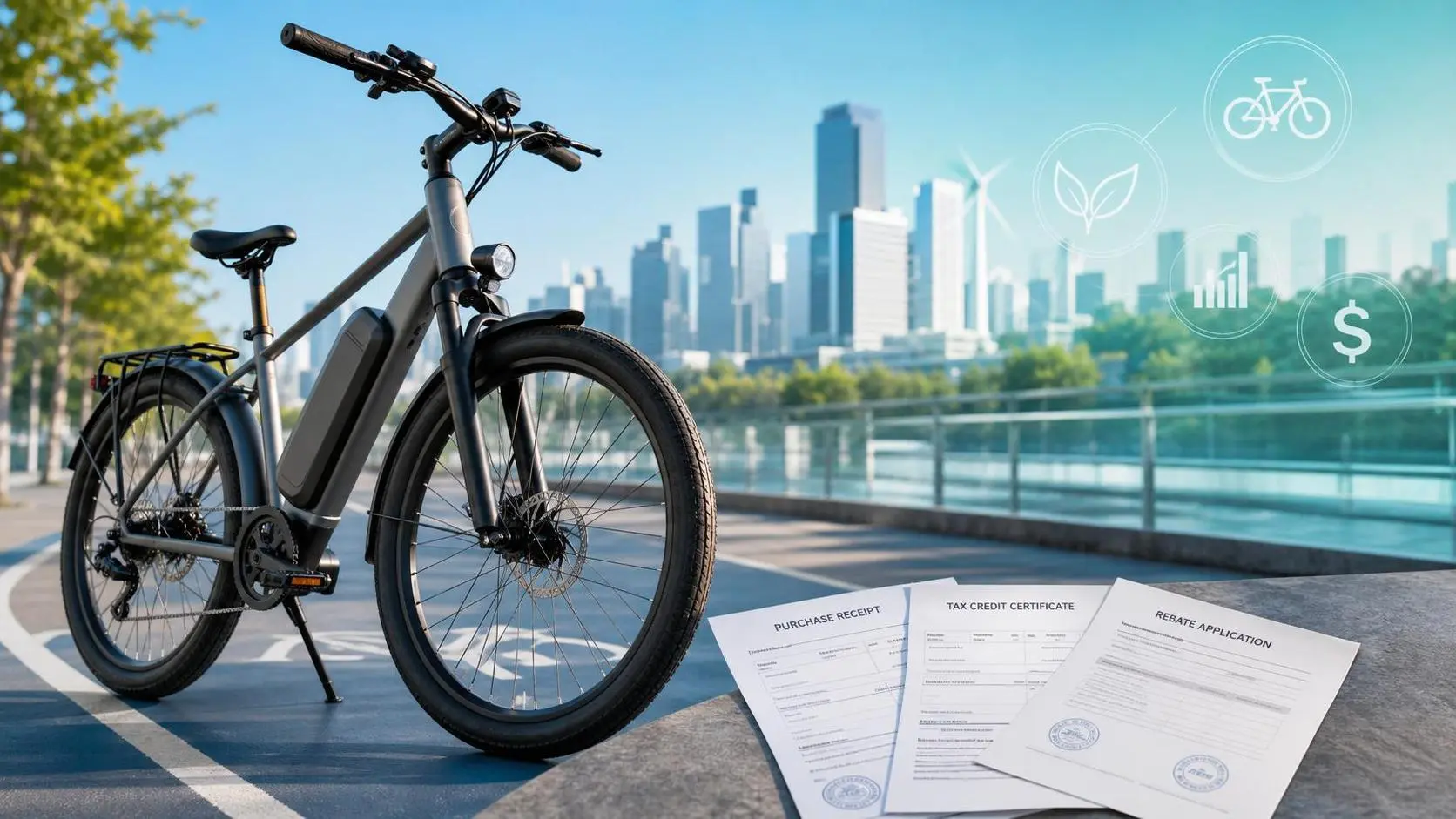
E-Bike Incentives Explained: How Riders Can Find Local Rebates and Tax Credits
E bike incentives explained: learn how to find local rebates, tax credits, and utility offers, avoid common mistakes, and cut the real cost of your next e-bike.
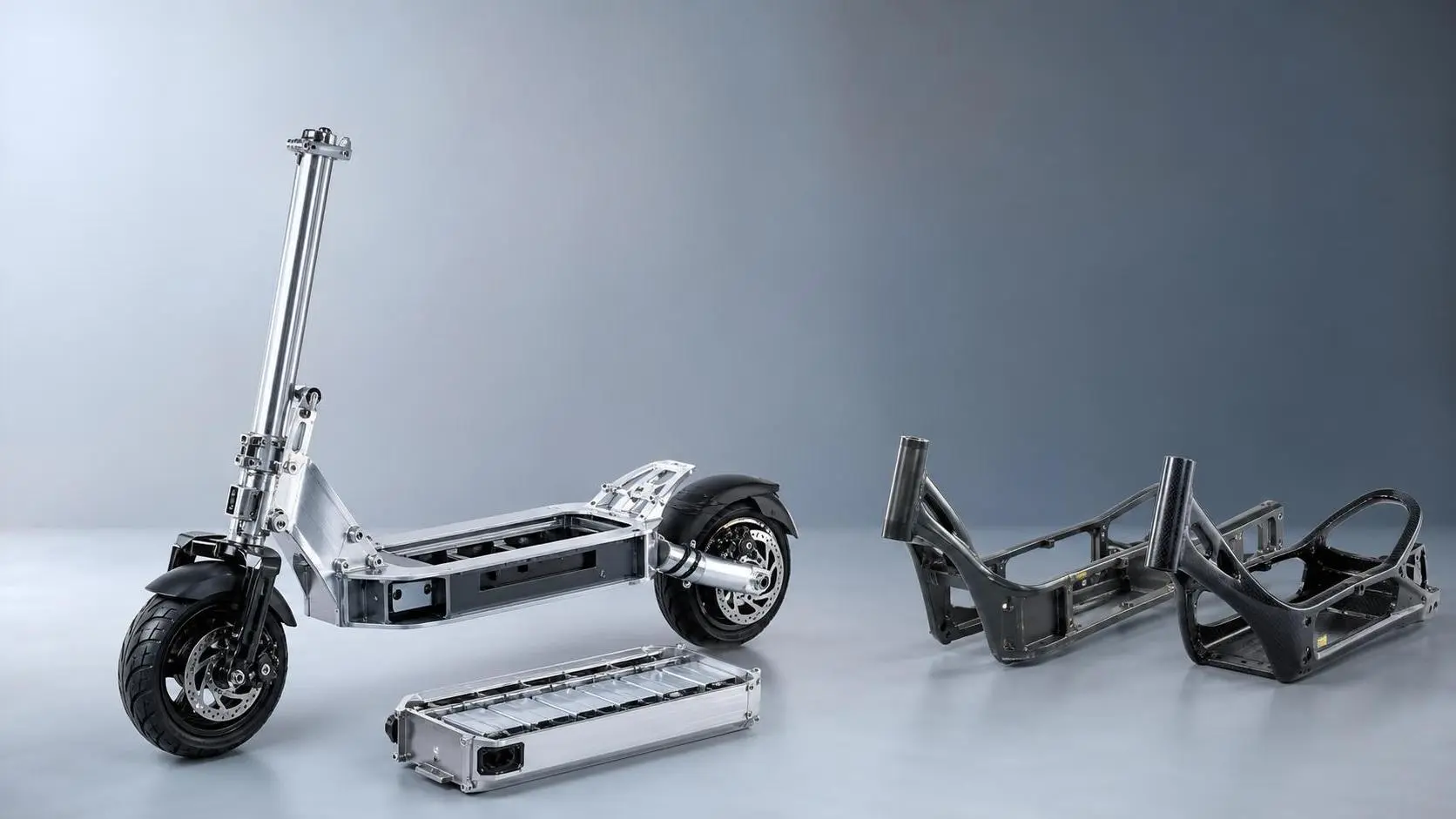
How to Choose Lightweight Scooter Frames in Europe: Materials, Standards, and Use Cases
Lightweight scooter frames Europe buyers need should balance materials, EN standards, durability, and real use cases. Discover how to choose safer, smarter, compliant frames.
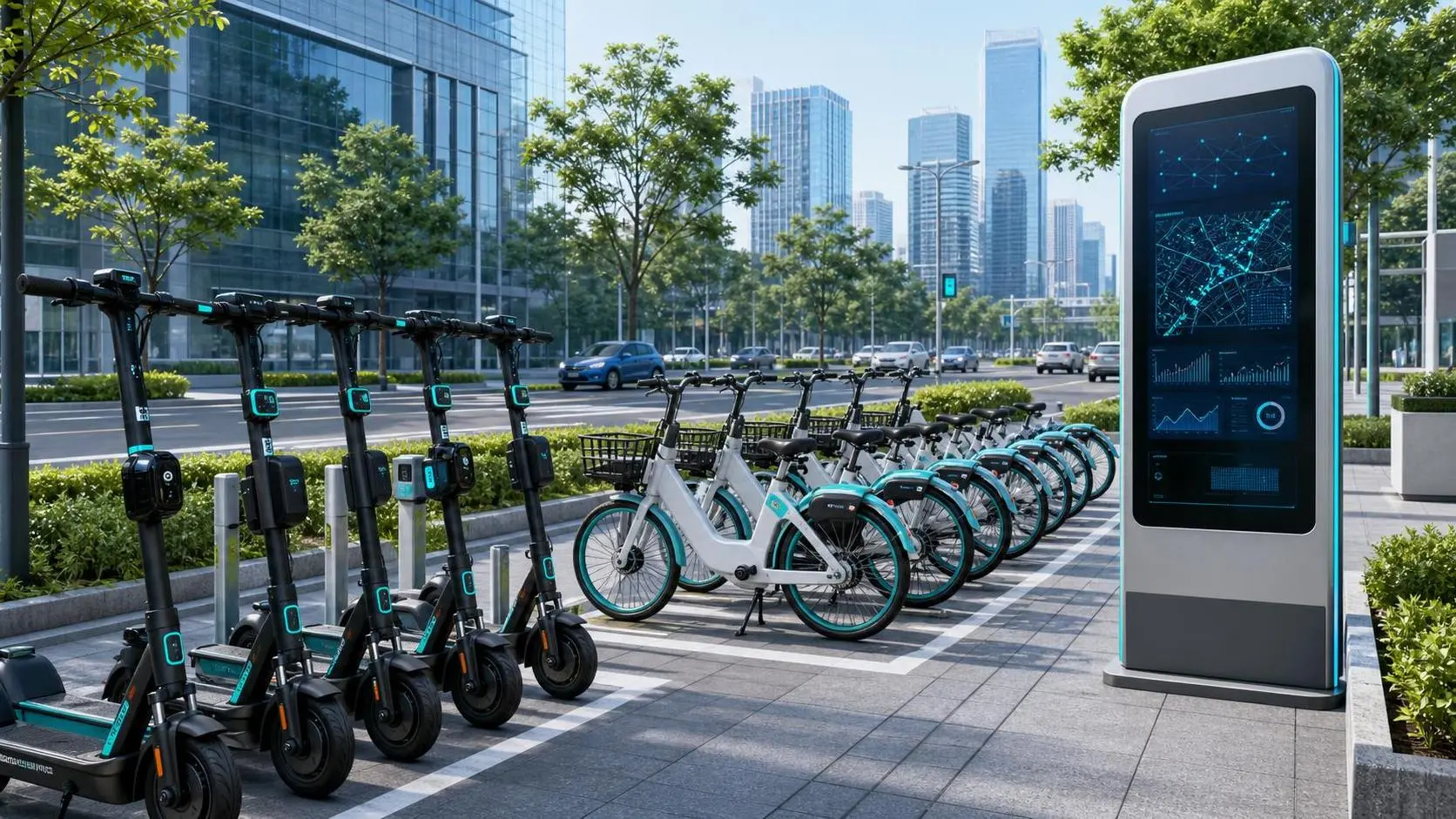
What Is the Intellectualization of Mobility Platform and How Is It Applied in Shared Fleets?
Intellectualization of mobility platform is reshaping shared fleets with real-time data, predictive maintenance, and smarter compliance—learn how it boosts safety, uptime, and urban mobility efficiency.
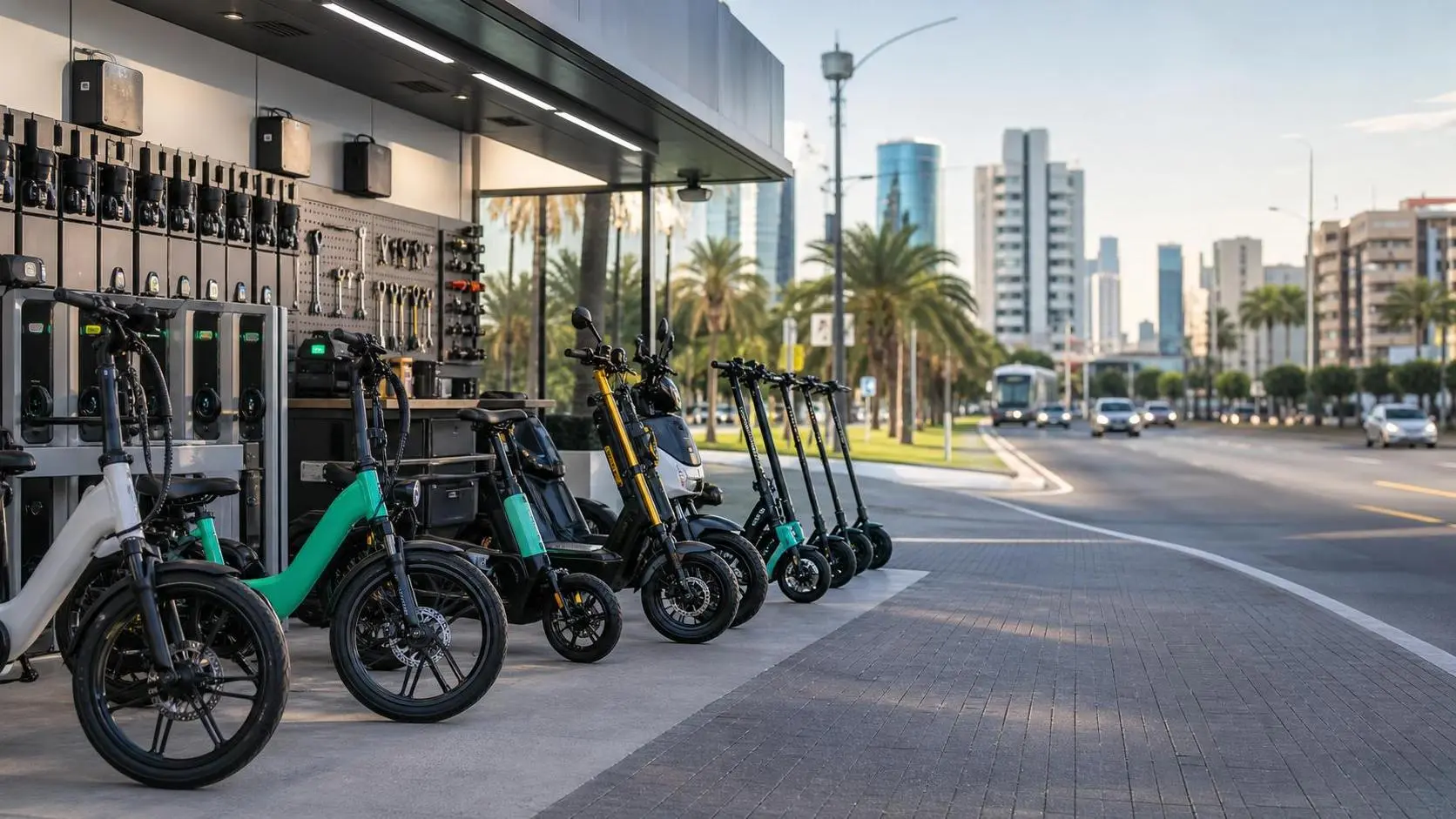
Urban Micro-Mobility Systems in Latin America: Key Market Drivers, Barriers, and Growth Segments
Urban micro-mobility systems Latin America are reshaping city transport. Explore key drivers, barriers, and high-growth segments to spot the region’s most investable opportunities.
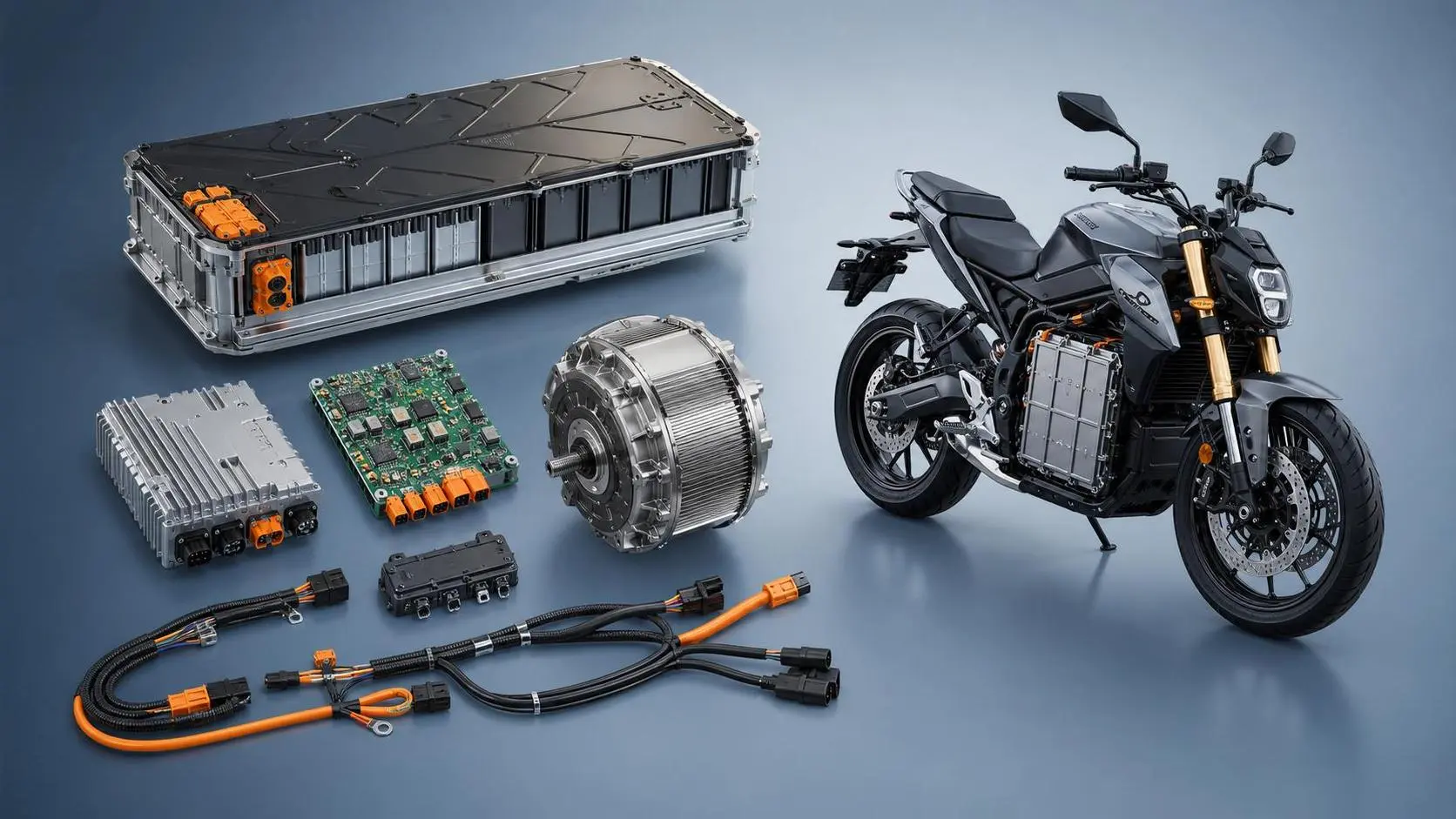
Electric Motorcycle Systems Price Breakdown: What Affects Cost From Battery to Controller?
Electric motorcycle systems price explained: see how battery, controller, motor, BMS, and wiring affect total cost, reliability, and sourcing value before you buy.
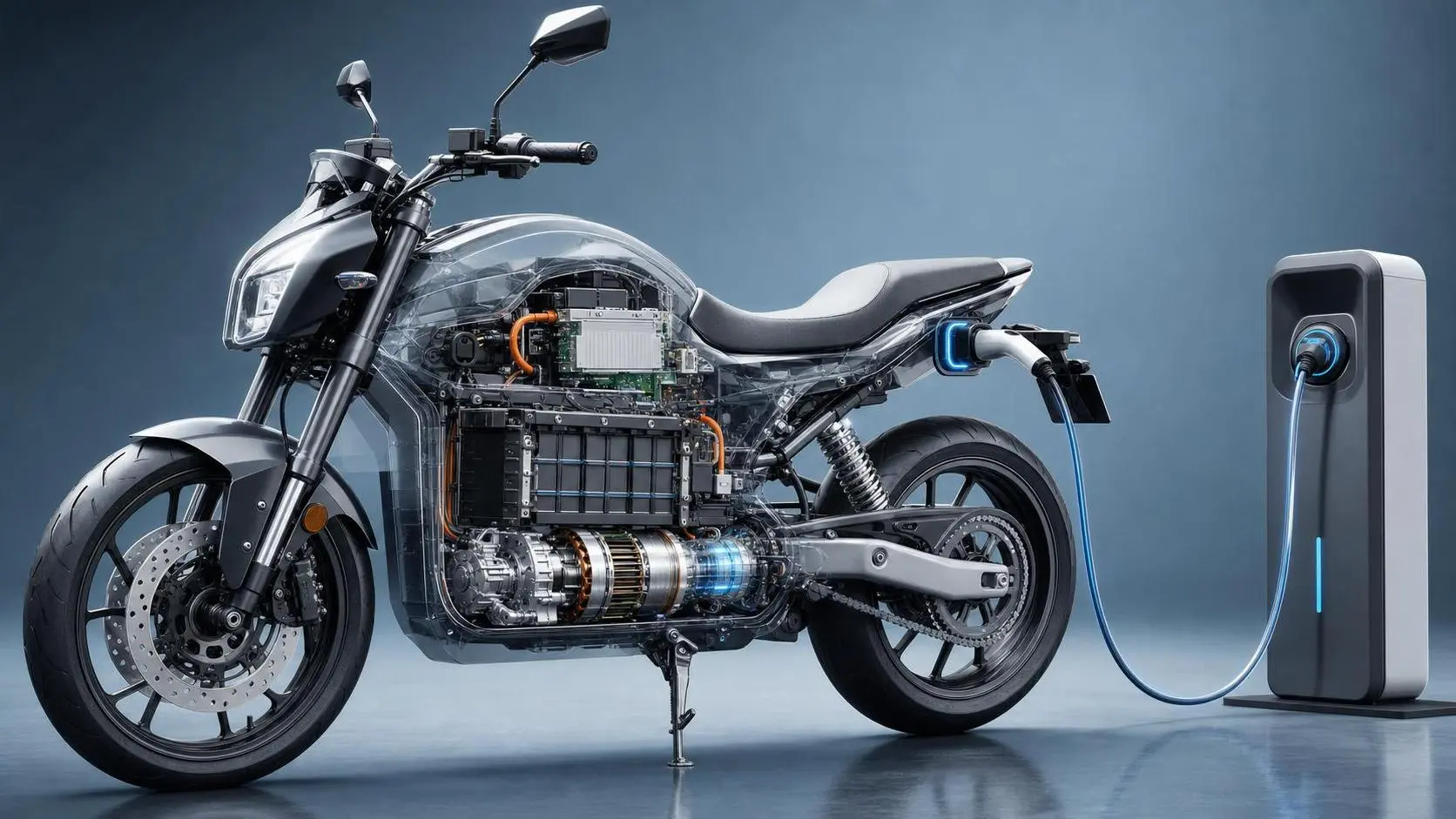
72V Electric Motorcycle Technology Explained: Motors, Controllers, Range, and Charging
Electric motorcycle technology 72V explained clearly: compare motors, controllers, range, battery design, and charging to choose a smoother, stronger, and smarter electric ride.