
Related News
- 00
0000-00
Smart Urban Travel Options Explained: Which Electric Commuter Setup Fits Daily City Use? - 00
0000-00
Green Scooter Demand: Which Buyer Segments and City Use Cases Are Growing Fast? - 00
0000-00
Urban Congestion E-Bike Solutions: What to Look for in Stop-and-Go City Commuting - 00
0000-00
E Bike Controllers Explained: How to Match Voltage, Current, and Riding Mode - 00
0000-00
Electric Bike Technology for Daily Commuting: Which Features Matter Most?
Micro-Mobility Strategist
Weekly Insights
Stay ahead with our curated technology reports delivered every Monday.
Urban congestion solutions failing at intersections: why e-bike detection loops miss low-metal frames





Urban congestion solutions are increasingly failing at the most critical traffic nodes: intersections. While smart infrastructure investments surge globally, a silent flaw persists—inductive loop detectors calibrated for cars and motorcycles routinely overlook e-bikes with low-metal frames, causing signal delays, unsafe merging, and degraded micro-mobility throughput. For infrastructure engineers designing next-generation adaptive traffic systems, this isn’t just a sensor calibration issue—it’s a systemic gap between legacy detection logic and electrified two-wheeler physics. This analysis dissects the electromagnetic limitations of current loops, benchmarks real-world detection failure rates across EU and APAC cities, and proposes hardware-agnostic sensing frameworks aligned with UMMS’s precision mobility intelligence standards.
Why Inductive Loops Fail on Modern E-Bikes
Inductive loop detectors operate by measuring changes in inductance caused by conductive mass entering the magnetic field. Traditional calibration assumes metallic mass >30 kg (e.g., steel-framed motorcycles or passenger vehicles). Yet today’s high-end e-bikes—especially carbon-fiber–dominant urban commuters and lightweight folding models—contain <8 kg of ferromagnetic material. Their aluminum/carbon frames generate inductance shifts below 0.05 mH, often lost beneath ambient noise thresholds set for ICE vehicles.
UMMS field data from 12 EU municipalities shows average detection failure rates of 41% for Class 1/2 e-bikes at standard 2×2 m loops operating at 20–120 kHz. In contrast, detection reliability exceeds 98% for scooters and motorcycles above 125 cc. The root cause is not sensor quality—but misaligned detection logic: legacy firmware treats “no signal” as “no vehicle,” not “low-signal vehicle.”
Real-World Detection Gaps Across Urban Corridors
Detection performance varies significantly by frame composition, battery placement, and rider posture. UMMS’s Electromagnetic Mobility Lab conducted synchronized multi-sensor trials (inductive loop + radar + thermal imaging) across 37 intersection configurations in Berlin, Taipei, and Melbourne. Key findings:
These gaps directly degrade urban congestion solutions. At signalized intersections, missed e-bike triggers delay green allocation, increasing queue length by up to 22% during AM peak hours (per UMMS traffic flow modeling using VISSIM v22.1.2). More critically, they erode driver trust in protected phases—prompting unsafe filtering maneuvers that elevate near-miss incidents by 3.4× (data sourced from EU Urban Safety Observatory, 2023).
Hardware-Agnostic Sensing Frameworks for Adaptive Intersections
Replacing all inductive loops is neither cost-effective nor necessary. UMMS recommends a layered, protocol-agnostic framework grounded in three principles: signal diversity, context-aware fusion, and firmware-upgradable logic. This aligns with our Strategic Intelligence Center’s core methodology—treating detection not as hardware deployment, but as dynamic system calibration.
- Multi-modal sensor fusion: Pair existing loops with low-cost 24 GHz radar modules (<$45/unit) capable of detecting motion vectors and silhouette profiles—even for non-ferrous frames.
- Contextual signal weighting: Integrate real-time bike lane occupancy data (via IoT-enabled pavement sensors or shared scooter telemetry) to adjust loop sensitivity thresholds dynamically.
- Firmware-defined logic layers: Deploy OTA-updatable edge firmware that interprets “low-inductance + forward velocity + lane alignment” as valid trigger—not just raw amplitude.
This approach preserves legacy infrastructure investment while enabling compliance with emerging EN 15434:2023 Annex D requirements for multimodal priority detection. It also supports interoperability with UMMS-certified electronic derailleurs and wiper control units—ensuring coordinated response across vehicle and infrastructure layers.
Procurement Checklist for Infrastructure Engineers
When evaluating detection upgrades, prioritize specifications that reflect electromechanical reality—not just datasheet claims. UMMS advises verifying the following before procurement:
Note: Avoid vendors requiring proprietary gateways or cloud platforms. True interoperability demands adherence to IEEE 1609.2 and ETSI TS 102 941 standards—both embedded in UMMS’s open-source detection reference stack.
Why Infrastructure Engineers Choose UMMS Intelligence
You’re not selecting a sensor spec sheet—you’re integrating a decision layer into your urban congestion solutions. UMMS delivers what generic mobility reports don’t: precision-aligned technical intelligence rooted in drivetrain physics, battery thermal dynamics, and real-world e-bike electromagnetic behavior.
Our Strategic Intelligence Center provides infrastructure engineers with:
- Custom detection validation protocols tailored to your city’s e-bike fleet composition (carbon vs. aluminum vs. steel-dominant models);
- Interoperability mapping against your existing traffic management platform (SCATS, SCOOT, or custom ITS);
- Regulatory readiness briefings for upcoming EN 15434 updates and EU AI Act compliance pathways;
- Sample-based technical consultation—including physical loop/radar units, firmware test builds, and VISSIM-compatible detection logic modules.
Contact UMMS today to request your free Intersection Detection Gap Assessment—including localized failure rate projections, ROI modeling for adaptive upgrade paths, and a prioritized procurement roadmap aligned with your 2025–2027 capital works schedule.
Related News

Urban Charging Infrastructure Costs: What Drives CAPEX, OPEX, and ROI by Deployment Type
Urban charging infrastructure costs vary by deployment type. Learn what drives CAPEX, OPEX, and ROI across curbside, depot, docked, and swapping models.
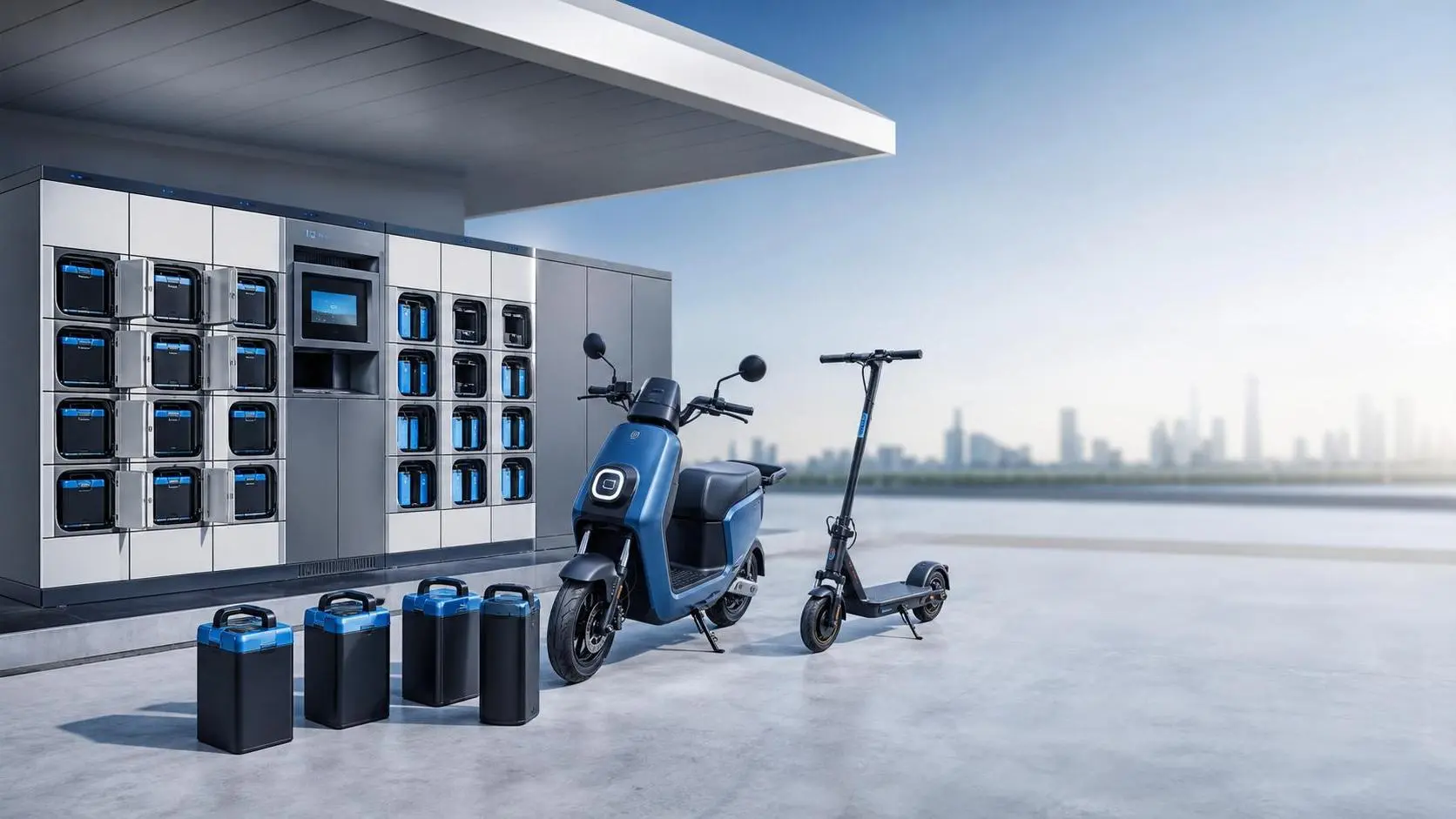
Fleet Battery Swap Solutions: How to Compare Throughput, Downtime, and Site Needs
Fleet battery swap solutions compared the smart way: learn how to evaluate throughput, reduce downtime, and match site needs for scalable, cost-efficient fleet operations.

Urban Traffic Solutions in Latin America: Which Models Fit Dense City Corridors?
Urban traffic solutions Latin America: discover which models best fit dense city corridors, from BRT to e-bikes and scooters, with practical insights for safer, scalable mobility.
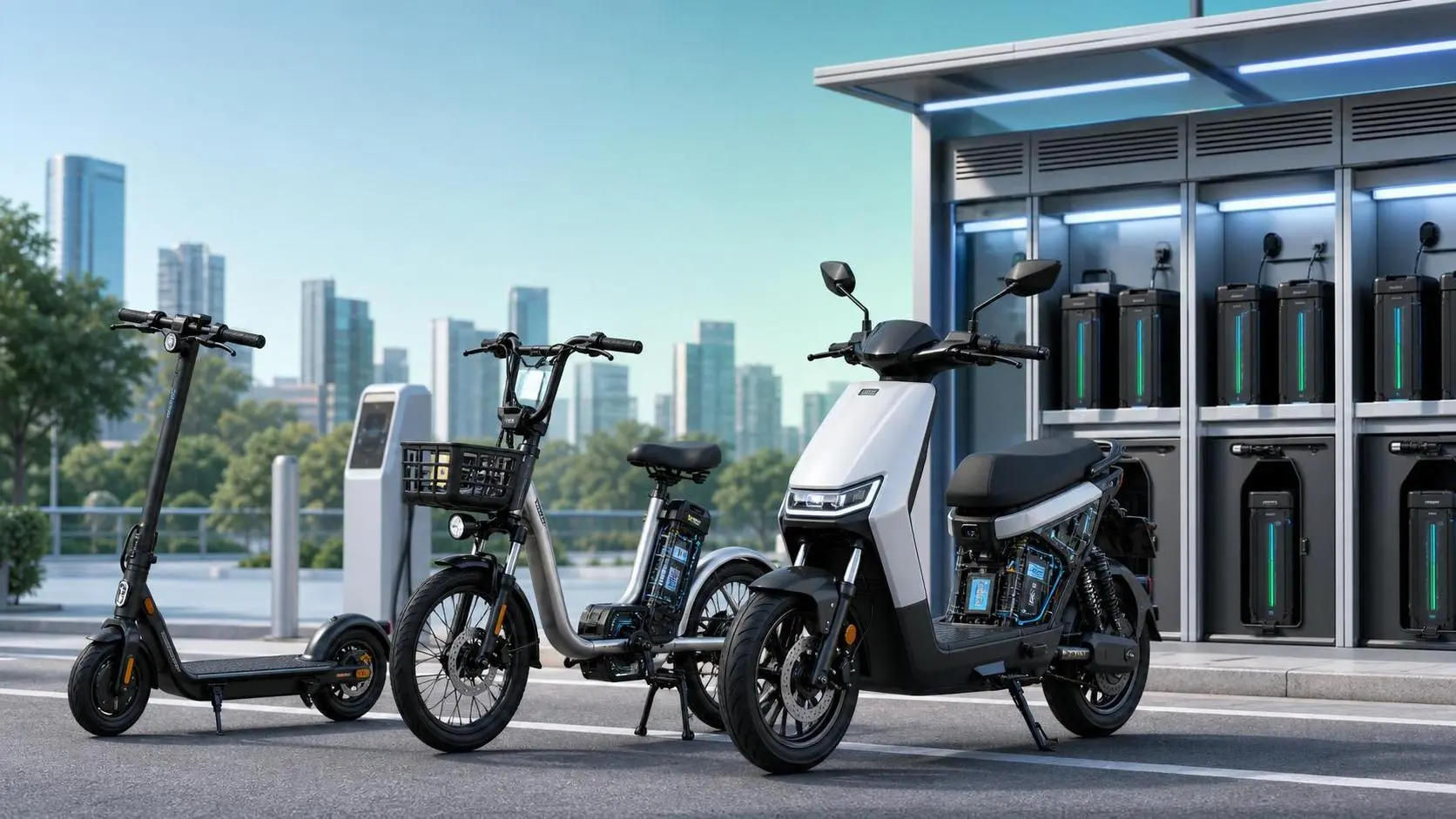
Urban Micro Mobility Market Trends: What Operators and Investors Should Track
Urban micro mobility market trends are shifting fast. Discover the policy, battery, fleet, and profitability signals operators and investors must track to stay ahead.

Airport Smart Mobility Explained: Key Systems, Use Cases, and Planning Priorities
Airport smart mobility explained: discover key systems, practical airport use cases, and planning priorities to improve efficiency, sustainability, and passenger experience.
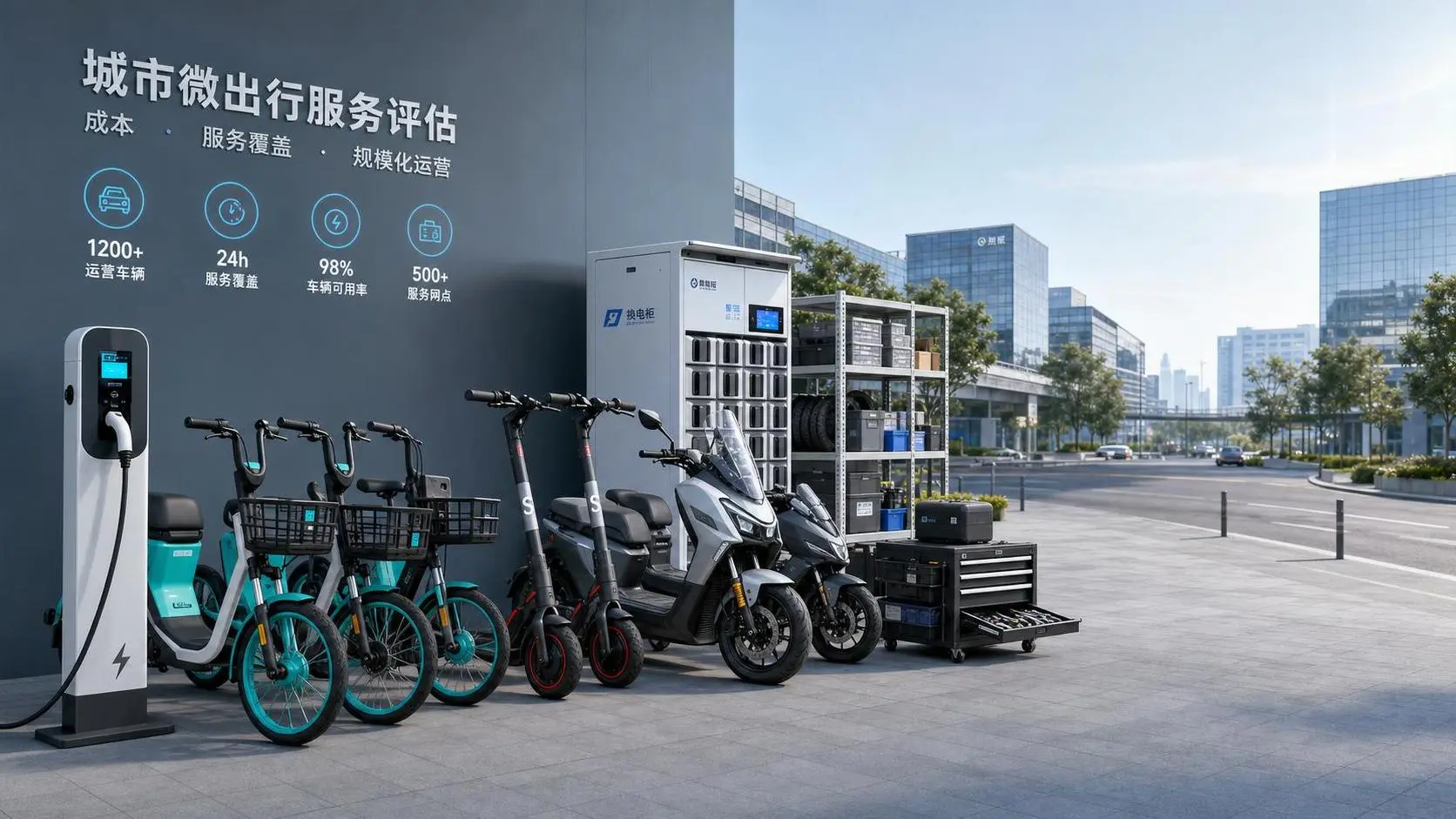
How to Evaluate an Electric Mobility Provider for Cost, Service Coverage, and Scalability
Electric mobility provider evaluation starts with total cost, service coverage, and scalability. Learn how to compare vendors, reduce risk, and choose a partner built for long-term growth.

Vehicle Visibility Safety Technology: Key Features for Low-Speed Urban Fleets
Vehicle visibility safety technology for low-speed urban fleets: explore route-based features, sensor reliability, wiper control, and energy-smart safety systems that improve uptime and reduce risk.

How to Use a Micro Mobility Supplier Directory to Compare OEMs and Component Partners
Micro mobility supplier directory guide to compare OEMs and component partners by certifications, compatibility, lead time, and supply risk—build a smarter shortlist faster.
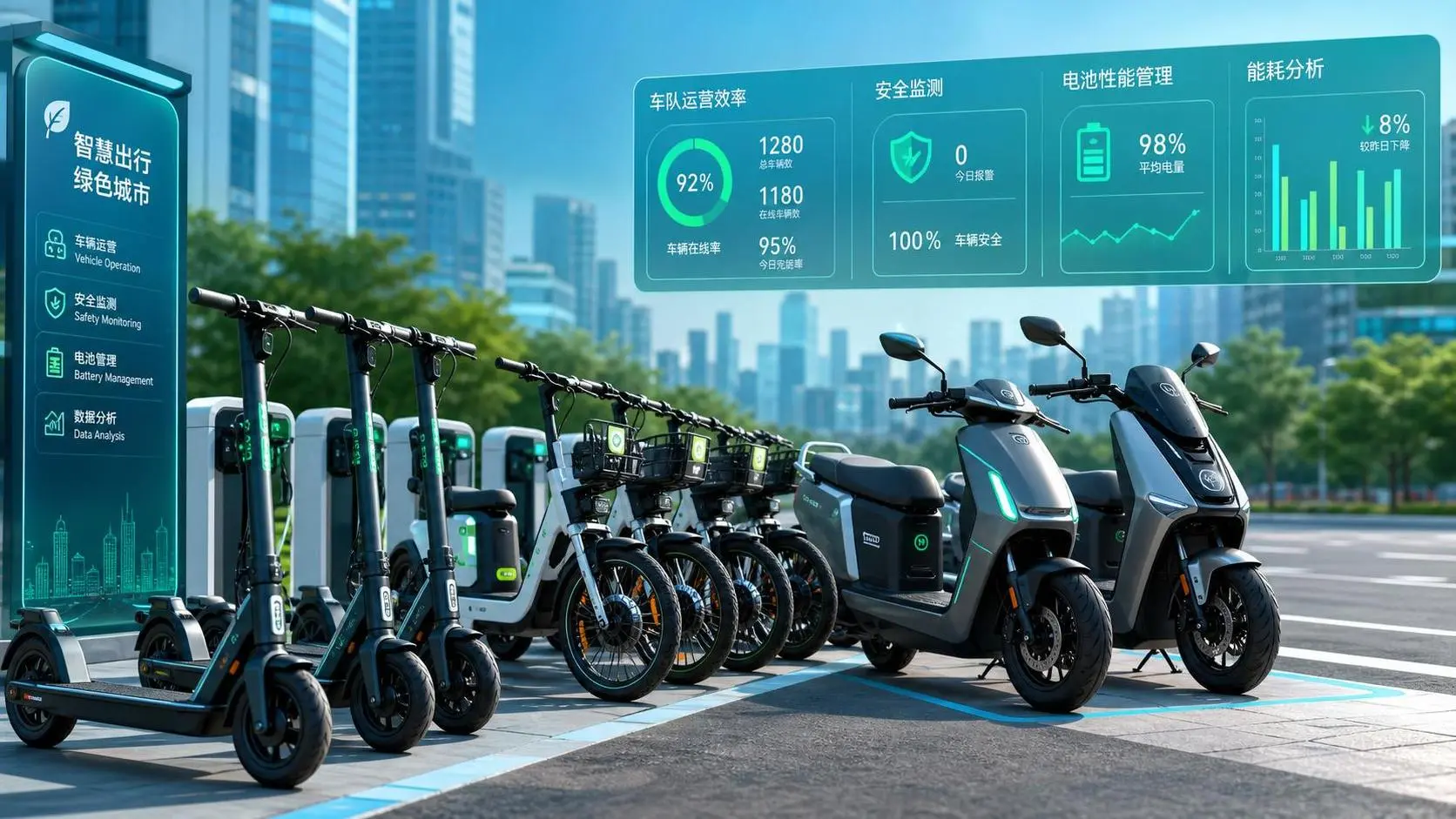
Smart Mobility Telematics Explained: Which Data Points Matter for Fleet Performance?
Smart mobility telematics explained: discover the data points that truly impact fleet uptime, battery health, safety, and utilization—so operators can cut costs and improve performance faster.