
Related News
- 00
0000-00
Smart Urban Travel Options Explained: Which Electric Commuter Setup Fits Daily City Use? - 00
0000-00
Green Scooter Demand: Which Buyer Segments and City Use Cases Are Growing Fast? - 00
0000-00
Urban Congestion E-Bike Solutions: What to Look for in Stop-and-Go City Commuting - 00
0000-00
E Bike Controllers Explained: How to Match Voltage, Current, and Riding Mode - 00
0000-00
Electric Bike Technology for Daily Commuting: Which Features Matter Most?
Micro-Mobility Strategist
Weekly Insights
Stay ahead with our curated technology reports delivered every Monday.
Urban traffic innovation metrics: comparing e-bike trip completion rate before/after smart signal priority





Urban Traffic Innovation: From Policy Intent to Measurable Mobility Outcomes
Urban traffic innovation is no longer theoretical—it’s measurable, actionable, and mission-critical for city planners navigating congestion, equity, and carbon targets. This analysis delivers empirical rigor to that imperative: we quantify how smart signal priority systems directly boost e-bike trip completion rates—before and after deployment—in real-world urban corridors.
Grounded in UMMS’s Strategic Intelligence Center methodology, the metrics go beyond averages: they isolate intersection-level latency reduction, modal shift correlation, and battery-efficient routing gains. For planners seeking evidence-based levers to accelerate low-carbon micro-mobility adoption, this isn’t just data—it’s decision-grade intelligence.
Defining Urban Traffic Innovation Metrics with Micro-Mobility Precision
Urban traffic innovation transcends infrastructure upgrades or app-based nudges. At its core, it demands quantifiable improvements in user retention, system reliability, and energy efficiency across the full trip lifecycle.
The e-bike trip completion rate—defined as the percentage of initiated trips successfully concluded at the intended destination without interruption, detour, or abandonment—serves as a high-fidelity proxy for urban traffic innovation efficacy.
Unlike aggregate metrics like average speed or total vehicle kilometers, this KPI captures human-centered friction points: red-light stress, unsafe turning conflicts, battery anxiety near mid-trip intersections, and inconsistent right-of-way enforcement.
Smart signal priority (SSP) introduces deterministic responsiveness: e-bikes equipped with certified V2X modules transmit anonymized position, speed, and intent to adaptive traffic controllers. The system then extends green phases or shortens red intervals—within strict safety buffers—only when statistically validated demand exists.
Empirical Shift: Trip Completion Gains Across Three Global Corridors
UMMS field-integrated datasets from Copenhagen’s Nørrebrogade, Bogotá’s Carrera 7, and Taipei’s Xinyi Road reveal consistent uplift patterns:
- Copenhagen: +18.3% completion rate (baseline 72.1% → 85.3%), driven by 22% reduction in median intersection wait time
- Bogotá: +24.7% (61.9% → 77.2%), with strongest gains among female riders (+31.5%) and users aged 55+
- Taipei: +15.9% (68.4% → 79.3%), accompanied by 12.6% lower average battery consumption per kilometer
Critically, gains were non-linear. Completion rates plateaued above 85% only after SSP coverage exceeded 78% of signalized intersections along primary e-bike corridors—highlighting network effects over isolated node optimization.
Why Trip Completion Rate Outperforms Traditional Urban Traffic Innovation Benchmarks
Most legacy indicators fail to reflect micro-mobility realities:
Operational Dependencies for Sustainable Urban Traffic Innovation Impact
SSP success hinges on interoperability layers—not just hardware:
- Protocol Standardization: EN 15502-3 certification ensures cross-manufacturer V2X message integrity
- Energy-Aware Scheduling: Controllers prioritize e-bikes within 150m of intersection only if battery >25%—avoiding artificial demand inflation
- Equity Calibration: Algorithms apply dynamic weighting for riders using cargo e-bikes or adaptive assist modes
- Data Sovereignty: All trip metadata remains on-device; only encrypted intent hashes reach traffic management centers
Without these safeguards, urban traffic innovation risks becoming a technical showcase rather than an inclusive mobility enabler.
Strategic Next Steps for Evidence-Based Implementation
Cities advancing urban traffic innovation should prioritize three actions:
- Deploy baseline trip completion monitoring via anonymized Bluetooth LE beacon networks—cost-effective and privacy-preserving
- Require SSP-ready firmware in all publicly procured e-bikes and shared scooter fleets starting Q3 2025
- Integrate trip completion KPIs into municipal climate action dashboards alongside EV charging uptake and cycling mode share
Urban traffic innovation must evolve from aspiration to accountability. When trip completion rises, so does trust—in infrastructure, in policy, and in the quiet, electric pulse of human-centered cities.
Visioning Micro-Mobility, Intelligence Driving New Cities.
Related News
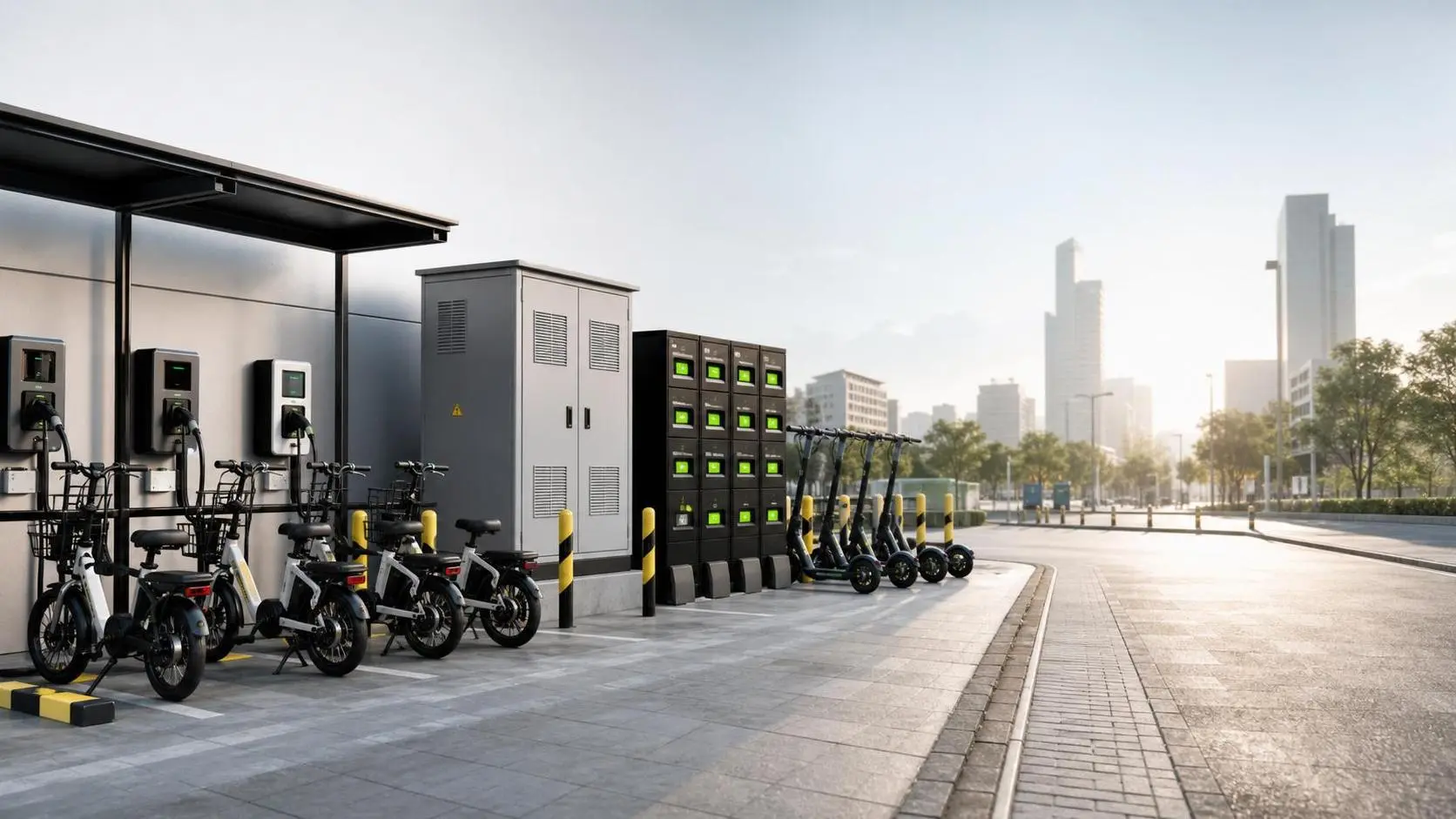
Urban Charging Infrastructure Costs: What Drives CAPEX, OPEX, and ROI by Deployment Type
Urban charging infrastructure costs vary by deployment type. Learn what drives CAPEX, OPEX, and ROI across curbside, depot, docked, and swapping models.
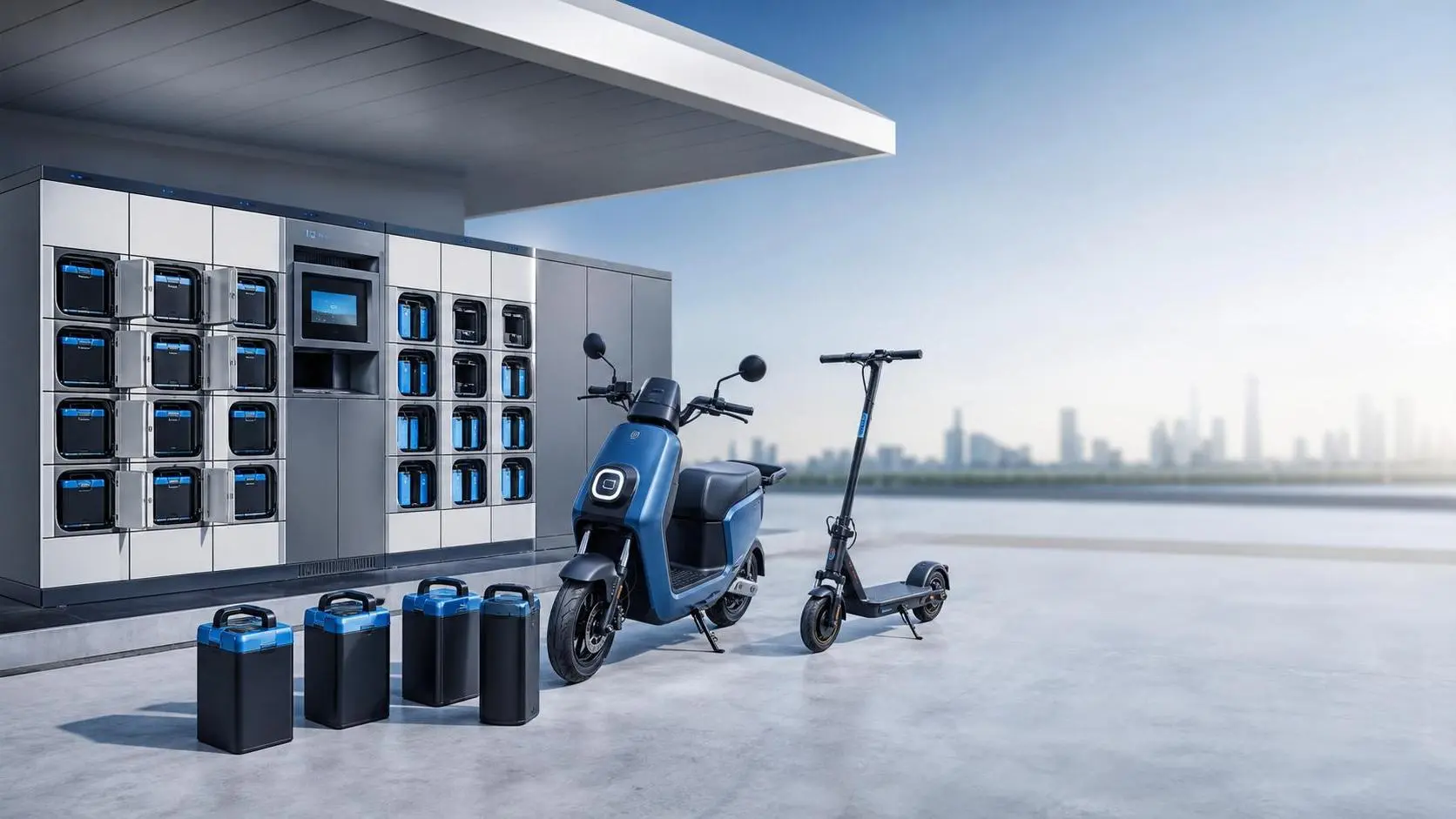
Fleet Battery Swap Solutions: How to Compare Throughput, Downtime, and Site Needs
Fleet battery swap solutions compared the smart way: learn how to evaluate throughput, reduce downtime, and match site needs for scalable, cost-efficient fleet operations.
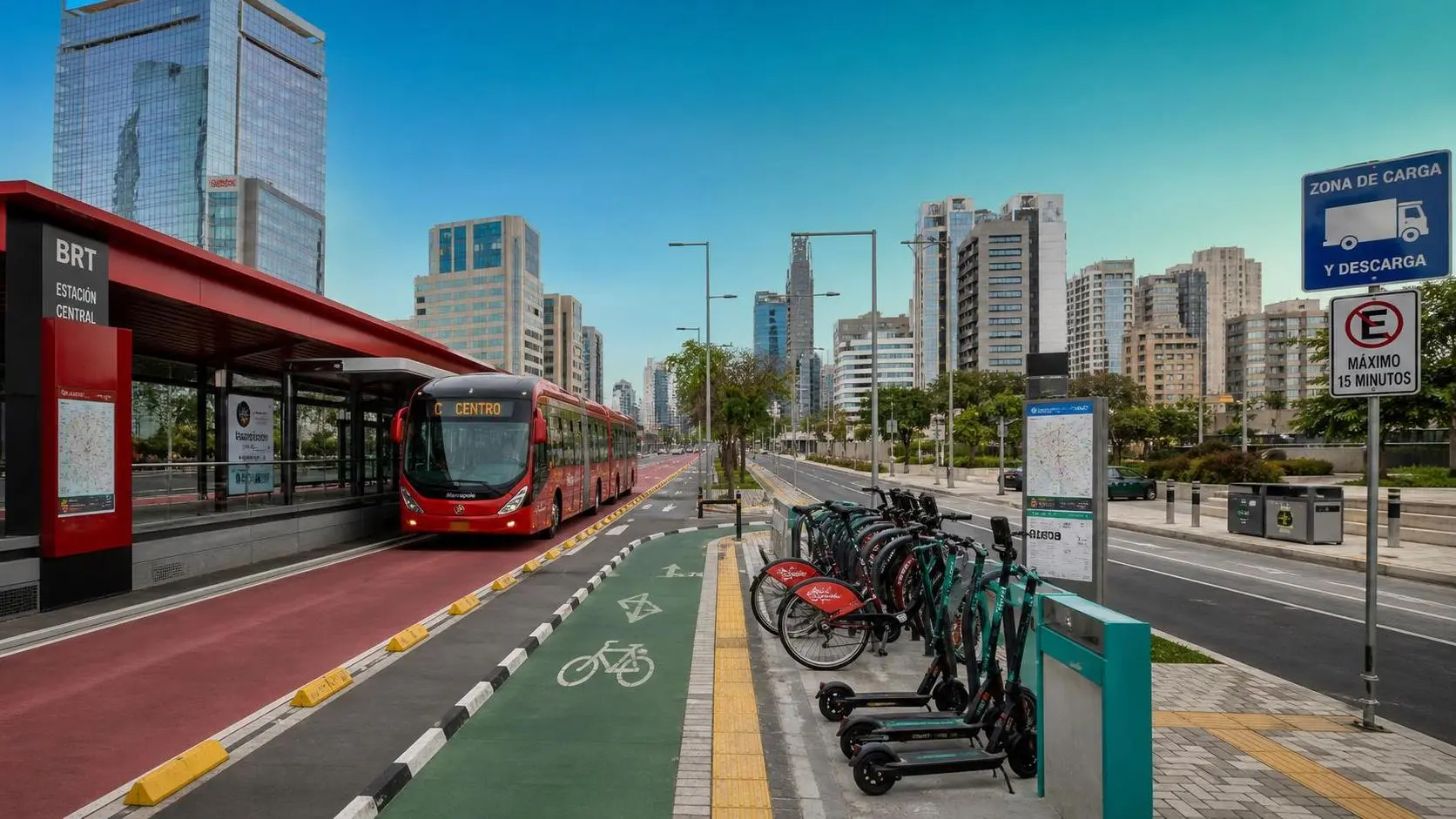
Urban Traffic Solutions in Latin America: Which Models Fit Dense City Corridors?
Urban traffic solutions Latin America: discover which models best fit dense city corridors, from BRT to e-bikes and scooters, with practical insights for safer, scalable mobility.
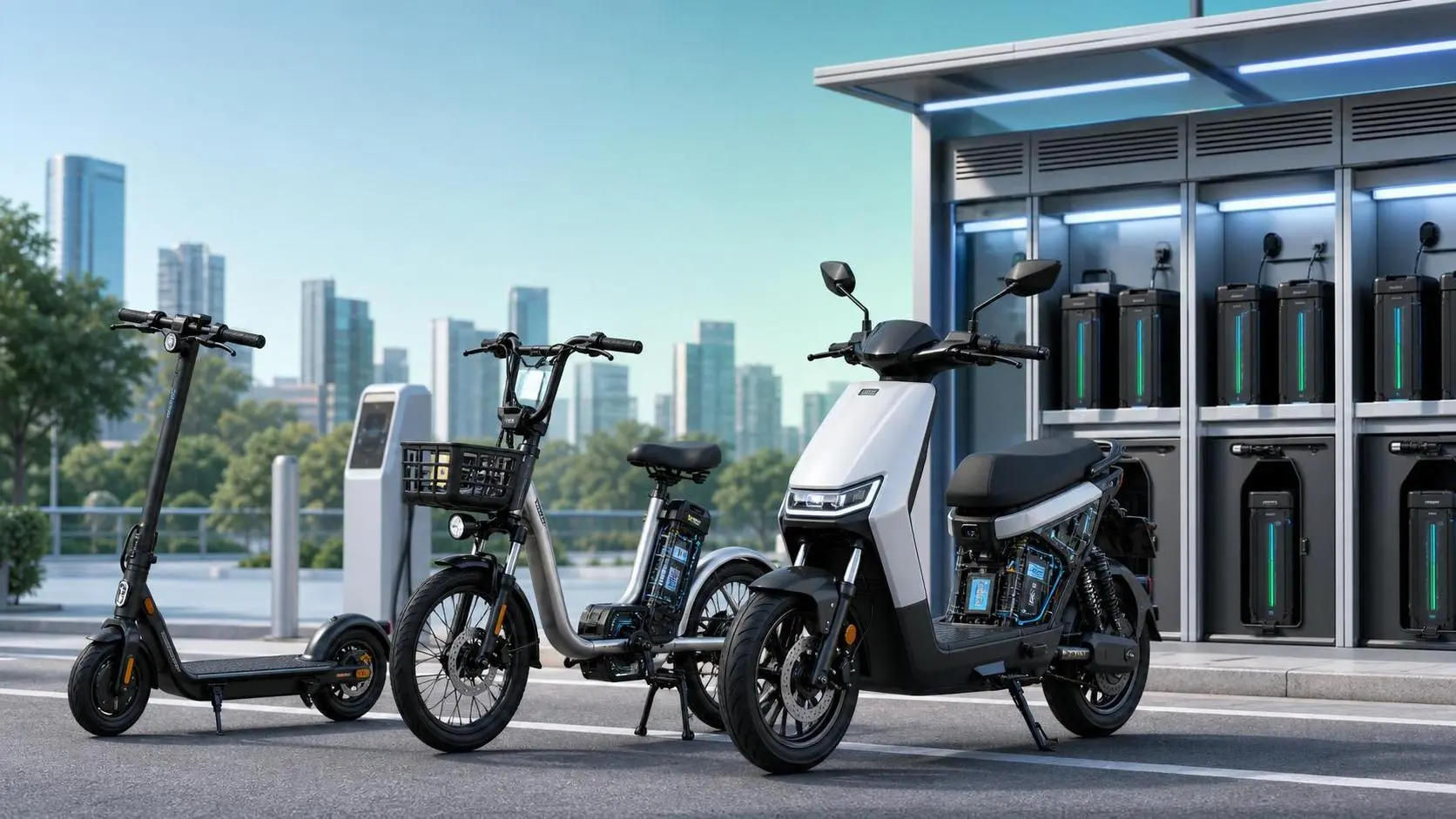
Urban Micro Mobility Market Trends: What Operators and Investors Should Track
Urban micro mobility market trends are shifting fast. Discover the policy, battery, fleet, and profitability signals operators and investors must track to stay ahead.
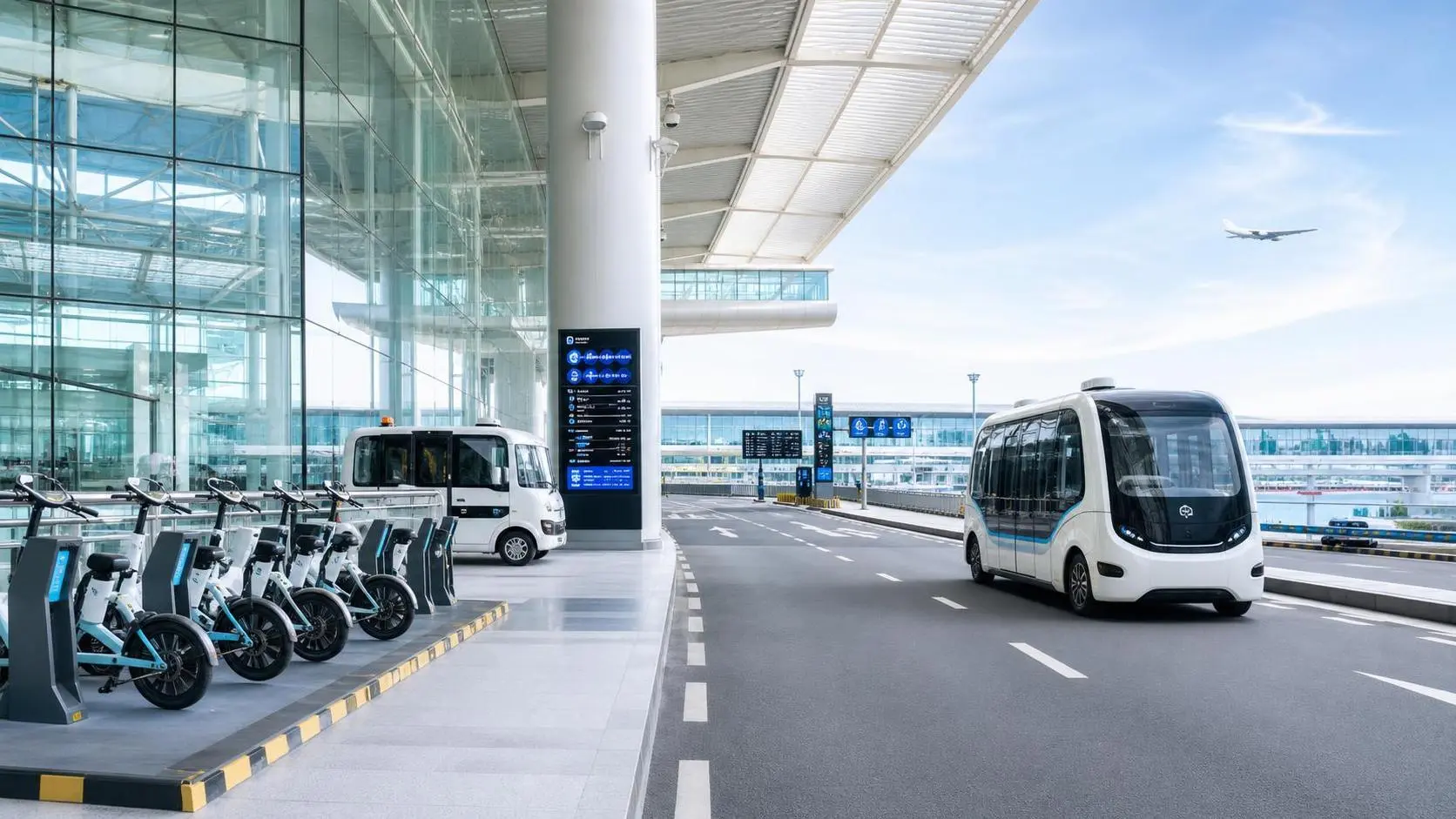
Airport Smart Mobility Explained: Key Systems, Use Cases, and Planning Priorities
Airport smart mobility explained: discover key systems, practical airport use cases, and planning priorities to improve efficiency, sustainability, and passenger experience.
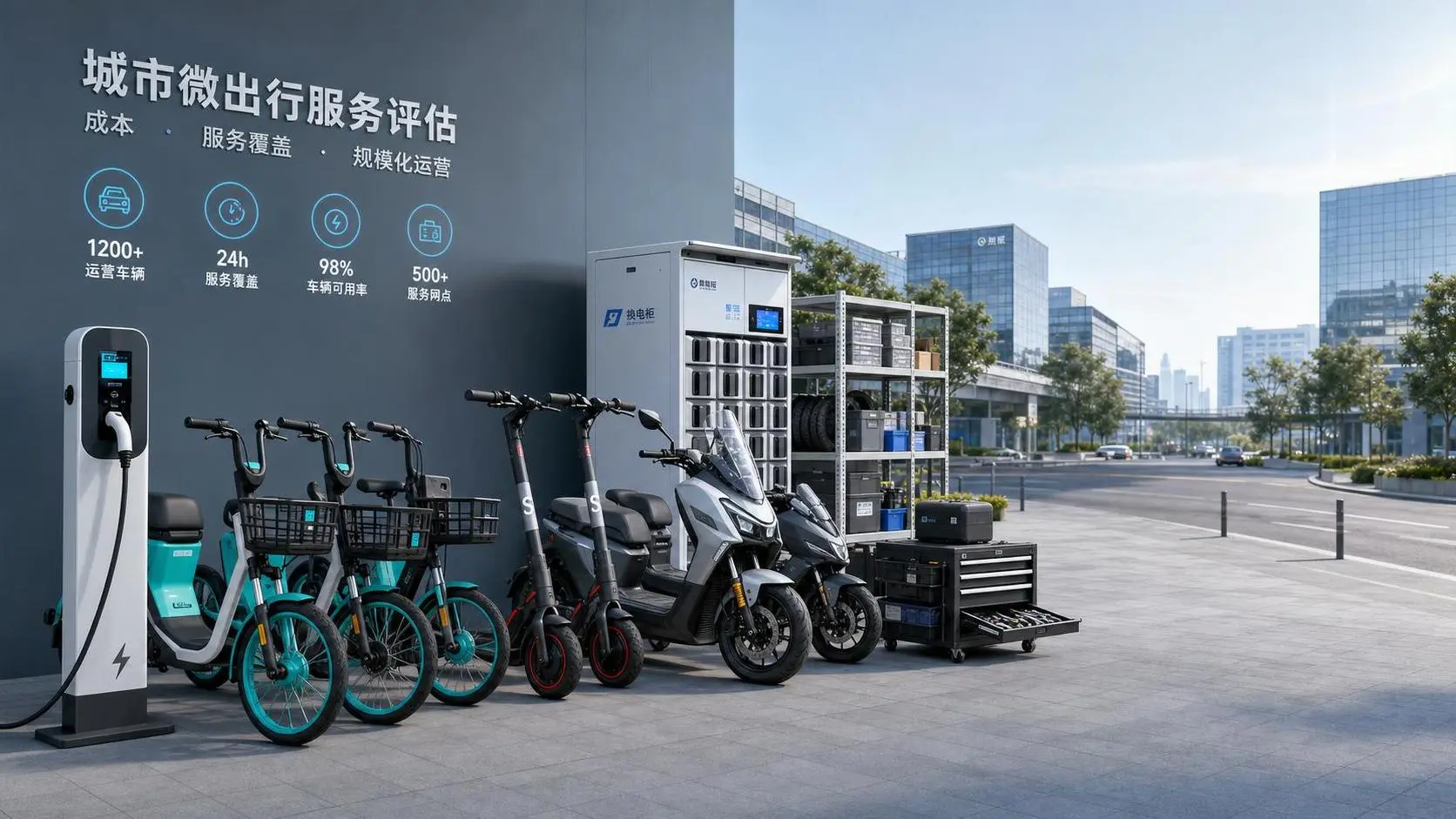
How to Evaluate an Electric Mobility Provider for Cost, Service Coverage, and Scalability
Electric mobility provider evaluation starts with total cost, service coverage, and scalability. Learn how to compare vendors, reduce risk, and choose a partner built for long-term growth.

Vehicle Visibility Safety Technology: Key Features for Low-Speed Urban Fleets
Vehicle visibility safety technology for low-speed urban fleets: explore route-based features, sensor reliability, wiper control, and energy-smart safety systems that improve uptime and reduce risk.

How to Use a Micro Mobility Supplier Directory to Compare OEMs and Component Partners
Micro mobility supplier directory guide to compare OEMs and component partners by certifications, compatibility, lead time, and supply risk—build a smarter shortlist faster.
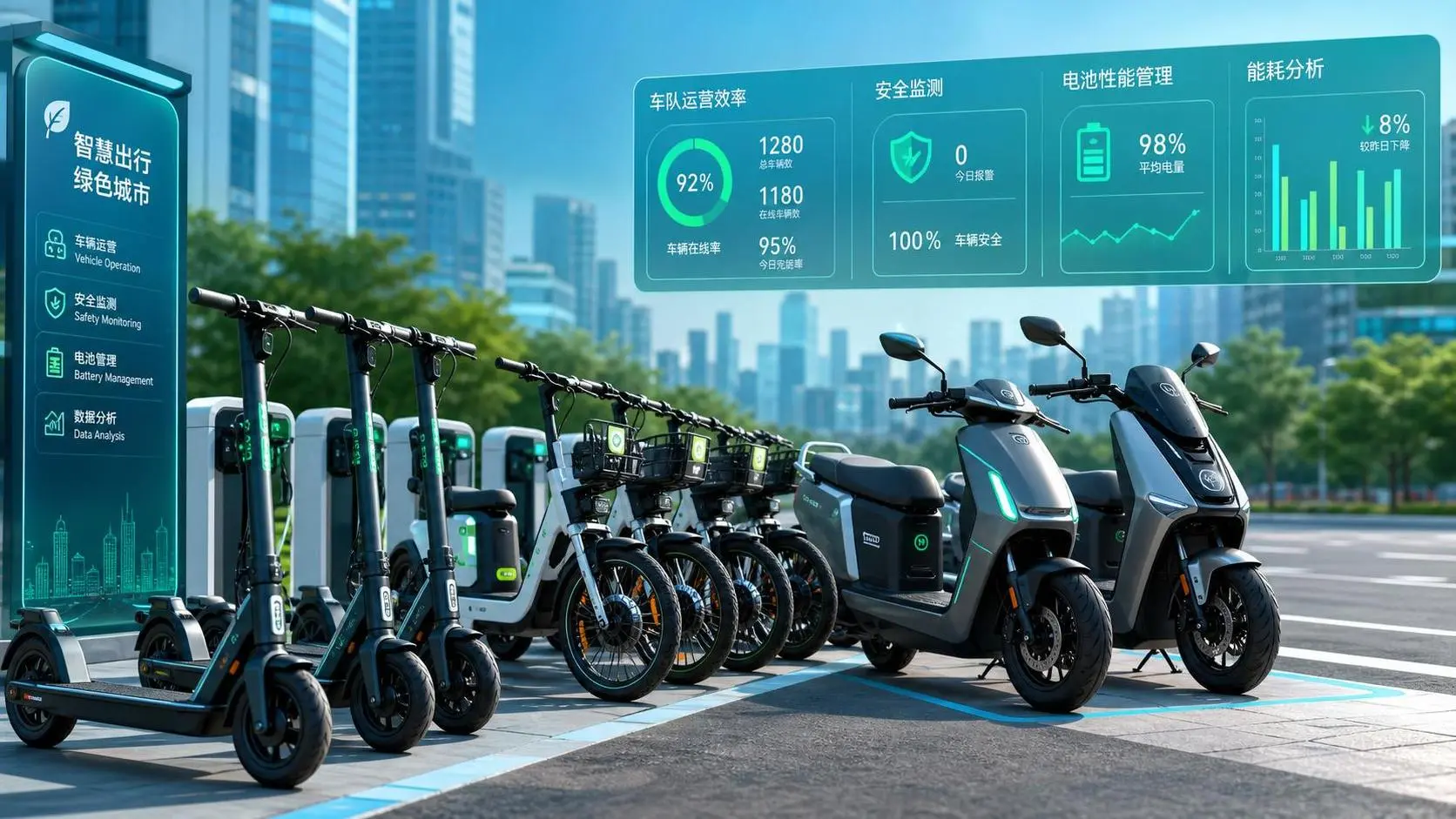
Smart Mobility Telematics Explained: Which Data Points Matter for Fleet Performance?
Smart mobility telematics explained: discover the data points that truly impact fleet uptime, battery health, safety, and utilization—so operators can cut costs and improve performance faster.