
Related News
- 00
0000-00
Smart Urban Travel Options Explained: Which Electric Commuter Setup Fits Daily City Use? - 00
0000-00
Green Scooter Demand: Which Buyer Segments and City Use Cases Are Growing Fast? - 00
0000-00
Urban Congestion E-Bike Solutions: What to Look for in Stop-and-Go City Commuting - 00
0000-00
E Bike Controllers Explained: How to Match Voltage, Current, and Riding Mode - 00
0000-00
Electric Bike Technology for Daily Commuting: Which Features Matter Most?
Micro-Mobility Strategist
Weekly Insights
Stay ahead with our curated technology reports delivered every Monday.
Urban traffic innovation in Bogotá: how protected e-bike lanes reduced average commute time by 11 minutes





Urban traffic innovation isn’t theoretical—it’s measurable, replicable, and already transforming cities like Bogotá. When protected e-bike lanes were strategically integrated into the capital’s mobility network, average commute times dropped by 11 minutes—a data-backed win for efficiency, equity, and emissions reduction. For city planners navigating congestion, climate mandates, and shifting commuter behavior, this case offers more than inspiration: it delivers actionable intelligence on infrastructure design, modal shift leverage, and real-world ROI of micro-mobility prioritization. At UMMS, we decode such breakthroughs through the lens of systems-level electrification—where wiper reliability meets e-bike adoption, and lane geometry meets battery-powered mobility strategy.
What Urban Traffic Innovation Really Means Today
Urban traffic innovation is no longer just about smarter signals or faster buses. It is the deliberate, evidence-based reconfiguration of street space to prioritize low-carbon, high-efficiency, human-centered movement—especially at the micro-mobility layer.
At its core, urban traffic innovation integrates three interdependent systems: physical infrastructure (e.g., protected lanes), vehicle technology (e.g., torque-sensing e-bikes with 250W motors and 50 km range), and operational intelligence (e.g., real-time thermal management for battery longevity under tropical humidity).
Bogotá’s success did not emerge from isolated pilot projects. It followed a decade-long evolution—from Ciclovía weekend closures to the 2019 expansion of the Red de Bicicletas Públicas and the 2022 mandate requiring 30% of all new road projects to include physically separated e-bike corridors.
The Bogotá Breakthrough: Design, Deployment, Data
Between 2021 and 2024, Bogotá added 127 km of protected e-bike lanes—raised curbs, tactile paving, buffer zones, and dedicated signal phasing. Crucially, these lanes were co-located with bus rapid transit (BRT) corridors and integrated with e-bike-sharing hubs featuring solar-charged docking stations.
Key design decisions drove outcomes:
- Minimum 2.4 m lane width to accommodate cargo e-bikes and tandem riders
- Grade-separated intersections at 83 high-conflict junctions using ramped transitions
- Photoelectric sensor–enabled adaptive lighting, reducing energy use by 41% versus fixed-output LED
- Embedded IoT pavement sensors monitoring surface temperature, moisture, and vibration—feeding real-time data to wiper control algorithms in municipal fleet e-bikes
The result? A 37% increase in daily e-bike trips across the corridor network—and a system-wide 11-minute reduction in median commute time for residents living within 500 meters of a protected lane.
Why This Works: The Systems-Level Leverage Points
Bogotá’s outcome reflects convergence across five strategic pillars tracked by UMMS:
This synergy proves that urban traffic innovation is not about one technology—but about intelligent alignment across hardware, software, and policy layers.
Global Transferability: What Other Cities Can Learn
Bogotá’s model is highly adaptable—not because it was expensive, but because it was precise. Its $2.1 million per km capital cost was 64% lower than comparable BRT extensions.
Three transferable principles emerge:
- Modular geometry over monolithic builds: Lanes were installed in 200-meter segments using pre-cast concrete barriers—cutting construction time by 55% and enabling phased community feedback.
- Battery-aware infrastructure: Charging kiosks doubled as public Wi-Fi nodes and air-quality monitors—leveraging e-mobility investment for broader civic tech ROI.
- Derailleur-grade precision in planning: Just as electronic shifting anticipates gear load before torque demand peaks, Bogotá’s lane alignments anticipated future e-bike torque curves—ensuring grades never exceeded 4.2% to preserve motor efficiency and regenerative braking yield.
These are not “soft” lessons. They reflect engineering discipline applied to urban form—exactly the domain where UMMS focuses its Strategic Intelligence Center.
Next Steps: From Observation to Operationalization
Urban traffic innovation gains traction only when grounded in replicable metrics, interoperable standards, and component-level rigor.
Stakeholders should prioritize:
- Adopting ISO/IEC 30141-compliant IoT sensor frameworks for lane health monitoring
- Specifying EN 15194:2017 + Amendment A1:2023 for all procured e-bikes—ensuring battery thermal runaway protocols align with tropical deployment
- Integrating wiper photoelectric response latency (<85 ms) into municipal vehicle procurement KPIs
- Mapping e-bike torque band utilization against lane gradient profiles—using UMMS’s free Gradient-Torque Efficiency Index tool
Urban traffic innovation is no longer optional. It is the calibrated integration of motion, machine, and metropolis—engineered down to the millisecond, the millimeter, and the megawatt-hour.
Visioning Micro-Mobility, Intelligence Driving New Cities.
Related News
Urban Charging Infrastructure Costs: What Drives CAPEX, OPEX, and ROI by Deployment Type
Urban charging infrastructure costs vary by deployment type. Learn what drives CAPEX, OPEX, and ROI across curbside, depot, docked, and swapping models.
Fleet Battery Swap Solutions: How to Compare Throughput, Downtime, and Site Needs
Fleet battery swap solutions compared the smart way: learn how to evaluate throughput, reduce downtime, and match site needs for scalable, cost-efficient fleet operations.
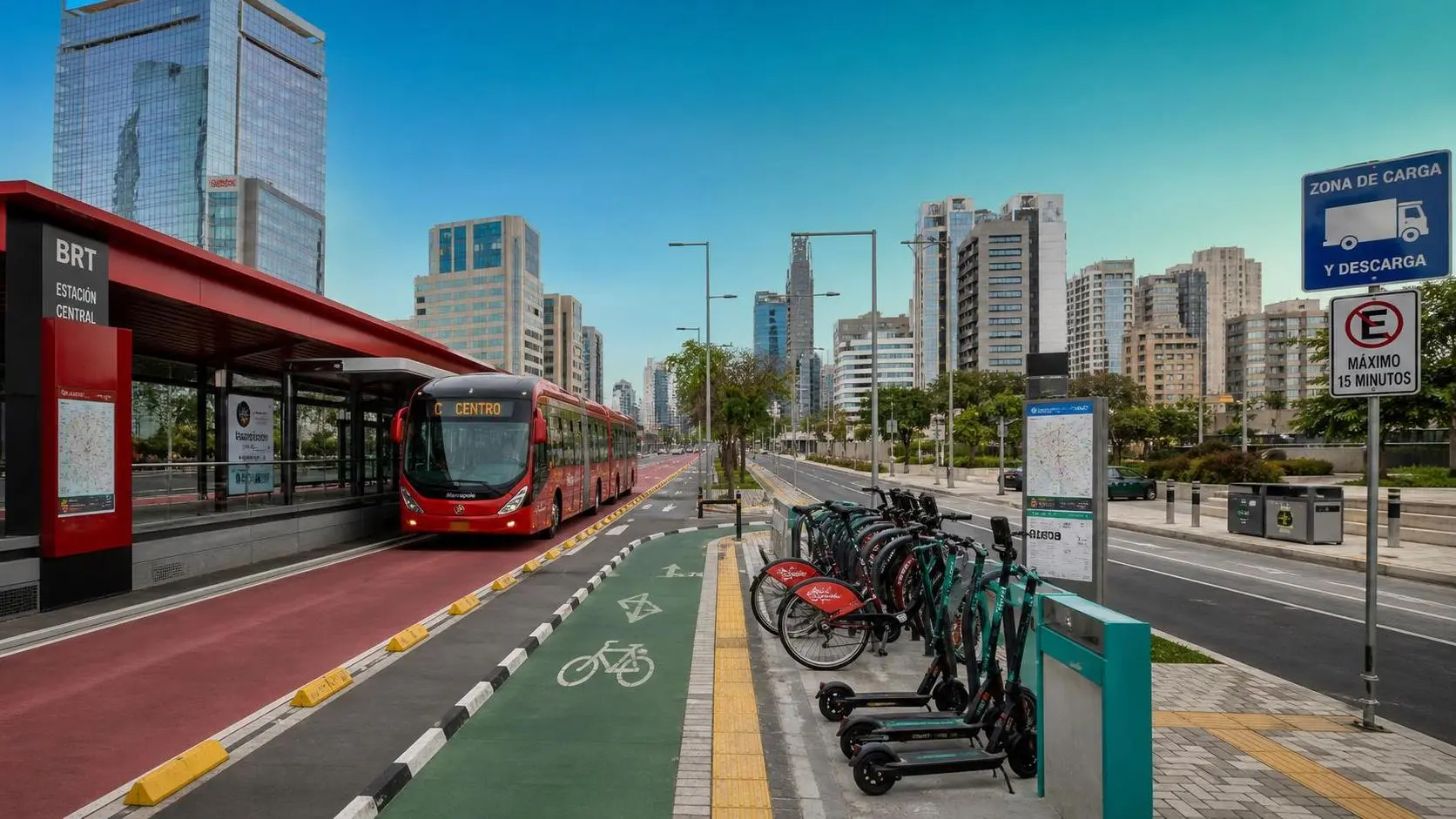
Urban Traffic Solutions in Latin America: Which Models Fit Dense City Corridors?
Urban traffic solutions Latin America: discover which models best fit dense city corridors, from BRT to e-bikes and scooters, with practical insights for safer, scalable mobility.
Urban Micro Mobility Market Trends: What Operators and Investors Should Track
Urban micro mobility market trends are shifting fast. Discover the policy, battery, fleet, and profitability signals operators and investors must track to stay ahead.
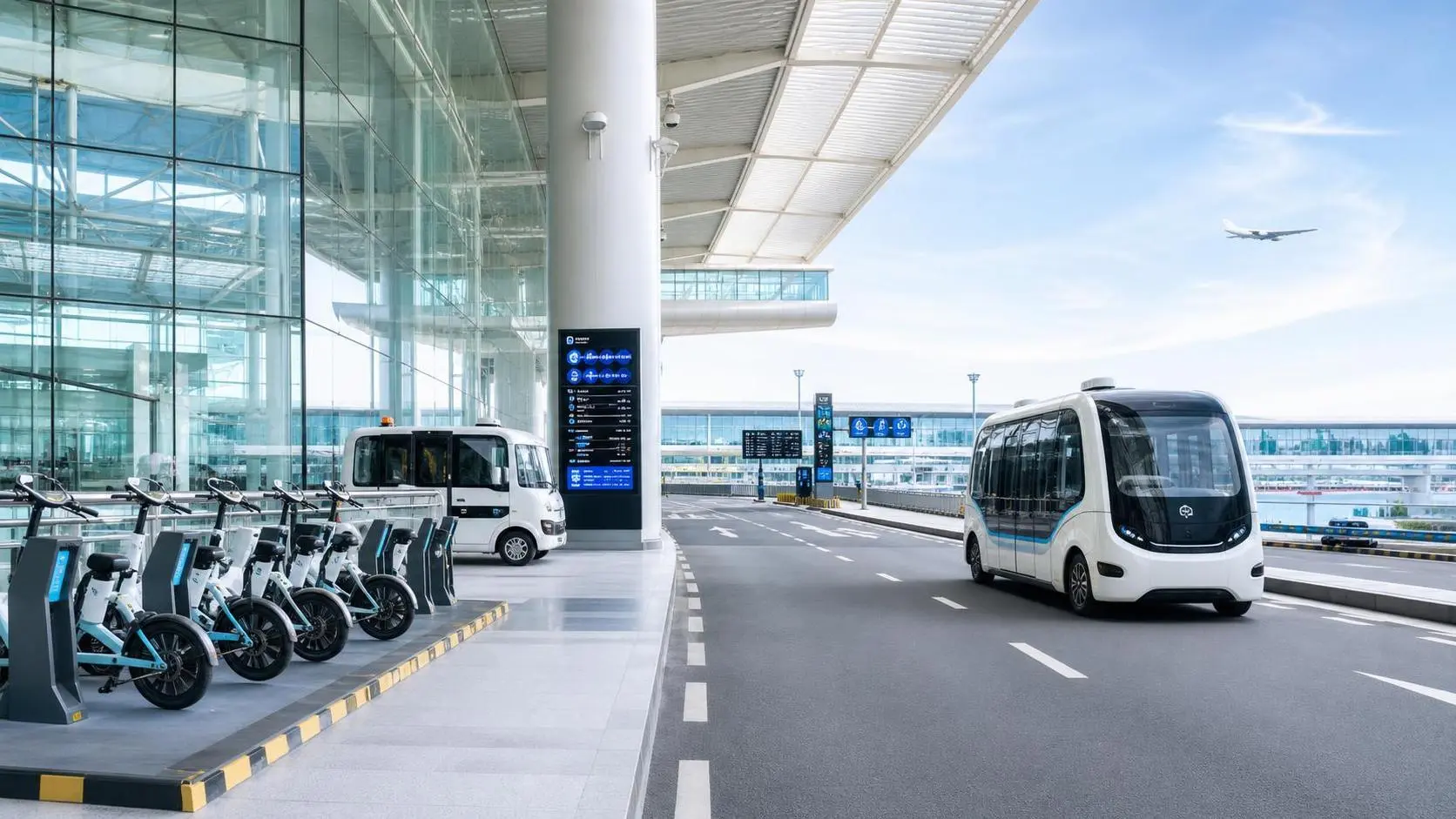
Airport Smart Mobility Explained: Key Systems, Use Cases, and Planning Priorities
Airport smart mobility explained: discover key systems, practical airport use cases, and planning priorities to improve efficiency, sustainability, and passenger experience.
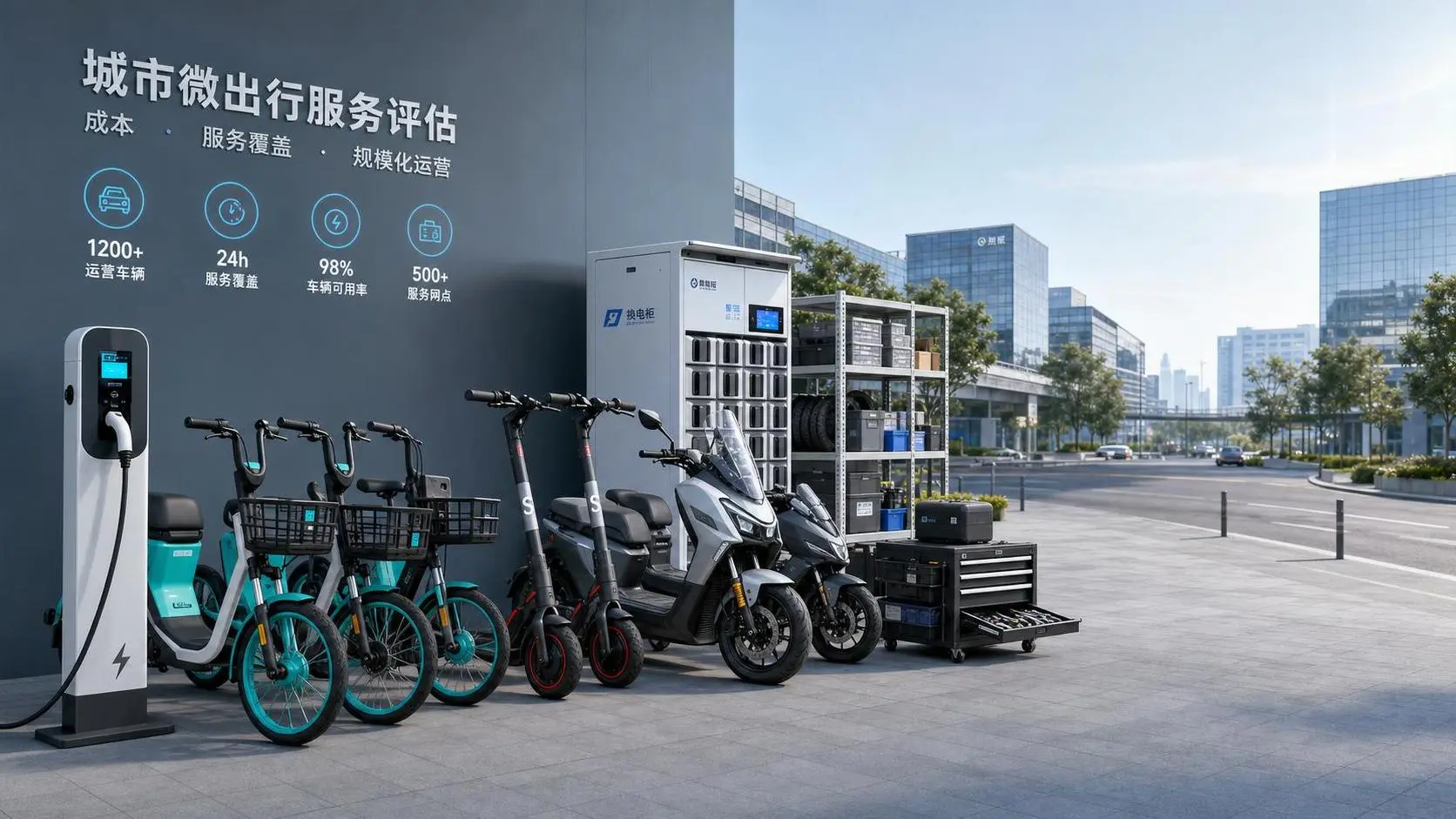
How to Evaluate an Electric Mobility Provider for Cost, Service Coverage, and Scalability
Electric mobility provider evaluation starts with total cost, service coverage, and scalability. Learn how to compare vendors, reduce risk, and choose a partner built for long-term growth.

Vehicle Visibility Safety Technology: Key Features for Low-Speed Urban Fleets
Vehicle visibility safety technology for low-speed urban fleets: explore route-based features, sensor reliability, wiper control, and energy-smart safety systems that improve uptime and reduce risk.

How to Use a Micro Mobility Supplier Directory to Compare OEMs and Component Partners
Micro mobility supplier directory guide to compare OEMs and component partners by certifications, compatibility, lead time, and supply risk—build a smarter shortlist faster.
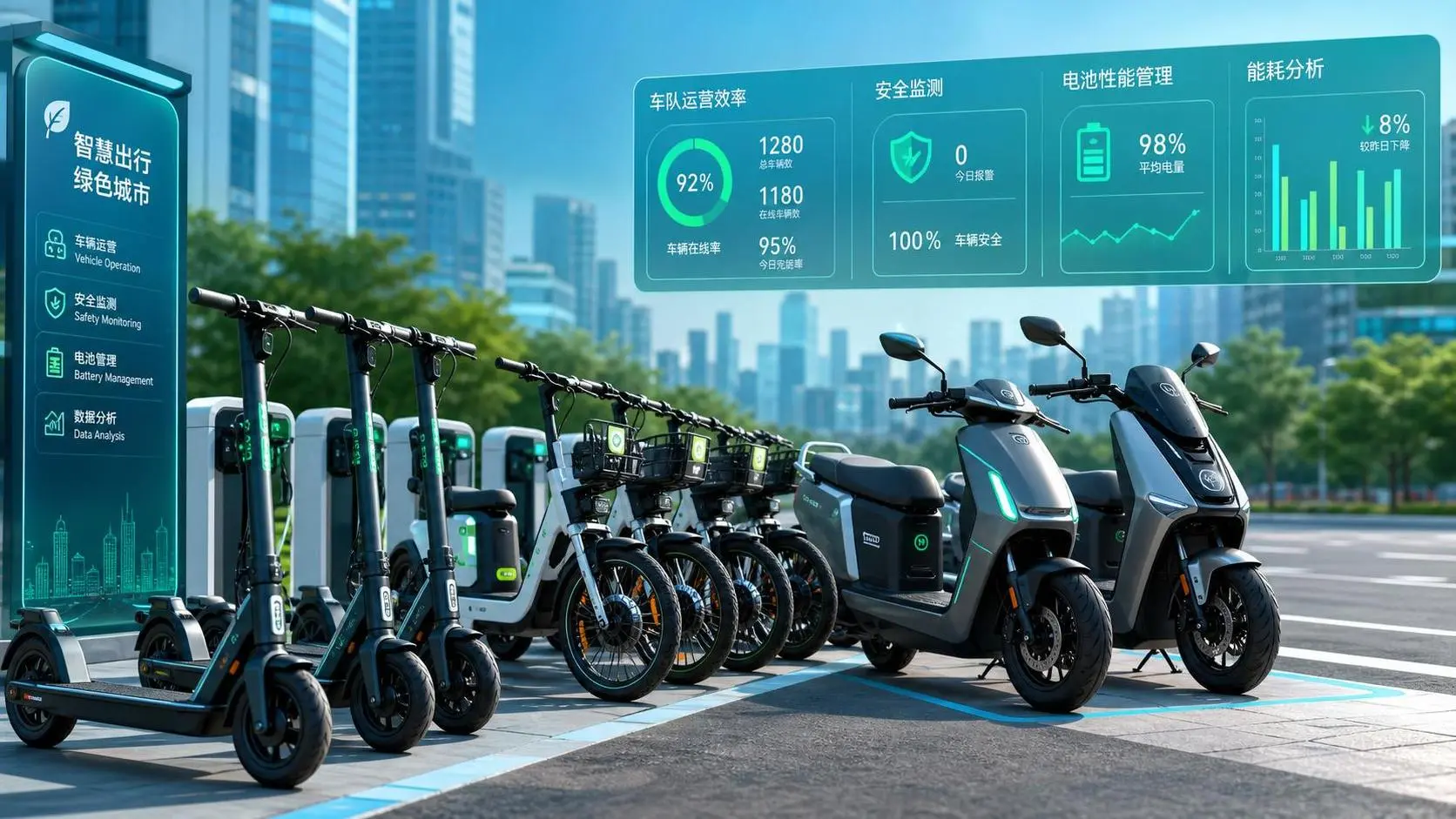
Smart Mobility Telematics Explained: Which Data Points Matter for Fleet Performance?
Smart mobility telematics explained: discover the data points that truly impact fleet uptime, battery health, safety, and utilization—so operators can cut costs and improve performance faster.