
Related News
- 00
0000-00
72V Electric Motorcycle Technology Explained: Motors, Controllers, Range, and Charging - 00
0000-00
High-speed Electric Motorcycles with Swappable Battery: What to Check Before Commercial Deployment - 00
0000-00
Urban Electric Motorcycle Buying Guide: Range, Top Speed, Licensing, and Daily Use - 00
0000-00
Electric Motorcycle Battery Trends: Cell Chemistry, Fast Charging, and Pack Design Shifts - 00
0000-00
What Causes Torque Lag in Electric Two-Wheelers and How Can Engineers Reduce It?
Electric Powertrain Analyst
Weekly Insights
Stay ahead with our curated technology reports delivered every Monday.
High Performance Electric Two-Wheeler Market: Buyer Criteria, Price Bands, and Channel Trends





High Performance Electric Two-Wheeler Market: Buyer Criteria, Price Bands, and Channel Trends
For procurement teams navigating the high performance electric two-wheeler market, buying decisions now hinge on more than speed or styling.
Battery architecture, powertrain reliability, compliance, supplier stability, and channel strategy now shape total value much more directly.
That shift matters because the high performance electric two-wheeler market is no longer a niche led by enthusiasts alone.
It now serves urban fleets, premium retail, cross-border distributors, and brands seeking faster entry into electrified mobility.
Why the High Performance Electric Two-Wheeler Market Is Changing Fast
From recent market movement, the clearest signal is that performance is being redefined.
Top speed still matters, but buyers now focus more on efficiency, range consistency, thermal stability, and lifecycle cost.
This also means products are judged as systems, not just finished vehicles.
Motor tuning, battery pack design, controller software, braking response, and connectivity all influence sourcing decisions.
In the high performance electric two-wheeler market, buyers are also under pressure to manage policy exposure.
Regional rules on speed classes, battery transport, homologation, and after-sales obligations can quickly change cost assumptions.
Core Buyer Criteria in the High Performance Electric Two-Wheeler Market
In practical sourcing work, the most successful evaluations usually begin with five criteria.
1. Battery System Quality
Battery quality remains the center of the high performance electric two-wheeler market.
The key questions are cell sourcing, BMS logic, thermal management, pack sealing, and cycle-life performance.
A lower upfront quote can become expensive if degradation rates are unstable or replacement logistics are weak.
2. Powertrain Reliability
High torque claims are easy to market, but reliability under heat and repeated load is harder to fake.
Ask for controller failure data, motor efficiency curves, waterproof ratings, and field performance in mixed urban conditions.
3. Regulatory Fit
The high performance electric two-wheeler market is fragmented by local regulations.
Procurement decisions should confirm certification paths before volume commitments, especially for Europe, North America, and Southeast Asia.
4. Supplier Resilience
Strong suppliers offer more than assembly capacity.
They show stable component sourcing, documentation discipline, firmware support, spare parts planning, and clear warranty workflows.
5. Service and Data Capability
A more obvious trend is the rise of digital service expectations.
In the high performance electric two-wheeler market, diagnostics, OTA support, battery traceability, and usage analytics increasingly affect contract value.
Price Bands and What They Usually Mean
Price bands in the high performance electric two-wheeler market often reflect system maturity more than appearance.
That is why comparing unit price alone often leads to poor purchasing outcomes.
In real buying situations, the sweet spot often sits in the middle of the market.
That segment usually balances acceptable landed cost, compliance readiness, and enough technical depth to protect long-term value.
Channel Trends Reshaping the High Performance Electric Two-Wheeler Market
Channel strategy has become a major differentiator in the high performance electric two-wheeler market.
The old split between factory-direct and dealer-based sales no longer covers the full picture.
Direct-to-Business Expansion
More manufacturers now sell directly to fleet operators, regional distributors, and enterprise mobility buyers.
This reduces layers, but it also increases the need for technical support and clear service agreements.
Hybrid Dealer Models
Many brands now combine online lead generation with local delivery, assembly, and maintenance partners.
This model works well when the product requires test rides, localized compliance, or hands-on service.
Platform-Led Discovery
Industry platforms, intelligence portals, and specialized sourcing marketplaces now influence early vendor selection.
For the high performance electric two-wheeler market, this means supplier visibility increasingly depends on technical credibility, not just advertising.
After-Sales as a Channel Lever
A strong after-sales network is no longer just support.
It is part of the channel offer itself, especially where battery replacement, software updates, and spare parts availability affect uptime.
How to Compare Suppliers More Effectively
In the high performance electric two-wheeler market, structured comparison beats informal quoting every time.
A practical sourcing checklist should include:
- Verified battery cell origin and pack safety documentation
- Controller, motor, and brake performance under repeated stress
- Homologation status for target markets
- Warranty terms tied to real failure scenarios
- Spare parts coverage for at least two to three years
- Software support, diagnostics access, and update responsibility
- Mass production consistency versus prototype quality
This kind of framework helps separate attractive brochures from dependable commercial partners.
It also supports cleaner negotiations on price, service scope, and risk-sharing clauses.
Common Cost Traps in the High Performance Electric Two-Wheeler Market
The biggest cost mistakes usually appear after the purchase order is signed.
Common traps include underpriced batteries, vague warranty exclusions, weak packaging for lithium transport, and poor spare parts forecasting.
Another frequent issue is assuming all products in the high performance electric two-wheeler market scale smoothly across regions.
In reality, charger standards, certification routes, user expectations, and service economics can differ sharply.
That is why total cost should include compliance, returns, service training, software management, and battery end-of-life handling.
What a Strong Buying Strategy Looks Like Now
The high performance electric two-wheeler market rewards disciplined buyers who connect product performance with commercial resilience.
A strong strategy starts with target use cases, then matches them to battery demands, speed class, regulatory fit, and channel support.
It also helps to shortlist suppliers that can explain engineering trade-offs clearly, not just present aggressive pricing.
As the high performance electric two-wheeler market matures, value comes from durable systems, consistent support, and fewer operational surprises.
For organizations sourcing future-ready models, the best next step is simple.
Build supplier evaluation around lifecycle cost, compliance certainty, and service capability, then negotiate from evidence rather than headline speed or price.
Related News
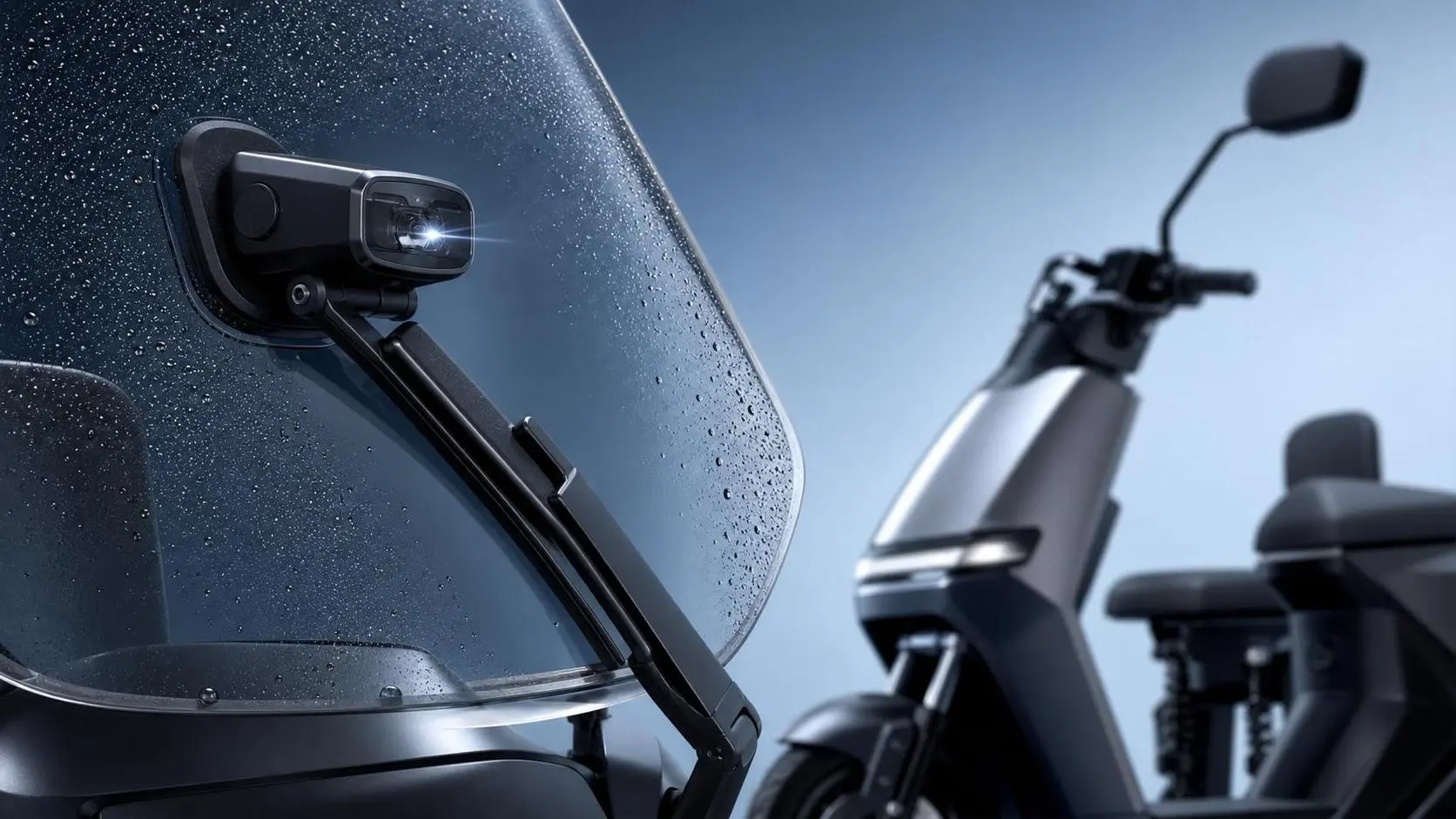
How Do Photoelectric Wiper Sensors Work and Where Are They Most Effective?
Photoelectric wiper sensors explained: learn how they detect rain, reduce false triggers, and deliver the best visibility gains in urban EVs, e-bikes, fleets, and smart mobility.
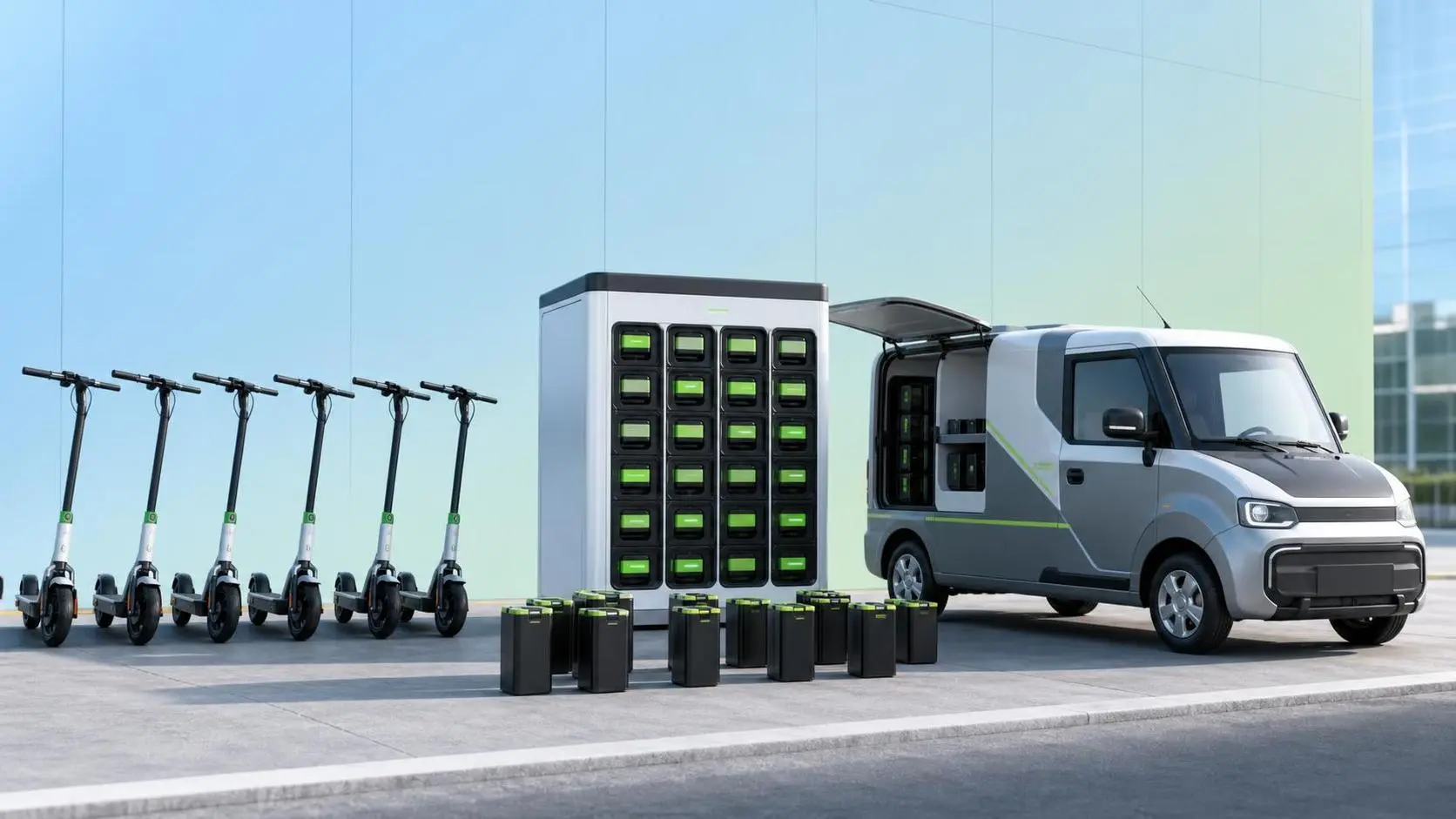
How Battery-Swapping Networks Reduce Downtime in Shared Fleet Scooter Operations
Battery-swapping networks cut scooter fleet downtime by speeding field turnaround, improving uptime in peak zones, and helping operators optimize labor, battery rotation, and service efficiency.
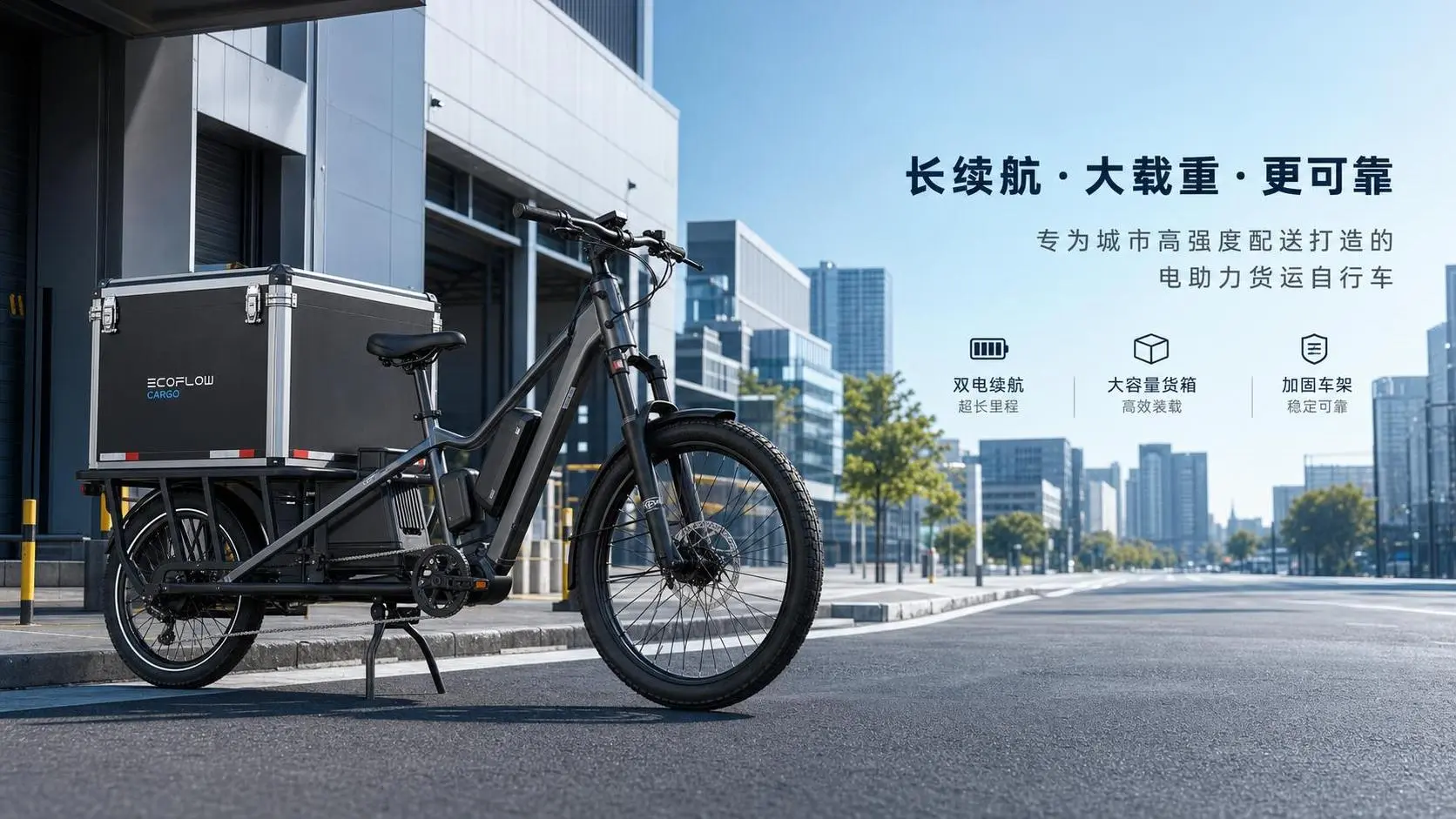
How to Choose a Long-Range Commercial Cargo E-Bike for Delivery Operations
Commercial cargo e-bike long range buying guide: learn how to assess battery, payload, route fit, and uptime support to choose a reliable delivery model with lower operating costs.
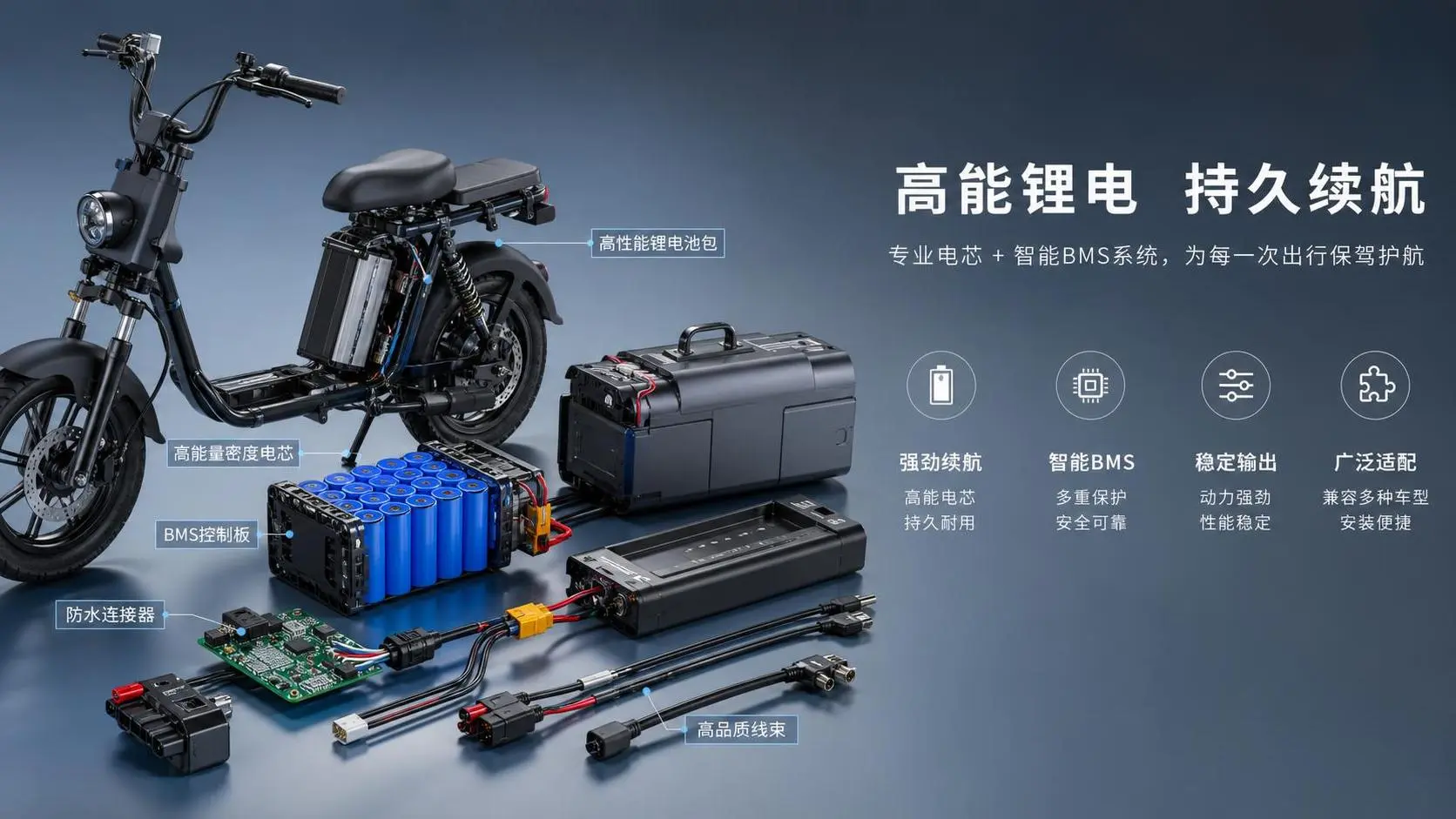
How to Select the Right E-Bike Battery Components for Range, Safety, and Fit?
E-bike component selection battery guide: learn how to choose the right battery components for better range, stronger safety, and perfect fit across modern e-bike platforms.
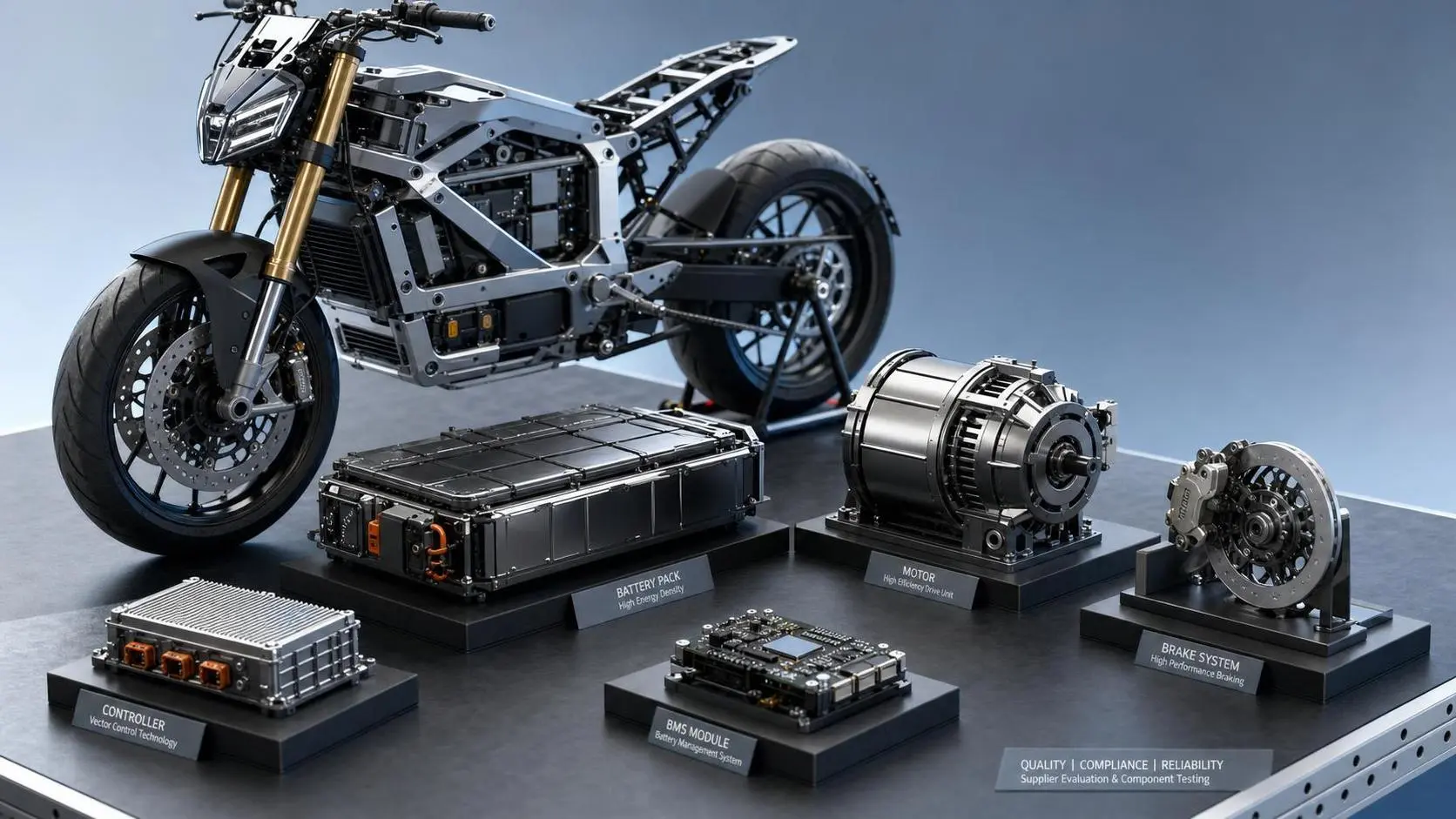
How to Evaluate Core Component Suppliers for Electric Motorcycles Before Sourcing?
Core component suppliers for electric motorcycles can make or break safety, compliance, and delivery. Learn how to assess technical strength, certifications, quality control, and hidden sourcing risks before you buy.
E-Bike Incentives Explained: How Riders Can Find Local Rebates and Tax Credits
E bike incentives explained: learn how to find local rebates, tax credits, and utility offers, avoid common mistakes, and cut the real cost of your next e-bike.
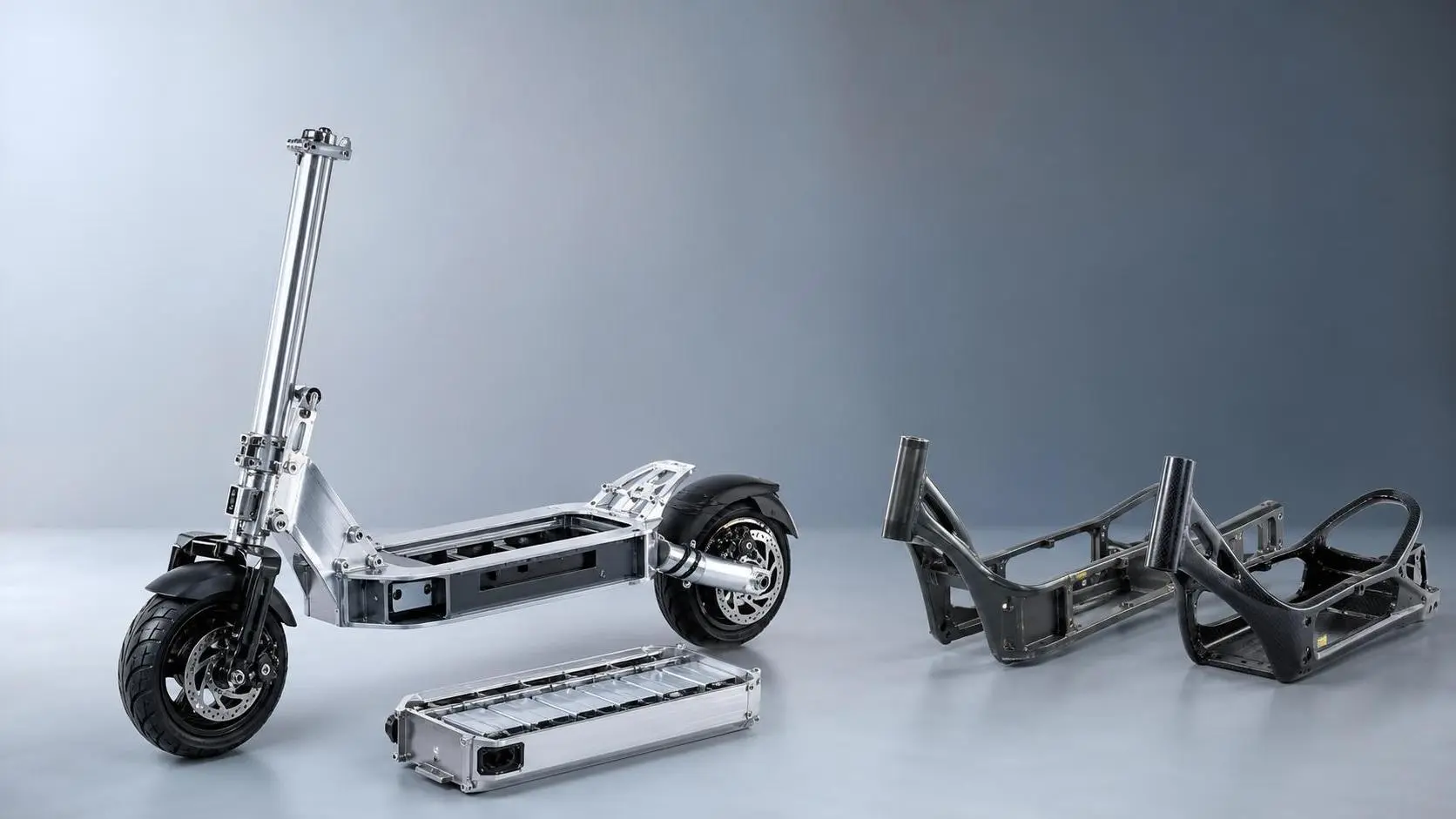
How to Choose Lightweight Scooter Frames in Europe: Materials, Standards, and Use Cases
Lightweight scooter frames Europe buyers need should balance materials, EN standards, durability, and real use cases. Discover how to choose safer, smarter, compliant frames.
What Is the Intellectualization of Mobility Platform and How Is It Applied in Shared Fleets?
Intellectualization of mobility platform is reshaping shared fleets with real-time data, predictive maintenance, and smarter compliance—learn how it boosts safety, uptime, and urban mobility efficiency.
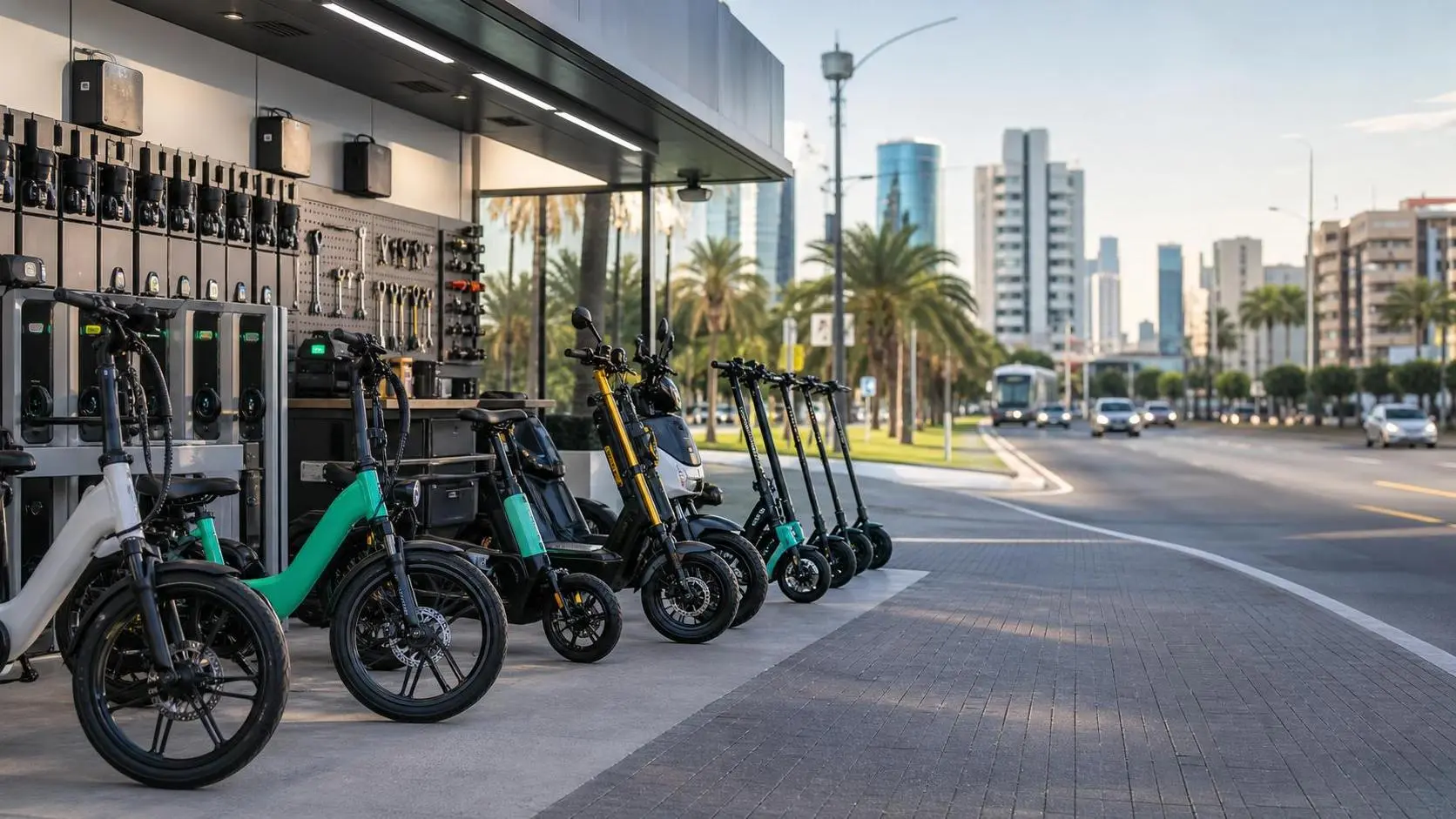
Urban Micro-Mobility Systems in Latin America: Key Market Drivers, Barriers, and Growth Segments
Urban micro-mobility systems Latin America are reshaping city transport. Explore key drivers, barriers, and high-growth segments to spot the region’s most investable opportunities.