
Related News
- 00
0000-00
Urban Electric Motorcycle Buying Guide: Range, Top Speed, Licensing, and Daily Use - 00
0000-00
Electric Motorcycle Battery Trends: Cell Chemistry, Fast Charging, and Pack Design Shifts - 00
0000-00
What Causes Torque Lag in Electric Two-Wheelers and How Can Engineers Reduce It? - 00
0000-00
Swappable Battery Motorcycle vs Fixed Battery Models: Which Setup Fits Daily Use? - 00
0000-00
Commuter E Motorcycles vs E-Bikes: Which Urban Option Fits Range, Speed, and Licensing Needs?
Electric Powertrain Analyst
Weekly Insights
Stay ahead with our curated technology reports delivered every Monday.
OEM market share trends among high-performance e-motos: who’s gaining in Europe and why





As Europe’s high-performance e-motorcycle market accelerates past regulatory and infrastructure inflection points, OEM market share is shifting—not by incremental gains, but through strategic integration of battery-swapping ecosystems, thermal-aware powertrains, and homologation-ready vehicle platforms. This report dissects who’s capturing share across Germany, France, and the Nordics—and why: it’s no longer just about kW or top speed, but about how deeply OEMs embed themselves in urban decarbonization mandates, grid-responsive charging logic, and EU Type Approval agility. For enterprise decision makers navigating supply chain recalibration and green subsidy capture, understanding these OEM market share dynamics is now a core competitive intelligence imperative.
Which OEMs Are Gaining OEM Market Share — and Where?
Three distinct OEM archetypes are reshaping OEM market share in Europe’s high-speed e-motorcycle segment: platform-integrated incumbents, battery-ecosystem-native entrants, and thermal-optimized specialists. Their regional traction reveals divergent paths to scalability — and exposes critical procurement implications for Tier-1 suppliers and mobility-as-a-service (MaaS) operators.
This segmentation underscores a pivotal shift: OEM market share is no longer won on spec sheets alone. It’s determined by alignment with national-level electrification levers — from France’s real-time grid-response requirements to Germany’s StVZO thermal certification timelines. Enterprise buyers must now map supplier capabilities not just to vehicle performance, but to national subsidy gateways and homologation pathways.
What Technical Capabilities Actually Move OEM Market Share?
UMMS Strategic Intelligence Center analysis confirms that three technical vectors drive measurable OEM market share gain in high-speed e-motorcycles:
- Battery-swapping interoperability beyond GB/T or CHAdeMO: EU-wide deployment requires ISO 15118-20–compliant plug-and-play interfaces, not proprietary docks — a key bottleneck for Asian OEMs entering via distributor partnerships.
- Thermal management model fidelity: Vehicles with validated CFD-based battery pack thermal models (per EN 62660-3) achieve 23% faster EU Type Approval cycles than those relying on static lab tests alone.
- Homologation-ready vehicle platforms: Modular chassis architectures enabling rapid adaptation across L3 (≤45 km/h), L4 (≤90 km/h), and L5 (≥110 km/h) categories reduce certification cost per variant by up to 38%.
Procurement Decision Checklist: Evaluating OEM Market Share Potential
For enterprise decision makers sourcing high-performance e-motorcycles or evaluating Tier-1 partners, OEM market share potential hinges on verifiable execution — not marketing claims. Use this field-tested evaluation framework:
These criteria directly correlate with OEM market share velocity — especially in subsidy-sensitive markets like France, where bonus eligibility requires documented grid responsiveness, not just nominal battery capacity.
Why Choose UMMS Strategic Intelligence Center for OEM Market Share Intelligence?
We don’t track OEM market share as an abstract metric. We reverse-engineer it — mapping every kilowatt-hour, thermal threshold, and certification milestone to your procurement timeline and compliance roadmap.
- Real-time OEM market share tracking: Updated biweekly with verified sales data from national transport authorities, subsidy claim registers, and fleet telematics aggregators.
- Subsidy-aligned OEM benchmarking: Compare OEMs not just on MSRP, but on total subsidy-capture efficiency — including bonus stacking, VAT recovery, and municipal fleet incentives.
- Homologation pathway forecasting: Simulate EU Type Approval timelines for your specific configuration using our proprietary regulatory decision tree (trained on 1,200+ real approvals).
- Technical due diligence support: Our Electric Powertrain Analysts conduct on-site BMS firmware audits, thermal model validation reviews, and battery swap interface stress testing — delivered as actionable procurement reports.
If you’re evaluating OEM partners for European high-speed e-motorcycle deployment — or optimizing your own OEM market share strategy — request our latest OEM Market Share Intelligence Brief. It includes granular country-level OEM rankings, subsidy eligibility heatmaps, and thermal certification readiness scores. Contact us today for a customized OEM assessment aligned to your vehicle platform, target markets, and regulatory deadlines.
Related News

Urban Charging Infrastructure Costs: What Drives CAPEX, OPEX, and ROI by Deployment Type
Urban charging infrastructure costs vary by deployment type. Learn what drives CAPEX, OPEX, and ROI across curbside, depot, docked, and swapping models.
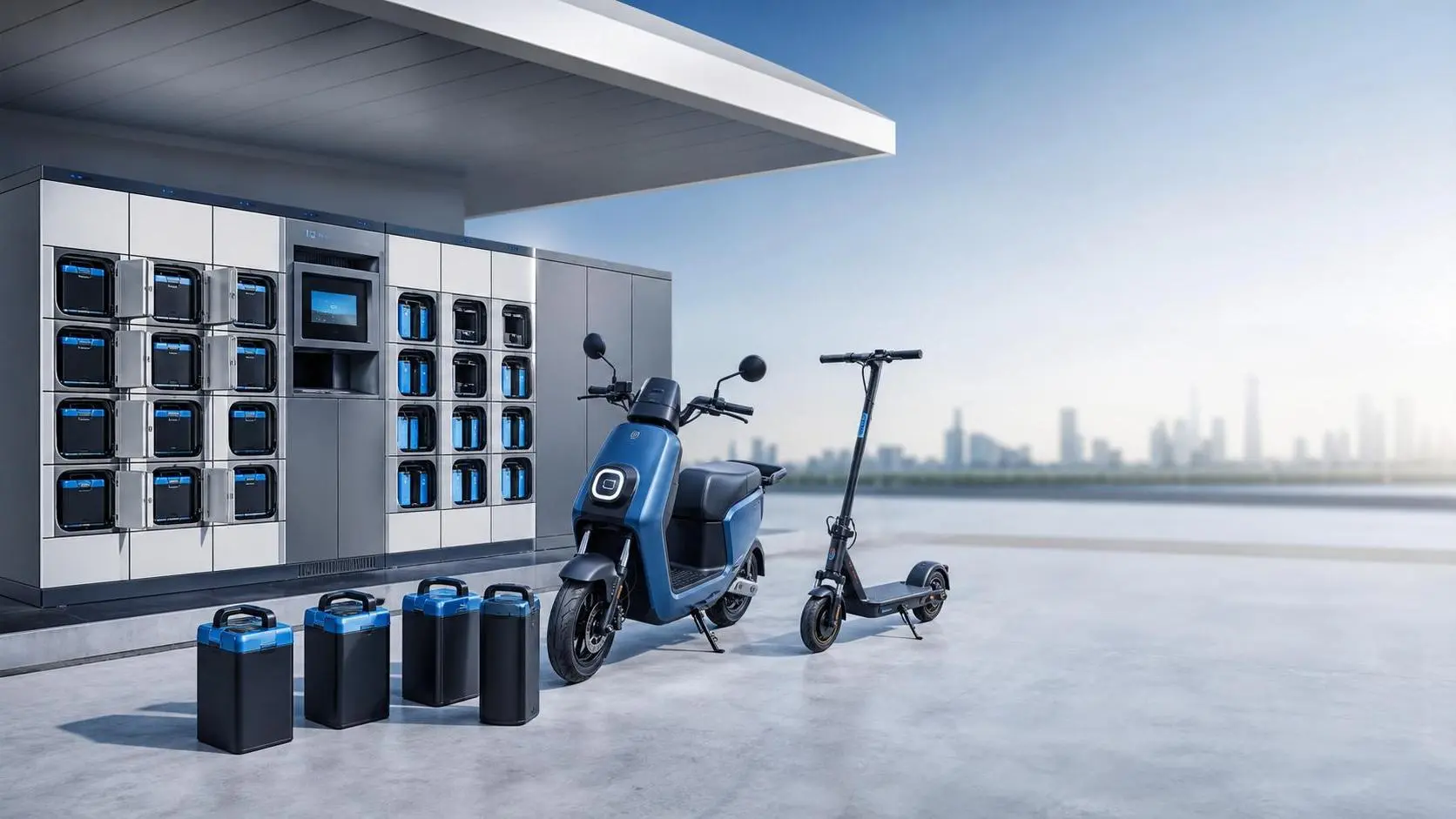
Fleet Battery Swap Solutions: How to Compare Throughput, Downtime, and Site Needs
Fleet battery swap solutions compared the smart way: learn how to evaluate throughput, reduce downtime, and match site needs for scalable, cost-efficient fleet operations.

Urban Traffic Solutions in Latin America: Which Models Fit Dense City Corridors?
Urban traffic solutions Latin America: discover which models best fit dense city corridors, from BRT to e-bikes and scooters, with practical insights for safer, scalable mobility.
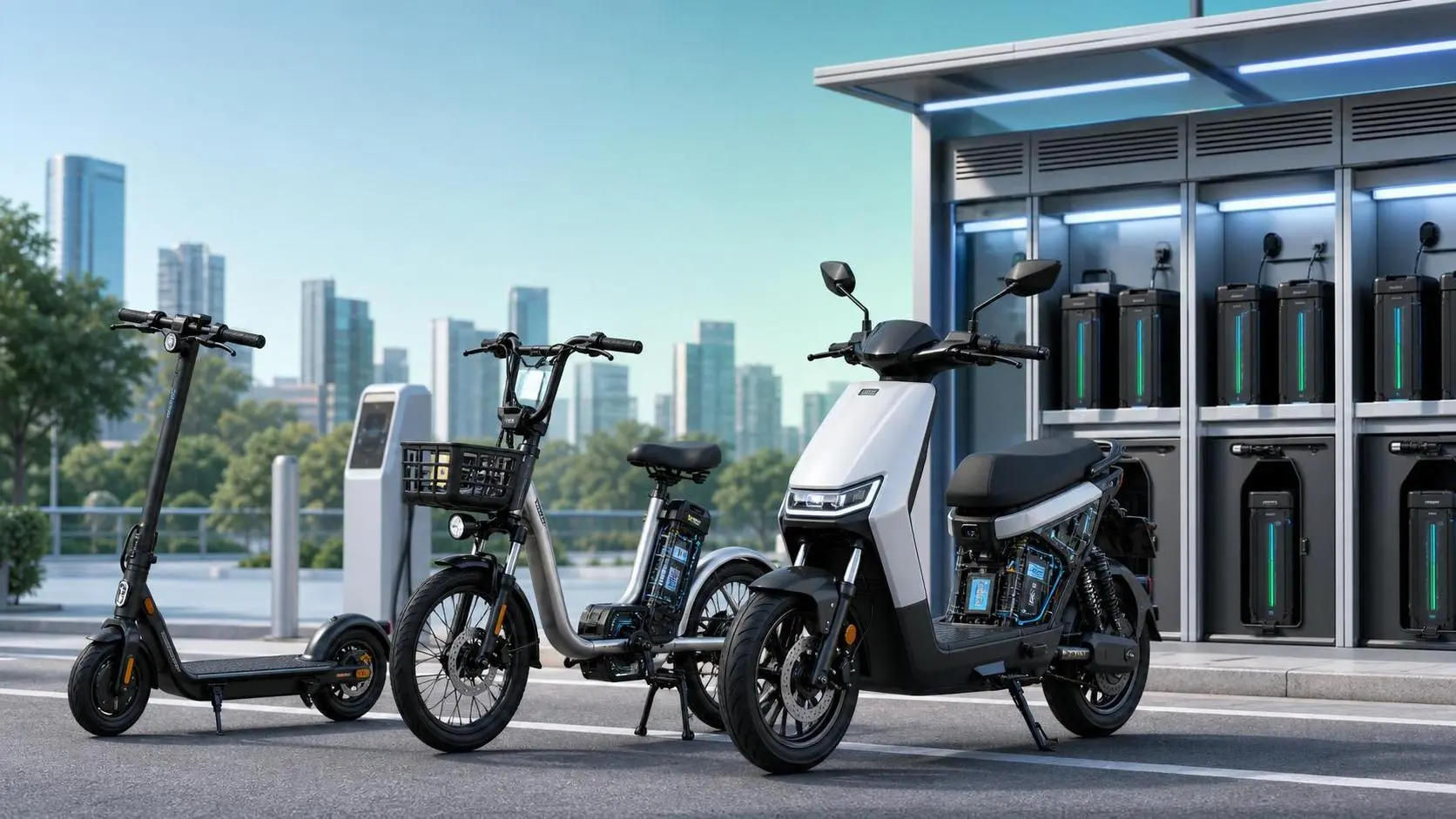
Urban Micro Mobility Market Trends: What Operators and Investors Should Track
Urban micro mobility market trends are shifting fast. Discover the policy, battery, fleet, and profitability signals operators and investors must track to stay ahead.

Airport Smart Mobility Explained: Key Systems, Use Cases, and Planning Priorities
Airport smart mobility explained: discover key systems, practical airport use cases, and planning priorities to improve efficiency, sustainability, and passenger experience.
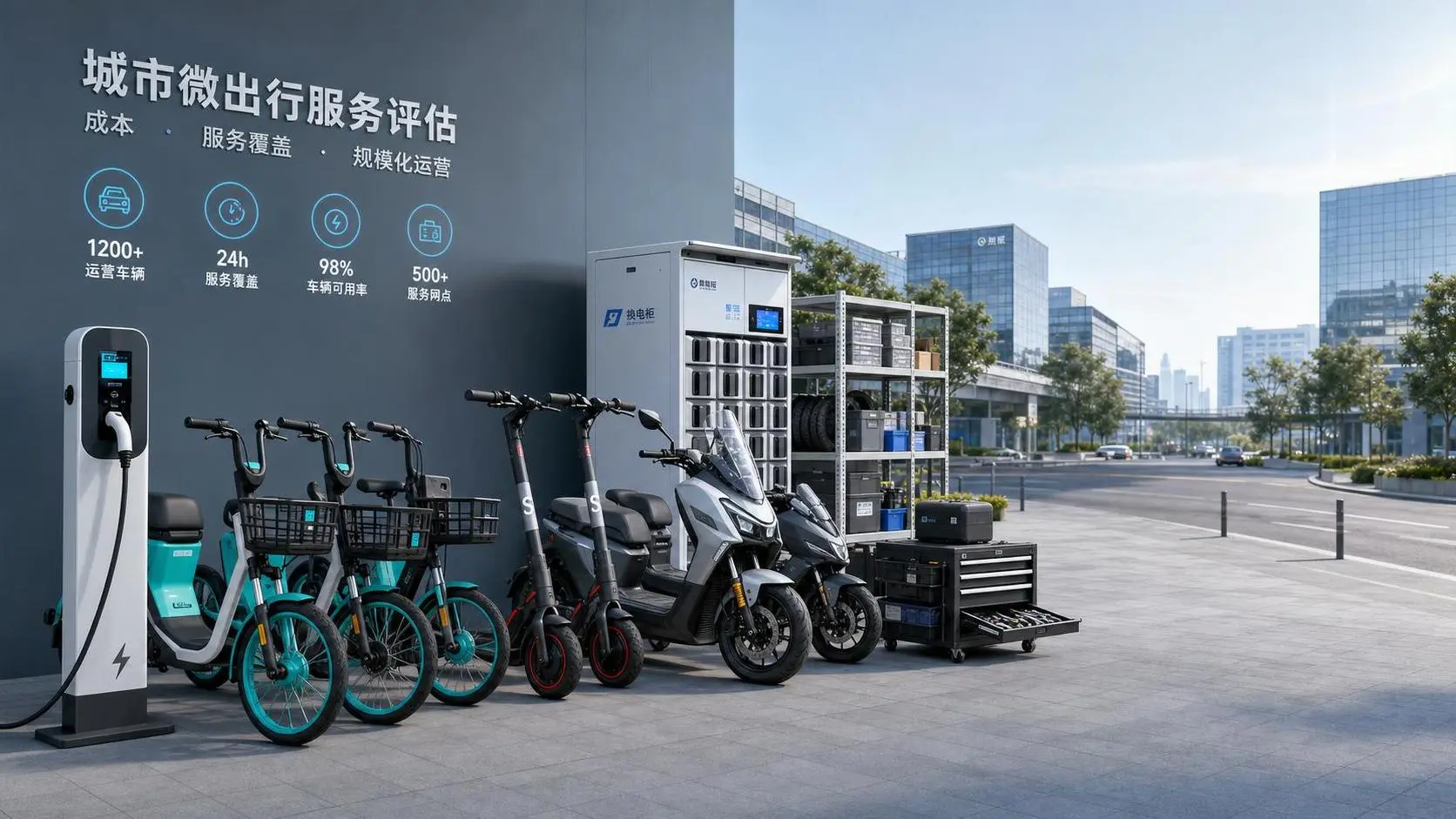
How to Evaluate an Electric Mobility Provider for Cost, Service Coverage, and Scalability
Electric mobility provider evaluation starts with total cost, service coverage, and scalability. Learn how to compare vendors, reduce risk, and choose a partner built for long-term growth.

Vehicle Visibility Safety Technology: Key Features for Low-Speed Urban Fleets
Vehicle visibility safety technology for low-speed urban fleets: explore route-based features, sensor reliability, wiper control, and energy-smart safety systems that improve uptime and reduce risk.
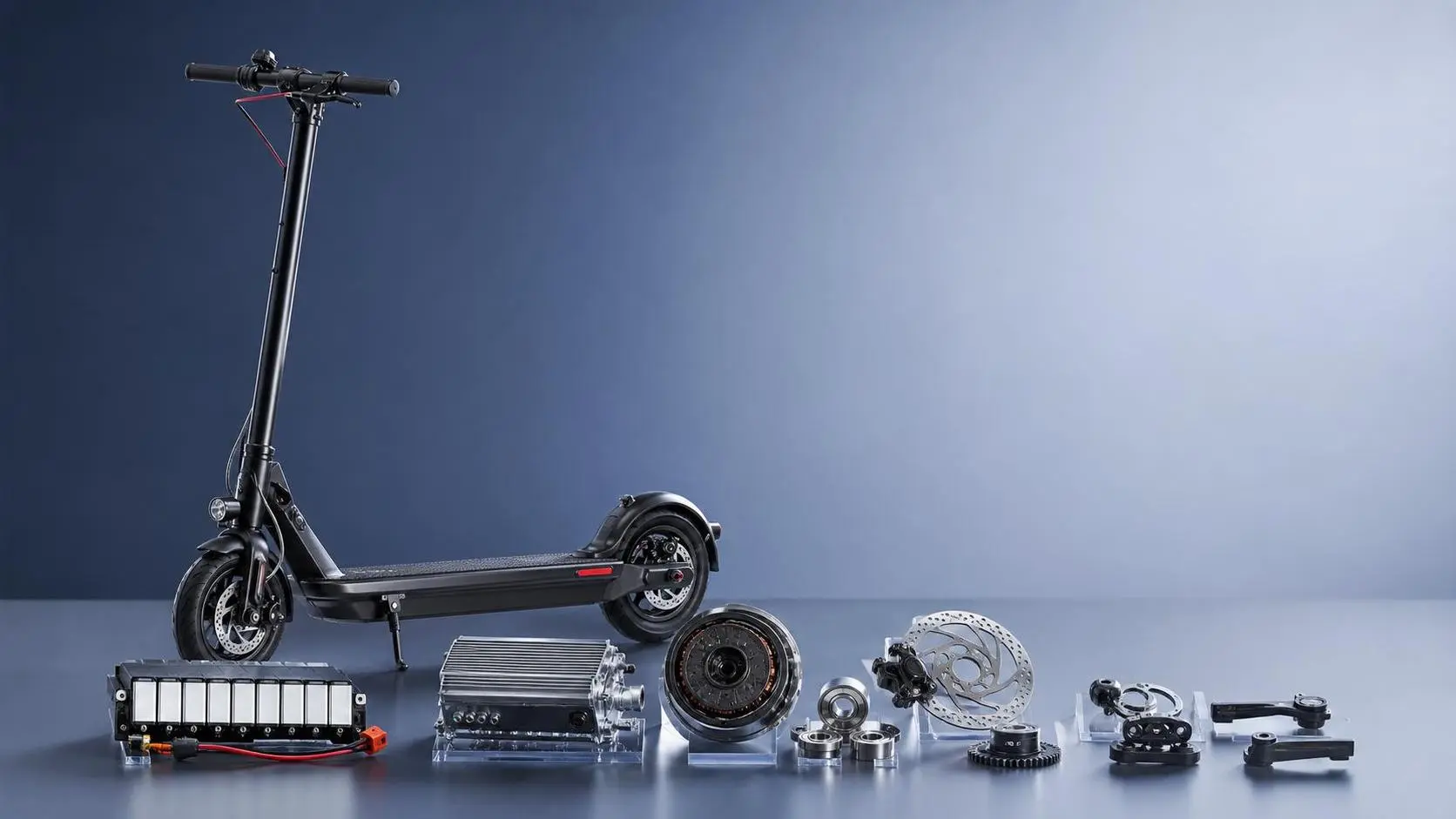
How to Use a Micro Mobility Supplier Directory to Compare OEMs and Component Partners
Micro mobility supplier directory guide to compare OEMs and component partners by certifications, compatibility, lead time, and supply risk—build a smarter shortlist faster.
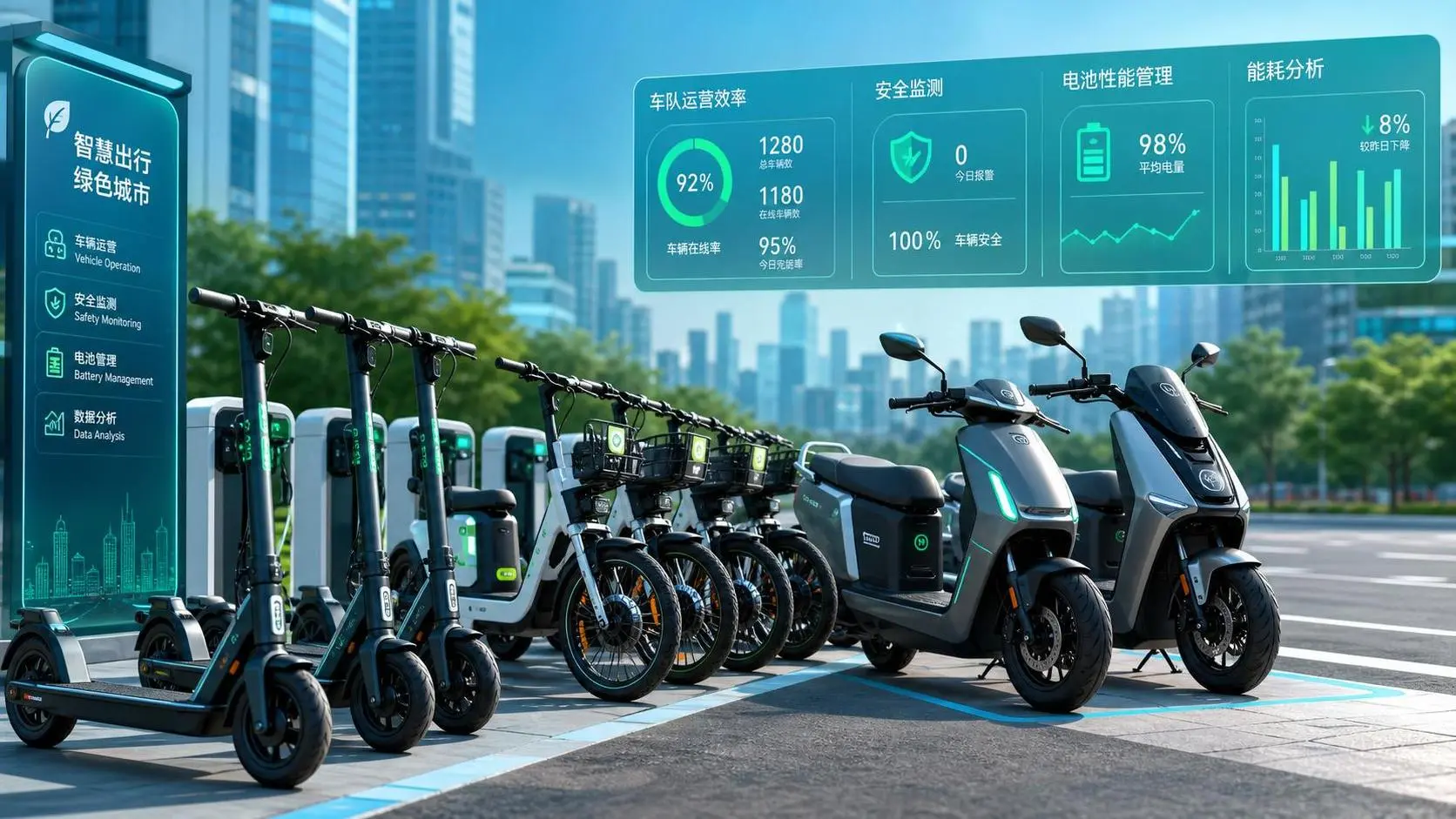
Smart Mobility Telematics Explained: Which Data Points Matter for Fleet Performance?
Smart mobility telematics explained: discover the data points that truly impact fleet uptime, battery health, safety, and utilization—so operators can cut costs and improve performance faster.