
Related News
- 00
0000-00
Urban Electric Motorcycle Buying Guide: Range, Top Speed, Licensing, and Daily Use - 00
0000-00
Electric Motorcycle Battery Trends: Cell Chemistry, Fast Charging, and Pack Design Shifts - 00
0000-00
What Causes Torque Lag in Electric Two-Wheelers and How Can Engineers Reduce It? - 00
0000-00
Swappable Battery Motorcycle vs Fixed Battery Models: Which Setup Fits Daily Use? - 00
0000-00
Commuter E Motorcycles vs E-Bikes: Which Urban Option Fits Range, Speed, and Licensing Needs?
Electric Powertrain Analyst
Weekly Insights
Stay ahead with our curated technology reports delivered every Monday.
Electric Motorcycle Technology Trends to Watch in 2026





As cities accelerate electrification and OEMs compete on range, software, and charging ecosystems, electric motorcycle technology is becoming a critical benchmark for market viability in 2026. For business evaluators, tracking battery innovation, thermal management, connected systems, and swap-ready architectures is essential to assessing supplier strength, product scalability, and long-term commercial potential in the fast-evolving two-wheeler landscape.
For procurement teams, strategy managers, and market analysts, the challenge is no longer identifying whether demand exists. The more difficult task is separating durable platform capability from short-cycle product hype across a two-wheeler industry moving from pilot volumes to industrialized deployment.
In 2026, electric motorcycle technology will be judged less by headline acceleration and more by measurable business outcomes: battery life over 800 to 1,500 cycles, predictable thermal behavior under 35°C to 45°C ambient conditions, software update reliability, charging or swapping compatibility, and serviceable component architecture across multiple regional markets.
This matters directly to UMMS readers because high-speed e-motorcycles sit at the intersection of micro-mobility intelligence, electrified powertrain design, and urban decarbonization policy. A credible technology roadmap can improve export readiness, after-sales efficiency, and long-term margin protection for OEMs and core component suppliers.
Why 2026 Is a Turning Point for Electric Motorcycle Technology
The next 12 to 24 months will likely define which manufacturers scale beyond niche demand. In many markets, electric motorcycles are moving from premium demonstration products toward fleet, commuter, and performance segments that each require different engineering priorities and different cost structures.
Three forces are converging. First, battery pack pricing pressure is tightening gross margins. Second, regulators are scrutinizing vehicle safety, charging behavior, and software data handling more closely. Third, buyers increasingly expect integrated ecosystems rather than standalone vehicles.
From Product Spec Competition to Platform Competition
In earlier years, electric motorcycle technology was often marketed around top speed, peak power, and nominal range. In 2026, evaluators are shifting toward platform-level questions: Can the same motor controller support 5kW, 8kW, and 12kW variants? Can the battery enclosure be adapted to fixed-charge and swap-ready formats? Can software support regional homologation requirements without a full hardware redesign?
This platform mindset is especially relevant for B2B decision makers comparing suppliers across Asia, Europe, and emerging urban mobility markets. A vehicle that performs well in one demonstration cycle may still fail commercial screening if spare parts lead times exceed 6 to 10 weeks or if the thermal management strategy cannot sustain repeated fast charging.
Key signals business evaluators should watch
- Battery architecture flexibility across 48V, 72V, and higher-voltage systems
- Controller efficiency under mixed urban loads rather than peak bench output only
- OTA update capability with rollback protection and fault logging
- Thermal derating behavior during 2 to 3 consecutive fast-charge events
- Service access time for battery, inverter, and communication modules
The table below outlines how buying priorities are changing as electric motorcycle technology matures from enthusiast demand to scalable mobility infrastructure.
The main conclusion is clear: electric motorcycle technology is no longer evaluated as a single vehicle feature set. It is assessed as a modular business system with technical, operational, and regulatory consequences over a 3 to 5 year period.
Battery and Thermal Management Trends Defining Supplier Strength
Battery systems remain the financial and technical core of electric motorcycle technology. For many products, the pack can represent 25% to 40% of total vehicle cost, making chemistry selection, enclosure design, and battery management logic central to supplier evaluation.
Higher Density Is Not Enough Without Controllable Heat
Energy density improvements can extend practical range or reduce mass, but business evaluators should focus equally on temperature control. Under urban stop-start use, repeated high-current discharge and regenerative braking can raise internal thermal stress quickly, especially in compact high-speed models with limited airflow.
A robust system should manage cell temperature spread within a narrow band, often targeting less than 5°C difference across modules during normal operation. Wider variation can accelerate imbalance, shorten cycle life, and create inconsistent rider experience between cold-start and hot-soak conditions.
What evaluators should verify in battery discussions
- Cell format and chemistry suitability for target duty cycle
- Pack ingress protection and vibration resistance for urban roads
- BMS fault isolation, balancing logic, and data granularity
- Fast-charge tolerance over repeated cycles, not one-time tests
- End-of-life replacement strategy at 70% to 80% state of health
Thermal Architecture Becomes a Procurement Issue
Thermal management used to be treated as an engineering subtopic. In 2026, it becomes a procurement issue because poor heat control affects warranty cost, charging speed, and regional deployment suitability. Air-cooled solutions may remain viable in lower-power commuter formats, but higher continuous output applications increasingly need more deliberate heat path design.
For business screening, ask whether the supplier can show behavior across 3 common scenarios: summer urban congestion, repeated hill climbing, and two consecutive charging sessions within a short operational window. If the system derates aggressively after one stress event, claimed performance may not translate into commercial value.
The following comparison helps procurement teams assess how battery and thermal choices influence total platform viability in electric motorcycle technology.
For evaluators, the practical lesson is simple: battery innovation only creates business value when matched with controlled heat behavior, clear service logic, and repeatable operating performance across different urban environments.
Software, Connectivity, and Intelligent Control Systems
Another major shift in electric motorcycle technology is the move from hardware-centric design toward software-defined functionality. The vehicle control unit, motor controller, BMS, dashboard, and mobile interface are becoming a connected system rather than isolated components.
Why Connected Architecture Matters in 2026
Connected features are no longer optional in many B2B tenders. Fleet operators, distributors, and urban mobility platforms increasingly ask for remote diagnostics, geofencing support, tamper alerts, and OTA updates. Even when the end customer is a consumer rider, after-sales teams benefit from fault code history and battery health visibility.
A useful benchmark is whether the platform can support at least 4 software layers reliably: vehicle control, battery logic, rider interface, and cloud or app integration. If these layers are added by different vendors without stable communication protocols, integration risk rises quickly.
High-value software functions to assess
- OTA updates with version traceability and rollback capability
- Real-time battery state monitoring beyond simple percentage display
- Motor and controller fault logging with timestamped events
- Anti-theft logic tied to connectivity and immobilization controls
- Adaptive ride modes balancing efficiency, torque, and thermal limits
Data Quality Is More Important Than Feature Quantity
A common mistake in supplier evaluation is overvaluing app features while underexamining data reliability. Business evaluators should ask how often telemetry is sampled, what happens during signal loss, and whether fault records remain usable after firmware updates.
In practical terms, 1 useful diagnostic channel with consistent logs is more valuable than 10 marketing features with unstable communication. For warranty management and field service, clean data can reduce troubleshooting cycles from several hours to less than 30 minutes.
Common red flags in connected electric motorcycle technology
- Cloud dependency for basic functions that should remain local
- No fallback mode when communication modules fail
- Limited documentation for CAN, UART, or other interface protocols
- Security updates handled manually instead of through managed workflows
- Disconnected ownership between power electronics vendor and software vendor
For UMMS-aligned market intelligence, this software layer is especially important because it affects ecosystem competitiveness. Electric motorcycle technology increasingly succeeds when the vehicle, charging or swapping asset, service team, and rider platform share interpretable operational data.
Charging, Swapping, and Infrastructure-Ready Vehicle Design
In 2026, infrastructure compatibility may become one of the strongest differentiators in electric motorcycle technology. Range still matters, but uptime matters more for commercial users, and convenience matters more for urban commuters balancing apartment living, public parking, and mixed trip patterns.
Fixed Charging vs Battery Swapping
Not every market will adopt the same model. Fixed charging works well where home or workplace access is common and daily usage remains predictable. Swapping becomes attractive where high utilization, dense delivery activity, or limited private charging access creates downtime pressure.
Business evaluators should resist one-size-fits-all assumptions. A commuter platform with a 60 to 100 km practical urban range may perform well with overnight charging. A delivery or patrol application operating 2 shifts per day may require modular battery access in under 2 minutes.
Design questions that influence infrastructure fit
- Is the charge port durable enough for daily public-use cycles?
- Can the battery be removed without tools or with only 1 simple latch step?
- Does the enclosure balance theft protection and service speed?
- Can the vehicle software recognize pack identity and state automatically?
- Is the frame designed for future charging standard changes?
The strongest suppliers increasingly design vehicles as infrastructure-ready assets, not isolated machines. That means mechanical, electrical, and software interfaces are considered together from the beginning rather than retrofitted after launch.
A Practical Evaluation Framework for Business Decision Makers
For procurement and strategy teams, evaluating electric motorcycle technology becomes easier when the process is broken into a repeatable screening framework. This avoids decisions based only on showroom impressions or isolated test rides.
Five-Step Screening Process
- Define duty cycle: commuter, fleet, delivery, performance, or mixed-use
- Review battery, motor, controller, and thermal architecture as one system
- Assess software and connectivity for diagnostics, updates, and security
- Verify serviceability, parts planning, and regional compliance adaptability
- Model 3-year operating cost including battery replacement and downtime risk
This process should be supported by cross-functional input. Engineering may prioritize controller efficiency, while commercial teams focus on support terms and parts localization. A strong decision requires both perspectives because an attractive unit price can be offset by poor field reliability within 12 months.
Supplier Questions That Produce Better Answers
Ask for stress behavior, not just best-case output. Ask for service workflows, not just component lists. Ask how quickly software bugs are patched, how many removable steps are needed to access the battery, and what operating thresholds trigger power derating.
When electric motorcycle technology is presented in a structured, measurable way, business evaluators can compare suppliers more fairly and spot hidden operational risk earlier. This is where market intelligence platforms such as UMMS add value by connecting technical architecture with policy movement, commercialization pace, and ecosystem readiness.
Conclusion: What to Prioritize Before 2026 Procurement Cycles Close
The most important electric motorcycle technology trends to watch in 2026 are not isolated headline features. They are integrated capabilities: battery systems that balance density and thermal control, software stacks that support service intelligence, and vehicle architectures prepared for both charging and swapping realities.
For business evaluators, the winning suppliers will likely be those that can demonstrate 4 things consistently: scalable platform engineering, transparent data visibility, maintainable system design, and credible fit for regional infrastructure conditions. These factors influence product viability far more than promotional performance claims alone.
UMMS continues to track the evolution of high-speed e-motorcycles, precision powertrains, and connected mobility systems through a commercial and technical lens. If you are assessing new suppliers, planning a market entry strategy, or reviewing next-generation two-wheeler platforms, now is the right time to align technology screening with long-term business outcomes.
Contact us to discuss tailored intelligence support, request a customized evaluation framework, or learn more about practical electric motorcycle technology solutions for your target market.
Related News
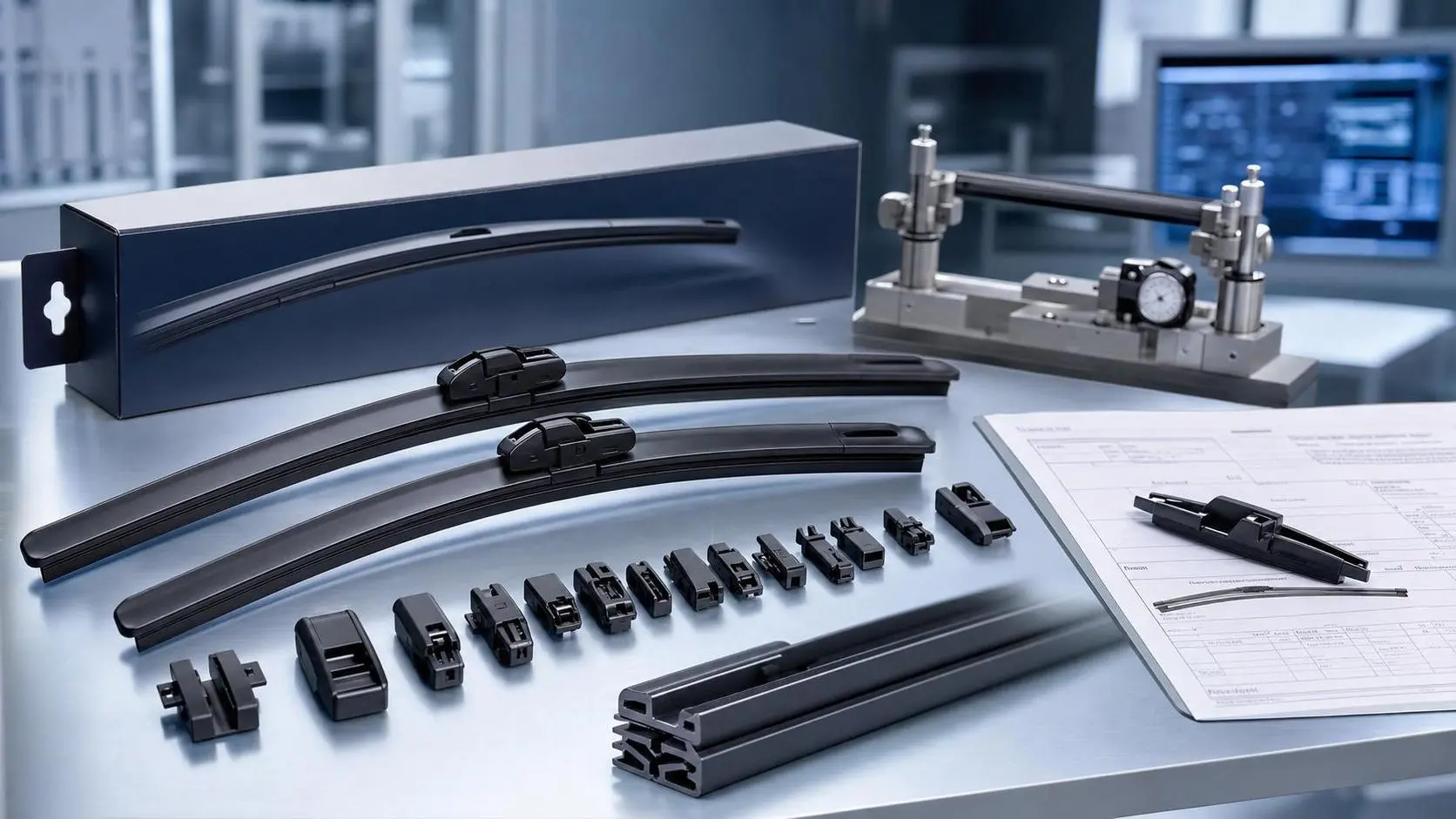
Flat Wiper Blades Wholesale Buying Guide: MOQ, Rubber Quality, Fitment, and Supplier Checks
Flat wiper blades wholesale buying guide covering MOQ, rubber quality, fitment accuracy, and supplier checks to reduce risk, improve margins, and choose reliable bulk partners.
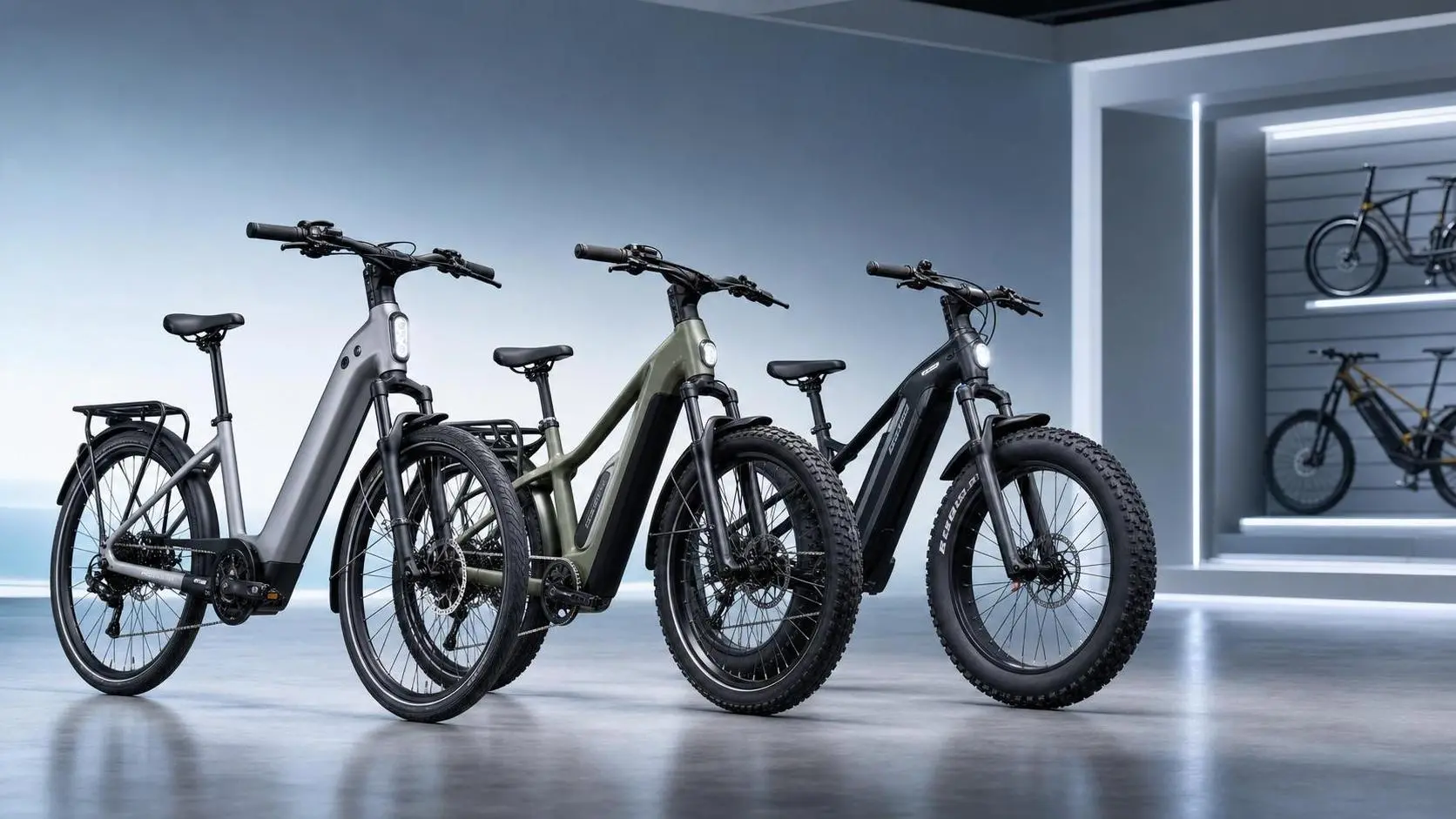
Ebike Market USA: What Dealers Should Know About Demand Shifts, Pricing, and Product Mix
ebike market USA is shifting fast. Discover how demand segmentation, pricing pressure, and smarter product mix decisions can help dealers protect margins and grow.
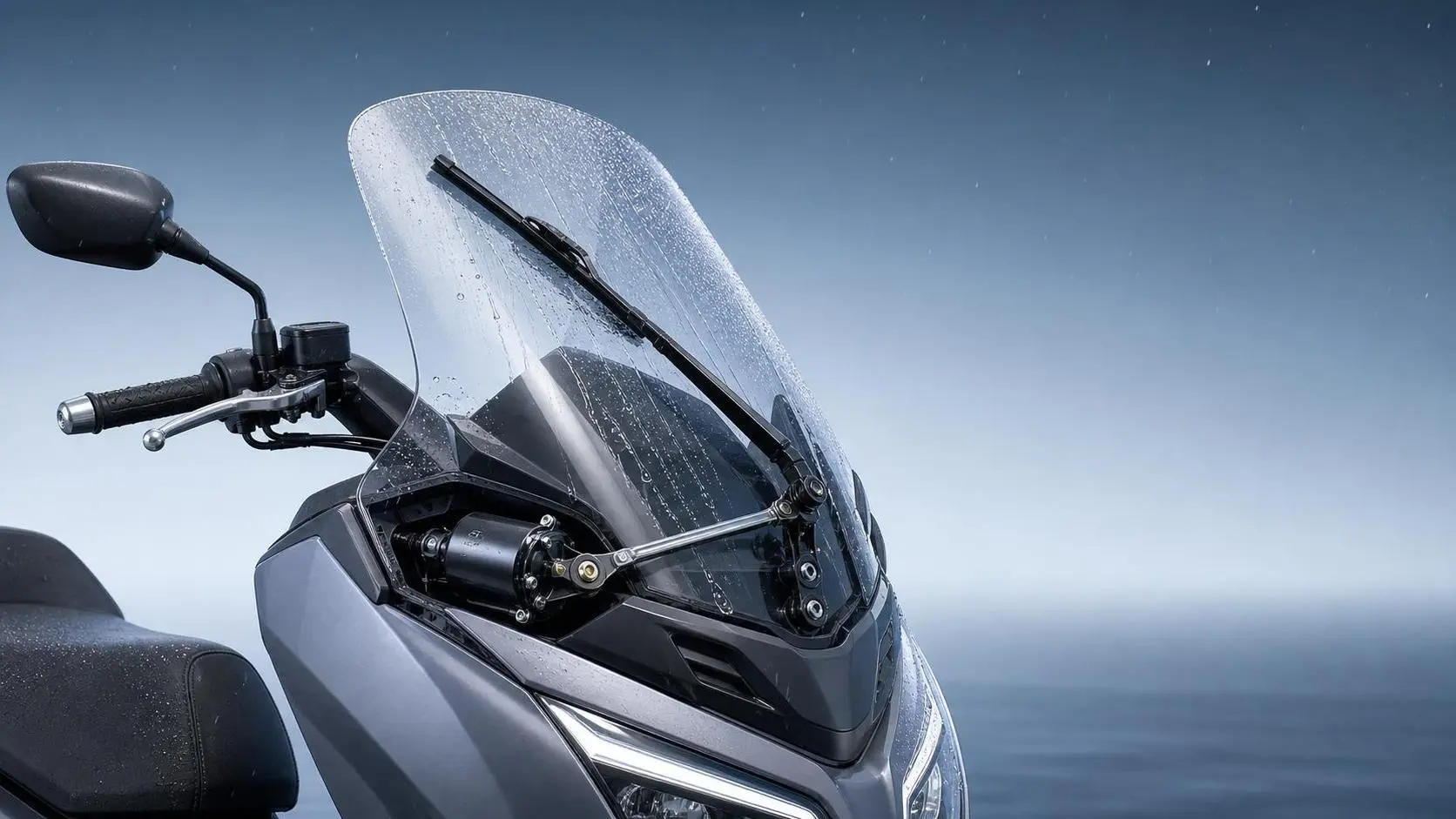
Wiper Systems for Scooters: Common Failure Points, Maintenance Tips, and Replacement Signs
Wiper systems for scooters: learn the most common failure points, smart maintenance tips, and clear replacement signs to improve visibility, reduce repeat repairs, and keep riders safer.
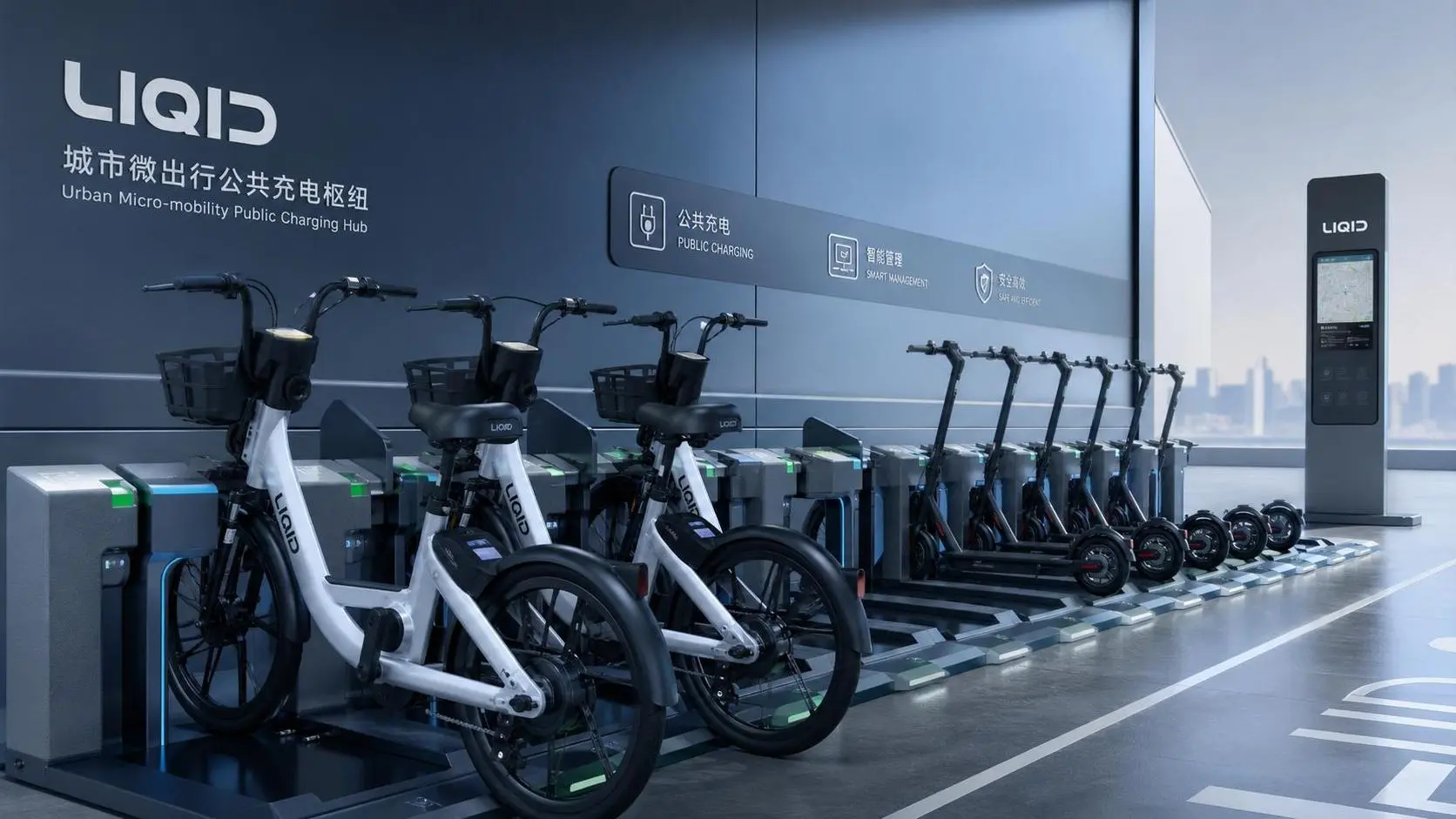
How to Choose Micro-Mobility Docking Stations for Shared Fleets and Public Charging Hubs
Micro-mobility docking stations: learn how to compare charging, locking, software, and site-fit factors to choose safer, smarter hubs for shared fleets and public use.
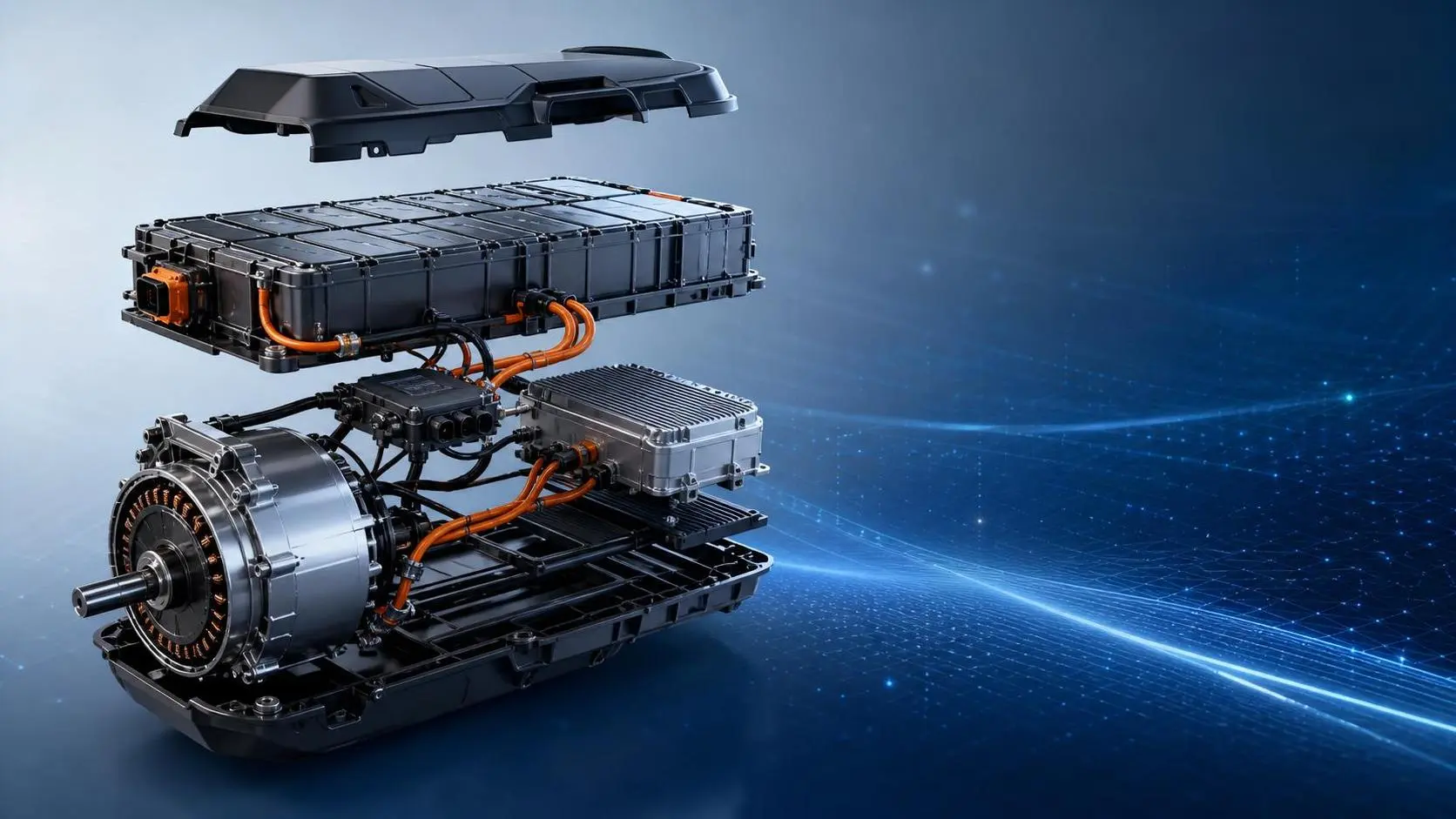
Powertrain Heat Management Explained: Key Design Factors for EV Efficiency and Battery Life
Powertrain heat management explained for EVs: discover how thermal design boosts efficiency, protects battery life, improves safety, and sustains real-world performance.
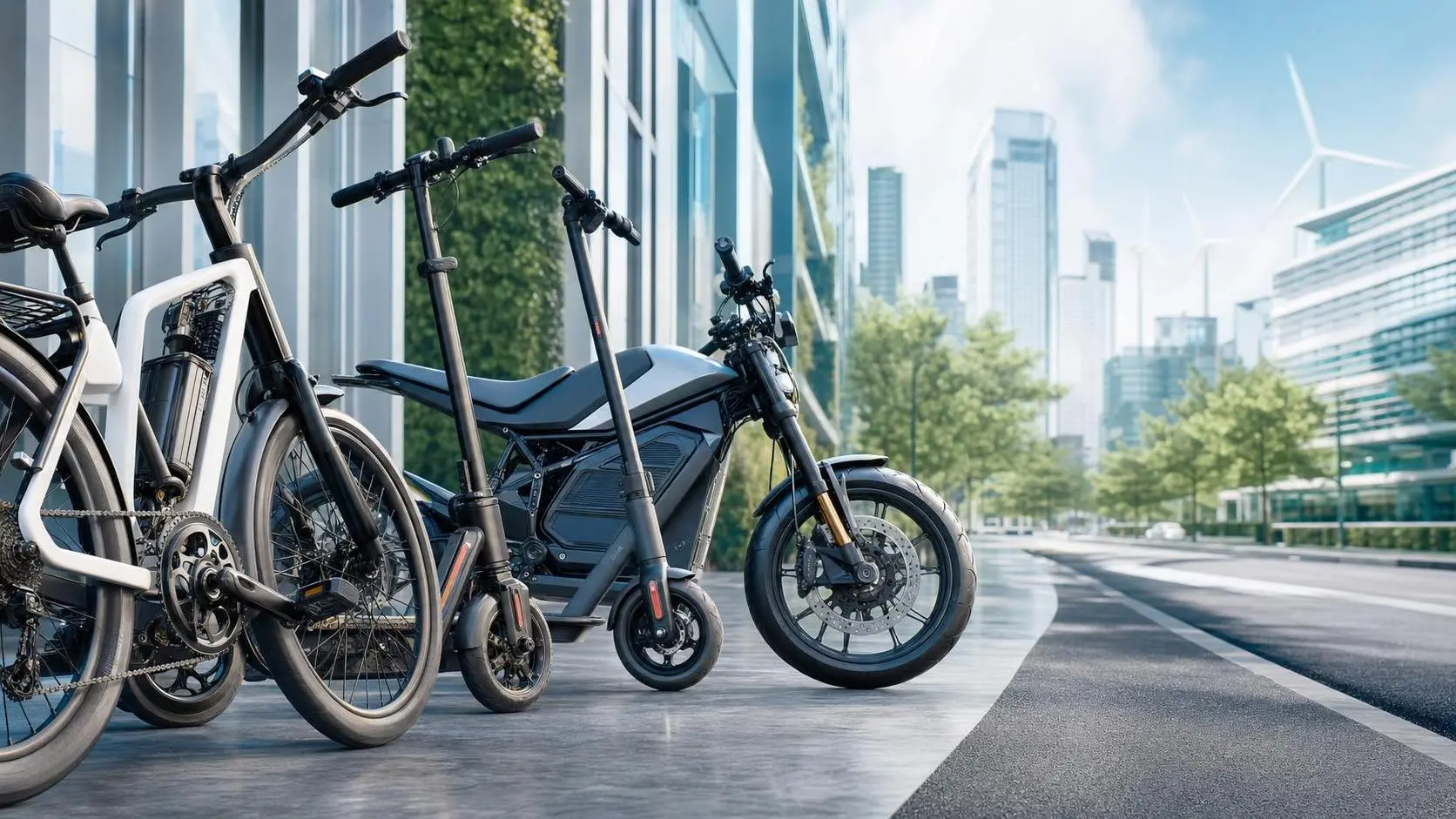
Urban Mobility Market Analysis: Demand Drivers, Policy Risks, and Revenue Models Compared
Urban mobility market analysis compares demand drivers, policy risks, and revenue models across e-bikes, scooters, and e-motorcycles to reveal where growth is durable.

Shared Mobility Compliance Checklist: Permits, Safety Rules, and Fleet Data Requirements
Shared mobility compliance made simple: explore a practical checklist for permits, safety rules, and fleet data requirements to launch faster, reduce risk, and stay audit-ready.
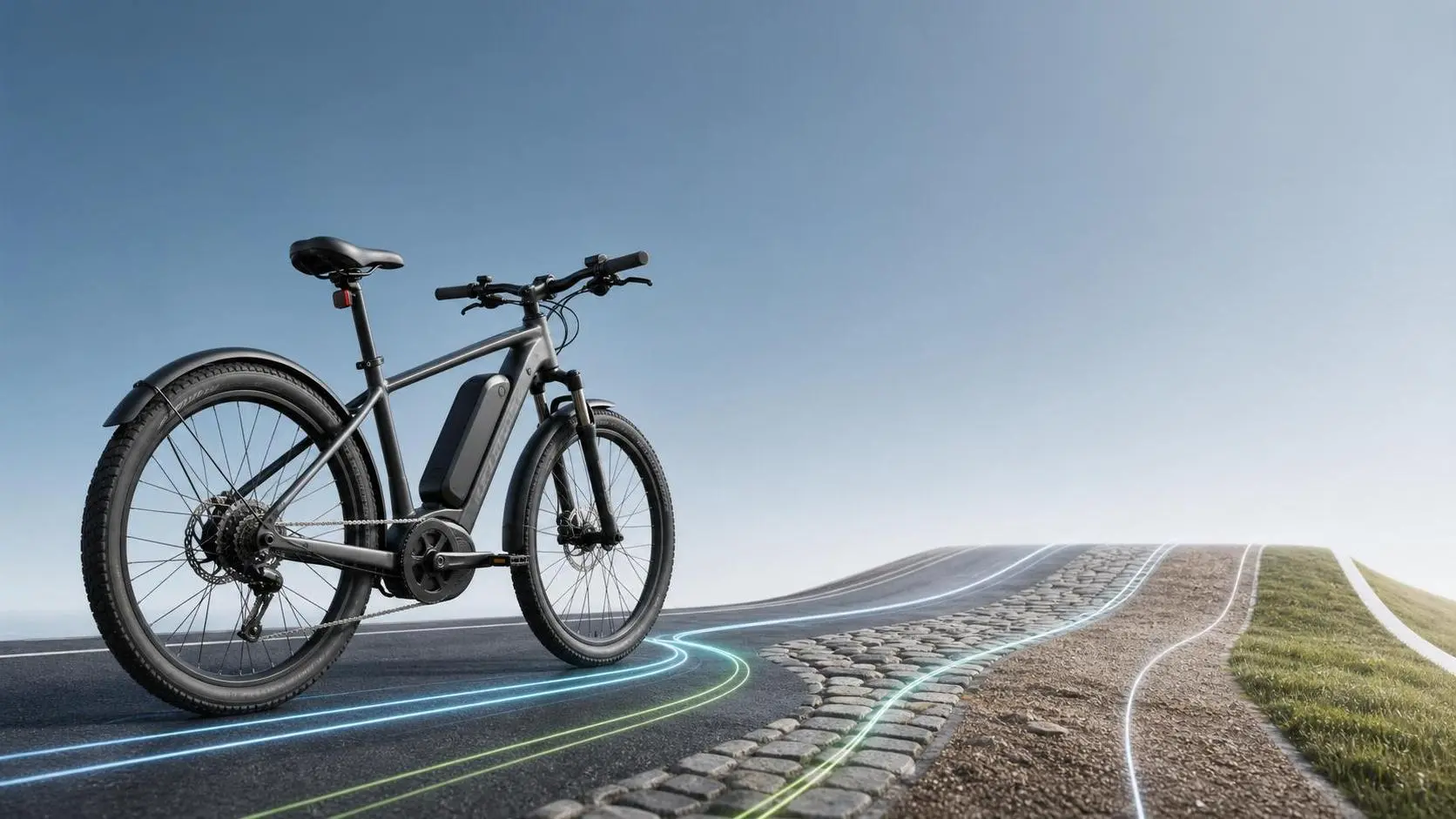
What Affects Ebike Energy Efficiency? Battery Size, Rider Weight, Terrain, and Speed
Ebike energy efficiency explained: learn how battery size, rider weight, terrain, and speed shape real-world range, lower Wh/km, and smarter buying or commuting decisions.
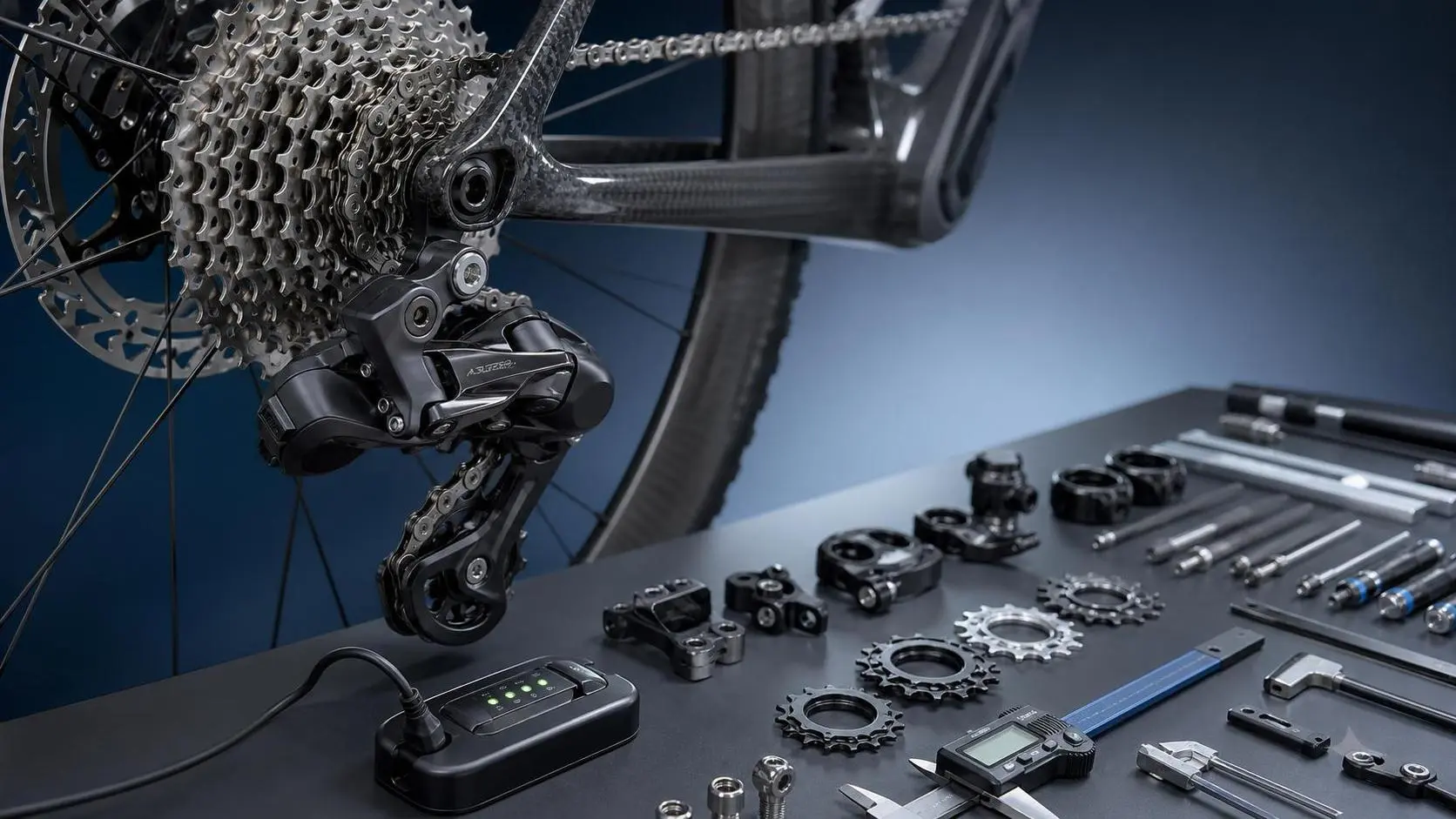
Wireless Electronic Shifting in North America: Compatibility, Standards, and Upgrade Limits
Wireless electronic shifting North America explained: compare compatibility, FCC/ISED standards, retrofit limits, and upgrade risks before choosing the right platform.