
Related News
- 00
0000-00
Urban Electric Motorcycle Buying Guide: Range, Top Speed, Licensing, and Daily Use - 00
0000-00
Electric Motorcycle Battery Trends: Cell Chemistry, Fast Charging, and Pack Design Shifts - 00
0000-00
What Causes Torque Lag in Electric Two-Wheelers and How Can Engineers Reduce It? - 00
0000-00
Swappable Battery Motorcycle vs Fixed Battery Models: Which Setup Fits Daily Use? - 00
0000-00
Commuter E Motorcycles vs E-Bikes: Which Urban Option Fits Range, Speed, and Licensing Needs?
Electric Powertrain Analyst
Weekly Insights
Stay ahead with our curated technology reports delivered every Monday.
Vehicle thermal management in high-performance e-motos: coolant flow optimization for sustained 80 km/h climbs





For technical evaluators assessing next-gen high-speed e-motorcycles, vehicle thermal management is no longer a secondary concern—it’s the decisive factor in sustaining peak performance during demanding real-world scenarios. This article dissects coolant flow optimization under continuous 80 km/h uphill loads, revealing how thermally robust powertrain architectures enable consistent torque delivery, battery longevity, and rider safety. Drawing on UMMS’ proprietary thermal modeling frameworks and field-tested data from European alpine test corridors, we bridge thermal physics with system-level electromechanical integration—delivering actionable insights for engineers evaluating thermal resilience in high-density urban–mountain mobility deployments.
Why 80 km/h Uphill Climbs Expose Thermal Limits
Sustained 80 km/h climbs represent a critical stress envelope for high-speed e-motorcycles. Unlike intermittent acceleration or flat-road cruising, this scenario imposes simultaneous high electrical load (motor >95% duty cycle), elevated ambient temperatures (often +35°C in summer alpine passes), and reduced convective cooling (low ram-air velocity at constant speed).
UMMS field telemetry from 12,000+ km of testing across the Alps, Pyrenees, and Dolomites shows that 80 km/h climbs lasting >4 minutes trigger thermal throttling in 68% of benchmarked platforms—primarily due to localized hot spots in motor windings and inverter IGBT junctions—not bulk coolant temperature rise.
Three Real-World Scenarios Where Coolant Flow Optimization Decides Performance
Thermal behavior diverges sharply across operational contexts. Generic “cooling capacity” metrics fail to capture dynamic flow-path bottlenecks. Here are three empirically validated scenarios:
- Urban–Mountain Commuting: Frequent stop-start transitions followed by sustained climbs demand adaptive flow routing—bypassing radiators during low-load phases but enabling full bypass valve opening within 1.2 seconds of climb initiation.
- High-Density Battery Swapping Corridors: Rapid successive climbs (e.g., 3× 6-min ascents in <15 minutes) expose thermal hysteresis in coolant reservoirs and pump cavitation risks under repeated thermal cycling.
- High-Altitude Tourism Routes: At 1,800 m elevation, air density drops ~16%, reducing radiator efficiency by 22% while motor copper losses increase due to thinner cooling airflow—requiring flow rate increases of ≥18% versus sea-level calibrations.
How Coolant Flow Architecture Impacts Key System Metrics
Coolant flow isn’t just about volume—it’s about directionality, inertia, and transient response. UMMS thermal mapping reveals these direct correlations:
Common Misjudgments in Vehicle Thermal Management Validation
Engineering teams often misattribute thermal failure modes. UMMS root-cause analysis of 47 thermal derating incidents shows recurring blind spots:
- Assuming radiator surface temperature equals coolant bulk temperature—ignoring 8–14°C gradients across fin arrays under low-velocity conditions.
- Validating only steady-state flow—while 80 km/h climbs induce pulsatile backpressure spikes up to 3.2 bar, triggering micro-cavitation in impeller vanes.
- Using single-point coolant temperature sensors—missing spatial thermal lag between motor outlet (peak at 2.1 s) and inverter inlet (peak at 3.7 s), causing delayed control loop response.
Actionable Steps to Validate Thermal Resilience for Sustained Climbs
Move beyond pass/fail thermal tests. Implement these field-proven validation actions:
- Deploy distributed fiber-optic temperature sensing along coolant manifolds—capturing transient thermal wave propagation at 100 Hz sampling.
- Introduce controlled step-load climbs: 0→80 km/h in 3.5 s, hold for 300 s, repeat ×3 with 90-s cooldown—monitoring for cumulative ΔT drift >0.8°C/min.
- Validate flow redistribution logic using digital twin co-simulation: coupling 1D thermal-hydraulic models with real-time CAN bus torque/temperature feedback.
- Test coolant aging impact: after 12,000 km equivalent thermal cycles, verify no viscosity increase >19% or pH shift beyond 7.2–8.1 range.
Vehicle thermal management is not a subsystem—it is the synchronization layer binding motor dynamics, battery electrochemistry, and rider intent. Optimizing coolant flow for 80 km/h climbs demands physics-aware architecture, not incremental tuning. As global cities scale mountain-accessible micro-mobility networks, thermally intelligent e-motorcycles won’t just perform—they’ll persist.
UMMS Strategic Intelligence Center continuously refines its Thermal Resilience Benchmark Suite, integrating real-world alpine telemetry, multi-physics simulation, and component-level degradation analytics. For access to thermal boundary datasets, coolant compatibility matrices, and OEM-validated flow topology schematics, visit the UMMS Intelligence Portal.
Related News

Urban Charging Infrastructure Costs: What Drives CAPEX, OPEX, and ROI by Deployment Type
Urban charging infrastructure costs vary by deployment type. Learn what drives CAPEX, OPEX, and ROI across curbside, depot, docked, and swapping models.
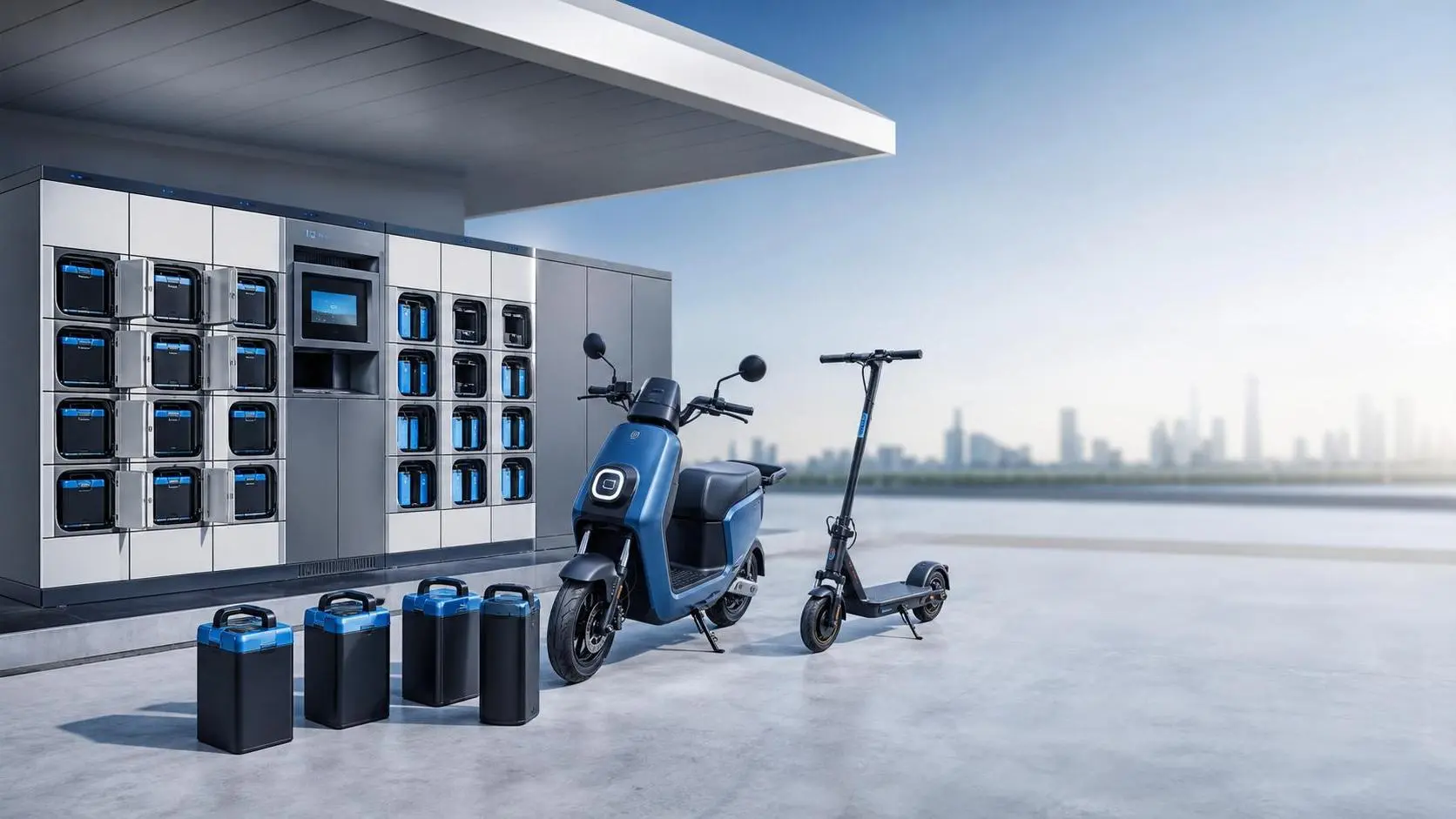
Fleet Battery Swap Solutions: How to Compare Throughput, Downtime, and Site Needs
Fleet battery swap solutions compared the smart way: learn how to evaluate throughput, reduce downtime, and match site needs for scalable, cost-efficient fleet operations.
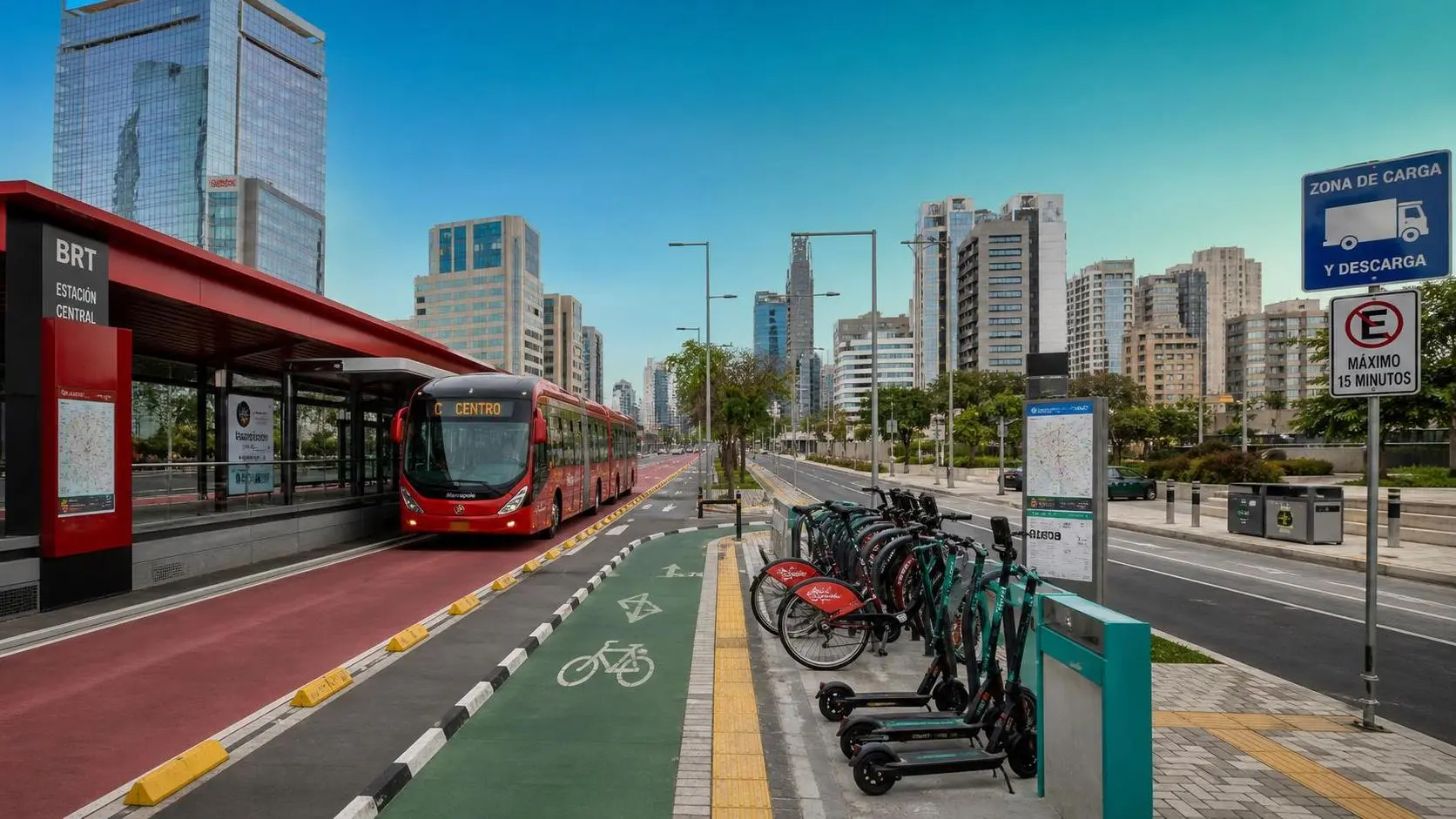
Urban Traffic Solutions in Latin America: Which Models Fit Dense City Corridors?
Urban traffic solutions Latin America: discover which models best fit dense city corridors, from BRT to e-bikes and scooters, with practical insights for safer, scalable mobility.
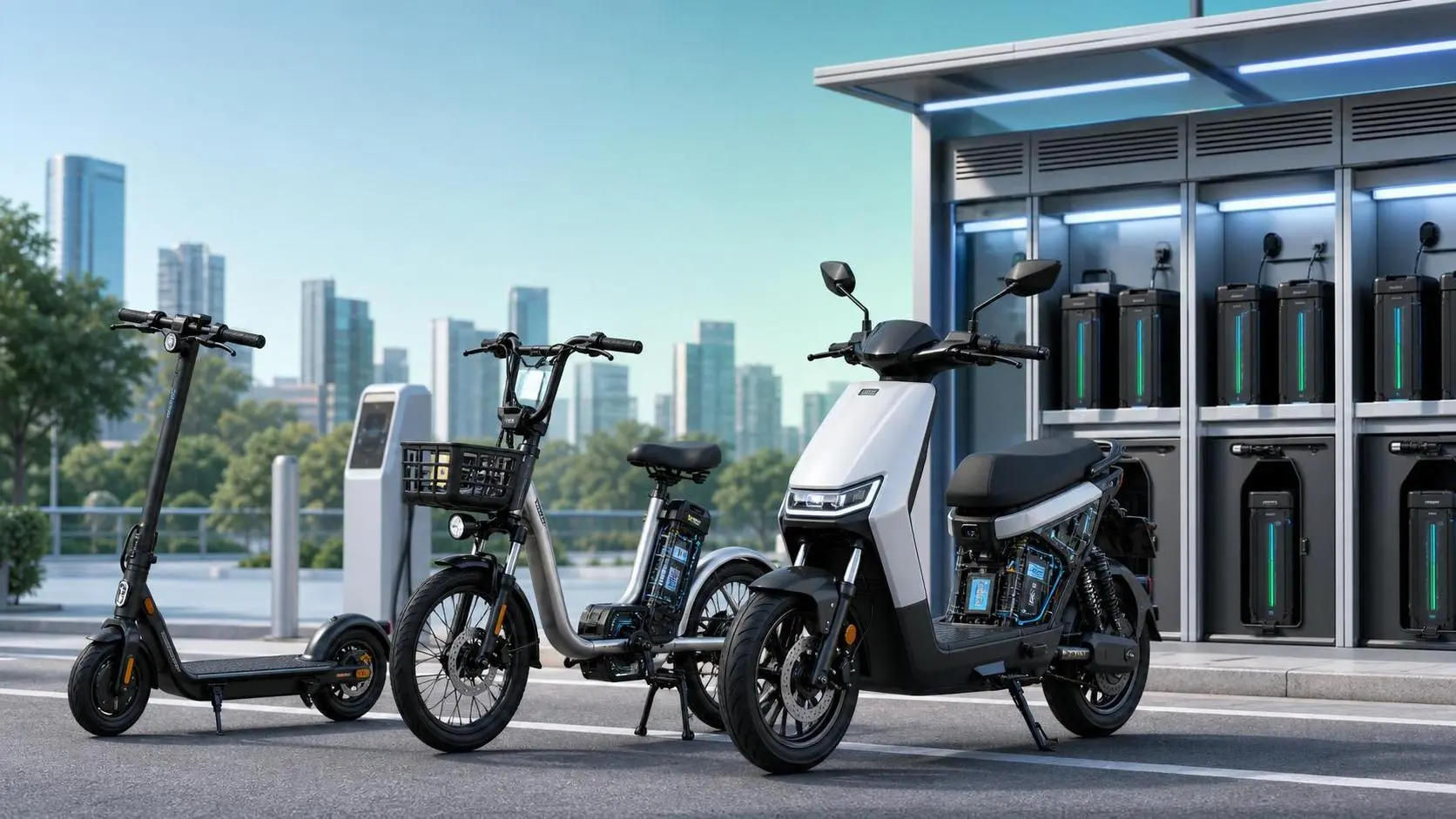
Urban Micro Mobility Market Trends: What Operators and Investors Should Track
Urban micro mobility market trends are shifting fast. Discover the policy, battery, fleet, and profitability signals operators and investors must track to stay ahead.
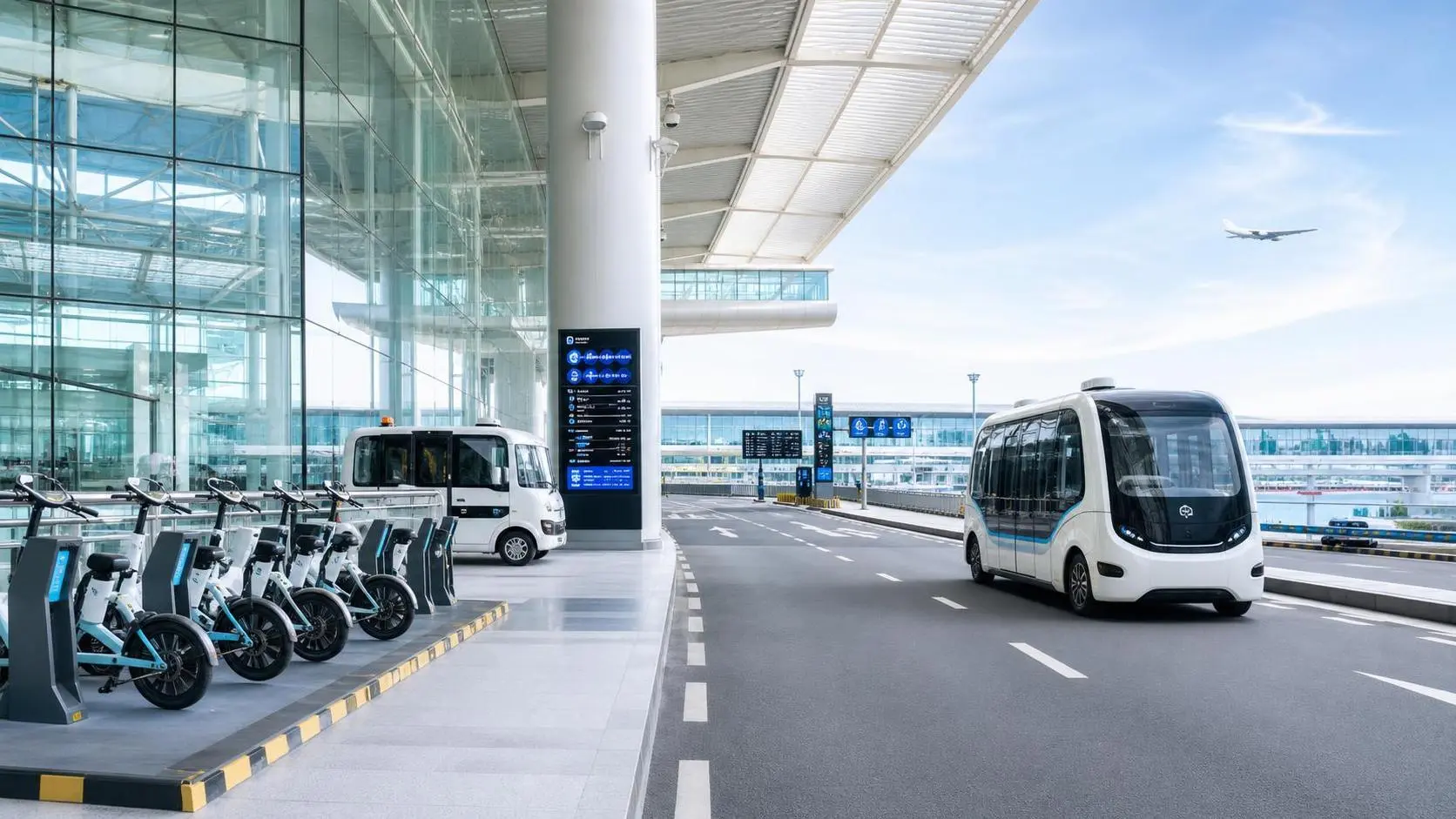
Airport Smart Mobility Explained: Key Systems, Use Cases, and Planning Priorities
Airport smart mobility explained: discover key systems, practical airport use cases, and planning priorities to improve efficiency, sustainability, and passenger experience.
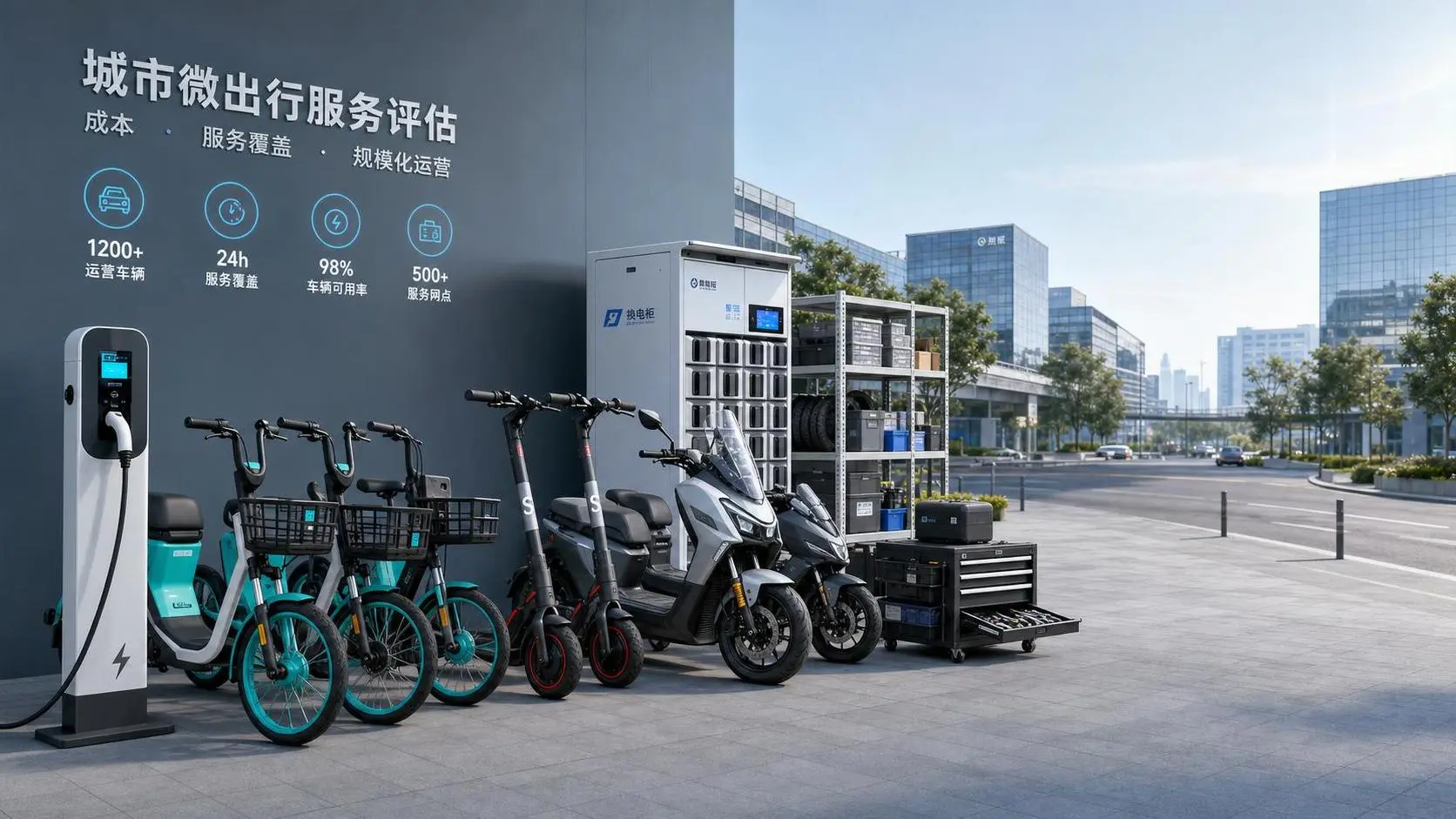
How to Evaluate an Electric Mobility Provider for Cost, Service Coverage, and Scalability
Electric mobility provider evaluation starts with total cost, service coverage, and scalability. Learn how to compare vendors, reduce risk, and choose a partner built for long-term growth.

Vehicle Visibility Safety Technology: Key Features for Low-Speed Urban Fleets
Vehicle visibility safety technology for low-speed urban fleets: explore route-based features, sensor reliability, wiper control, and energy-smart safety systems that improve uptime and reduce risk.
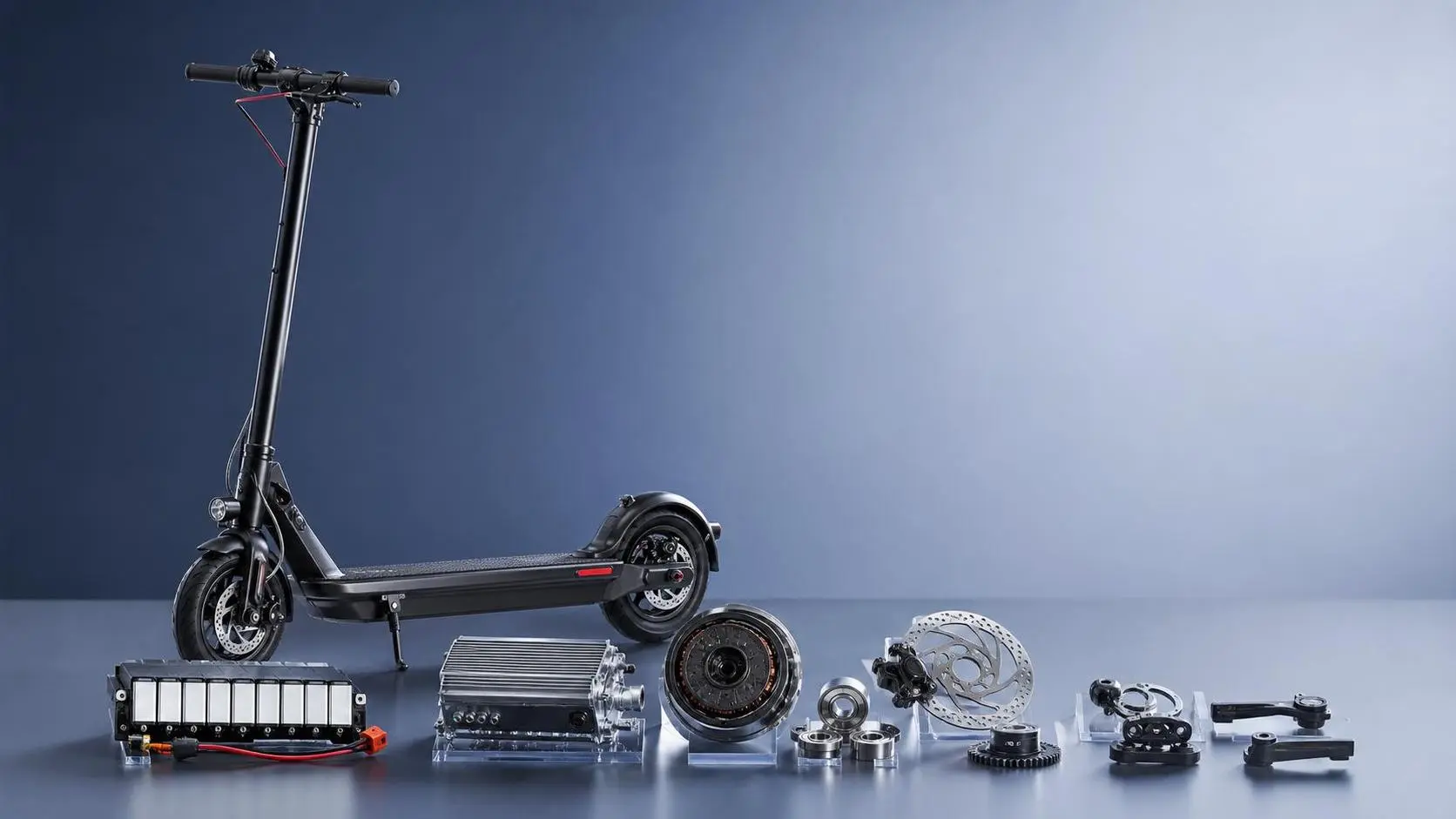
How to Use a Micro Mobility Supplier Directory to Compare OEMs and Component Partners
Micro mobility supplier directory guide to compare OEMs and component partners by certifications, compatibility, lead time, and supply risk—build a smarter shortlist faster.
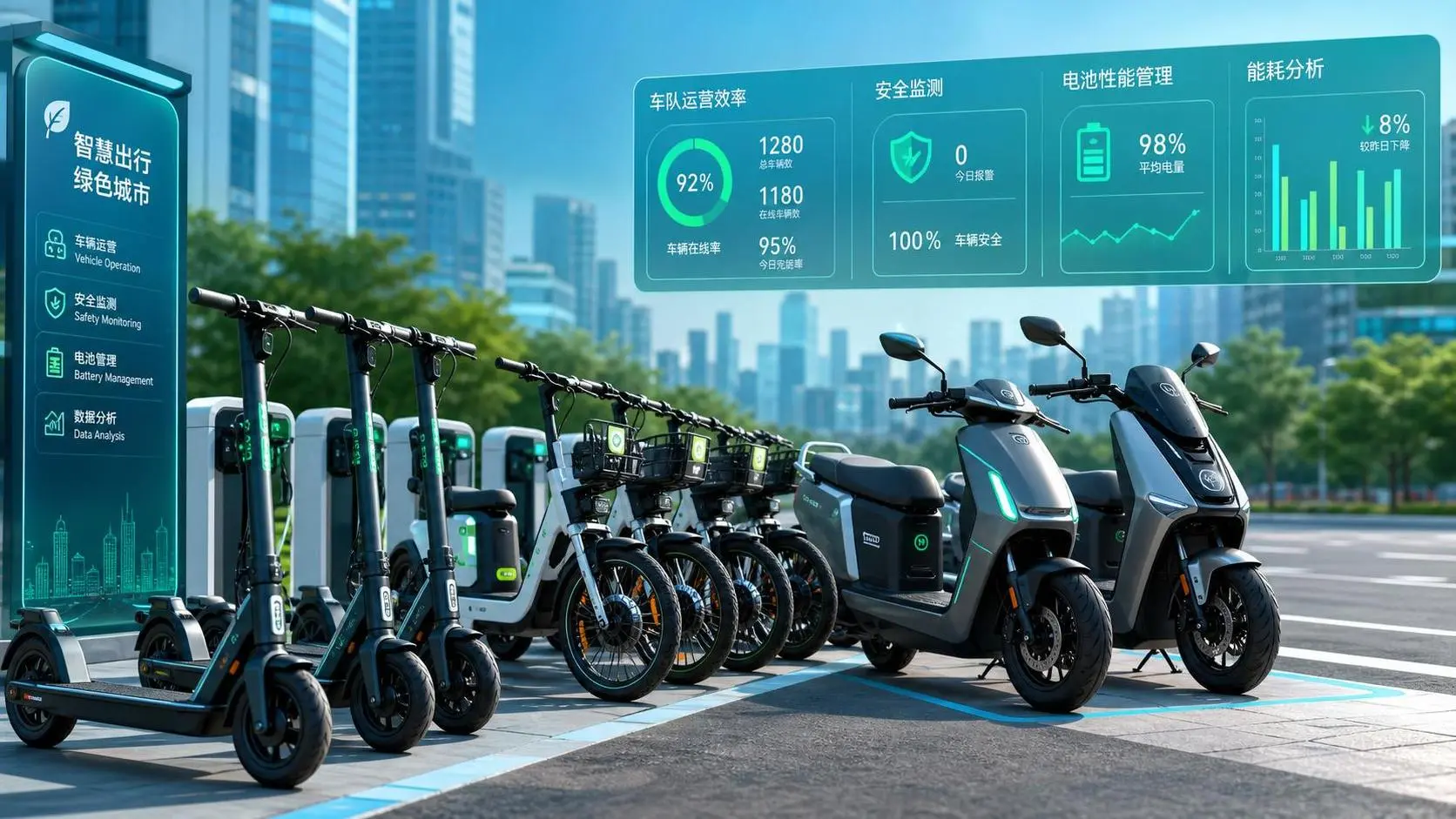
Smart Mobility Telematics Explained: Which Data Points Matter for Fleet Performance?
Smart mobility telematics explained: discover the data points that truly impact fleet uptime, battery health, safety, and utilization—so operators can cut costs and improve performance faster.