
Related News
- 00
0000-00
72V Electric Motorcycle Technology Explained: Motors, Controllers, Range, and Charging - 00
0000-00
High-speed Electric Motorcycles with Swappable Battery: What to Check Before Commercial Deployment - 00
0000-00
Urban Electric Motorcycle Buying Guide: Range, Top Speed, Licensing, and Daily Use - 00
0000-00
Electric Motorcycle Battery Trends: Cell Chemistry, Fast Charging, and Pack Design Shifts - 00
0000-00
What Causes Torque Lag in Electric Two-Wheelers and How Can Engineers Reduce It?
Electric Powertrain Analyst
Weekly Insights
Stay ahead with our curated technology reports delivered every Monday.
Battery Degradation Issues in Electric Two-Wheelers: Causes, Warning Signs, and Fixes





Battery degradation issues become obvious when service conditions change
Battery degradation issues in electric two-wheelers rarely begin as one dramatic failure. They usually emerge as small gaps between expected range, charging behavior, and thermal stability.
In urban micro-mobility, those gaps matter quickly. A commuter e-bike, a shared e-scooter, and a high-speed e-motorcycle may all use lithium battery packs, yet their aging patterns differ.
That is why battery degradation issues should be judged in context, not from a single capacity number. Usage rhythm, charging habit, climate exposure, and control strategy all reshape battery life.
Within the UMMS view of electrified two-wheelers, battery health sits between drivetrain efficiency, thermal management, and real street duty. A pack that looks acceptable on paper may fail a real delivery route.
In practice, early diagnosis reduces warranty conflict, avoids unsafe operation, and protects confidence in low-carbon mobility systems. The useful question is not only what failed, but under which operating pattern it aged faster.
Actual operating scenarios do not stress batteries in the same way
A lightly assisted city e-bike often sees moderate discharge depth and more regular overnight charging. Battery degradation issues here usually develop slowly and appear first as range inconsistency.
Shared smart e-scooters face a rougher pattern. They experience frequent short trips, irregular charging windows, curb vibration, outdoor parking, and sometimes partial state-of-charge cycling all day.
High-speed e-motorcycles create another profile. Fast acceleration, higher current draw, aggressive regenerative settings, and elevated thermal load can push cells harder even when the pack is technically oversized.
The common mistake is treating all battery degradation issues as a simple calendar-age problem. In reality, route type and vehicle logic often matter more than production date alone.
A battery exposed to daily hill climbing and fast charging may age faster than an older battery used gently. More useful diagnosis starts with duty cycle reconstruction.
What changes from one fleet or vehicle type to another
This comparison matters because battery degradation issues are often misread when service teams focus only on battery chemistry and ignore the whole powertrain environment.
Most battery degradation issues begin with heat, charging behavior, or imbalance
Thermal stress is still the most common accelerator. Repeated exposure to high ambient temperature, enclosed battery compartments, and heavy current spikes can speed irreversible capacity loss.
Charging behavior is close behind. Frequent fast charging, incomplete cooling before charging, and long parking periods at 100% state of charge all contribute to battery degradation issues.
Cell imbalance is less visible but equally important. Once weaker cells drift further from the pack average, voltage sag appears sooner under load, even if nominal capacity still seems acceptable.
Mechanical conditions also matter more than many teams expect. Poor sealing, vibration fatigue, loose busbar connections, and moisture intrusion can mimic chemical aging or make it worse.
In two-wheelers, packaging is tight and airflow is limited. That makes battery degradation issues closely linked to controller calibration, braking strategy, and enclosure design rather than the cells alone.
Causes that deserve early attention
- Repeated deep discharge during delivery, steep climbs, or overloaded riding.
- Charging immediately after heavy riding while pack temperature remains elevated.
- Low-quality chargers with unstable cutoff behavior or poor communication logic.
- Firmware settings that allow harsh peak current without sufficient thermal guardrails.
- Long idle storage during seasonal demand changes without storage-charge control.
The earliest warning signs usually appear before complete battery failure
Reduced range is the most visible symptom, but it should not be used alone. Tire pressure, rider load, route slope, and assist mode can distort the picture.
A better indicator is mismatch. If charge percentage drops unusually fast in the first third of a ride, battery degradation issues may be linked to imbalance or inaccurate state estimation.
Voltage sag under acceleration is another strong clue. When the vehicle cuts power early on hills or during launch, internal resistance may have climbed beyond a workable threshold.
Heat behavior tells a similar story. Packs that become hot during moderate use, or stay warm long after charging, deserve closer inspection even if no fault code appears.
Charging time can also change. A battery that reaches full indication too quickly, or struggles to balance near the end, may no longer hold usable energy evenly.
Field clues that should not be ignored
- Range complaints that appear only in cold mornings or hot afternoon shifts.
- Battery percentage jumping after the vehicle rests for several minutes.
- Frequent low-voltage protection despite apparently normal charging completion.
- Uneven module temperature during charge or discharge checks.
- Swelling, odor, corrosion, or recurring connector discoloration.
Corrective action depends on whether the issue is chemical, electrical, or operational
Not every degraded pack needs immediate replacement. Some battery degradation issues come from charger mismatch, firmware errors, poor balancing, or thermal obstruction around the enclosure.
The first step is evidence-based diagnosis. Review charge records, maximum temperature, voltage spread, error history, connector condition, and recent usage changes before opening the pack.
If imbalance is mild, controlled equalization and BMS verification may recover stable operation. If internal resistance has risen sharply across several cells, replacement becomes more realistic.
Where heat is the trigger, the fix may sit outside the battery. Ventilation path, controller mapping, regenerative braking intensity, and charging schedule may need adjustment.
In shared or high-utilization systems, rotating packs more intelligently can slow future battery degradation issues better than simply replacing the weakest units first.
Practical fixes by operating condition
Where battery degradation issues are often misjudged
One frequent misread is blaming the battery when drivetrain drag is the real cause. Brake rub, bearing wear, poor tire condition, and derailleur resistance can simulate battery aging.
Another is trusting dashboard state-of-charge without verification. In low-cost systems, estimation logic may drift, especially after irregular charging or firmware changes.
Some service decisions also overvalue nameplate cycle life. Battery degradation issues depend on real current, temperature, and storage profile, not only laboratory cycle claims.
Battery swapping networks create a separate trap. Packs may look interchangeable, yet different firmware revisions, charger histories, and connector wear can distort pack performance across stations.
In actual deployment, similar vehicles do not always share identical battery risk. Route density, rider behavior, payload, and climate exposure produce very different aging curves.
A more reliable next step is to build scenario-based battery checks
The most effective response to battery degradation issues is a repeatable inspection path tied to actual usage conditions. That keeps diagnosis consistent across e-bikes, e-scooters, and faster electric motorcycles.
Start by separating thermal, electrical, and operational evidence. Then compare pack behavior against route type, charging pattern, storage routine, and recent software changes.
It also helps to define thresholds for voltage spread, heat rise, and power-drop events instead of relying on vague range complaints. Clear thresholds reduce avoidable battery replacement.
From the UMMS perspective, this kind of disciplined battery intelligence supports safer service, better product feedback, and stronger long-term performance in the urban micro-mobility ecosystem.
The practical path forward is simple: map the real operating scenario, confirm the main stress factors, document warning signs early, and only then choose repair, recalibration, or pack replacement.
Related News
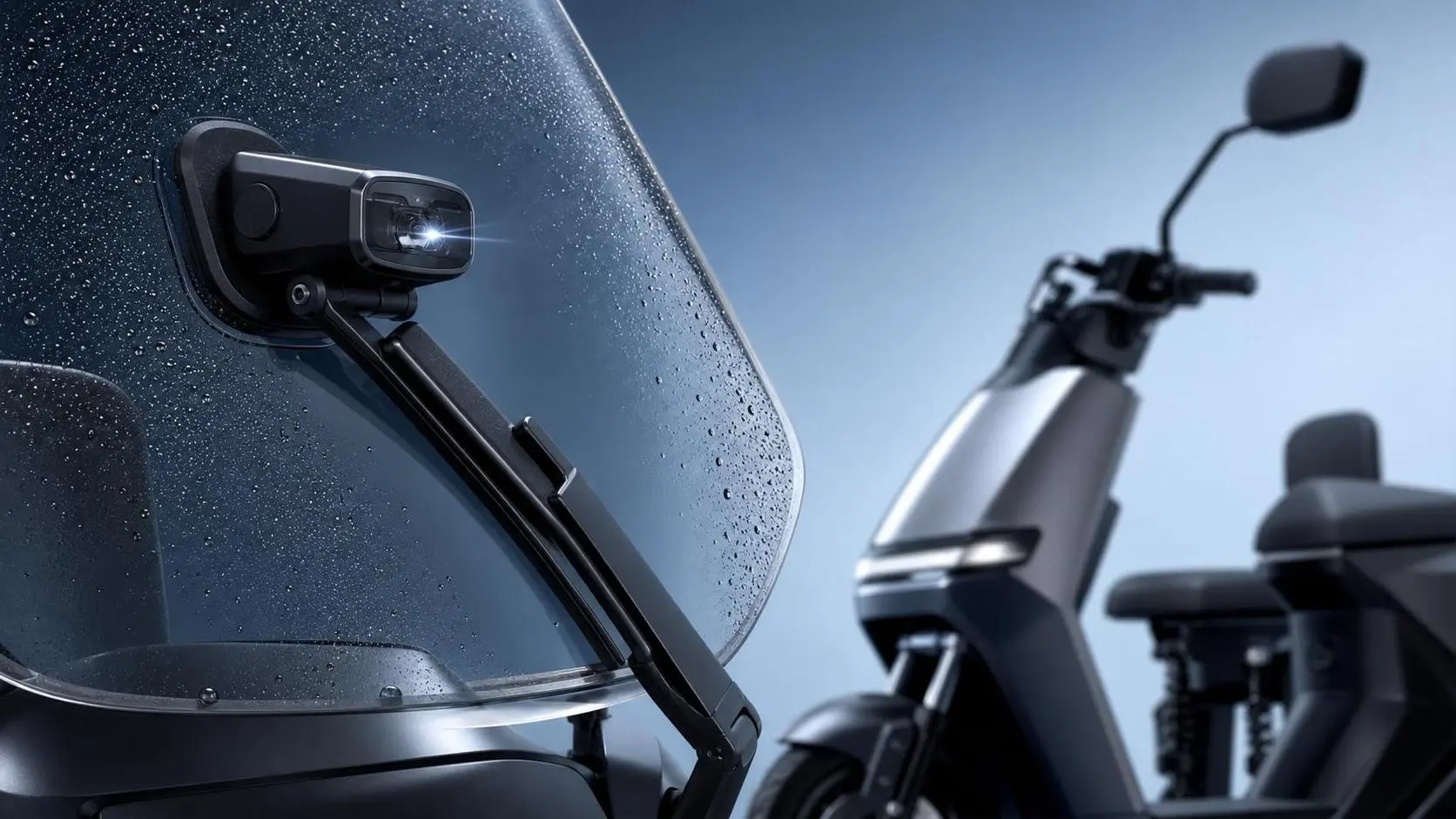
How Do Photoelectric Wiper Sensors Work and Where Are They Most Effective?
Photoelectric wiper sensors explained: learn how they detect rain, reduce false triggers, and deliver the best visibility gains in urban EVs, e-bikes, fleets, and smart mobility.
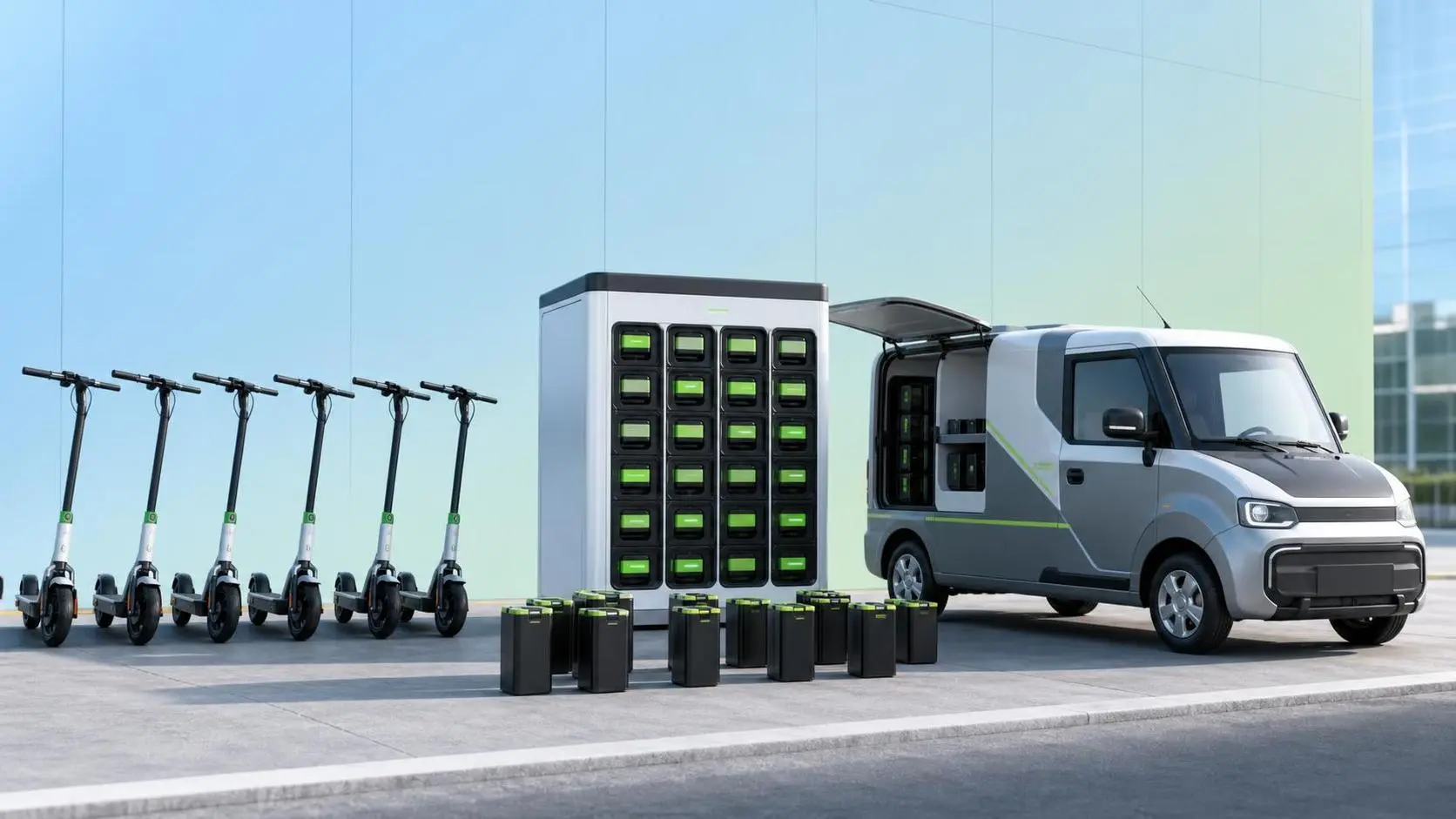
How Battery-Swapping Networks Reduce Downtime in Shared Fleet Scooter Operations
Battery-swapping networks cut scooter fleet downtime by speeding field turnaround, improving uptime in peak zones, and helping operators optimize labor, battery rotation, and service efficiency.
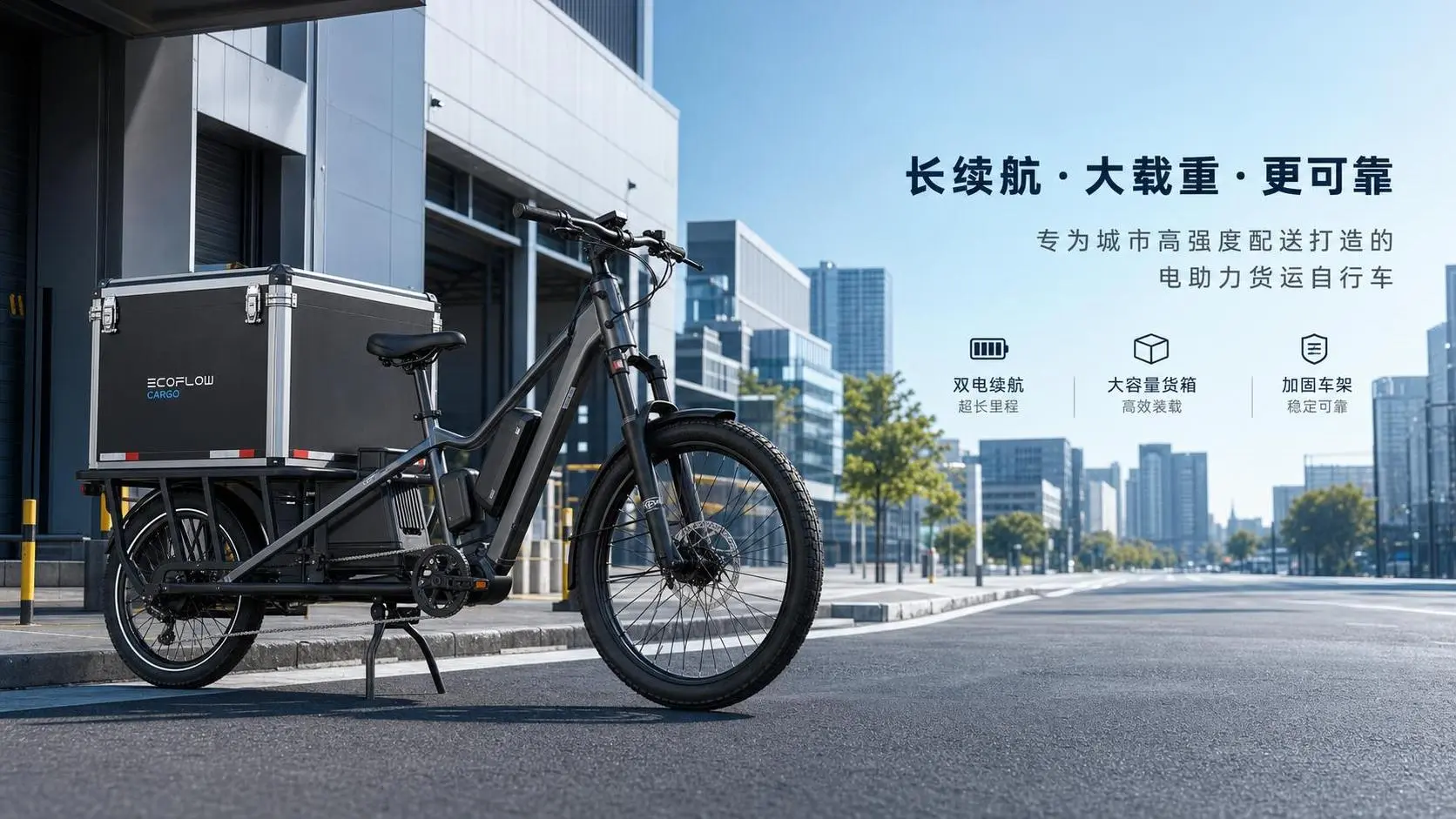
How to Choose a Long-Range Commercial Cargo E-Bike for Delivery Operations
Commercial cargo e-bike long range buying guide: learn how to assess battery, payload, route fit, and uptime support to choose a reliable delivery model with lower operating costs.
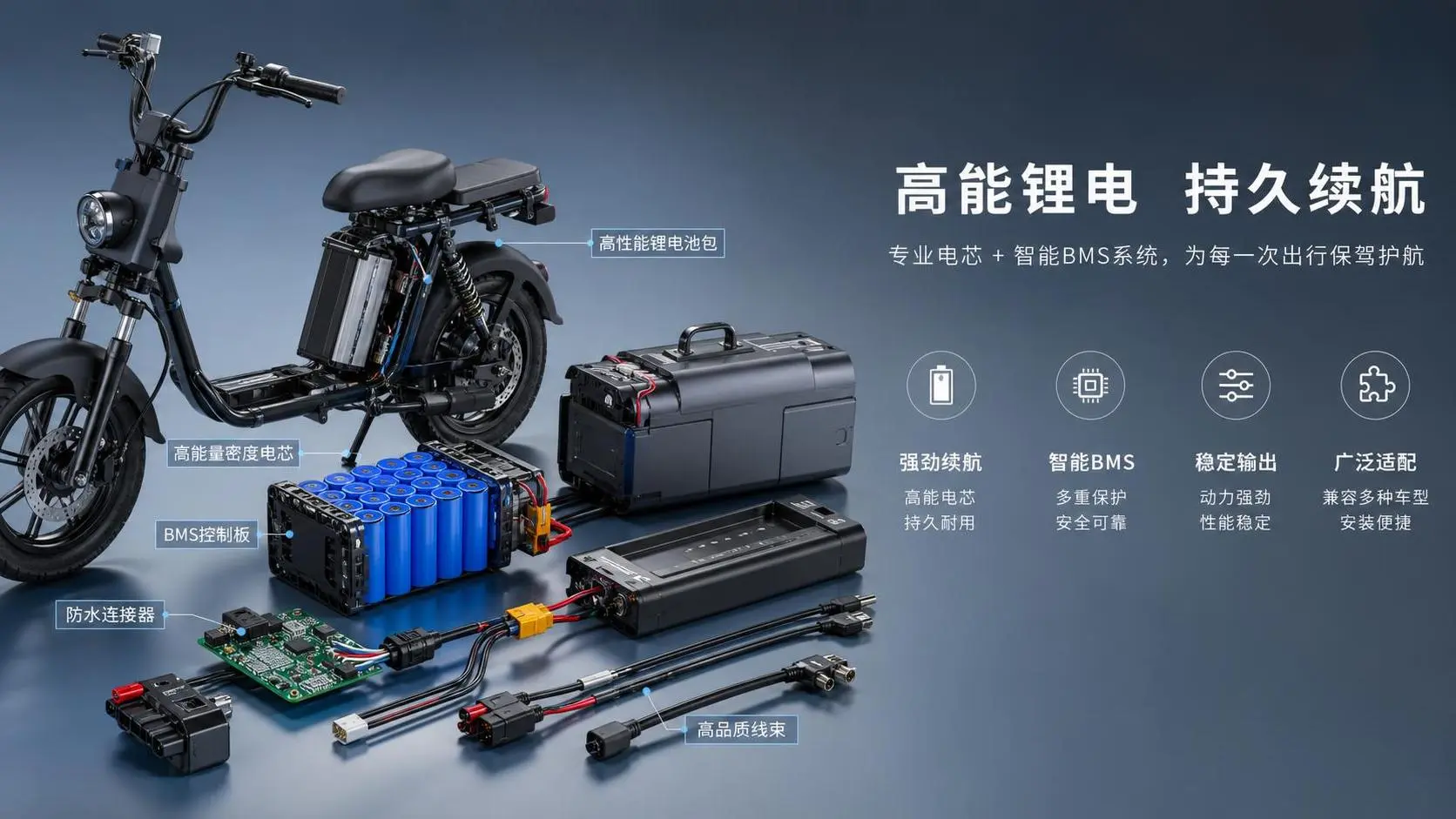
How to Select the Right E-Bike Battery Components for Range, Safety, and Fit?
E-bike component selection battery guide: learn how to choose the right battery components for better range, stronger safety, and perfect fit across modern e-bike platforms.
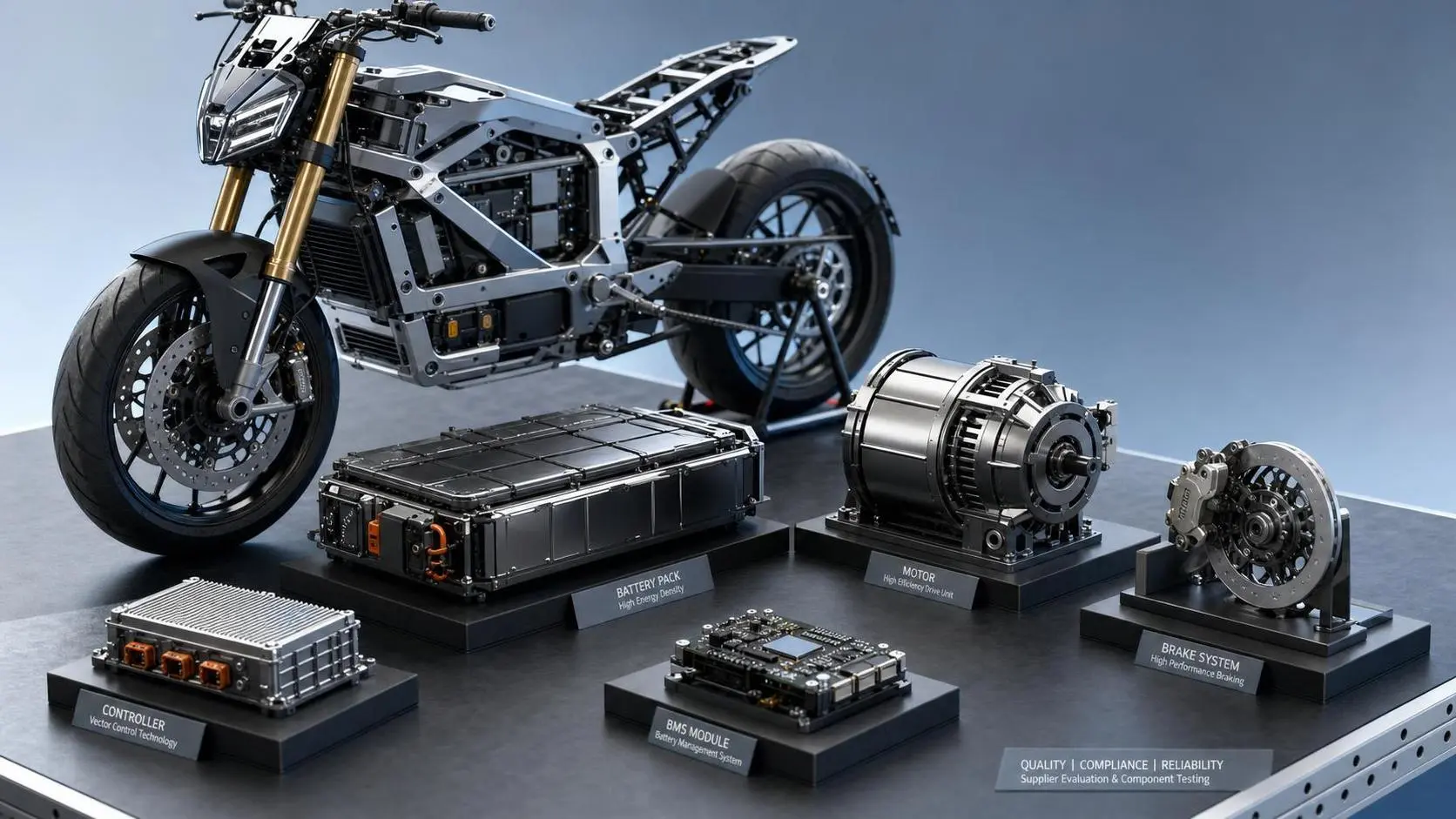
How to Evaluate Core Component Suppliers for Electric Motorcycles Before Sourcing?
Core component suppliers for electric motorcycles can make or break safety, compliance, and delivery. Learn how to assess technical strength, certifications, quality control, and hidden sourcing risks before you buy.
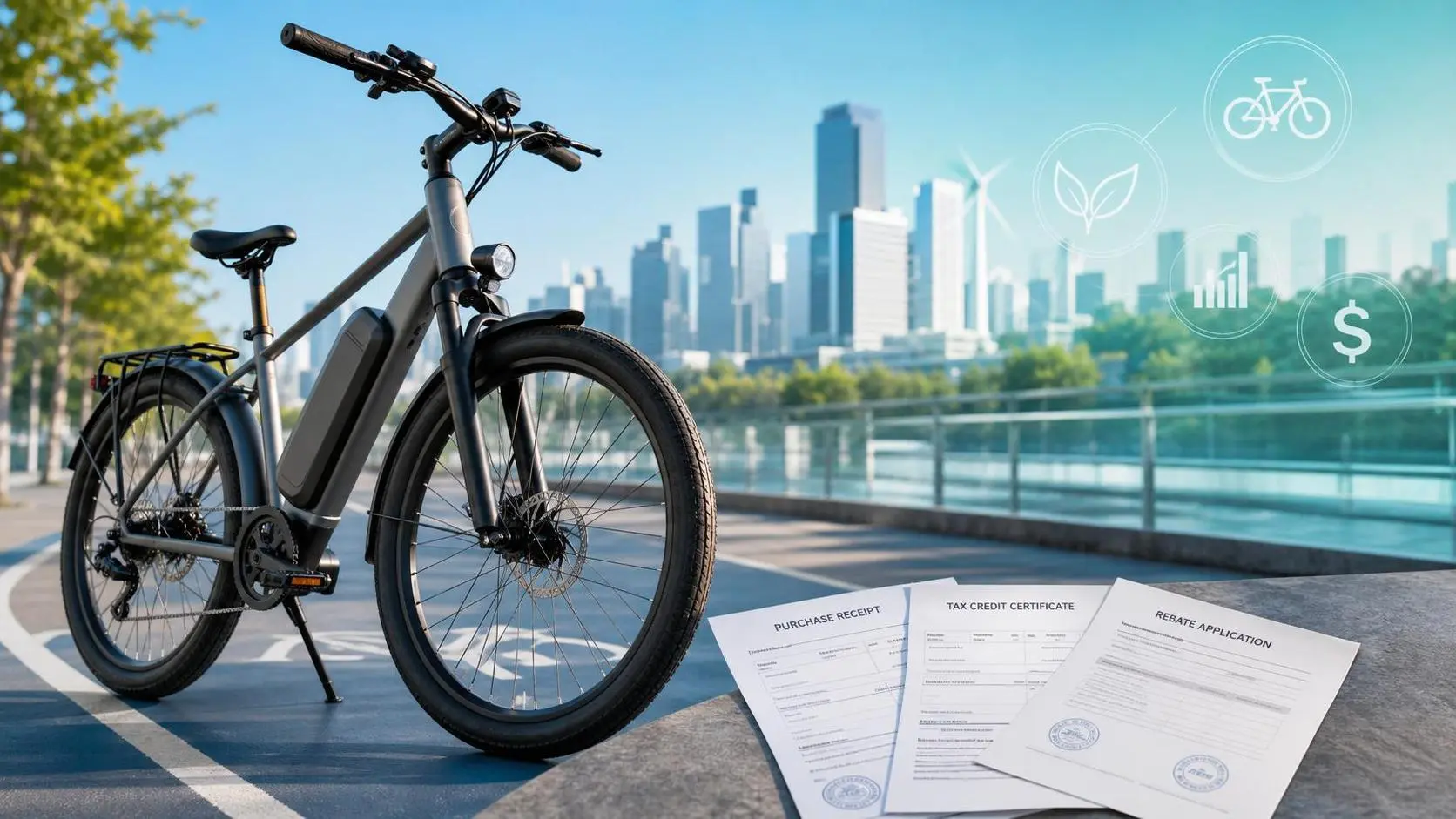
E-Bike Incentives Explained: How Riders Can Find Local Rebates and Tax Credits
E bike incentives explained: learn how to find local rebates, tax credits, and utility offers, avoid common mistakes, and cut the real cost of your next e-bike.
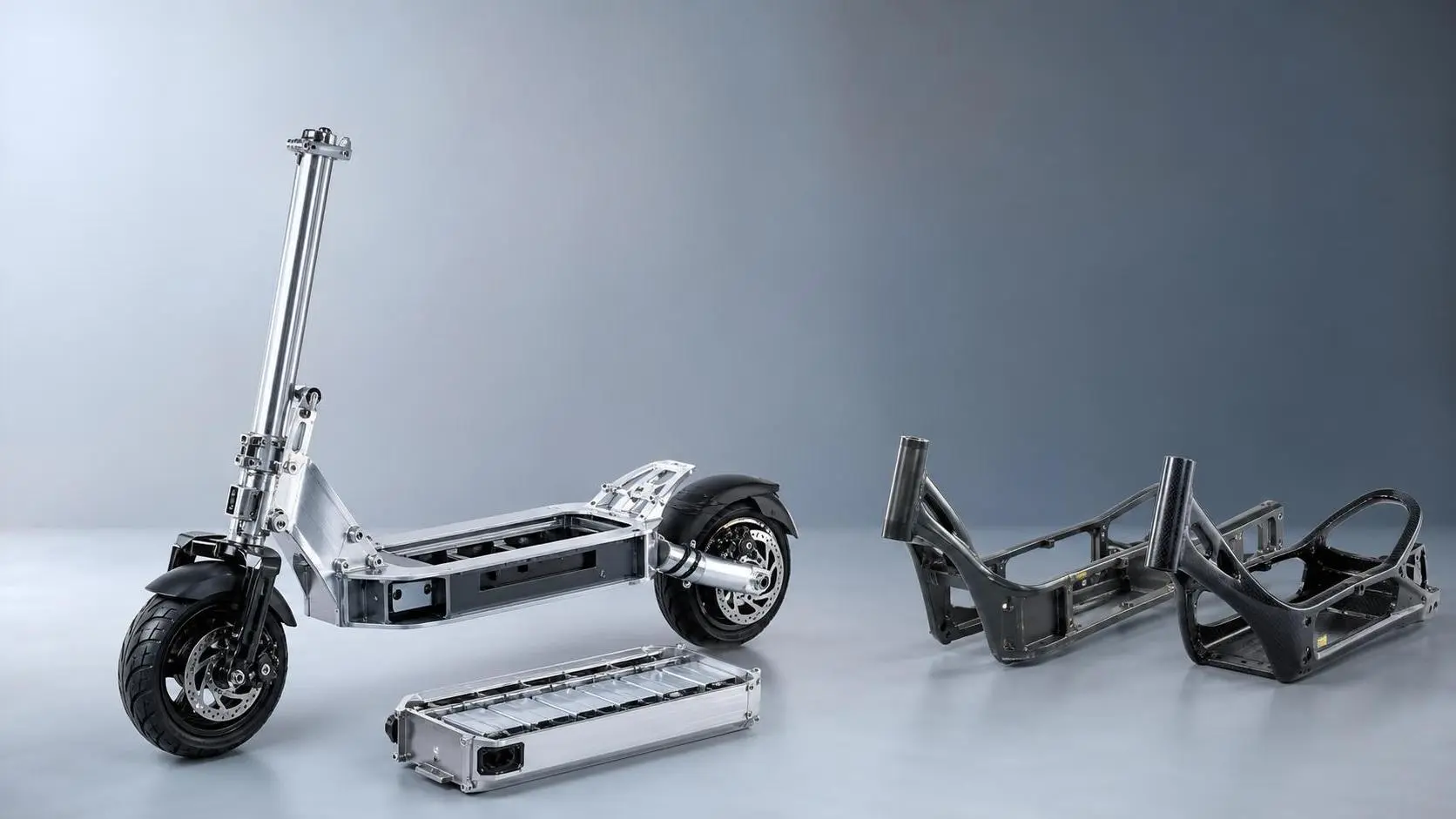
How to Choose Lightweight Scooter Frames in Europe: Materials, Standards, and Use Cases
Lightweight scooter frames Europe buyers need should balance materials, EN standards, durability, and real use cases. Discover how to choose safer, smarter, compliant frames.
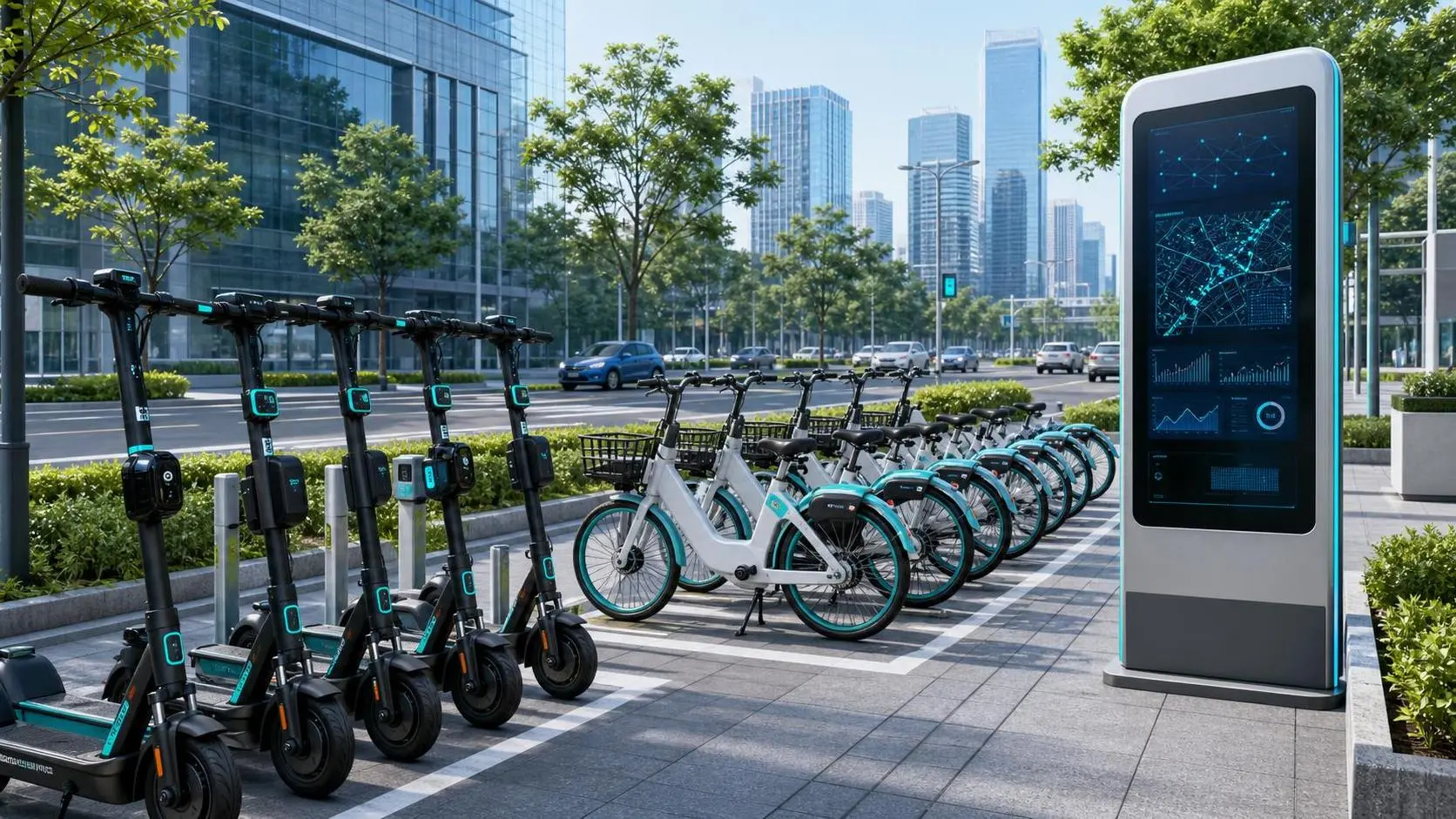
What Is the Intellectualization of Mobility Platform and How Is It Applied in Shared Fleets?
Intellectualization of mobility platform is reshaping shared fleets with real-time data, predictive maintenance, and smarter compliance—learn how it boosts safety, uptime, and urban mobility efficiency.
Urban Micro-Mobility Systems in Latin America: Key Market Drivers, Barriers, and Growth Segments
Urban micro-mobility systems Latin America are reshaping city transport. Explore key drivers, barriers, and high-growth segments to spot the region’s most investable opportunities.