
Related News
- 00
0000-00
How to Choose a Compact Battery Pack: Size, Energy Density, Thermal Design, and Cycle Life - 00
0000-00
Battery Management Systems Factory Capabilities: How to Compare Testing and Traceability - 00
0000-00
Swappable Battery Scooter Market: Key Growth Segments and Fleet Demand Signals - 00
0000-00
Fleet Battery Swap Solutions: How to Compare Throughput, Downtime, and Site Needs - 00
0000-00
Battery Swapping Network Cost: What Drives Setup and Operating Expenses?
Electric Powertrain Analyst
Weekly Insights
Stay ahead with our curated technology reports delivered every Monday.
Can battery-swapping networks reduce fleet downtime?





For fleet operators, downtime is no longer just an operational inconvenience—it is a direct threat to utilization, revenue, and customer trust. As high-speed e-motorcycles, e-bikes, and smart e-scooters scale across urban mobility networks, battery-swapping networks are emerging as a strategic alternative to slow charging and fragmented energy management. But can they truly reduce fleet downtime at commercial scale? This article examines the operational logic, infrastructure demands, and business implications behind battery swapping for decision makers shaping the next phase of low-carbon micro-mobility.
Why Battery-Swapping Networks Matter for Fleet Uptime
Urban micro-mobility fleets survive on availability. A parked vehicle with an empty battery produces no trips, no delivery miles, and no service value.
Traditional plug-in charging forces vehicles to wait. Even fast charging can create queues, heat stress, and uneven battery aging across large fleets.
Battery-swapping networks change the equation. Instead of charging vehicles, the system charges spare batteries while vehicles return to service within minutes.
For e-motorcycles, shared scooters, and delivery e-bikes, this model can turn energy replenishment into a repeatable operational process.
The benefit is not only speed. Battery-swapping networks also centralize battery diagnostics, charging discipline, inventory control, and safety monitoring.
Checklist: Can Battery-Swapping Networks Reduce Downtime?
Use the following checklist to judge whether battery-swapping networks can reduce downtime in a specific fleet model.
- Map vehicle idle patterns before deployment, then identify whether downtime comes from charging, maintenance, relocation, battery faults, or demand imbalance.
- Calculate swap frequency per vehicle, using trip length, payload, terrain, weather, battery capacity, and peak-hour dispatch requirements.
- Locate swap stations near demand clusters, not just parking areas, so riders or service teams avoid inefficient detours.
- Standardize battery form factors across models where possible, because fragmented packs weaken the efficiency of battery-swapping networks.
- Track battery state of health continuously, then remove weak packs before they reduce range or trigger roadside failures.
- Set minimum spare-battery inventory levels by station, based on hourly demand curves and seasonal traffic changes.
- Design safe charging cabinets with thermal sensing, fire isolation, access control, and communication links to fleet platforms.
- Integrate swap data with dispatch software, so routing decisions reflect available energy, station capacity, and delivery urgency.
- Measure swap time end to end, including arrival, authentication, battery release, installation, verification, and vehicle return.
- Compare total system cost against plug-in charging, including land, cabinets, spare packs, labor, software, maintenance, and insurance.
Operational Logic Behind Battery-Swapping Networks
The core advantage of battery-swapping networks is decoupling vehicle use from battery charging time.
A scooter can remain available while another battery charges in a controlled cabinet. This improves asset utilization when demand is dense.
For high-speed e-motorcycles, the case is stronger. Larger batteries take longer to charge and create greater thermal management challenges.
Battery-swapping networks allow charging at safer rates. They also reduce abuse from opportunity charging in unsuitable locations.
The system becomes more valuable when every pack is traceable. Each battery has a usage history, fault log, and charging profile.
Key Metrics to Monitor
- Measure vehicle availability rate across operating hours, not only daily averages, because peak-hour gaps damage service reliability.
- Track swaps per battery per day to reveal whether pack inventory is oversized, undersized, or poorly distributed.
- Monitor station stockout events, since empty cabinets quickly convert battery-swapping networks into another downtime source.
- Review battery health variance across the fleet, because inconsistent range creates dispatch uncertainty and maintenance noise.
- Audit failure-to-swap incidents, including connector wear, software mismatch, cabinet faults, and improper user handling.
Scenario 1: Delivery E-Motorcycles in Dense Cities
Delivery fleets face sharp peak demand during lunch, evening, and bad weather. Waiting for charging directly reduces completed orders.
Battery-swapping networks can support fast rotation when stations are close to restaurants, warehouses, and rider rest points.
The strongest results appear when the swap takes less time than a normal loading pause. Energy replenishment then becomes invisible.
However, high-speed e-motorcycles need robust packs, secure locks, and connectors that tolerate repeated handling under street conditions.
Scenario 2: Shared Smart E-Scooters
Shared scooter fleets often suffer from scattered low-battery vehicles. Collection, charging, and redistribution can consume major labor hours.
Battery-swapping networks reduce the need to move whole vehicles. Field teams can replace batteries in place and restore availability quickly.
For this scenario, modular battery security is critical. Packs must resist theft, vibration, rain, tampering, and repeated curbside service.
IoT integration is equally important. The platform should guide teams toward vehicles with low charge and stations with prepared batteries.
Scenario 3: E-Bikes and Mixed Micro-Mobility Fleets
E-bikes may not always need battery swapping. Their lower energy use can make overnight charging sufficient for some duty cycles.
Yet battery-swapping networks help when e-bikes operate continuously in tourism, campus mobility, courier work, or subscription fleets.
Mixed fleets benefit from common energy infrastructure. But pack standardization must not compromise frame design, range, or rider ergonomics.
A practical approach is partial standardization. Use compatible battery families while preserving vehicle-specific mounting and control logic.
Infrastructure Requirements Often Underestimated
Battery-swapping networks are not simply cabinets with batteries. They are distributed energy, software, safety, and service systems.
Grid access matters. A station placed in the right demand zone may still fail if electrical capacity is insufficient.
Permitting can also slow rollout. Sidewalk access, fire codes, data connectivity, and landlord agreements can affect deployment speed.
Charging cabinets require ventilation, temperature control, remote alerts, and compartment isolation. Poor safety design can erase uptime gains.
Infrastructure Readiness Checklist
- Verify electrical capacity at each target site before committing to traffic-based station placement.
- Confirm cabinet certification, fire response procedures, and battery isolation design for local compliance.
- Test station connectivity under real urban signal conditions, including underground garages and dense commercial zones.
- Plan battery logistics for maintenance, quarantine, repair, retirement, and compliant end-of-life recycling.
- Define station service intervals, because dirty connectors and damaged locks can create preventable downtime.
Common Risks That Can Limit Downtime Reduction
Assuming every route suits swapping. Battery-swapping networks work best where demand density supports frequent, predictable battery turnover.
Ignoring battery aging. A fleet can have enough batteries on paper while real usable range declines across older packs.
Underbuilding software integration. Without live data, stations may hold charged batteries while vehicles remain stranded elsewhere.
Overlooking rider behavior. If swapping is confusing, inconvenient, or unreliable, users may delay swaps until batteries are nearly empty.
Neglecting mechanical durability. Repeated swaps stress handles, rails, terminals, seals, locks, and battery housings.
Using weak demand forecasts. Station stockouts during weather spikes, holidays, or events can destroy the perceived reliability of battery-swapping networks.
Practical Execution Plan
Start with a pilot zone instead of a full-city launch. Select an area with high utilization, measurable demand, and manageable station density.
Run the pilot against clear baseline data. Compare downtime, daily trips, battery faults, rider wait time, and service labor hours.
Use battery-swapping networks first where charging downtime is visibly expensive. Delivery corridors and high-demand scooter clusters are strong candidates.
- Deploy enough spare packs to cover peak demand, emergency reserves, charging cycles, and batteries removed for inspection.
- Create a station scoring model using demand, grid access, parking legality, safety, visibility, and service reach.
- Set swap quality standards covering connector inspection, battery locking confirmation, firmware checks, and fault reporting.
- Train service teams to handle damaged packs, thermal warnings, water ingress, and quarantine procedures without improvisation.
- Review data weekly during launch, then adjust station inventory, relocation routes, and charging schedules rapidly.
Business Case: When the Model Pays Off
Battery-swapping networks pay off when higher utilization outweighs added infrastructure, spare battery inventory, and operating complexity.
The financial case improves when vehicles generate revenue throughout the day. The more expensive downtime becomes, the more valuable swapping becomes.
There is also strategic value. Centralized energy management improves safety, extends battery life, and supports compliance reporting.
For brands expanding across cities, battery-swapping networks can become a reliability signal, not just an energy system.
Still, swapping should not be treated as a universal cure. It requires disciplined design, dense utilization, and strong operational governance.
Conclusion and Next Actions
Battery-swapping networks can reduce fleet downtime when they are deployed as complete operating systems, not isolated hardware installations.
The strongest impact appears in high-utilization fleets where charging delays, scattered vehicles, and battery uncertainty directly limit service output.
To move forward, audit downtime sources, model swap demand, validate station sites, and run a data-driven pilot before broad deployment.
If the pilot proves faster turnaround, safer battery control, and better vehicle availability, battery-swapping networks can become a core pillar of urban micro-mobility operations.
Related News

How to Choose Lightweight Scooter Frames in Europe: Materials, Standards, and Use Cases
Lightweight scooter frames Europe buyers need should balance materials, EN standards, durability, and real use cases. Discover how to choose safer, smarter, compliant frames.
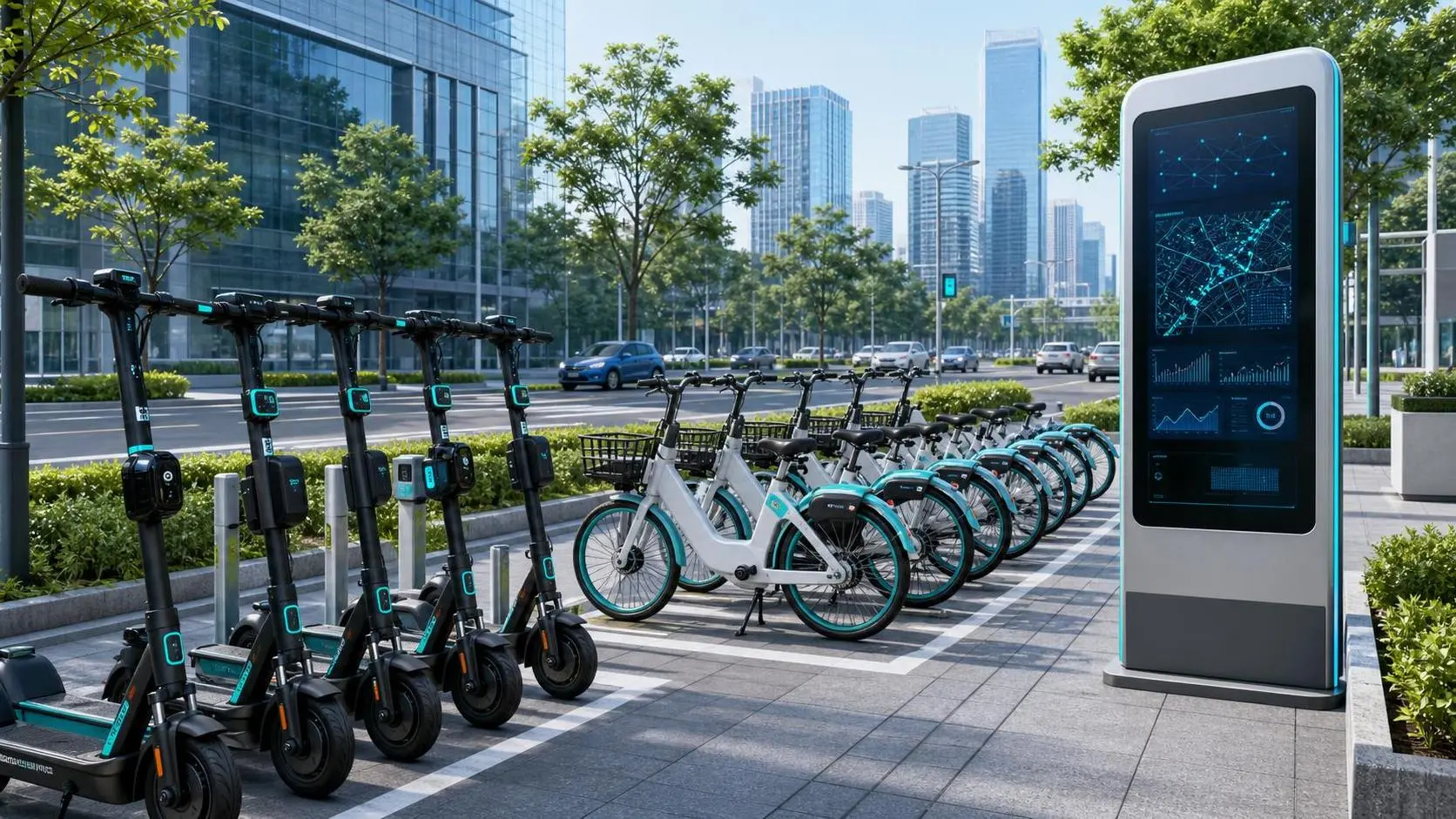
What Is the Intellectualization of Mobility Platform and How Is It Applied in Shared Fleets?
Intellectualization of mobility platform is reshaping shared fleets with real-time data, predictive maintenance, and smarter compliance—learn how it boosts safety, uptime, and urban mobility efficiency.
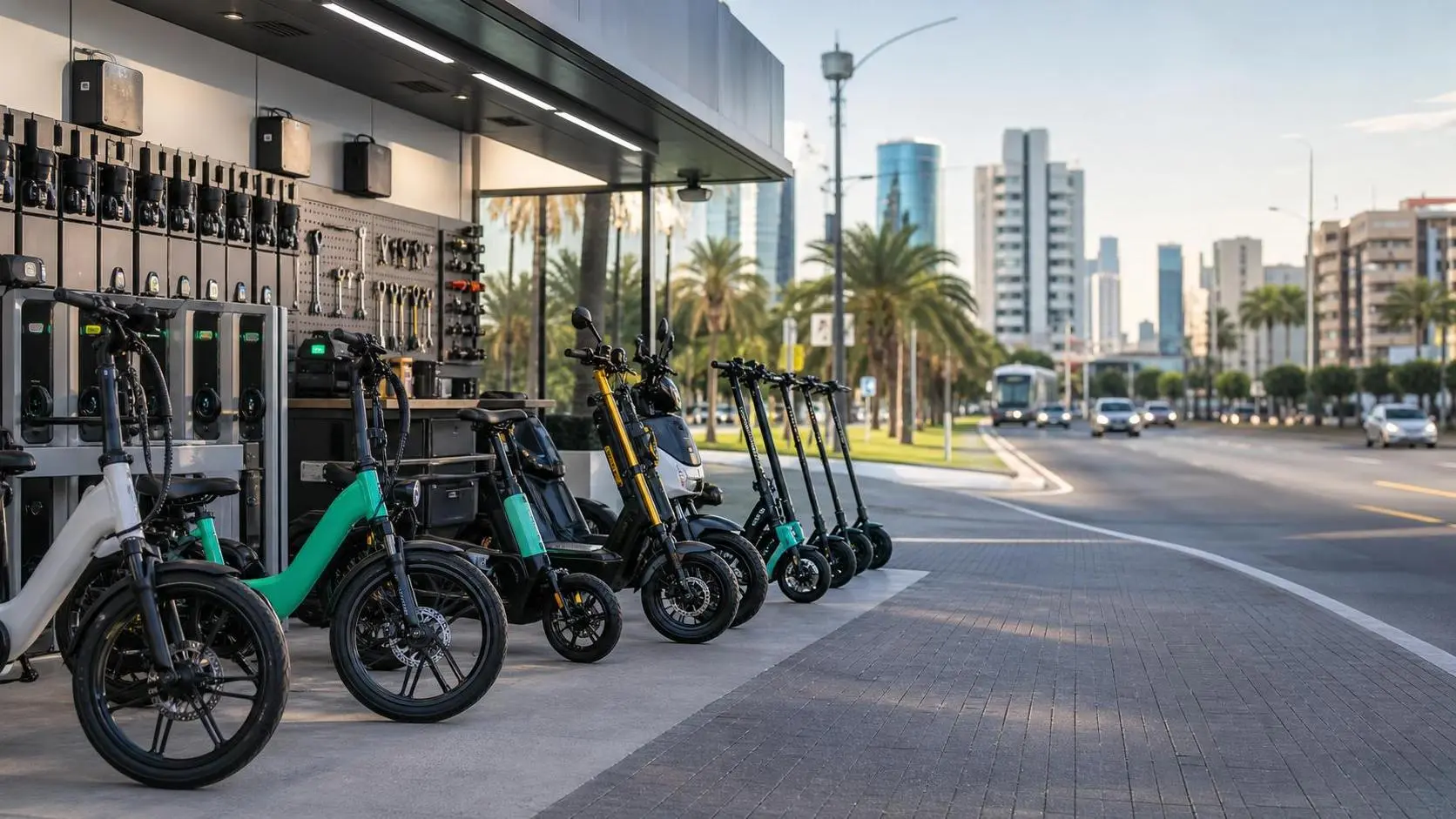
Urban Micro-Mobility Systems in Latin America: Key Market Drivers, Barriers, and Growth Segments
Urban micro-mobility systems Latin America are reshaping city transport. Explore key drivers, barriers, and high-growth segments to spot the region’s most investable opportunities.
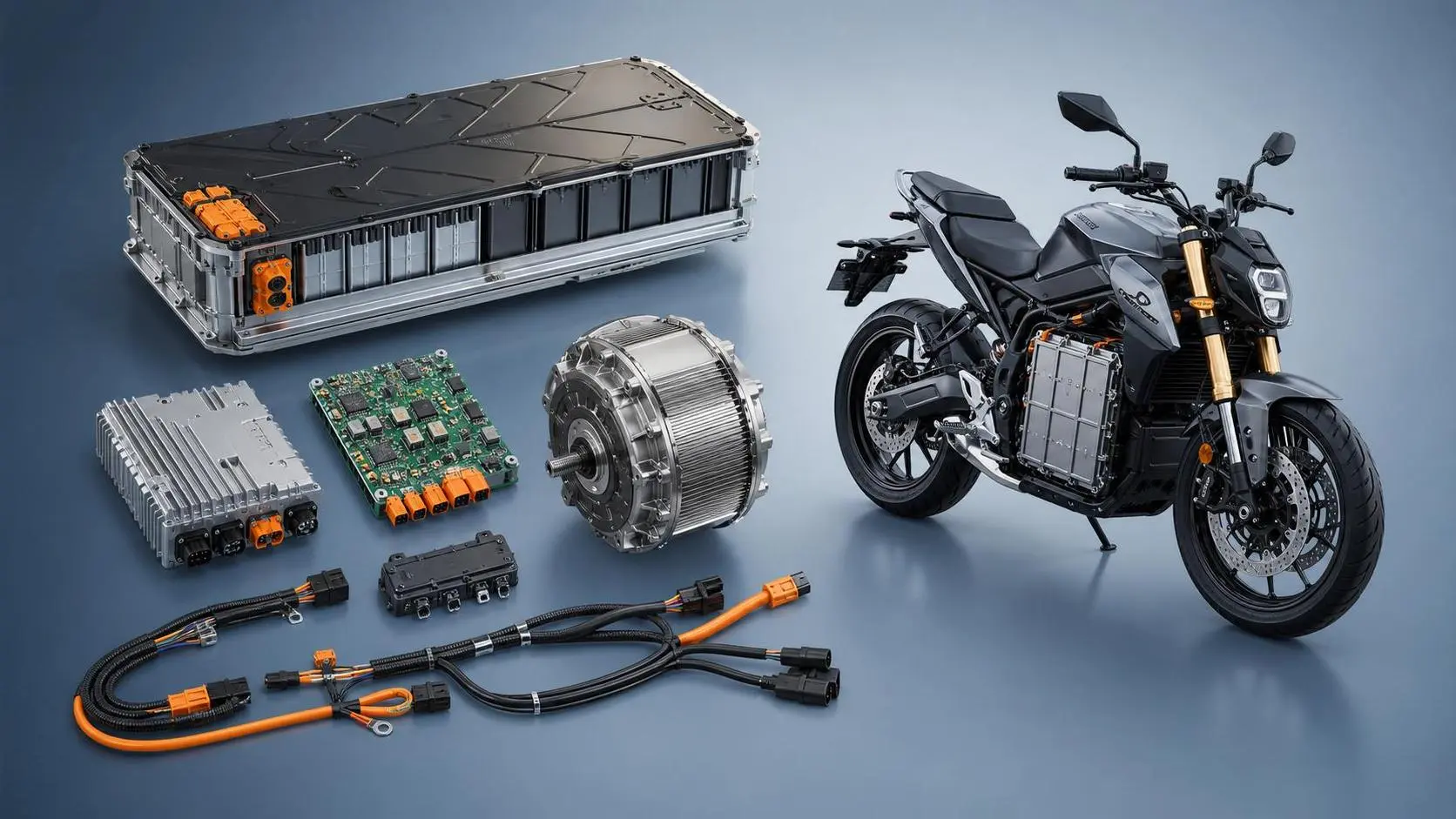
Electric Motorcycle Systems Price Breakdown: What Affects Cost From Battery to Controller?
Electric motorcycle systems price explained: see how battery, controller, motor, BMS, and wiring affect total cost, reliability, and sourcing value before you buy.
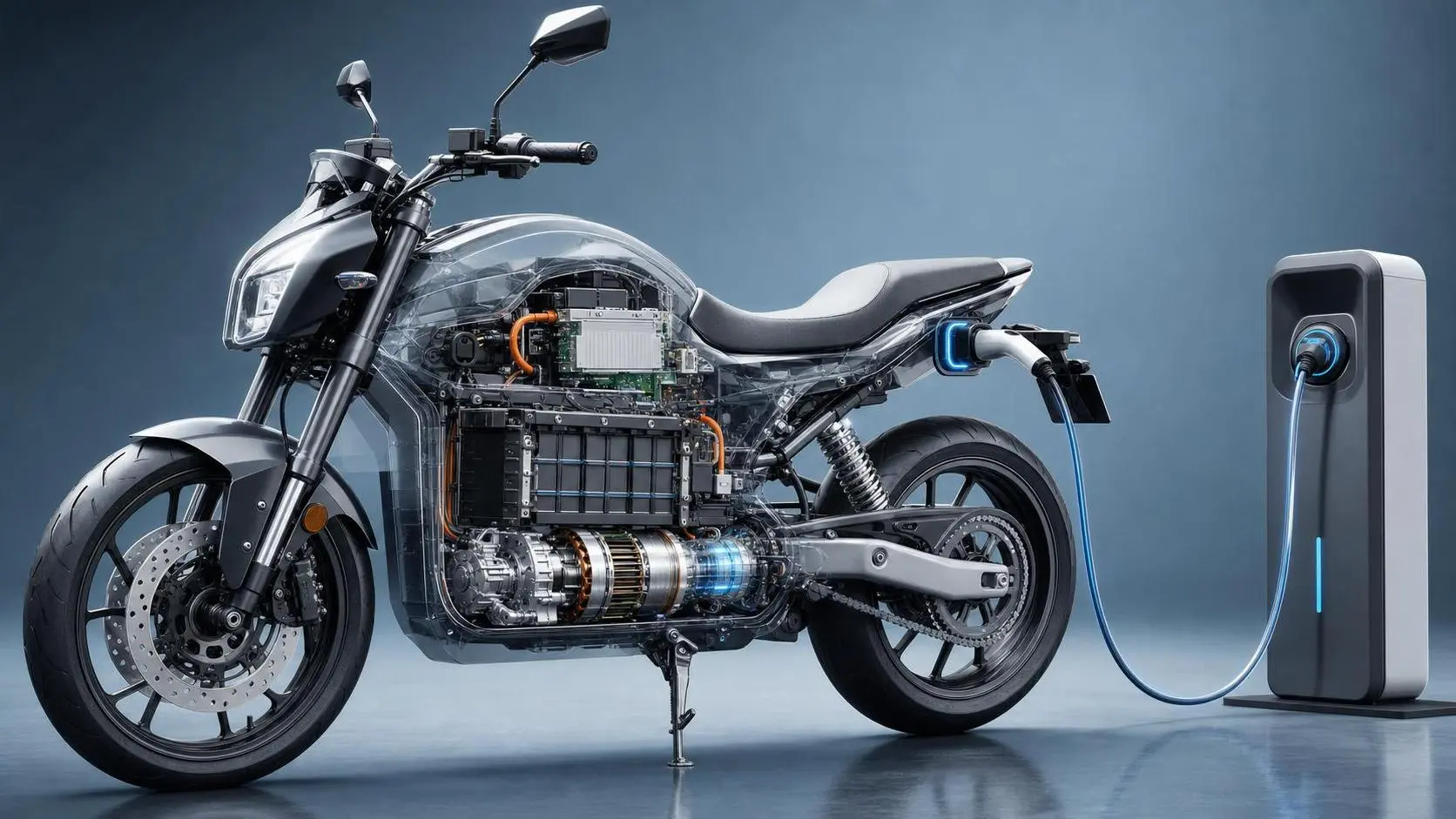
72V Electric Motorcycle Technology Explained: Motors, Controllers, Range, and Charging
Electric motorcycle technology 72V explained clearly: compare motors, controllers, range, battery design, and charging to choose a smoother, stronger, and smarter electric ride.

Where LED Urban Visibility Safety Systems Fit Best in Shared Scooters and City E-bikes
LED urban visibility safety systems deliver the most value in shared scooters and city e-bikes by improving multi-angle safety, fleet durability, and urban compliance across real-world routes.
Intellectualization of Mobility in North America: What Is Driving Adoption Across Urban Transport?
Intellectualization of mobility North America is reshaping urban transport through data, smart fleets, and battery intelligence. Explore what is driving adoption and why cities and operators are accelerating now.

How to Choose a Compact Battery Pack: Size, Energy Density, Thermal Design, and Cycle Life
Compact battery pack selection starts with more than size. Learn how energy density, thermal design, and cycle life shape range, safety, and long-term value.
What Is Driving Green Two-wheelers Demand in Europe? Policy, Fuel Costs, and Buyer Segments
Green two-wheelers demand Europe is rising as policy support, fuel cost pressure, and diverse buyer segments reshape urban mobility. Explore the trends driving the next growth wave.