
Related News
- 00
0000-00
How to Choose a Compact Battery Pack: Size, Energy Density, Thermal Design, and Cycle Life - 00
0000-00
Battery Management Systems Factory Capabilities: How to Compare Testing and Traceability - 00
0000-00
Swappable Battery Scooter Market: Key Growth Segments and Fleet Demand Signals - 00
0000-00
Fleet Battery Swap Solutions: How to Compare Throughput, Downtime, and Site Needs - 00
0000-00
Battery Swapping Network Cost: What Drives Setup and Operating Expenses?
Electric Powertrain Analyst
Weekly Insights
Stay ahead with our curated technology reports delivered every Monday.
How Battery-Swapping Networks Work for Urban Fleets: Cost, Uptime, and Site Planning





For urban fleet operators, battery-swapping networks are becoming a practical lever to cut downtime, stabilize operating costs, and scale electrified two-wheeler deployments with confidence. This article explains how these networks function, what drives real-world cost and uptime performance, and how smart site planning can turn swapping infrastructure into a competitive advantage for dense city operations.
What are battery-swapping networks, and why are urban fleets paying attention?
Battery-swapping networks are coordinated systems that let riders or fleet staff exchange depleted batteries for charged ones at fixed stations, micro-depots, or partner sites. Instead of waiting for charging, vehicles return to service in minutes.
For operators of e-bikes, smart e-scooters, and high-speed e-motorcycles, this model addresses a core operating problem: energy replenishment often limits asset utilization more than vehicle demand does. In dense cities, every inactive vehicle hour has a direct revenue and service impact.
UMMS tracks this shift closely because battery-swapping networks sit at the intersection of powertrain design, battery management logic, urban operations, and low-carbon mobility strategy. They are not just an infrastructure topic. They reshape fleet economics, route planning, and procurement priorities.
- They reduce charging-related idle time for delivery, patrol, sharing, and service fleets.
- They allow operators to centralize battery health monitoring instead of managing energy at each parking point.
- They support predictable energy operations in cities where curb space, grid access, and parking control are all constrained.
How the operating logic works in practice
A practical battery-swapping network includes standardized battery packs, vehicle-battery compatibility rules, charging cabinets or automated swap stations, software for battery identification, and a dispatch layer that balances supply by time and location.
The process sounds simple, but operational success depends on three forms of matching: pack-to-vehicle matching, station-to-demand matching, and charge-cycle-to-usage matching. Weakness in any of these areas can erase the expected uptime advantage.
How do battery-swapping networks actually improve fleet uptime?
Fleet uptime improves when the time required to restore vehicle range becomes shorter and more controllable. That benefit is most visible in high-turn urban use cases, where vehicles may need multiple energy events per day.
In plug-in charging models, operators often lose time through queueing, transport to charge sites, charger availability, and incomplete charging windows. Battery-swapping networks compress that sequence into a brief stop, provided charged inventory is available.
The main uptime drivers decision-makers should monitor
- Swap duration per event, including authentication, battery release, and vehicle restart checks.
- Charged battery availability during peak demand windows such as lunch delivery and evening commuting.
- Station reliability, especially cabinet faults, connector wear, thermal alarms, and communications issues.
- Battery health consistency, because weak packs create hidden uptime loss through reduced range and more frequent swaps.
For business leaders, uptime should be measured beyond simple vehicle availability. A stronger indicator is productive vehicle-hour rate: the percentage of scheduled hours in which a vehicle is road-ready, compliant, and carrying enough energy to complete the next assigned task.
Cost structure: where battery-swapping networks save money, and where they add pressure
Battery-swapping networks can lower operating friction, but they do not remove cost. They shift cost from distributed charging downtime toward infrastructure, software, battery pool sizing, and service management. That makes total cost of operation the right lens.
Executives evaluating battery-swapping networks should separate direct, indirect, and hidden costs. Direct costs are visible in budgets. Hidden costs emerge later through poor standardization, underused stations, or oversized battery inventory.
A practical cost map for urban fleets
The table below helps compare the major cost categories that shape battery-swapping networks in e-bike, e-scooter, and e-motorcycle fleet operations.
The key insight is that battery-swapping networks work best when operators optimize both infrastructure and battery circulation. A low station count with long rider detours weakens utilization. A high station count with low daily throughput weakens return on investment.
When the economics are strongest
Battery-swapping networks usually make the strongest financial case when vehicles run many hours per day, carry time-sensitive loads, or operate in zones where charging dwell time directly reduces revenue. Food delivery, courier fleets, urban service teams, and regulated shared mobility often fit this profile.
Battery swapping vs charging: which model fits which fleet?
Not every urban fleet should default to battery-swapping networks. Some lower-intensity operations can perform well with centralized charging, especially if overnight dwell time is stable and route variability is limited.
Decision-makers should compare operating rhythm, labor structure, battery standardization, and real estate constraints before committing to a network architecture.
This comparison table shows where battery-swapping networks outperform charging-centric models and where charging may remain more practical.
The best choice is rarely ideological. It is operational. In some cities, hybrid models are most effective: swap stations for peak zones and central charging for reserve batteries or low-demand districts.
What should operators look at when planning swap station sites?
Site planning is where many battery-swapping networks succeed or fail. A technically sound station can still underperform if it is placed far from route density, difficult to access, weakly permitted, or exposed to avoidable safety and vandalism risks.
Five site-planning questions that matter
- Where does energy demand cluster by hour, not just by map density? Lunch peaks and evening return waves may require different station priorities.
- How easy is the stop? Safe curb access, short dwell, rider visibility, and protected parking all affect real use rates.
- What is the utility path? Available power, metering structure, and upgrade lead times can change deployment economics dramatically.
- What are the local compliance conditions? Fire codes, battery storage rules, public-right-of-way restrictions, and property approvals can all shape the final footprint.
- How will batteries be rebalanced? Site density without redistribution planning can create local shortages and stranded capacity.
A practical site evaluation matrix
Before scaling battery-swapping networks, many operators benefit from a simple scoring model like the one below to compare candidate locations.
A strong site plan balances rider convenience and infrastructure realism. The most attractive map point is not always the best operating point if permits are uncertain or utility access is weak.
Procurement guide: how to evaluate a battery-swapping network before rollout
Procurement teams often focus on cabinet price first. That is understandable, but incomplete. The better question is whether the full battery-swapping network can sustain uptime, battery safety, and data visibility at city scale.
Key evaluation checkpoints
- Battery interoperability: confirm pack standardization, connector durability, and compatibility across vehicle variants.
- Battery management system depth: require visibility into state of charge, state of health, cycle count, temperature history, and anomaly alarms.
- Operational software: verify whether station data, rider events, battery inventory, and maintenance logs can integrate with existing fleet systems.
- Service model: define who owns station maintenance, firmware updates, spare parts supply, and response-time commitments.
- Scalability path: assess whether the supplier can support a pilot-to-multi-city expansion without redesigning the battery architecture.
UMMS often sees strategic value in evaluating upstream and downstream fit together. A battery-swapping network should not be judged as standalone hardware. It should be tested against route design, two-wheeler platform choice, battery circulation logic, and local market rules.
Compliance, safety, and operating risk: what should not be overlooked?
Because battery-swapping networks handle stored energy in public or semi-public settings, safety and compliance cannot be treated as afterthoughts. Requirements vary by city and country, but the core review areas are consistent.
- Electrical safety and enclosure integrity for charging equipment and public interfaces.
- Thermal management and fire-risk mitigation for battery storage concentration.
- Traceability of battery identity, maintenance events, and fault isolation.
- Local permitting conditions for outdoor equipment, rights-of-way, and property access.
For multinational operators, compliance review should start early because battery-swapping networks often cross product, infrastructure, and municipal regulation domains. Delays usually come from coordination gaps, not from engineering alone.
Common misconceptions about battery-swapping networks
“If swapping is faster, it is automatically cheaper”
Not always. Faster energy replenishment helps revenue uptime, but poorly utilized stations or excess battery inventory can offset the gain. Cost advantage depends on density, utilization, and operational discipline.
“Site count alone determines network quality”
Coverage matters, but demand matching matters more. A smaller set of well-placed stations can outperform a larger but misaligned network if rider detours are lower and battery availability is more reliable.
“Any battery pack can be standardized later”
Retrofitting standardization across multiple vehicle platforms is often expensive. Connector geometry, weight, thermal behavior, locking design, and software handshake rules should be aligned early in the platform roadmap.
FAQ: what do enterprise buyers ask most often?
How do we know whether battery-swapping networks fit our fleet?
Start with duty cycle data. If vehicles regularly face mid-shift energy constraints, operate in revenue-sensitive windows, or require high daily mileage in tight urban zones, battery-swapping networks deserve serious evaluation. If most vehicles rest long enough for overnight charging, the case may be weaker.
What is the most common planning mistake?
Treating station deployment as a pure hardware rollout. In reality, successful battery-swapping networks depend on route density analysis, battery pool sizing, software integration, service coverage, and local approvals from day one.
Should we build, partner, or use a hybrid model?
That depends on scale, control requirements, and market speed. Building may suit operators with standardized vehicles and long planning horizons. Partnering may suit fleets entering new cities quickly. A hybrid model often works best when operators want strategic control over battery data but flexible site expansion.
Which KPIs should executives review monthly?
Track swap events per station per day, charged battery availability at peak hours, average swap duration, battery health distribution, station fault rate, and productive vehicle-hour rate. These indicators reveal whether the network is improving utilization or simply shifting complexity.
Why decision-makers use UMMS for battery-swapping network strategy
Battery-swapping networks are no longer an isolated technical topic inside micro-mobility. They affect vehicle architecture, battery lifecycle control, urban site strategy, compliance planning, and commercial expansion. That is why enterprise teams need cross-functional intelligence, not fragmented information.
UMMS connects strategic intelligence across e-bikes, smart e-scooters, high-speed e-motorcycles, and electric powertrain systems. Our perspective is built around real operating questions: which vehicle classes justify swapping, how battery management logic impacts uptime, what site conditions change payback, and how urban regulation influences rollout speed.
If your team is assessing battery-swapping networks, you can consult UMMS on practical issues such as platform compatibility, battery architecture direction, site-screening logic, supplier evaluation dimensions, deployment sequencing, delivery-cycle expectations, and compliance checkpoints for urban two-wheeler operations.
For decision-makers comparing charging and swapping models, planning pilot programs, or preparing multi-city expansion, UMMS can support parameter confirmation, solution selection, rollout priorities, certification-related review points, and commercial quotation discussions with a market-informed systems view.
Related News

How to Select the Right E-Bike Battery Components for Range, Safety, and Fit?
E-bike component selection battery guide: learn how to choose the right battery components for better range, stronger safety, and perfect fit across modern e-bike platforms.

How to Evaluate Core Component Suppliers for Electric Motorcycles Before Sourcing?
Core component suppliers for electric motorcycles can make or break safety, compliance, and delivery. Learn how to assess technical strength, certifications, quality control, and hidden sourcing risks before you buy.

E-Bike Incentives Explained: How Riders Can Find Local Rebates and Tax Credits
E bike incentives explained: learn how to find local rebates, tax credits, and utility offers, avoid common mistakes, and cut the real cost of your next e-bike.

How to Choose Lightweight Scooter Frames in Europe: Materials, Standards, and Use Cases
Lightweight scooter frames Europe buyers need should balance materials, EN standards, durability, and real use cases. Discover how to choose safer, smarter, compliant frames.

What Is the Intellectualization of Mobility Platform and How Is It Applied in Shared Fleets?
Intellectualization of mobility platform is reshaping shared fleets with real-time data, predictive maintenance, and smarter compliance—learn how it boosts safety, uptime, and urban mobility efficiency.
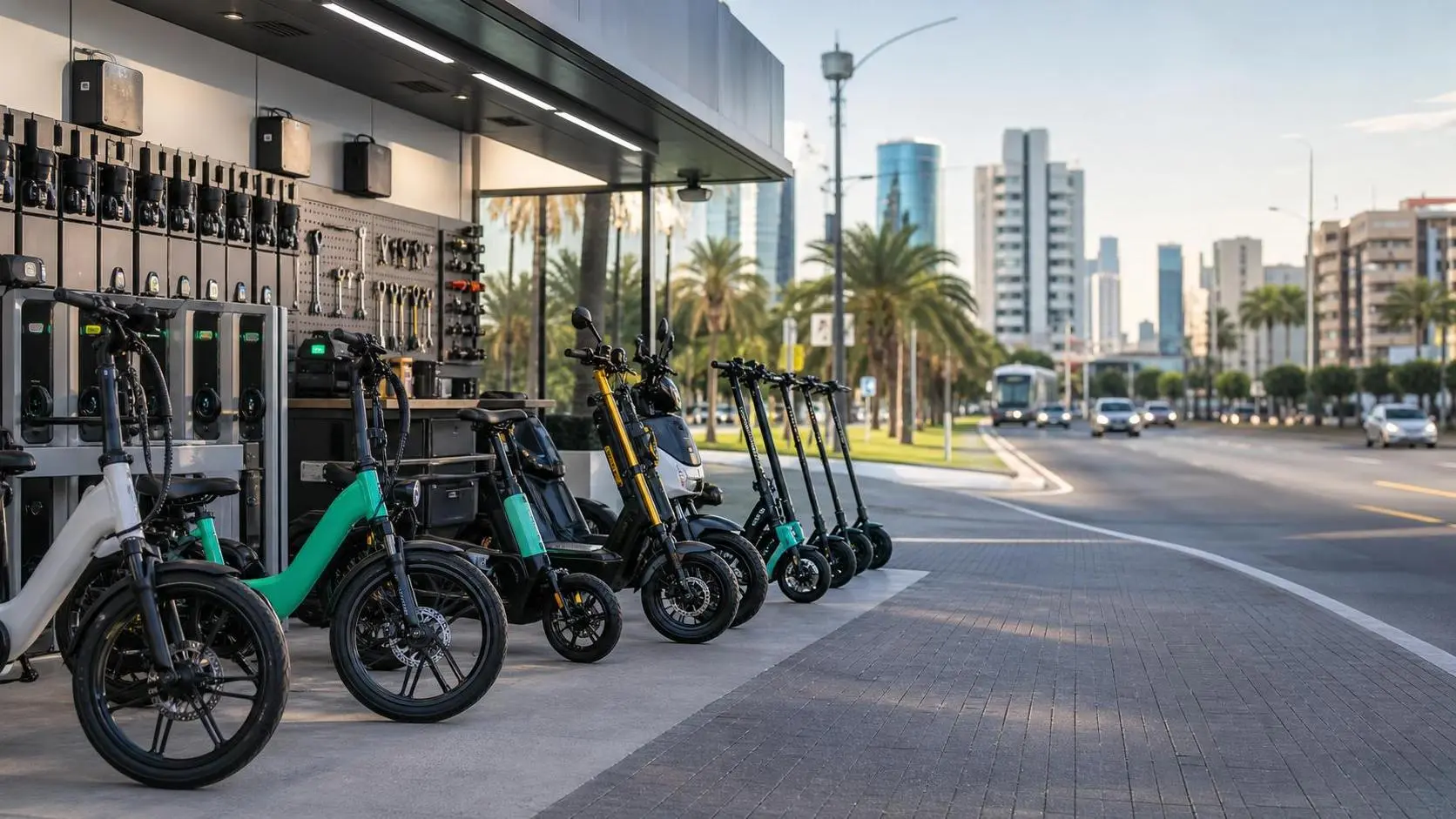
Urban Micro-Mobility Systems in Latin America: Key Market Drivers, Barriers, and Growth Segments
Urban micro-mobility systems Latin America are reshaping city transport. Explore key drivers, barriers, and high-growth segments to spot the region’s most investable opportunities.
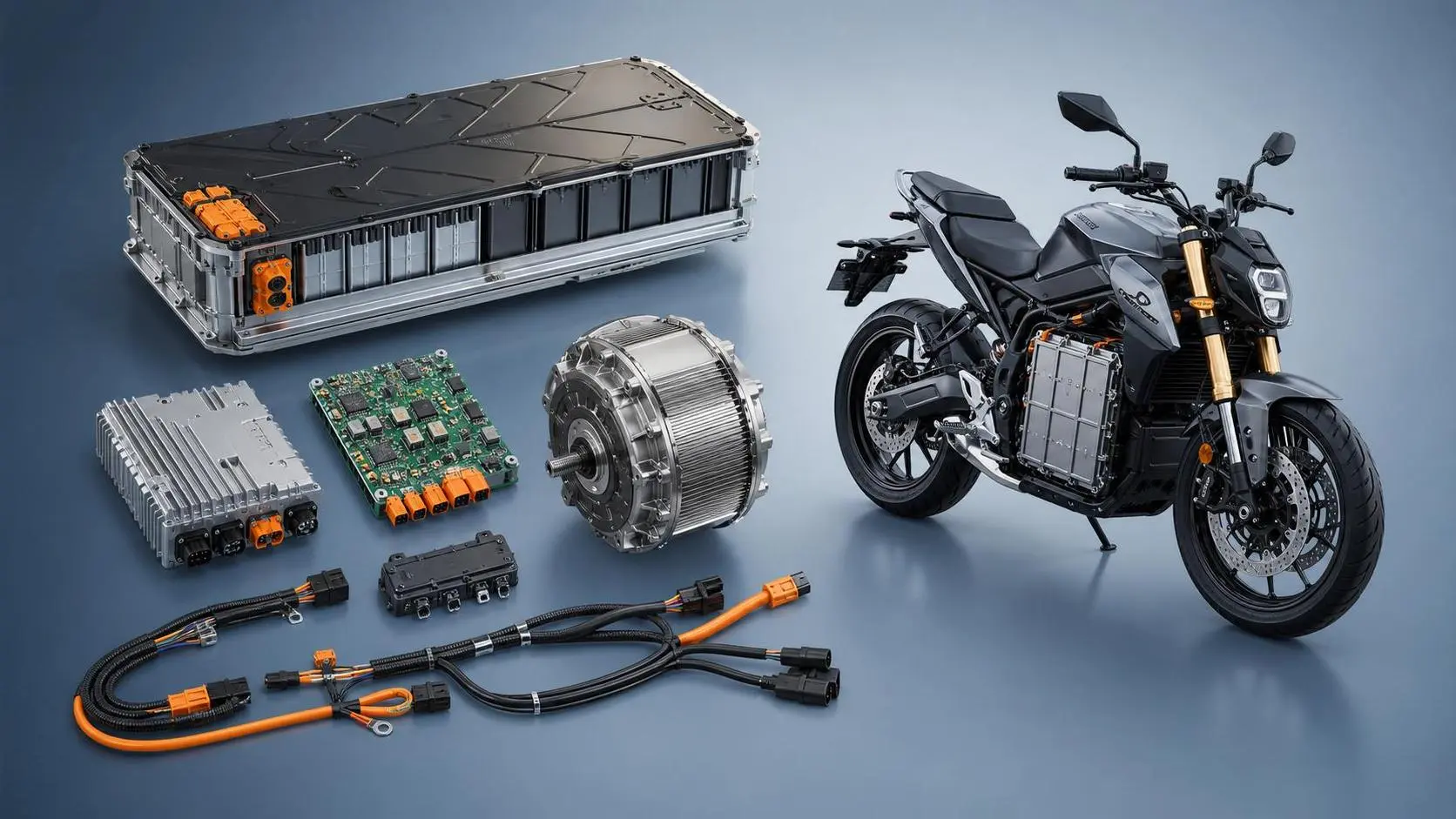
Electric Motorcycle Systems Price Breakdown: What Affects Cost From Battery to Controller?
Electric motorcycle systems price explained: see how battery, controller, motor, BMS, and wiring affect total cost, reliability, and sourcing value before you buy.

72V Electric Motorcycle Technology Explained: Motors, Controllers, Range, and Charging
Electric motorcycle technology 72V explained clearly: compare motors, controllers, range, battery design, and charging to choose a smoother, stronger, and smarter electric ride.

Where LED Urban Visibility Safety Systems Fit Best in Shared Scooters and City E-bikes
LED urban visibility safety systems deliver the most value in shared scooters and city e-bikes by improving multi-angle safety, fleet durability, and urban compliance across real-world routes.