
Related News
- 00
0000-00
How to Choose a Compact Battery Pack: Size, Energy Density, Thermal Design, and Cycle Life - 00
0000-00
Battery Management Systems Factory Capabilities: How to Compare Testing and Traceability - 00
0000-00
Swappable Battery Scooter Market: Key Growth Segments and Fleet Demand Signals - 00
0000-00
Fleet Battery Swap Solutions: How to Compare Throughput, Downtime, and Site Needs - 00
0000-00
Battery Swapping Network Cost: What Drives Setup and Operating Expenses?
Electric Powertrain Analyst
Weekly Insights
Stay ahead with our curated technology reports delivered every Monday.
What makes a high-density battery safer in daily use?





For daily mobility products, a high-density battery is safe only when energy density is balanced with control. Capacity matters, but predictable heat behavior matters more.
In e-bikes, smart e-scooters, and high-speed e-motorcycles, daily use includes vibration, charging cycles, curb impacts, rain exposure, and storage in mixed temperatures.
That is why a safer high-density battery depends on cell matching, thermal paths, enclosure strength, battery management systems, and disciplined manufacturing validation.
For micro-mobility intelligence platforms such as UMMS, battery safety is not a marketing adjective. It is a measurable operating condition linked to reliability, compliance, and user confidence.
Why the same high-density battery performs differently across daily-use scenarios
A high-density battery behaves differently in each use case because stress is never identical. Load profile, charge frequency, road quality, weather, and parking habits all change risk.
An urban shared scooter may face many short trips and frequent fast charging. A commuter e-bike may face longer parking periods and home charging variability.
A performance e-motorcycle may demand strong acceleration, high current discharge, and higher thermal peaks. The safer design target must match the real operating scene.
This is the first key judgment point: safety in a high-density battery is contextual. The battery must remain stable under the exact abuse patterns of daily operation.
Scenario 1: Urban commuting requires a high-density battery with stable thermal control
For daily commuting, the biggest safety challenge is repeated partial charging and stop-and-go discharge. Heat can build gradually without obvious warning signs.
A safer high-density battery in this scenario uses uniform cells, low-resistance interconnections, and a thermal design that spreads heat instead of trapping it.
Battery packs for urban commuting also need accurate temperature sensing. One sensor is rarely enough when heat distribution changes across the pack.
Another judgment point is charging discipline. A high-density battery becomes safer when its BMS limits charging outside the preferred temperature window.
What to check in commuting applications
- Multi-point temperature monitoring inside the pack
- Balanced cell voltage spread during repeated cycles
- Charge cutback logic in hot or cold conditions
- Enclosure sealing against water and road dust
Scenario 2: Shared and high-frequency fleets need a high-density battery that tolerates abuse
Fleet environments create harsh daily use. Vehicles are often parked outdoors, handled by many users, and charged under tight turnaround schedules.
Here, a safer high-density battery must resist mechanical shock as much as thermal stress. Internal movement inside the pack can become a hidden failure source.
Structural supports, compression control, and vibration-resistant weld quality matter greatly. Weak assembly can turn normal curb strikes into long-term safety risks.
The BMS should also log fault history. In shared mobility, traceable abnormal events help remove unsafe packs before a minor issue becomes a thermal incident.
Core decision factors for fleet use
- Shock-resistant cell fixation and pack framing
- Reliable fuse, relay, and short-circuit protection design
- Event logging for overcurrent, overtemperature, and impact alarms
- Consistent charging interface durability
Scenario 3: High-performance riding demands a high-density battery with controlled power delivery
In high-speed e-motorcycles, energy density alone never defines safety. Fast acceleration creates high current draw, which sharply increases internal heating.
A safer high-density battery for performance riding needs cells with suitable discharge capability, not just maximum capacity per kilogram.
Pack layout also becomes critical. Current paths must stay efficient, and thermal hotspots must be predicted before repeated hard riding reveals them.
In this scenario, the key judgment is whether power demand exceeds the safe operating window too often. If so, higher density may reduce safety margin.
Safety indicators for performance applications
- Stable temperature rise under peak discharge
- Controlled voltage sag during acceleration
- Fast fault isolation during short circuits
- Validated thermal runaway containment strategy
How daily-use safety needs differ by scenario
What makes a high-density battery safer at the design and manufacturing level
Across all scenarios, several technical foundations repeatedly determine whether a high-density battery remains safe in daily use.
1. Cell consistency reduces hidden imbalance
Matched cells age more evenly. That lowers the chance of one weak cell heating faster, drifting in voltage, or triggering unsafe charging behavior.
2. Thermal pathways matter more than advertised capacity
A high-density battery becomes safer when heat can move away from critical points. Poor thermal escape can turn normal operation into cumulative stress.
3. Protective circuitry must react early
A quality BMS should detect overcharge, overdischarge, overcurrent, short circuits, and abnormal temperature rise before damage spreads across the pack.
4. Pack structure must control movement and isolation
Daily use creates vibration and impact. Internal clearances, insulation barriers, and cell holders help a high-density battery survive those realities safely.
5. Manufacturing discipline is a safety feature
Weld consistency, contamination control, end-of-line testing, and traceability all influence whether a high-density battery stays reliable after delivery.
Practical recommendations for matching a high-density battery to real use
- Map the real duty cycle before choosing pack density targets.
- Prioritize thermal test data over headline range claims.
- Check whether the high-density battery supports charging restrictions in extreme temperatures.
- Review ingress protection, vibration validation, and drop resistance together.
- Confirm service diagnostics and fault logging availability.
- Use application-specific safety margins for current demand.
Common mistakes when judging high-density battery safety
One common mistake is assuming more energy density always means better technology. In reality, the safer high-density battery is the one best matched to use conditions.
Another mistake is focusing only on cell chemistry while ignoring pack integration. Many daily-use failures come from assembly, sensing, connectors, or enclosure weaknesses.
It is also risky to judge safety using laboratory results alone. Road vibration, charging habits, and weather exposure often reveal different failure patterns.
Finally, delayed maintenance can undermine a good design. Warning signs such as swelling, unusual heat, charging interruption, or impact damage should never be ignored.
Next steps for evaluating a safer high-density battery
Start with the application scene, not the brochure. Define daily temperature range, charging behavior, trip profile, vibration level, and expected service intervals.
Then compare each high-density battery option against those conditions using thermal, electrical, and mechanical validation data.
In micro-mobility, safer battery decisions come from system thinking. The best result combines energy density, protection logic, manufacturing quality, and realistic scenario fit.
For ongoing industry tracking, UMMS highlights how battery architecture, vehicle integration, and regulatory expectations continue to shape safer daily-use electrification.
Related News
How to Choose Lightweight Scooter Frames in Europe: Materials, Standards, and Use Cases
Lightweight scooter frames Europe buyers need should balance materials, EN standards, durability, and real use cases. Discover how to choose safer, smarter, compliant frames.
What Is the Intellectualization of Mobility Platform and How Is It Applied in Shared Fleets?
Intellectualization of mobility platform is reshaping shared fleets with real-time data, predictive maintenance, and smarter compliance—learn how it boosts safety, uptime, and urban mobility efficiency.
Urban Micro-Mobility Systems in Latin America: Key Market Drivers, Barriers, and Growth Segments
Urban micro-mobility systems Latin America are reshaping city transport. Explore key drivers, barriers, and high-growth segments to spot the region’s most investable opportunities.
Electric Motorcycle Systems Price Breakdown: What Affects Cost From Battery to Controller?
Electric motorcycle systems price explained: see how battery, controller, motor, BMS, and wiring affect total cost, reliability, and sourcing value before you buy.
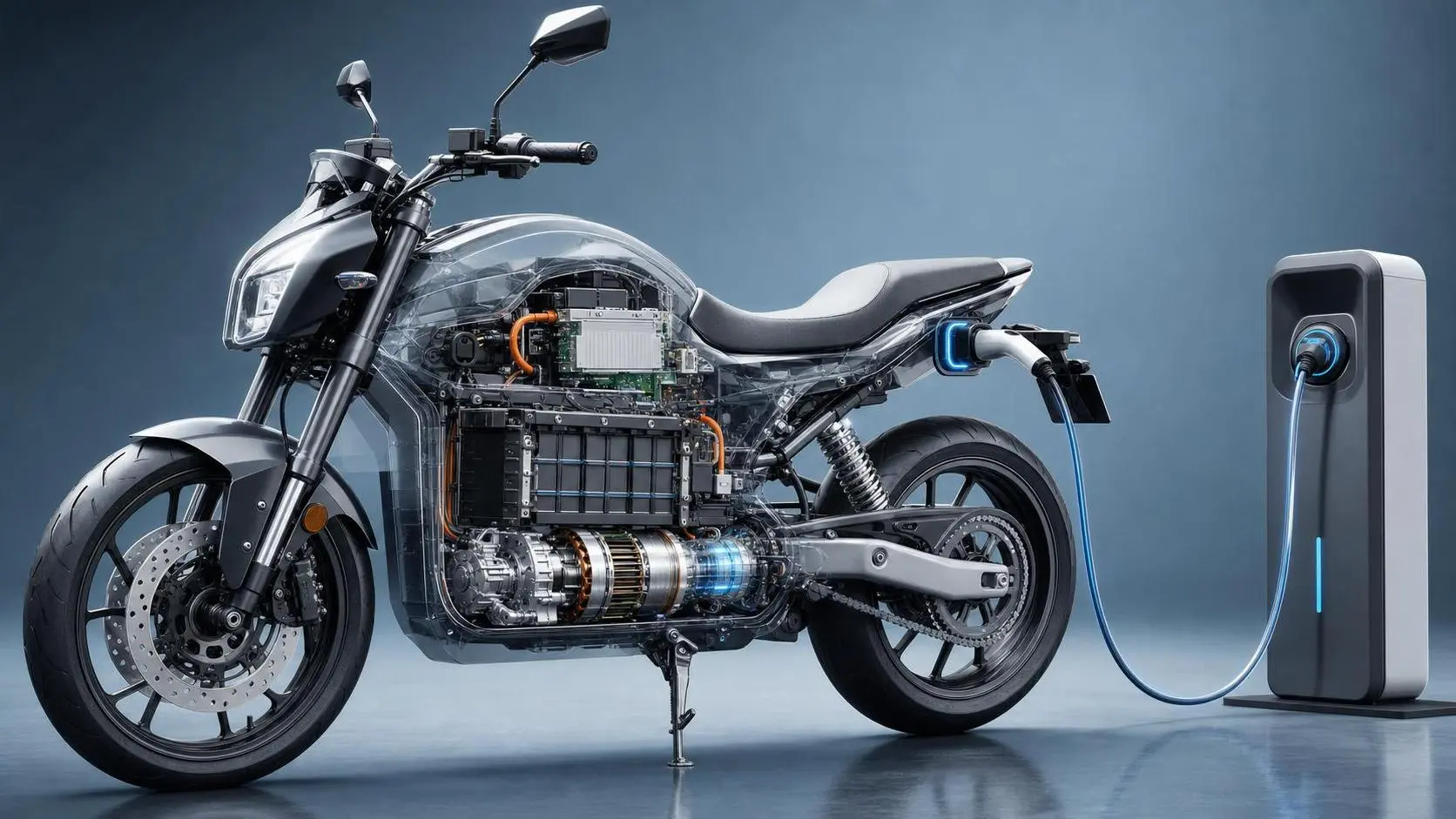
72V Electric Motorcycle Technology Explained: Motors, Controllers, Range, and Charging
Electric motorcycle technology 72V explained clearly: compare motors, controllers, range, battery design, and charging to choose a smoother, stronger, and smarter electric ride.
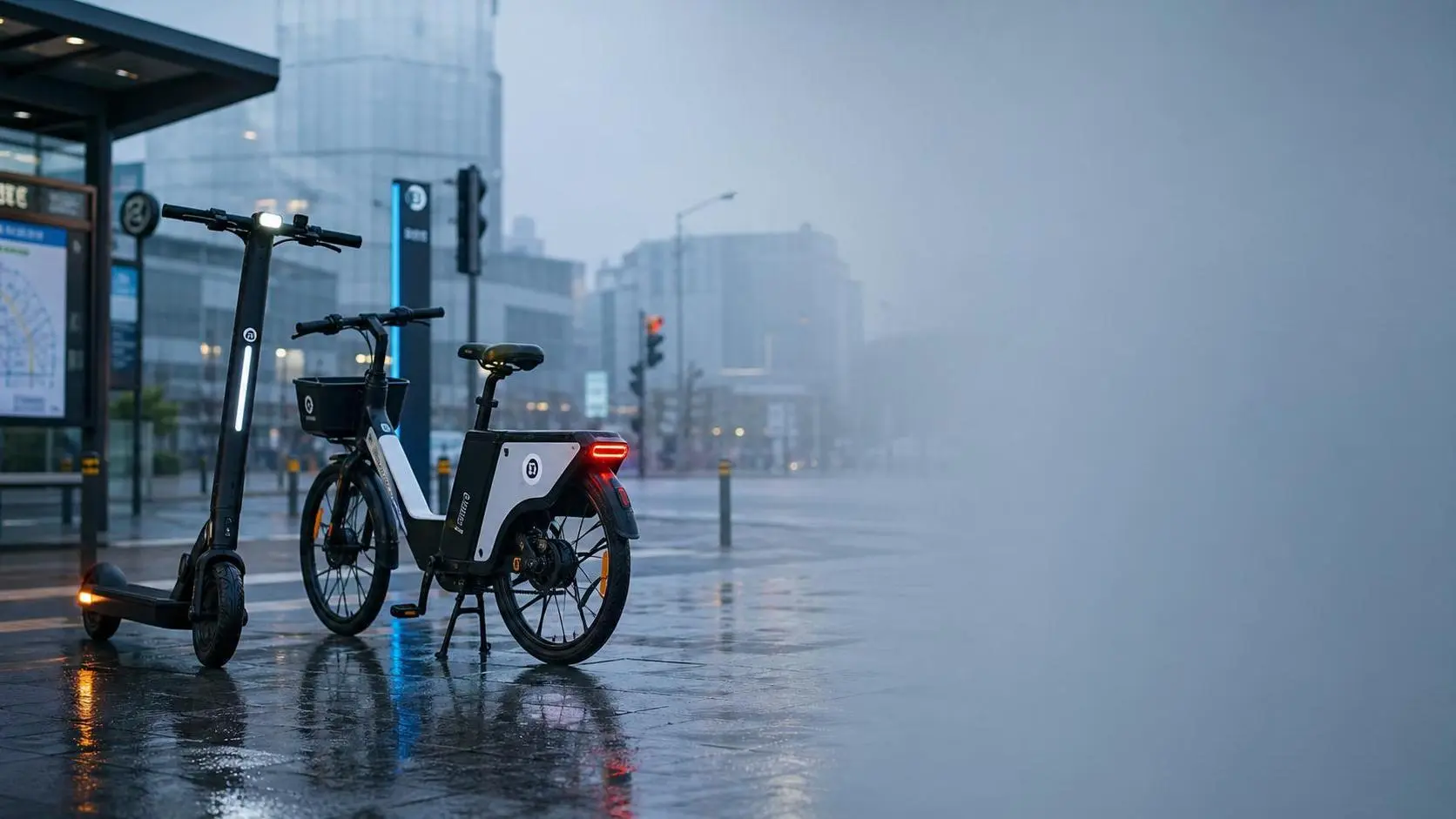
Where LED Urban Visibility Safety Systems Fit Best in Shared Scooters and City E-bikes
LED urban visibility safety systems deliver the most value in shared scooters and city e-bikes by improving multi-angle safety, fleet durability, and urban compliance across real-world routes.
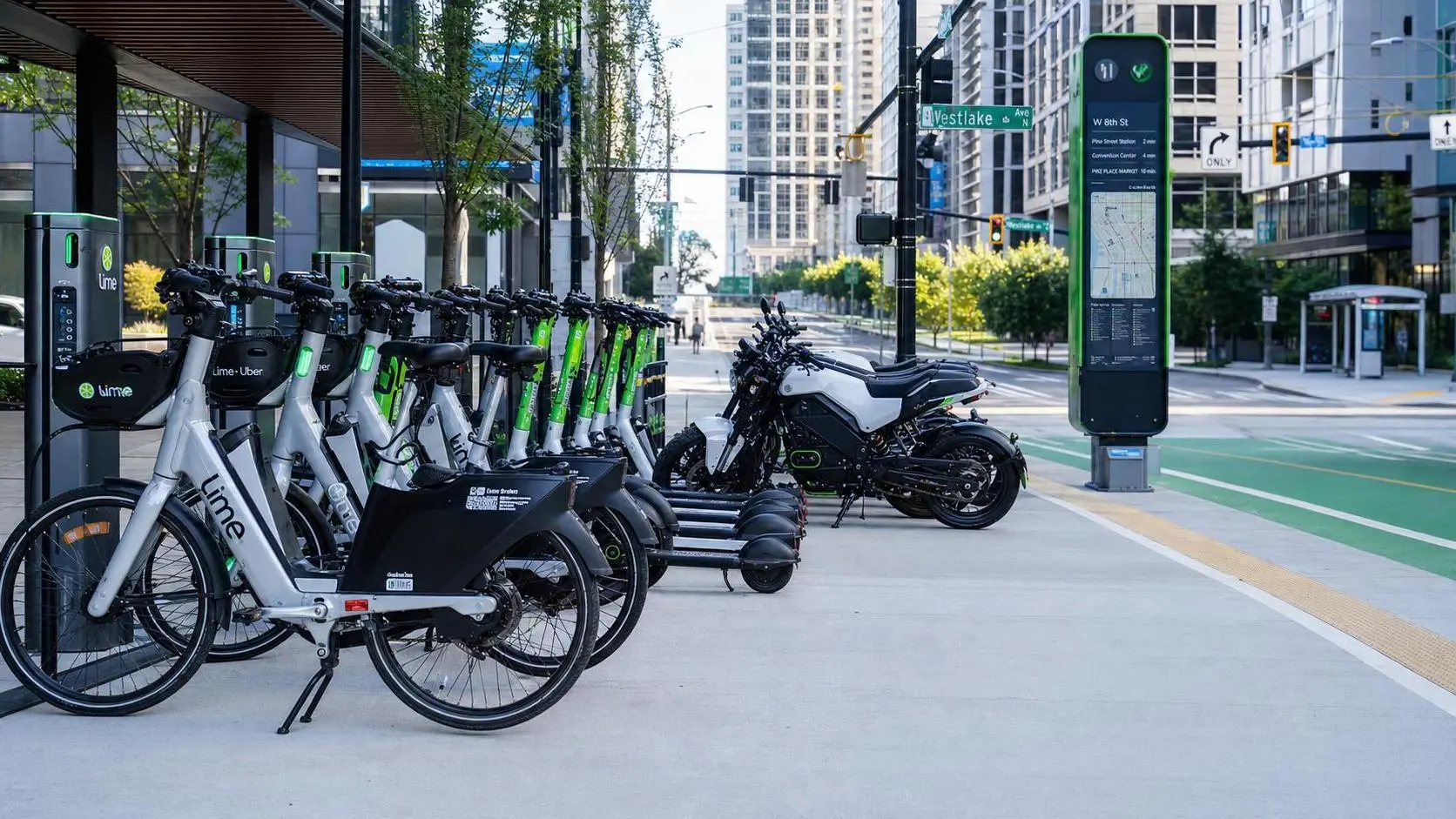
Intellectualization of Mobility in North America: What Is Driving Adoption Across Urban Transport?
Intellectualization of mobility North America is reshaping urban transport through data, smart fleets, and battery intelligence. Explore what is driving adoption and why cities and operators are accelerating now.
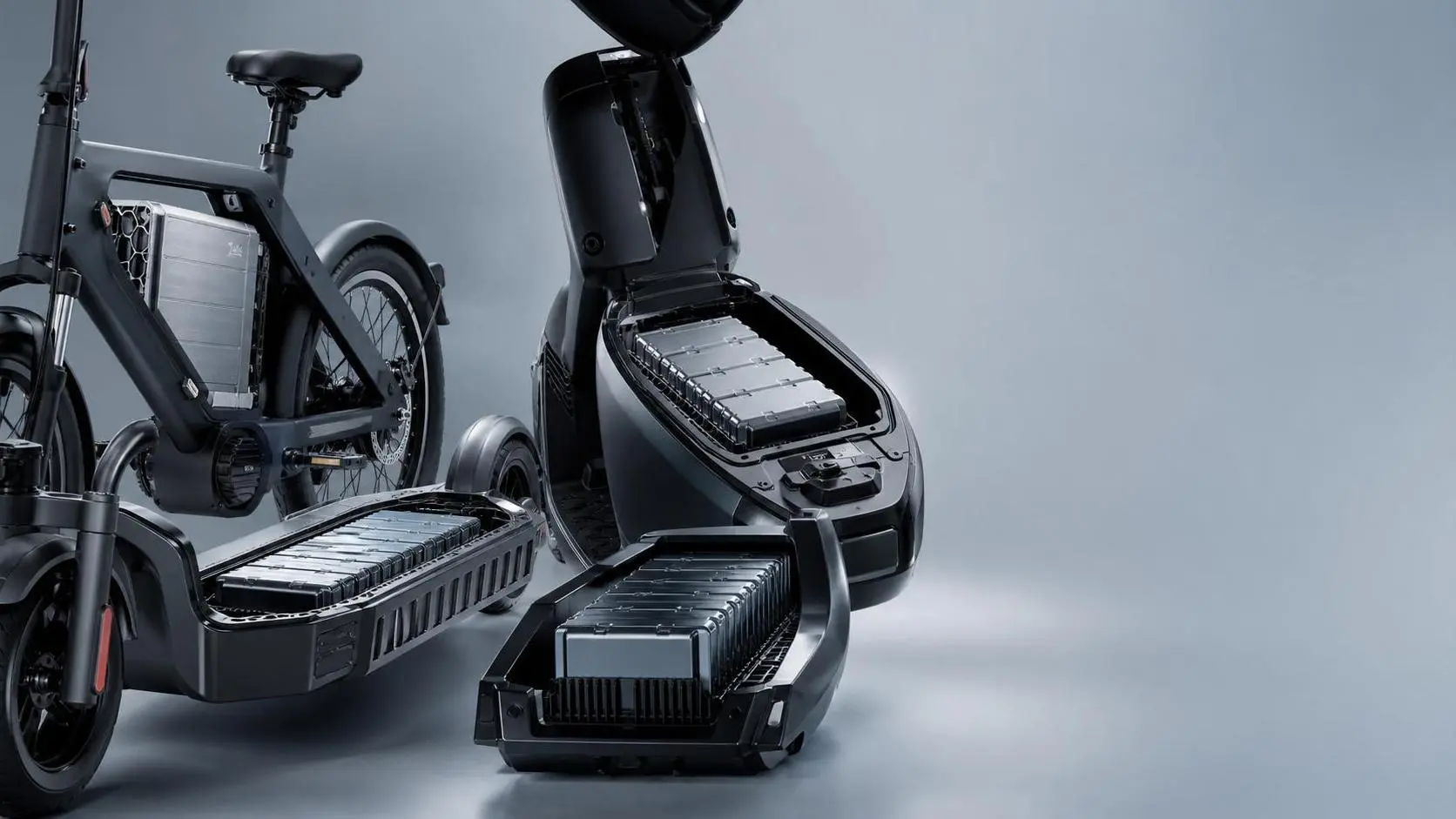
How to Choose a Compact Battery Pack: Size, Energy Density, Thermal Design, and Cycle Life
Compact battery pack selection starts with more than size. Learn how energy density, thermal design, and cycle life shape range, safety, and long-term value.
What Is Driving Green Two-wheelers Demand in Europe? Policy, Fuel Costs, and Buyer Segments
Green two-wheelers demand Europe is rising as policy support, fuel cost pressure, and diverse buyer segments reshape urban mobility. Explore the trends driving the next growth wave.