
Related News
- 00
0000-00
Urban Mobility Market Analysis: Demand Drivers, Policy Risks, and Revenue Models Compared - 00
0000-00
What Affects Urban Traffic Innovation Price in Smart City Transport Projects? - 00
0000-00
How to Evaluate a Battery Management Systems Exporter for Quality, Compliance, and Support - 00
0000-00
What Drives Urban Mobility Adoption in Congested Cities: Cost, Convenience, and Policy - 00
0000-00
How to Verify Micro Mobility Technical Credibility Before Supplier Approval
Ms. Elena Rodriguez
Weekly Insights
Stay ahead with our curated technology reports delivered every Monday.
2026 Electric Bike Market: Price Pressure or Premium Growth?





As the electric bike market moves toward 2026, the central debate is clear. Will aggressive pricing compress margins, or will premium demand create stronger value pools?
The answer is not binary. The electric bike market is splitting into distinct layers shaped by technology, regulation, channel strategy, and urban mobility behavior.
Entry products face severe cost pressure. Meanwhile, premium e-bikes, connected systems, and performance components are gaining relevance in mature cities and specialist segments.
This article examines the major questions behind that shift. It also highlights how the electric bike market may reward disciplined positioning more than simple volume expansion.
Why is the electric bike market under stronger price pressure in 2026?
Several forces are pushing the electric bike market toward tighter pricing. Supply normalization after earlier shortages has reduced scarcity premiums across motors, batteries, and frames.
At the same time, more brands are competing for similar commuter buyers. Online channels have increased price transparency, making discounting easier and product differentiation harder.
Battery cell costs have improved, but buyers now expect those savings to appear in retail prices. Lower input costs do not automatically protect profitability.
Promotional intensity is also rising. Inventory correction in some regions has trained consumers to wait for deals, especially in urban commuter and leisure categories.
The electric bike market therefore faces a classic squeeze. Better production efficiency helps, but branding, software, service, and component quality decide who avoids price-led erosion.
What causes the strongest margin compression?
- Homogeneous commuter models with limited visible differentiation
- Heavy reliance on discount-driven online acquisition
- Weak after-sales networks and poor spare parts availability
- Low switching costs between brands
- Short product refresh cycles without major technology gains
Can premium growth still outperform in the electric bike market?
Yes, but only where premium value is obvious. In the electric bike market, premium growth depends on performance, safety, comfort, durability, and intelligent integration.
Higher-end buyers are not paying only for brand image. They often seek better range stability, smoother torque delivery, lighter structures, lower maintenance, and trusted battery management.
Premium segments are expanding fastest in cargo mobility, sport e-MTB, long-range commuter models, and urban utility platforms with digital security features.
This is where the electric bike market aligns with wider micro-mobility trends. Connected systems, drivetrain precision, and energy efficiency are becoming strategic rather than optional.
Brands that combine hardware excellence with service ecosystems can support better pricing. That includes app-based diagnostics, battery health monitoring, fleet analytics, and certified repair access.
Which premium signals matter most?
- Longer real-world range, not only laboratory claims
- Reliable thermal management and battery safety logic
- Refined motor control for natural ride feel
- Integrated anti-theft, tracking, and locking systems
- Precision components with proven durability
How do regulation and urban policy reshape the electric bike market?
Policy remains a major market driver. Subsidies, road access rules, battery transport standards, and product classifications all influence the electric bike market in 2026.
In Europe, urban decarbonization goals still support two-wheeler electrification. However, compliance expectations are becoming stricter around product safety, traceability, and environmental performance.
Cities increasingly favor solutions that reduce congestion without adding operational risk. That gives an advantage to e-bikes with dependable lighting, braking, telemetry, and battery certification.
Insurance and theft concerns also matter. In some markets, secure parking and digital identification may influence purchase conversion as much as advertised speed or range.
For the electric bike market, policy no longer acts only as a sales booster. It now shapes technical standards, liability exposure, and channel credibility.
What should be monitored closely?
- Subsidy redesign or removal in key cities
- Battery safety and shipping compliance updates
- Classification changes for speed and power limits
- Shared mobility parking and access rules
- Right-to-repair and component traceability expectations
Which technologies will separate winners from volume followers?
Technology leadership in the electric bike market is becoming more system-based. Individual parts matter, but integration quality matters more.
Battery management is a top differentiator. Better balancing logic, charging intelligence, and health forecasting improve safety, residual value, and user confidence.
Motor and drivetrain coordination also creates value. Smooth pedal assist, lower noise, and predictable power transfer can justify premium positioning in both commuter and recreational use.
Connected diagnostics are rising in importance. They reduce downtime, improve service planning, and support fleet-grade usage in delivery, rental, and corporate mobility programs.
Material engineering adds another layer. Lightweight frames, corrosion resistance, and modular battery housings can improve lifecycle economics even when upfront prices are higher.
In the electric bike market, technology wins when it solves daily friction. Fancy features without measurable utility rarely sustain premium pricing.
How should businesses judge price-led growth versus premium strategy?
The first step is segment clarity. The electric bike market does not reward identical tactics across urban commuting, cargo transport, sports riding, and shared mobility.
Price-led growth can work when scale, sourcing discipline, and channel efficiency are strong. It becomes risky when warranty costs and return rates are underestimated.
Premium strategy works better where product education is possible and ownership benefits are visible over time. That includes serviceability, software support, and battery replacement pathways.
A useful decision framework is to compare total value, not only launch price. Gross margin, accessory attachment, service revenue, and repeat purchase potential all matter.
The electric bike market in 2026 may favor hybrid models. Some brands will keep accessible core products while reserving innovation and profitability for higher-spec platforms.
Decision table: where does each strategy fit best?
What common mistakes distort forecasts in the electric bike market?
One mistake is assuming volume growth guarantees healthy returns. The electric bike market can expand while profits shrink because promotions, logistics, and warranty burdens rise faster.
Another mistake is treating all regions the same. Infrastructure quality, theft rates, subsidy structures, and commuting culture vary widely across countries and cities.
A third error is overvaluing headline specifications. Buyers may care less about peak power than about charging convenience, ride comfort, repair speed, and long-term reliability.
Some forecasts also miss component ecosystem effects. Precision drivetrains, electronic shifting, braking systems, and battery software together shape premium conversion.
The electric bike market should be analyzed as a mobility system, not only as a hardware category. That perspective better captures where durable value is created.
Quick FAQ table
The electric bike market in 2026 is unlikely to be defined by one universal trend. It will be shaped by a widening gap between commoditized volume and defensible premium value.
Price pressure is real, especially in standard commuter products. Yet premium growth remains credible where engineering, compliance, connectivity, and lifecycle economics are clearly superior.
A practical next step is to reassess segment exposure, policy sensitivity, and technology depth together. That creates a clearer view of where the electric bike market offers sustainable expansion.
For ongoing insight into e-bikes, smart two-wheelers, drivetrains, and urban mobility systems, structured intelligence matters more than isolated trend headlines.
Related News
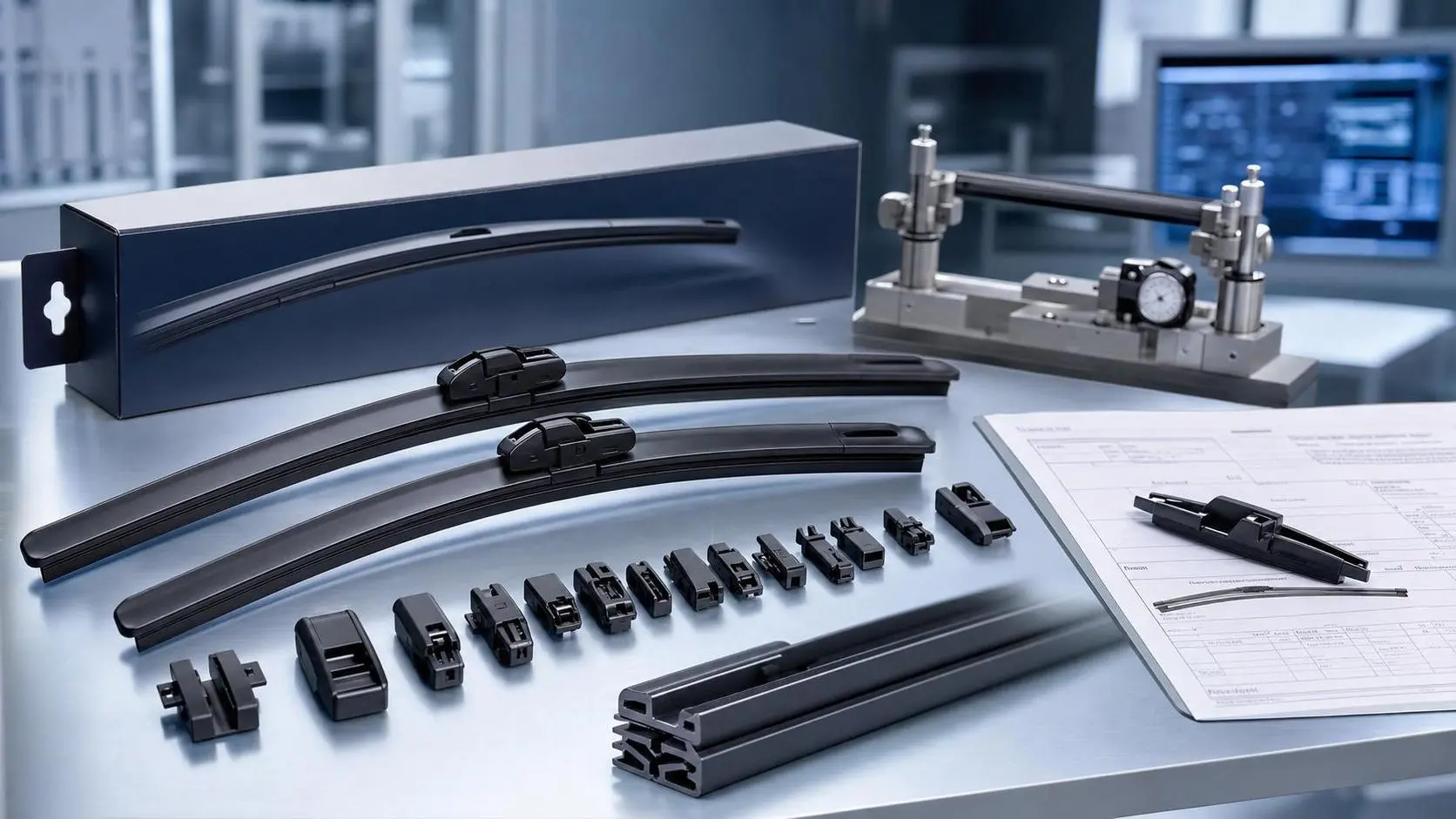
Flat Wiper Blades Wholesale Buying Guide: MOQ, Rubber Quality, Fitment, and Supplier Checks
Flat wiper blades wholesale buying guide covering MOQ, rubber quality, fitment accuracy, and supplier checks to reduce risk, improve margins, and choose reliable bulk partners.
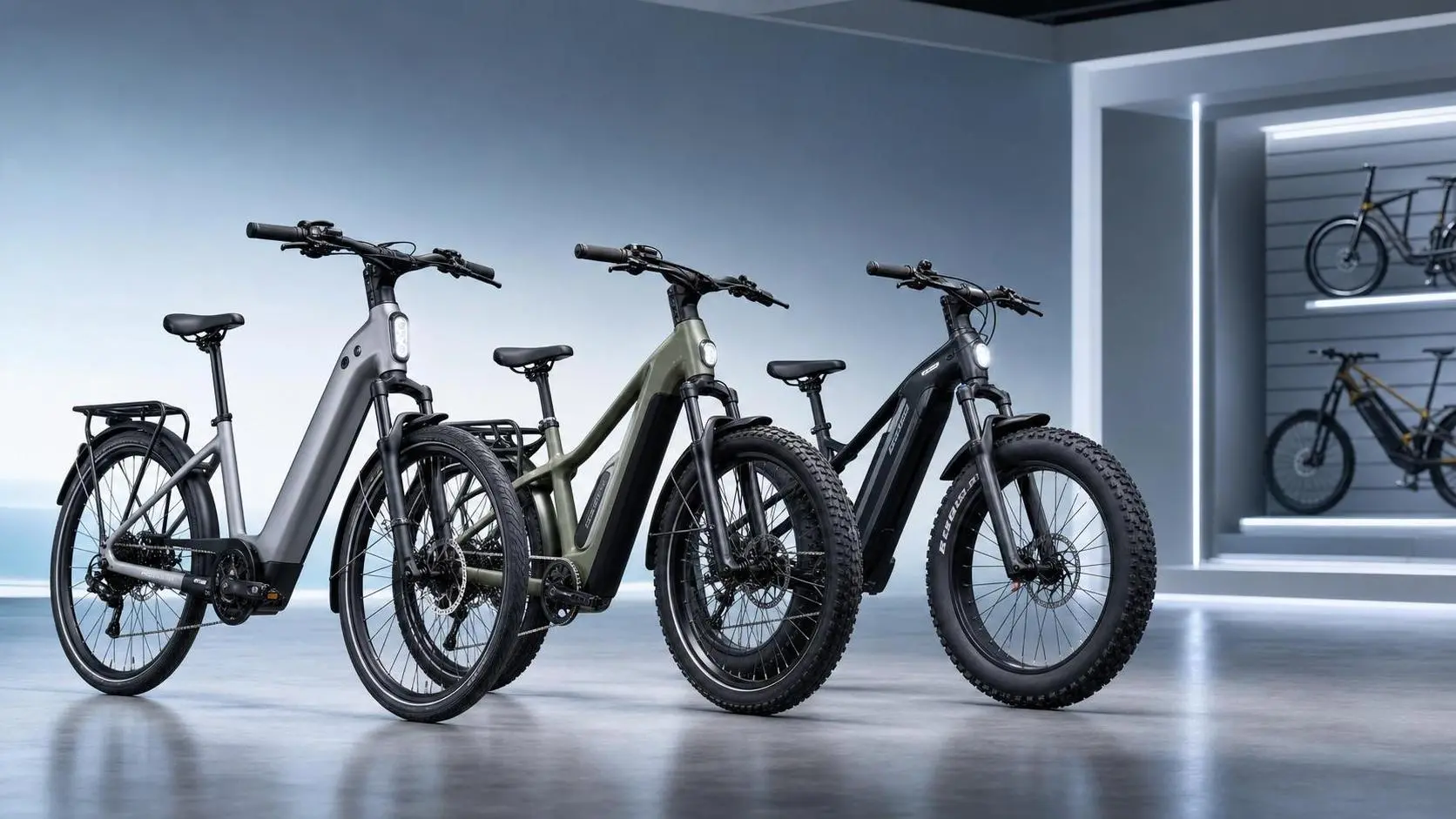
Ebike Market USA: What Dealers Should Know About Demand Shifts, Pricing, and Product Mix
ebike market USA is shifting fast. Discover how demand segmentation, pricing pressure, and smarter product mix decisions can help dealers protect margins and grow.
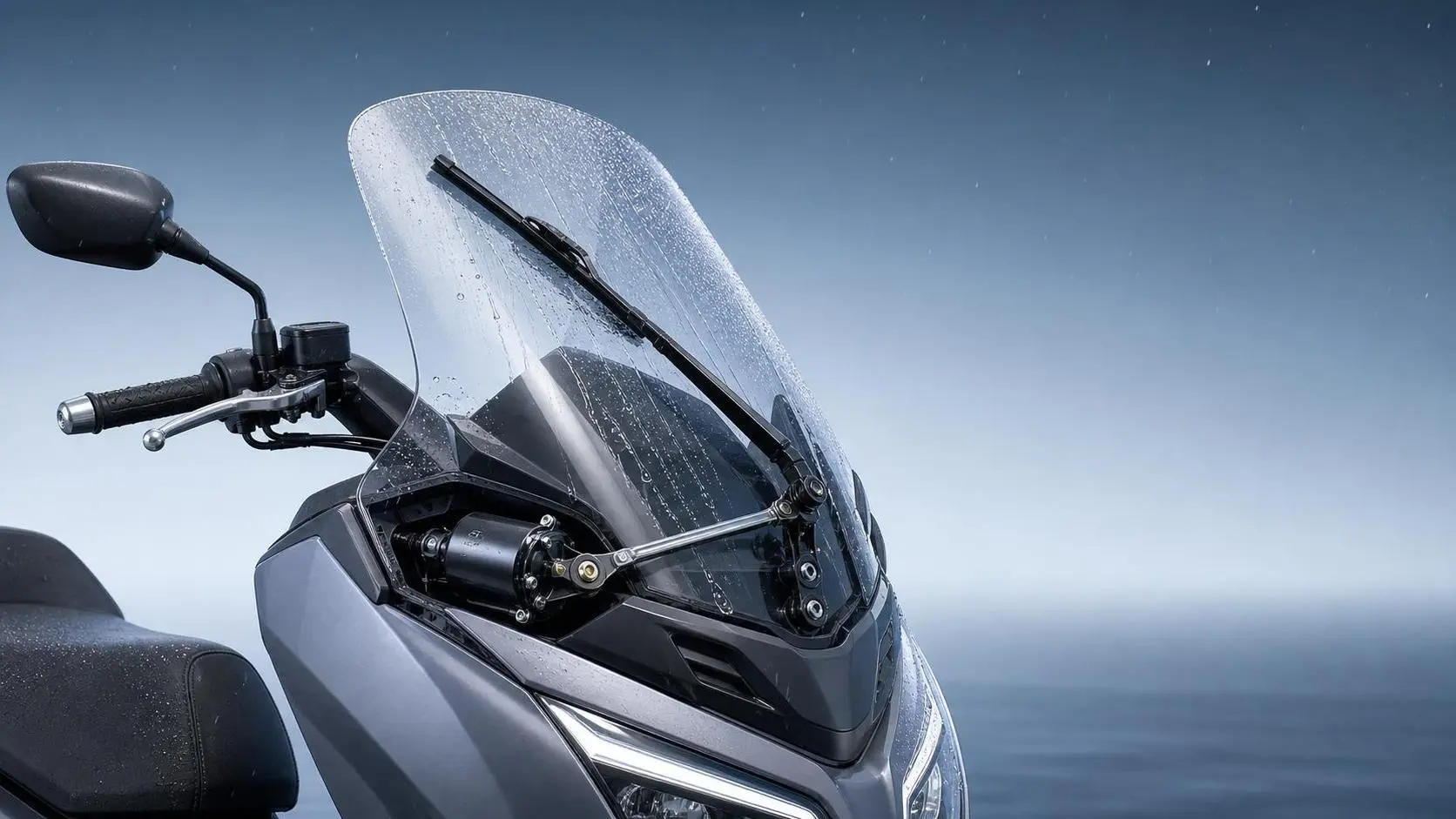
Wiper Systems for Scooters: Common Failure Points, Maintenance Tips, and Replacement Signs
Wiper systems for scooters: learn the most common failure points, smart maintenance tips, and clear replacement signs to improve visibility, reduce repeat repairs, and keep riders safer.
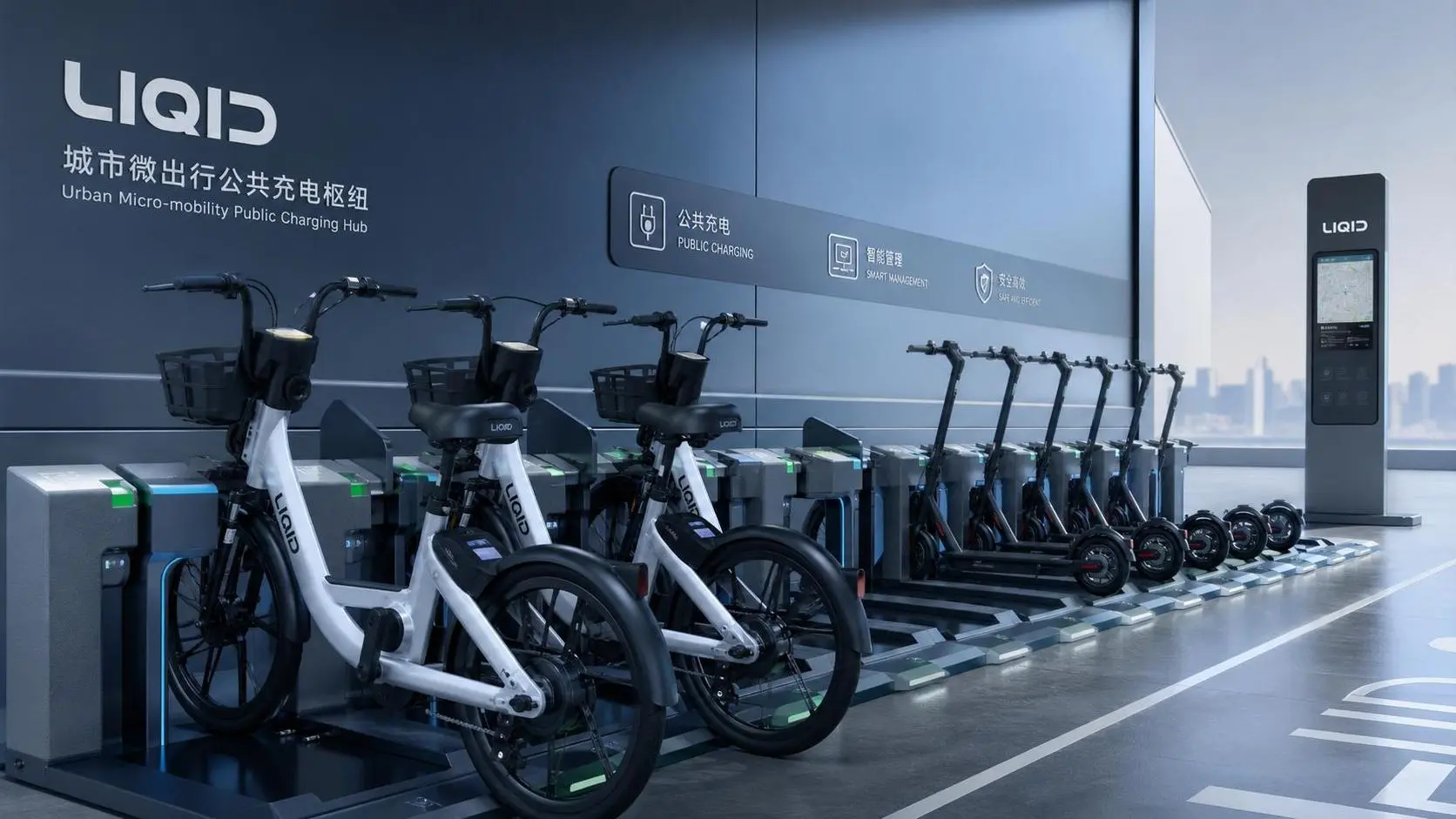
How to Choose Micro-Mobility Docking Stations for Shared Fleets and Public Charging Hubs
Micro-mobility docking stations: learn how to compare charging, locking, software, and site-fit factors to choose safer, smarter hubs for shared fleets and public use.
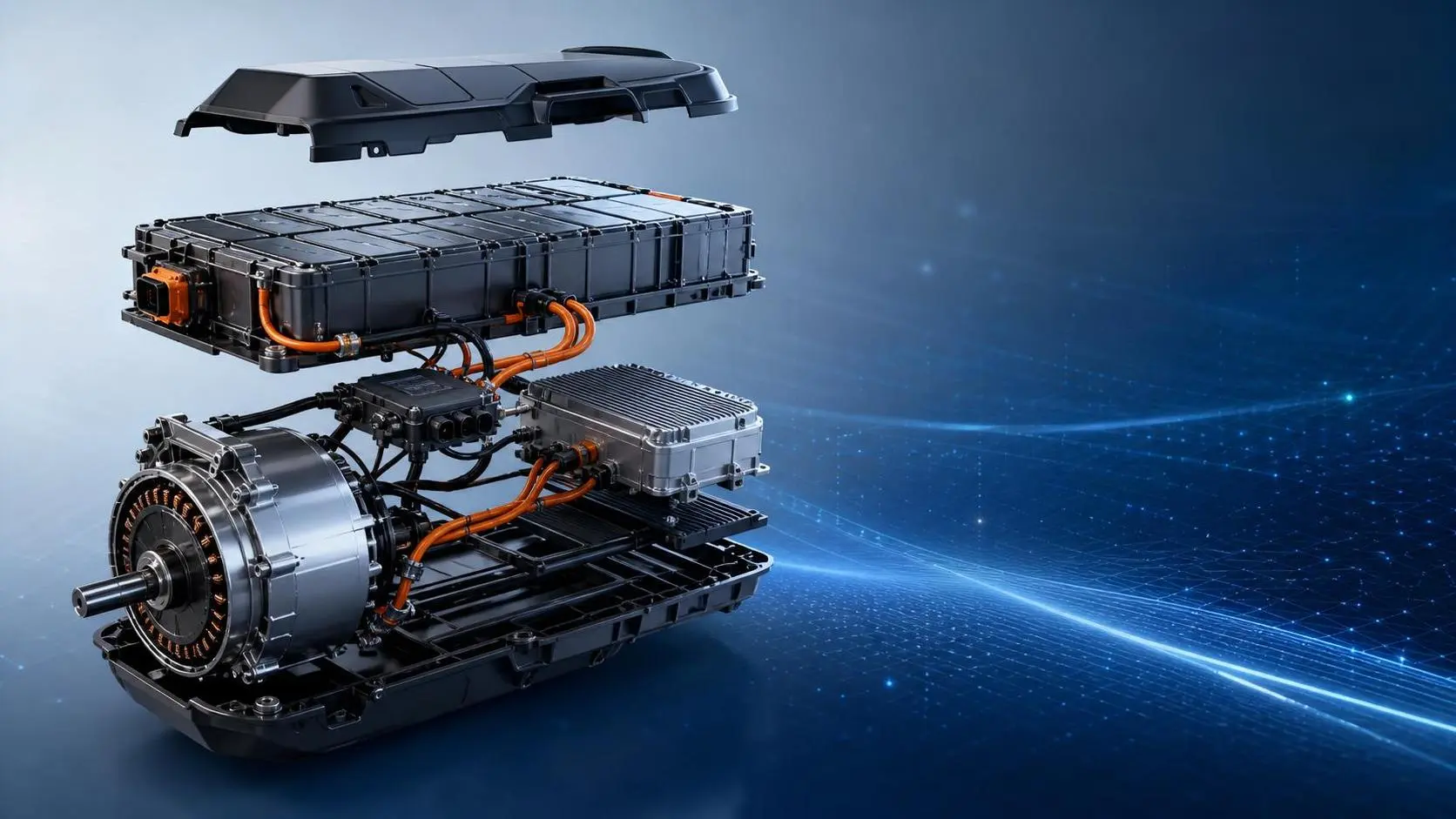
Powertrain Heat Management Explained: Key Design Factors for EV Efficiency and Battery Life
Powertrain heat management explained for EVs: discover how thermal design boosts efficiency, protects battery life, improves safety, and sustains real-world performance.
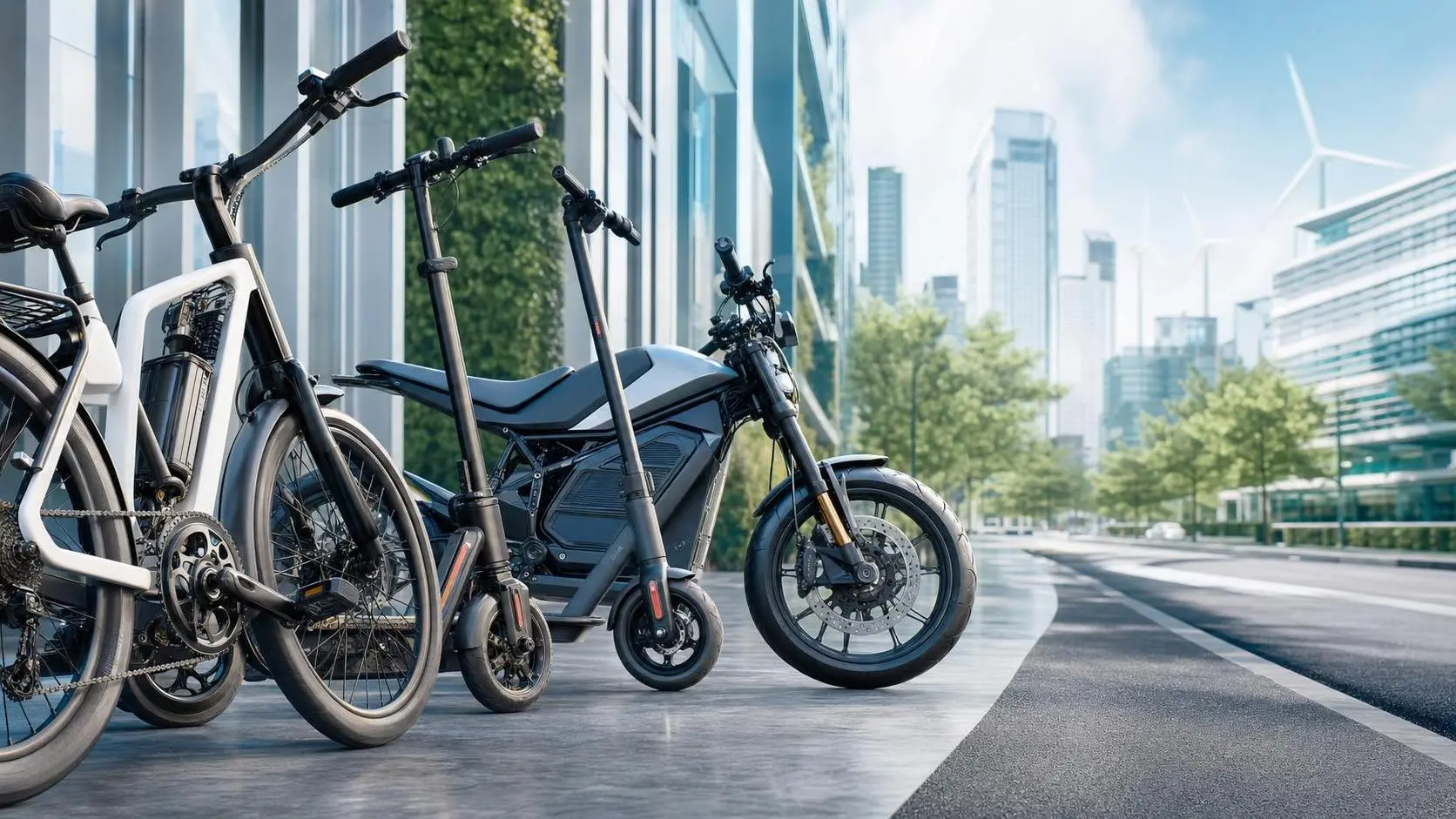
Urban Mobility Market Analysis: Demand Drivers, Policy Risks, and Revenue Models Compared
Urban mobility market analysis compares demand drivers, policy risks, and revenue models across e-bikes, scooters, and e-motorcycles to reveal where growth is durable.
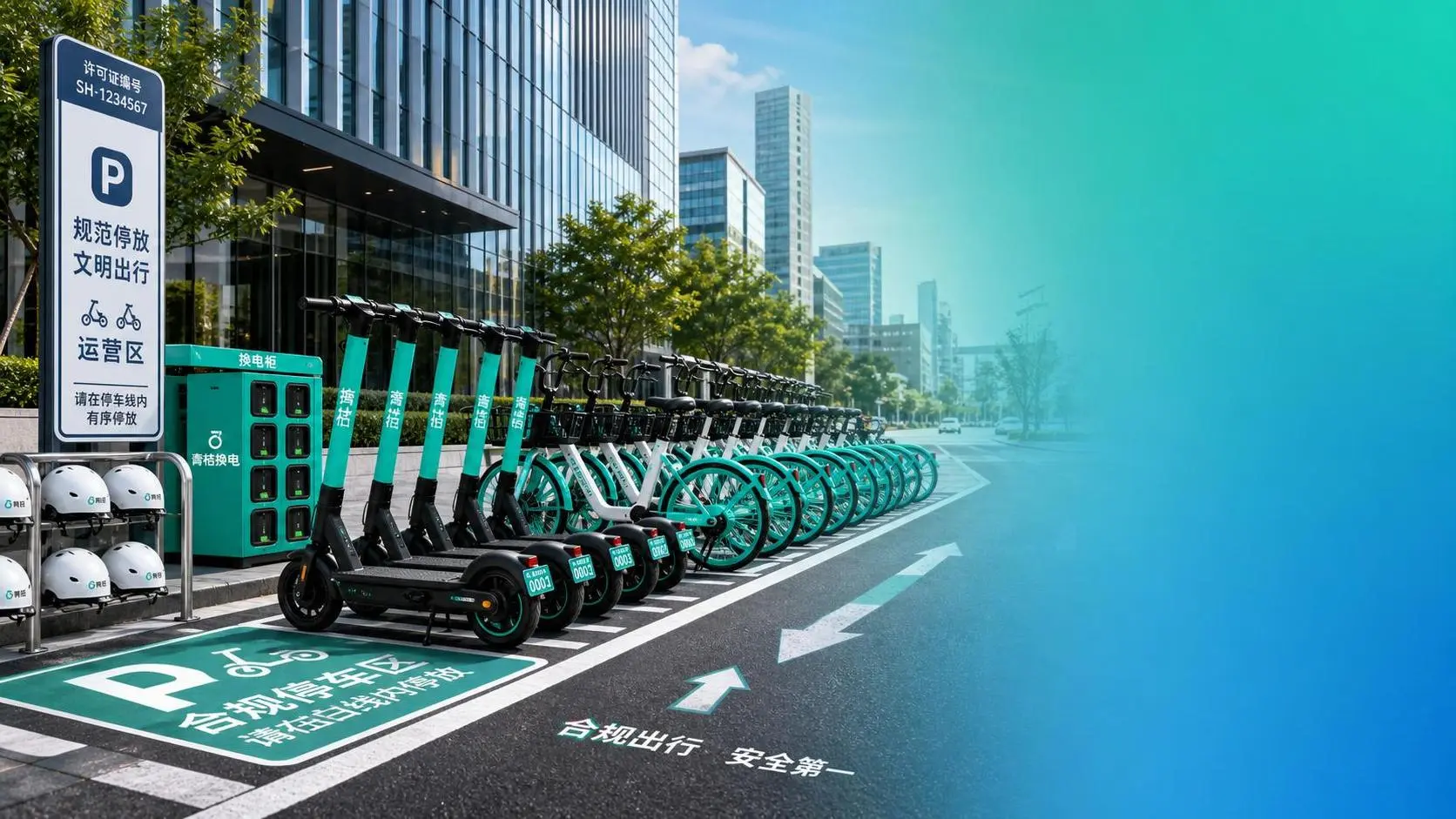
Shared Mobility Compliance Checklist: Permits, Safety Rules, and Fleet Data Requirements
Shared mobility compliance made simple: explore a practical checklist for permits, safety rules, and fleet data requirements to launch faster, reduce risk, and stay audit-ready.
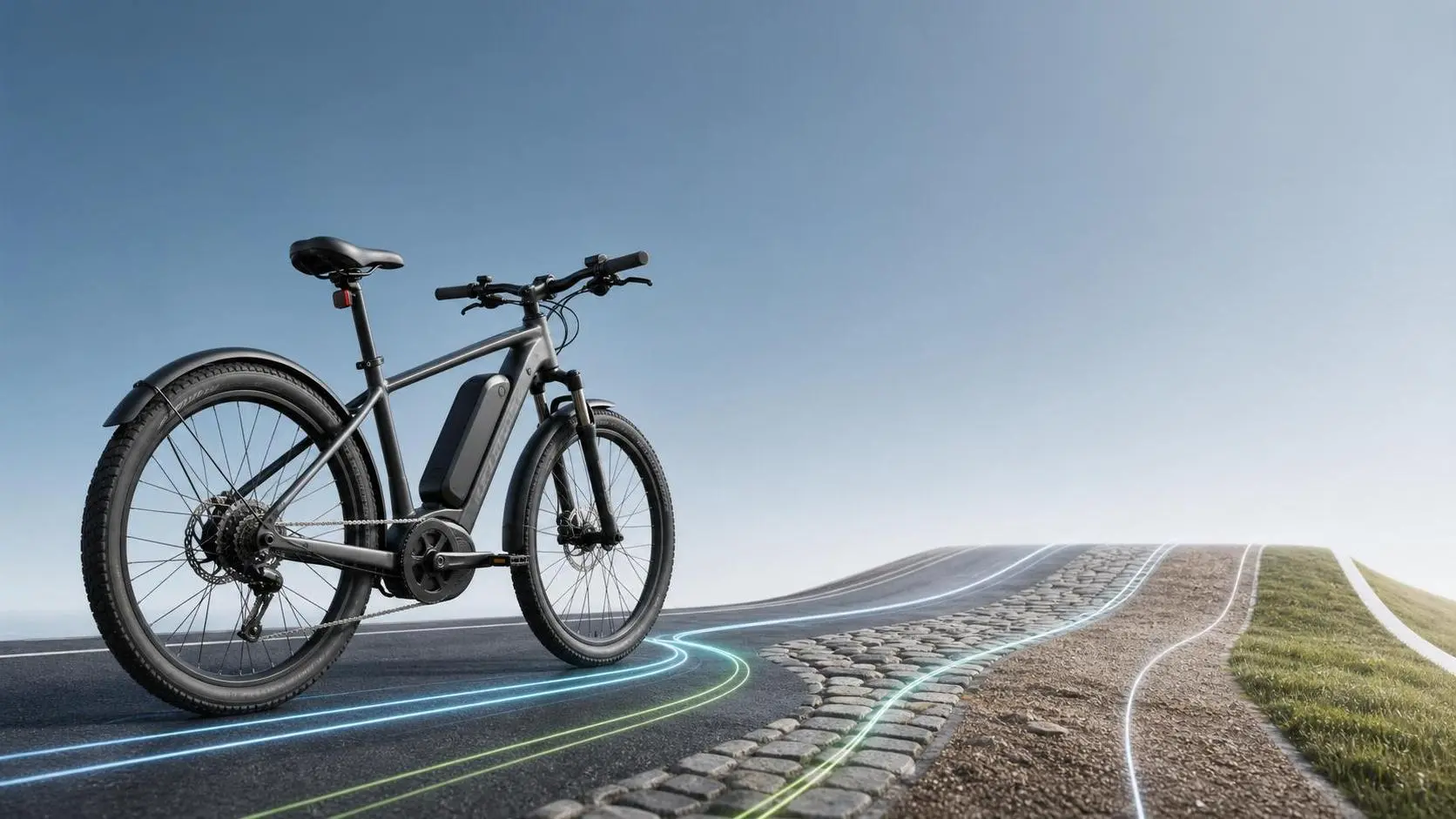
What Affects Ebike Energy Efficiency? Battery Size, Rider Weight, Terrain, and Speed
Ebike energy efficiency explained: learn how battery size, rider weight, terrain, and speed shape real-world range, lower Wh/km, and smarter buying or commuting decisions.
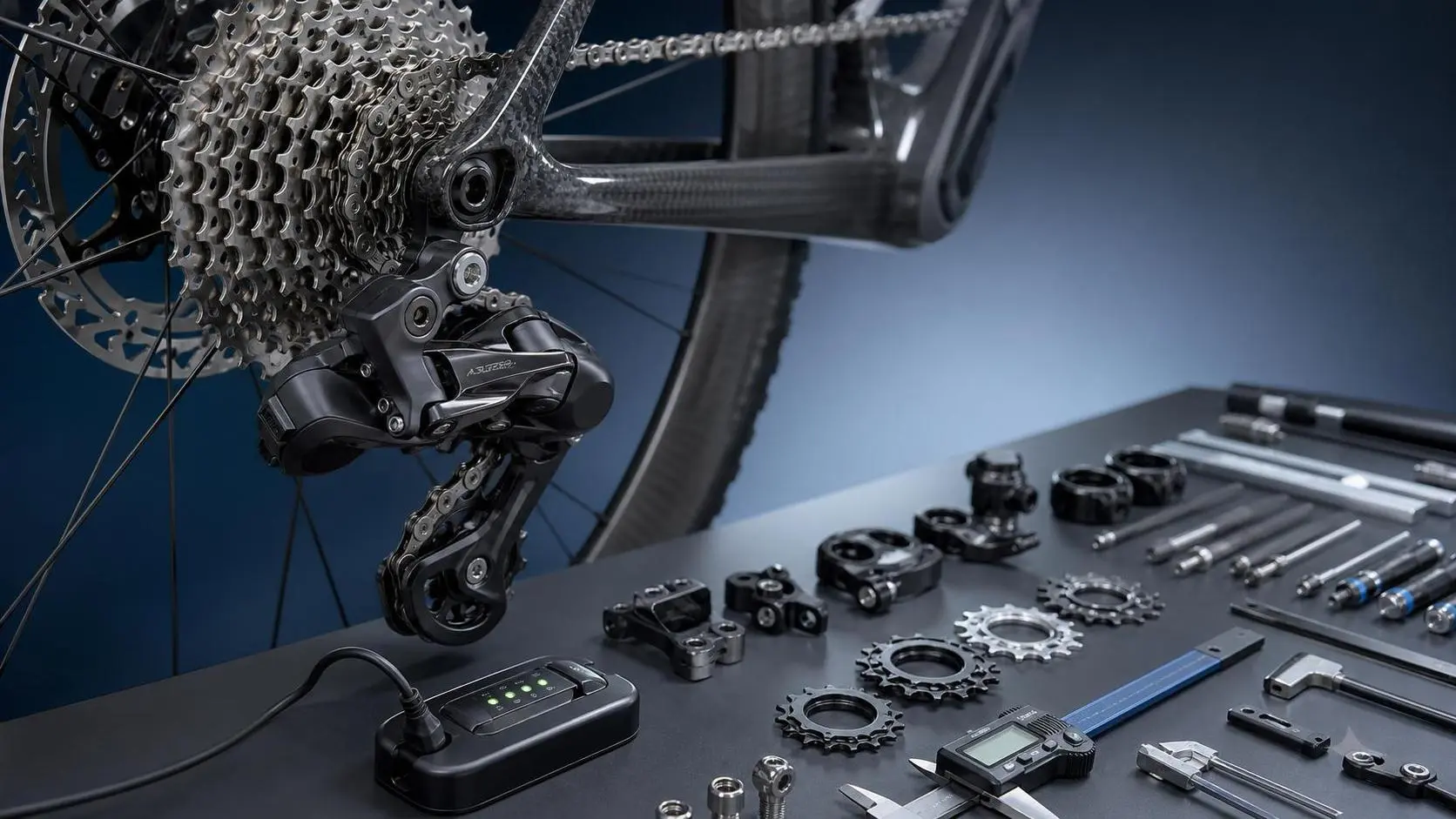
Wireless Electronic Shifting in North America: Compatibility, Standards, and Upgrade Limits
Wireless electronic shifting North America explained: compare compatibility, FCC/ISED standards, retrofit limits, and upgrade risks before choosing the right platform.