
Related News
- 00
0000-00
Urban Mobility Market Analysis: Demand Drivers, Policy Risks, and Revenue Models Compared - 00
0000-00
What Affects Urban Traffic Innovation Price in Smart City Transport Projects? - 00
0000-00
How to Evaluate a Battery Management Systems Exporter for Quality, Compliance, and Support - 00
0000-00
What Drives Urban Mobility Adoption in Congested Cities: Cost, Convenience, and Policy - 00
0000-00
How to Verify Micro Mobility Technical Credibility Before Supplier Approval
Ms. Elena Rodriguez
Weekly Insights
Stay ahead with our curated technology reports delivered every Monday.
Electric Scooter Market Outlook 2026: Margin Risks and Growth Pockets





The electric scooter market is entering 2026 with a sharper divide between volume growth and profit sustainability. For financial decision-making, the real issue is no longer headline demand. It is identifying where policy support, pricing discipline, battery economics, and fleet utilization can still protect returns. This outlook focuses on the signals that matter for more disciplined capital allocation across urban micro-mobility.
Why the Electric Scooter Market Needs a Checklist View in 2026
The electric scooter market now looks healthy on the surface, but the underlying economics are uneven. Unit expansion is still visible in many cities, yet gross margins remain exposed to discounting, compliance costs, and battery price volatility.
A checklist approach helps separate revenue momentum from durable value creation. It also reduces the risk of overestimating markets where regulations change faster than infrastructure, or where shared mobility growth hides weak asset productivity.
For a platform like UMMS, which tracks electrified two-wheel mobility, this discipline matters because the electric scooter market is shaped by overlapping forces: urban policy, component supply, software integration, and user behavior.
Core Checklist for Reading the Electric Scooter Market Outlook 2026
- Map regional policy stability before projecting growth, because incentives, speed limits, parking rules, and fleet caps can rapidly reset demand assumptions and operating economics.
- Track battery cost direction by chemistry and sourcing region, since margin pressure often starts upstream long before it appears in retail pricing or fleet replacement budgets.
- Measure utilization instead of registrations, because low ride frequency, weak daily mileage, and poor charging efficiency can undermine the apparent scale of the electric scooter market.
- Compare premiumization potential across segments, including commuter scooters, connected fleets, and performance models, to identify where price realization can offset compliance and warranty costs.
- Audit channel structure carefully, because direct-to-consumer, distributor-led, and fleet procurement models carry different working capital cycles, return rates, and aftersales burdens.
- Review localization depth in assembly and servicing, since tariff exposure and spare-parts delays can erase margin gains even in otherwise fast-growing electric scooter market regions.
- Stress-test software value claims, especially around IoT, geofencing, and diagnostics, because connected features improve economics only when they reduce theft, downtime, or maintenance events.
- Examine safety and certification readiness, as fire standards, battery transport rules, and urban insurance requirements are becoming stronger barriers to profitable expansion.
Where Growth Pockets Still Look Attractive
Europe: Regulated Demand with Better Pricing Discipline
Europe remains one of the most credible growth pockets in the electric scooter market. Urban congestion, carbon targets, and consumer familiarity with light electric vehicles continue to support adoption.
The stronger opportunity is not universal volume. It lies in cities and countries with stable rules on parking, road access, and battery safety. These markets usually reward better engineering, certified components, and higher aftersales reliability.
Southeast Asia: Scale Potential with Cost Sensitivity
Southeast Asia offers compelling upside where two-wheeler culture is already embedded. The electric scooter market here benefits from dense cities, rising fuel awareness, and digital payment ecosystems.
However, margin resilience is harder to secure. Price competition is intense, infrastructure quality varies, and battery replacement economics can become the central adoption hurdle. Growth is real, but returns depend on local fit.
North America: Selective Opportunity over Broad Expansion
North America is less uniform. The electric scooter market is shaped by city-level regulation, seasonal use patterns, and fragmented infrastructure. Personal ownership may outperform some shared fleet models in selected urban corridors.
The best prospects are likely in premium commuter products, campus mobility, and integrated smart-city pilots. Broad geographic expansion without service density remains risky.
Margin Risks That Deserve Closer Attention
Battery and Powertrain Cost Drift
Battery prices may moderate, but cost stability is not guaranteed. Raw material swings, shipping changes, and safety redesigns can all affect the landed cost structure of the electric scooter market.
Compliance Inflation
Regulatory compliance is becoming more expensive. Testing, certification, recycling obligations, and software traceability requirements can raise fixed costs, especially for companies chasing multiple jurisdictions at once.
Aftermarket and Warranty Leakage
Warranty claims often expand after fast scaling. Weak water resistance, controller failures, or battery degradation can turn profitable units into costly liabilities. In the electric scooter market, quality issues usually appear after sales growth, not before.
Price Wars in Mid-Tier Segments
Mid-range scooters remain exposed to commoditization. When too many brands chase similar specifications, discounting accelerates and channel inventory becomes harder to clear without margin sacrifice.
Commonly Overlooked Signals in the Electric Scooter Market
- Watch spare-parts availability, because service delays reduce user satisfaction and increase replacement pressure faster than many revenue models assume.
- Check charger and connector standardization, since fragmented hardware ecosystems create hidden support costs and reduce fleet interchangeability.
- Assess weather durability by market, because rain, heat, and vibration profiles materially change maintenance cycles and insurance outcomes.
- Review urban theft exposure, as anti-theft software only creates value when it lowers recovery losses and claims frequency.
- Test battery second-life and recycling pathways, because end-of-life handling is moving from branding issue to financial and regulatory obligation.
Practical Execution Priorities for 2026
First, build market forecasts from city-level operating reality rather than national demand narratives. The electric scooter market is increasingly local in regulation, utilization, and service economics.
Second, tie growth assumptions to component resilience. UMMS tracking across micro-mobility categories shows that drivetrain efficiency, thermal management, and battery integrity increasingly decide commercial durability.
Third, favor operating models that can prove lifecycle value. That means lower maintenance intervals, stronger IP ratings, better diagnostics, and more disciplined parts support.
Fourth, separate connected features from real monetization. Smart functions matter when they cut downtime, improve route compliance, or raise retention. Cosmetic connectivity rarely protects margins.
Finally, benchmark the electric scooter market against adjacent two-wheel segments. In some cases, e-bikes or light e-motorcycles may deliver better economics where use cases, regulation, and charging behavior align more clearly.
Conclusion and Action Guide
The 2026 electric scooter market outlook is not a simple growth story. It is a selective allocation story shaped by regional policy quality, battery cost control, compliance readiness, and service execution.
The strongest opportunities sit where urban need meets operational discipline. The weakest positions will likely be those chasing volume without pricing power, certification depth, or lifecycle support.
Use the checklist above to rank markets by margin durability, not just demand momentum. Then update assumptions quarterly using policy changes, battery cost signals, and utilization data. In the electric scooter market, resilient returns will come from precision, not optimism.
Related News

Flat Wiper Blades Wholesale Buying Guide: MOQ, Rubber Quality, Fitment, and Supplier Checks
Flat wiper blades wholesale buying guide covering MOQ, rubber quality, fitment accuracy, and supplier checks to reduce risk, improve margins, and choose reliable bulk partners.
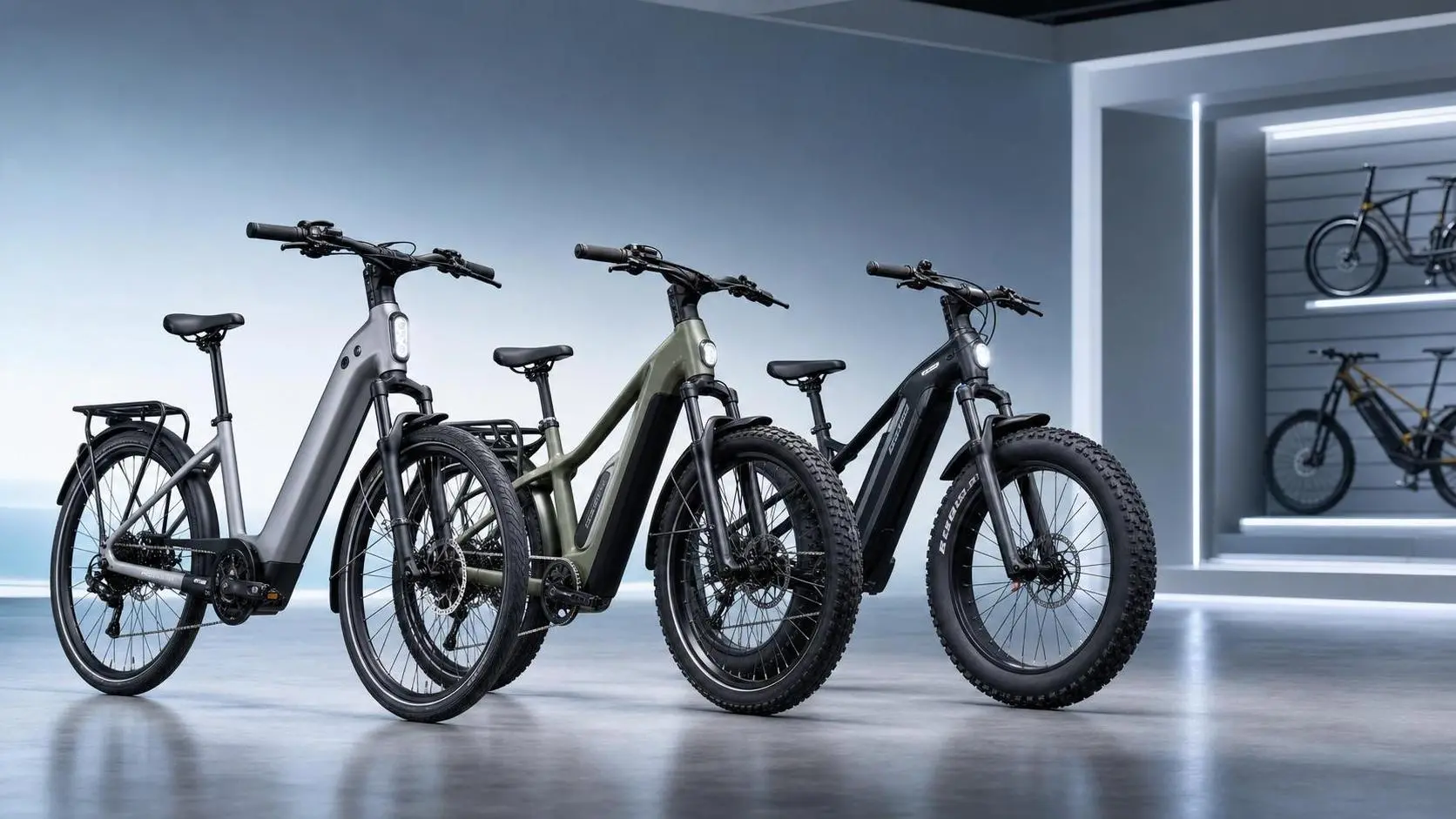
Ebike Market USA: What Dealers Should Know About Demand Shifts, Pricing, and Product Mix
ebike market USA is shifting fast. Discover how demand segmentation, pricing pressure, and smarter product mix decisions can help dealers protect margins and grow.
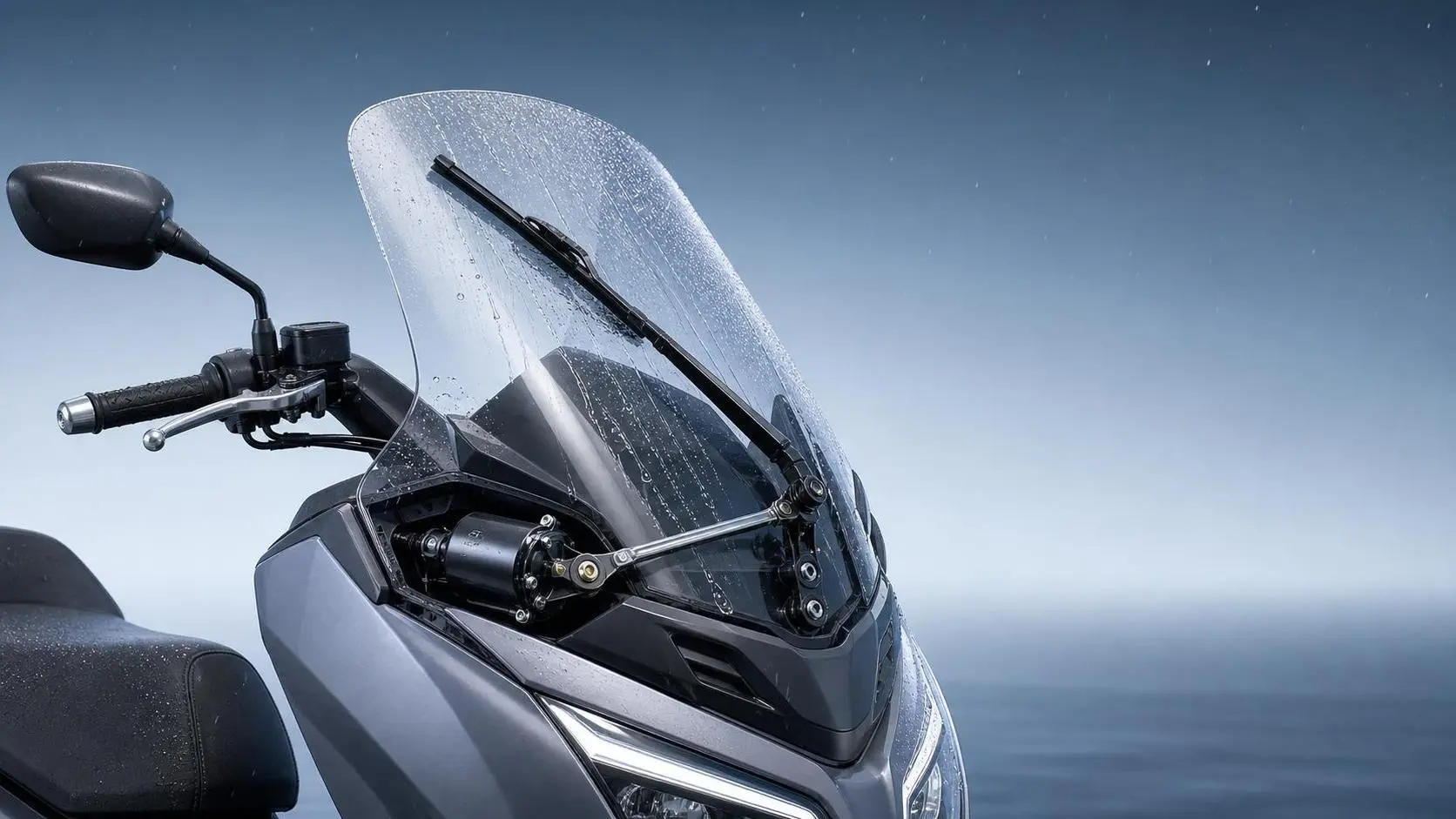
Wiper Systems for Scooters: Common Failure Points, Maintenance Tips, and Replacement Signs
Wiper systems for scooters: learn the most common failure points, smart maintenance tips, and clear replacement signs to improve visibility, reduce repeat repairs, and keep riders safer.
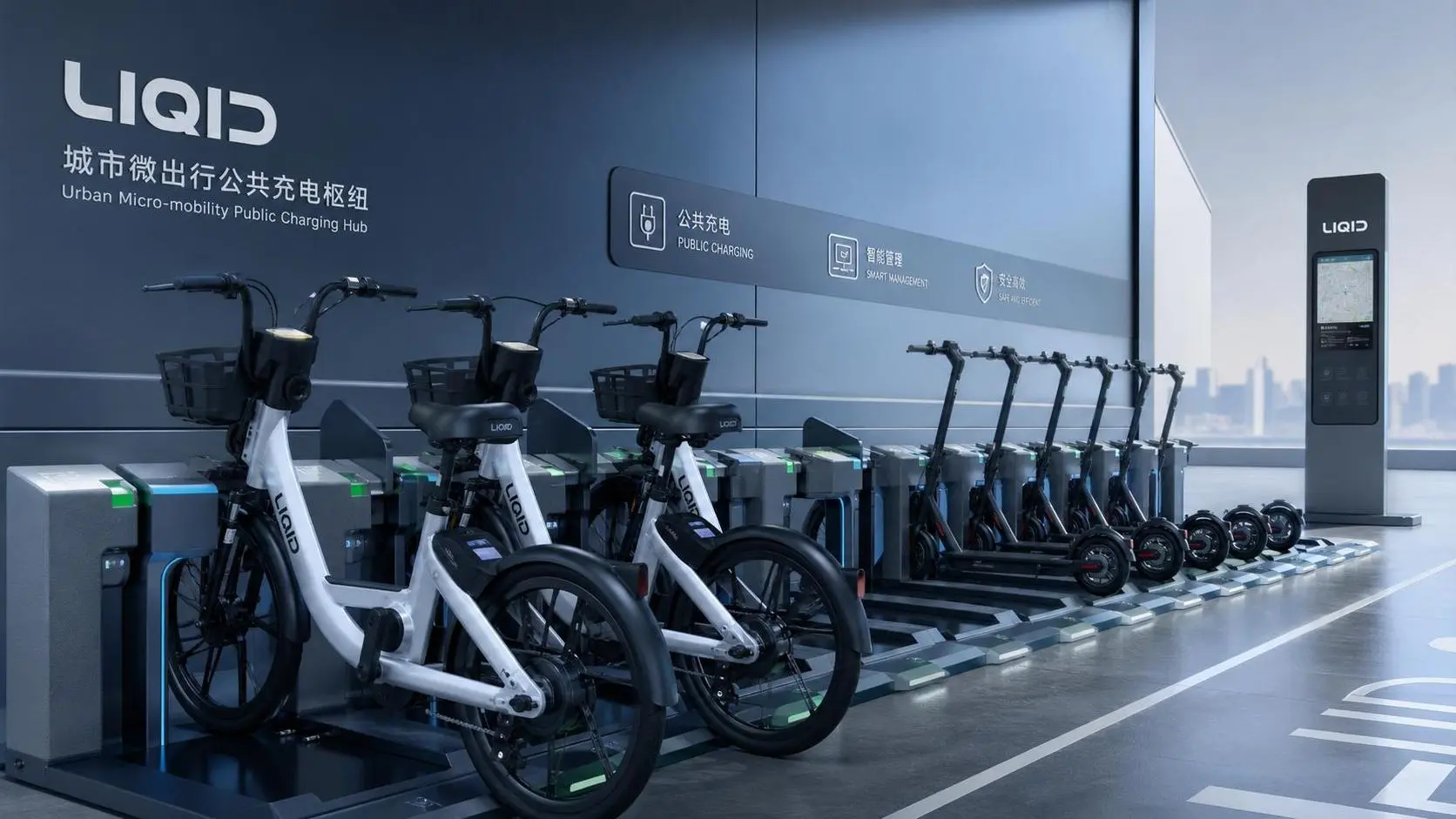
How to Choose Micro-Mobility Docking Stations for Shared Fleets and Public Charging Hubs
Micro-mobility docking stations: learn how to compare charging, locking, software, and site-fit factors to choose safer, smarter hubs for shared fleets and public use.

Powertrain Heat Management Explained: Key Design Factors for EV Efficiency and Battery Life
Powertrain heat management explained for EVs: discover how thermal design boosts efficiency, protects battery life, improves safety, and sustains real-world performance.
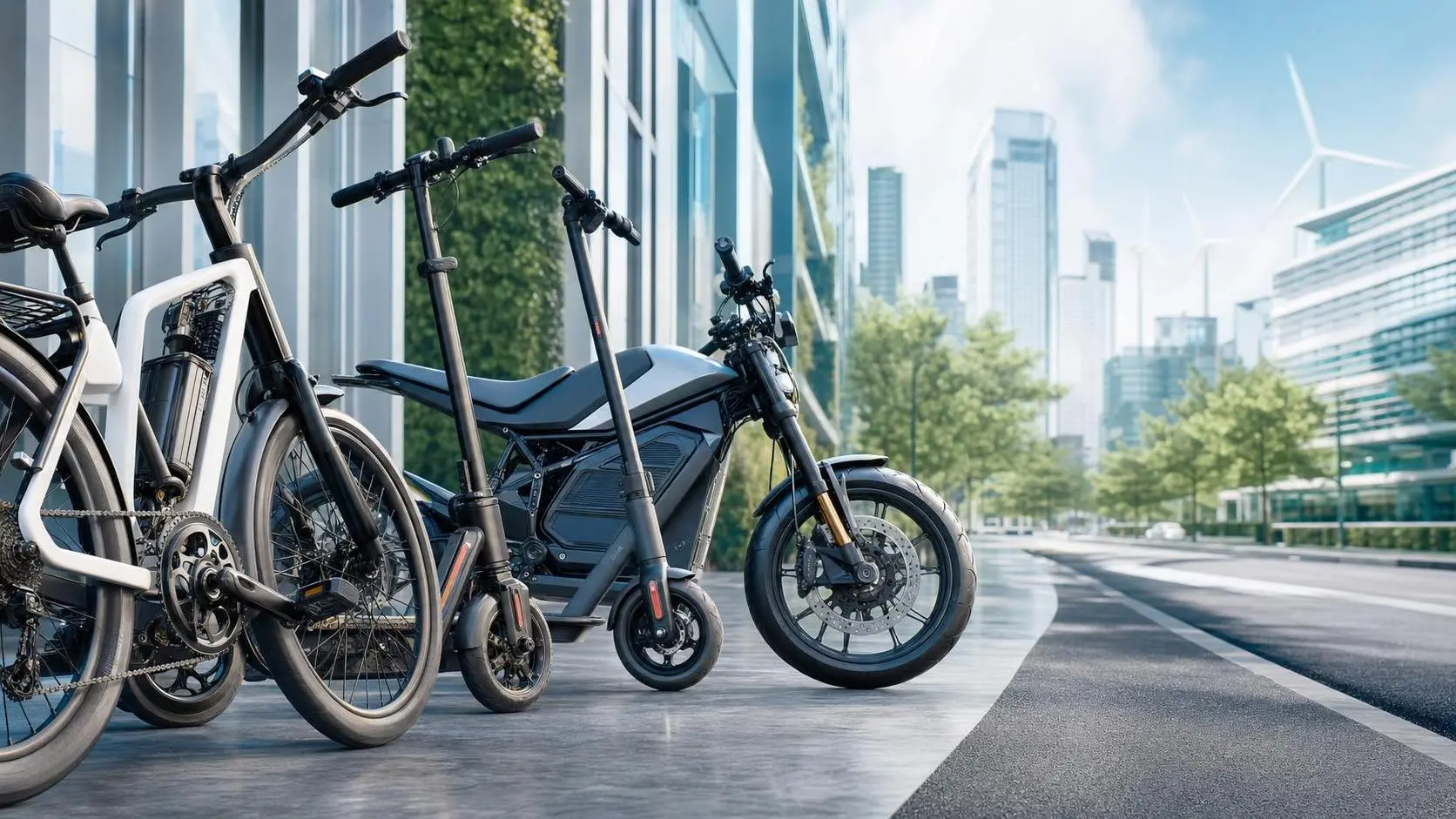
Urban Mobility Market Analysis: Demand Drivers, Policy Risks, and Revenue Models Compared
Urban mobility market analysis compares demand drivers, policy risks, and revenue models across e-bikes, scooters, and e-motorcycles to reveal where growth is durable.

Shared Mobility Compliance Checklist: Permits, Safety Rules, and Fleet Data Requirements
Shared mobility compliance made simple: explore a practical checklist for permits, safety rules, and fleet data requirements to launch faster, reduce risk, and stay audit-ready.
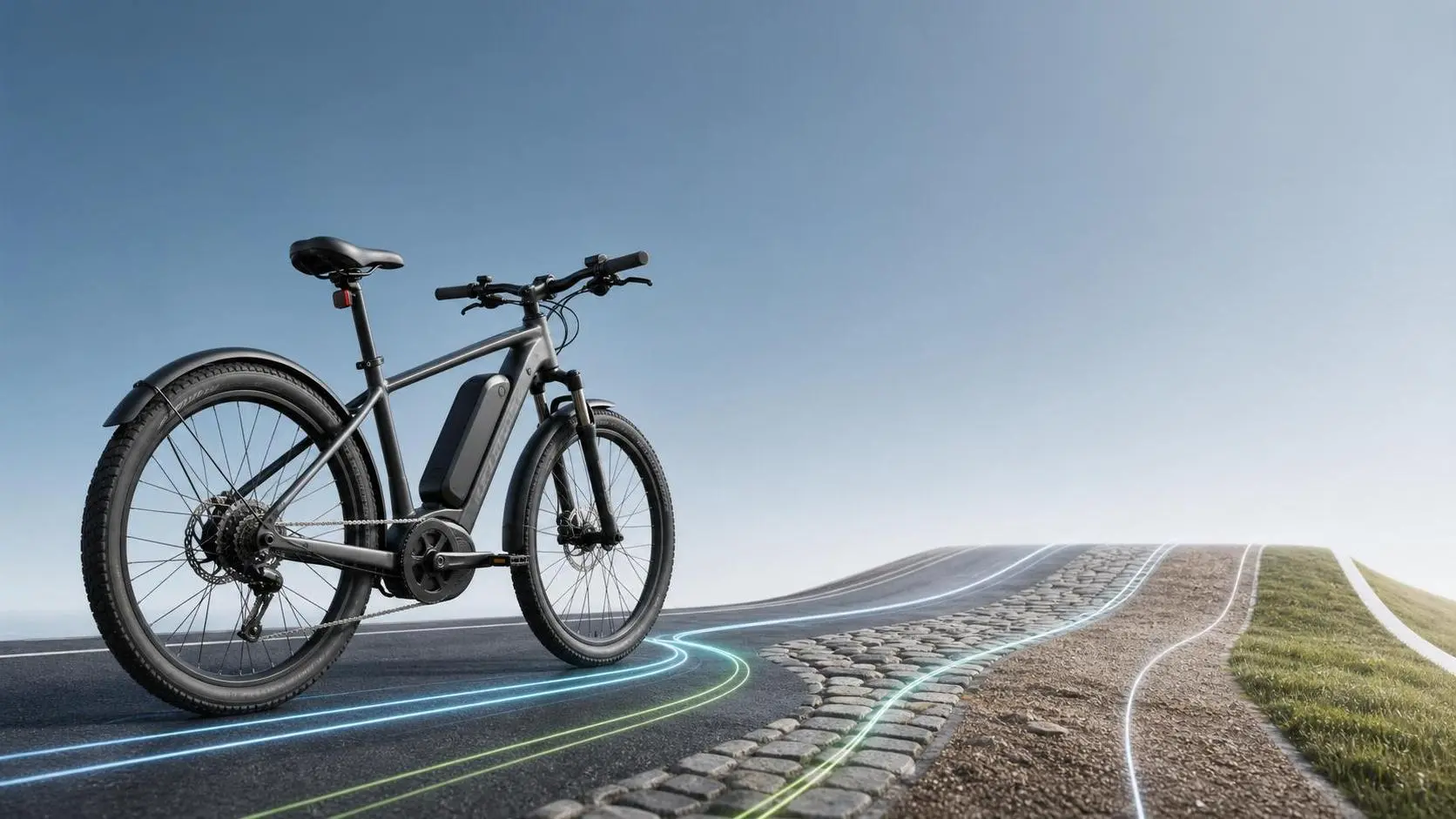
What Affects Ebike Energy Efficiency? Battery Size, Rider Weight, Terrain, and Speed
Ebike energy efficiency explained: learn how battery size, rider weight, terrain, and speed shape real-world range, lower Wh/km, and smarter buying or commuting decisions.
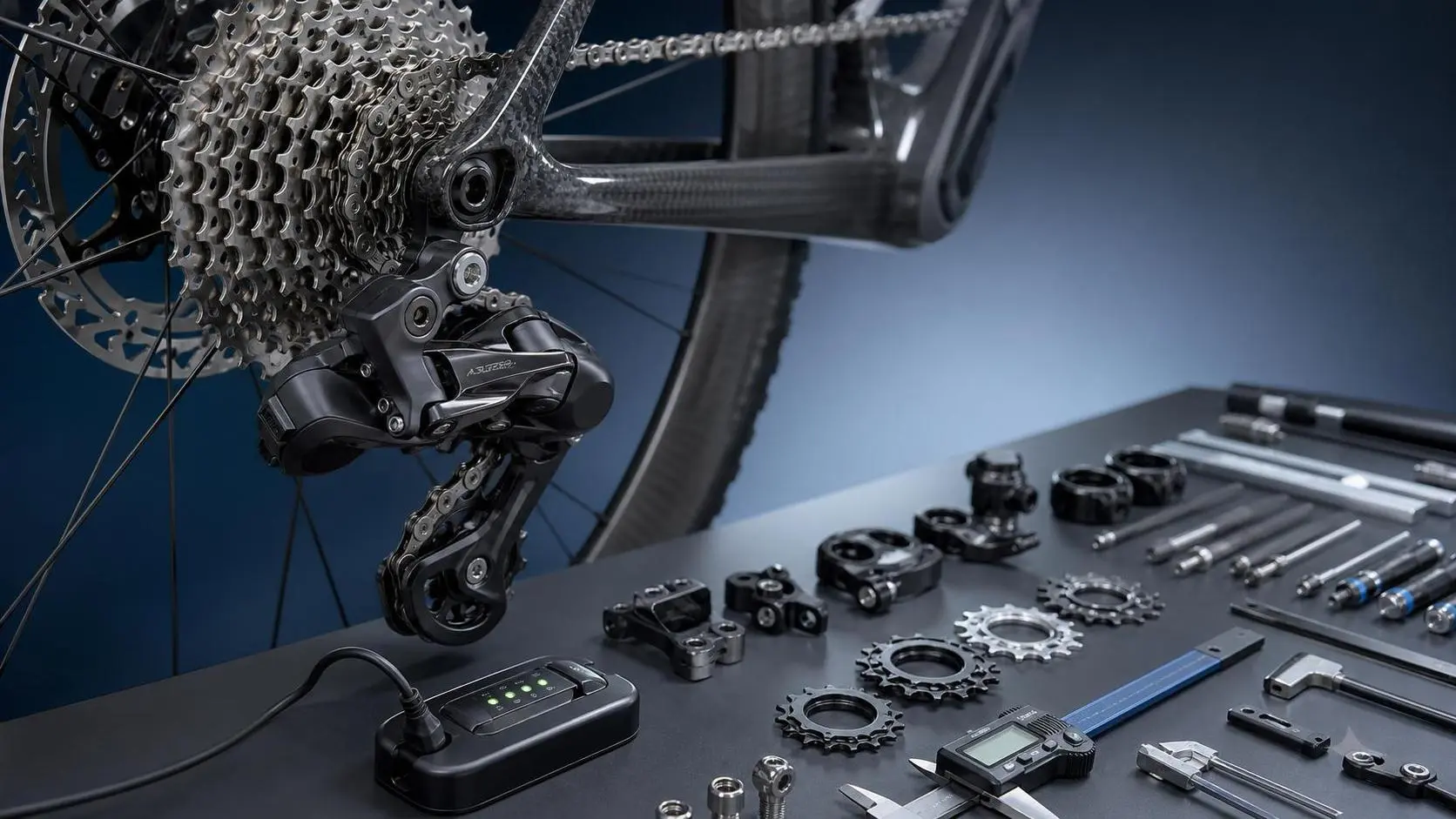
Wireless Electronic Shifting in North America: Compatibility, Standards, and Upgrade Limits
Wireless electronic shifting North America explained: compare compatibility, FCC/ISED standards, retrofit limits, and upgrade risks before choosing the right platform.