Why Global Expansion Strategies Fail When Local Demand Is Misread
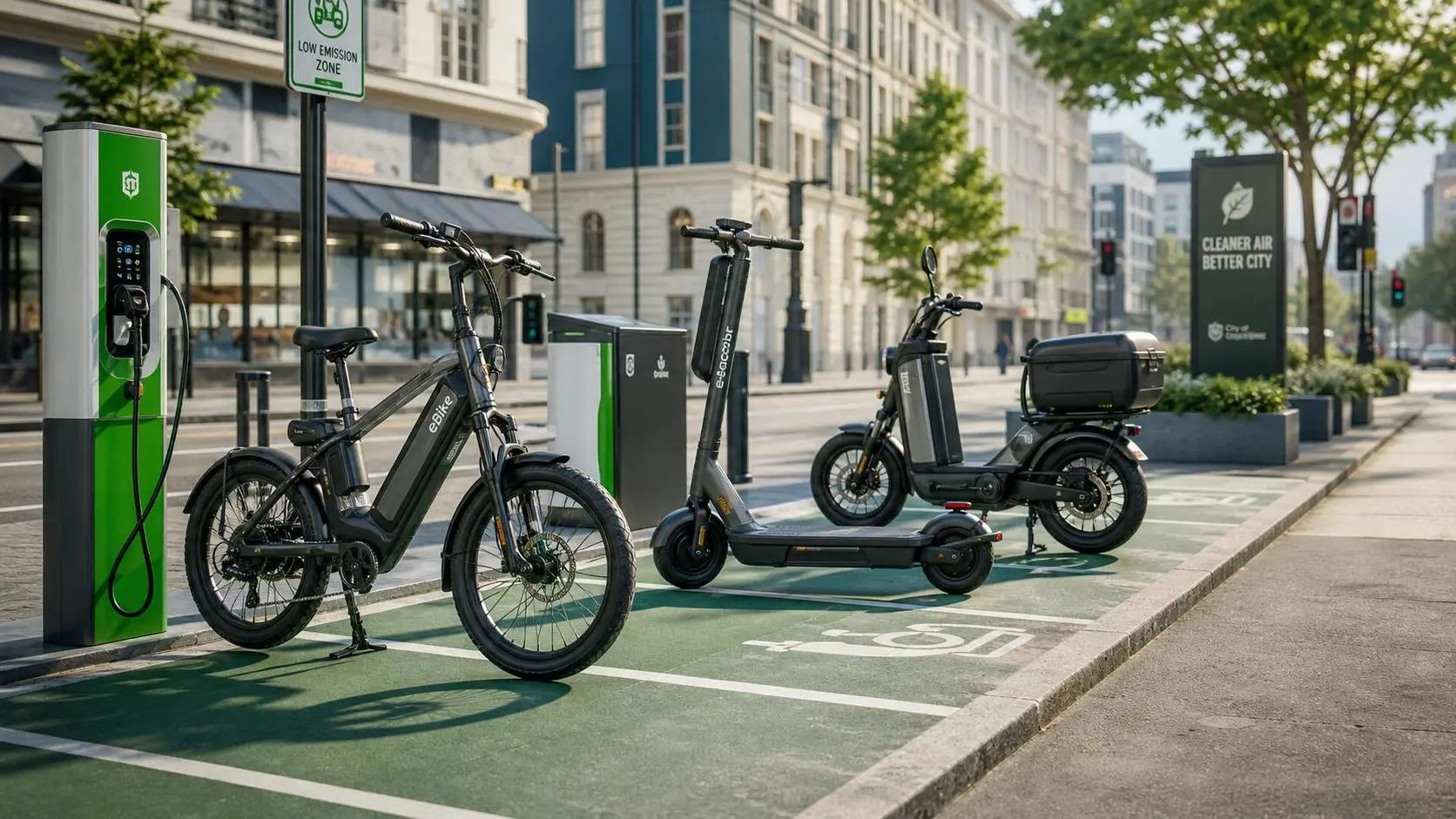
A global expansion strategy can unlock scale, but in micro-mobility it can also fail when local demand, regulations, infrastructure, and rider behavior are misread.
For decision makers in e-bikes, smart e-scooters, high-speed e-motorcycles, wiper systems, and precision bicycle components, growth requires more than market entry.
International success now depends on intelligence-led localization, technical credibility, and alignment with each city’s mobility pain points, safety standards, and subsidy signals.
What decision makers are really trying to understand
Executives searching for a global expansion strategy are rarely looking for theory. They want to know where expansion can produce profitable demand.
They also want to identify which markets will drain capital through unsuitable products, slow certification, weak channels, or misunderstood user expectations.
In micro-mobility, the central question is not whether demand exists globally. The question is whether demand exists locally, specifically, and profitably.
A scooter that succeeds in Paris may struggle in a hilly Asian city. An e-bike popular in Germany may fail in warmer, theft-sensitive markets.
Decision makers therefore need a practical way to connect product architecture, policy conditions, infrastructure maturity, and rider economics before committing resources.
The core risk: confusing global trends with local purchasing reasons
The global trend toward electrified two-wheelers is real. Congestion, emissions rules, fuel prices, and urban density all support long-term micro-mobility adoption.
However, these forces do not create identical buying behavior across cities. Local riders purchase based on roads, weather, income, storage, safety, and service access.
A global expansion strategy fails when headquarters treats market demand as a spreadsheet total rather than a set of specific mobility problems.
For example, commuter e-bike buyers may prioritize range and theft resistance. Delivery riders may care more about battery swapping and frame durability.
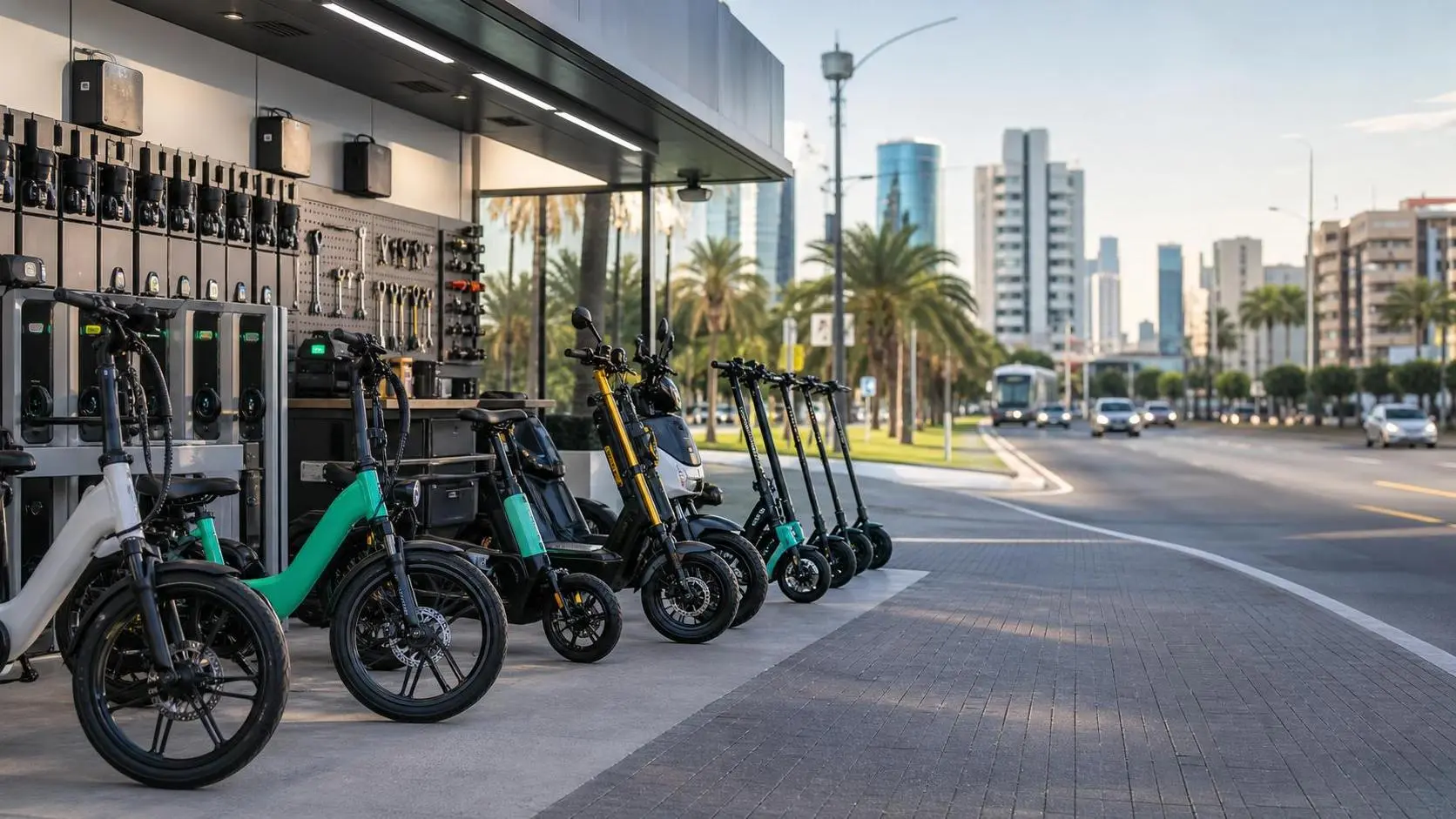
Shared e-scooter operators may value IoT reliability, vandal resistance, and fleet maintenance costs more than consumer-facing design or maximum speed.
High-speed e-motorcycle customers may compare acceleration and charging availability against gasoline motorcycles, not against lightweight scooters or leisure e-bikes.
Why standard market entry playbooks are not enough
Traditional expansion playbooks often emphasize distributor selection, pricing bands, competitor mapping, and regulatory registration. These remain useful, but insufficient.
Micro-mobility products operate inside city systems. Their success depends on roads, parking rules, battery policies, service networks, and public tolerance.
A company can appoint a strong distributor and still fail if the product violates local right-of-way rules or lacks required safety certification.
It can offer attractive pricing and still lose if riders cannot charge conveniently, secure the vehicle safely, or find replacement components quickly.
That is why expansion should begin with mobility system intelligence, not only sales-channel planning. The product must fit the city’s operating reality.
Start with demand diagnosis before choosing the market
The first decision is not which country looks largest. It is which local demand pattern your technology can serve better than alternatives.
For e-bikes, examine commuter distance, cycling culture, subsidy access, terrain, theft rates, and legal limits on motor assistance and speed.
For smart e-scooters, assess road surface quality, sidewalk enforcement, fleet parking rules, IoT connectivity stability, and municipal attitudes toward shared mobility.
For high-speed e-motorcycles, study motorcycle commuting habits, license requirements, battery-swapping feasibility, charging density, and total ownership cost versus internal combustion models.
For bicycle derailleur components, evaluate premium cycling segments, repair ecosystems, weather exposure, racing culture, and willingness to pay for electronic shifting.
For wiper systems, demand depends on vehicle categories, climate severity, visibility regulations, OEM qualification cycles, and expectations for noise, durability, and efficiency.
Regulation can create demand, but it can also destroy timing
Subsidies, emissions targets, and low-emission zones can accelerate adoption. Yet regulation can also delay entry, raise costs, or force redesign.
Decision makers should distinguish between supportive policy headlines and executable policy details. A subsidy is valuable only if buyers can actually access it.
Speed limits, helmet rules, battery transport standards, road permissions, and data requirements can change the economics of entire product categories.
Shared scooter businesses are especially exposed. A city may welcome pilots, then restrict fleet sizes, parking zones, or operating permits after complaints.
For component suppliers, certification timelines may determine whether a market is commercially attractive. Late approval can mean missing an OEM platform cycle.
A strong global expansion strategy therefore builds regulatory intelligence into product planning, pricing, launch timing, and after-sales readiness from the beginning.
Infrastructure determines whether users can adopt your product
Demand cannot be separated from infrastructure. Riders may like an electric vehicle concept but reject it if daily use feels inconvenient or risky.
Protected lanes, charging points, parking availability, road gradients, rain frequency, and maintenance shops all shape the real addressable market.
A premium e-bike may fit a subsidy-rich market, but poor bicycle parking can suppress adoption among apartment dwellers and office commuters.
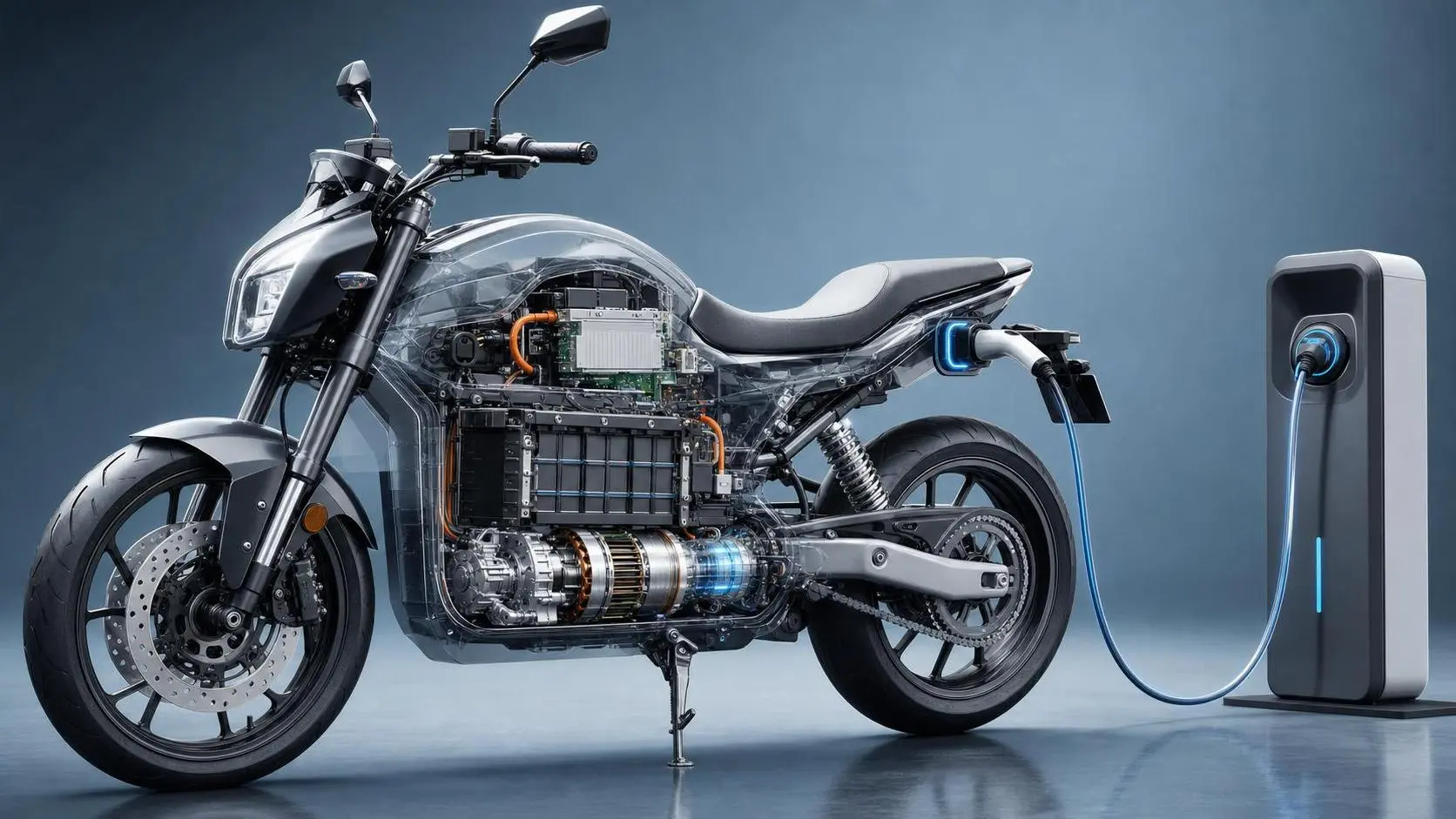
A high-speed e-motorcycle may deliver excellent torque, yet buyers hesitate if fast charging or battery exchange remains geographically sparse.
Even wiper technology depends on local operating conditions. Heavy rain, dust, snow, and extreme heat change performance expectations and replacement cycles.
The expansion decision should therefore ask whether the surrounding system supports use, maintenance, resale, and repeat purchase, not only first-time sales.
Product localization should protect the core technology
Localization does not mean rebuilding every product for every country. It means adapting the parts that affect adoption while preserving scalable architecture.
Executives should separate non-negotiable engineering platforms from adjustable market elements such as battery size, firmware settings, accessories, tires, and service bundles.
For e-bikes, localization may involve motor tuning, brake specifications, lighting, anti-theft features, cargo accessories, or compliance labels.
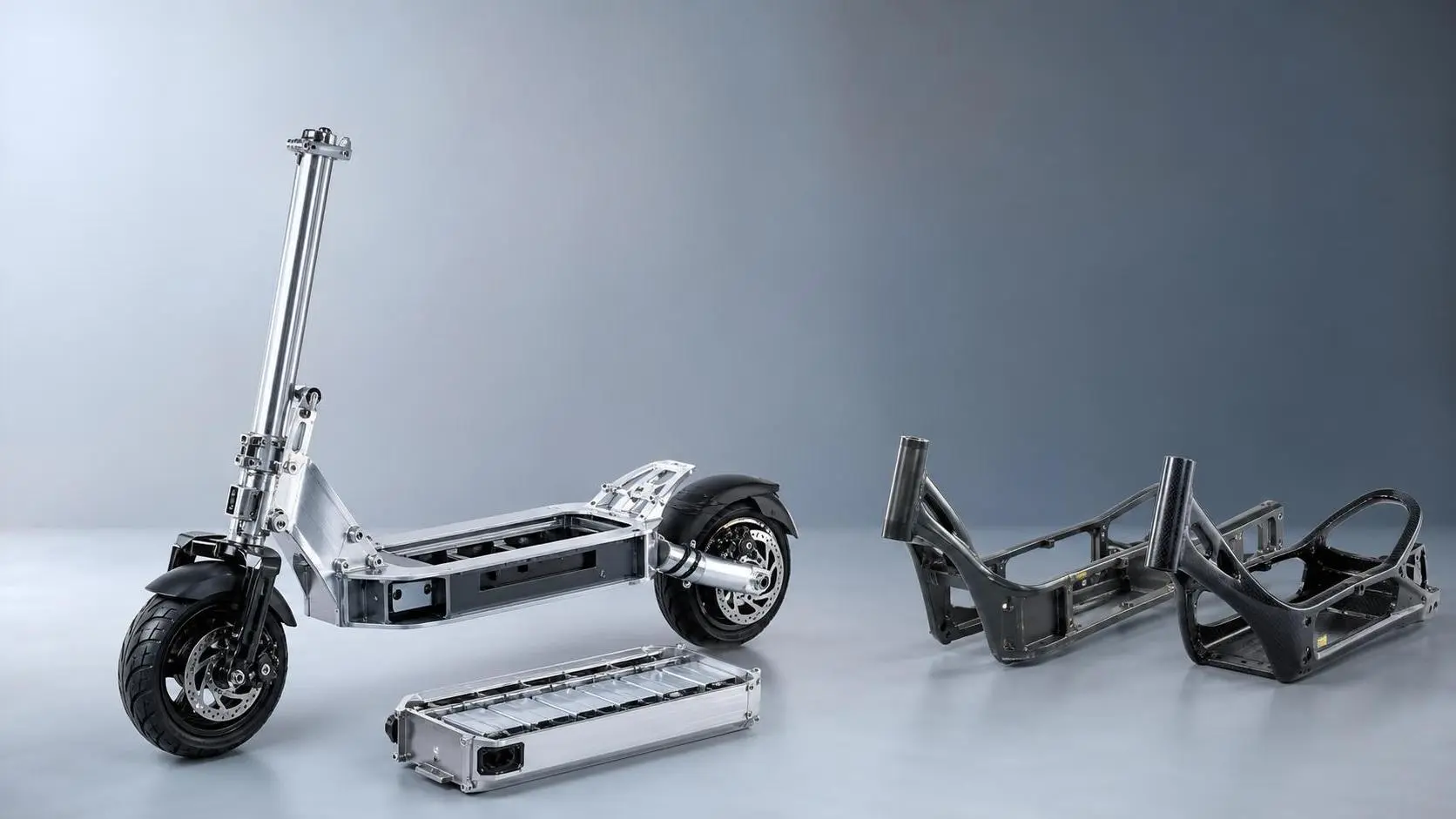
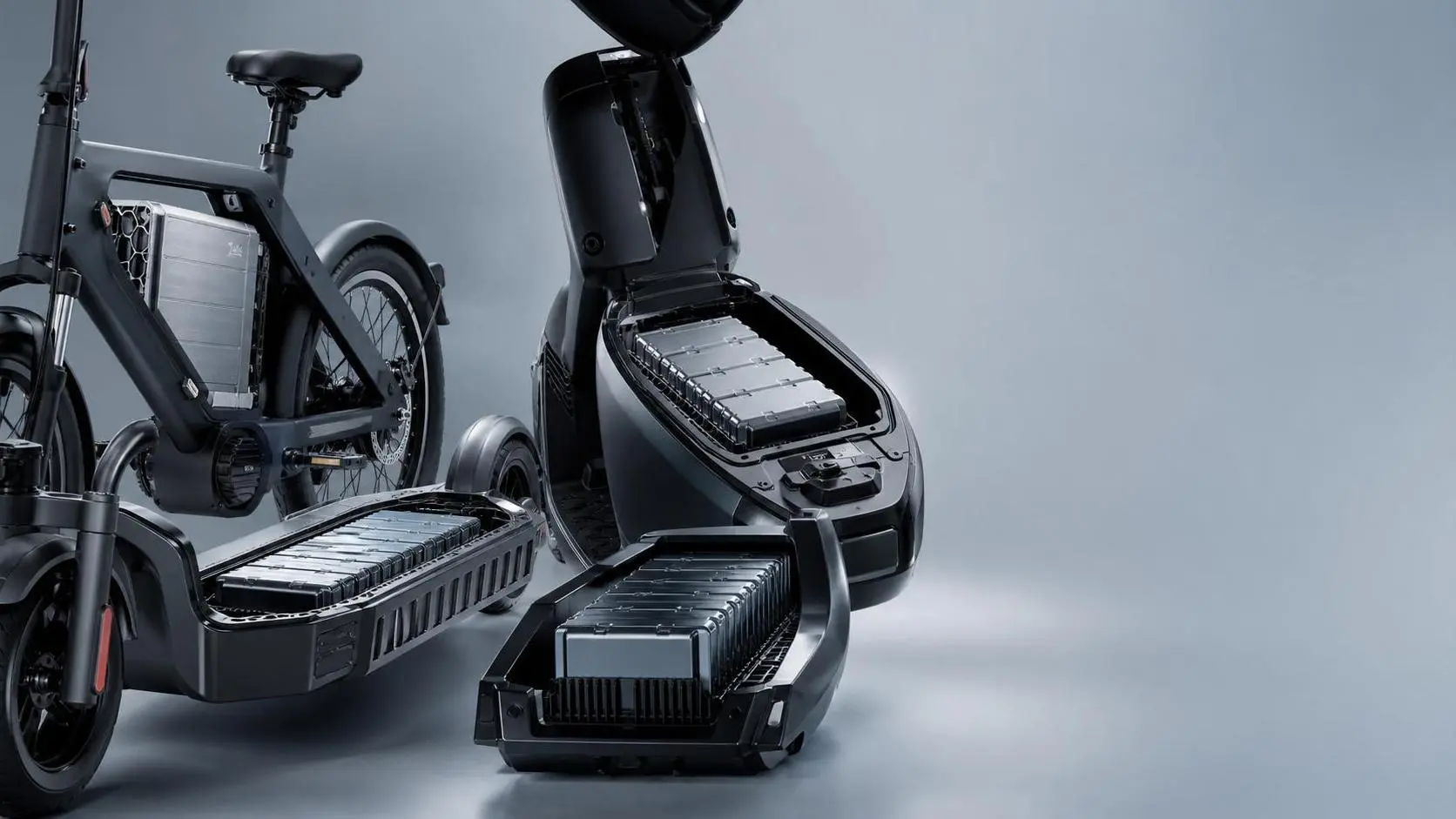
For e-scooters, it may include geofencing software, swappable batteries, reinforced stems, parking sensors, or rugged tires for poor road surfaces.
For electronic derailleurs, localization may focus on weather sealing, app language, service training, battery availability, and compatibility with local drivetrain preferences.
The goal is controlled variation. Too little localization weakens demand fit, while excessive customization destroys margin, inventory discipline, and operational focus.
Channel strategy must match how buyers trust mobility products
Micro-mobility buyers do not purchase only specifications. They purchase confidence that the product will remain safe, usable, repairable, and legally compliant.
In some markets, specialist dealers create trust through test rides and mechanical service. In others, online sales dominate price-sensitive consumer segments.
Fleet operators evaluate procurement differently. They need uptime data, spare parts availability, maintenance procedures, warranty clarity, and integration with management systems.
OEM customers assess component suppliers through engineering documentation, failure rates, delivery stability, certification history, and the ability to support platform roadmaps.
A global expansion strategy should not simply copy the channel model from the home market. It should map local trust pathways.
The right partner is not always the largest distributor. It is the partner that can translate technical credibility into adoption and retention.
Pricing should reflect local value, not converted home-market margins
Many expansion failures begin with pricing assumptions. Companies convert domestic prices into local currency, add logistics costs, and expect demand to follow.
But local customers compare against different alternatives. An e-bike may compete with public transit, used motorcycles, car-sharing, or employer mobility benefits.
A high-speed e-motorcycle may be judged against fuel cost, maintenance savings, charging inconvenience, resale uncertainty, and battery replacement risk.
Component buyers may pay premiums for measurable efficiency, reduced warranty claims, better shifting accuracy, or lower assembly complexity.
Pricing decisions should be built around total value delivered locally. That includes energy savings, time savings, safety, durability, and service accessibility.
When the value case is unclear, discounting rarely solves the problem. It only reduces margin while leaving the adoption barrier intact.
Technical credibility is a market-entry asset
In electrified mobility, brand awareness matters, but technical credibility often determines whether serious buyers accept a new entrant.
Decision makers should prepare evidence before launch: test data, certification records, battery safety documentation, durability results, and service manuals.
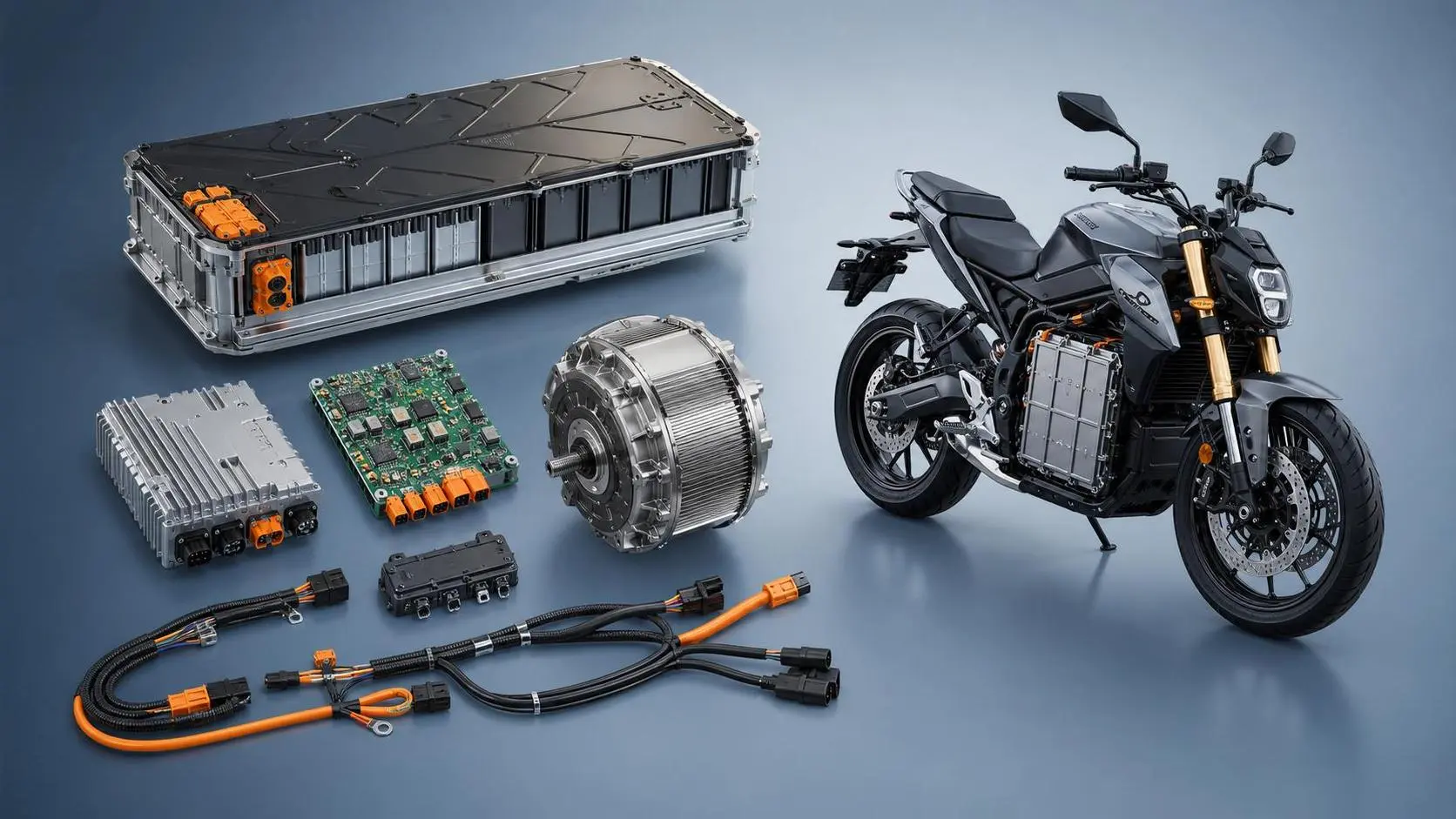
For electric powertrains, proof of thermal management, waterproofing, range consistency, and battery management logic can reduce buyer resistance.
For wiper systems, aerodynamic stability, motor reliability, wipe quality, and extreme-weather validation matter to OEMs and safety-focused customers.
For derailleurs, shift speed, anti-interference protocols, battery endurance, impact resistance, and compatibility data can support premium positioning.
Markets with strict safety expectations reward evidence. Markets with low trust in imported products may require even stronger documentation and visible local support.
How to evaluate expansion readiness before spending heavily
A disciplined readiness review can prevent expensive missteps. It should combine commercial, technical, regulatory, and operational evidence before launch investment.
Start with a demand-use case map. Identify who buys, why they buy, how often they use, and what prevents adoption.
Then build a regulatory map covering certification, vehicle classification, battery rules, data requirements, road access, subsidies, and expected policy changes.
Next, assess product-market fit against terrain, climate, service needs, charging behavior, storage conditions, and local expectations for safety.
Finally, model unit economics realistically. Include logistics, warranty, spare parts, channel margin, service training, compliance costs, and marketing education.
If the market looks attractive only under optimistic assumptions, decision makers should pilot first rather than commit to a full-scale rollout.
Pilots should test adoption risks, not just generate publicity
Many companies use pilots as marketing events. Better companies use them as structured experiments that reveal whether local demand is real.
A useful pilot measures conversion, retention, maintenance frequency, complaint types, charging behavior, theft incidents, component wear, and willingness to pay.
For shared e-scooters, pilots should analyze trip density, parking compliance, vandalism, city feedback, battery logistics, and unit economics by zone.
For e-bikes, pilots should compare commuter, leisure, cargo, and delivery use cases instead of assuming one product serves all riders.
For high-speed e-motorcycles, pilots should test charging access, battery temperature performance, acceleration expectations, rider confidence, and dealer service capability.
The best pilots create go, pause, or redesign decisions. They are not successful merely because the launch attracted attention.
Common warning signs that local demand has been misread
Early warning signs often appear before revenue disappoints. Decision makers should watch operational data, customer feedback, and channel behavior closely.
If distributors request heavy discounts immediately, the issue may be weak perceived value, poor positioning, or mismatch with local alternatives.
If warranty claims concentrate around specific components, the product may not match local climate, road quality, or usage intensity.
If conversion requires extensive explanation, the market may need education, simpler messaging, or a different use case focus.
If policy approvals take longer than expected, launch timelines and cash flow assumptions should be revised before sunk costs increase.
If service partners struggle with training, spare parts, or diagnostics, customer trust can erode faster than marketing can rebuild it.
Where UMMS-style intelligence changes the expansion equation
Micro-mobility expansion is an intelligence problem as much as a sales problem. Fragmented data must be stitched into actionable market judgment.
Decision makers need visibility across subsidy policies, right-of-way rules, powertrain trends, battery management, drivetrain evolution, and safety technology.
This is especially important when companies serve multiple categories, from e-bikes and scooters to e-motorcycles, wiper systems, and precision components.
Each category responds differently to policy, infrastructure, and user behavior. A single global narrative cannot guide every investment decision.
Strategic intelligence helps companies understand where technical strengths create defensible demand, where localization is required, and where entry should wait.
It also helps leadership communicate with investors, suppliers, OEM partners, and local authorities using evidence rather than expansion optimism.
A practical decision framework for leadership teams
Before approving a new market, leadership teams should ask five questions. Each question tests whether the global expansion strategy is locally grounded.
First, what exact mobility problem are we solving in this city or segment, and who experiences that problem frequently enough to pay?
Second, what local regulation, infrastructure, or behavior could block adoption even if the product performs well technically?
Third, what must be localized, and what must remain standardized to protect cost, quality, and supply-chain efficiency?
Fourth, which channel can create trust, support service, and translate technical value into a simple buying reason?
Fifth, what evidence from pilots or comparable markets proves that demand can scale profitably without excessive subsidies or discounting?
Conclusion: expansion succeeds when scale follows local fit
A global expansion strategy should not begin with the ambition to enter more markets. It should begin with the discipline to choose better markets.
In micro-mobility, local demand is shaped by policy, infrastructure, rider behavior, service ecosystems, climate, and trust in technical reliability.
Companies that understand these factors can localize intelligently, defend margins, reduce launch risk, and build stronger international credibility.
Companies that ignore them may achieve distribution without adoption, publicity without retention, and market presence without profitable growth.
The winning approach is clear: use strategic intelligence to connect product capability with local mobility reality before scaling investment.
For decision makers, the measure of expansion success is not how many markets are entered, but how many become durable, defensible demand engines.