
Related News
- 00
0000-00
How to Evaluate a Brushless Wiper Motor Supplier for OEM Quality and Lead Time - 00
0000-00
How Do Photoelectric Wiper Sensors Work and Where Are They Most Effective? - 00
0000-00
How to Evaluate Core Component Suppliers for Electric Motorcycles Before Sourcing? - 00
0000-00
Electric Motorcycle Systems Price Breakdown: What Affects Cost From Battery to Controller? - 00
0000-00
Micro-mobility Systems Explained: Core Components, Operating Models, and City Use Cases
Ms. Elena Rodriguez
Weekly Insights
Stay ahead with our curated technology reports delivered every Monday.
Commuter E Scooter Market Explained: Key Growth Drivers, Price Bands, and Buyer Segments





The commuter e scooter market has moved beyond novelty and into a more structured mobility category. It now sits at the intersection of urban policy, battery economics, software-enabled fleet intelligence, and consumer demand for practical daily transport.
That shift matters because the category is no longer driven by hype alone. Cities are looking for cleaner short-distance travel, riders want predictable commuting costs, and operators need hardware that survives dense, high-frequency use.
For market evaluation, the key is not simply whether demand exists. The real question is which demand is durable, which price bands are defensible, and which buyer groups create repeatable commercial value.
What the commuter e scooter market really includes
In practical terms, the commuter e scooter market covers electric scooters designed for recurring urban trips rather than occasional leisure use. The emphasis is on reliability, portability, charging convenience, safety systems, and cost per kilometer.
This makes commuter models different from entry-level recreational scooters. They usually need stronger frames, better braking, longer battery life, more weather tolerance, and a control system suited to everyday traffic conditions.
From a broader industry perspective, this category also connects to the same forces shaping e-bikes, shared scooters, and compact electric motorcycles. That is why platforms such as UMMS track it within the wider last-mile and two-wheeler electrification movement.
Why attention is increasing now
Three forces are giving the commuter e scooter market fresh momentum. The first is urban congestion. In many cities, short car trips are increasingly inefficient, expensive, and restricted by parking pressure.
The second is decarbonization. Municipal transport strategies increasingly support light electric mobility because it helps lower emissions without waiting for large-scale road expansion or heavy transit construction.
The third is technical maturity. Batteries are becoming more energy-dense, controllers are smarter, and lightweight materials are improving ride quality without pushing total vehicle weight too high.
Just as importantly, infrastructure is becoming more compatible with micromobility. Dedicated lanes, regulated parking areas, digital payment systems, and app-linked vehicle management all reduce friction in daily adoption.
Technology now shapes market quality
In the current commuter e scooter market, hardware alone is not enough. Battery management logic, motor efficiency, thermal control, IoT connectivity, and firmware stability increasingly separate resilient products from disposable ones.
That mirrors a wider trend across micro-mobility. UMMS often frames this as intelligence stitching: linking drivetrain efficiency, battery behavior, and urban mobility strategy into one commercial picture rather than treating them as isolated features.
The growth drivers behind demand
Demand growth is strongest where commuting pain points are already visible. The commuter e scooter market expands fastest when public transit is crowded, parking is costly, and average trip distances fit the realistic battery range of compact vehicles.
Price volatility in fuel and car ownership also helps. When urban residents compare insurance, parking, maintenance, and daily congestion time, e scooters often look less like gadgets and more like rational mobility tools.
Corporate sustainability programs add another layer. Some employers and property operators now support low-emission commuting through charging access, secure storage, or mobility subsidies, indirectly supporting the commuter e scooter market.
Regulation matters too, although not always in the same direction. Clear rules on speed limits, helmet use, right-of-way, and shared fleet operations reduce uncertainty. Poorly defined rules can slow adoption even when consumer interest is present.
- Urban density supports frequent short-trip demand.
- Low-carbon policy improves category legitimacy.
- Battery and motor advances improve usable range.
- Digital platforms strengthen fleet tracking and maintenance planning.
- Consumer cost sensitivity favors efficient personal transport.
How price bands shape competition
The commuter e scooter market is easier to read when it is divided by price logic rather than by simple brand counts. Each price band reflects different expectations around durability, range, ride quality, and service support.
The middle segment usually defines the volume center of the commuter e scooter market. It attracts buyers who need a dependable commute tool, but still watch total ownership cost closely.
Premium bands matter for a different reason. They often reveal where the market is heading on battery performance, frame engineering, app integration, and safety-led product differentiation.
Buyer segments are not all looking for the same value
A common mistake is to view the commuter e scooter market as one buyer pool. In reality, demand divides into several groups with different priorities, replacement cycles, and tolerance for premium pricing.
Urban daily commuters
This segment prioritizes portability, reliable battery range, safe braking, and quick charging. Foldability matters when scooters must move between elevators, offices, apartment storage, and mixed-mode transit links.
Value-driven first adopters
These buyers enter the commuter e scooter market with price sensitivity. They compare headline range and speed, but often become more quality-aware after exposure to maintenance issues or battery degradation.
Premium mobility users
This group values ride comfort, design quality, advanced displays, stronger waterproofing, and dependable after-sales support. They are more likely to evaluate long-term ownership rather than sticker price alone.
Fleet and institutional buyers
This segment focuses on uptime, asset tracking, battery consistency, repair cycles, and component standardization. For them, total operational resilience usually matters more than maximum speed or visual styling.
Where business value is really created
The commuter e scooter market creates value at several levels. There is product value in the scooter itself, but also recurring value in accessories, replacement parts, servicing, batteries, software connectivity, and fleet management.
That is one reason broader micro-mobility intelligence matters. A portal like UMMS does not look only at finished vehicles. It connects scooters to drivetrain architecture, battery systems, policy signals, and adjacent two-wheeler categories.
This wider lens is useful because category spillover is real. Component innovation in e-bikes, safety logic from smart systems, and power management approaches from higher-speed electric two-wheelers can all influence commuter scooter competitiveness.
What to examine before calling the market attractive
A promising commuter e scooter market is not defined by shipment growth alone. It should also show stable regulatory conditions, credible service economics, and a customer base willing to pay for reliability rather than just low upfront pricing.
Several indicators usually deserve close attention:
- Average commuting distance versus real-world battery performance.
- Local rules on speed, parking, and sidewalk or lane access.
- Seasonality, weather exposure, and road quality.
- Import dependency and cost sensitivity in batteries and electronics.
- After-sales network depth and spare-parts availability.
- App reliability, diagnostics capability, and anti-theft functions.
It is also worth separating visible demand from profitable demand. Fast sales in a low-price environment can still hide weak margins, high warranty exposure, or customer churn caused by poor product durability.
How to interpret the next phase
The next stage of the commuter e scooter market will likely be shaped less by novelty and more by refinement. Better battery management, stronger compliance design, integrated connectivity, and safer urban operating standards will define the winners.
In that environment, the most useful approach is to compare the market through three filters: policy readiness, technical defensibility, and buyer quality. That creates a clearer picture than shipment volume alone.
A grounded evaluation starts with real commuting scenarios, then moves to price-band discipline, then to component and system logic. From there, it becomes easier to identify where the commuter e scooter market offers scalable opportunity and where caution is warranted.
For the next step, build a simple comparison framework around regulation, range realism, service support, and segment fit. That kind of structured review usually reveals more than headline growth claims.
Related News
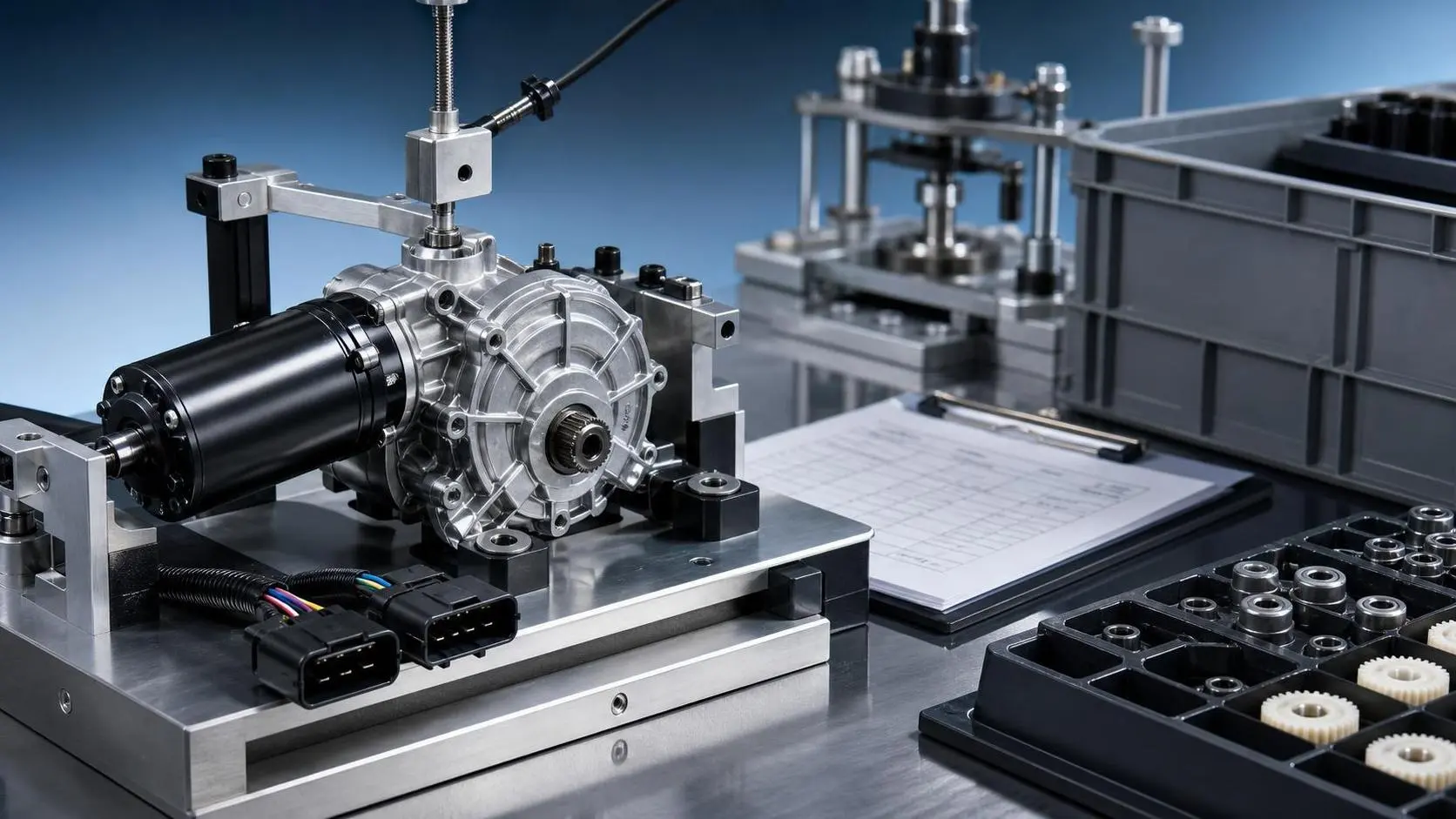
How to Evaluate a Brushless Wiper Motor Supplier for OEM Quality and Lead Time
Brushless wiper motor supplier selection made easier: learn how to assess OEM quality, engineering support, compliance, and lead time to reduce sourcing risk.
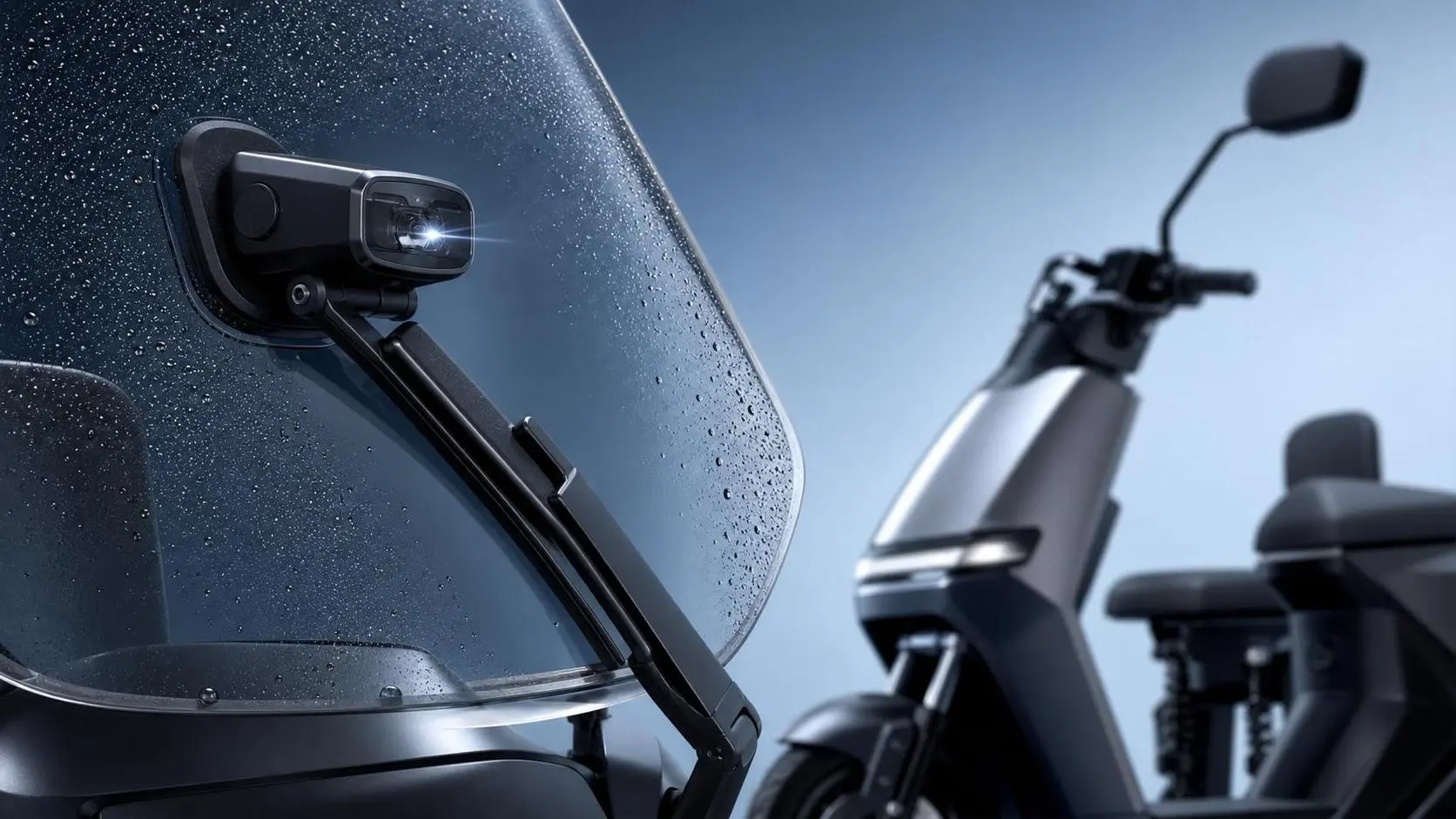
How Do Photoelectric Wiper Sensors Work and Where Are They Most Effective?
Photoelectric wiper sensors explained: learn how they detect rain, reduce false triggers, and deliver the best visibility gains in urban EVs, e-bikes, fleets, and smart mobility.
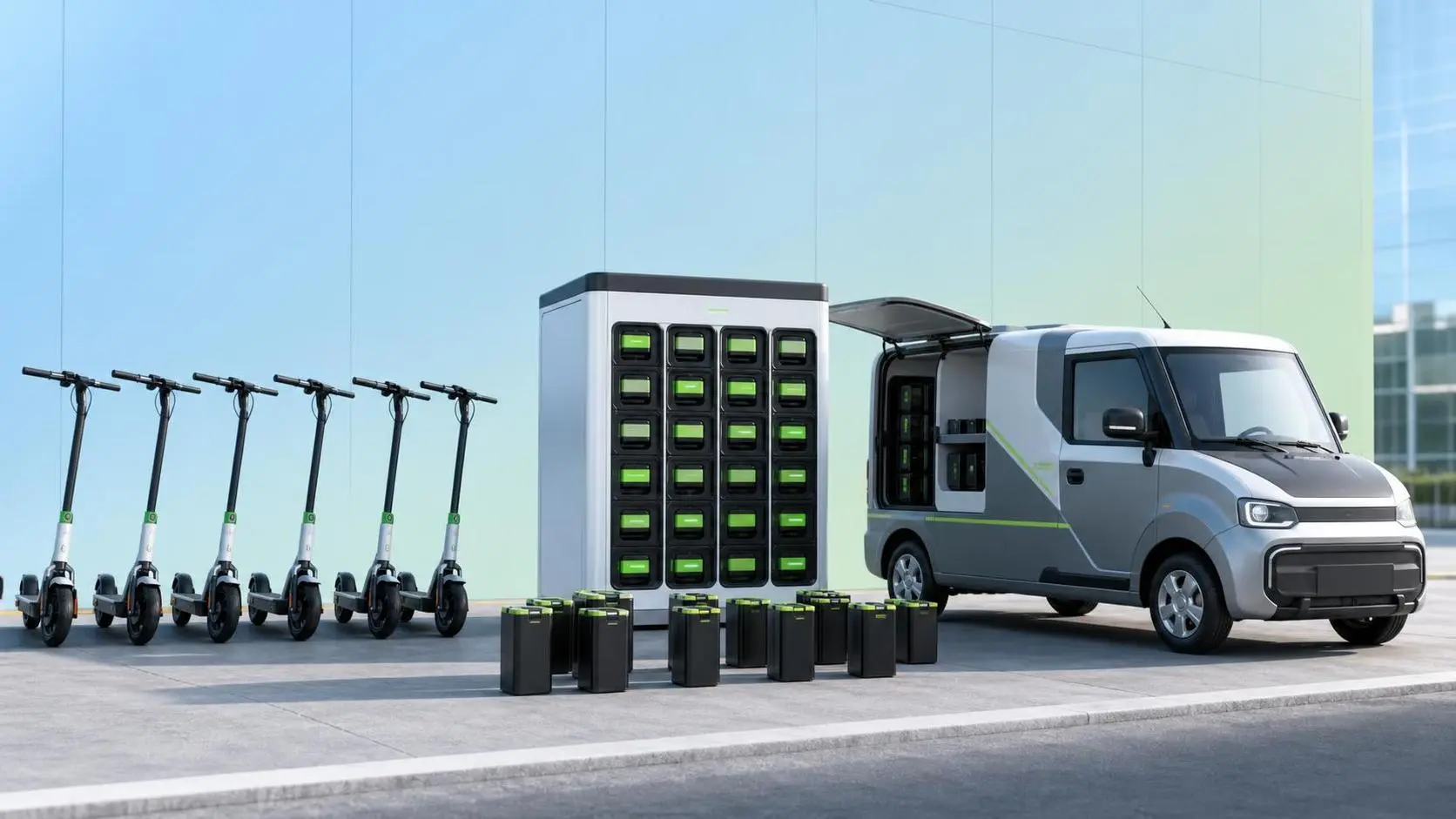
How Battery-Swapping Networks Reduce Downtime in Shared Fleet Scooter Operations
Battery-swapping networks cut scooter fleet downtime by speeding field turnaround, improving uptime in peak zones, and helping operators optimize labor, battery rotation, and service efficiency.
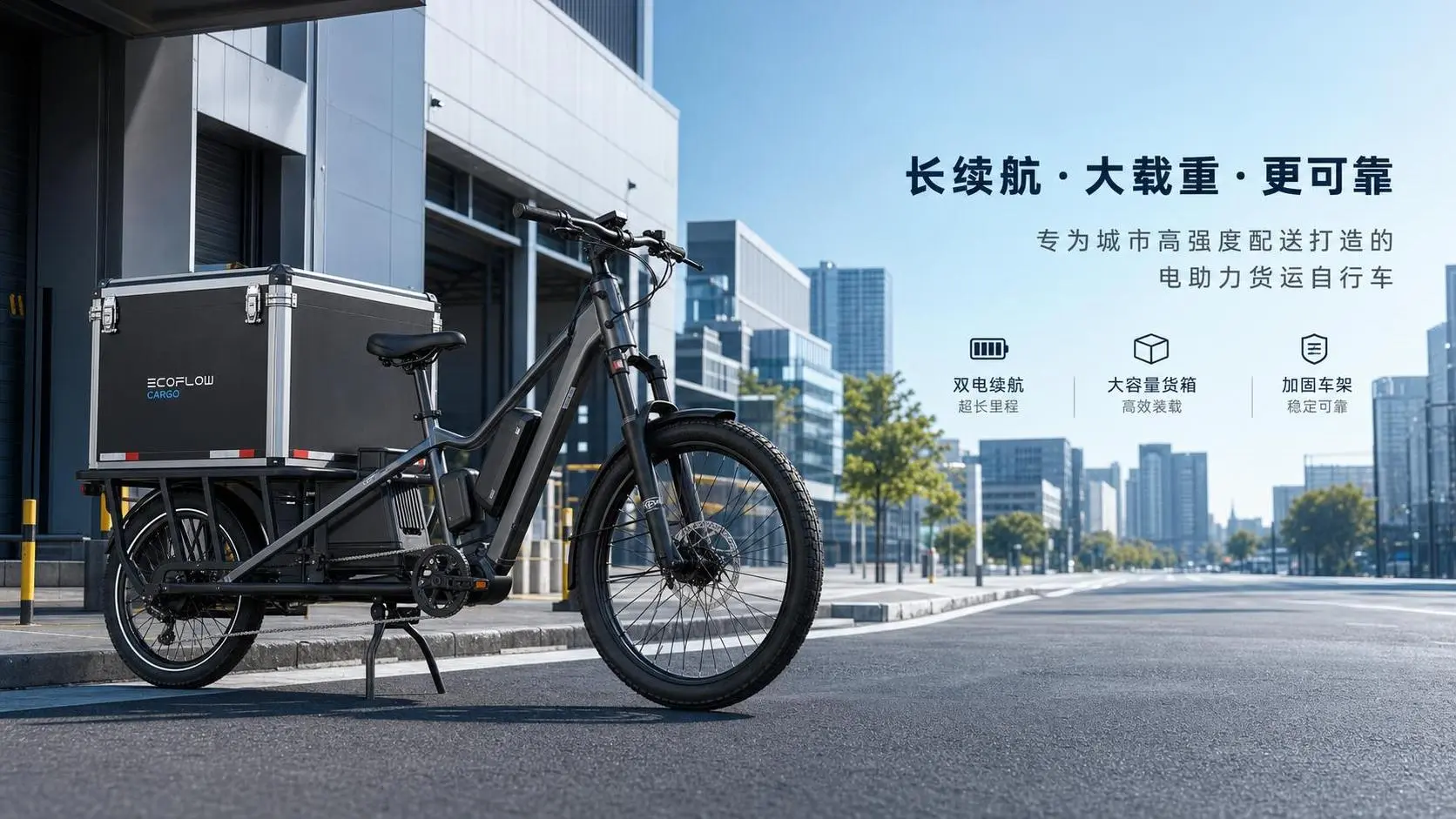
How to Choose a Long-Range Commercial Cargo E-Bike for Delivery Operations
Commercial cargo e-bike long range buying guide: learn how to assess battery, payload, route fit, and uptime support to choose a reliable delivery model with lower operating costs.
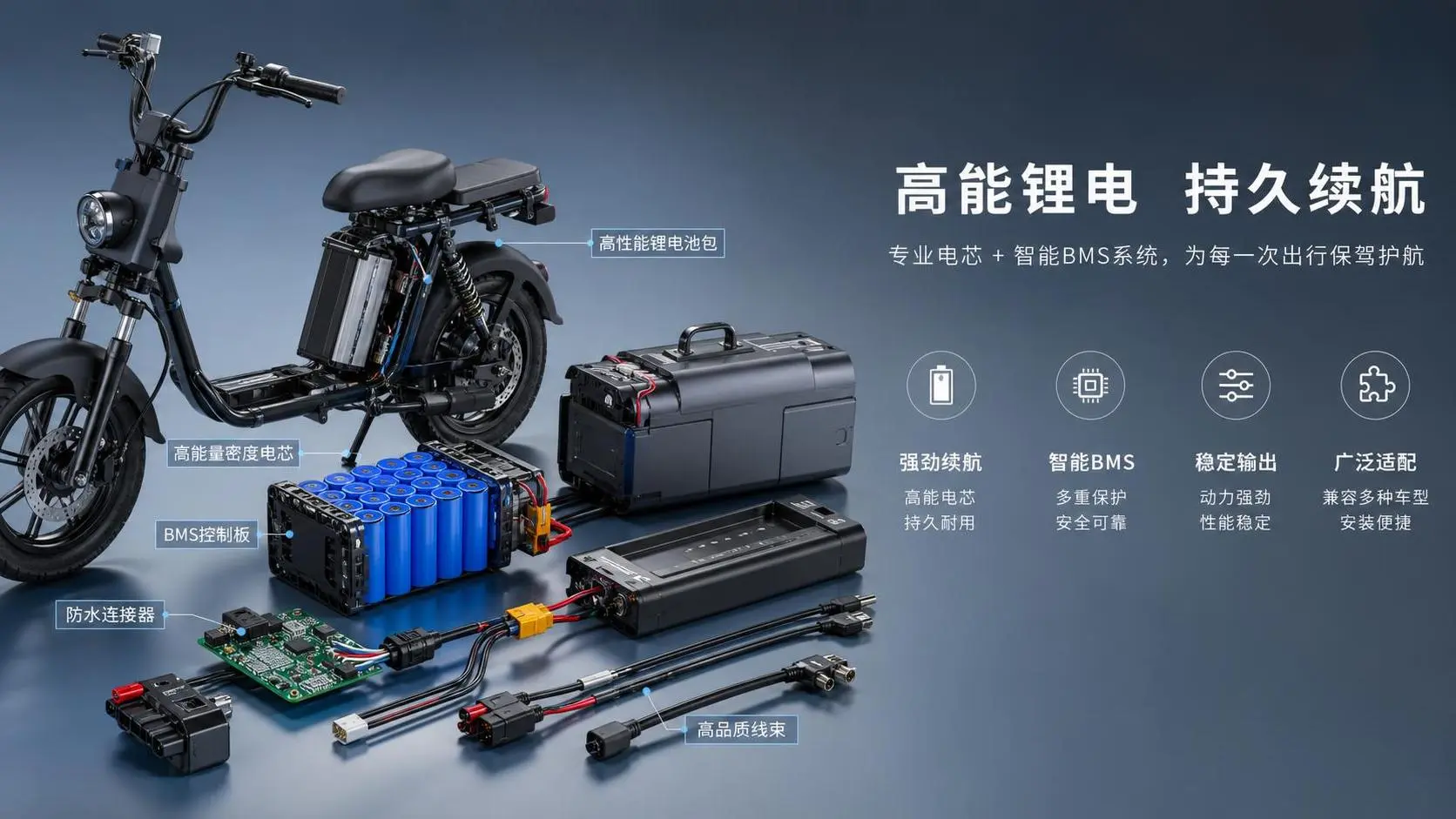
How to Select the Right E-Bike Battery Components for Range, Safety, and Fit?
E-bike component selection battery guide: learn how to choose the right battery components for better range, stronger safety, and perfect fit across modern e-bike platforms.
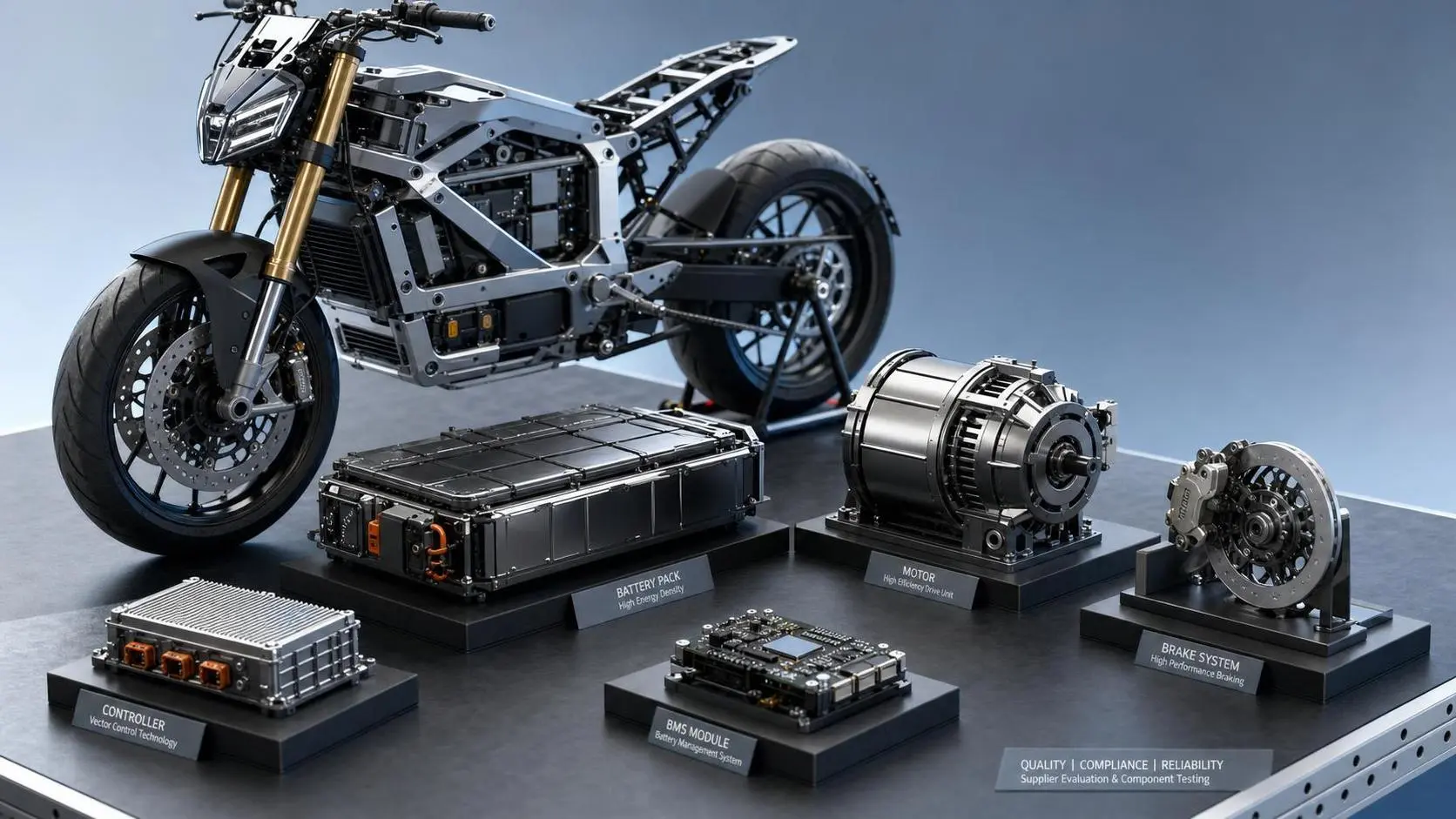
How to Evaluate Core Component Suppliers for Electric Motorcycles Before Sourcing?
Core component suppliers for electric motorcycles can make or break safety, compliance, and delivery. Learn how to assess technical strength, certifications, quality control, and hidden sourcing risks before you buy.
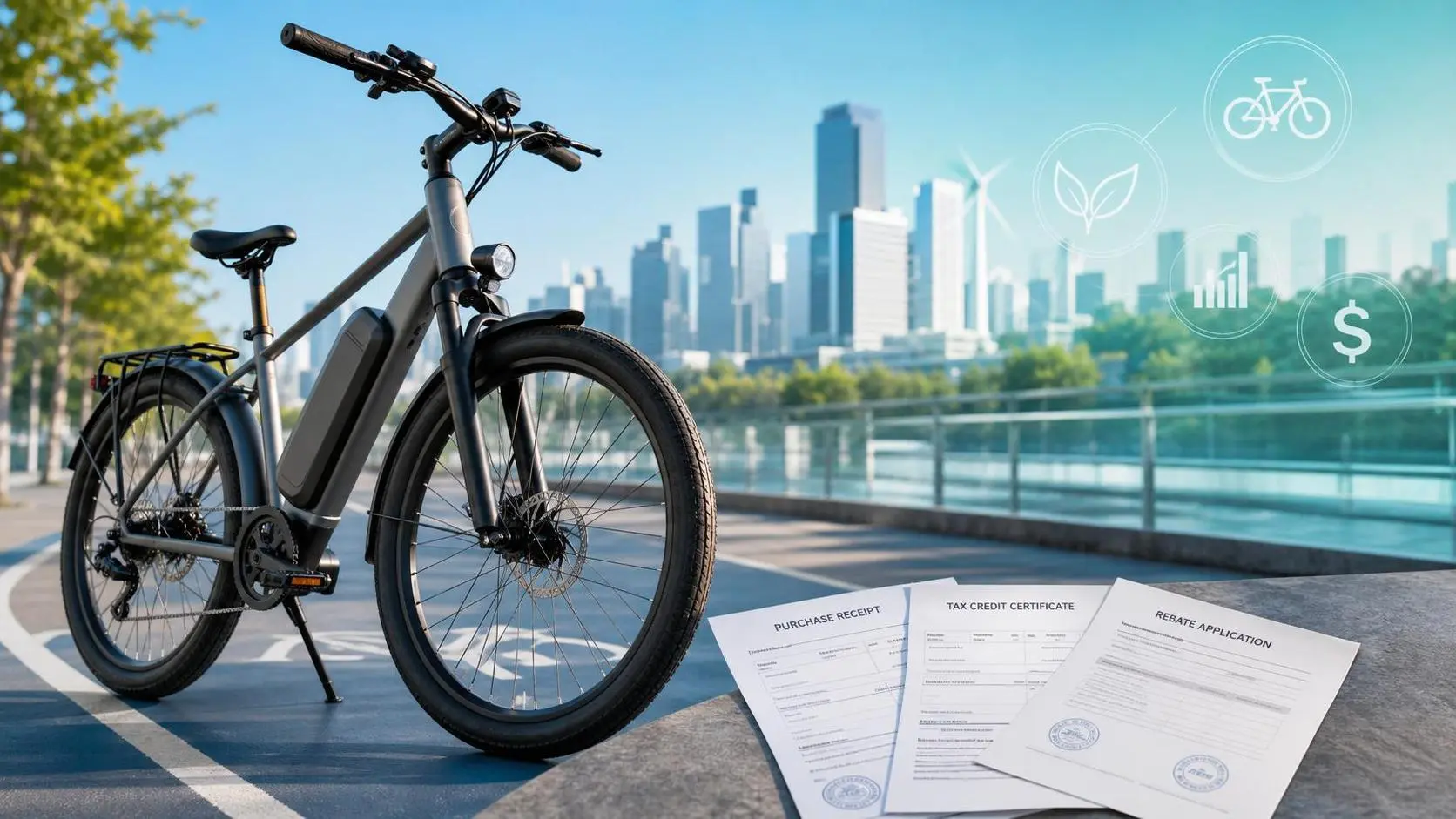
E-Bike Incentives Explained: How Riders Can Find Local Rebates and Tax Credits
E bike incentives explained: learn how to find local rebates, tax credits, and utility offers, avoid common mistakes, and cut the real cost of your next e-bike.
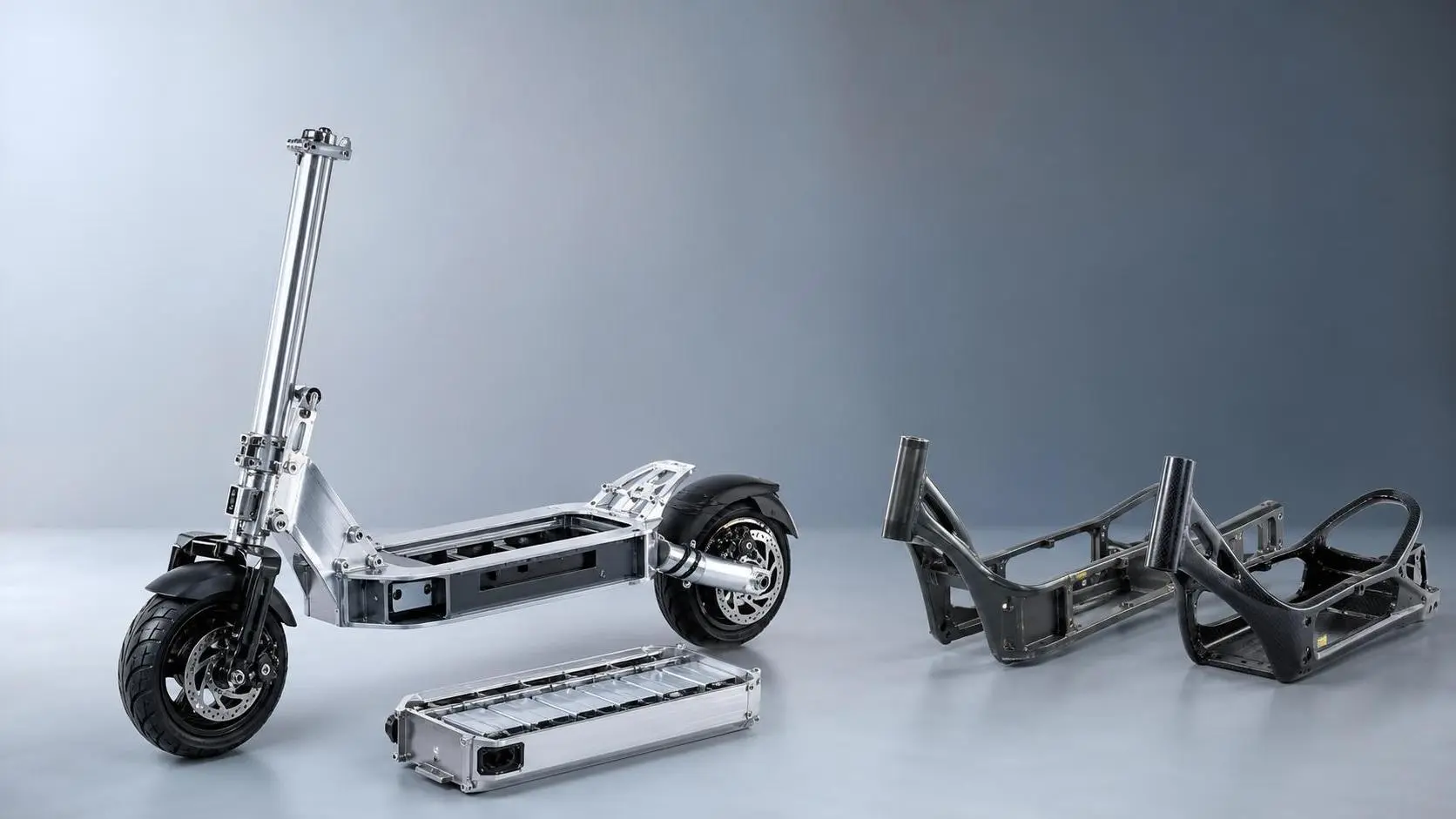
How to Choose Lightweight Scooter Frames in Europe: Materials, Standards, and Use Cases
Lightweight scooter frames Europe buyers need should balance materials, EN standards, durability, and real use cases. Discover how to choose safer, smarter, compliant frames.
What Is the Intellectualization of Mobility Platform and How Is It Applied in Shared Fleets?
Intellectualization of mobility platform is reshaping shared fleets with real-time data, predictive maintenance, and smarter compliance—learn how it boosts safety, uptime, and urban mobility efficiency.