
Related News
- 00
0000-00
How Do Photoelectric Wiper Sensors Work and Where Are They Most Effective? - 00
0000-00
How to Evaluate Core Component Suppliers for Electric Motorcycles Before Sourcing? - 00
0000-00
Electric Motorcycle Systems Price Breakdown: What Affects Cost From Battery to Controller? - 00
0000-00
Micro-mobility Systems Explained: Core Components, Operating Models, and City Use Cases - 00
0000-00
Electrification Strategies in Europe: Policy, Charging, and ROI Factors for Fleet Planning
Ms. Elena Rodriguez
Weekly Insights
Stay ahead with our curated technology reports delivered every Monday.
How to Evaluate a Mobility Subsidy Data Supplier for Policy Tracking and Market Entry





Choosing a mobility subsidy data supplier is no longer a narrow research task. It directly affects policy tracking, market timing, channel planning, and risk control across the wider micro-mobility economy.
In e-bikes, smart e-scooters, and high-speed e-motorcycles, subsidy rules often shape demand faster than product innovation alone. A rebate, tax credit, scrappage incentive, or city procurement scheme can change market entry priorities within weeks.
That is why the quality of a mobility subsidy data supplier matters. Good data reveals where policy support is real, where compliance burdens are rising, and where expansion assumptions need to be revised before capital is committed.
Why subsidy intelligence has become a strategic input
Subsidies used to be treated as helpful background information. In today’s low-carbon mobility market, they function more like operating signals.
They influence consumer pricing, fleet economics, dealer confidence, local assembly decisions, and even component sourcing. This is especially visible in Europe, Southeast Asia, and selected North American cities.
For businesses following the last-mile transition, subsidy data also connects with adjacent rules. Access zones, battery standards, safety certifications, and shared mobility permits often move alongside financial incentives.
A strong mobility subsidy data supplier therefore needs to map more than payment amounts. It should explain the policy logic around electrification, urban congestion, and public transport integration.
What a mobility subsidy data supplier should actually deliver
At a basic level, the supplier should collect subsidy announcements, eligibility criteria, application windows, and funding caps. That is necessary, but not sufficient.
Useful intelligence also interprets how those measures affect real market entry decisions. It should connect policy with product class, geography, customer type, and timing.
In micro-mobility, that means distinguishing between support for commuter e-bikes, cargo e-bikes, shared scooters, private scooters, high-speed electric motorcycles, and supporting systems.
The best providers do not stop at headlines. They show whether a subsidy is national or municipal, temporary or recurring, broad-based or narrowly targeted.
Core data points worth checking
- Program type, including rebate, tax credit, voucher, leasing support, or public procurement funding.
- Eligible vehicle categories, technical thresholds, and excluded product types.
- Geographic level, from national policy to city-level pilot schemes.
- Effective dates, renewal conditions, budget exhaustion risk, and sunset clauses.
- Required certifications, battery rules, safety tests, and local registration conditions.
How to judge data quality beyond surface coverage
Many databases look comprehensive because they contain many countries. That does not mean they are decision-ready.
The first question is source integrity. A reliable mobility subsidy data supplier should trace each entry back to ministries, municipal portals, regulators, or official implementation notices.
The second question is interpretation quality. Subsidy language is often vague. Terms like low-emission vehicle, urban mobility device, or light electric vehicle may carry very different meanings across jurisdictions.
The third question is version control. Programs change quietly. Funding caps are revised, eligible speed classes are redefined, or local content rules appear after launch.
Without clear update logs, even an impressive database can become misleading at exactly the moment a market entry decision is being made.
Useful evaluation questions
Geographic depth matters more than global breadth
A global map is useful, but market entry rarely happens at that level. Incentives often vary by province, state, region, or city.
For shared scooters, municipal restrictions can outweigh national support. For e-bikes, regional commuter subsidies may be more important than headline tax rules.
A capable mobility subsidy data supplier should show policy granularity where purchasing or fleet deployment decisions are actually made.
This is one reason sector-specific intelligence platforms stand out. UMMS, for example, sits close to the operational realities of urban micro-circulation, electrified two-wheelers, and policy-linked demand shifts.
That perspective matters because subsidy interpretation is stronger when it is paired with knowledge of drivetrain evolution, battery logic, safety regulation, and urban mobility infrastructure.
Strategic relevance is the real differentiator
Not every policy database is equally useful for decision-making. Some are built for public affairs visibility. Others support commercial planning.
A business-ready mobility subsidy data supplier should help answer practical questions. Which countries are becoming attractive for premium e-bikes? Where are fleet incentives strong enough for scooter deployment? Which rules favor local partnerships?
It should also reveal where subsidies may create misleading optimism. A generous incentive can be offset by slow reimbursement, strict homologation rules, weak charging access, or uncertain enforcement.
That is why policy tracking should be linked with market signals such as dealer inventories, import patterns, urban congestion measures, battery-swapping investment, and right-of-way regulation.
Signals that deserve cross-checking
- Subsidies tied to emissions goals or post-pandemic mobility recovery.
- Programs favoring cargo, delivery, or commuter use cases over recreational models.
- Battery compliance requirements that may affect sourcing plans.
- Procurement incentives for public fleets, campuses, or municipal operators.
- Pilot programs that often signal future national scale-up.
Where evaluation often goes wrong
One common mistake is treating every subsidy as equal in commercial value. In reality, some programs are politically visible but operationally weak.
Another mistake is ignoring technical eligibility. A program may support e-bikes, yet exclude high-power configurations, imported batteries, or non-certified charging systems.
There is also a timing risk. If a mobility subsidy data supplier updates too slowly, a market may appear attractive after funds are already depleted or conditions have tightened.
The final error is relying on policy data without product context. Micro-mobility is fragmented. Shared scooters, premium commuter e-bikes, high-speed electric motorcycles, and precision component exports all respond differently to the same regulatory change.
A practical framework for supplier selection
A structured review usually works better than a feature checklist. Start with the decisions the data must support, then test suppliers against those needs.
If the goal is market entry, compare whether the supplier can combine subsidy tracking with certification rules, local access regulation, and demand-side signals.
If the goal is portfolio prioritization, check whether the supplier separates private ownership incentives from fleet, logistics, or municipal programs.
If the goal is strategic intelligence, assess whether the provider explains long-term policy direction rather than simply publishing updates.
Selection criteria that usually hold up
- Proven depth in micro-mobility rather than broad but shallow transport coverage.
- Clear methodology for collecting, validating, and revising subsidy entries.
- Ability to connect incentives with product categories and technical standards.
- Regional detail where demand, permits, or compliance actually diverge.
- Analytical commentary that helps convert policy data into business action.
Turning policy data into entry decisions
The best mobility subsidy data supplier does not just inform. It sharpens prioritization.
A solid next step is to define three to five target markets, list the vehicle classes under review, and compare suppliers against the specific subsidy questions those markets raise.
It also helps to test one live policy change. Ask how the supplier would track, interpret, and update a shifting e-bike or scooter incentive within a short decision window.
In sectors followed closely by UMMS, the strongest intelligence usually comes from linking subsidies with engineering realities, channel readiness, and urban mobility policy trends.
That combination creates a more realistic view of market entry. It shows not only where support exists, but where support can actually convert into sustainable commercial traction.
Related News

How Do Photoelectric Wiper Sensors Work and Where Are They Most Effective?
Photoelectric wiper sensors explained: learn how they detect rain, reduce false triggers, and deliver the best visibility gains in urban EVs, e-bikes, fleets, and smart mobility.

How Battery-Swapping Networks Reduce Downtime in Shared Fleet Scooter Operations
Battery-swapping networks cut scooter fleet downtime by speeding field turnaround, improving uptime in peak zones, and helping operators optimize labor, battery rotation, and service efficiency.
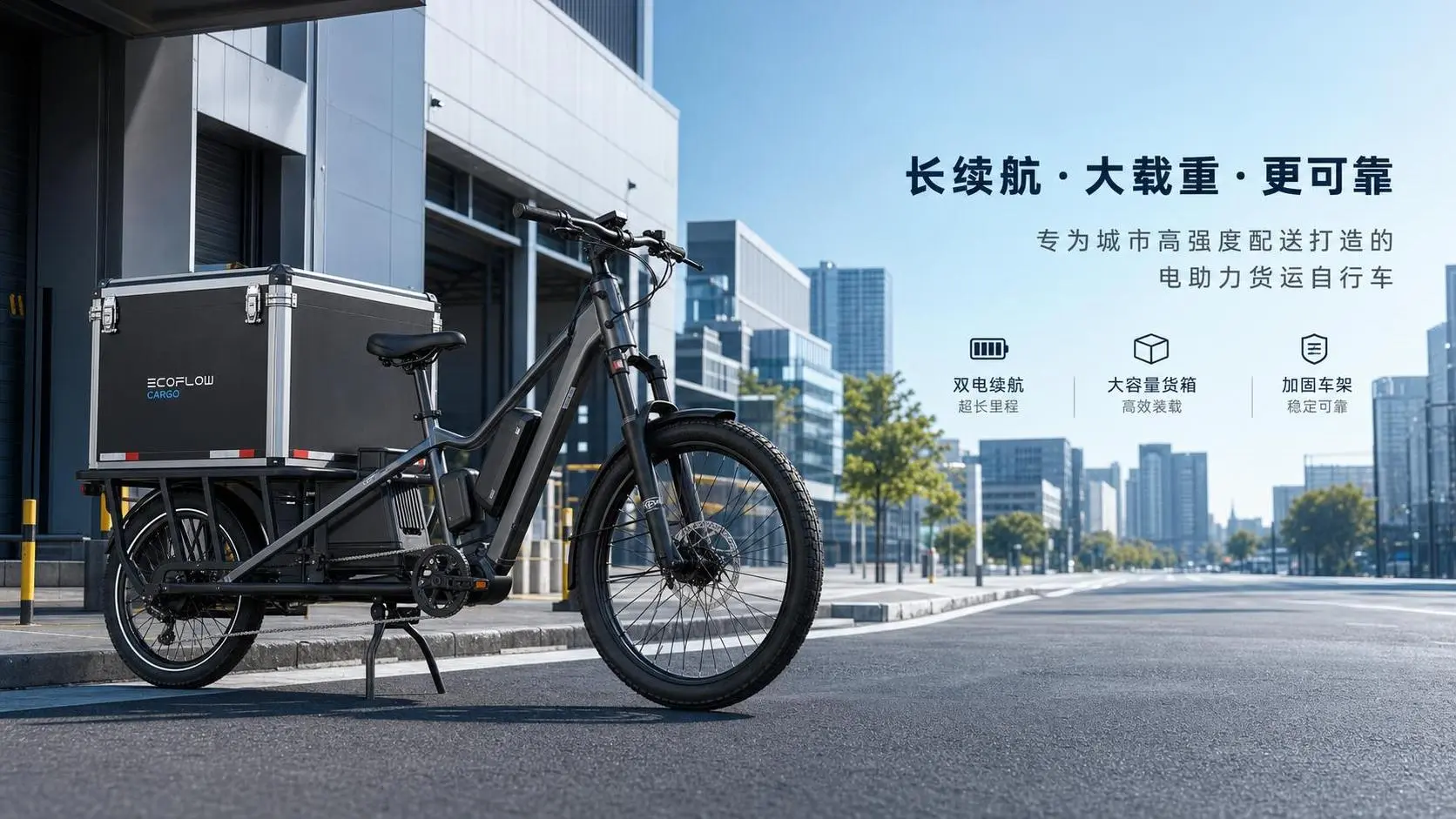
How to Choose a Long-Range Commercial Cargo E-Bike for Delivery Operations
Commercial cargo e-bike long range buying guide: learn how to assess battery, payload, route fit, and uptime support to choose a reliable delivery model with lower operating costs.
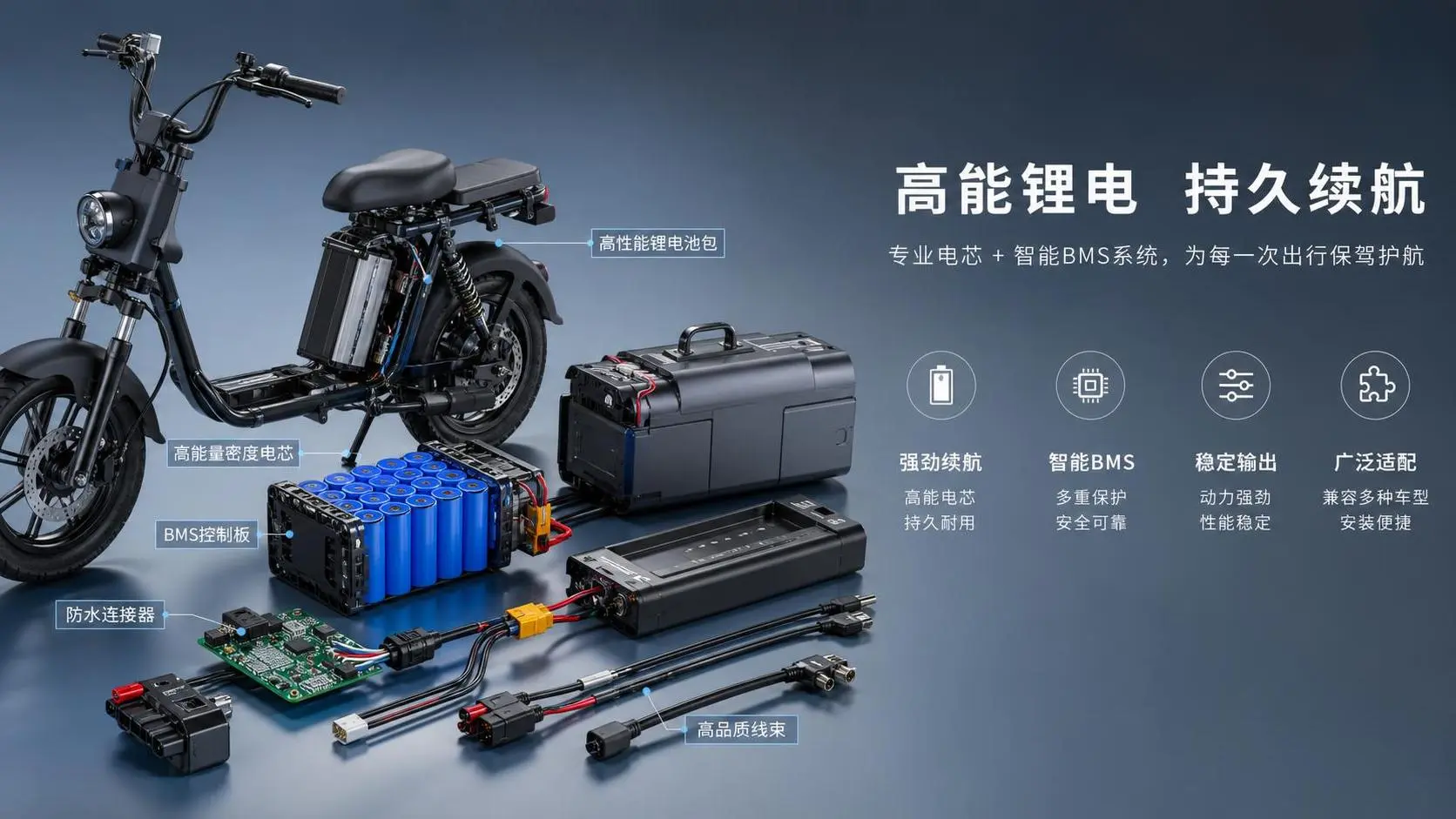
How to Select the Right E-Bike Battery Components for Range, Safety, and Fit?
E-bike component selection battery guide: learn how to choose the right battery components for better range, stronger safety, and perfect fit across modern e-bike platforms.

How to Evaluate Core Component Suppliers for Electric Motorcycles Before Sourcing?
Core component suppliers for electric motorcycles can make or break safety, compliance, and delivery. Learn how to assess technical strength, certifications, quality control, and hidden sourcing risks before you buy.
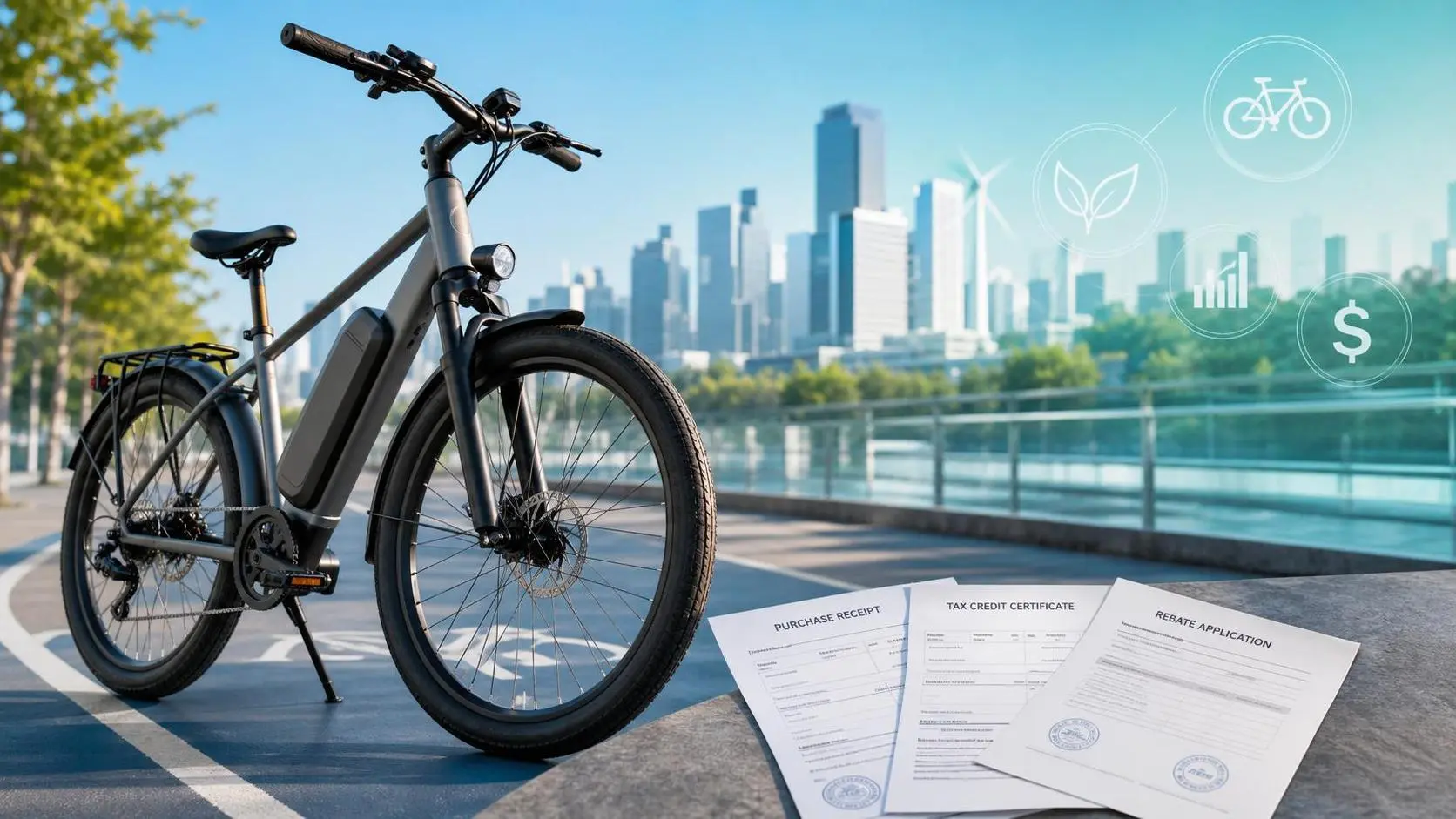
E-Bike Incentives Explained: How Riders Can Find Local Rebates and Tax Credits
E bike incentives explained: learn how to find local rebates, tax credits, and utility offers, avoid common mistakes, and cut the real cost of your next e-bike.

How to Choose Lightweight Scooter Frames in Europe: Materials, Standards, and Use Cases
Lightweight scooter frames Europe buyers need should balance materials, EN standards, durability, and real use cases. Discover how to choose safer, smarter, compliant frames.
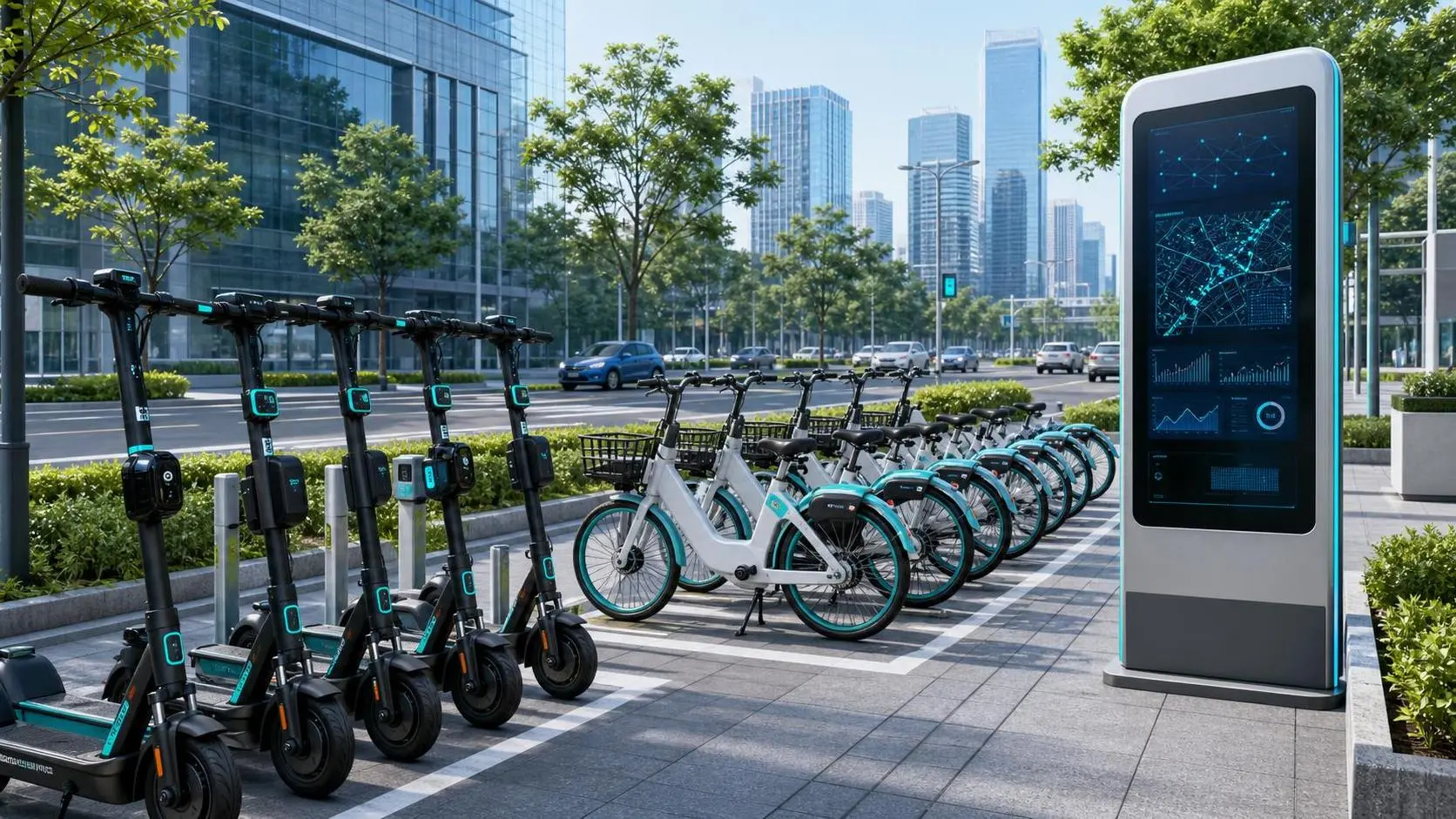
What Is the Intellectualization of Mobility Platform and How Is It Applied in Shared Fleets?
Intellectualization of mobility platform is reshaping shared fleets with real-time data, predictive maintenance, and smarter compliance—learn how it boosts safety, uptime, and urban mobility efficiency.
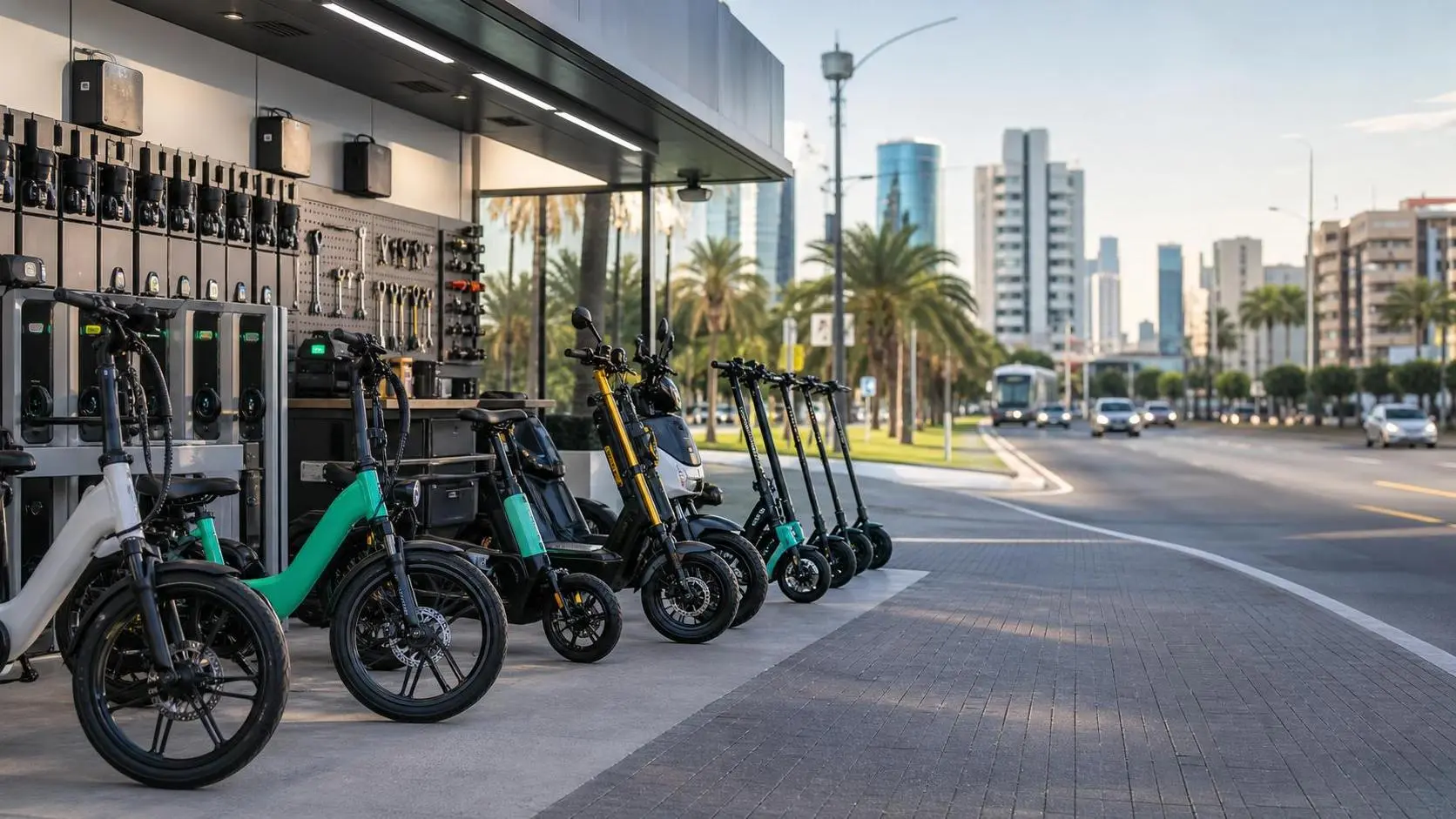
Urban Micro-Mobility Systems in Latin America: Key Market Drivers, Barriers, and Growth Segments
Urban micro-mobility systems Latin America are reshaping city transport. Explore key drivers, barriers, and high-growth segments to spot the region’s most investable opportunities.