
Related News
- 00
0000-00
Urban Mobility Market Analysis: Demand Drivers, Policy Risks, and Revenue Models Compared - 00
0000-00
What Affects Urban Traffic Innovation Price in Smart City Transport Projects? - 00
0000-00
How to Evaluate a Battery Management Systems Exporter for Quality, Compliance, and Support - 00
0000-00
What Drives Urban Mobility Adoption in Congested Cities: Cost, Convenience, and Policy - 00
0000-00
How to Verify Micro Mobility Technical Credibility Before Supplier Approval
Ms. Elena Rodriguez
Weekly Insights
Stay ahead with our curated technology reports delivered every Monday.
Urban Electric Vehicles: Range vs Daily Usability





For many city riders, the real question about urban electric vehicles is not just how far they can go, but how well they fit into everyday life. From commuting and charging to parking and traffic agility, daily usability often matters more than headline range. This article explores how consumers can balance battery expectations with practical urban mobility needs.
For end users comparing e-bikes, smart e-scooters, and high-speed electric two-wheelers, the decision is rarely about the biggest battery alone. In dense urban environments, 8 km to 25 km of daily travel is common, while storage space, charging access, weather exposure, theft risk, and road rules often shape satisfaction more than a claimed 80 km or 120 km range.
That is why urban electric vehicles should be evaluated as complete mobility tools rather than spec-sheet winners. For consumers, the smarter purchase is usually the vehicle that fits the weekly routine, recharges within available time windows, and remains easy to park, carry, maintain, and secure.
Why Range Is Important, but Not Always the Main Buying Factor
Range still matters because it determines confidence. A rider who travels 18 km per day will naturally want reserve capacity for detours, battery aging, cold weather, and occasional weekend trips. In practical consumer decision-making, a buffer of 30% to 50% above normal daily distance is often more useful than chasing maximum range at any cost.
However, urban electric vehicles operate in traffic systems very different from highway cars. Stop-and-go acceleration, curbside parking, apartment charging, elevator access, and mixed bike-lane rules can make a lighter 25 kg to 35 kg vehicle more livable than a heavier model offering an extra 20 km to 40 km on paper.
Range Claims vs Real-World Conditions
Manufacturers usually calculate range under favorable conditions: moderate speed, stable temperature, smooth roads, and lighter riders. In real city use, five variables quickly change results: rider weight, average speed, incline, tire pressure, and outside temperature. A cold morning below 10°C can noticeably reduce effective battery performance.
This means a model advertised for 70 km may deliver 40 km to 55 km in realistic mixed riding. That is not necessarily poor quality. It is simply the difference between laboratory-style assumptions and the daily complexity of urban mobility.
Common reasons consumers overestimate needed range
- They compare with gasoline refueling habits instead of home or office charging patterns.
- They assume every trip requires full autonomy rather than partial top-ups 2 to 4 times per week.
- They overlook how cargo load, passenger weight, or steep streets affect battery use.
- They underestimate the convenience value of removable batteries in apartment living.
The table below shows how claimed range and usable range often differ across common urban electric vehicles categories. These are typical market ranges rather than brand-specific promises, helping consumers set realistic expectations.
The key takeaway is simple: range should be measured against your real route profile, not the most ambitious number in a brochure. For many urban electric vehicles buyers, right-sizing the battery leads to lower weight, easier handling, and lower total cost.
What Daily Usability Means in Urban Mobility
Daily usability is the sum of small practical factors that determine whether a vehicle becomes part of a routine or turns into a compromise. In city life, that includes charging time, storage footprint, wet-weather reliability, tire maintenance, security features, app stability, and comfort over repeated 15-minute to 40-minute rides.
For urban electric vehicles, usability often decides long-term satisfaction more clearly than top speed or maximum battery capacity. A commuter who carries a vehicle up one flight of stairs five days per week will care deeply about every extra kilogram. A rider without a private garage will prioritize removable batteries and anti-theft locking systems.
The five usability filters most consumers should apply
- Charging fit: Can it recharge in 4 to 8 hours during work or overnight?
- Parking fit: Can it be secured in available street or building space?
- Carrying fit: Is the weight manageable for stairs, train transfers, or tight storage?
- Traffic fit: Does it match local lane access and speed limits?
- Weather fit: Can brakes, tires, lighting, and visibility handle rain and low-light use?
Charging behavior matters more than battery size alone
A 500 Wh to 700 Wh battery may fully meet the needs of a commuter traveling 12 km each way if charging is available overnight. By contrast, even a larger battery can feel limiting when the rider lives in a small apartment, cannot remove the pack, and lacks secure ground-floor charging access.
Consumers should map weekly charging windows before comparing battery specifications. Two charging opportunities per week may be enough for one rider, while another needs short top-ups every 1 to 2 days. The better product is the one aligned with that pattern.
The following comparison highlights how usability factors differ across common urban electric vehicles in typical consumer scenarios.
This comparison shows that the best urban electric vehicles are not identical across users. A compact e-scooter may outperform a larger e-bike in portability, while an e-bike may deliver stronger all-round utility for shopping, commuting, and comfort over 20 km per day.
How to Match Vehicle Type to Your Urban Routine
Consumers often make better decisions when they start with route patterns rather than product categories. A vehicle should first match trip frequency, average distance, cargo needs, and parking conditions. Once those four basics are clear, battery size and motor output become easier to judge.
Best fit for short daily travel: 5 km to 15 km
For riders covering a relatively short commute, smart e-scooters and compact e-bikes are often the most practical urban electric vehicles. The priority here is fast deployment, easy parking, and low charging burden. A smaller battery can still support 2 to 3 days of use, especially when speeds remain moderate.
If public transit is part of the route, foldability and lift weight become critical. Carrying 14 kg through a station is very different from managing 28 kg on stairs during rush hour.
Best fit for medium commuting: 15 km to 35 km
This is where e-bikes become especially strong. They combine electric assistance with pedal backup, which helps reduce range anxiety and extends usable mileage. For many urban electric vehicles buyers, this hybrid human-electric dynamic creates a more resilient routine when weather, traffic, or charging access changes unexpectedly.
Look for stable frame geometry, reliable braking, integrated lighting, puncture-resistant tires, and battery capacity that leaves at least 25% reserve after a normal round trip. That reserve protects against battery degradation after 12 to 24 months of regular use.
Useful specification checkpoints
- Battery capacity suitable for at least 1.3x to 1.5x your daily distance.
- Charge time that fits overnight or office routines, usually 4 to 7 hours.
- Braking confidence in wet conditions, especially for speeds above 25 km/h.
- Tire size and suspension matched to rough pavement, tram tracks, or cobblestones.
Best fit for longer mixed urban travel: 35 km and above
For riders regularly covering longer distances, high-speed electric motorcycles or larger-capacity urban models may be justified. Here, range matters more, but so do thermal management, charging network access, and ride stability at sustained speed. A vehicle that reaches the distance target but feels inconvenient to charge can still become a poor daily choice.
In this category, consumers should examine battery swap availability, realistic recharge windows, tire replacement cost, and local registration requirements. The true ownership experience includes all of these operational details.
Key Buying Criteria Beyond Battery Numbers
When comparing urban electric vehicles, consumers benefit from a wider checklist. Battery range is only one line item. Build quality, software reliability, component serviceability, and safety hardware often determine whether the product remains dependable after 6 months, 12 months, and 24 months of city use.
1. Weight and portability
Extra range often means extra battery mass. That can improve autonomy but reduce usability in elevators, narrow hallways, bike racks, or office storage zones. Urban electric vehicles used in apartment-heavy cities should be evaluated with a simple question: can you move it comfortably when the motor is off?
2. Charging access and battery format
A removable battery can be a major advantage for consumers without dedicated parking. If the battery can be detached in under 30 seconds and charged indoors, ownership becomes easier. If it requires ground-level outdoor charging, usage may decline quickly in rain, winter, or shared residential settings.
3. Security and anti-theft practicality
Theft risk is a real operational factor in micro-mobility. Built-in wheel locks, app-based immobilization, GPS tracking, and battery removal all affect peace of mind. A high-range vehicle that cannot be parked securely may be less suitable than a simpler model with stronger everyday protection.
4. Serviceability and parts availability
Consumers should check whether brake pads, tires, chargers, and replacement batteries are easy to source within 7 to 14 days. Urban electric vehicles with proprietary components can create downtime if local support is weak. A practical machine is one that can stay on the road without long repair delays.
The table below summarizes a decision framework that helps buyers compare urban electric vehicles using balanced criteria rather than battery size alone.
This framework helps consumers filter marketing claims into operational value. In many cases, the winning option is not the most powerful product, but the one with the most balanced everyday profile.
Common Mistakes Buyers Make with Urban Electric Vehicles
Even informed buyers can make decisions that look right on paper but fail in actual city use. Most errors happen when a single metric dominates the process, especially maximum range or top speed. A better purchase comes from matching the product to the user environment.
Mistake 1: Buying for occasional extreme trips
If 90% of your riding is 10 km to 20 km per day, it rarely makes sense to choose a heavier vehicle just because you may take one 50 km ride per month. Renting for the occasional long trip can be more efficient than carrying unnecessary battery weight all year.
Mistake 2: Ignoring local infrastructure
Urban electric vehicles perform differently depending on local lanes, charging rules, curb quality, and building access. A high-spec scooter is less useful if the city has poor pavement, while a large e-motorcycle may be inconvenient if secure parking is limited within a 500-meter radius of home or work.
Mistake 3: Underestimating weather and visibility needs
Rain, fog, and winter darkness can quickly expose weak lighting, poor fenders, or low-quality braking. Visibility systems, reflective detailing, and reliable wet-weather components are not optional extras for year-round riders. In practical mobility, safety usability is part of daily usability.
A quick 6-point pre-purchase check
- Measure your real round-trip distance for 5 typical weekdays.
- Confirm where the vehicle will be parked during day and night.
- Check whether charging is indoor, outdoor, or shared-access only.
- Estimate the number of stairs, ramps, or lifts involved per trip.
- Review local speed and lane regulations for the vehicle category.
- Ask how long common replacement parts take to arrive.
A Practical Decision Model for Consumers
A simple 3-step model can make the purchase process more objective. First, define your weekly mobility pattern. Second, set a minimum acceptable range with reserve. Third, rank usability factors in order of importance. This keeps the decision focused on ownership reality rather than showroom appeal.
Step 1: Map the weekly pattern
Count commute days, leisure rides, shopping trips, and multimodal transfers. If your schedule includes 4 workdays, 1 grocery run, and 1 weekend ride, that pattern will reveal whether you need a cargo-friendly e-bike, a foldable scooter, or a faster long-range model.
Step 2: Set the practical range target
Take your normal weekly or daily distance and add a 30% to 50% reserve. This usually produces a more rational target than following the largest available battery. For many city riders, that number is lower than expected and leads to a lighter, easier vehicle.
Step 3: Prioritize everyday friction points
Ask what causes the most friction: charging, weight, theft, weather, or road comfort. The best urban electric vehicles are the ones that remove friction consistently. A product that saves 10 minutes per day across parking, charging, and handling can deliver more value over a year than one with a larger battery but poorer fit.
Urban electric vehicles are becoming more advanced, but the most satisfying purchase is still the one aligned with real city behavior. For some riders, that means accepting moderate range in exchange for portability. For others, it means paying more for extra autonomy because charging access is limited. The right answer depends on routine, not hype.
If you are comparing e-bikes, smart e-scooters, or high-speed electric two-wheelers and want a clearer view of what truly fits your commute, storage conditions, and charging habits, explore more urban mobility insights through UMMS. To evaluate the right solution for your daily use case, contact us today to learn more, compare practical options, and get tailored guidance on urban electric vehicles.
Related News
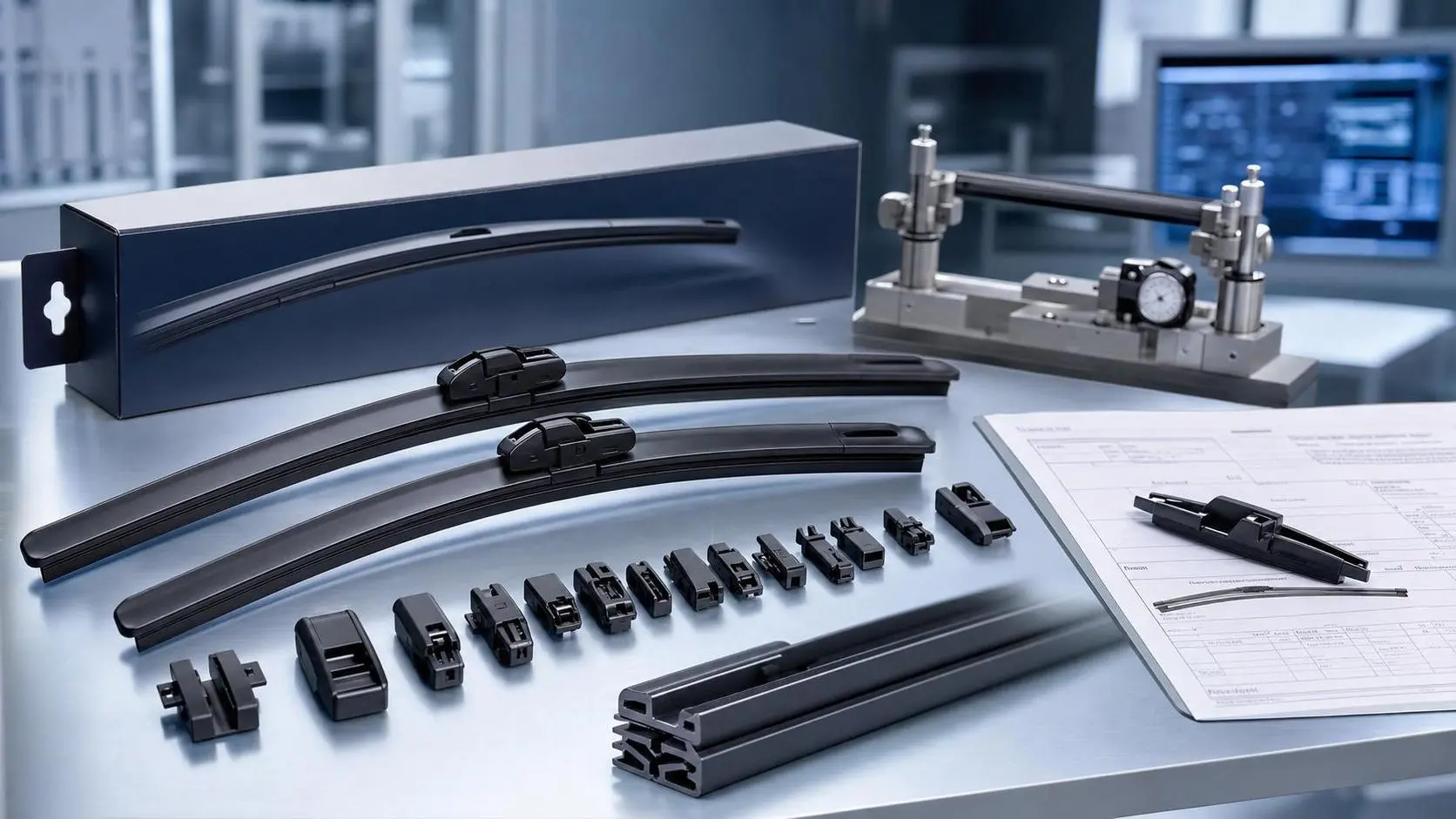
Flat Wiper Blades Wholesale Buying Guide: MOQ, Rubber Quality, Fitment, and Supplier Checks
Flat wiper blades wholesale buying guide covering MOQ, rubber quality, fitment accuracy, and supplier checks to reduce risk, improve margins, and choose reliable bulk partners.
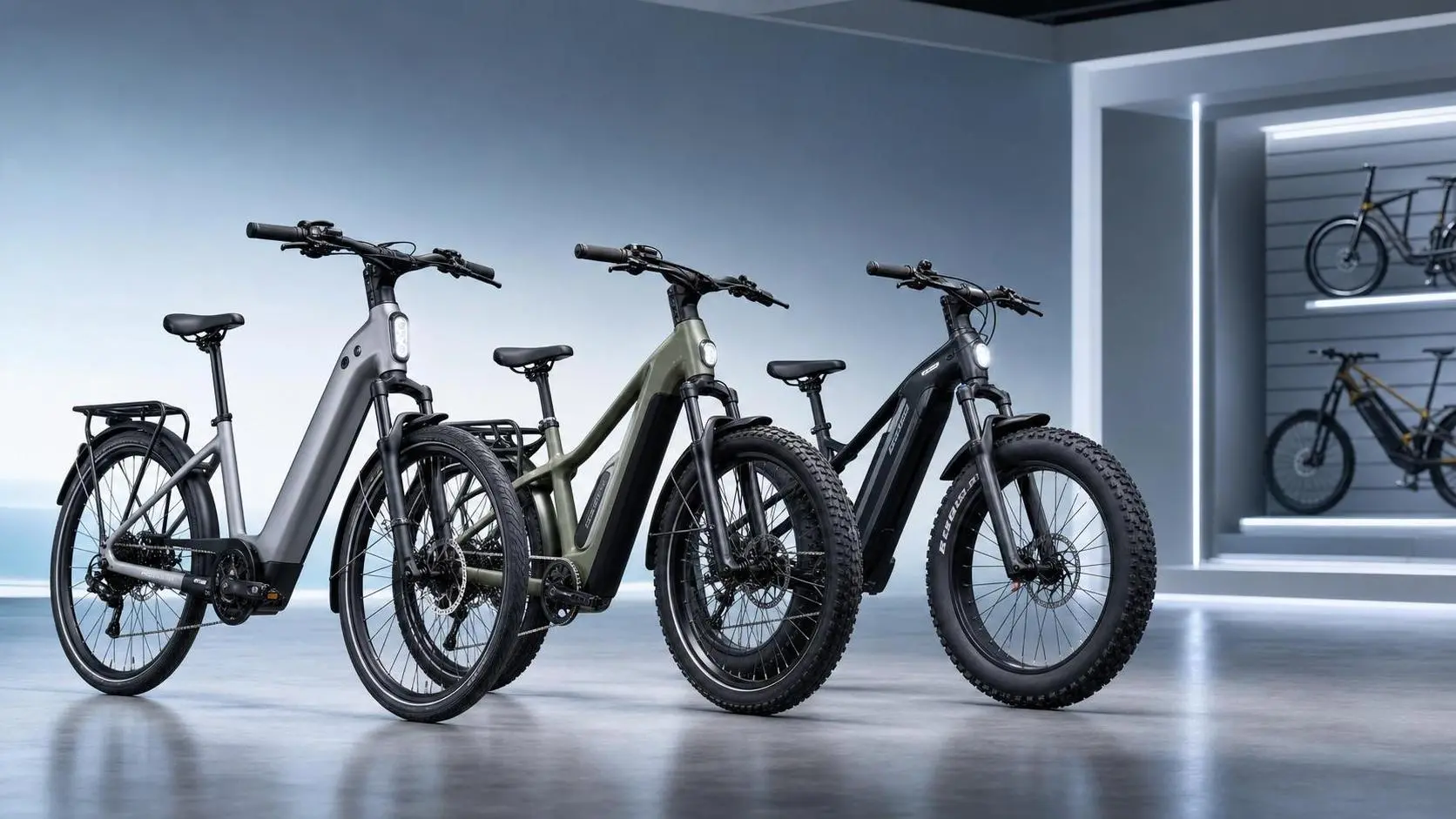
Ebike Market USA: What Dealers Should Know About Demand Shifts, Pricing, and Product Mix
ebike market USA is shifting fast. Discover how demand segmentation, pricing pressure, and smarter product mix decisions can help dealers protect margins and grow.
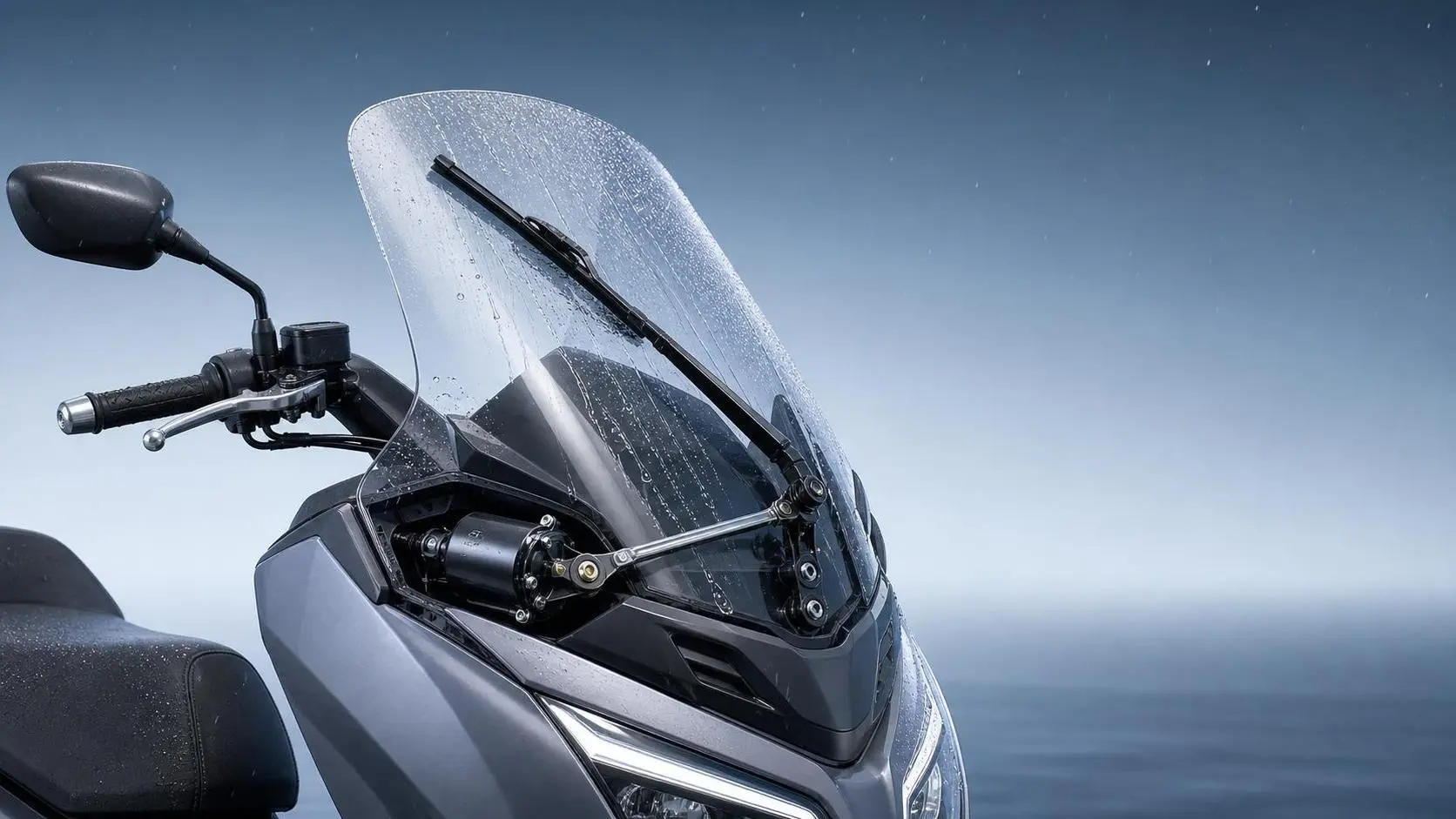
Wiper Systems for Scooters: Common Failure Points, Maintenance Tips, and Replacement Signs
Wiper systems for scooters: learn the most common failure points, smart maintenance tips, and clear replacement signs to improve visibility, reduce repeat repairs, and keep riders safer.

How to Choose Micro-Mobility Docking Stations for Shared Fleets and Public Charging Hubs
Micro-mobility docking stations: learn how to compare charging, locking, software, and site-fit factors to choose safer, smarter hubs for shared fleets and public use.

Powertrain Heat Management Explained: Key Design Factors for EV Efficiency and Battery Life
Powertrain heat management explained for EVs: discover how thermal design boosts efficiency, protects battery life, improves safety, and sustains real-world performance.
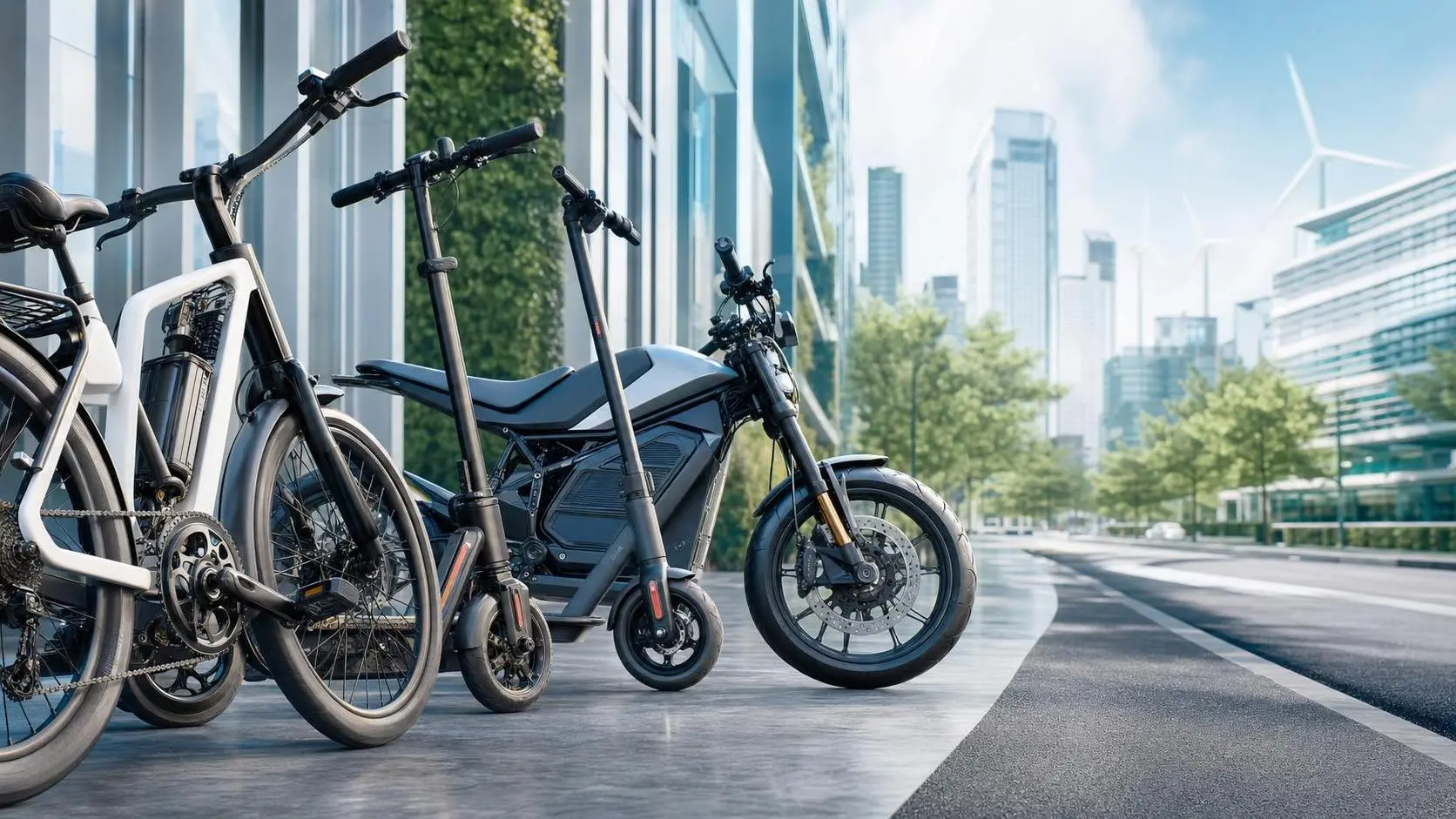
Urban Mobility Market Analysis: Demand Drivers, Policy Risks, and Revenue Models Compared
Urban mobility market analysis compares demand drivers, policy risks, and revenue models across e-bikes, scooters, and e-motorcycles to reveal where growth is durable.

Shared Mobility Compliance Checklist: Permits, Safety Rules, and Fleet Data Requirements
Shared mobility compliance made simple: explore a practical checklist for permits, safety rules, and fleet data requirements to launch faster, reduce risk, and stay audit-ready.
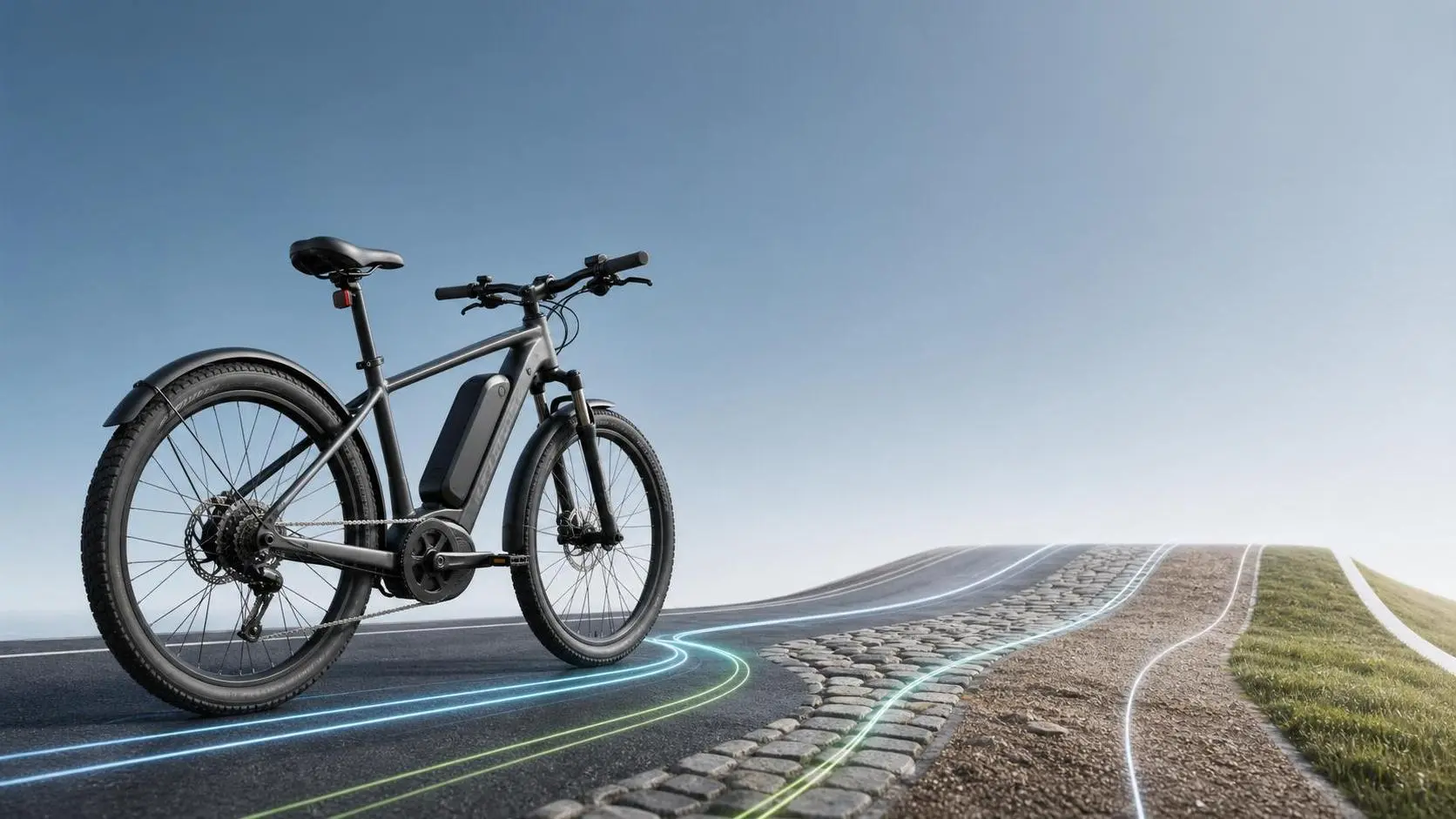
What Affects Ebike Energy Efficiency? Battery Size, Rider Weight, Terrain, and Speed
Ebike energy efficiency explained: learn how battery size, rider weight, terrain, and speed shape real-world range, lower Wh/km, and smarter buying or commuting decisions.
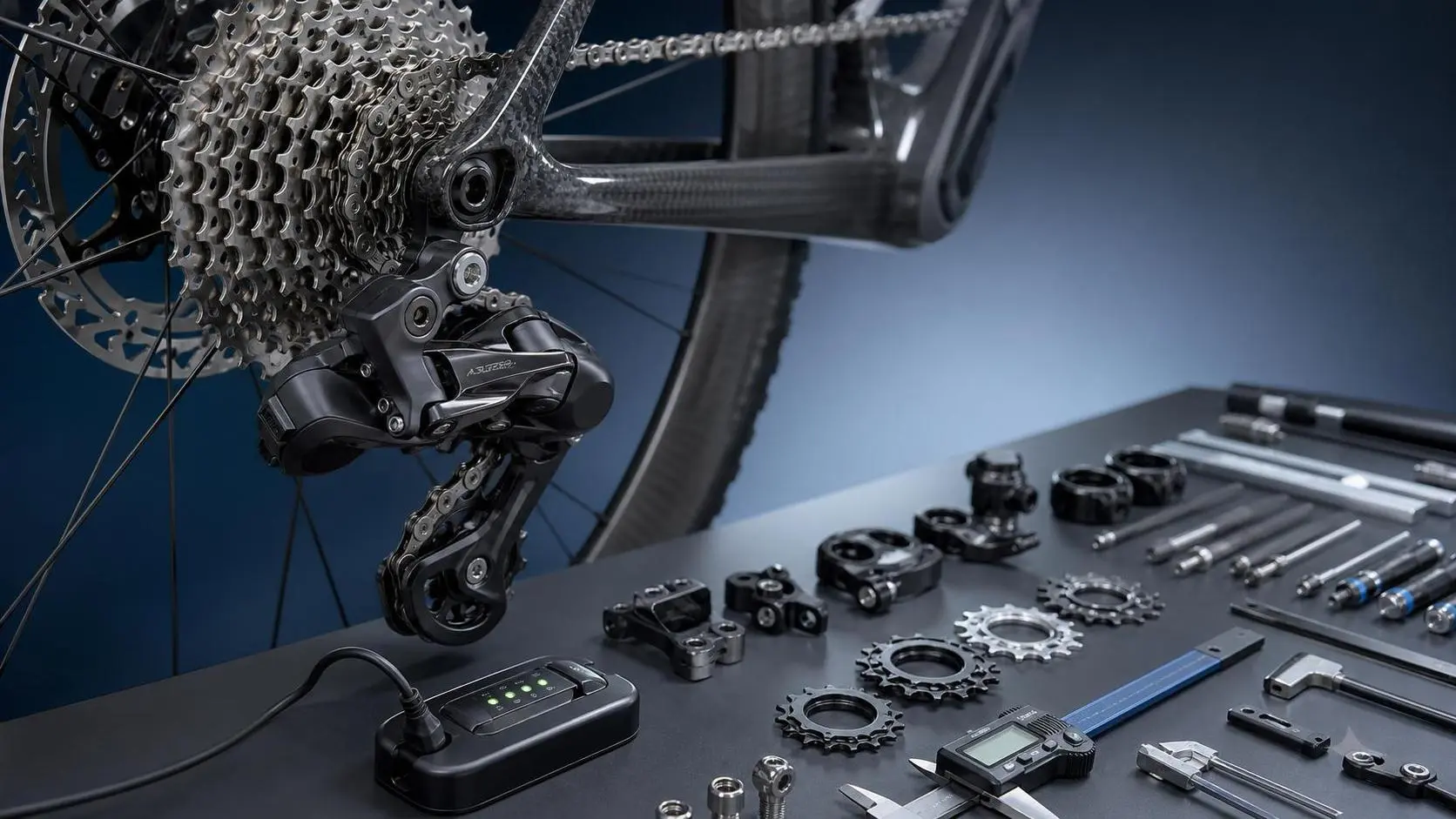
Wireless Electronic Shifting in North America: Compatibility, Standards, and Upgrade Limits
Wireless electronic shifting North America explained: compare compatibility, FCC/ISED standards, retrofit limits, and upgrade risks before choosing the right platform.