
Related News
- 00
0000-00
Urban Mobility Market Analysis: Demand Drivers, Policy Risks, and Revenue Models Compared - 00
0000-00
What Affects Urban Traffic Innovation Price in Smart City Transport Projects? - 00
0000-00
How to Evaluate a Battery Management Systems Exporter for Quality, Compliance, and Support - 00
0000-00
What Drives Urban Mobility Adoption in Congested Cities: Cost, Convenience, and Policy - 00
0000-00
How to Verify Micro Mobility Technical Credibility Before Supplier Approval
Ms. Elena Rodriguez
Weekly Insights
Stay ahead with our curated technology reports delivered every Monday.
Micro-Mobility Solutions for Congested City Routes





As congestion, carbon targets, and shifting commuter expectations reshape urban transport, micro-mobility solutions are becoming a strategic priority across the mobility value chain.
From e-bikes and smart e-scooters to high-speed e-motorcycles and precision components, this sector is redefining last-mile efficiency, system intelligence, and low-carbon growth.
For urban mobility platforms, component innovators, and market analysts, the rise of micro-mobility solutions signals a structural change in how cities move people and goods.
UMMS tracks this shift through technology, policy, and commercial intelligence, connecting drivetrain efficiency, battery logic, smart sensing, and global transport strategy.
Definition and Scope of Micro-Mobility Solutions
Micro-mobility solutions refer to compact, low-emission transport systems designed for short urban routes, first-mile access, and last-mile connectivity.
They usually include electric bicycles, connected e-scooters, lightweight motorcycles, shared fleet platforms, and the component ecosystems enabling safe, efficient operation.
In congested city routes, these solutions fill the gap between walking, public transit, and private cars. Their value comes from flexibility, lower operating cost, and reduced space demand.
The category also extends beyond vehicles. It includes battery systems, telematics, precision transmission parts, safety electronics, software dashboards, and fleet optimization tools.
That broader view matters because successful micro-mobility solutions depend on integrated systems rather than isolated products.
Industry Background and Current Market Signals
Urban transport is being reshaped by population density, tighter emissions policy, and growing pressure to improve travel reliability during peak hours.
As a result, micro-mobility solutions are moving from niche alternatives to essential infrastructure for dense metropolitan corridors.
- Cities are expanding bike lanes and low-speed corridors.
- Consumers expect faster point-to-point travel with less parking friction.
- Electrification lowers dependence on fuel-intensive short trips.
- Connected hardware supports fleet visibility and preventive maintenance.
- Battery advances improve range, charging logic, and asset utilization.
Europe has seen strong e-bike momentum, while many Asian and North American cities continue testing shared scooter rules and electrified two-wheeler frameworks.
At the same time, component competition is intensifying. Precision derailleur systems, lightweight frames, motor controllers, and thermal management technologies are becoming strategic differentiators.
Business Value of Micro-Mobility Solutions in Congested Routes
The core advantage of micro-mobility solutions is their ability to unlock mobility capacity without requiring the street footprint of conventional automobiles.
On crowded urban corridors, this creates measurable value across time, cost, emissions, and network resilience.
1. Faster Short-Distance Throughput
E-bikes and smart e-scooters often outperform cars on short city trips where traffic delays, parking searches, and stop-and-go flow reduce average vehicle speed.
2. Lower Energy and Operating Costs
Electrified two-wheelers require less energy per kilometer. They also reduce maintenance complexity compared with fuel-based urban vehicles in frequent stop environments.
3. Stronger Sustainability Performance
Well-designed micro-mobility solutions help reduce local emissions, road congestion pressure, and urban noise, especially when paired with renewable charging strategies.
4. Better System Intelligence
IoT modules, sensor data, and software platforms enable route tracking, battery health monitoring, anti-theft controls, and fleet-level performance analysis.
5. Modular Growth Potential
Operators and technology providers can scale vehicle categories, charging methods, and component upgrades without rebuilding the entire mobility architecture.
Representative Solution Categories and Use Cases
Different urban route problems require different micro-mobility solutions. Vehicle choice depends on distance, terrain, speed expectations, and regulatory context.
Component-level innovation shapes the market as much as vehicle design. Wireless shifting, motor tuning, sensor fusion, and battery controls can directly influence user adoption.
For example, advanced drivetrain components improve energy transfer, while smart battery management extends service life under repeated urban charging cycles.
Safety systems also matter. Visibility technologies, stable braking, frame integrity, and weather-adaptive hardware support reliable operation in dense and unpredictable city conditions.
Operational Priorities for Effective Deployment
Successful micro-mobility solutions depend on careful alignment between technology capability and real urban route behavior.
- Match vehicle format to average trip distance and road quality.
- Prioritize battery safety, thermal control, and charging discipline.
- Use connected diagnostics to reduce downtime and service disruption.
- Evaluate local rules for speed limits, parking, and right-of-way access.
- Design for durability in rain, vibration, and frequent urban stop cycles.
Data should guide each deployment stage. Route density, ride frequency, battery depletion patterns, and failure rates reveal whether a solution is scalable or misaligned.
Interoperability is another priority. Hardware, software, and charging ecosystems should support future upgrades rather than locking performance into a fixed configuration.
Strategic Considerations for the Next Growth Phase
The next phase of micro-mobility solutions will be defined by intelligence, regulation, and component specialization rather than simple vehicle volume alone.
Three developments deserve close attention:
- Battery ecosystems will become more sophisticated, including swapping models and predictive health analytics.
- Smart vehicle architecture will integrate more sensors, connectivity, and remote control functions.
- Premium components will increasingly define performance, safety, and lifecycle economics.
This is where intelligence platforms such as UMMS add value. Monitoring subsidy policy, technical evolution, and route-level demand patterns supports better timing and investment quality.
In fast-changing city markets, decisions based only on headline growth can miss the real drivers of adoption, profitability, and long-term resilience.
Practical Next Steps
A practical approach to micro-mobility solutions starts with route analysis, technology screening, and policy mapping.
Focus on the congestion points where two-wheel electrification delivers the clearest efficiency gain. Then compare vehicles and components by safety, intelligence, and lifecycle value.
Finally, use trusted market intelligence to track drivetrain innovation, battery management trends, smart scooter regulations, and demand shifts across urban mobility segments.
As cities pursue cleaner, faster, and more adaptive transport systems, micro-mobility solutions will remain central to the future of congested route optimization.
Related News
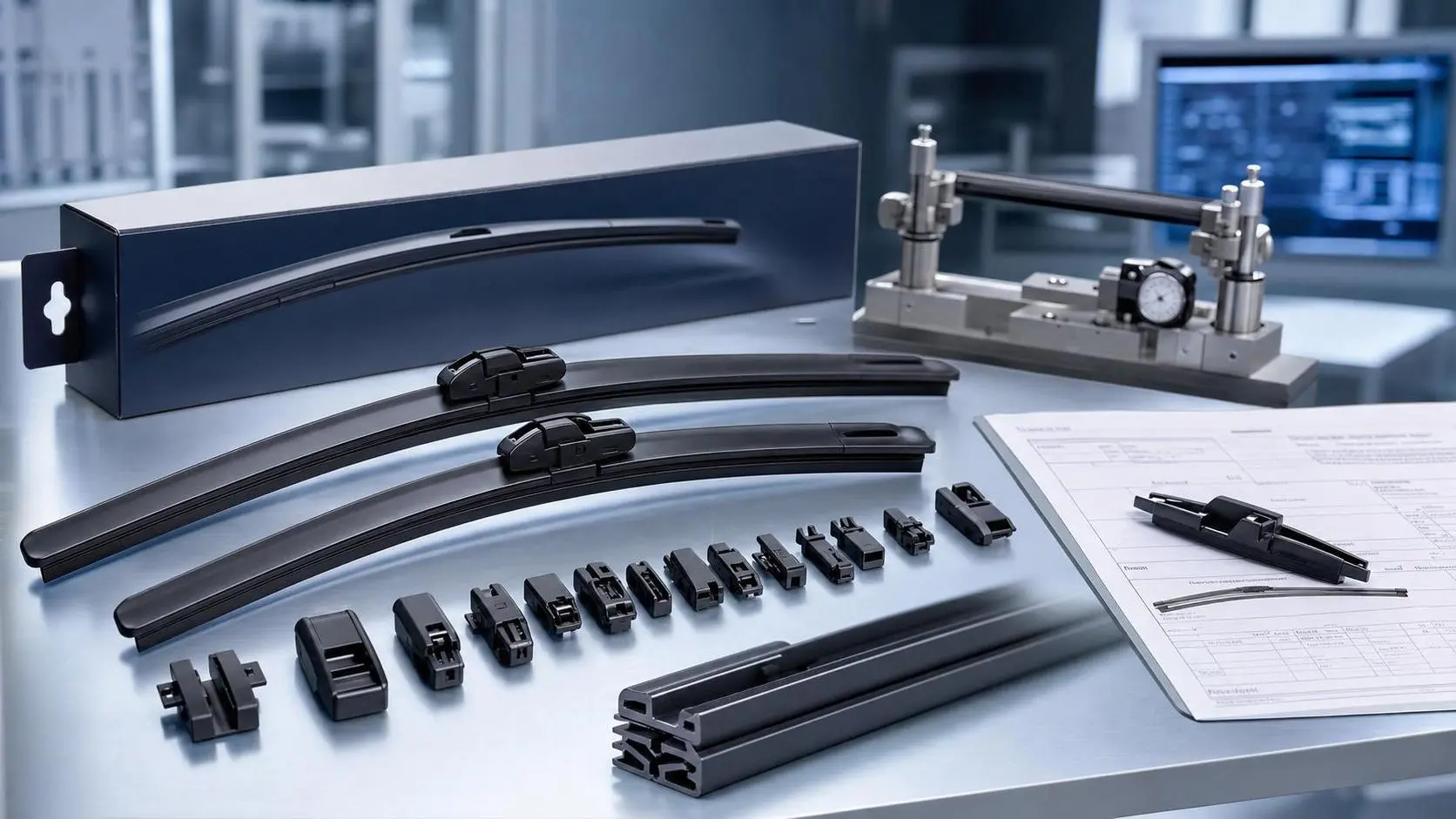
Flat Wiper Blades Wholesale Buying Guide: MOQ, Rubber Quality, Fitment, and Supplier Checks
Flat wiper blades wholesale buying guide covering MOQ, rubber quality, fitment accuracy, and supplier checks to reduce risk, improve margins, and choose reliable bulk partners.
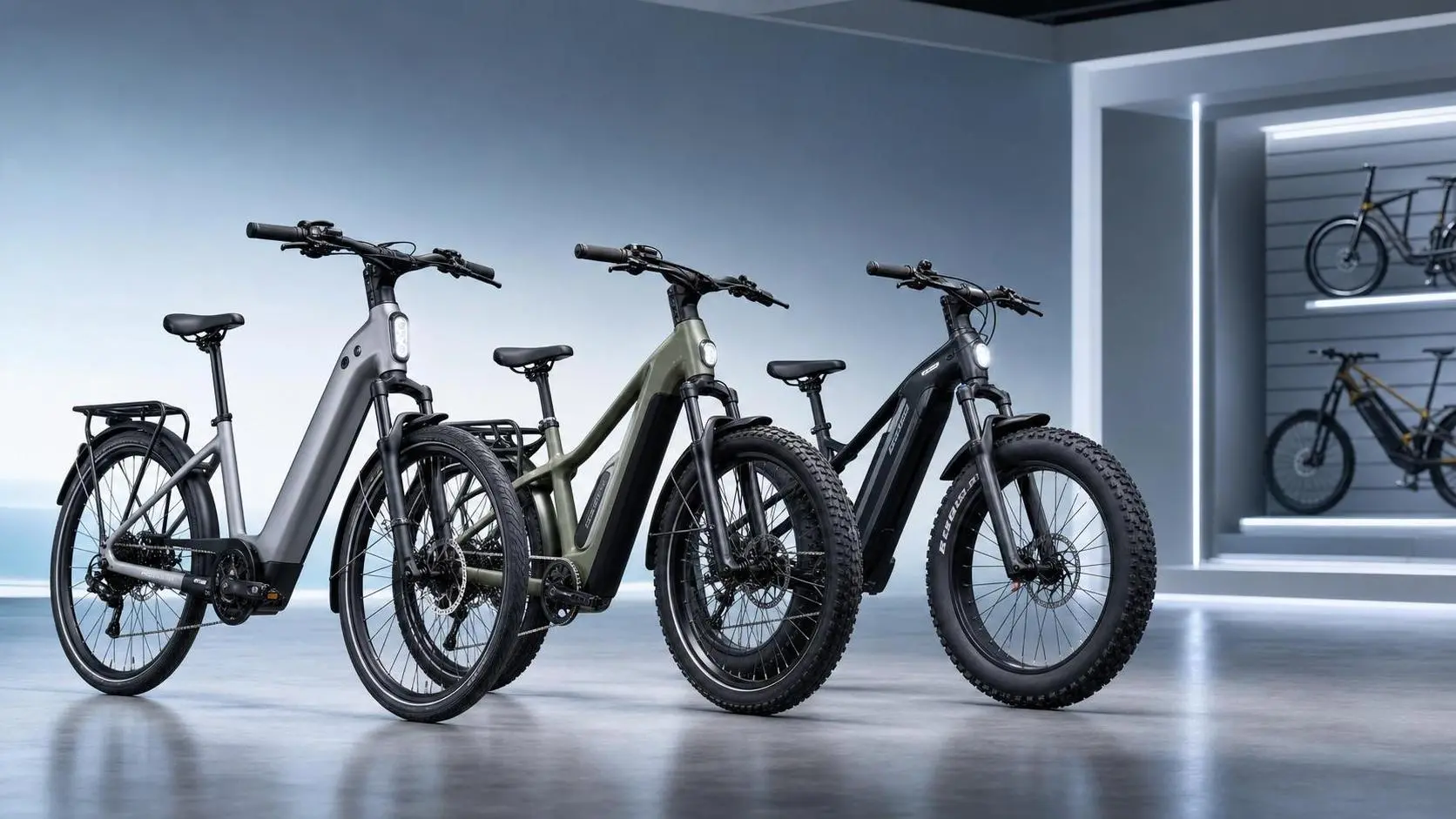
Ebike Market USA: What Dealers Should Know About Demand Shifts, Pricing, and Product Mix
ebike market USA is shifting fast. Discover how demand segmentation, pricing pressure, and smarter product mix decisions can help dealers protect margins and grow.
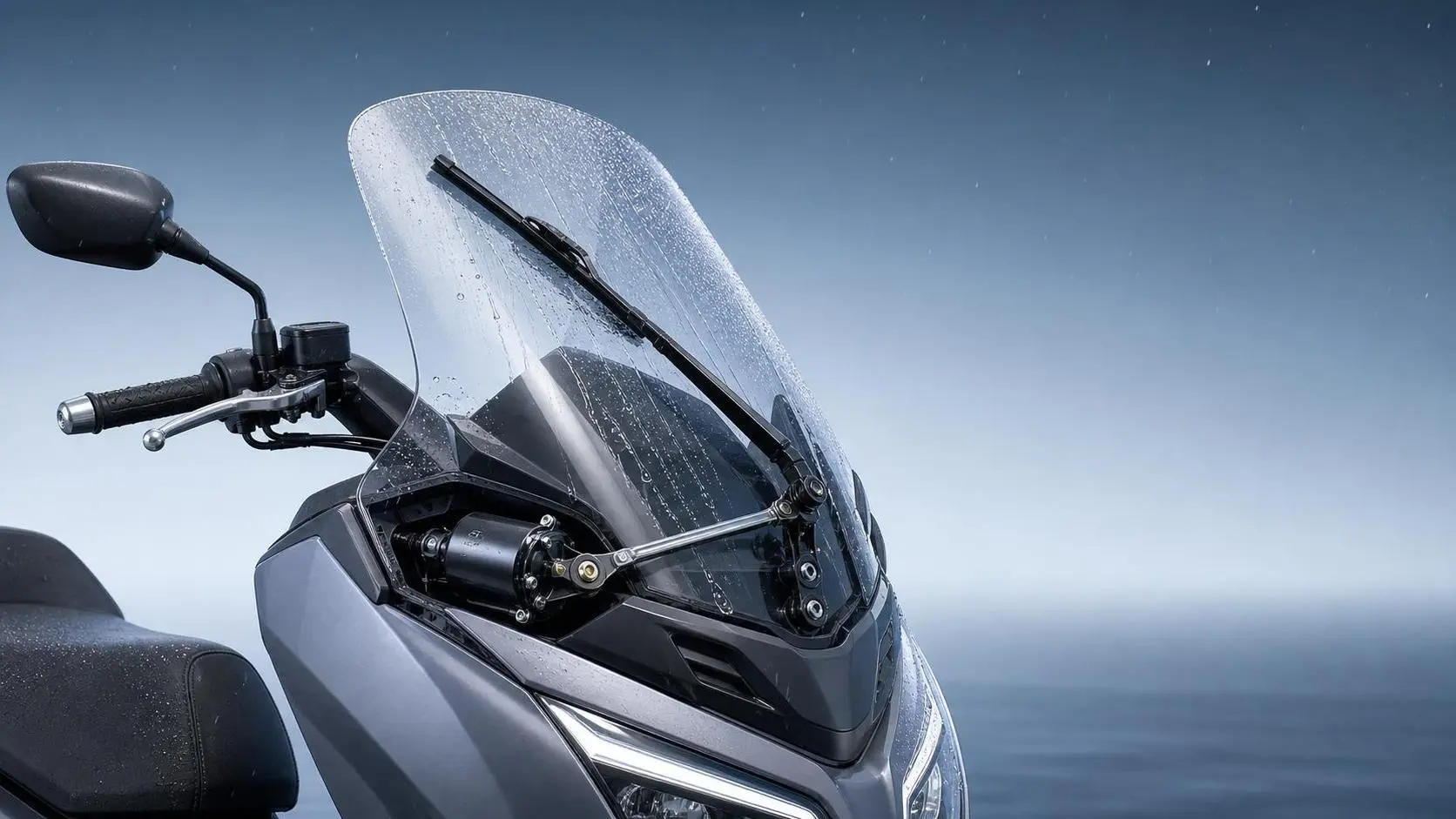
Wiper Systems for Scooters: Common Failure Points, Maintenance Tips, and Replacement Signs
Wiper systems for scooters: learn the most common failure points, smart maintenance tips, and clear replacement signs to improve visibility, reduce repeat repairs, and keep riders safer.
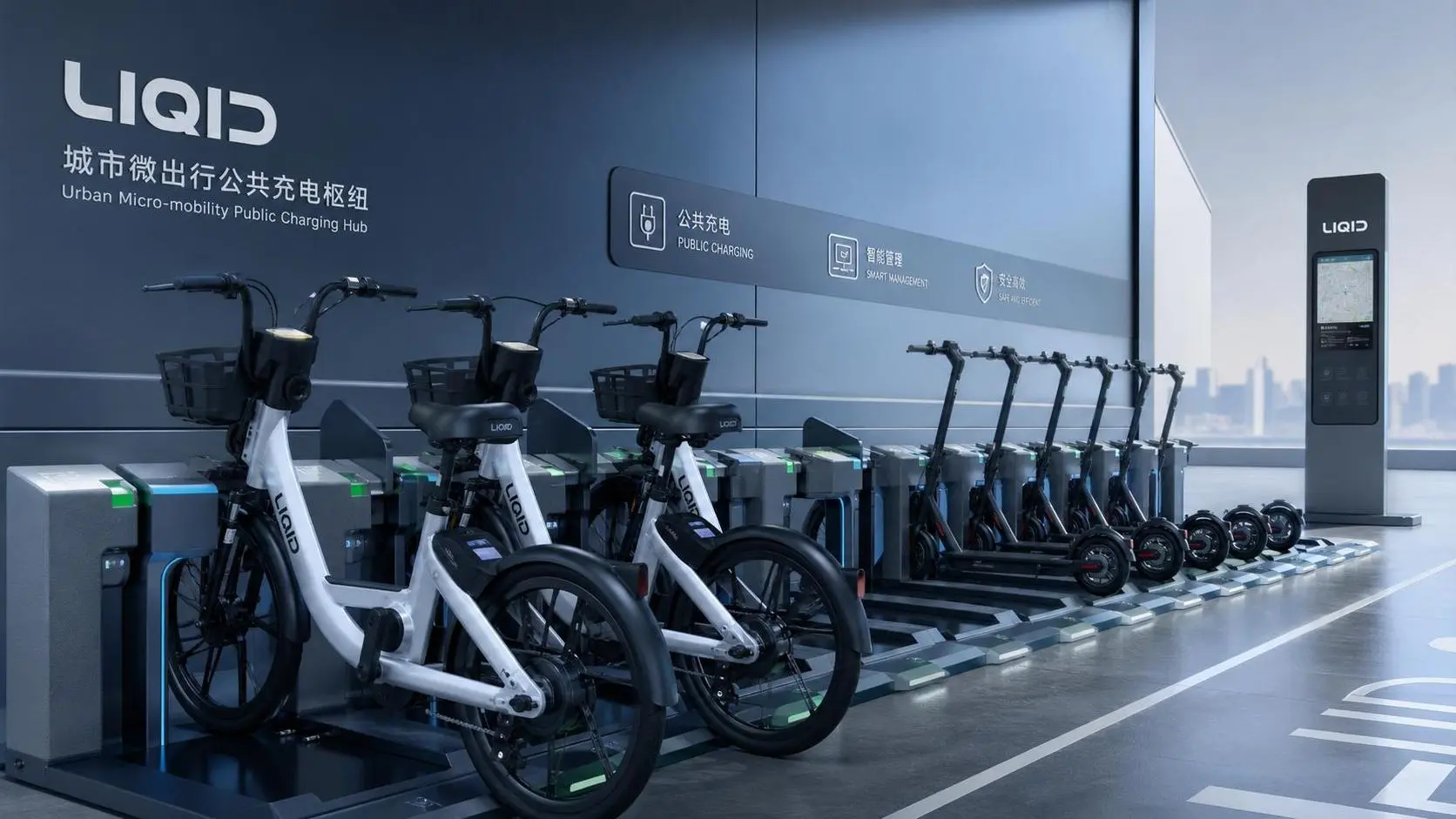
How to Choose Micro-Mobility Docking Stations for Shared Fleets and Public Charging Hubs
Micro-mobility docking stations: learn how to compare charging, locking, software, and site-fit factors to choose safer, smarter hubs for shared fleets and public use.
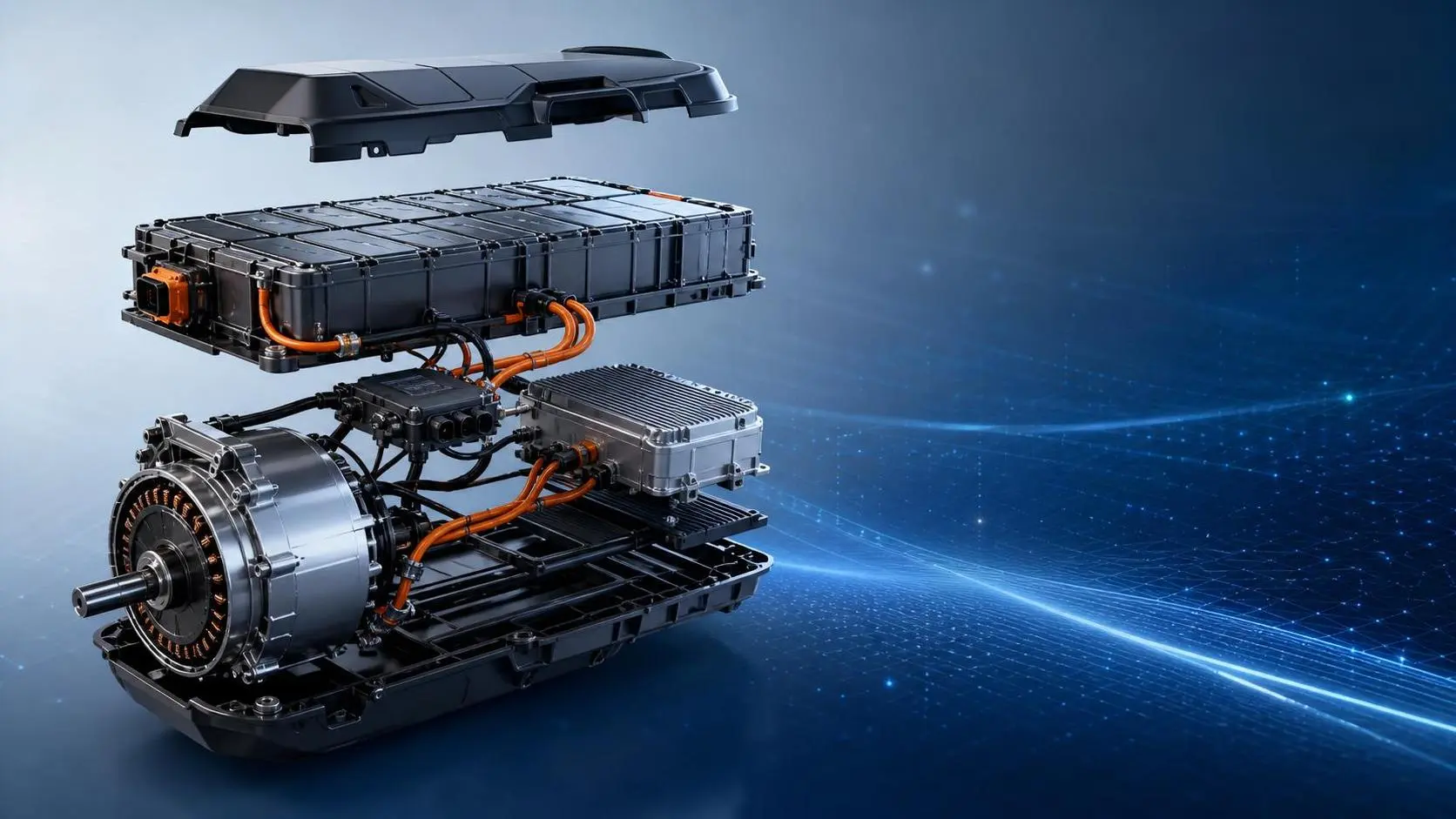
Powertrain Heat Management Explained: Key Design Factors for EV Efficiency and Battery Life
Powertrain heat management explained for EVs: discover how thermal design boosts efficiency, protects battery life, improves safety, and sustains real-world performance.
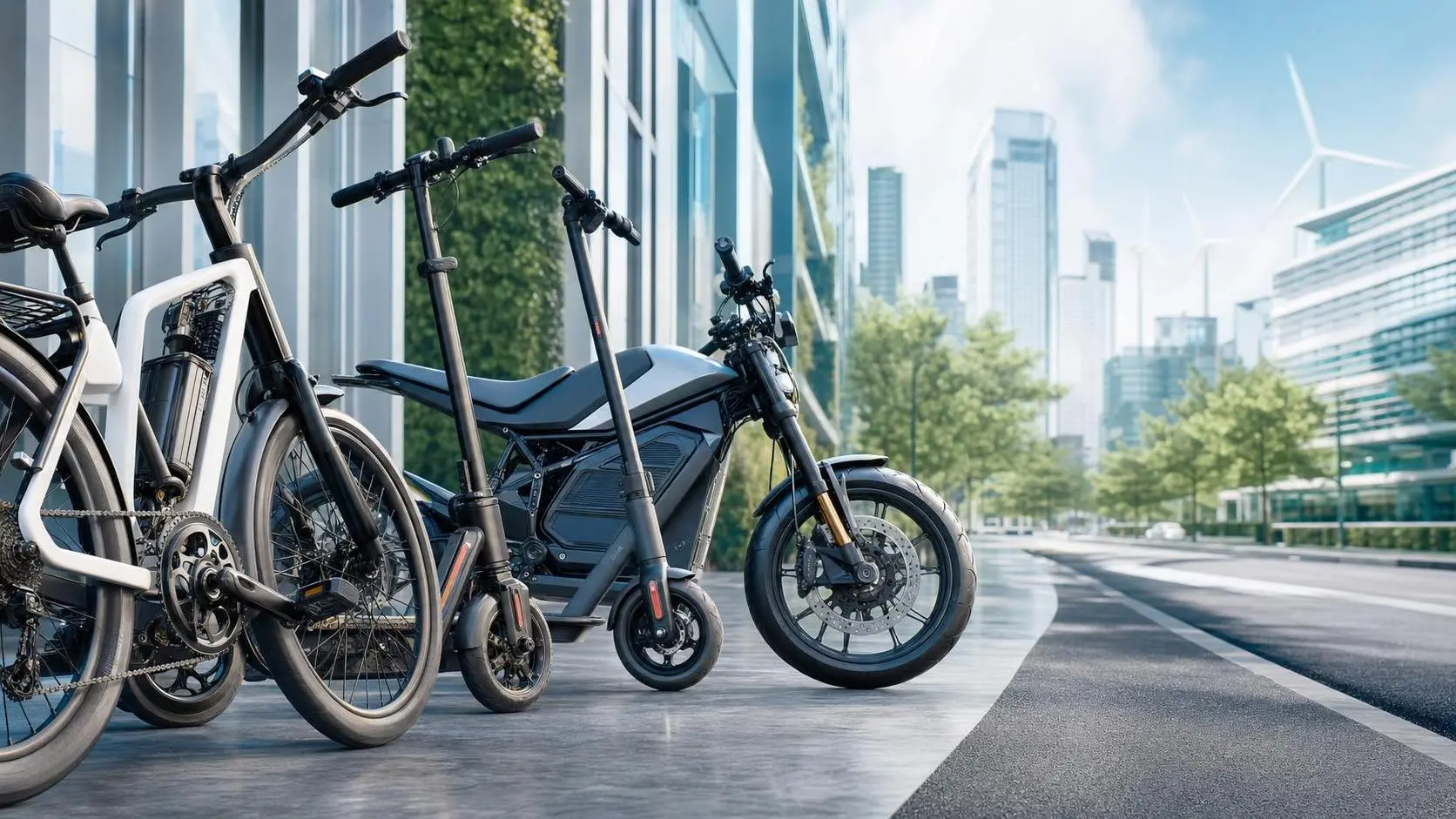
Urban Mobility Market Analysis: Demand Drivers, Policy Risks, and Revenue Models Compared
Urban mobility market analysis compares demand drivers, policy risks, and revenue models across e-bikes, scooters, and e-motorcycles to reveal where growth is durable.
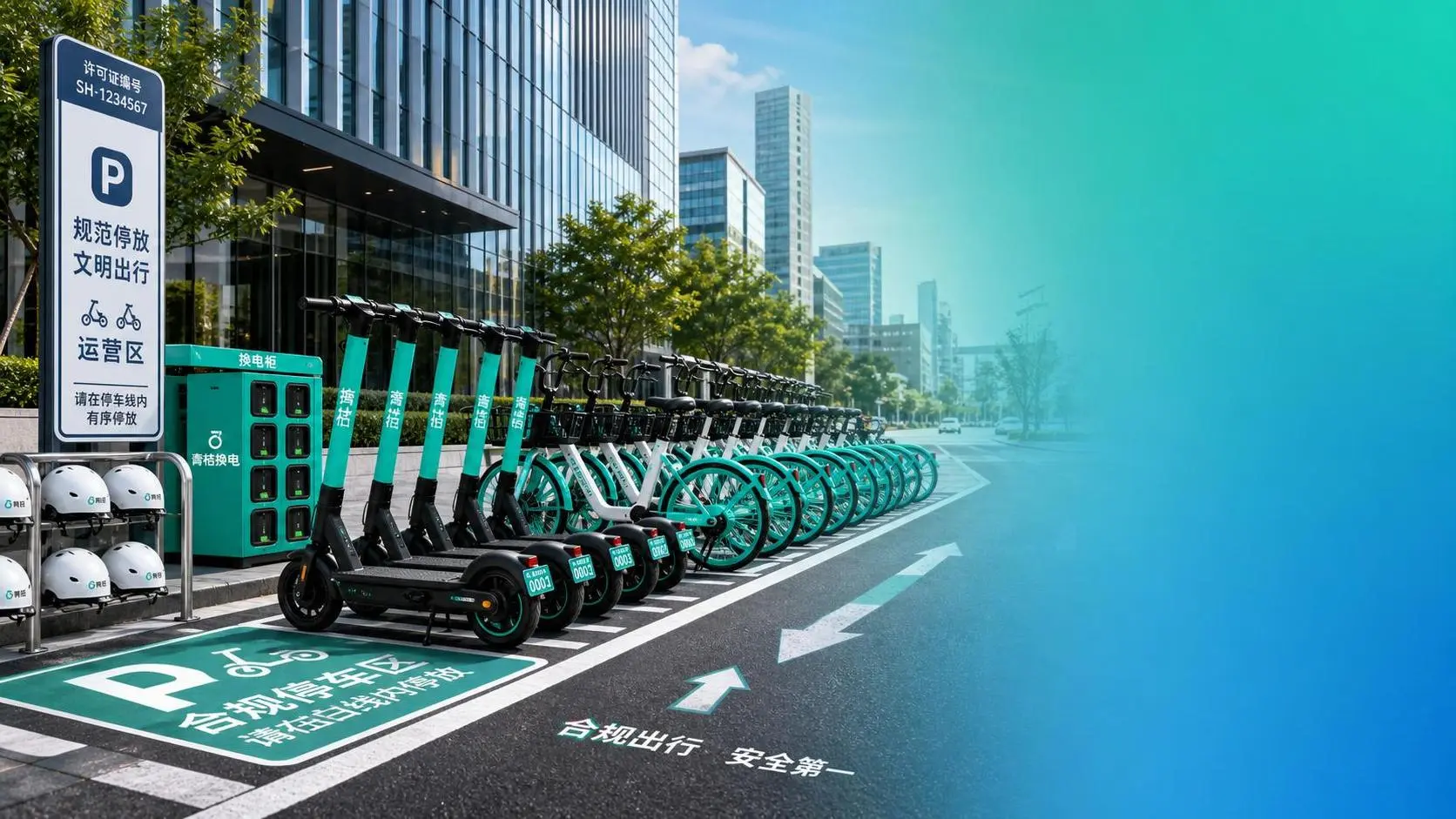
Shared Mobility Compliance Checklist: Permits, Safety Rules, and Fleet Data Requirements
Shared mobility compliance made simple: explore a practical checklist for permits, safety rules, and fleet data requirements to launch faster, reduce risk, and stay audit-ready.
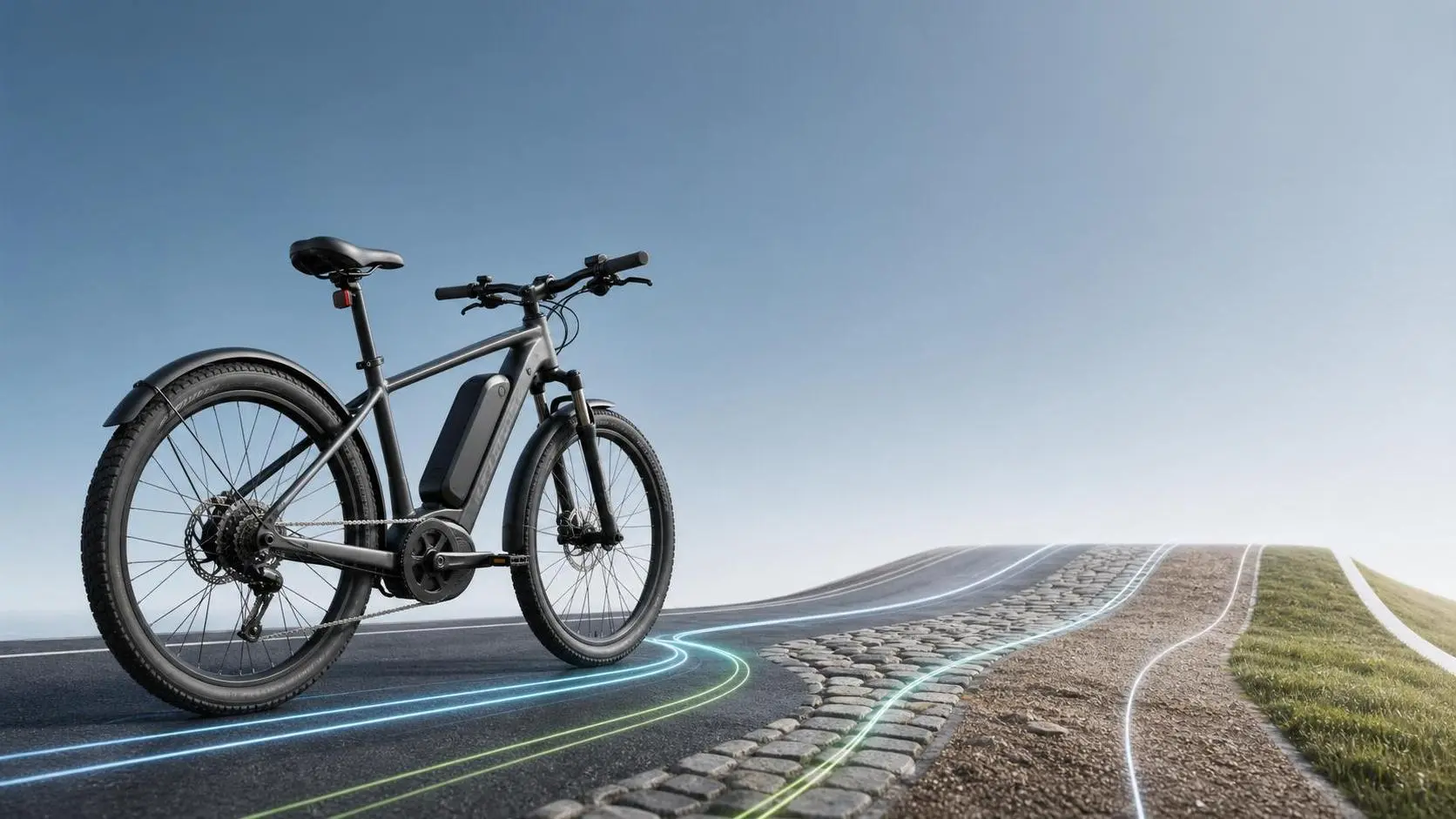
What Affects Ebike Energy Efficiency? Battery Size, Rider Weight, Terrain, and Speed
Ebike energy efficiency explained: learn how battery size, rider weight, terrain, and speed shape real-world range, lower Wh/km, and smarter buying or commuting decisions.

Wireless Electronic Shifting in North America: Compatibility, Standards, and Upgrade Limits
Wireless electronic shifting North America explained: compare compatibility, FCC/ISED standards, retrofit limits, and upgrade risks before choosing the right platform.