
Related News
- 00
0000-00
Ebike Market USA: What Dealers Should Know About Demand Shifts, Pricing, and Product Mix - 00
0000-00
Urban Micro Mobility Market Trends: What Operators and Investors Should Track - 00
0000-00
Micro-Mobility Trends: How Battery Swapping Is Reshaping Shared Scooter Operations - 00
0000-00
Urban Electric Vehicles Market: Key Growth Drivers and Adoption Challenges - 00
0000-00
Two Wheeler Electrification Trends: What Is Driving Adoption in Urban Mobility?
Prof. Marcus Chen
Weekly Insights
Stay ahead with our curated technology reports delivered every Monday.
Brushless Motors vs Brushed: What Changes in Service Life





When technical evaluators compare brushless motors with brushed alternatives, service life is not one fixed rating. It changes with load, heat, switching quality, vibration, sealing, and maintenance discipline.
In urban micro-mobility, that difference becomes practical. An e-bike hub motor, a smart e-scooter drive, or a precision auxiliary system may face daily start-stop cycles, moisture, dust, and long idle periods.
This is why service life analysis must move beyond catalog claims. The real question is what changes in wear behavior, reliability planning, and lifecycle cost when brushless motors replace brushed designs.
Why service life changes across use scenarios
The main durability shift comes from contact mechanics. Brushed motors rely on brushes and commutators. Those parts touch, arc, and wear during operation.
By contrast, brushless motors use electronic commutation. Mechanical friction is reduced, and one major wear source disappears. That usually extends operating life, especially under repetitive cycling.
However, longer life is not automatic. Electronics, sensors, bearings, magnets, and thermal paths become the new limiting factors. The failure point moves rather than vanishes.
For UMMS-relevant systems, this shift matters because duty cycles differ sharply. A high-speed e-motorcycle stresses heat rejection. A shared scooter stresses impact tolerance. A wiper system stresses weather exposure.
The core judgment point
Do not ask only which motor lasts longer in theory. Ask which architecture wears more slowly in the exact electrical, mechanical, and environmental scenario being evaluated.
Scenario 1: Daily urban e-bikes and shared scooters
In daily commuting fleets, frequent acceleration is normal. Motors start under load, stop at intersections, and operate at partial speed for long periods.
Here, brushless motors usually show a service life advantage. Brush wear is eliminated, efficiency stays higher, and heat generation tends to be lower for the same output.
That advantage grows in shared mobility. Vehicles often run for many short trips each day. Repeated switching punishes brushed commutation systems more severely.
Still, controller quality becomes critical. Poor firmware, weak current limiting, or low-grade MOSFET design can shorten the practical life of otherwise durable brushless motors.
Key judgment points in this scenario
- Stop-start frequency per day
- Average operating temperature
- Controller current spikes during launch
- Ingress exposure from rain and road dust
- Expected maintenance intervals
Scenario 2: High-speed e-motorcycles and sustained power demand
In high-speed applications, service life depends heavily on thermal management. Continuous torque, hard acceleration, and regenerative events create intense electrical and mechanical stress.
In this setting, brushless motors remain the preferred architecture. They support higher efficiency windows, stronger control precision, and better durability under continuous duty.
But the real determinant is system integration. Motor longevity can collapse if the inverter, battery discharge profile, cooling structure, or bearing selection is underspecified.
A brushed design in this scenario tends to face faster commutator wear, arcing, and efficiency loss. Under elevated heat, those problems accelerate and become harder to stabilize.
Where life gains actually come from
The service life gain of brushless motors here does not come only from missing brushes. It comes from better control over torque ripple, speed response, and thermal loading.
Scenario 3: Precision auxiliary systems such as wipers and components
Not every motor in mobility systems is a traction unit. Wiper systems, cooling modules, sensor actuation devices, and precision mechanisms may require silent, repeatable, low-maintenance operation.
For these conditions, brushless motors often improve service life because they reduce sparking, support compact sealed designs, and maintain stable performance under variable weather.
This matters in visibility safety systems. Exposure to moisture, dust, and cold starts can challenge brushed assemblies, especially where contact corrosion or contamination affects commutation.
However, low-cost auxiliary products sometimes still use brushed motors because initial cost is lower. The service life decision then becomes a lifecycle economics question, not just a technical one.
What changes most: wear mode, maintenance, and efficiency
The biggest difference between brushed and brushless motors is not merely longevity. It is the entire pattern of degradation over time.
How different scenarios change the right motor choice
The better option depends on what the system values most. Service life must be read together with control needs, energy use, environmental sealing, and maintenance access.
- Choose brushless motors for high daily cycling and low planned maintenance.
- Choose brushless motors for sealed systems exposed to dust or rain.
- Evaluate brushed motors only where upfront cost outweighs lifecycle efficiency.
- Reassess both options when heat rejection is weak or ambient temperatures are high.
- Prioritize control electronics validation when selecting brushless architectures.
A useful decision framework
If the application is smart, connected, and heavily used, brushless motors usually create stronger long-term value. If operation is simple and intermittent, brushed options may remain acceptable.
Common misjudgments that distort service life comparisons
One common mistake is comparing only rated hours. That ignores duty cycle severity, voltage stability, contamination, and controller tuning.
Another mistake is assuming all brushless motors are equally durable. Cheap bearings, poor rotor balance, weak sealing, or low-quality Hall sensing can erase expected gains.
A third mistake is ignoring thermal pathways. Even highly efficient motors lose life quickly if enclosed packaging traps heat or if peak current events are repeated.
Some evaluations also overlook software. In modern mobility platforms, control logic directly affects stress, smoothness, and durability.
Do not ignore lifecycle cost
Longer service life often reduces downtime, replacement frequency, and energy loss. Therefore, the value of brushless motors frequently appears over time rather than at first purchase.
Practical next steps for a reliable motor-life assessment
A useful evaluation should combine lab data with scenario data. Bench efficiency alone cannot predict field durability.
- Define the real duty cycle, including starts, stops, climbs, and idle periods.
- Measure housing temperature, current peaks, and environmental exposure.
- Compare maintenance events over a full operating season.
- Check controller protection strategy and fault handling behavior.
- Model total lifecycle cost, not only component acquisition cost.
For micro-mobility and precision electric systems, the service life story is clear. Brushed motors wear through contact. Brushless motors shift the challenge toward electronics, bearings, and heat control.
In most high-cycle, efficiency-driven, low-maintenance scenarios, brushless motors provide longer practical life and stronger reliability. The best decision comes from matching architecture to scenario, not from repeating generic assumptions.
Where system durability, urban uptime, and energy efficiency matter, a structured comparison of brushless motors against brushed alternatives is the right next move.
Related News
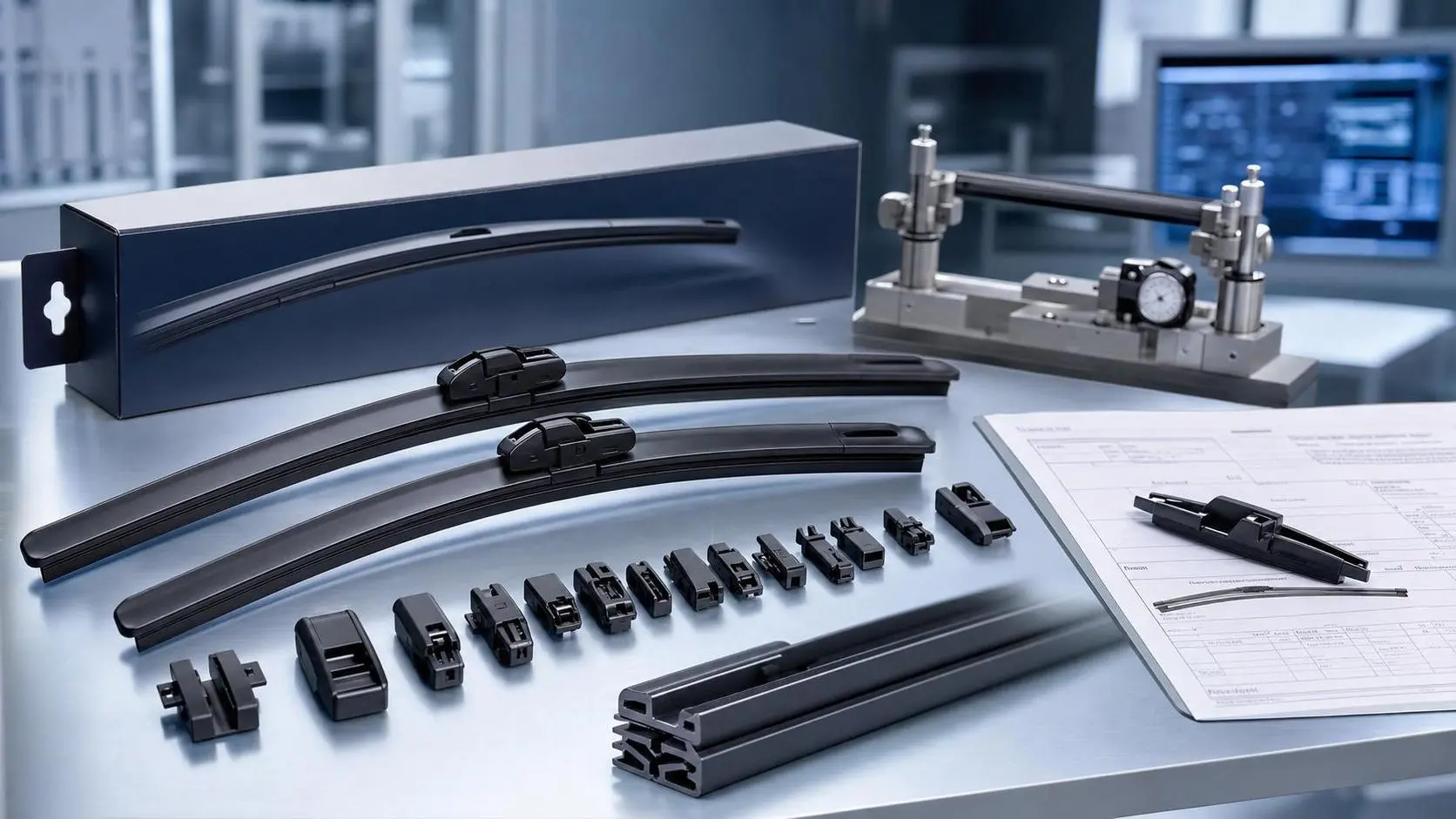
Flat Wiper Blades Wholesale Buying Guide: MOQ, Rubber Quality, Fitment, and Supplier Checks
Flat wiper blades wholesale buying guide covering MOQ, rubber quality, fitment accuracy, and supplier checks to reduce risk, improve margins, and choose reliable bulk partners.
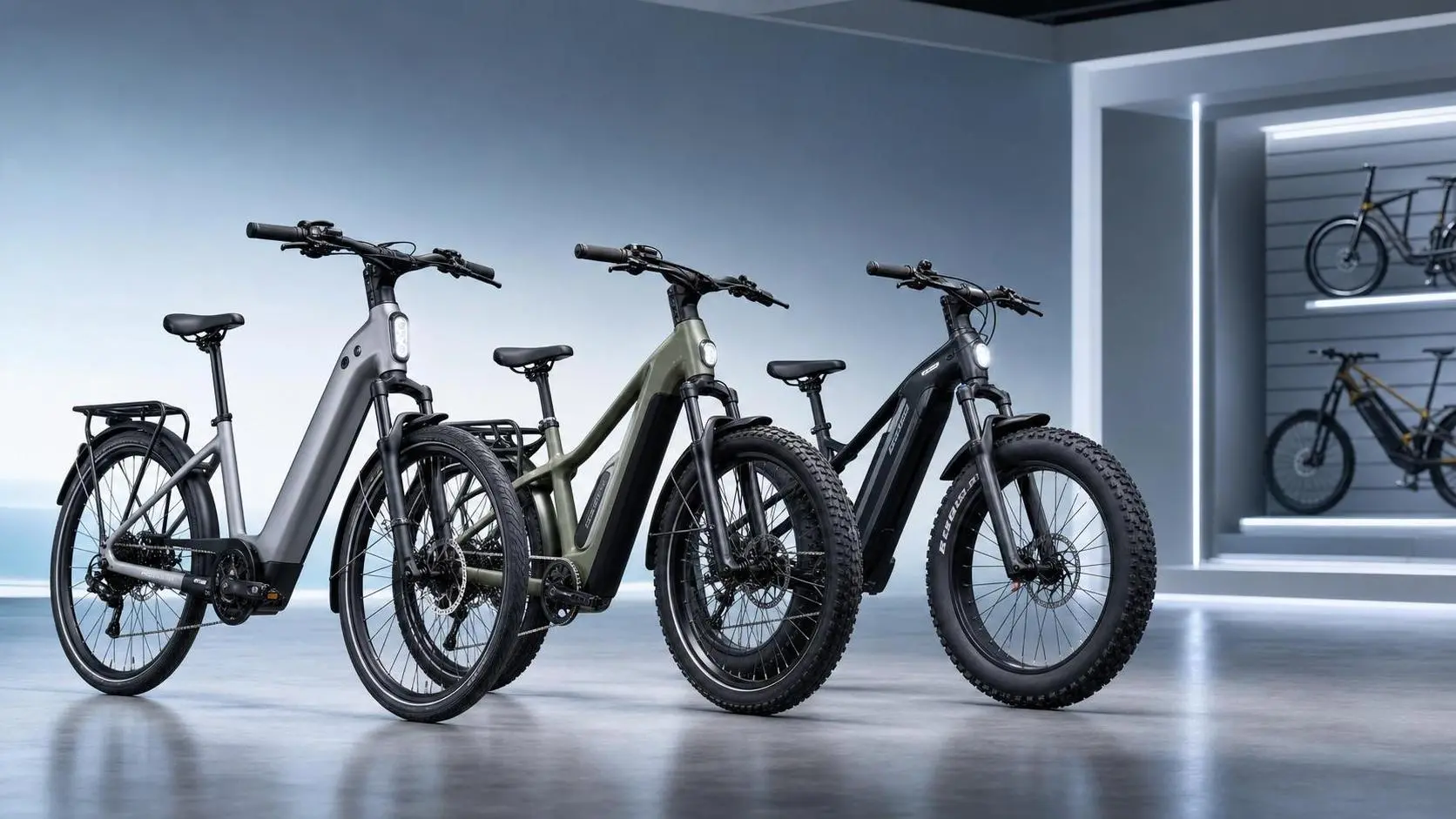
Ebike Market USA: What Dealers Should Know About Demand Shifts, Pricing, and Product Mix
ebike market USA is shifting fast. Discover how demand segmentation, pricing pressure, and smarter product mix decisions can help dealers protect margins and grow.
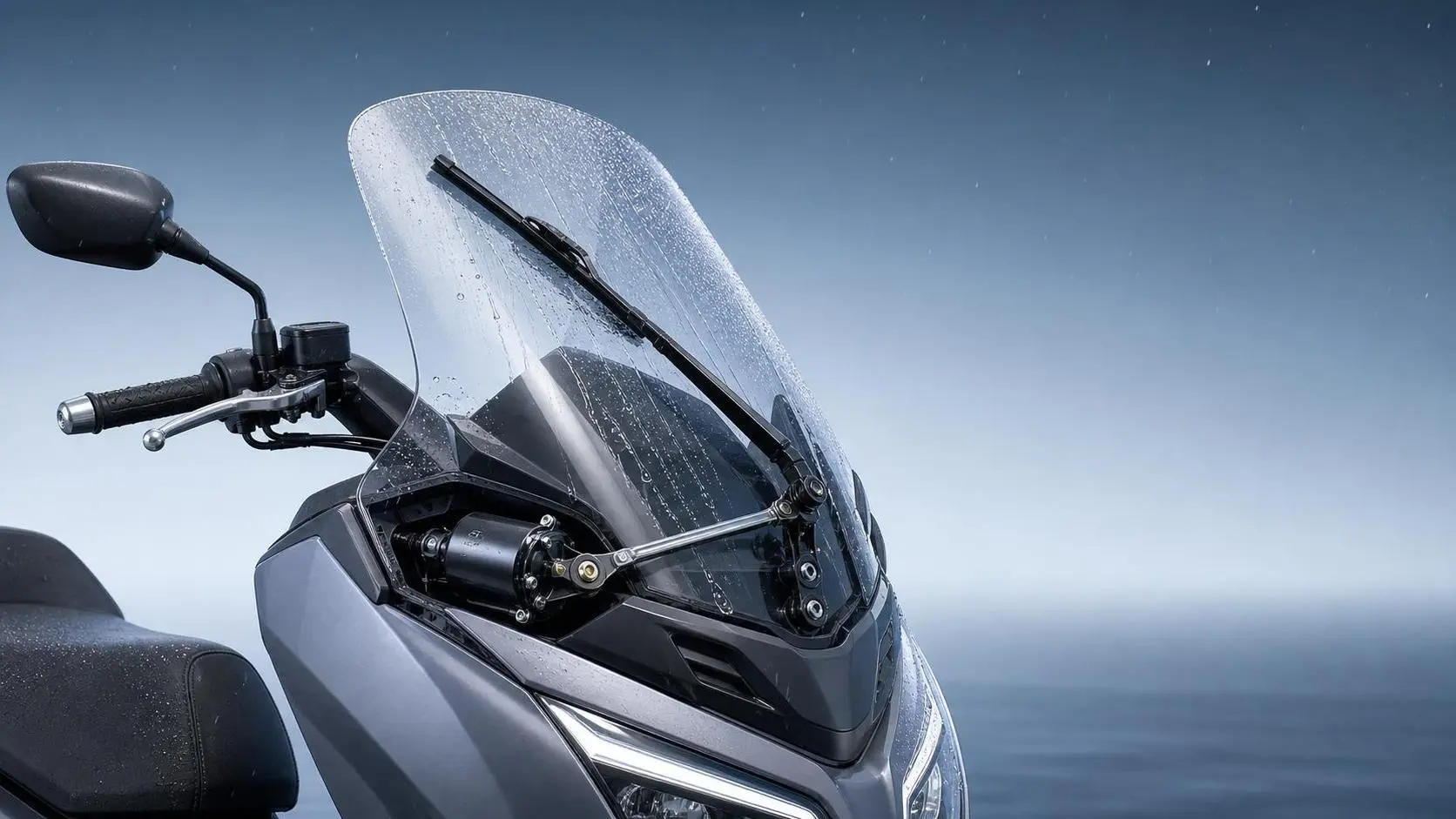
Wiper Systems for Scooters: Common Failure Points, Maintenance Tips, and Replacement Signs
Wiper systems for scooters: learn the most common failure points, smart maintenance tips, and clear replacement signs to improve visibility, reduce repeat repairs, and keep riders safer.
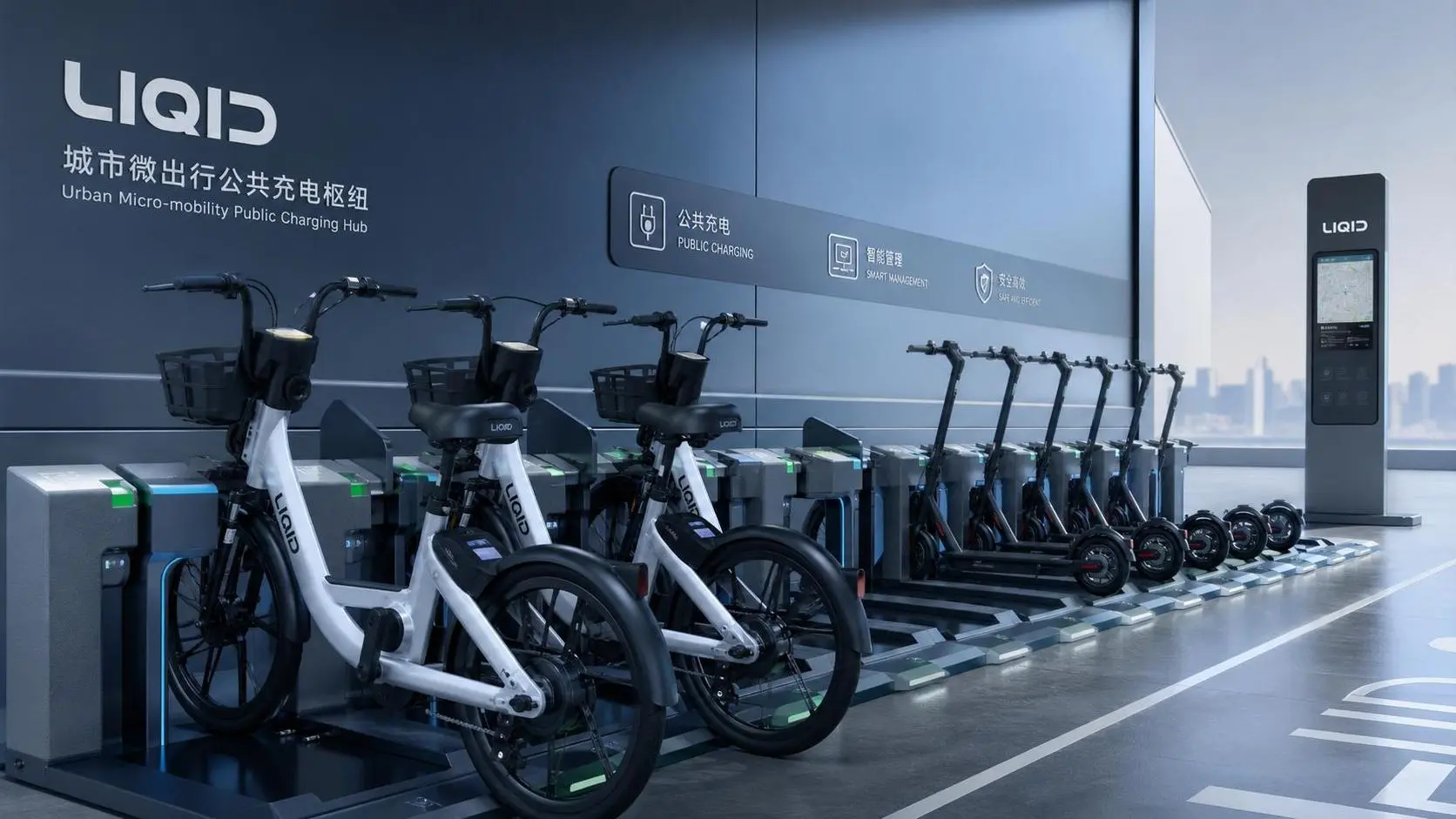
How to Choose Micro-Mobility Docking Stations for Shared Fleets and Public Charging Hubs
Micro-mobility docking stations: learn how to compare charging, locking, software, and site-fit factors to choose safer, smarter hubs for shared fleets and public use.
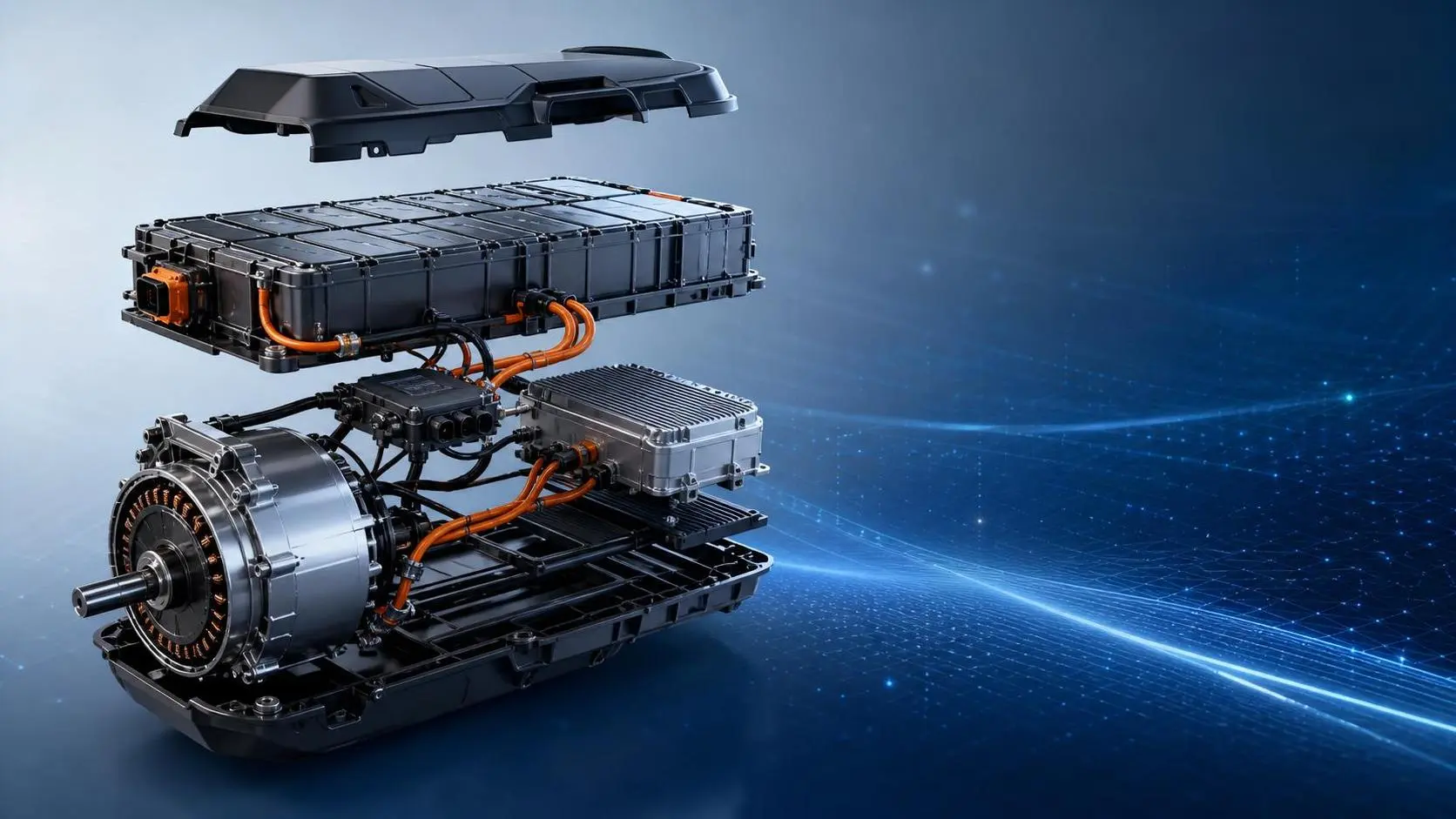
Powertrain Heat Management Explained: Key Design Factors for EV Efficiency and Battery Life
Powertrain heat management explained for EVs: discover how thermal design boosts efficiency, protects battery life, improves safety, and sustains real-world performance.
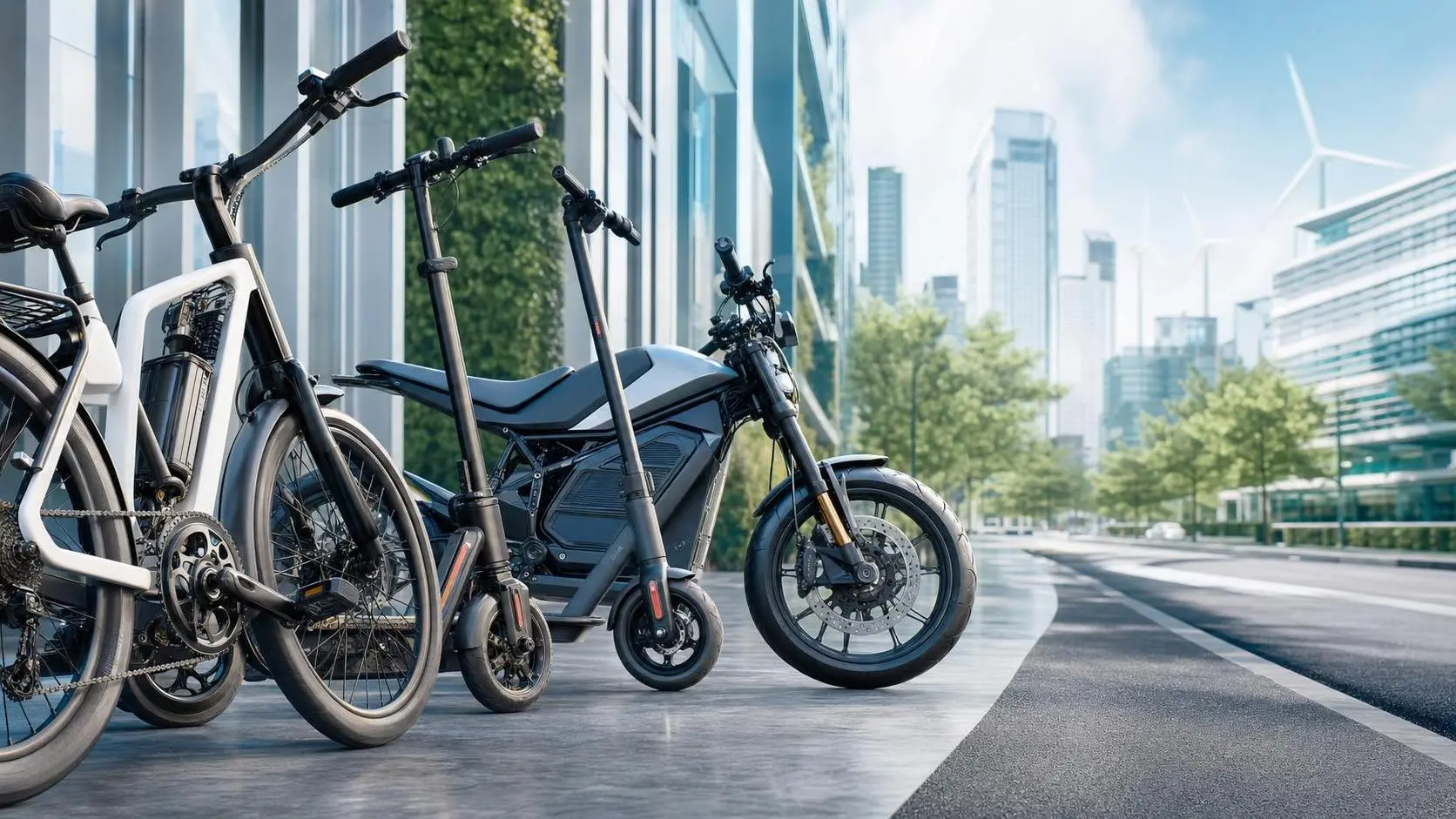
Urban Mobility Market Analysis: Demand Drivers, Policy Risks, and Revenue Models Compared
Urban mobility market analysis compares demand drivers, policy risks, and revenue models across e-bikes, scooters, and e-motorcycles to reveal where growth is durable.

Shared Mobility Compliance Checklist: Permits, Safety Rules, and Fleet Data Requirements
Shared mobility compliance made simple: explore a practical checklist for permits, safety rules, and fleet data requirements to launch faster, reduce risk, and stay audit-ready.
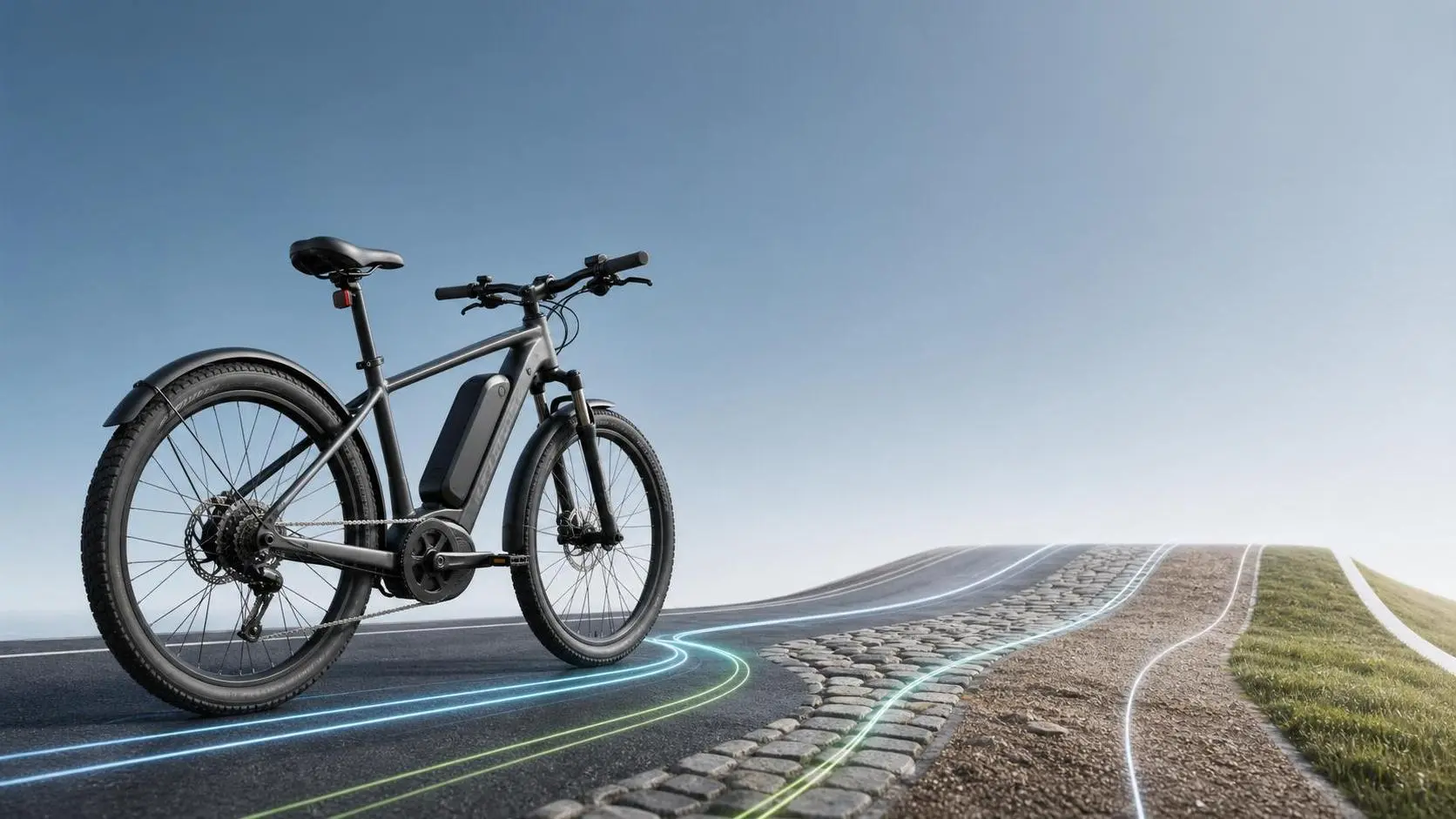
What Affects Ebike Energy Efficiency? Battery Size, Rider Weight, Terrain, and Speed
Ebike energy efficiency explained: learn how battery size, rider weight, terrain, and speed shape real-world range, lower Wh/km, and smarter buying or commuting decisions.
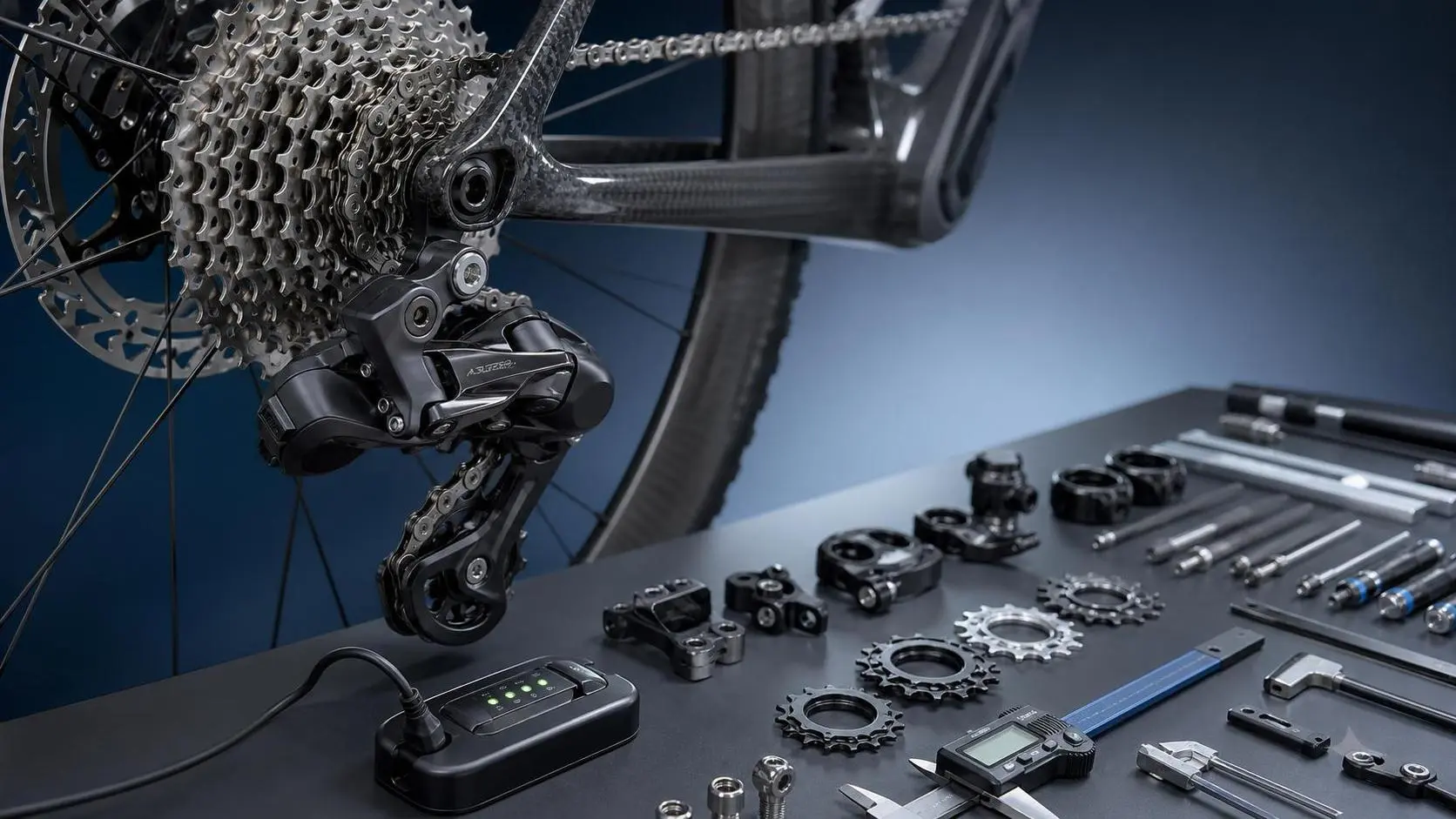
Wireless Electronic Shifting in North America: Compatibility, Standards, and Upgrade Limits
Wireless electronic shifting North America explained: compare compatibility, FCC/ISED standards, retrofit limits, and upgrade risks before choosing the right platform.