
Related News
- 00
0000-00
Ebike Market USA: What Dealers Should Know About Demand Shifts, Pricing, and Product Mix - 00
0000-00
Urban Micro Mobility Market Trends: What Operators and Investors Should Track - 00
0000-00
Micro-Mobility Trends: How Battery Swapping Is Reshaping Shared Scooter Operations - 00
0000-00
Urban Electric Vehicles Market: Key Growth Drivers and Adoption Challenges - 00
0000-00
Two Wheeler Electrification Trends: What Is Driving Adoption in Urban Mobility?
Prof. Marcus Chen
Weekly Insights
Stay ahead with our curated technology reports delivered every Monday.
Urban Traffic Solutions Trends Reshaping City Mobility in 2026





As cities confront congestion, emissions, and shifting commuter expectations, urban traffic solutions are entering a decisive new phase in 2026. From e-bikes and smart e-scooters to high-speed electric motorcycles and intelligent mobility systems, the latest trends are reshaping how people and goods move through urban environments. This article explores the technologies, policy shifts, and market forces driving smarter, cleaner, and more connected city mobility.
Why urban traffic solutions matter more in 2026
For researchers, procurement teams, and market analysts, the challenge is no longer whether micro-mobility will influence cities. The real question is which urban traffic solutions can scale under real operating pressure, regulatory complexity, and cost constraints.
In 2026, city mobility decisions are being shaped by three converging realities: limited road capacity, decarbonization targets, and rising demand for flexible short-distance transport. This creates strong momentum for compact electric vehicles, connected infrastructure, and intelligent fleet management.
- Congestion is pushing cities to prioritize smaller, lighter, and faster-to-deploy transport modes.
- Emission rules are increasing pressure on operators to replace internal combustion assets in urban corridors.
- Users expect seamless multimodal travel, including app-based access, battery visibility, and predictable route safety.
This is exactly where UMMS adds value. Its intelligence focus across e-bikes, smart e-scooters, high-speed e-motorcycles, precision drivetrain components, and mobility-related safety systems helps decision-makers connect technical details with commercial outcomes.
What information researchers struggle to verify
Many information researchers face fragmented sources. One report discusses subsidy policy, another covers battery performance, while a third comments on user adoption. Yet urban traffic solutions must be evaluated as a system, not as isolated products.
A workable decision framework should combine policy timing, component reliability, charging or swapping access, right-of-way regulation, and lifetime operating cost. Without that stitched view, comparisons become superficial and risky.
Which urban traffic solutions are reshaping city mobility fastest?
The fastest-moving urban traffic solutions in 2026 are not identical in use case, speed profile, or infrastructure dependence. Some are ideal for personal commuting, while others fit fleet operations, campus logistics, or high-density delivery networks.
The table below compares the most relevant categories for city mobility planning and product research.
The key takeaway is that urban traffic solutions should be selected by route pattern and operating model. A city with heavy commuter rail integration may favor e-bikes and e-scooters, while a dense delivery zone may require tougher vehicles and more advanced fleet telemetry.
Why two-wheeler electrification is central
Two-wheeler electrification sits at the center of urban mobility because it addresses speed, space efficiency, and carbon pressure at the same time. It also scales faster than large infrastructure-heavy transit upgrades.
UMMS tracks this shift through drivetrain efficiency, battery logic, smart control systems, and global market signals. That mix is especially useful for analysts comparing technical feasibility with regional demand.
What technologies define better urban traffic solutions?
The strongest urban traffic solutions in 2026 are not just electric. They are intelligent, serviceable, regulation-aware, and designed for harsh daily duty cycles. A good platform performs in rain, heat, stop-start traffic, and crowded curb environments.
Core technical priorities
- Battery management systems that balance range, thermal stability, and charging safety under frequent urban use.
- Efficient electric drivetrains that reduce energy loss and improve acceleration in stop-and-go conditions.
- IoT connectivity for location tracking, usage diagnostics, anti-theft control, and predictive maintenance.
- Precision mechanical and electronic components, including shifting systems, that support smoother load transfer and better rider control.
- Safety subsystems such as smart visibility aids and weather-resilient components for consistent operation.
One under-discussed factor is auxiliary safety performance. In poor weather, visibility components and sensor-driven safety logic can become operational differentiators, not minor accessories. This is why UMMS also monitors wiper system innovation and photoelectric sensing developments.
Why component-level intelligence matters
Researchers often compare finished vehicles but overlook hidden performance bottlenecks in controllers, drivetrain tolerances, thermal pathways, and communication protocols. Those details strongly affect maintenance frequency, rider satisfaction, and fleet uptime.
For example, wireless electronic shifting and anti-interference design may look niche, yet they reflect a broader trend: urban traffic solutions increasingly depend on precise interaction between mechanics, software, and power electronics.
How should buyers and researchers compare options?
Selection becomes easier when urban traffic solutions are tested against consistent criteria. The most common mistake is buying on headline speed or price alone. In city mobility, value usually comes from fit, compliance, and operational resilience.
The following comparison table can help research teams build a practical evaluation matrix for procurement, partner screening, or market entry analysis.
This framework helps avoid short-term decisions. It also aligns with how UMMS approaches market intelligence: connect product capability with policy, infrastructure, and long-horizon commercial viability.
A practical procurement checklist
- Define the exact city use case before requesting quotations or samples.
- Ask suppliers for component-level information, not only vehicle-level marketing sheets.
- Verify local compliance constraints early, especially for shared mobility and speed classes.
- Estimate lifetime cost, including maintenance, charging labor, battery handling, and software support.
- Test performance in realistic weather and route conditions rather than controlled showroom assumptions.
What policy and compliance shifts are influencing 2026 decisions?
Policy is now a primary filter for urban traffic solutions. Incentives can accelerate e-bike adoption, while right-of-way restrictions can limit scooter deployment even when user demand is strong. Market timing depends heavily on local rulebooks.
Common compliance points to review
- Electrical safety and battery transport requirements for urban deployment and export pathways.
- Vehicle classification rules that determine where the product may legally operate.
- Data handling expectations for connected fleets, especially location-based services.
- Visibility and safety requirements for operation in low-light or adverse weather conditions.
Because regulations vary by country and city, intelligence portals with policy tracking offer clear value. UMMS helps researchers monitor subsidy changes, urban access policies, and the evolving rule environment around shared and personal electric mobility.
Where do costs rise, and what alternatives should be considered?
The visible purchase price of urban traffic solutions tells only part of the story. Hidden cost drivers often include battery replacement planning, vandalism exposure, weather-related downtime, software integration, and spare component availability.
Cost-sensitive decision points
- E-bikes may offer lower energy cost and broader appeal, but high-volume fleets still need strong maintenance planning.
- Smart e-scooters can scale quickly, yet curb damage and compliance restrictions may raise operating friction.
- High-speed e-motorcycles provide better range and power for some routes, but they often require stricter rider qualification and stronger charging strategy.
In some city programs, a mixed portfolio is more economical than a single-vehicle strategy. Pairing e-bikes for broad commuter use with specialized electric motorcycles for longer routes can reduce over-specification and capital waste.
FAQ: key questions researchers ask about urban traffic solutions
How do I choose between e-bikes, e-scooters, and e-motorcycles?
Start with route length, expected speed, rider profile, and regulatory limits. E-bikes often suit the widest urban audience. E-scooters are efficient for short last-mile movement and shared systems. High-speed e-motorcycles fit longer, faster, or heavier-duty routes.
What is the biggest mistake when evaluating urban traffic solutions?
The biggest mistake is focusing on headline range or unit price without mapping actual duty cycle and service demands. A cheaper platform can become more expensive if battery stress, maintenance complexity, or local restrictions reduce uptime.
Are connected systems really necessary for city mobility?
For personal ownership, not always. For commercial fleets, shared mobility, and citywide deployment, connected systems are increasingly important. They support tracking, diagnostics, usage control, and better maintenance scheduling, all of which improve decision quality.
Why should component intelligence be part of market research?
Because city mobility reliability depends on components as much as on vehicle branding. Battery management, drivetrain accuracy, thermal design, and visibility systems can influence safety, maintenance intervals, and user satisfaction more than surface-level specifications suggest.
Why UMMS is useful for urban traffic solutions research
UMMS is positioned for decision-makers who need more than trend headlines. Its value comes from linking product categories, technical evolution, policy movement, and commercial implications across the urban micro-mobility chain.
That means researchers can examine e-bike demand, smart e-scooter regulation, e-motorcycle thermal strategy, wireless electronic shifting trends, and safety-system innovation within one analytical frame. For complex urban traffic solutions, that stitched intelligence saves time and reduces blind spots.
Why choose us for next-step mobility intelligence
If you are screening urban traffic solutions for product planning, sourcing, market entry, or investment research, UMMS can support sharper decisions through category-specific intelligence and cross-market interpretation.
- Request support for parameter confirmation, including drivetrain logic, battery management priorities, and application-fit questions.
- Discuss product selection for e-bikes, smart e-scooters, high-speed e-motorcycles, or precision bicycle component directions.
- Check delivery-cycle considerations, market readiness signals, and sourcing risks before moving into procurement.
- Review compliance and policy questions, especially subsidy access, right-of-way rules, and safety-related requirements.
- Explore custom intelligence requests, sample evaluation priorities, and quote communication support for new mobility programs.
In a market where urban traffic solutions are changing quickly, informed selection matters more than broad optimism. The right intelligence can help you compare technologies, avoid costly mismatches, and move faster with confidence.
Related News
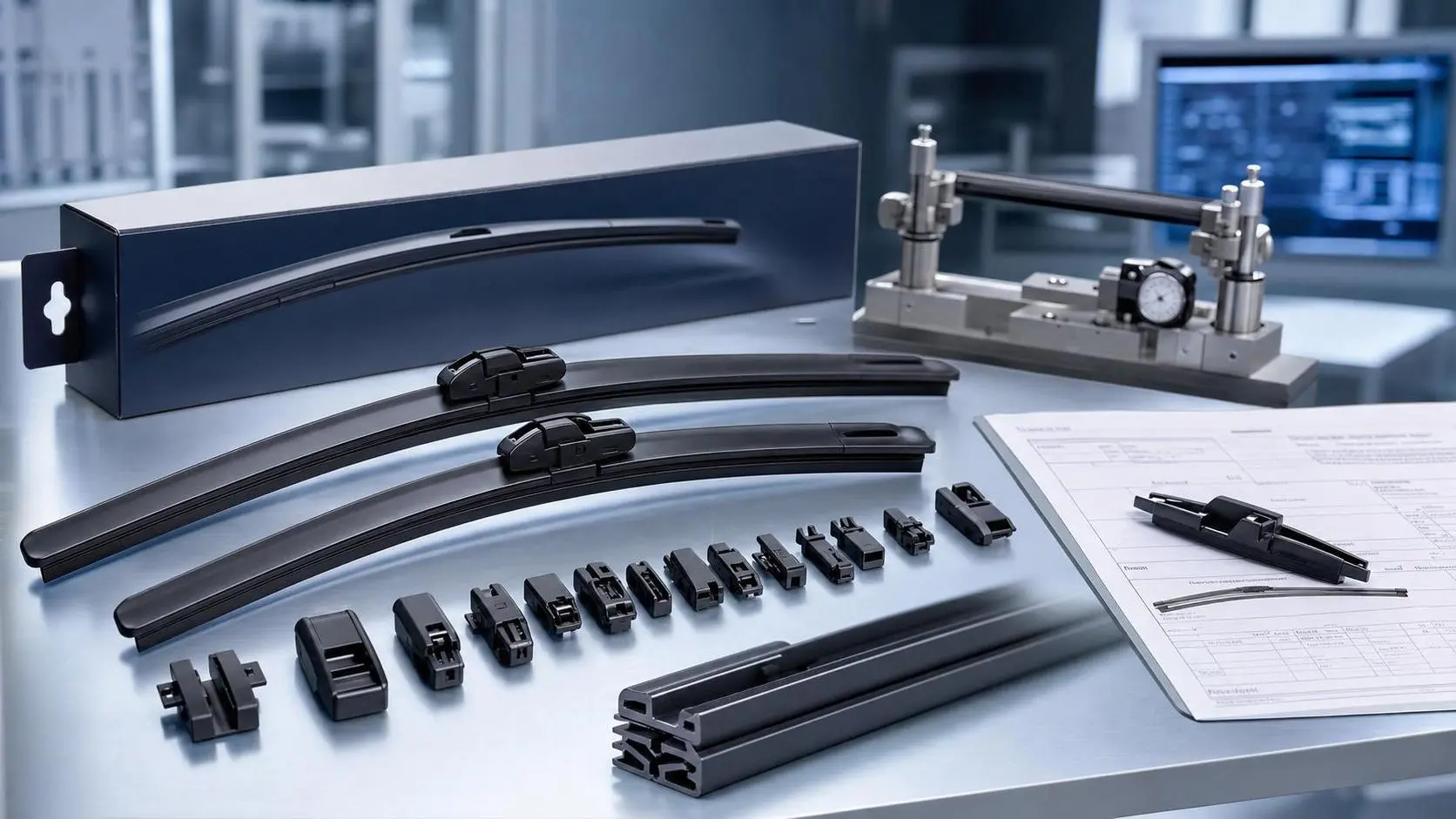
Flat Wiper Blades Wholesale Buying Guide: MOQ, Rubber Quality, Fitment, and Supplier Checks
Flat wiper blades wholesale buying guide covering MOQ, rubber quality, fitment accuracy, and supplier checks to reduce risk, improve margins, and choose reliable bulk partners.
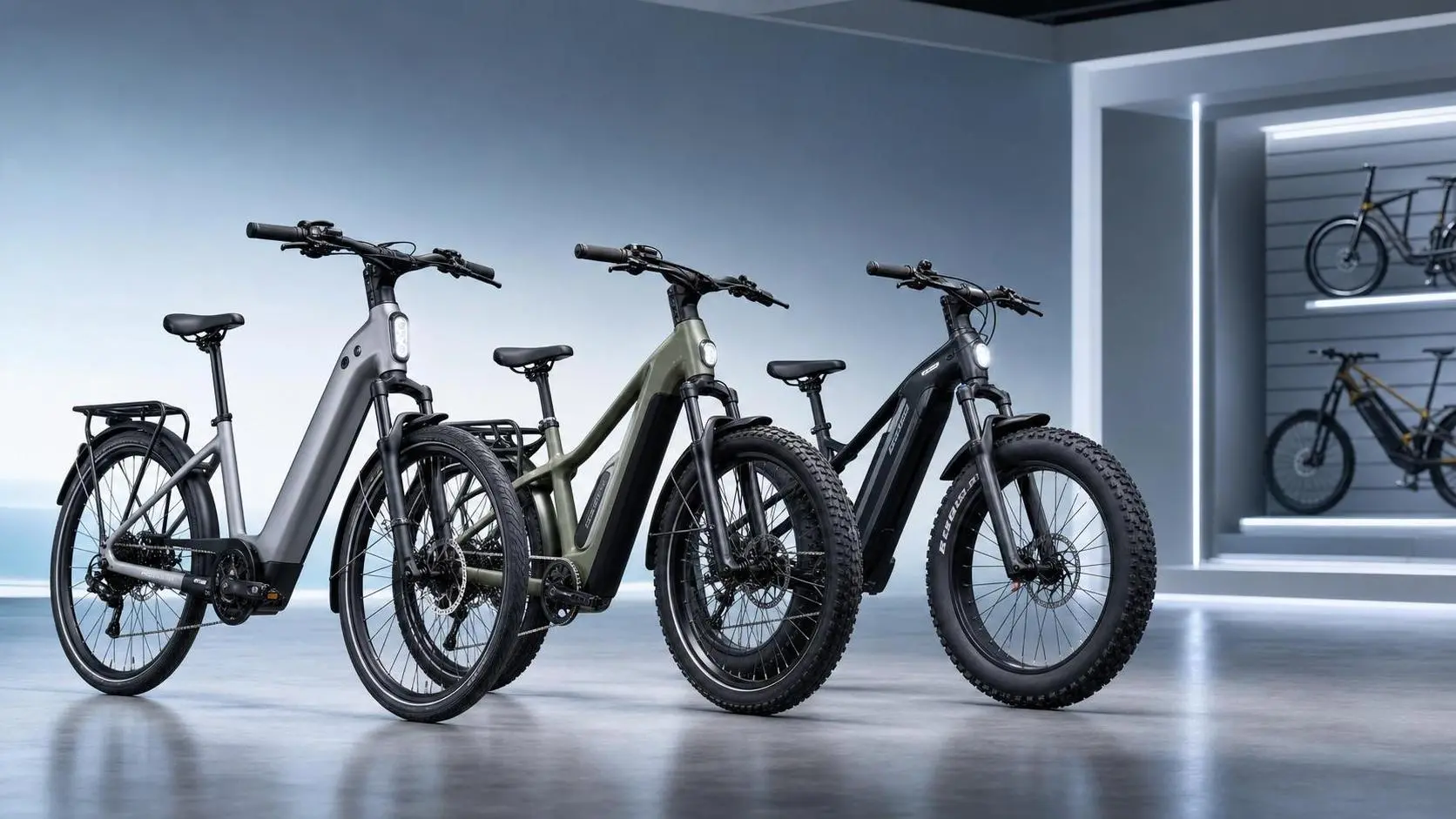
Ebike Market USA: What Dealers Should Know About Demand Shifts, Pricing, and Product Mix
ebike market USA is shifting fast. Discover how demand segmentation, pricing pressure, and smarter product mix decisions can help dealers protect margins and grow.
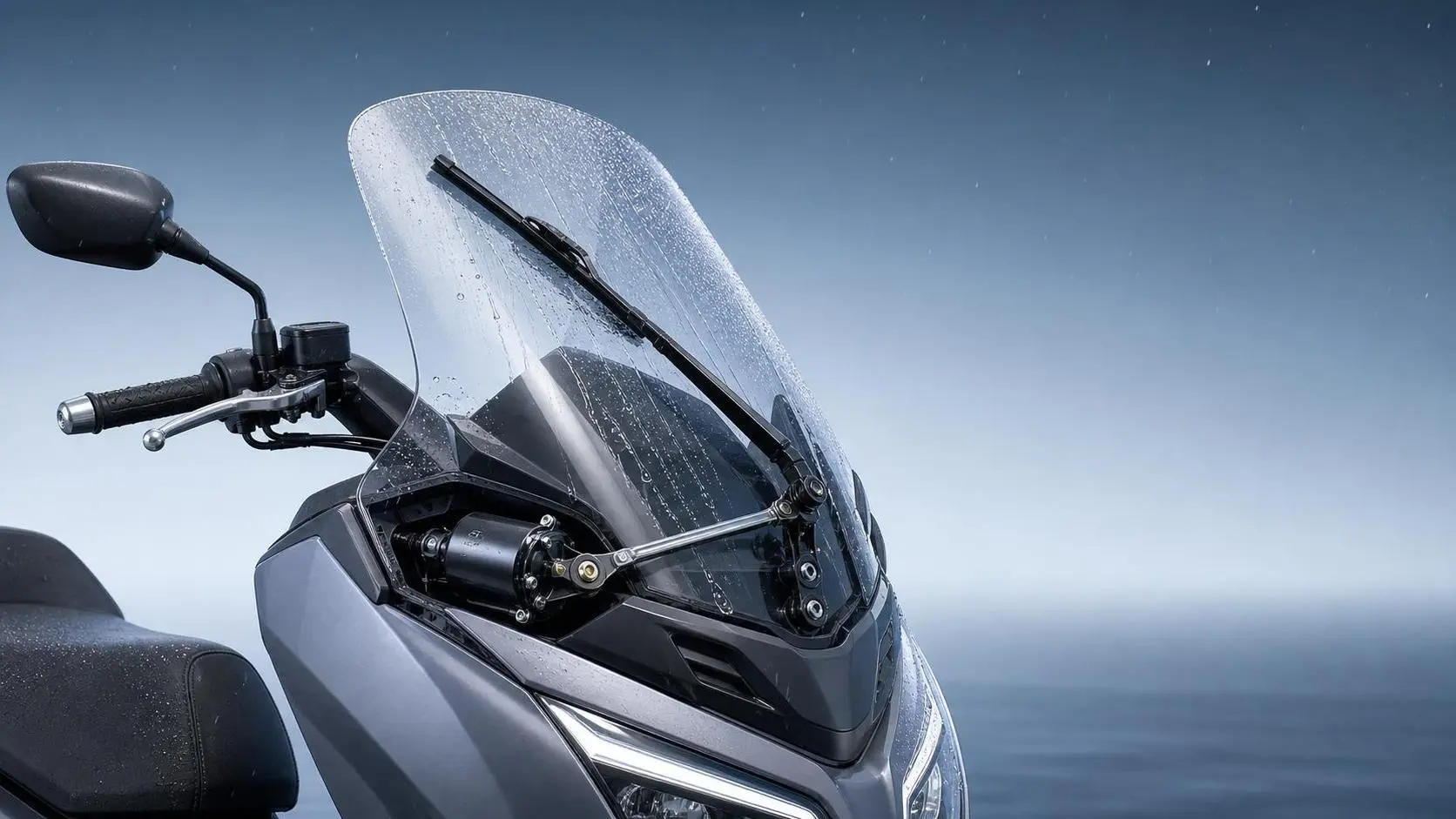
Wiper Systems for Scooters: Common Failure Points, Maintenance Tips, and Replacement Signs
Wiper systems for scooters: learn the most common failure points, smart maintenance tips, and clear replacement signs to improve visibility, reduce repeat repairs, and keep riders safer.
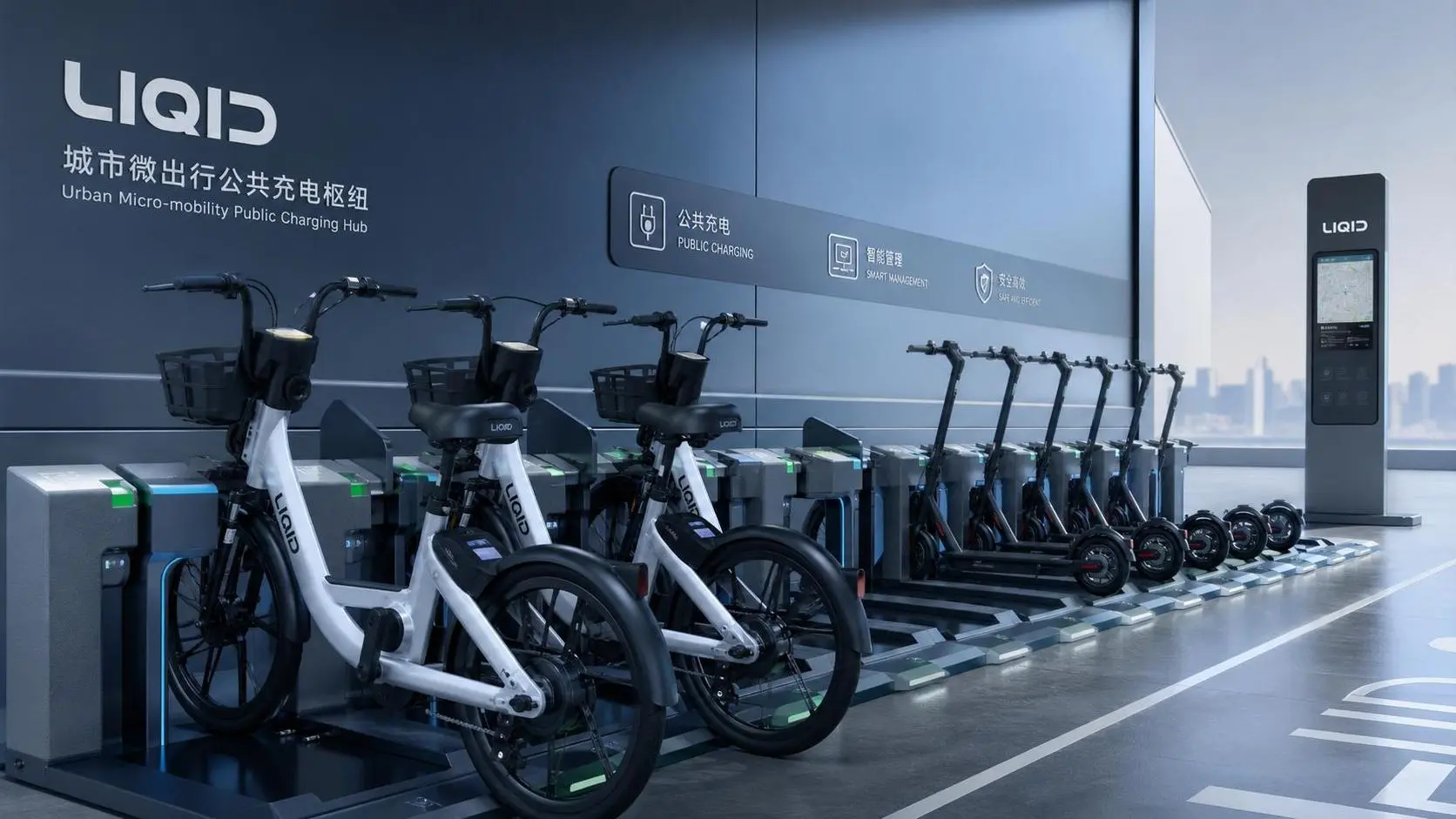
How to Choose Micro-Mobility Docking Stations for Shared Fleets and Public Charging Hubs
Micro-mobility docking stations: learn how to compare charging, locking, software, and site-fit factors to choose safer, smarter hubs for shared fleets and public use.
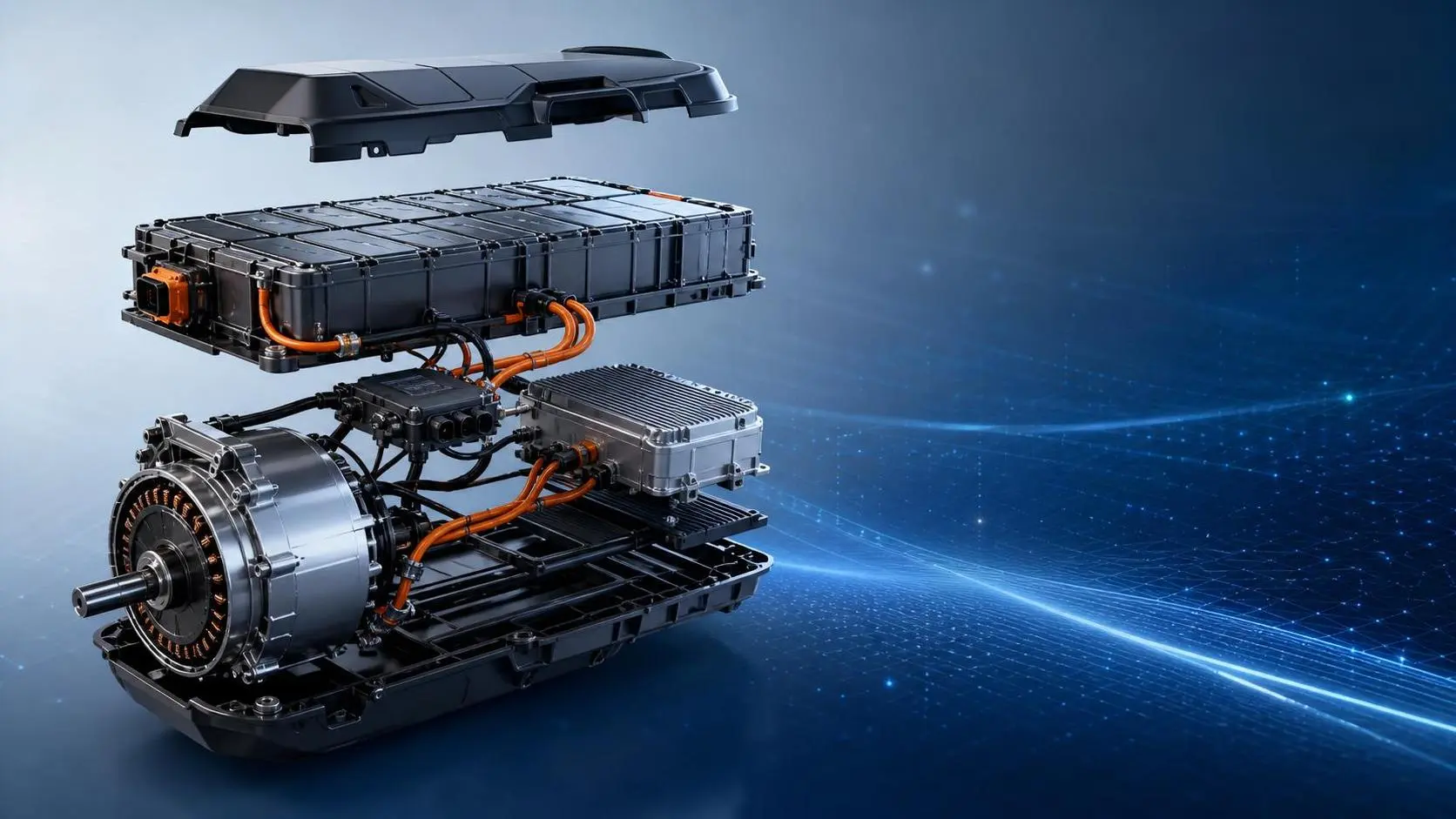
Powertrain Heat Management Explained: Key Design Factors for EV Efficiency and Battery Life
Powertrain heat management explained for EVs: discover how thermal design boosts efficiency, protects battery life, improves safety, and sustains real-world performance.
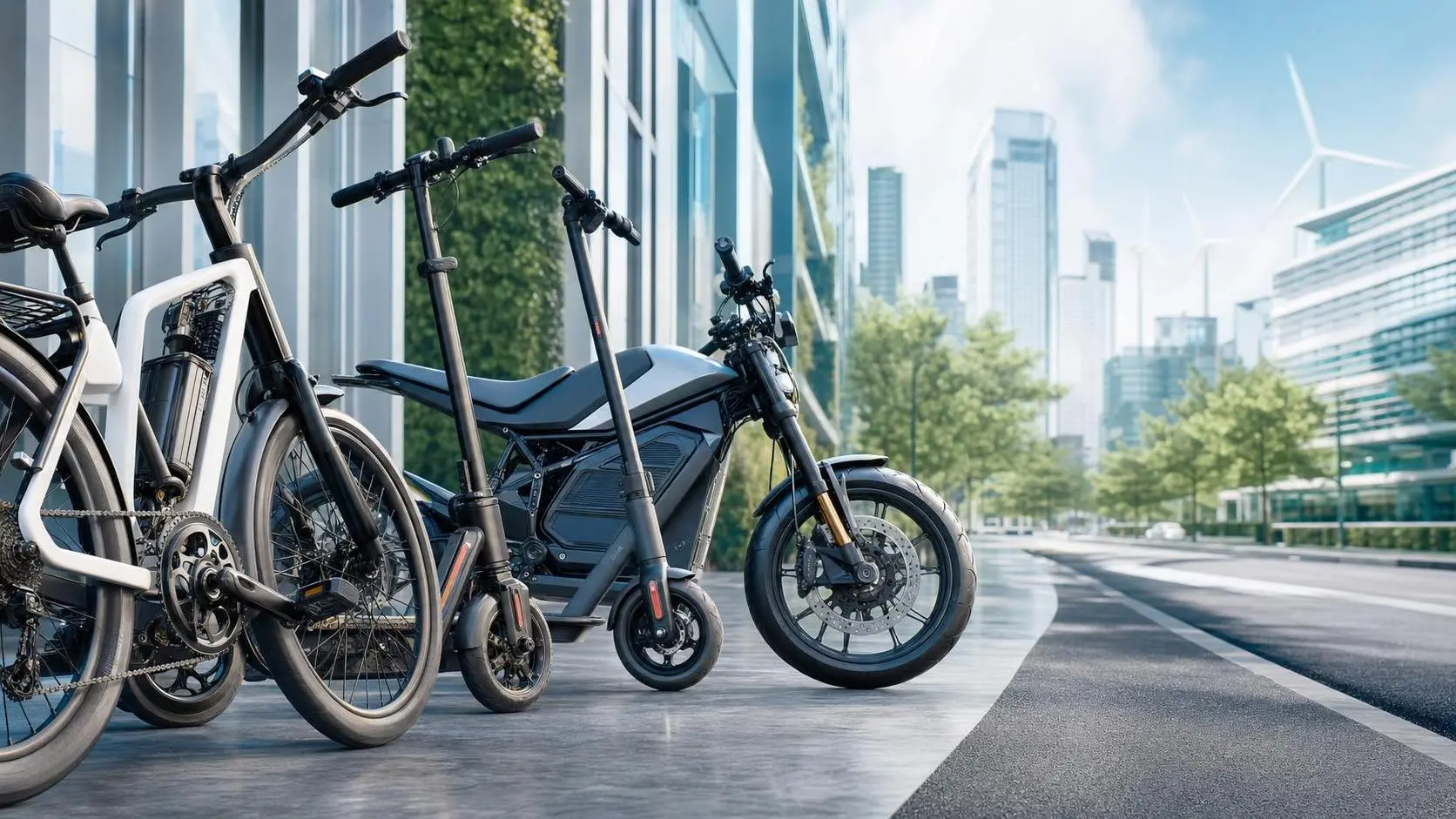
Urban Mobility Market Analysis: Demand Drivers, Policy Risks, and Revenue Models Compared
Urban mobility market analysis compares demand drivers, policy risks, and revenue models across e-bikes, scooters, and e-motorcycles to reveal where growth is durable.
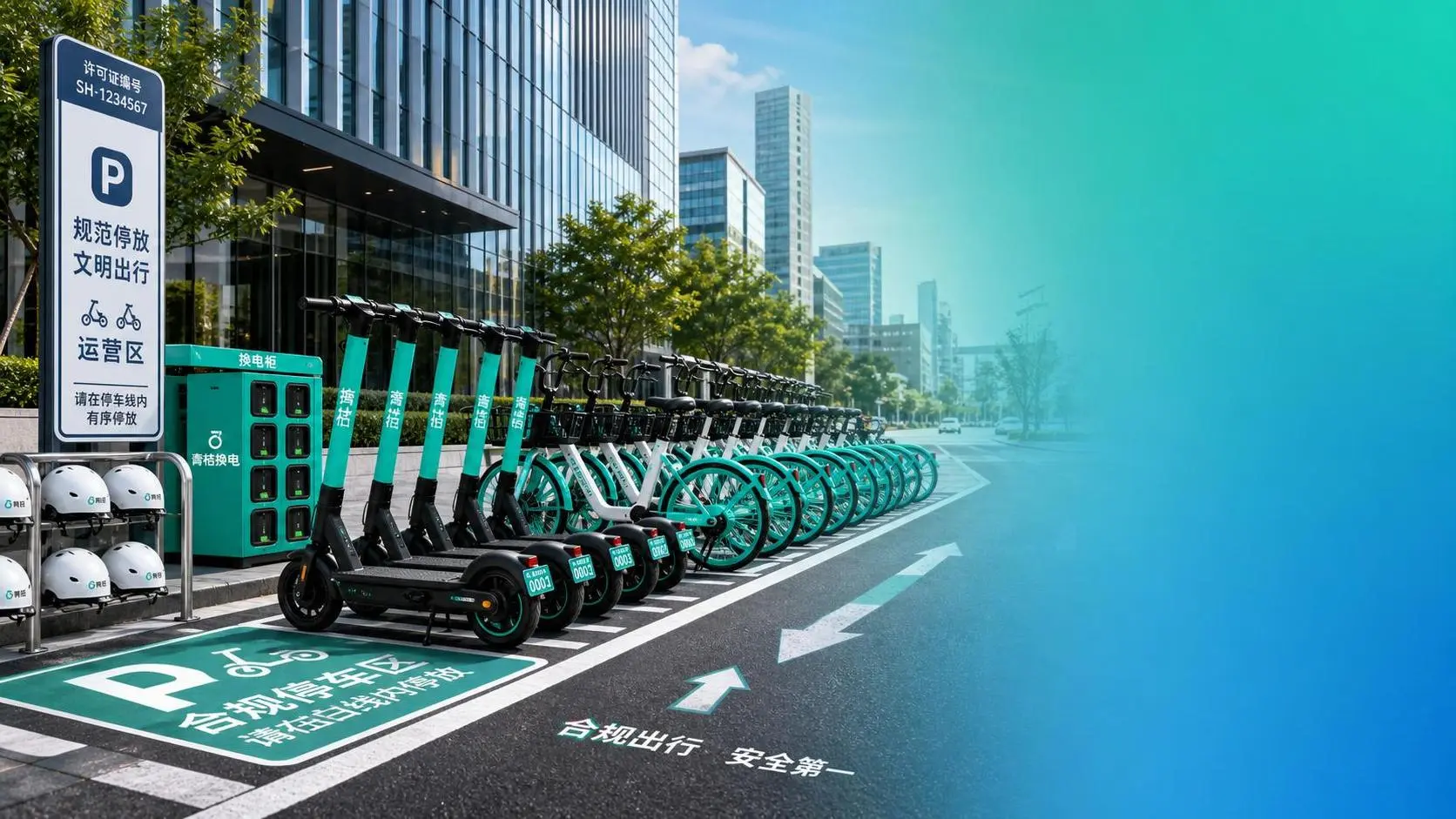
Shared Mobility Compliance Checklist: Permits, Safety Rules, and Fleet Data Requirements
Shared mobility compliance made simple: explore a practical checklist for permits, safety rules, and fleet data requirements to launch faster, reduce risk, and stay audit-ready.
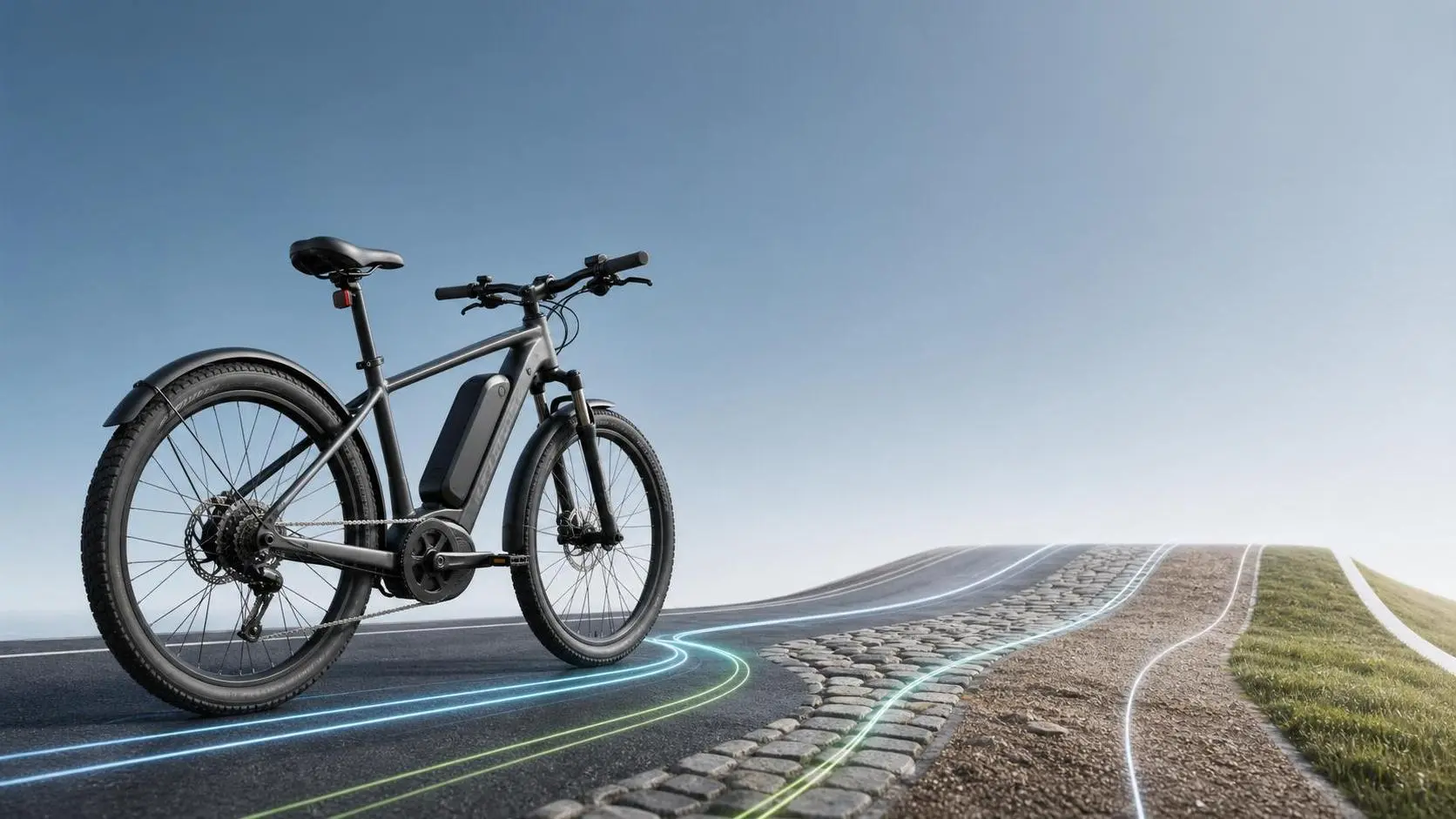
What Affects Ebike Energy Efficiency? Battery Size, Rider Weight, Terrain, and Speed
Ebike energy efficiency explained: learn how battery size, rider weight, terrain, and speed shape real-world range, lower Wh/km, and smarter buying or commuting decisions.

Wireless Electronic Shifting in North America: Compatibility, Standards, and Upgrade Limits
Wireless electronic shifting North America explained: compare compatibility, FCC/ISED standards, retrofit limits, and upgrade risks before choosing the right platform.