
Related News
- 00
0000-00
Urban Micro-Mobility Systems in Latin America: Key Market Drivers, Barriers, and Growth Segments - 00
0000-00
Intellectualization of Mobility in North America: What Is Driving Adoption Across Urban Transport? - 00
0000-00
What Is Driving Green Two-wheelers Demand in Europe? Policy, Fuel Costs, and Buyer Segments - 00
0000-00
Urban Micro-Mobility in North America: Policy, Charging Access, and Fleet Growth Drivers - 00
0000-00
Carbon Neutrality for Fleets: How to Measure Emissions and Prioritize Upgrades
Prof. Marcus Chen
Weekly Insights
Stay ahead with our curated technology reports delivered every Monday.
How Micro-Mobility Strategists Read 2026 Fleet Shifts





For business evaluators tracking the next phase of urban transport, micro-mobility strategists are reading 2026 fleet shifts through a sharper lens: asset efficiency, battery logic, policy exposure, and component reliability.
From e-bikes and smart e-scooters to high-speed e-motorcycles and precision drivetrain systems, the market is moving beyond growth headlines toward measurable competitive advantage.
That shift matters across the broader mobility ecosystem. It changes how fleets are financed, maintained, upgraded, and evaluated in dense urban circulation networks.
The best micro-mobility strategists do not only watch shipment numbers. They connect regulation, battery utilization, component durability, user behavior, and infrastructure readiness into one operational view.
What do micro-mobility strategists actually mean by 2026 fleet shifts?
In simple terms, fleet shifts describe where urban two-wheeler assets are moving in design, deployment, and economic logic.
Micro-mobility strategists study these shifts through five linked signals:
- vehicle category mix
- battery architecture and charging models
- component standardization
- city-level policy direction
- service and maintenance economics
In 2026, the question is no longer whether micro-mobility grows. The question is which fleet models survive margin pressure and stricter public-space rules.
UMMS tracks this through a cross-category lens. E-bikes, smart e-scooters, high-speed e-motorcycles, and drivetrain systems influence each other more than many forecasts admit.
For example, battery thermal logic developed for higher-power vehicles can reshape lighter fleet safety standards. Precision drivetrain reliability can also improve service cycles in electric cargo platforms.
Why does this matter now?
Because capital is getting more selective. Cities are asking harder questions about sidewalk order, fire safety, data governance, and lifecycle emissions.
Micro-mobility strategists therefore read fleet shifts as a test of structural quality, not a short-term popularity contest.
Which segments are likely to gain strategic weight in 2026?
Not every vehicle class will gain value in the same way. Micro-mobility strategists compare segment strength by usage density, regulation fit, and operating resilience.
E-bikes
E-bikes remain highly attractive in Europe and selected urban export markets. Their advantage comes from lower charging stress and broader user acceptance.
Micro-mobility strategists favor e-bike fleets where commuting, light cargo, and subscription models overlap.
Smart e-scooters
Shared scooters still matter, but the economics are changing. Fleet winners will depend on better geofencing, stronger frames, and faster fault detection.
Micro-mobility strategists increasingly separate durable urban systems from low-discipline deployment models.
High-speed e-motorcycles
This category gains strategic weight where battery swapping, delivery demand, and ICE replacement policies align.
Micro-mobility strategists watch this segment for powertrain efficiency, thermal management, and infrastructure dependence.
Precision components
Components are no longer secondary. Derailleur systems, sensors, braking units, controllers, and even smart wiper systems affect uptime and fleet trust.
That is why micro-mobility strategists increasingly value component-level intelligence as a leading market signal.
How do micro-mobility strategists judge fleet quality beyond headline growth?
Growth can hide weak fundamentals. Micro-mobility strategists use operational filters that reveal whether a fleet model can scale cleanly.
Key evaluation dimensions
- Battery utilization rate across real duty cycles
- Mean time between service interventions
- Failure concentration by component type
- Policy exposure by city and operating zone
- Residual value after refurbishment or redeployment
- Digital control quality, including IoT response accuracy
Micro-mobility strategists also compare designed range with usable range under weather, payload, and stop-start traffic conditions.
This matters especially in mixed fleets. A vehicle that looks efficient on paper may underperform once urban gradients, charging queues, and harsh braking are considered.
Why component reliability has become central
The market is moving from prototype enthusiasm to fleet discipline. Small component failures can now erase unit economics at scale.
Micro-mobility strategists increasingly ask whether each subsystem supports long-term uptime, not just launch performance.
What policy and risk signals are micro-mobility strategists watching most closely?
Policy is no longer a background factor. It is now a direct variable in fleet economics and market access.
Micro-mobility strategists usually focus on four high-impact areas.
1. Battery safety regulation
Thermal event control, charging-site compliance, and traceability standards are becoming harder to ignore.
2. Right-of-way and parking enforcement
Cities want cleaner curb management. Smart e-scooter operators face tighter parking logic and stronger digital accountability.
3. Speed and classification rules
Vehicle classification shapes insurance, licensing, and access zones. One regulatory redefinition can change fleet viability overnight.
4. Localization and sustainability pressure
Carbon accounting, repairability expectations, and local compliance documentation are becoming practical market-entry filters.
Micro-mobility strategists read these signals together. Policy risk rarely appears alone; it often combines with technology and service constraints.
How should 2026 fleet decisions be compared across technologies and business models?
A useful comparison framework should combine technical depth with economic realism. The table below summarizes how micro-mobility strategists often structure decisions.
This kind of framework helps micro-mobility strategists compare different fleet paths without overreacting to temporary hype.
What common mistakes distort 2026 micro-mobility analysis?
Even strong market observers can miss important signals. Micro-mobility strategists often warn against five recurring errors.
- Confusing shipment growth with sustainable fleet economics
- Underestimating battery safety and charging compliance costs
- Ignoring small component failures that trigger service bottlenecks
- Treating all cities as if policy behavior were uniform
- Comparing vehicle categories without adjusting for use-case intensity
The strongest micro-mobility strategists stay close to field data. They test assumptions against maintenance logs, rider behavior, and local infrastructure constraints.
A practical reminder
A cheaper vehicle can become expensive if downtime rises. A powerful battery can become weak if city charging rules reduce deployment flexibility.
How can businesses prepare for the fleet shifts micro-mobility strategists see coming?
Preparation starts with better questions, not bigger claims. Micro-mobility strategists recommend a disciplined review across technology, policy, and service design.
- Map asset categories by urban mission, not by trend status
- Audit battery logic for safety, cycle durability, and charge behavior
- Track component bottlenecks before they affect uptime
- Monitor city-level rule changes continuously
- Use telemetry to refine maintenance and redeployment timing
UMMS supports this process through intelligence stitching across e-bikes, smart e-scooters, high-speed e-motorcycles, and precision drivetrain systems.
That integrated view helps micro-mobility strategists connect market signals that often appear isolated in conventional reporting.
As 2026 approaches, fleet success will depend less on broad optimism and more on technical credibility, policy fit, and durable operating logic.
The clearest path forward is to evaluate every fleet shift through real utilization, battery intelligence, component resilience, and regulatory context.
Those are the signals micro-mobility strategists already treat as decisive. Following them now can improve market timing, reduce hidden risk, and sharpen long-term urban mobility positioning.
Related News
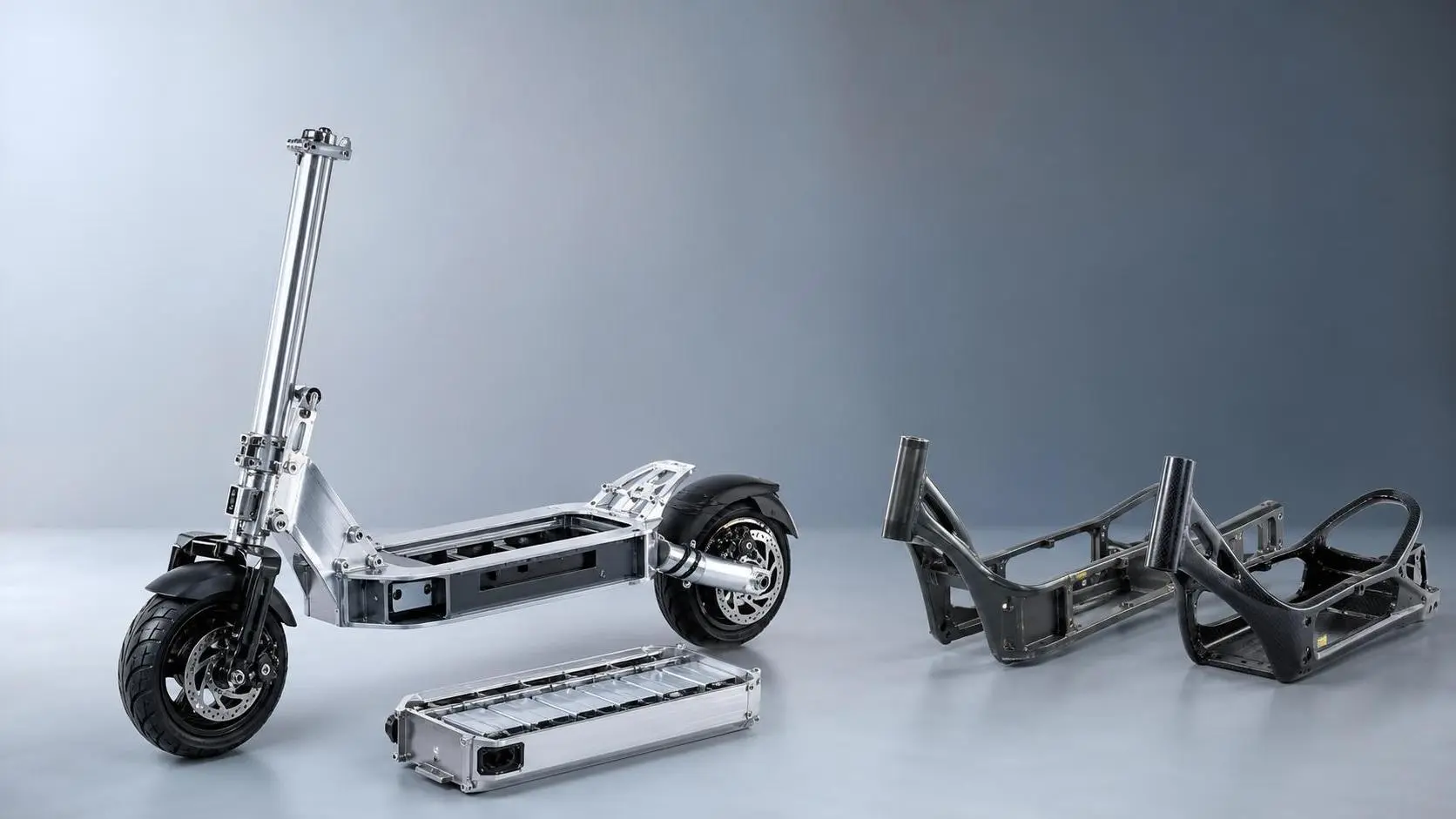
How to Choose Lightweight Scooter Frames in Europe: Materials, Standards, and Use Cases
Lightweight scooter frames Europe buyers need should balance materials, EN standards, durability, and real use cases. Discover how to choose safer, smarter, compliant frames.
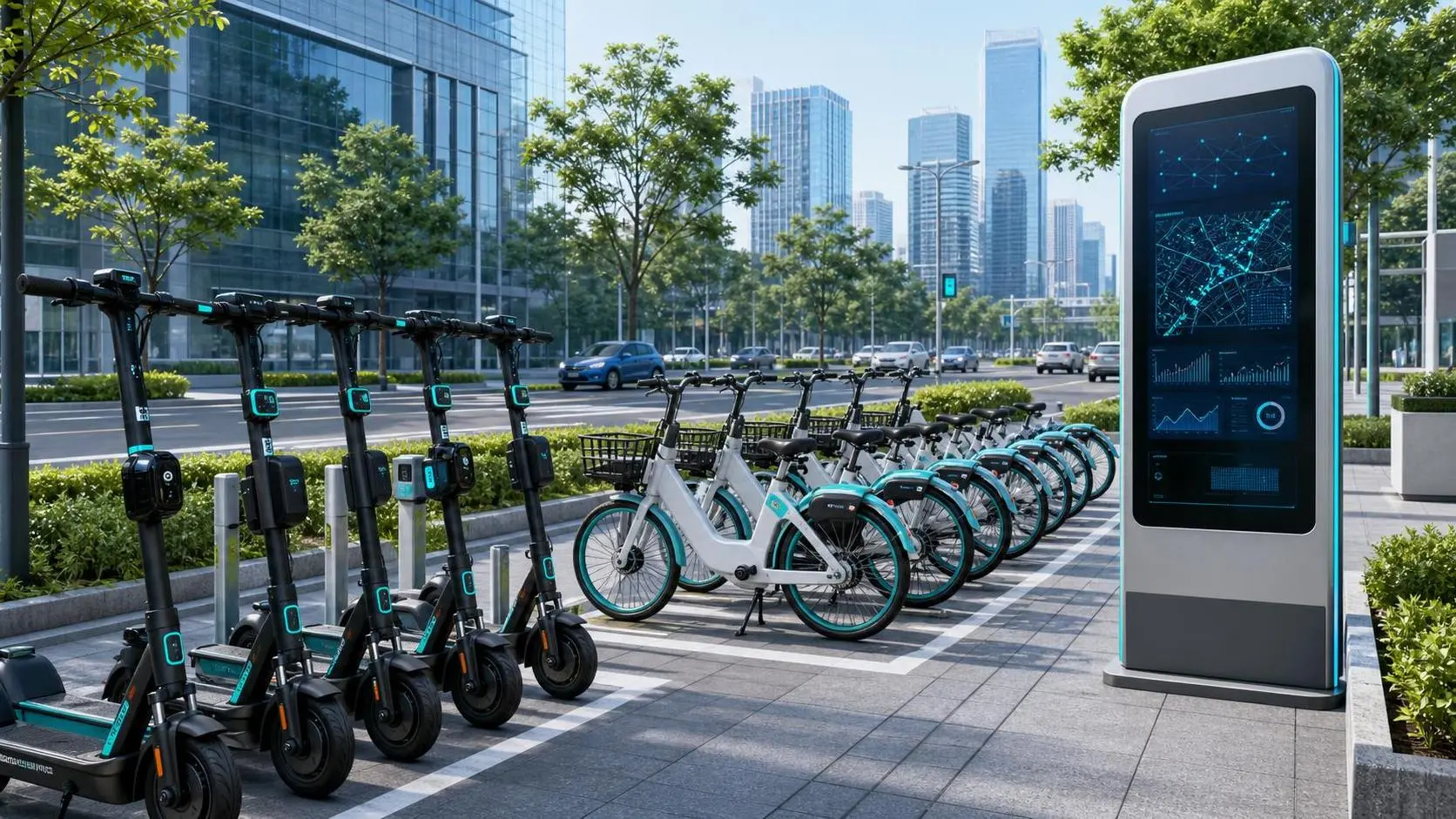
What Is the Intellectualization of Mobility Platform and How Is It Applied in Shared Fleets?
Intellectualization of mobility platform is reshaping shared fleets with real-time data, predictive maintenance, and smarter compliance—learn how it boosts safety, uptime, and urban mobility efficiency.
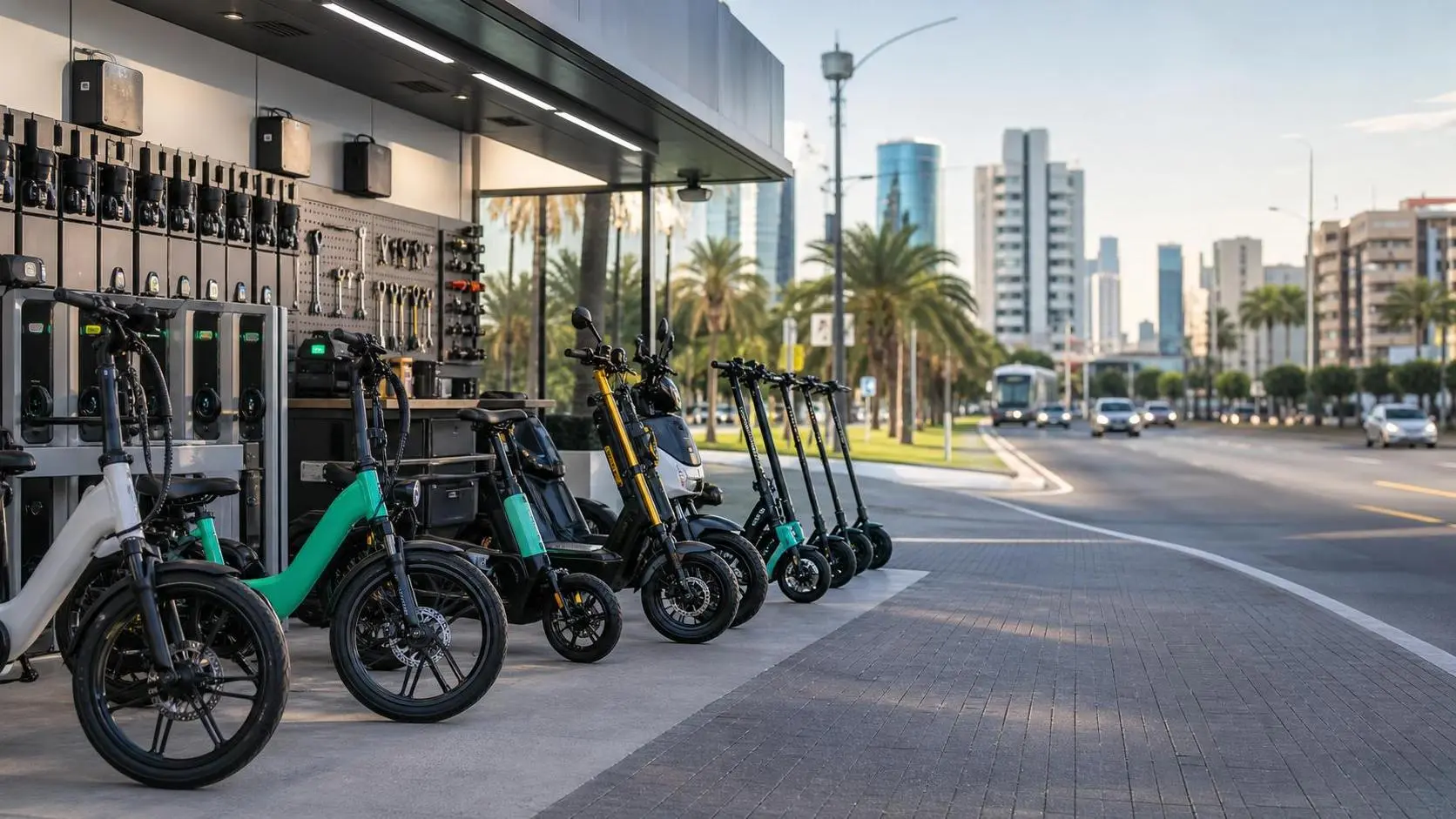
Urban Micro-Mobility Systems in Latin America: Key Market Drivers, Barriers, and Growth Segments
Urban micro-mobility systems Latin America are reshaping city transport. Explore key drivers, barriers, and high-growth segments to spot the region’s most investable opportunities.

Electric Motorcycle Systems Price Breakdown: What Affects Cost From Battery to Controller?
Electric motorcycle systems price explained: see how battery, controller, motor, BMS, and wiring affect total cost, reliability, and sourcing value before you buy.
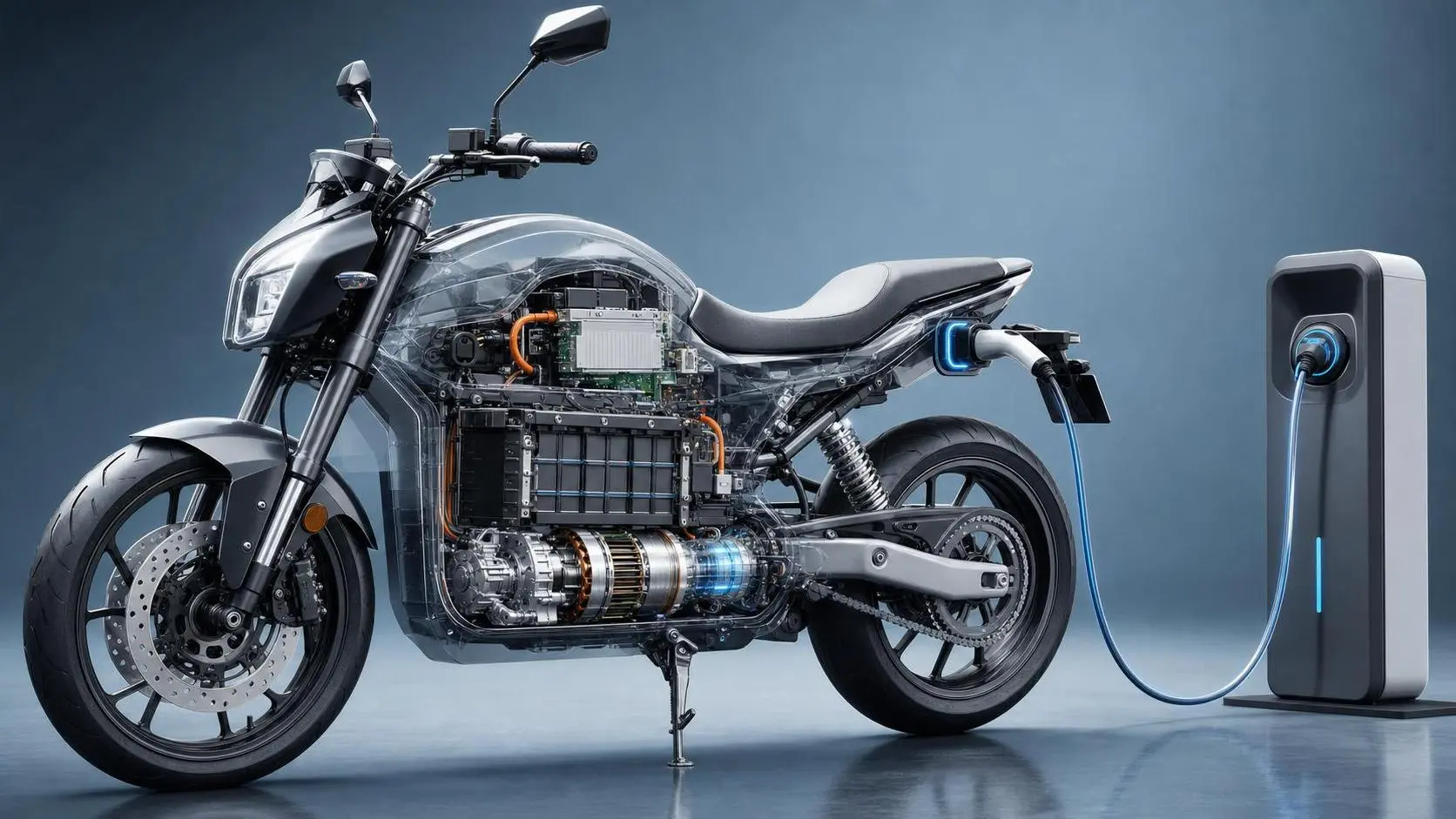
72V Electric Motorcycle Technology Explained: Motors, Controllers, Range, and Charging
Electric motorcycle technology 72V explained clearly: compare motors, controllers, range, battery design, and charging to choose a smoother, stronger, and smarter electric ride.

Where LED Urban Visibility Safety Systems Fit Best in Shared Scooters and City E-bikes
LED urban visibility safety systems deliver the most value in shared scooters and city e-bikes by improving multi-angle safety, fleet durability, and urban compliance across real-world routes.

Intellectualization of Mobility in North America: What Is Driving Adoption Across Urban Transport?
Intellectualization of mobility North America is reshaping urban transport through data, smart fleets, and battery intelligence. Explore what is driving adoption and why cities and operators are accelerating now.
How to Choose a Compact Battery Pack: Size, Energy Density, Thermal Design, and Cycle Life
Compact battery pack selection starts with more than size. Learn how energy density, thermal design, and cycle life shape range, safety, and long-term value.
What Is Driving Green Two-wheelers Demand in Europe? Policy, Fuel Costs, and Buyer Segments
Green two-wheelers demand Europe is rising as policy support, fuel cost pressure, and diverse buyer segments reshape urban mobility. Explore the trends driving the next growth wave.