
Related News
- 00
0000-00
Ebike Market USA: What Dealers Should Know About Demand Shifts, Pricing, and Product Mix - 00
0000-00
Urban Micro Mobility Market Trends: What Operators and Investors Should Track - 00
0000-00
Micro-Mobility Trends: How Battery Swapping Is Reshaping Shared Scooter Operations - 00
0000-00
Urban Electric Vehicles Market: Key Growth Drivers and Adoption Challenges - 00
0000-00
Two Wheeler Electrification Trends: What Is Driving Adoption in Urban Mobility?
Prof. Marcus Chen
Weekly Insights
Stay ahead with our curated technology reports delivered every Monday.
Smart Urban Mobility in 2026: Which Models Scale Best?





As cities accelerate decarbonization and digital transport upgrades, smart urban mobility is moving from pilots to scalable operating models. In 2026, the core issue is execution quality, not concept novelty.
Across e-bikes, smart e-scooters, and high-speed electric two-wheelers, successful systems must align economics, safety, charging logic, data visibility, and street-level compliance. Scale now depends on how well models fit urban reality.
For the broader mobility ecosystem, this shift matters because infrastructure budgets are finite, road space is contested, and citizens expect reliable low-carbon transport. The best smart urban mobility models combine technical efficiency with operational discipline.
What smart urban mobility means in 2026
Smart urban mobility describes connected, low-emission transport systems that improve short-distance movement through electrification, software, and adaptive operations. It is no longer limited to apps or vehicle sharing.
In practical terms, it links vehicles, batteries, routes, maintenance, regulations, and user behavior into one coordinated service layer. Hardware quality and digital intelligence must work together.
For UMMS-relevant sectors, the concept includes five connected layers:
- Electric bicycles for efficient personal commuting
- Smart e-scooters for dense last-mile circulation
- High-speed e-motorcycles for longer urban corridors
- Precision drivetrain components for energy transfer efficiency
- Supporting safety systems, sensors, and intelligent maintenance tools
The scalable version of smart urban mobility is therefore system-based. It is measured by uptime, safety outcomes, lifecycle cost, and network fit, not by vehicle count alone.
Market signals shaping scalable models
Several industry signals explain why some models are expanding while others remain stuck in fragmented pilots. These signals affect fleet design, product planning, and infrastructure strategy.
These signals show that smart urban mobility now competes on operational maturity. Platforms with good telemetry, safer battery logic, and stronger maintenance structures scale faster.
Which models scale best across urban environments
No single format wins everywhere. The most scalable smart urban mobility models are those matched to trip length, urban density, curb policy, and power infrastructure.
1. Docked or semi-docked e-bike networks
This model scales well in mixed-density cities. E-bikes offer better stability, broader rider acceptance, and stronger utility for commuting, errands, and moderate cargo use.
Semi-docked systems reduce sidewalk clutter while preserving flexibility. They also simplify charging logistics, inspection routines, and component replacement planning.
2. Geofenced smart e-scooter fleets
Smart e-scooters remain highly scalable in dense downtown zones where trips are short and parking pressure is manageable. However, scale requires strict geofencing and strong rider education.
Without speed controls, parking enforcement, and predictive maintenance, the model weakens quickly. With them, scooters remain central to smart urban mobility last-mile strategies.
3. Battery-swapping high-speed e-motorcycles
This model scales best in larger cities with delivery demand, ring-road commuting, and long operating hours. Swapping reduces idle time and improves asset utilization.
Its success depends on pack standardization, thermal management, and station reliability. Where these conditions exist, this is one of the strongest commercial smart urban mobility models.
4. Hybrid public-private micromobility corridors
The most resilient model often combines shared fleets, private ownership, and transit integration. Dedicated lanes, digital permits, and common safety rules create a repeatable framework.
This hybrid approach reduces dependence on one operator and supports broader adoption. It also allows component innovation, including efficient drivetrains and connected safety systems.
Why system design determines business value
The economic case for smart urban mobility improves when system design reduces hidden friction. Good vehicles alone do not guarantee sustainable performance.
- Efficient motors and drivetrains extend range and reduce battery stress
- IoT visibility enables preventive maintenance instead of reactive repair
- Battery analytics lower safety risk and improve replacement timing
- Standardized components simplify scaling across multiple city programs
- Weather-ready safety features protect uptime in difficult conditions
This is where UMMS-style intelligence becomes valuable. Deep visibility into battery behavior, shifting efficiency, vehicle thermal models, and sensor reliability supports more durable smart urban mobility decisions.
Typical scenarios and model fit
Urban conditions vary widely. Matching model to environment is essential for cost control and user adoption.
Practical guidance for scaling smart urban mobility
Scaling smart urban mobility requires disciplined execution. The following priorities consistently separate durable programs from short-lived expansion attempts.
- Start with route logic, not fleet volume. Understand trip purpose and curb behavior first.
- Standardize battery and diagnostic architecture early. Fragmented hardware slows service operations.
- Build safety into design. Thermal control, braking response, lighting, and visibility systems must be measurable.
- Use telemetry to optimize maintenance intervals. Downtime often destroys unit economics faster than energy cost.
- Align with local policy evolution. Geofencing and digital compliance should be native, not added later.
- Track component-level efficiency. Small drivetrain gains create meaningful fleet-level savings over time.
The strongest 2026 deployments will treat smart urban mobility as a connected infrastructure discipline. That means integrating vehicles, software, service teams, policy logic, and component intelligence into one roadmap.
Next-step perspective
The question is not whether cities will expand smart urban mobility. The real question is which operating model can maintain safety, utilization, and regulatory trust at scale.
In 2026, docked e-bikes, geofenced scooters, and battery-swapping e-motorcycles each have clear scaling paths. Their performance depends on system discipline, not marketing speed.
A practical next step is to compare target routes, battery strategy, maintenance data, and policy constraints before selecting a deployment model. That approach creates a stronger foundation for long-term smart urban mobility growth.
Related News

Flat Wiper Blades Wholesale Buying Guide: MOQ, Rubber Quality, Fitment, and Supplier Checks
Flat wiper blades wholesale buying guide covering MOQ, rubber quality, fitment accuracy, and supplier checks to reduce risk, improve margins, and choose reliable bulk partners.
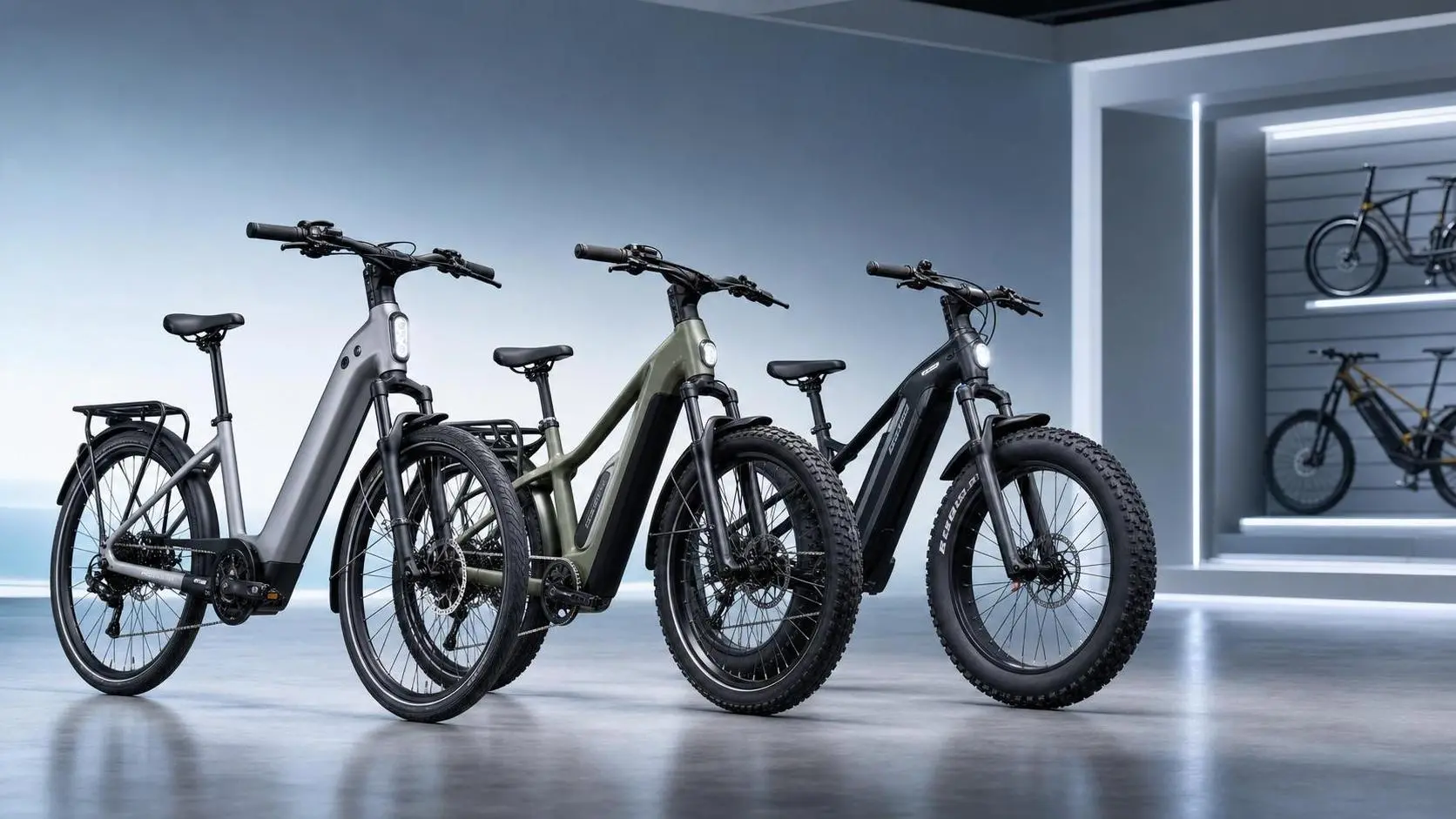
Ebike Market USA: What Dealers Should Know About Demand Shifts, Pricing, and Product Mix
ebike market USA is shifting fast. Discover how demand segmentation, pricing pressure, and smarter product mix decisions can help dealers protect margins and grow.
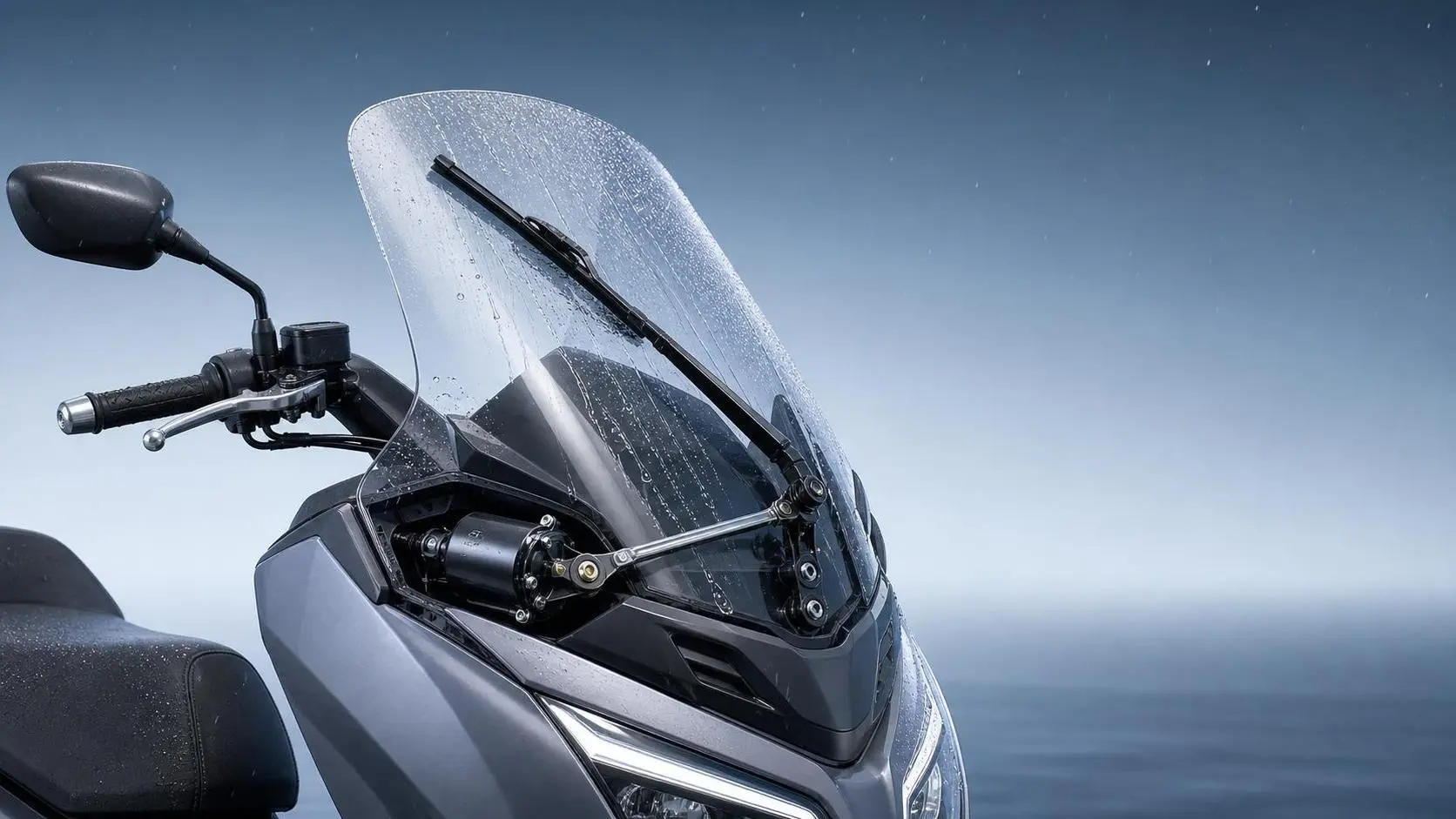
Wiper Systems for Scooters: Common Failure Points, Maintenance Tips, and Replacement Signs
Wiper systems for scooters: learn the most common failure points, smart maintenance tips, and clear replacement signs to improve visibility, reduce repeat repairs, and keep riders safer.
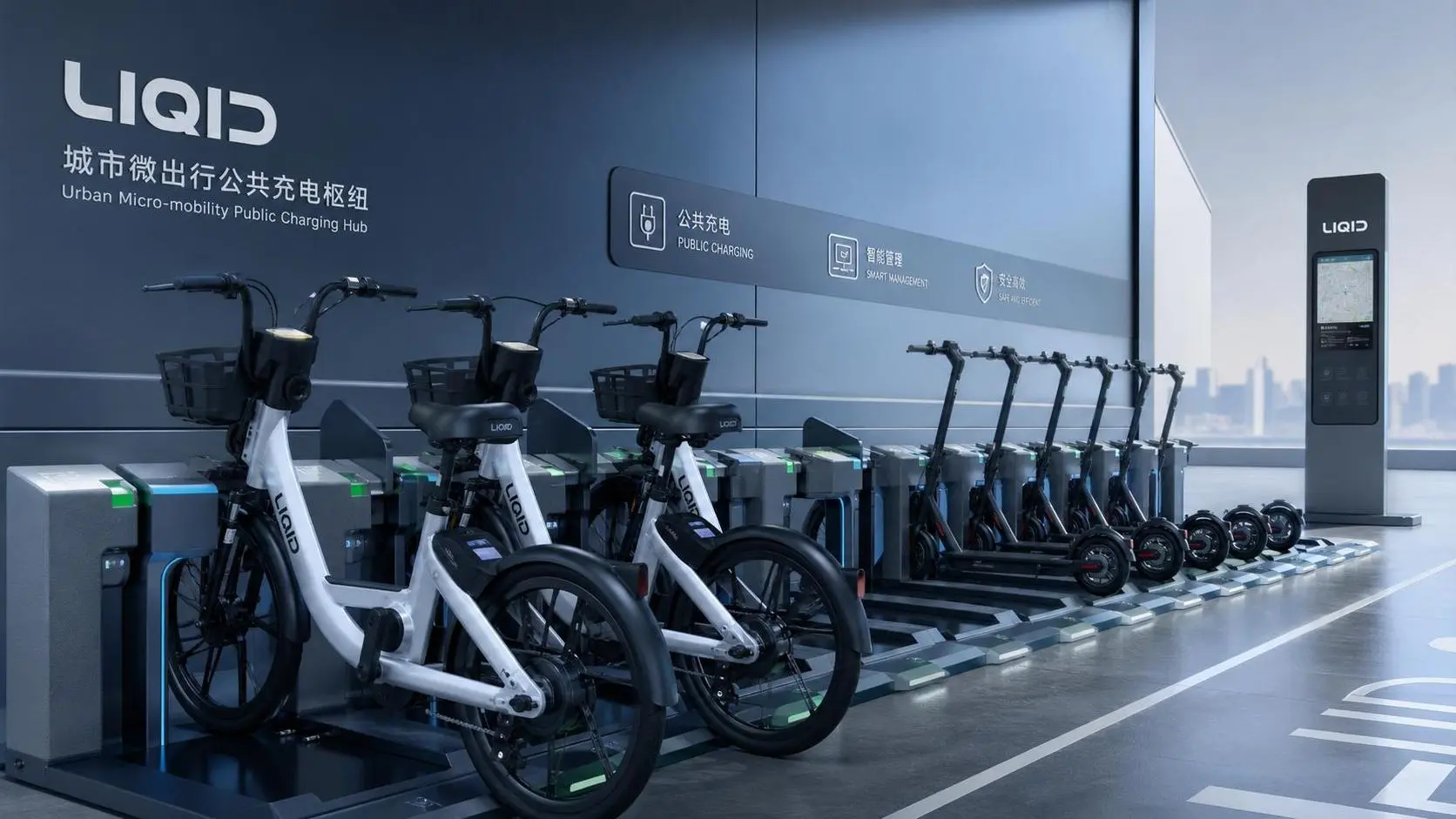
How to Choose Micro-Mobility Docking Stations for Shared Fleets and Public Charging Hubs
Micro-mobility docking stations: learn how to compare charging, locking, software, and site-fit factors to choose safer, smarter hubs for shared fleets and public use.
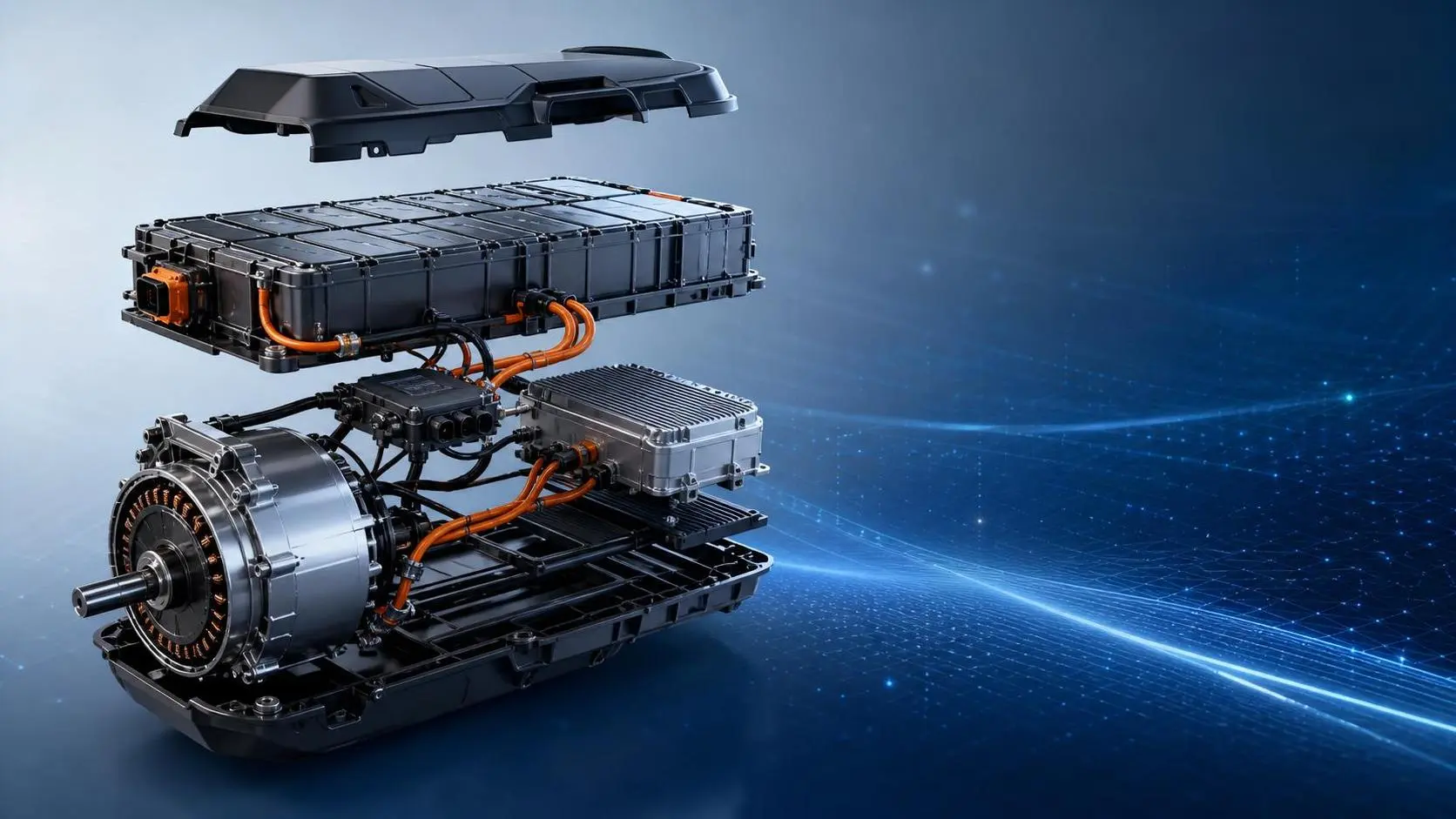
Powertrain Heat Management Explained: Key Design Factors for EV Efficiency and Battery Life
Powertrain heat management explained for EVs: discover how thermal design boosts efficiency, protects battery life, improves safety, and sustains real-world performance.
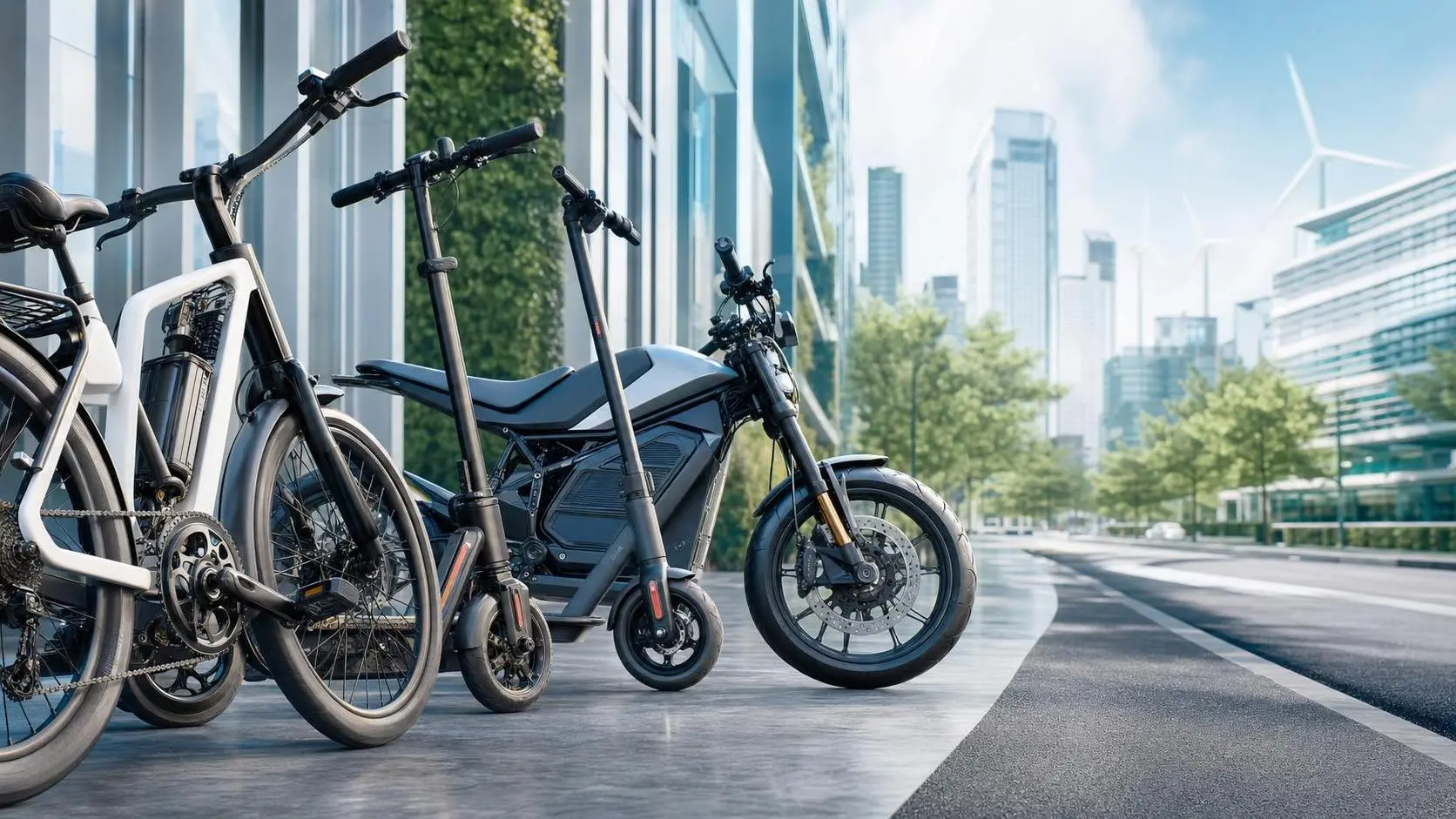
Urban Mobility Market Analysis: Demand Drivers, Policy Risks, and Revenue Models Compared
Urban mobility market analysis compares demand drivers, policy risks, and revenue models across e-bikes, scooters, and e-motorcycles to reveal where growth is durable.
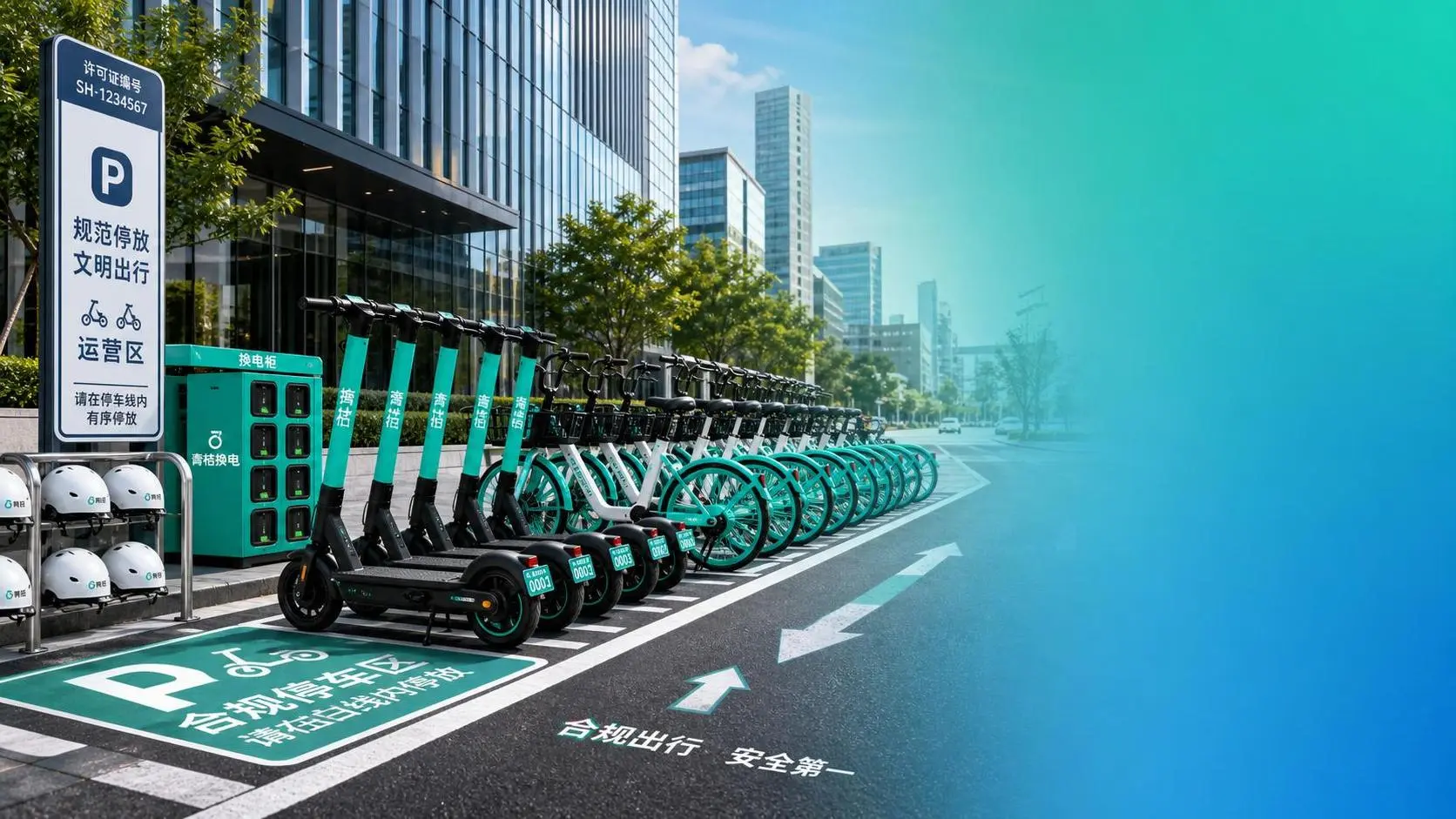
Shared Mobility Compliance Checklist: Permits, Safety Rules, and Fleet Data Requirements
Shared mobility compliance made simple: explore a practical checklist for permits, safety rules, and fleet data requirements to launch faster, reduce risk, and stay audit-ready.
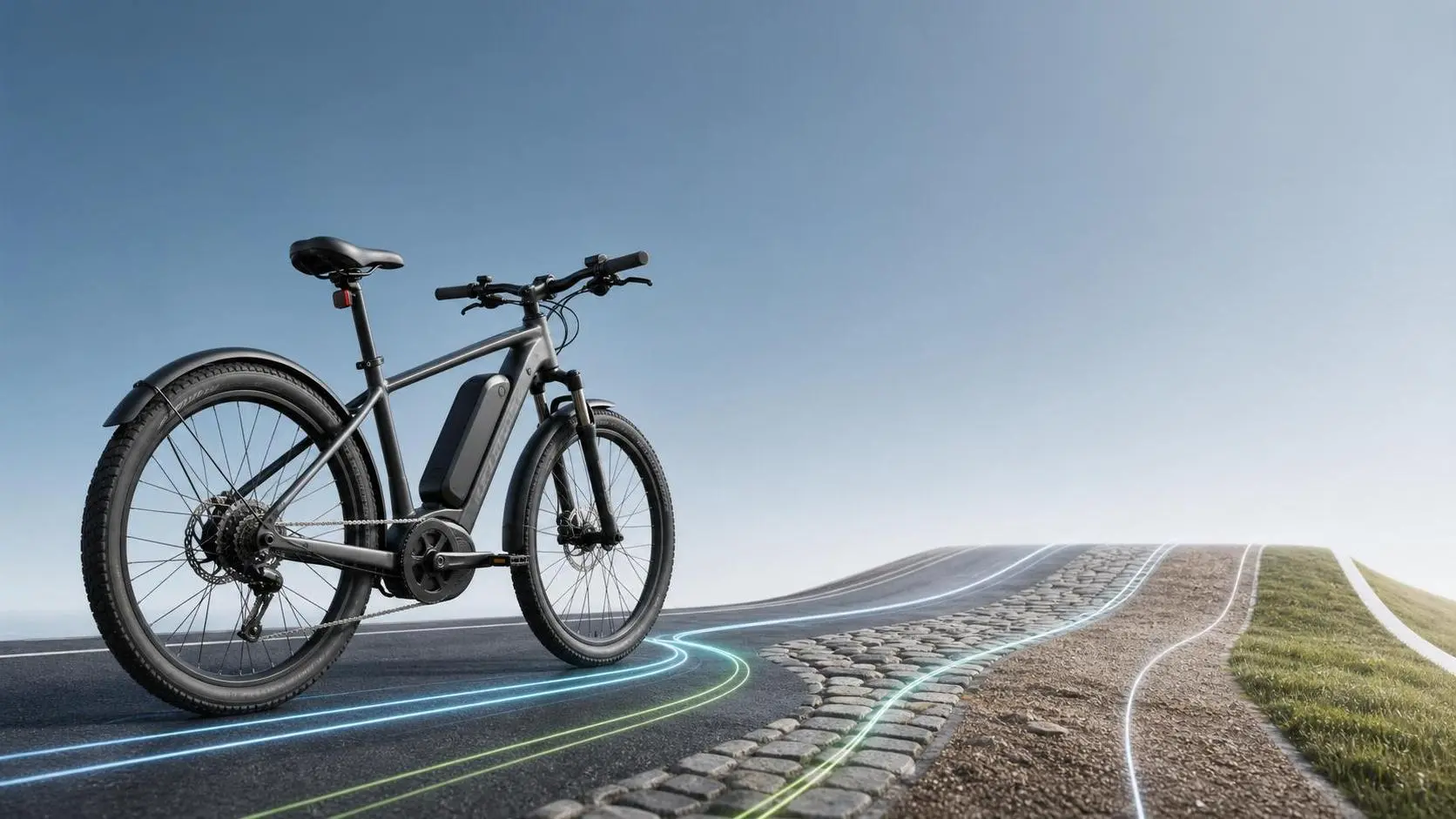
What Affects Ebike Energy Efficiency? Battery Size, Rider Weight, Terrain, and Speed
Ebike energy efficiency explained: learn how battery size, rider weight, terrain, and speed shape real-world range, lower Wh/km, and smarter buying or commuting decisions.

Wireless Electronic Shifting in North America: Compatibility, Standards, and Upgrade Limits
Wireless electronic shifting North America explained: compare compatibility, FCC/ISED standards, retrofit limits, and upgrade risks before choosing the right platform.