
Related News
- 00
0000-00
Urban Micro-Mobility Systems in Latin America: Key Market Drivers, Barriers, and Growth Segments - 00
0000-00
Intellectualization of Mobility in North America: What Is Driving Adoption Across Urban Transport? - 00
0000-00
What Is Driving Green Two-wheelers Demand in Europe? Policy, Fuel Costs, and Buyer Segments - 00
0000-00
Urban Micro-Mobility in North America: Policy, Charging Access, and Fleet Growth Drivers - 00
0000-00
Carbon Neutrality for Fleets: How to Measure Emissions and Prioritize Upgrades
Prof. Marcus Chen
Weekly Insights
Stay ahead with our curated technology reports delivered every Monday.
Intellectualization of Mobility in 2026 E-bike Design





As urban transport enters a smarter, cleaner era, the intellectualization of mobility is becoming a defining force in 2026 e-bike design. From connected powertrains and battery intelligence to rider-centric safety systems, this shift is reshaping how e-bikes perform, communicate, and fit into low-carbon city life. For researchers tracking micro-mobility trends, understanding these design directions is essential to evaluating future market and technology opportunities.
What does intellectualization of mobility mean in 2026 e-bike design?
The intellectualization of mobility refers to embedding digital intelligence into vehicle functions, system decisions, and user interaction.
In e-bikes, this no longer means only adding a display or Bluetooth module.
It now covers sensor fusion, adaptive motor control, predictive battery logic, cloud diagnostics, and software-managed safety responses.
The 2026 design direction connects mechanical efficiency with data-driven behavior.
That shift matters because cities demand cleaner transport, but users still expect reliability, comfort, and low operating cost.
The intellectualization of mobility helps e-bikes answer all three demands at once.
A smart e-bike can read torque input, road gradient, battery temperature, and riding history.
It then adjusts assistance output for efficiency, safety, and range preservation.
This is where UMMS sees the strongest convergence.
Electromechanical transmission efficiency, battery management logic, and urban mobility policy are increasingly linked by intelligence layers.
In practical terms, the intellectualization of mobility makes the e-bike more aware of itself, its rider, and its environment.
Core design elements behind this shift
- Connected controllers that optimize motor output in real time
- Battery systems with thermal monitoring and predictive charging logic
- IoT modules for diagnostics, theft tracking, and fleet coordination
- Human-machine interfaces tailored for simple, low-distraction use
- Integrated safety algorithms that support braking, lighting, and visibility
Why is the intellectualization of mobility so important for urban e-bike applications?
Urban travel is dynamic, crowded, and increasingly regulated.
That environment rewards systems that can adapt quickly and communicate clearly.
The intellectualization of mobility gives e-bikes a stronger fit with these urban conditions.
For daily commuting, smart assistance reduces sudden acceleration and improves ride smoothness.
For shared mobility, connected functions simplify remote monitoring, service scheduling, and misuse detection.
For logistics and utility riding, battery intelligence helps maintain predictable uptime.
Another factor is policy alignment.
Many cities are tightening standards for safety, right-of-way, and sustainability reporting.
Intelligent systems make compliance easier because they generate usable operating data.
That data can support maintenance planning, battery traceability, and energy-use analysis.
The intellectualization of mobility also increases the value of component collaboration.
Motors, sensors, drivetrains, and software platforms now need tighter interoperability than before.
This trend mirrors UMMS coverage across e-bikes, smart e-scooters, high-speed e-motorcycles, and precision bicycle components.
Where urban impact is most visible
- Congested commuting corridors
- Campus and business district mobility
- Shared fleets in dense residential zones
- Cargo and neighborhood delivery routes
Which technologies define the intellectualization of mobility in e-bikes?
Several technologies now shape the 2026 e-bike stack.
The first is advanced battery management.
High-density batteries need accurate temperature sensing, cell balancing, and charge protection.
Without battery intelligence, performance claims become unreliable in real-world use.
The second is motor-controller intelligence.
Brushless drive systems now work with torque sensors, cadence sensors, and gradient estimation.
This creates smoother assist delivery and improves energy efficiency.
The third is connectivity.
IoT modules allow firmware updates, anti-theft alerts, usage analytics, and remote diagnostics.
This is especially relevant for fleet operators and premium private vehicles.
The fourth is intelligent safety integration.
Adaptive lighting, brake signal coordination, and environmental sensing support safer riding decisions.
In the broader micro-mobility context, visibility technologies and sensor logic are becoming more important.
UMMS tracks similar intelligence trends in smart wiper systems and photoelectric recognition platforms.
The fifth is drivetrain precision.
Wireless electronic shifting and optimized transmission ratios improve power allocation and rider control.
Together, these systems show how the intellectualization of mobility is becoming architecture, not accessory.
Technology priority table for 2026 e-bike design
How can decision-makers judge whether an intelligent e-bike design is truly effective?
A common mistake is equating more features with better intellectualization of mobility.
In reality, effective design starts with system balance.
The first test is whether intelligence improves core riding outcomes.
That includes range consistency, stable assist behavior, intuitive control, and dependable safety feedback.
The second test is whether the system architecture supports maintenance and upgrades.
Software-managed functions should not make basic service unnecessarily difficult.
The third test is data usefulness.
Collected data should support actionable decisions, not just marketing claims.
The fourth test is resilience.
An intelligent design must still function safely during signal interruption, sensor drift, or limited connectivity.
The intellectualization of mobility should reduce uncertainty, not introduce fragile dependency.
Quick evaluation checklist
- Verify real efficiency gains, not only claimed peak performance.
- Check thermal and battery protection logic under demanding cycles.
- Review firmware update pathways and cybersecurity basics.
- Assess sensor reliability in rain, vibration, and dense traffic.
- Confirm the rider interface remains simple under stress.
What risks and misconceptions surround the intellectualization of mobility?
One misconception is that intelligence always lowers total cost.
In fact, poorly integrated electronics can raise service costs and shorten useful life.
Another misconception is that app connectivity equals strategic intelligence.
True intellectualization of mobility depends on decision quality inside the system.
There is also a risk of overdesign.
If interfaces become complex, riders may ignore useful functions or misuse settings.
Data governance is another concern.
Connected e-bikes generate location, battery, and behavior data that require clear protection rules.
Supply chain dependency also matters.
When key modules are closed and incompatible, future repair and integration become harder.
UMMS analysis often shows that intelligence value depends on ecosystem compatibility.
This applies across battery systems, shifting technologies, and smart vehicle sensors.
Common risk-to-response table
How should future-facing mobility research and planning respond?
The best response is to treat the intellectualization of mobility as a systems issue.
Single-component analysis is no longer enough.
Battery, drivetrain, software, communications, and policy conditions should be reviewed together.
Research should also compare cross-category lessons.
Smart e-scooters reveal fast iteration in IoT deployment.
High-speed e-motorcycles show the importance of thermal management and battery-swapping logic.
Precision bicycle components highlight how millisecond control can improve ride experience.
UMMS positions this as strategic intelligence stitching.
That means connecting technical performance with market demand, safety standards, and urban low-carbon goals.
For 2026 e-bike design, the most promising direction is not simply smarter hardware.
It is coordinated intelligence that improves efficiency, trust, and city integration.
In summary, the intellectualization of mobility is redefining e-bikes from assisted bicycles into adaptive urban transport systems. The strongest 2026 designs will combine clean energy use, precise mechanical execution, software intelligence, and realistic safety logic. Tracking this transition requires attention to both component innovation and wider mobility ecosystems. For the next step, build a research framework that measures intelligence by real urban performance, lifecycle resilience, and interoperability across the evolving micro-mobility landscape.
Related News
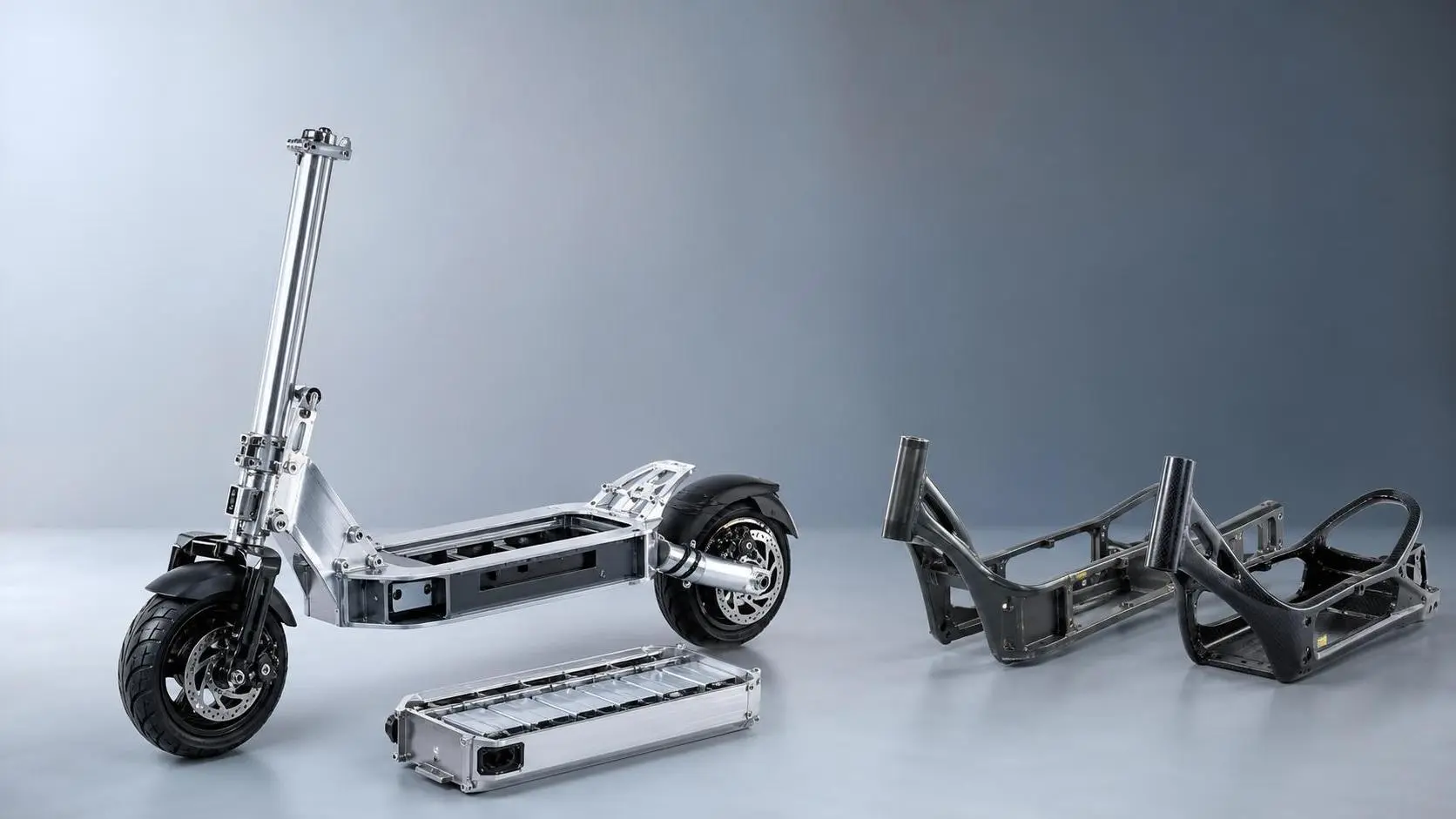
How to Choose Lightweight Scooter Frames in Europe: Materials, Standards, and Use Cases
Lightweight scooter frames Europe buyers need should balance materials, EN standards, durability, and real use cases. Discover how to choose safer, smarter, compliant frames.
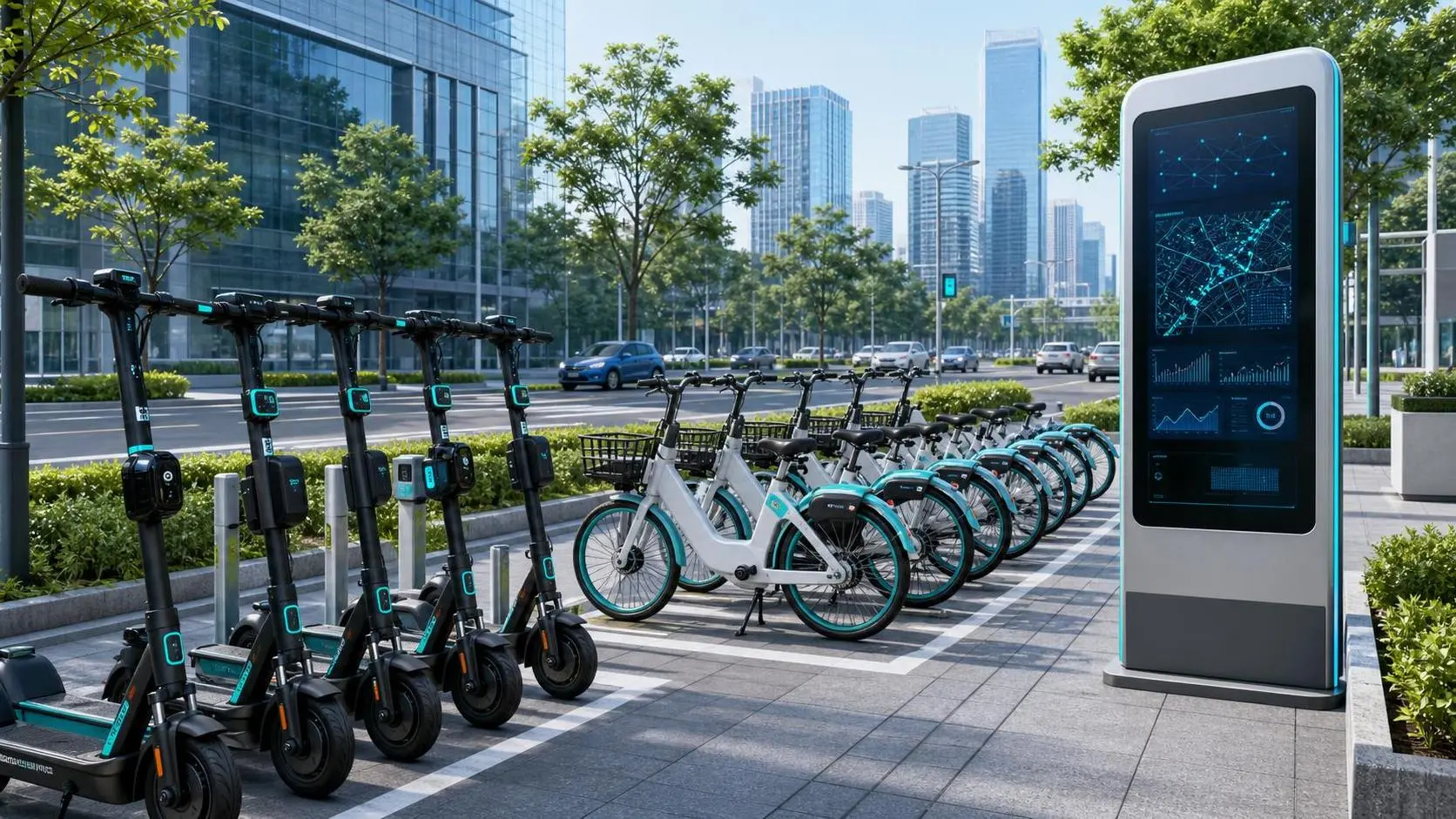
What Is the Intellectualization of Mobility Platform and How Is It Applied in Shared Fleets?
Intellectualization of mobility platform is reshaping shared fleets with real-time data, predictive maintenance, and smarter compliance—learn how it boosts safety, uptime, and urban mobility efficiency.
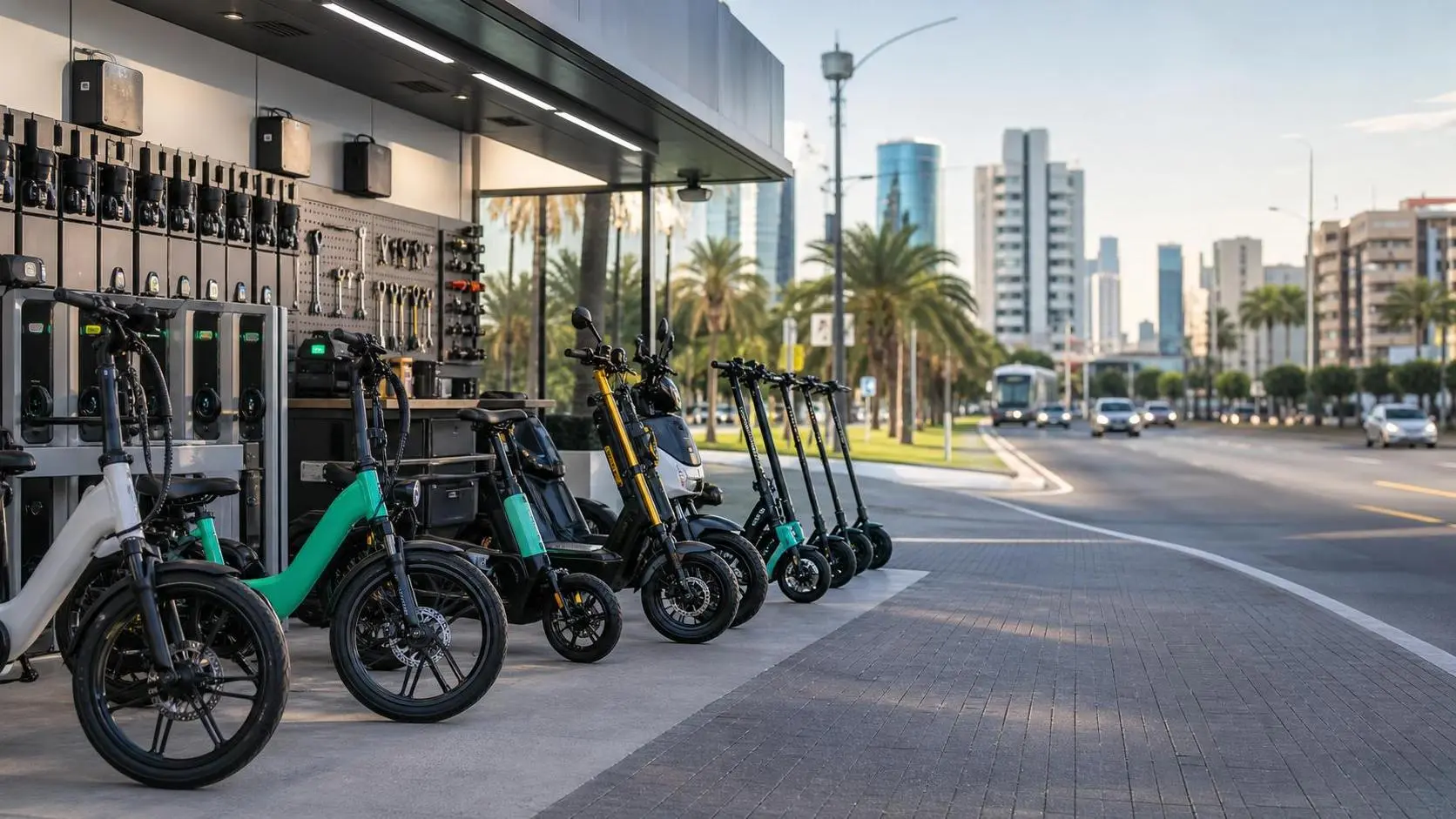
Urban Micro-Mobility Systems in Latin America: Key Market Drivers, Barriers, and Growth Segments
Urban micro-mobility systems Latin America are reshaping city transport. Explore key drivers, barriers, and high-growth segments to spot the region’s most investable opportunities.
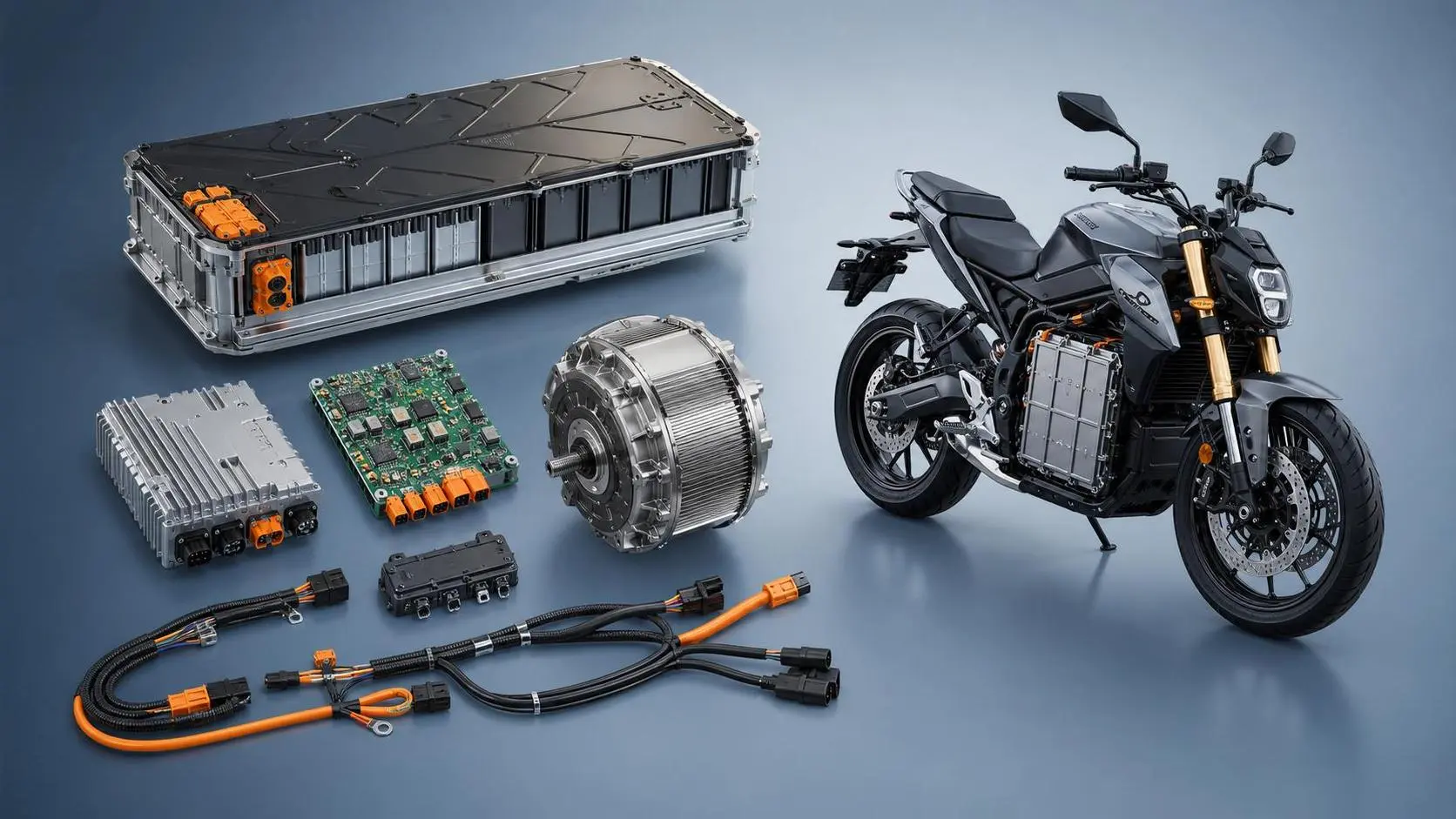
Electric Motorcycle Systems Price Breakdown: What Affects Cost From Battery to Controller?
Electric motorcycle systems price explained: see how battery, controller, motor, BMS, and wiring affect total cost, reliability, and sourcing value before you buy.
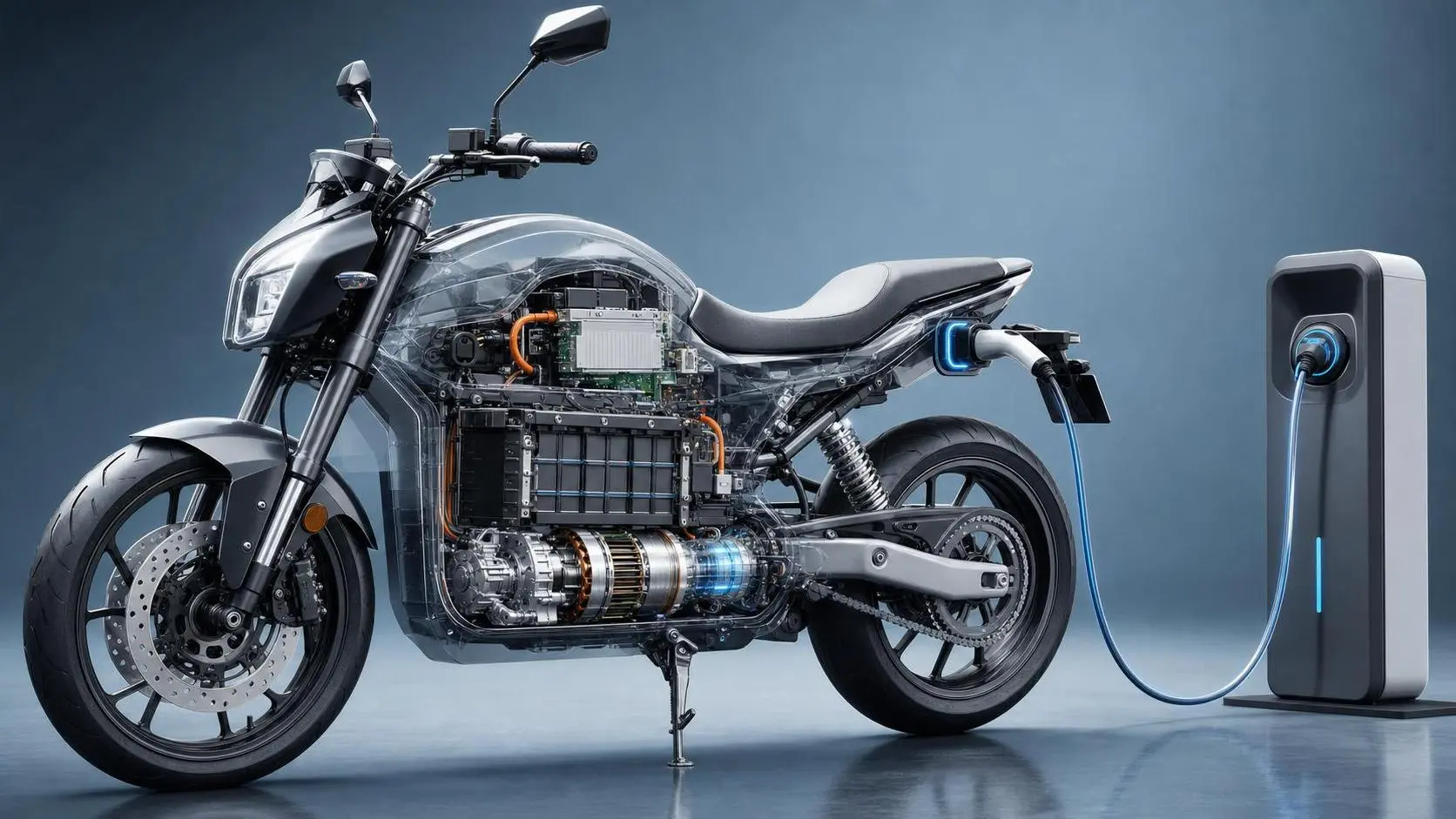
72V Electric Motorcycle Technology Explained: Motors, Controllers, Range, and Charging
Electric motorcycle technology 72V explained clearly: compare motors, controllers, range, battery design, and charging to choose a smoother, stronger, and smarter electric ride.
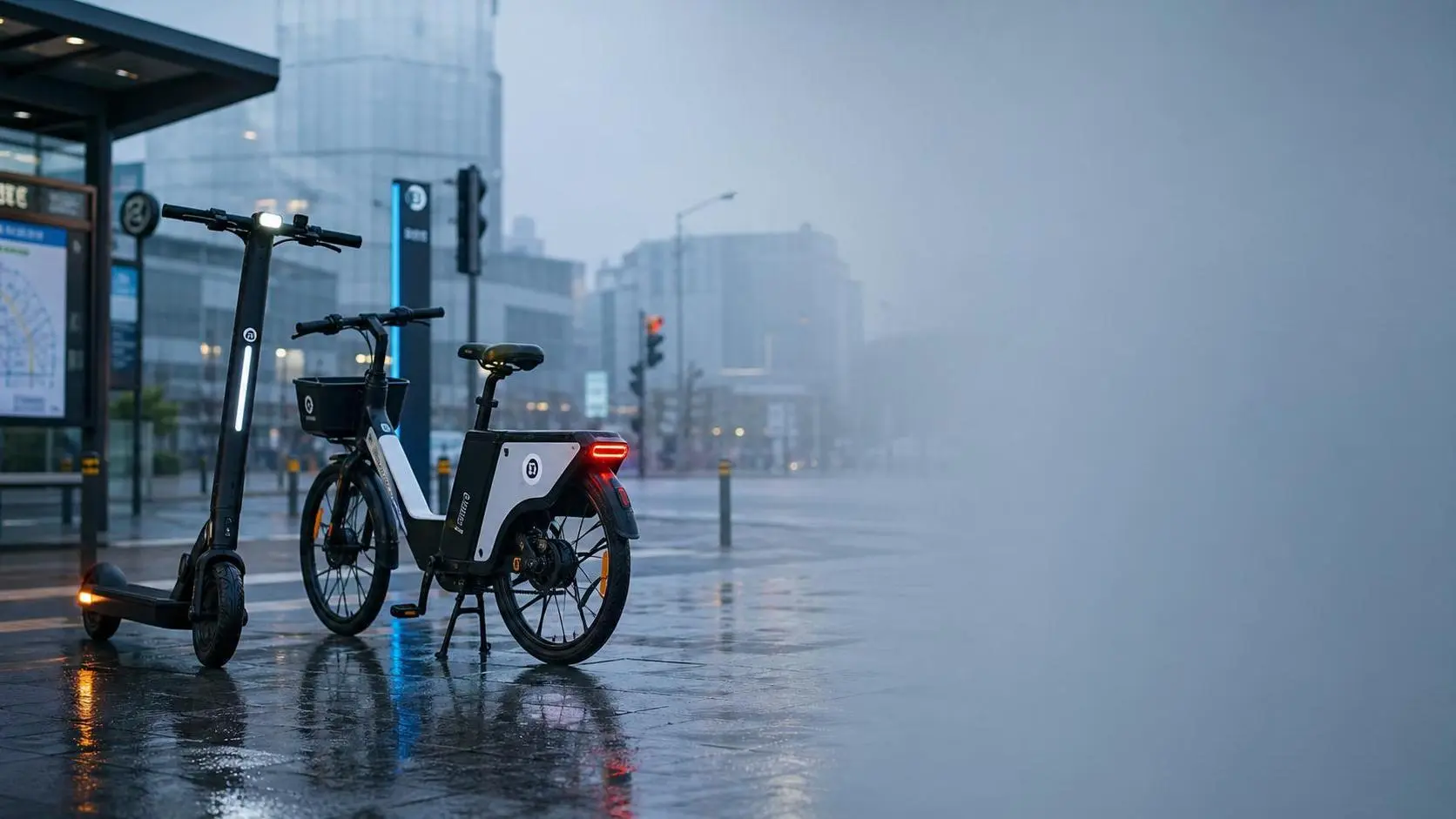
Where LED Urban Visibility Safety Systems Fit Best in Shared Scooters and City E-bikes
LED urban visibility safety systems deliver the most value in shared scooters and city e-bikes by improving multi-angle safety, fleet durability, and urban compliance across real-world routes.
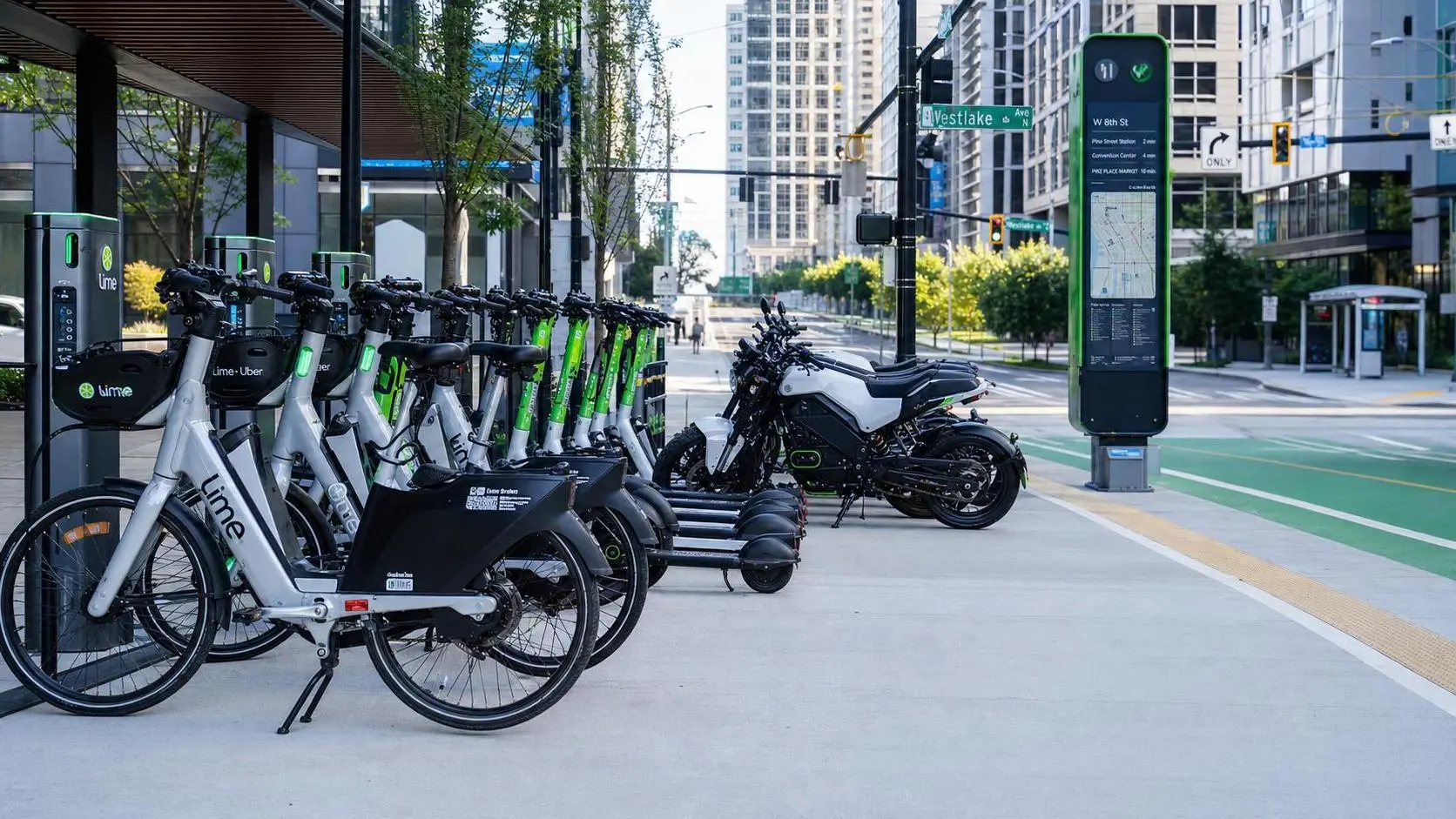
Intellectualization of Mobility in North America: What Is Driving Adoption Across Urban Transport?
Intellectualization of mobility North America is reshaping urban transport through data, smart fleets, and battery intelligence. Explore what is driving adoption and why cities and operators are accelerating now.
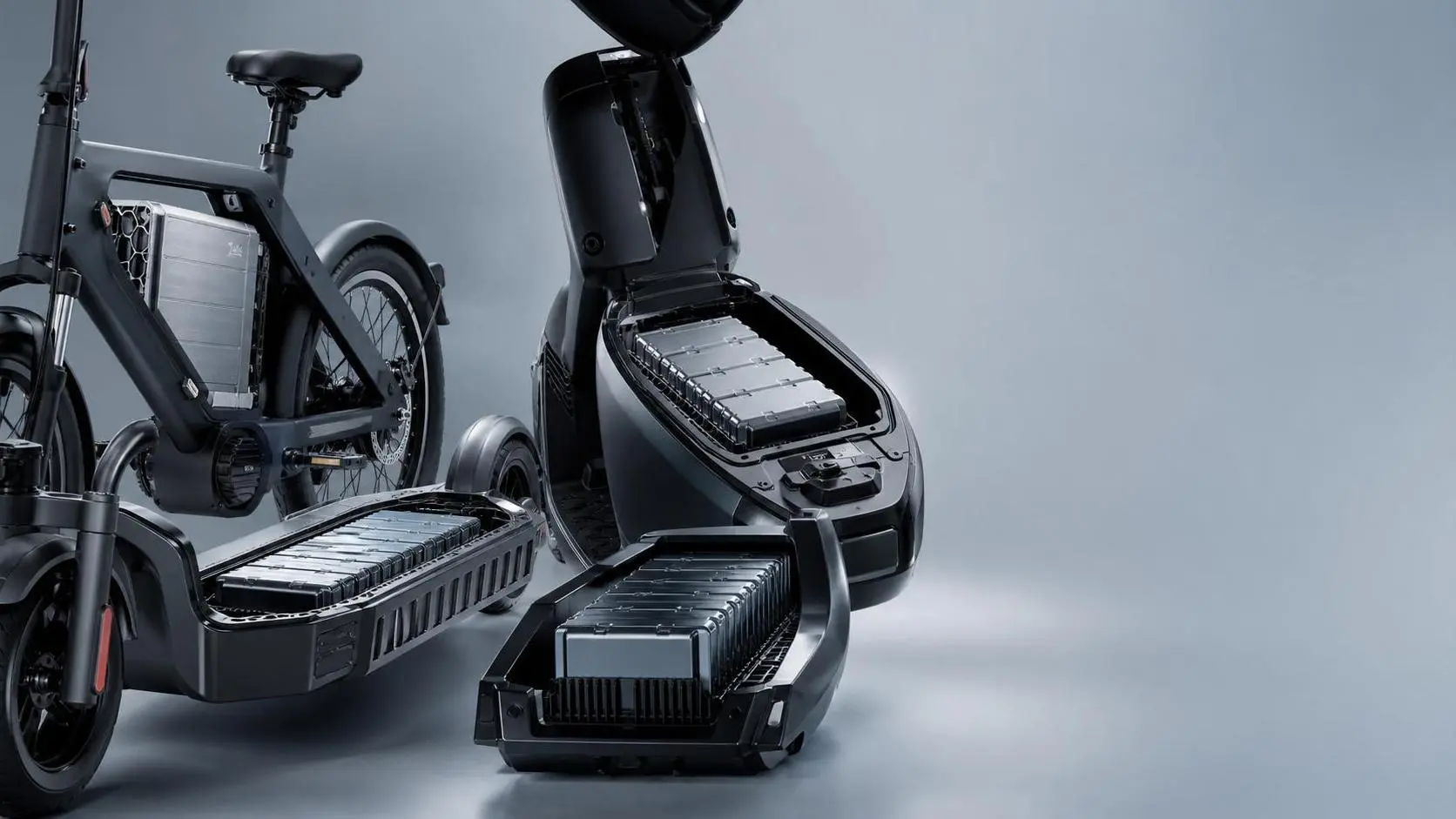
How to Choose a Compact Battery Pack: Size, Energy Density, Thermal Design, and Cycle Life
Compact battery pack selection starts with more than size. Learn how energy density, thermal design, and cycle life shape range, safety, and long-term value.
What Is Driving Green Two-wheelers Demand in Europe? Policy, Fuel Costs, and Buyer Segments
Green two-wheelers demand Europe is rising as policy support, fuel cost pressure, and diverse buyer segments reshape urban mobility. Explore the trends driving the next growth wave.