Micro-mobility solutions are rapidly redefining how cities handle short trips, turning congested last-mile journeys into faster, cleaner, and more data-driven mobility experiences.
For business evaluators, the shift is not only about e-bikes, smart e-scooters, high-speed e-motorcycles, or precision components.
It is about market readiness, infrastructure fit, policy alignment, and scalable commercial value across increasingly crowded urban mobility ecosystems.
The business answer: short trips are becoming a high-value mobility layer
Micro-mobility solutions are reshaping short trips because they solve a problem traditional transport handles poorly: flexible movement over one to eight kilometers.
For commuters, these trips are often too far to walk, too short for cars, and inefficient for fixed-route public transit.
For businesses and cities, that gap creates measurable opportunity in ridership, fleet services, components, charging, maintenance, software, and data intelligence.
The strongest commercial case appears where congestion is high, parking is limited, public transport is dense, and short-distance travel demand repeats daily.
In these environments, e-bikes, smart e-scooters, and light electric two-wheelers become not accessories, but operational transport infrastructure.
The reshaping is also behavioral. Users increasingly evaluate short trips by time certainty, cost transparency, convenience, safety, and environmental acceptability.
That means winning solutions are not simply vehicles. They are systems combining hardware reliability, battery strategy, regulation compliance, and user experience.
Why short trips are the ideal market for micro-mobility
Short trips generate disproportionate friction in cities. A three-kilometer car journey can require traffic delay, parking search, fuel cost, and emissions.
Micro-mobility reduces this friction by matching vehicle size, energy consumption, and trip purpose more intelligently than conventional mobility options.
An e-bike can extend comfortable commuting distance without requiring high physical effort, making it attractive for workers, students, and delivery users.
A smart e-scooter can support spontaneous last-mile movement, especially when integrated with transit stations, business districts, campuses, and residential zones.
High-speed e-motorcycles address a different short-trip segment, replacing petrol two-wheelers where speed, range, and urban productivity matter more.
For evaluators, the key is segment clarity. Not every vehicle suits every trip, infrastructure condition, regulatory zone, or revenue model.
The best markets often show high recurring travel density, moderate trip lengths, strong mobile payment adoption, and public pressure for lower-emission transport.
What business evaluators should measure before entering the market
The first question is not whether micro-mobility is popular. It is whether demand can be converted into durable commercial performance.
Evaluators should begin with trip density, identifying corridors where users repeatedly travel short distances at predictable times and predictable origins.
Transit-adjacent zones, university districts, tourism centers, industrial parks, and dense residential clusters often provide stronger utilization than dispersed urban areas.
Second, assess regulatory openness. Rules around sidewalk riding, helmet use, parking, vehicle speed, battery certification, and data sharing affect viability.
A market with strong demand but unstable regulation may require higher compliance investment, slower deployment, or partnerships with municipal authorities.
Third, calculate lifecycle economics. Purchase price matters, but battery replacement, theft, vandalism, maintenance labor, insurance, and depreciation often determine profitability.
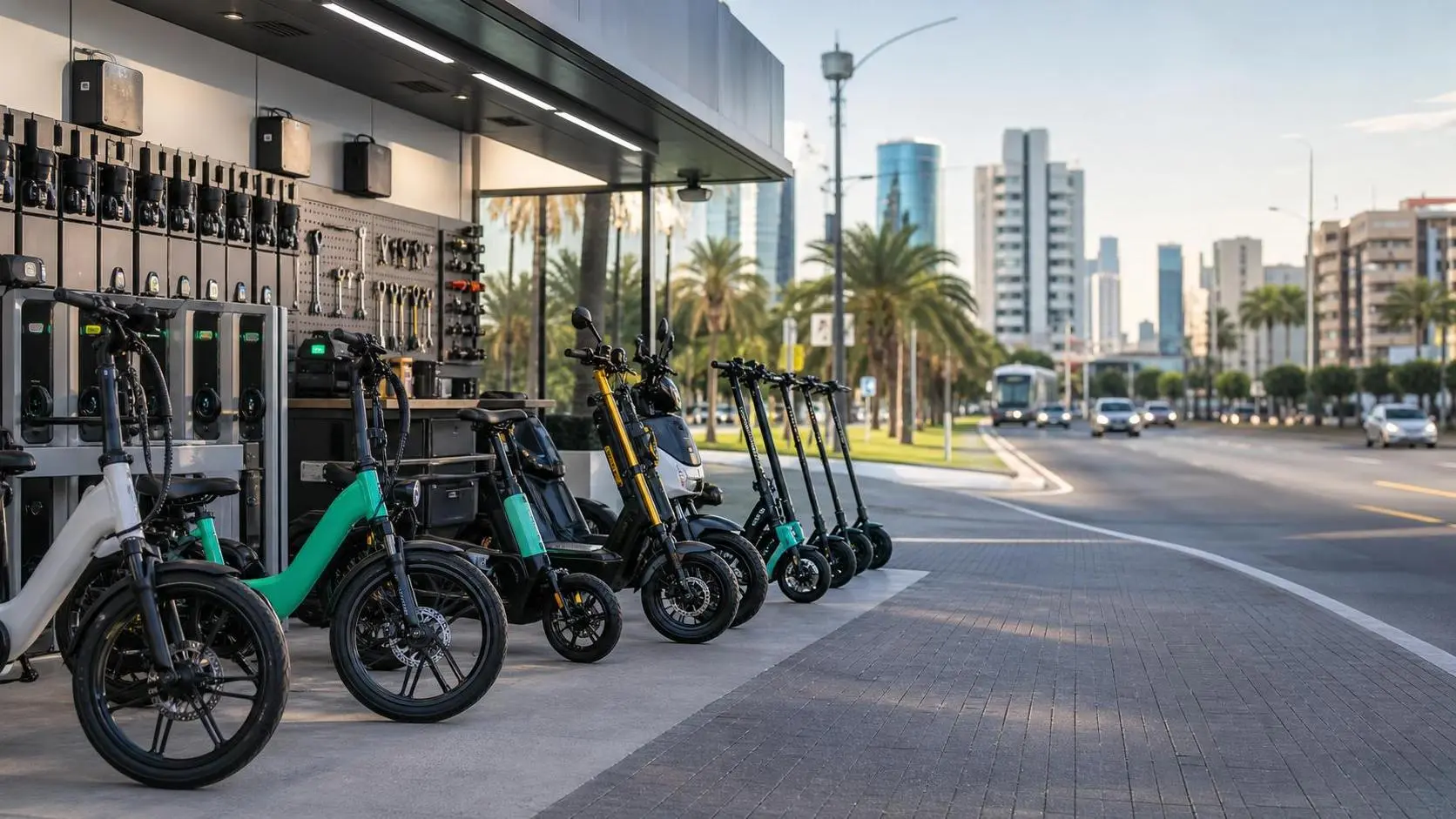
Fourth, examine infrastructure readiness. Protected lanes, charging points, repair networks, parking zones, and digital mapping can change utilization and safety outcomes.
Finally, evaluate user willingness to pay. Convenience creates adoption, but price sensitivity can limit margins if competitors subsidize rides aggressively.
Technology is moving value from vehicles to integrated systems
Early micro-mobility discussions focused heavily on visible hardware. Today, competitive advantage increasingly depends on the intelligence behind the vehicle.
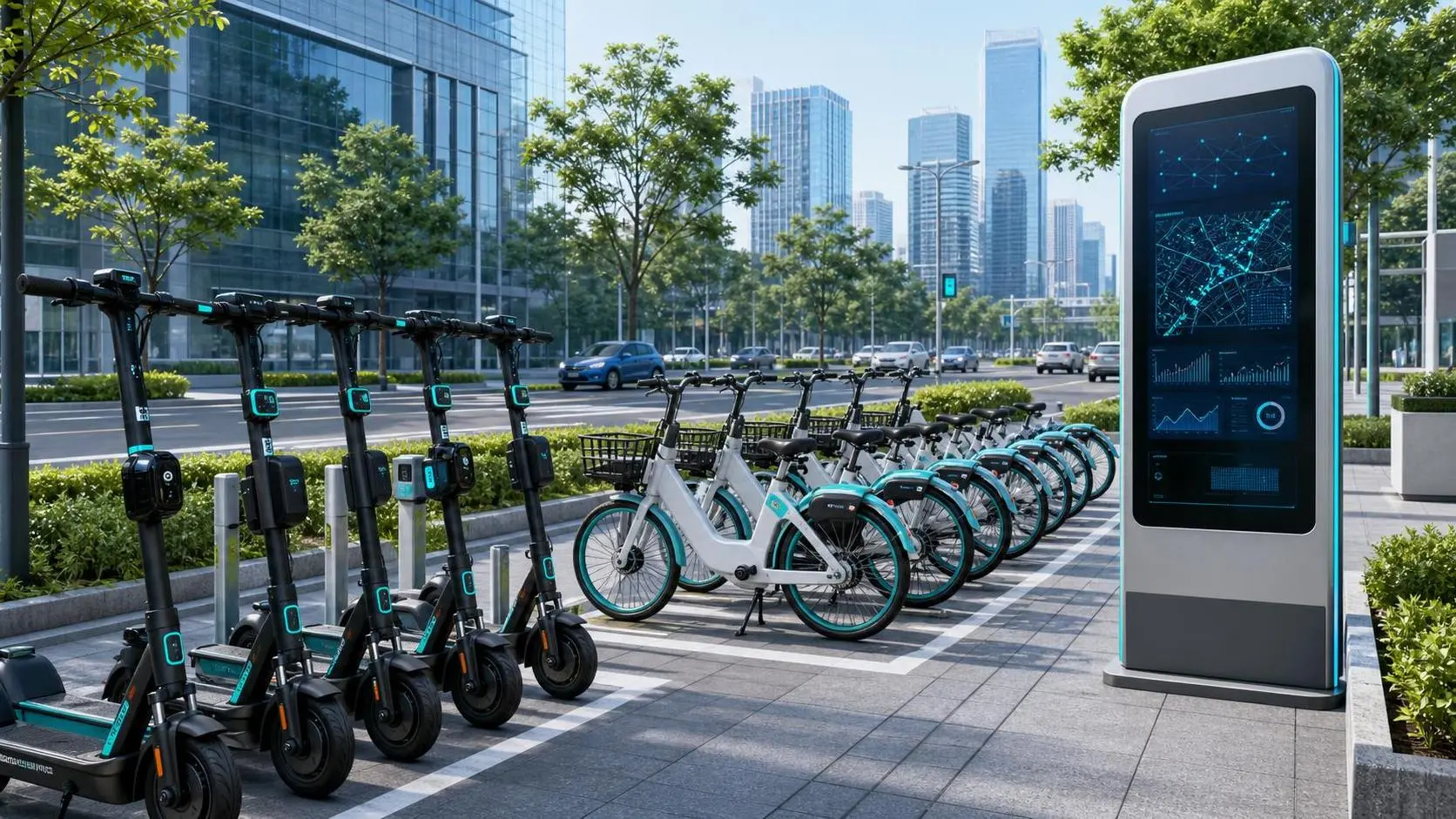
Smart e-scooters use IoT modules, geofencing, remote diagnostics, anti-theft systems, and fleet analytics to reduce disorder and improve uptime.
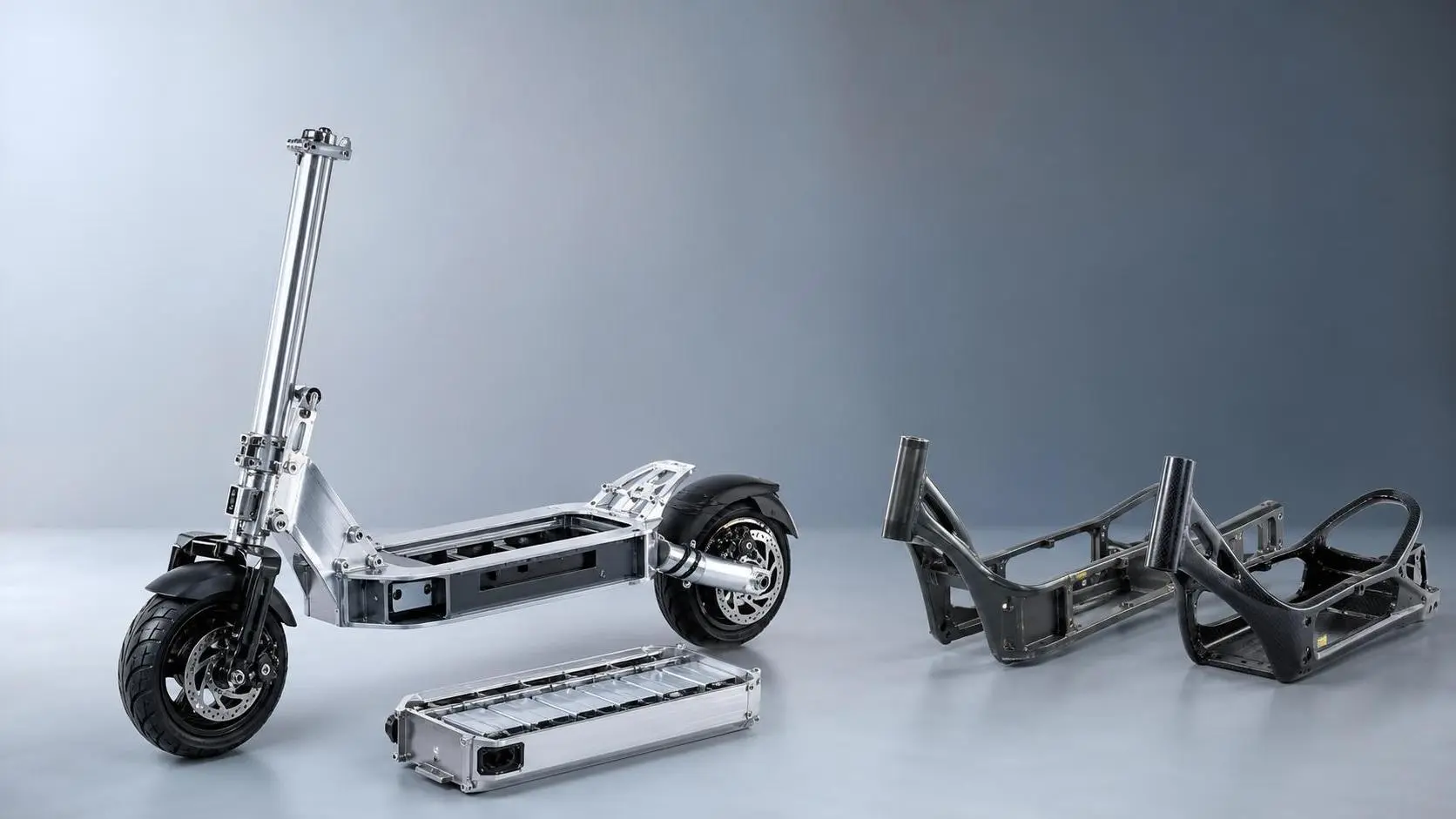
E-bikes depend on efficient motor control, battery management systems, torque sensors, and durable drivetrain components that shape reliability and ride quality.
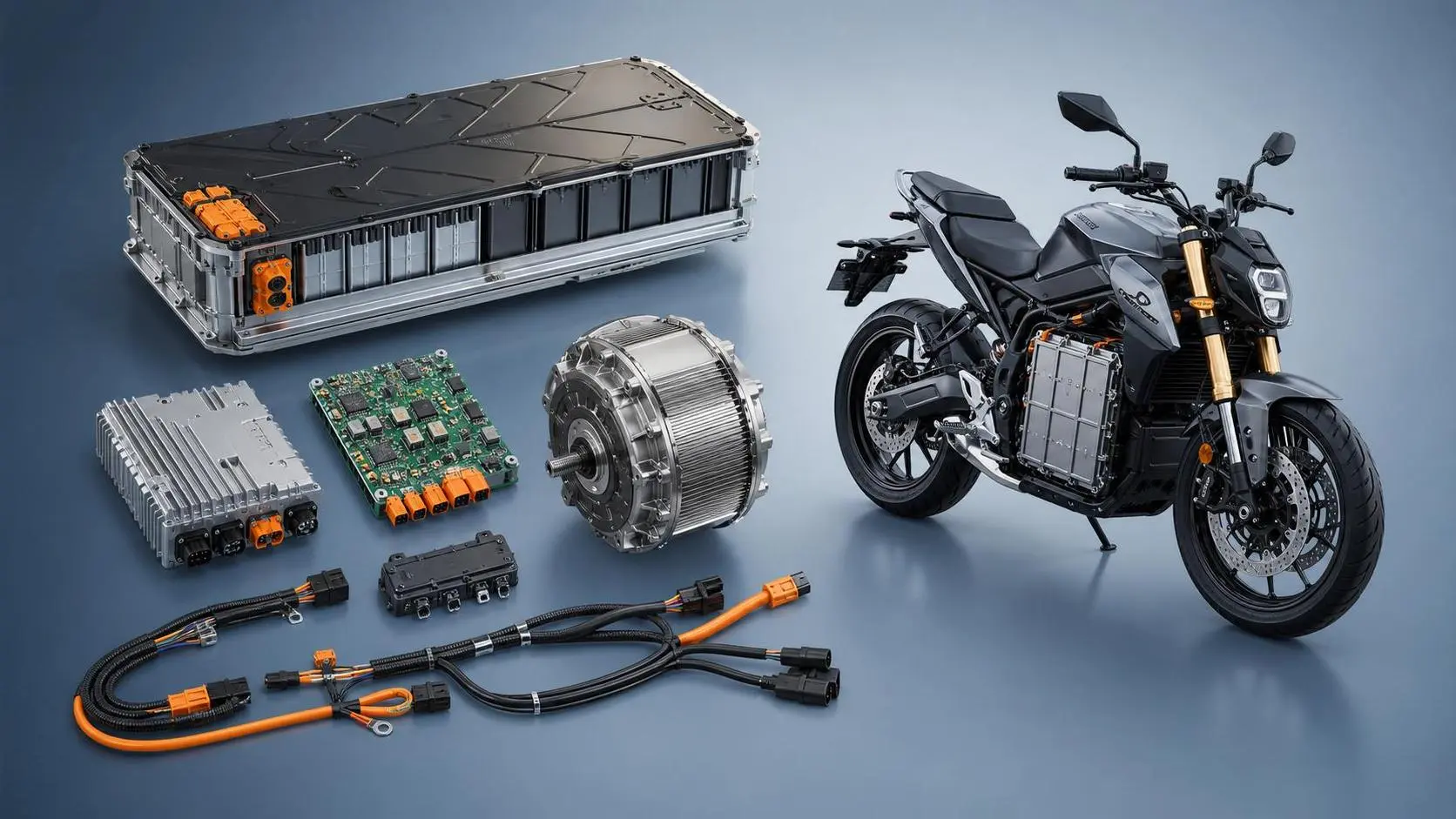
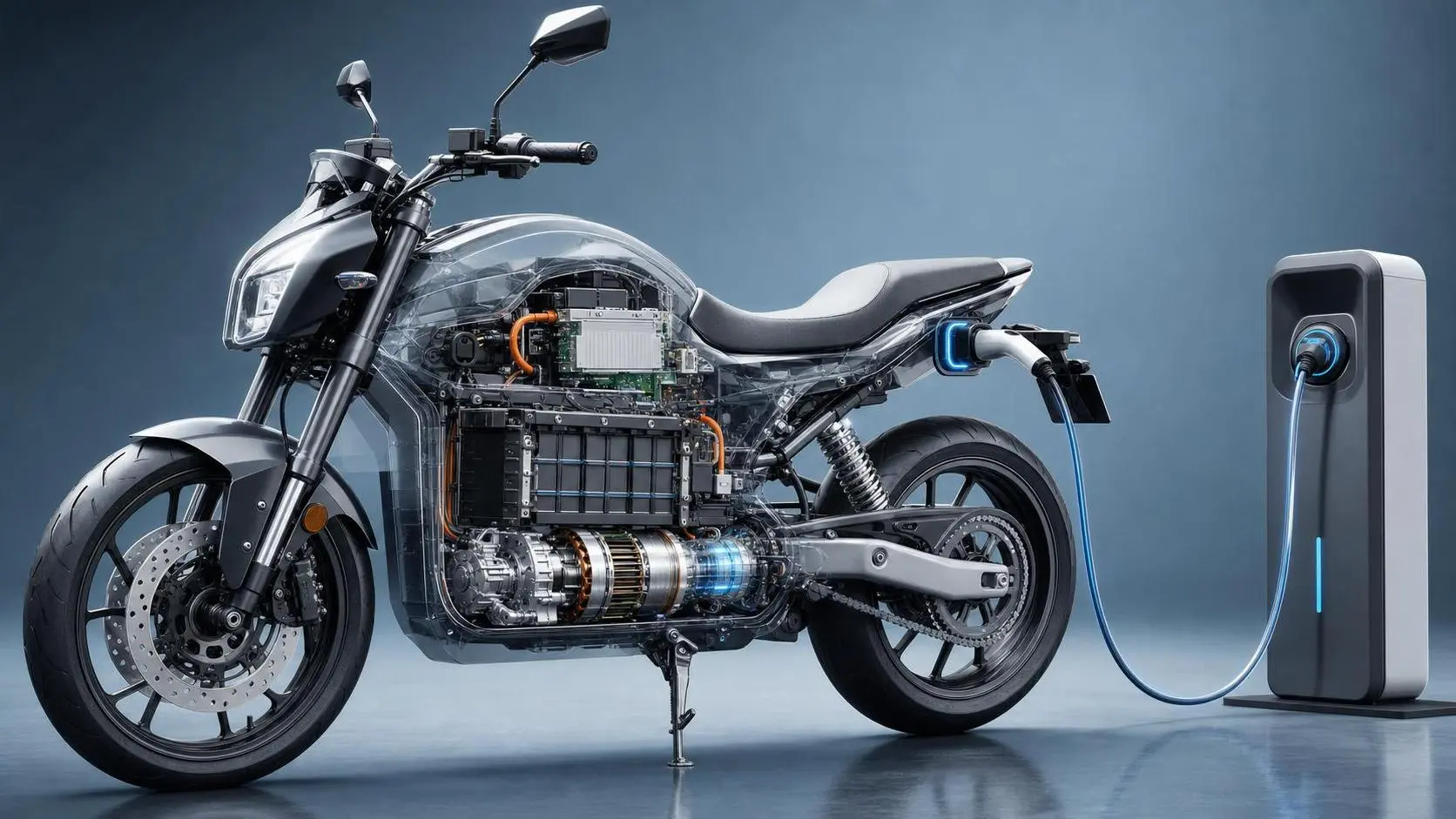
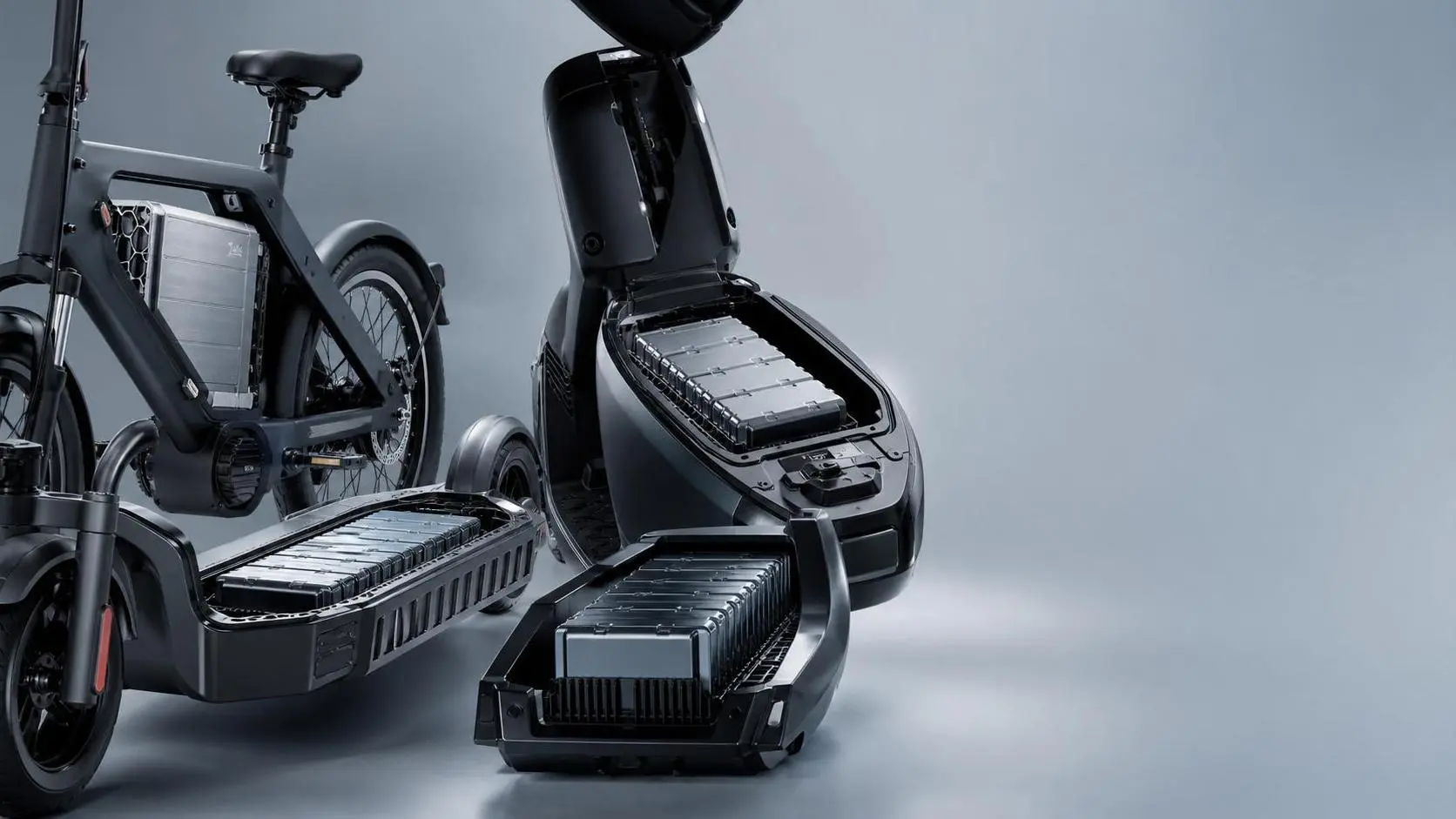
High-speed e-motorcycles require thermal management, power electronics, battery safety, charging infrastructure, and sometimes battery-swapping networks to support intensive use.
Even precision bicycle components matter commercially. Electronic shifting, derailleur accuracy, and low-friction transmission improve performance, maintenance predictability, and premium positioning.
For investors and procurement teams, technology assessment should focus on failure rates, energy efficiency, serviceability, parts availability, and software integration.
A cheaper vehicle that fails frequently can destroy unit economics, brand trust, and regulatory relationships faster than a higher upfront investment.
How micro-mobility changes cost, time, and carbon equations
The core value proposition of micro-mobility solutions is practical: they reduce wasted time, reduce transport costs, and reduce emissions per short trip.
For users, time savings often come from bypassing congestion, parking closer to destinations, and moving directly between transit and final locations.
For employers and campuses, micro-mobility can reduce parking demand, improve employee access, and support sustainability targets without major construction projects.
For logistics operators, e-bikes and electric cargo two-wheelers can improve delivery density in areas where vans lose time at every stop.
For municipalities, replacing car trips with lightweight electric trips can reduce road pressure, noise, local pollution, and competition for curb space.
However, carbon benefits depend on product lifetime, battery sourcing, charging mix, vehicle utilization, and whether trips replace cars rather than walking.
This is why lifecycle analysis matters. A durable, repairable fleet with high utilization delivers stronger environmental and financial returns.
Business models: ownership, sharing, leasing, and fleet services
Micro-mobility growth is not tied to one business model. Different markets support private ownership, shared fleets, subscriptions, leasing, and enterprise services.
Private e-bike ownership is strong where consumers have storage, cycling infrastructure, purchase subsidies, and clear rules for road use.
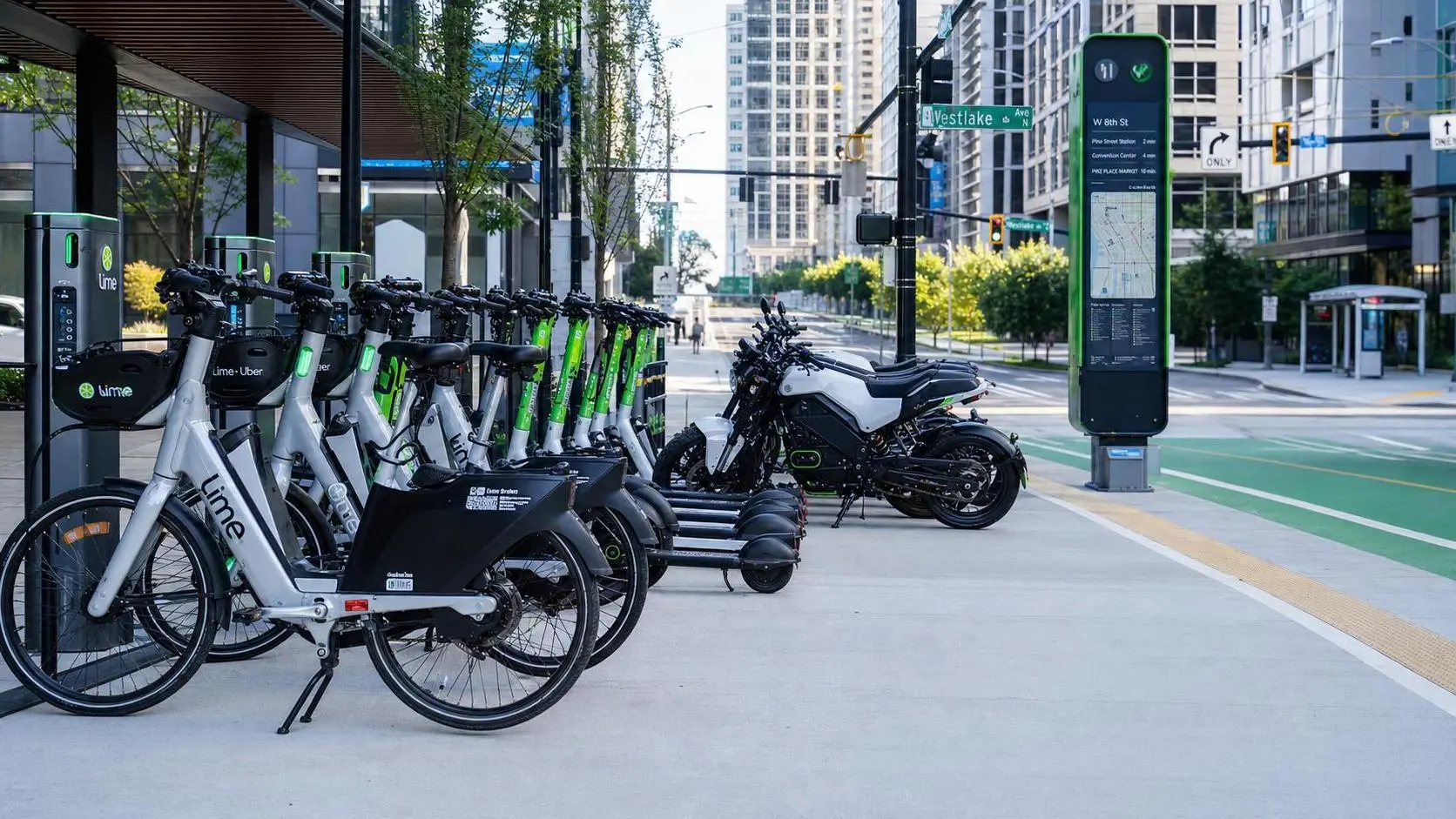
Shared scooter models work best where trip density is high, tourist or commuter turnover is frequent, and parking compliance can be managed.
Leasing models appeal to delivery riders, students, and urban workers who need reliable vehicles without full upfront purchase costs.
Enterprise fleet services can serve hotels, campuses, industrial parks, property developers, and employers seeking controlled mobility for defined user groups.
High-speed e-motorcycles may develop through battery-swapping partnerships, ride-hailing operations, delivery fleets, and replacement of internal-combustion urban motorcycles.
Evaluators should match the model to cash-flow patterns. Shared fleets need utilization; ownership needs distribution; leasing needs credit control and service networks.
Policy alignment is now a commercial requirement, not a side issue
Micro-mobility companies succeed faster when their products help cities solve recognized policy problems, including congestion, emissions, accessibility, and road safety.
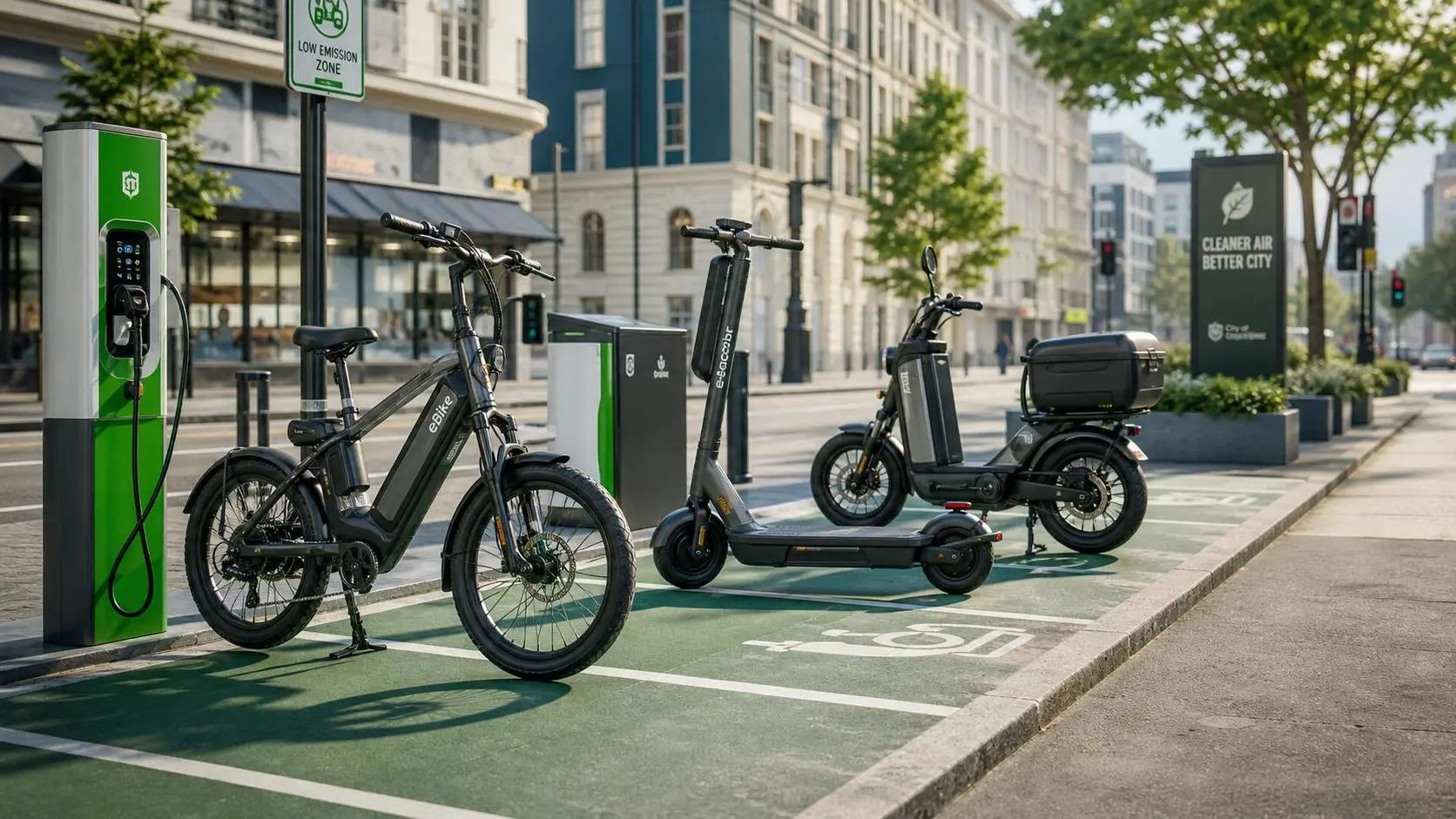
Subsidies for e-bikes, low-emission zones, parking restrictions, and public transit integration can all accelerate adoption and strengthen market confidence.
At the same time, poor parking behavior, unsafe riding, battery fires, and cluttered sidewalks can trigger restrictions or operating bans.
Business evaluators should track not only current regulation, but the direction of political sentiment and enforcement capacity in each target city.
Strong operators increasingly provide data dashboards, parking controls, speed limitation zones, and incident reporting to maintain municipal trust.
Component suppliers also face policy pressure through battery standards, charger safety, electromagnetic compatibility, waterproofing, and product traceability requirements.
In this sector, compliance is not paperwork. It is a market access tool and a protection against operational disruption.
Infrastructure fit determines whether adoption becomes scale
Demand can appear strong in surveys, but infrastructure determines whether users will repeat trips safely and confidently every week.
Protected bike lanes, smooth road surfaces, visible parking zones, charging facilities, and secure storage all improve adoption and retention.
Where infrastructure is weak, businesses may need heavier vehicles, stronger suspension, puncture-resistant tires, better lighting, and more maintenance capacity.
Transit integration is especially important. Micro-mobility performs best when it extends rail, metro, bus, and park-and-ride networks.
For commercial planning, the most promising locations are often not entire cities, but specific corridors and clusters with repeatable movement patterns.
A disciplined rollout usually starts with controlled areas, validates utilization and maintenance assumptions, then expands into adjacent zones with similar characteristics.
The risk factors that can weaken returns
Micro-mobility markets can grow quickly, but weak assumptions can damage returns. Evaluators should stress-test both operational and strategic risks.
Battery degradation can raise costs if charging cycles, thermal exposure, and replacement schedules are not modeled realistically from the beginning.
Theft and vandalism can materially affect shared fleet economics, especially where parking controls and recovery systems are underdeveloped.
Regulatory reversals can reduce permitted fleet sizes, limit operating zones, or impose safety investments that were not included in early budgets.
Competition can also compress margins. Low-quality entrants may educate the market while damaging public perception and forcing price pressure.
Supply chain risk remains important for motors, controllers, battery cells, sensors, derailleur systems, braking parts, and certified chargers.
The strongest mitigation is a technology and operations plan that values durability, service speed, compliance, and data visibility over simple vehicle count.
Where the next wave of value is likely to emerge
The next phase of micro-mobility will favor platforms that connect vehicles, components, energy systems, and urban policy more intelligently.
E-bikes will continue expanding beyond recreation into commuting, family transport, delivery, and premium performance segments with better integrated drivetrains.
Smart e-scooters will become more controlled, connected, and safety-oriented, with better geofencing, fleet health monitoring, and municipal data integration.
High-speed e-motorcycles will gain relevance in markets where petrol two-wheelers dominate and battery-swapping networks reduce downtime concerns.
Precision components will become more strategic as riders and operators demand lower maintenance, better energy transfer, and consistent performance.
Commercial intelligence will matter as much as engineering. Companies need to know where regulation, subsidies, consumer behavior, and infrastructure are converging.
For business evaluators, the winning question is not which vehicle is fashionable, but which system can scale profitably in a specific environment.
Conclusion: micro-mobility is reshaping short trips through fit, not hype
Micro-mobility solutions are reshaping short trips because they align vehicle size, energy use, digital intelligence, and urban travel needs more precisely.
The opportunity is real, but it is not universal. Success depends on matching technology, business model, regulation, and infrastructure to local demand.
For evaluators, the practical path is to assess trip density, lifecycle economics, policy support, operational risk, and system-level technical credibility.
When these factors align, micro-mobility becomes more than a convenient last-mile option. It becomes a scalable layer of low-carbon urban transport.
The companies that win will not merely sell vehicles. They will deliver reliable, intelligent, compliant systems for the everyday journeys cities make repeatedly.