
Related News
- 00
0000-00
Urban Micro-Mobility Systems in Latin America: Key Market Drivers, Barriers, and Growth Segments - 00
0000-00
Intellectualization of Mobility in North America: What Is Driving Adoption Across Urban Transport? - 00
0000-00
What Is Driving Green Two-wheelers Demand in Europe? Policy, Fuel Costs, and Buyer Segments - 00
0000-00
Urban Micro-Mobility in North America: Policy, Charging Access, and Fleet Growth Drivers - 00
0000-00
Carbon Neutrality for Fleets: How to Measure Emissions and Prioritize Upgrades
Prof. Marcus Chen
Weekly Insights
Stay ahead with our curated technology reports delivered every Monday.
Why aerodynamics still decides real EV range





Battery capacity often gets the spotlight in EV range discussions, but aerodynamics remains one of the most decisive forces shaping real-world efficiency. For e-bikes, smart e-scooters, high-speed e-motorcycles, and even visibility systems exposed to airflow, drag can quietly consume energy, reduce top-end performance, and shorten practical riding distance. As micro-mobility vehicles become faster, lighter, and more connected, understanding how air resistance interacts with motor output, battery management, and rider posture is essential for evaluating true range—not just the number printed on a specification sheet.
Why aerodynamics matters after the battery spec sheet
Range claims often come from controlled tests, flat roads, moderate speeds, and optimized loads. Real streets are less forgiving, especially for compact electric vehicles.
Aerodynamics becomes more influential as speed rises because drag increases sharply with velocity. Small design choices can create measurable energy losses over daily commuting.
The practical drag equation behind range decisions
Information researchers do not need to run wind tunnels daily, but they should understand the variables shaping aerodynamic drag.
- Frontal area defines how much air the vehicle and rider must push aside during motion.
- Drag coefficient reflects how smoothly the combined shape manages airflow separation and turbulence.
- Speed has a nonlinear effect, making aerodynamics more important on fast e-bikes and e-motorcycles.
- Accessories, cargo boxes, mirrors, screens, and rider clothing can change real drag more than buyers expect.
This is why aerodynamics is not a cosmetic topic. It connects industrial design, motor control, battery discharge, thermal load, and customer satisfaction.
Where drag shows up across micro-mobility platforms
Different vehicle categories experience aerodynamic losses differently. UMMS evaluates aerodynamics through vehicle mission, speed envelope, drivetrain efficiency, and urban duty cycle.
The following comparison helps researchers separate low-speed rolling losses from higher-speed airflow penalties when reviewing product claims.
The table shows why one range number cannot represent every operating reality. Aerodynamics must be interpreted by platform, speed, and exposure.
For micro-mobility suppliers, this creates a procurement challenge. A vehicle can look efficient on paper yet underperform in windy corridors or fast suburban routes.
How aerodynamics interacts with motors, batteries, and control logic
Aerodynamics does not act alone. It changes the workload faced by the motor, the discharge pattern of the battery, and the behavior of control algorithms.
When drag rises, the controller asks for more torque. More current generates heat, which can trigger power limits or reduce battery efficiency.
Three hidden range penalties researchers should track
- Higher sustained current increases electrical losses in wiring, controller components, and motor windings.
- Thermal stress may reduce peak power, especially for compact hubs, enclosed frames, or high-speed commuter designs.
- Battery management systems may protect cells through conservative output limits during heat, cold, or high load.
Good aerodynamics reduces these secondary penalties. It allows the drivetrain to stay closer to its efficient operating zone for longer periods.
Why rider posture can matter as much as hardware
On two-wheelers, the rider is often the largest aerodynamic surface. Upright posture improves visibility but increases frontal area and turbulence.
A practical evaluation should include intended user posture. Delivery riders, commuters, sport users, and shared-scooter riders present different aerodynamic profiles.
What parameters should buyers request before trusting range claims?
Information researchers often compare brochures from different suppliers. The problem is that range claims may use different speeds, loads, and weather assumptions.
Before procurement teams shortlist a platform, they should ask for test conditions that reveal how aerodynamics influenced the published number.
This parameter view prevents a common sourcing mistake: comparing battery capacity while ignoring aerodynamic test context and usage assumptions.
UMMS uses this kind of structured intelligence stitching to connect drivetrain data, battery logic, and real operating scenarios for clearer decisions.
Scenario analysis: when aerodynamics changes the business case
Aerodynamics may not dominate every trip. Yet it can change fleet economics, user satisfaction, and product positioning in specific situations.
The more a vehicle operates at speed, faces wind, or carries external attachments, the more aerodynamic detail affects range confidence.
Urban delivery fleets
Delivery e-bikes and scooters often add insulated boxes, phone mounts, lights, and protective fairings. Each item may increase drag or crosswind sensitivity.
Fleet operators should test loaded vehicles on actual routes. Laboratory range can overstate practical shift distance when aerodynamics is ignored.
High-speed commuter corridors
Fast e-motorcycles and speed-pedelec style platforms encounter sustained airflow loads. Here, aerodynamics directly affects energy per kilometer and thermal stability.
A well-shaped fairing, controlled cooling inlet, and stable rider triangle can protect range without simply adding larger batteries.
Shared scooters and public right-of-way rules
Shared scooters may operate slower, but upright riders create large frontal exposure. Windy streets can still drain batteries faster than expected.
Operators should align vehicle selection with local speed caps, parking hardware, IoT modules, and durability requirements rather than range alone.
Design trade-offs: lower drag is not the only goal
Aerodynamics must be balanced against safety, comfort, manufacturability, cost, repair access, and regulatory expectations. The lowest drag shape is not always practical.
A compact city e-bike needs easy mounting and visibility. A high-speed e-motorcycle may need airflow management for cooling and stability.
The right solution depends on the mission profile. Aerodynamics should support business outcomes, not become an isolated engineering target.
For researchers, the useful question is not “Which product has the lowest drag?” It is “Which product preserves range in my use case?”
Compliance and test discipline for credible range evaluation
Range evidence is stronger when suppliers explain methodology. Researchers should look for repeatable testing, transparent assumptions, and documented environmental conditions.
Depending on product category and market, references may include EN 15194 for EPACs, UNECE motorcycle regulations, battery transport rules, or local micromobility laws.
A practical review checklist
- Confirm whether stated range uses assistance modes, throttle mode, or a mixed riding cycle.
- Ask whether aerodynamic accessories were installed during testing or removed for cleaner results.
- Review motor temperature behavior under sustained speed, hill climbing, and headwind simulation.
- Request clear battery data, including usable capacity, discharge limits, and protection behavior.
- Compare local compliance requirements before approving geometry, speed, lighting, or visibility features.
This discipline reduces the risk of buying a vehicle that performs well in marketing material but struggles in actual deployment.
Common misconceptions about aerodynamics and EV range
Aerodynamics is often misunderstood in micro-mobility because vehicles are smaller than cars. Size alone does not eliminate airflow losses.
In many cases, exposed riders, upright posture, and added accessories create drag profiles that deserve serious evaluation.
Misconception one: a bigger battery always solves range loss
Larger batteries add cost and weight. If drag remains high, energy consumption still rises, especially at speed or in headwinds.
Misconception two: low-speed vehicles do not need aerodynamic review
Low-speed scooters still face wind exposure, especially on bridges, coastal roads, or open urban avenues with tall-building wind channels.
Misconception three: fairings always improve efficiency
Poorly designed fairings can add turbulence, weight, vibration, or crosswind instability. Aerodynamics must be validated, not assumed from appearance.
FAQ for researchers comparing electric two-wheel range
These questions reflect common search and sourcing concerns when aerodynamics is included in vehicle evaluation.
How much can aerodynamics affect real EV range?
The effect depends on speed, rider posture, and configuration. At higher sustained speeds, drag can become a leading energy consumer.
Should I prioritize battery capacity or aerodynamic design?
Both matter. Battery capacity defines stored energy, while aerodynamics influences how quickly that energy is consumed in real riding.
What evidence should suppliers provide?
Ask for test speed, rider mass, payload, accessory configuration, ambient conditions, battery usable capacity, and repeated route results.
Are aerodynamic improvements expensive?
Not always. Better accessory integration, cockpit geometry, cable routing, and cargo alignment may improve airflow without major platform redesign.
Why choose UMMS for aerodynamics intelligence and range decisions
UMMS helps researchers connect aerodynamics with motor efficiency, battery management logic, drivetrain architecture, and global micro-mobility regulations.
Our Strategic Intelligence Center monitors e-bikes, smart e-scooters, high-speed e-motorcycles, wiper systems, and precision bicycle components through a systems lens.
Instead of treating range as a brochure number, UMMS supports structured comparison across usage scenarios, technical parameters, policy constraints, and sourcing risks.
- Consult us to confirm which range parameters should be requested from suppliers before shortlist approval.
- Use UMMS intelligence to compare product selection options across commuter, fleet, delivery, and performance scenarios.
- Discuss compliance considerations, certification pathways, delivery expectations, sample support, and quotation communication needs.
- Explore customized intelligence reports covering aerodynamic trade-offs, thermal management, battery behavior, and market positioning.
For teams evaluating real EV range, aerodynamics is a decision variable, not an afterthought. Contact UMMS to turn technical uncertainty into a clearer sourcing roadmap.
Related News
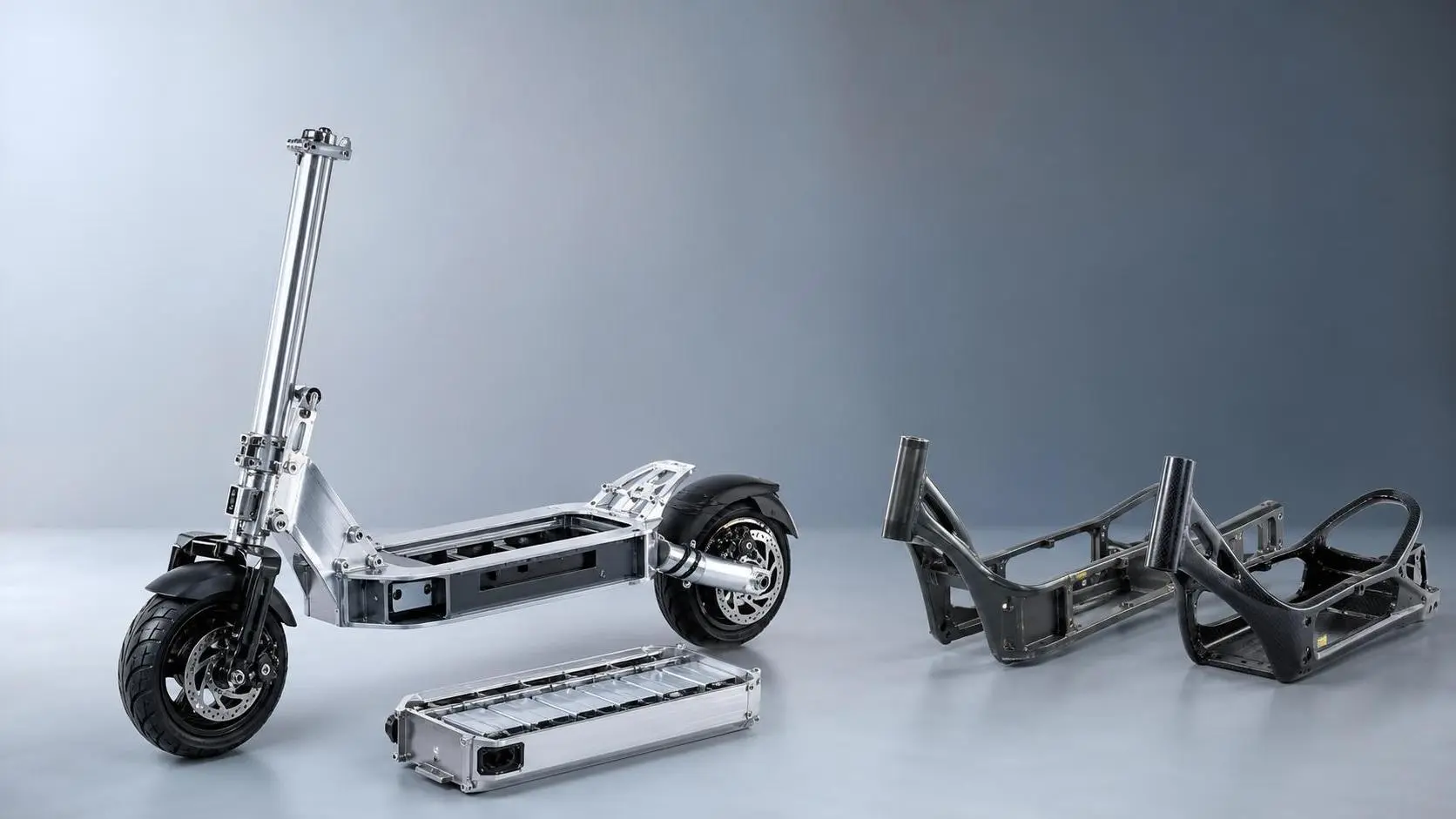
How to Choose Lightweight Scooter Frames in Europe: Materials, Standards, and Use Cases
Lightweight scooter frames Europe buyers need should balance materials, EN standards, durability, and real use cases. Discover how to choose safer, smarter, compliant frames.
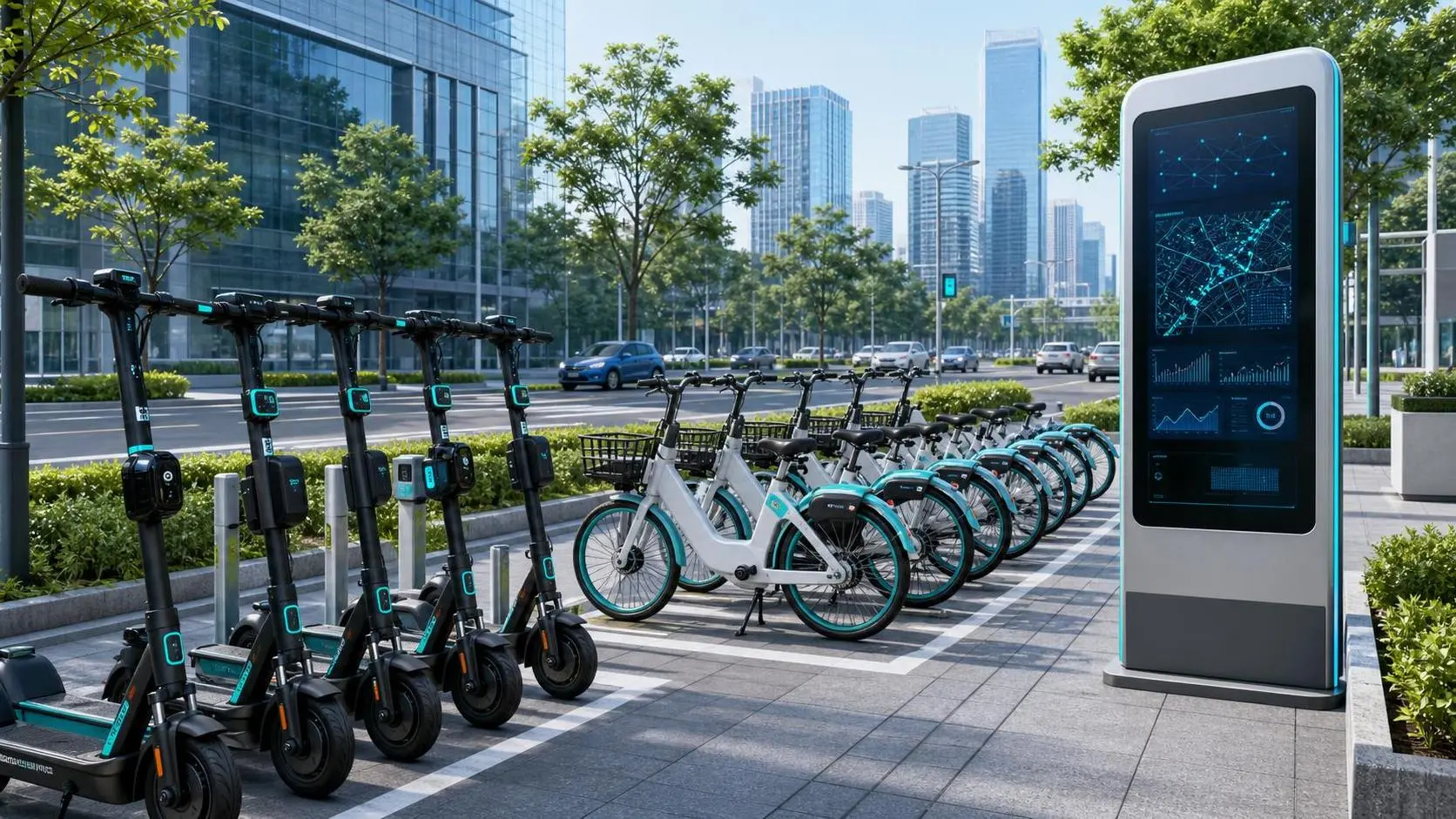
What Is the Intellectualization of Mobility Platform and How Is It Applied in Shared Fleets?
Intellectualization of mobility platform is reshaping shared fleets with real-time data, predictive maintenance, and smarter compliance—learn how it boosts safety, uptime, and urban mobility efficiency.
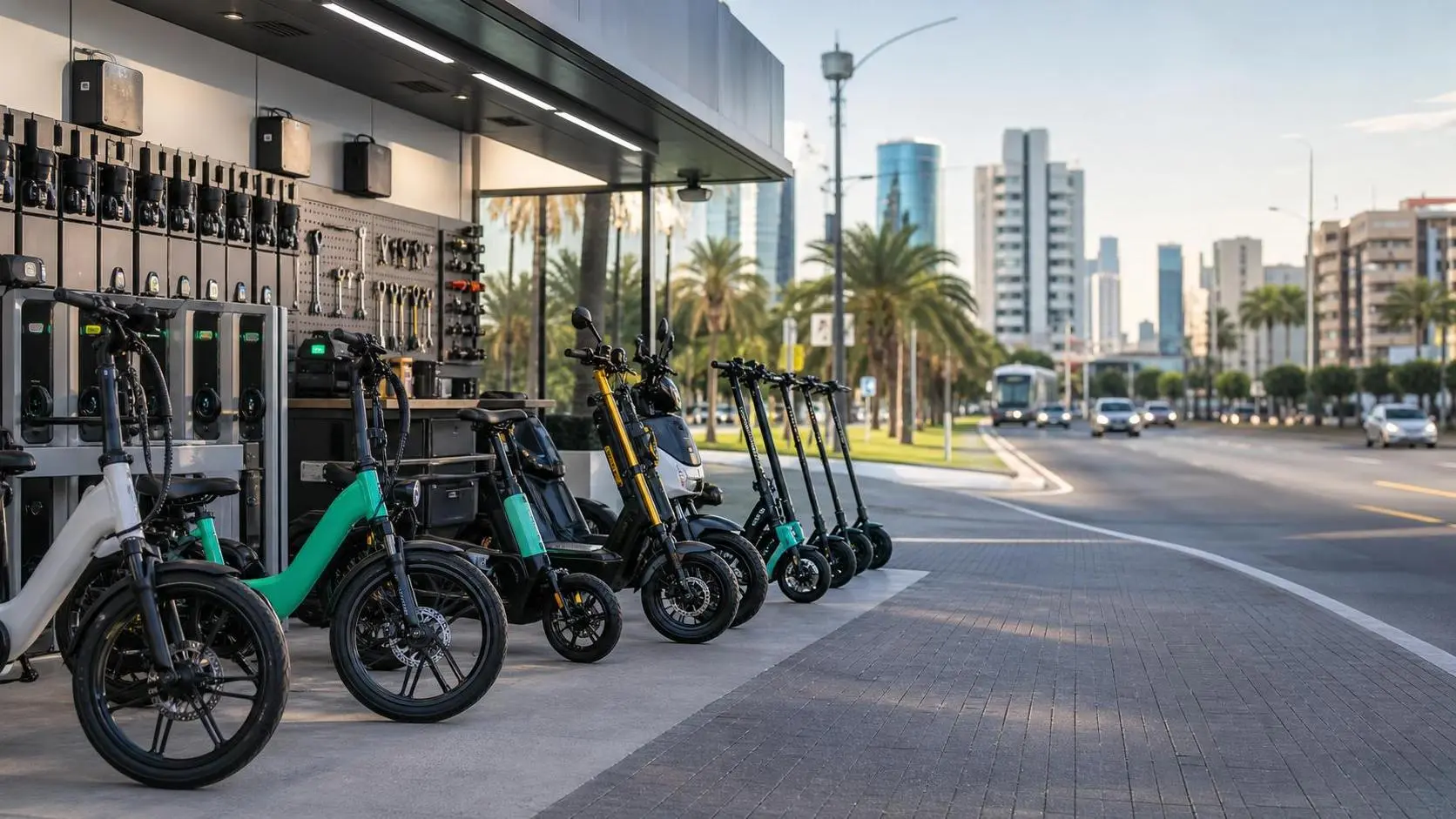
Urban Micro-Mobility Systems in Latin America: Key Market Drivers, Barriers, and Growth Segments
Urban micro-mobility systems Latin America are reshaping city transport. Explore key drivers, barriers, and high-growth segments to spot the region’s most investable opportunities.
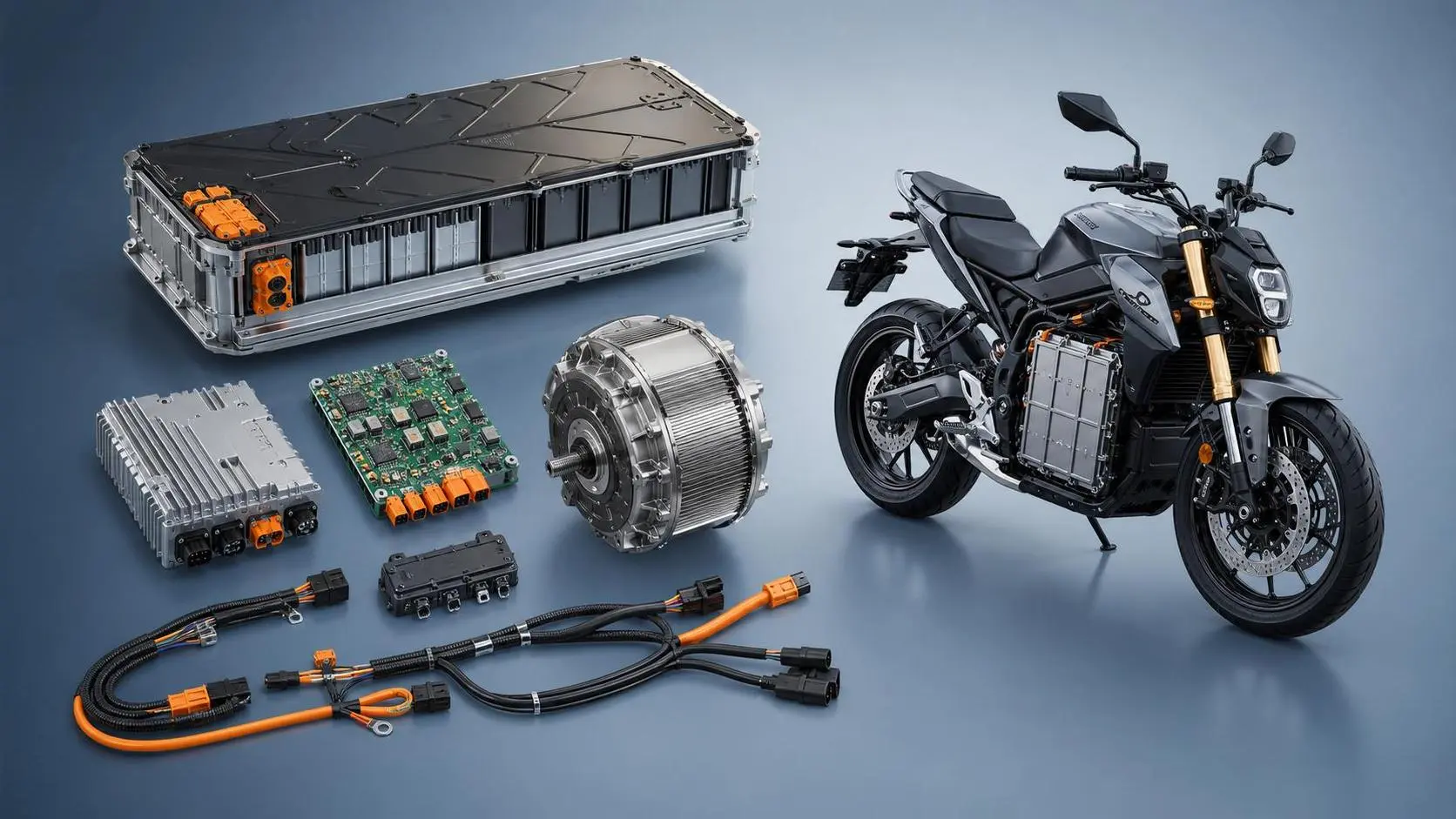
Electric Motorcycle Systems Price Breakdown: What Affects Cost From Battery to Controller?
Electric motorcycle systems price explained: see how battery, controller, motor, BMS, and wiring affect total cost, reliability, and sourcing value before you buy.
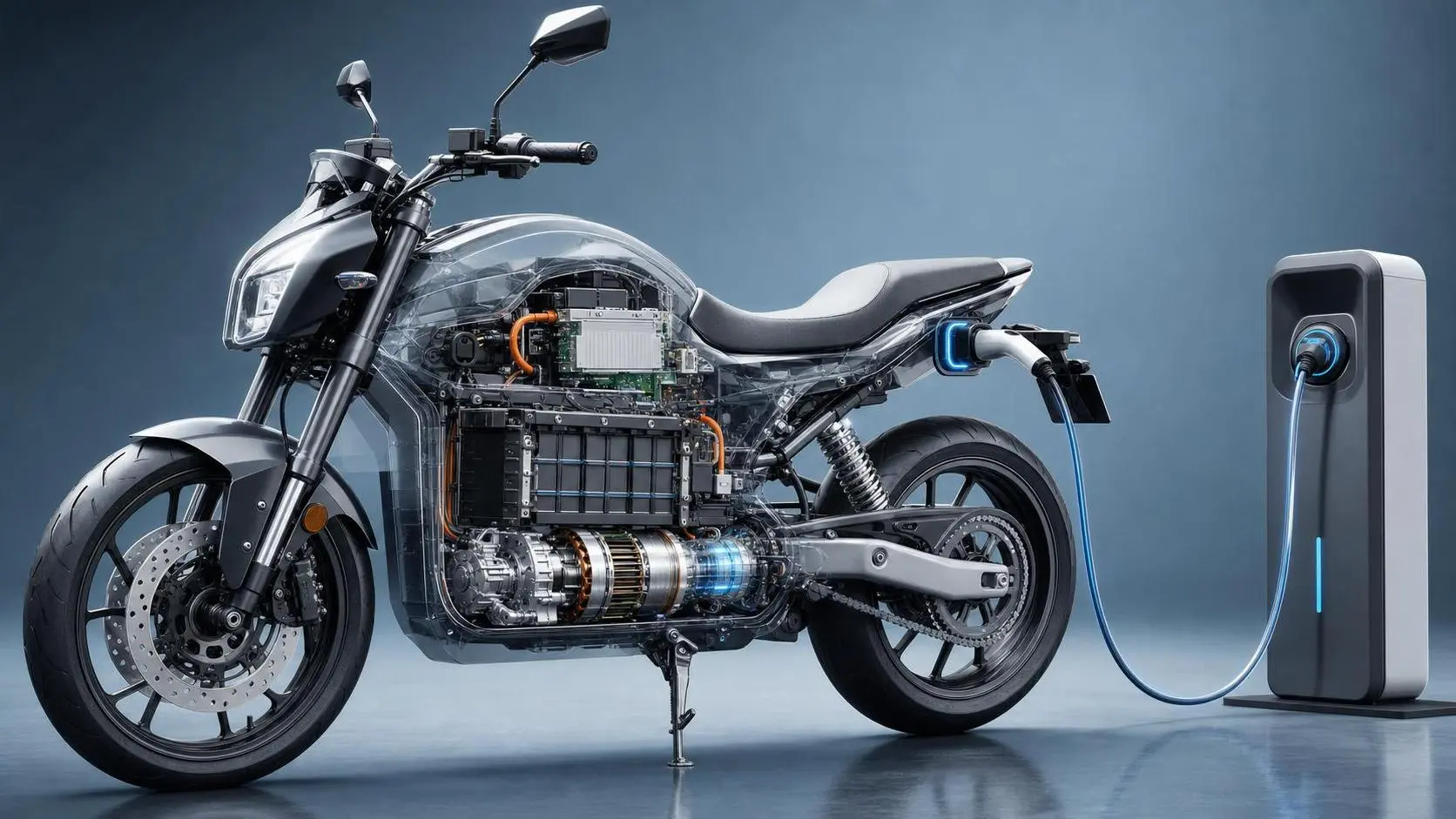
72V Electric Motorcycle Technology Explained: Motors, Controllers, Range, and Charging
Electric motorcycle technology 72V explained clearly: compare motors, controllers, range, battery design, and charging to choose a smoother, stronger, and smarter electric ride.
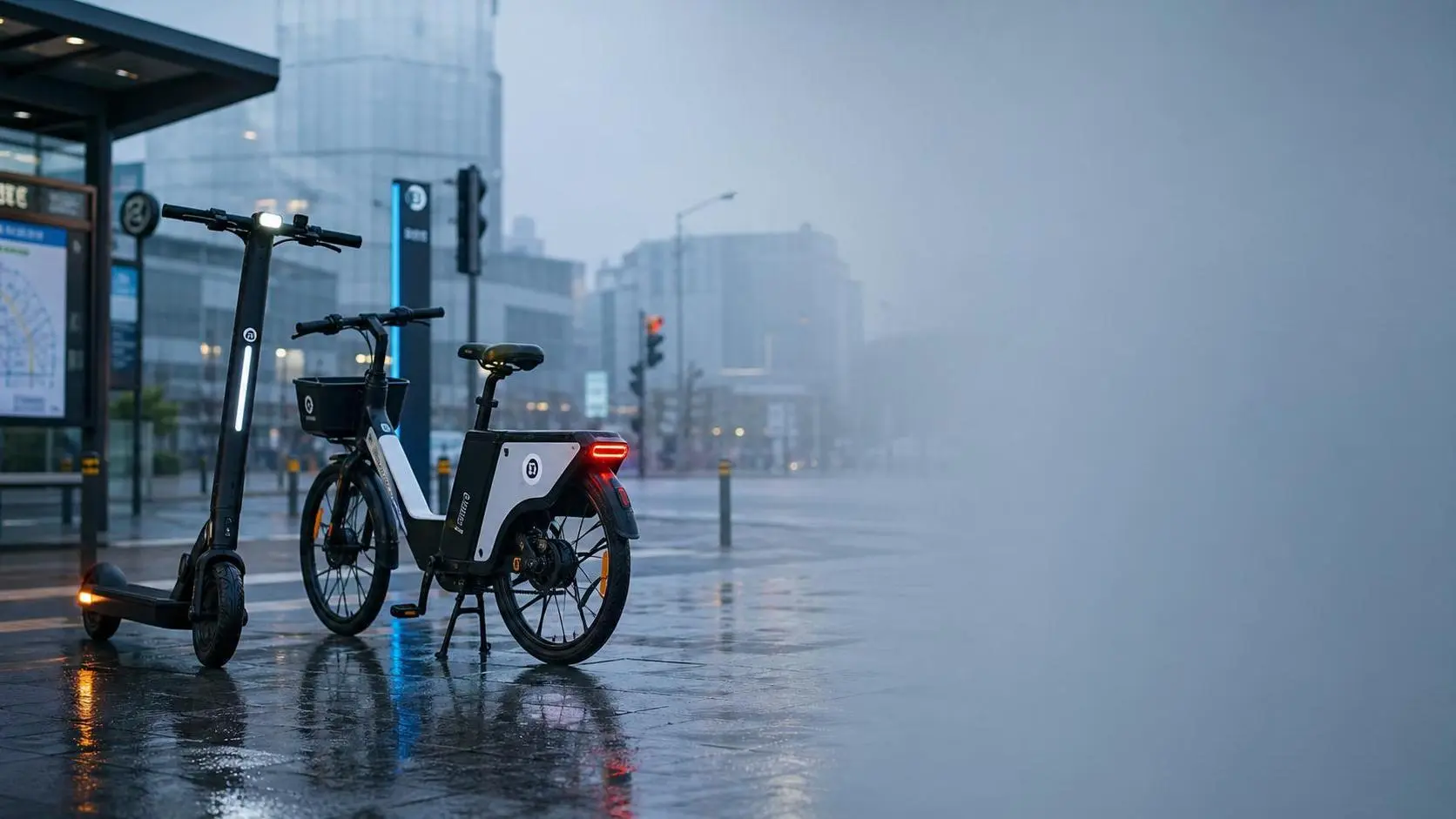
Where LED Urban Visibility Safety Systems Fit Best in Shared Scooters and City E-bikes
LED urban visibility safety systems deliver the most value in shared scooters and city e-bikes by improving multi-angle safety, fleet durability, and urban compliance across real-world routes.
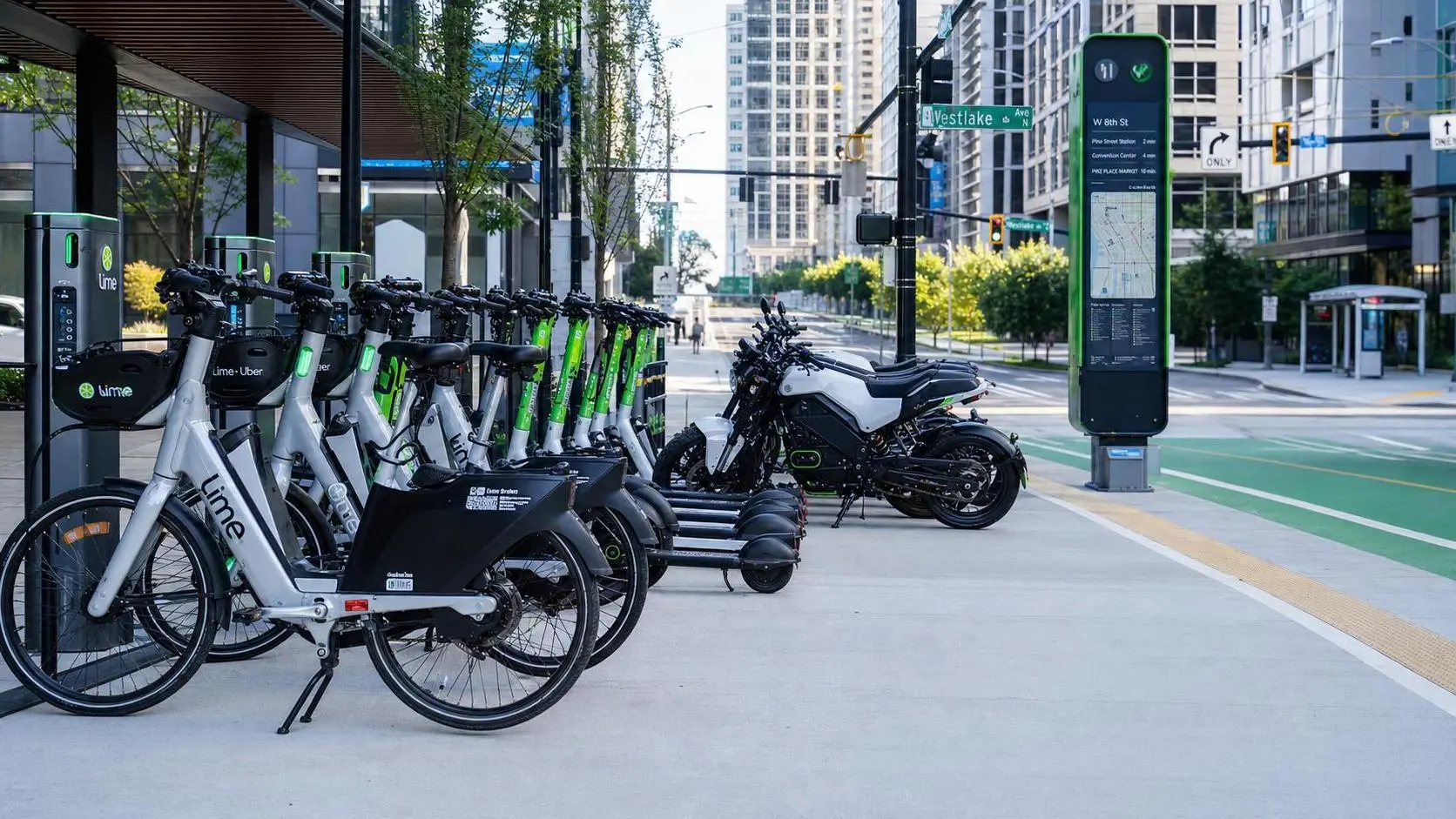
Intellectualization of Mobility in North America: What Is Driving Adoption Across Urban Transport?
Intellectualization of mobility North America is reshaping urban transport through data, smart fleets, and battery intelligence. Explore what is driving adoption and why cities and operators are accelerating now.
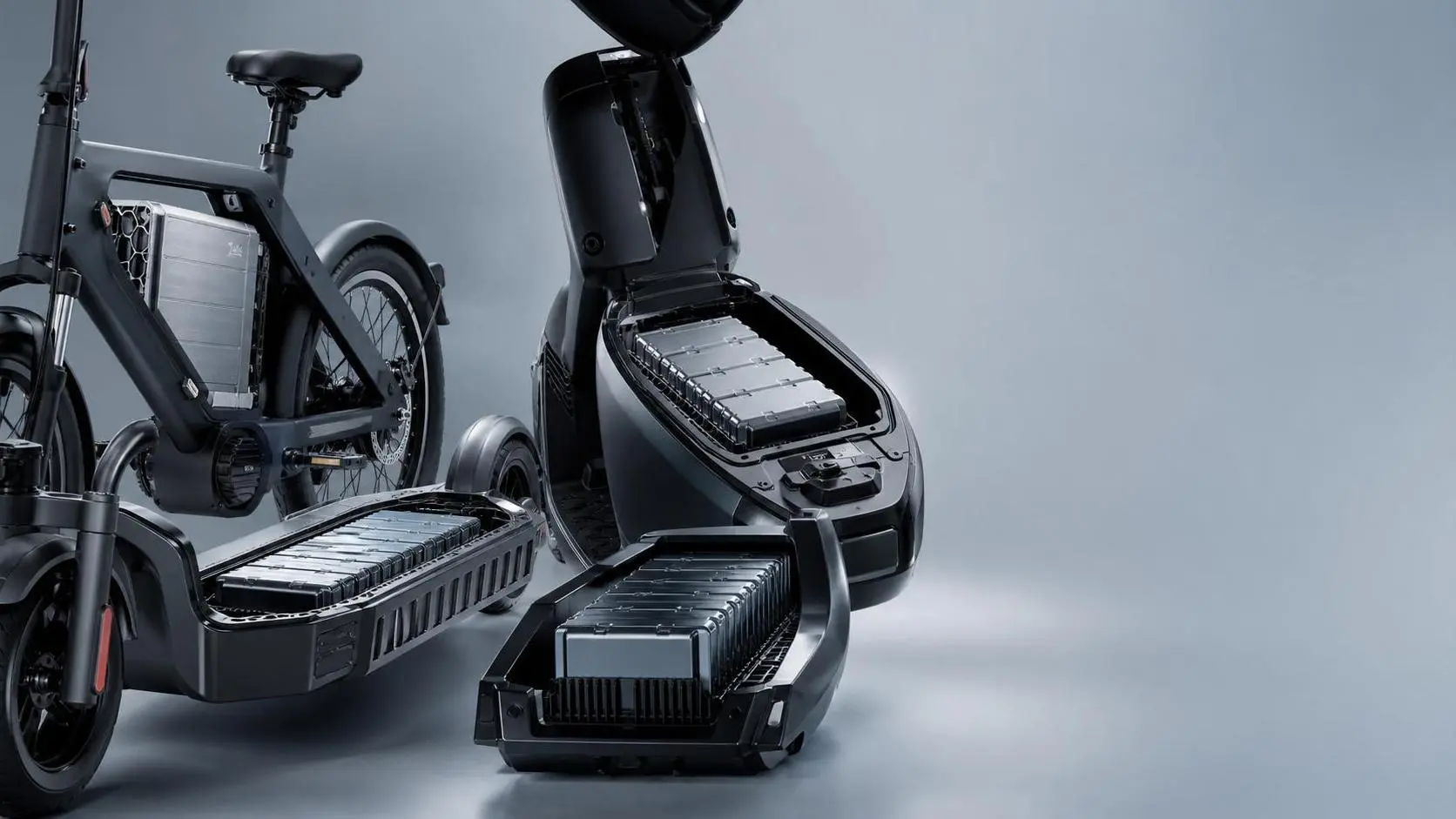
How to Choose a Compact Battery Pack: Size, Energy Density, Thermal Design, and Cycle Life
Compact battery pack selection starts with more than size. Learn how energy density, thermal design, and cycle life shape range, safety, and long-term value.
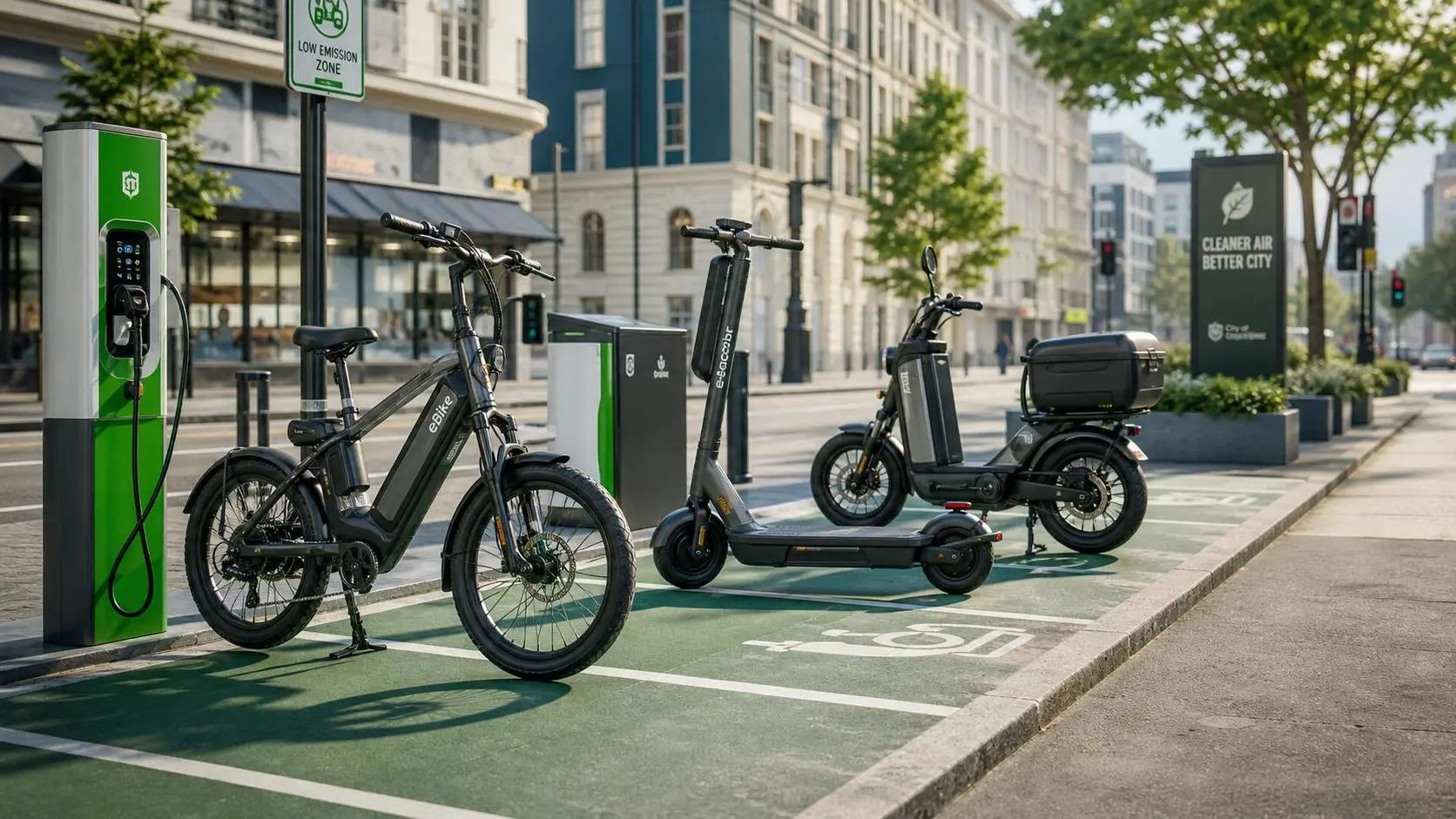
What Is Driving Green Two-wheelers Demand in Europe? Policy, Fuel Costs, and Buyer Segments
Green two-wheelers demand Europe is rising as policy support, fuel cost pressure, and diverse buyer segments reshape urban mobility. Explore the trends driving the next growth wave.