
Related News
- 00
0000-00
Urban Micro-Mobility Systems in Latin America: Key Market Drivers, Barriers, and Growth Segments - 00
0000-00
Intellectualization of Mobility in North America: What Is Driving Adoption Across Urban Transport? - 00
0000-00
What Is Driving Green Two-wheelers Demand in Europe? Policy, Fuel Costs, and Buyer Segments - 00
0000-00
Urban Micro-Mobility in North America: Policy, Charging Access, and Fleet Growth Drivers - 00
0000-00
Carbon Neutrality for Fleets: How to Measure Emissions and Prioritize Upgrades
Prof. Marcus Chen
Weekly Insights
Stay ahead with our curated technology reports delivered every Monday.
The global mobility landscape is shifting in 2026





The global mobility landscape is entering a decisive shift in 2026, shaped by electrified two-wheelers, smarter last-mile systems, tightening urban regulations, and rising demand for low-carbon transport. For information researchers tracking e-bikes, smart e-scooters, high-speed e-motorcycles, wiper safety systems, and precision bicycle components, this transition offers critical signals about technology adoption, policy direction, and market competition. UMMS examines these changes through data-driven intelligence, connecting mobility innovation with the strategic needs of cities, manufacturers, and component suppliers worldwide.
Why the Global Mobility Landscape Is Changing Faster in 2026
The global mobility landscape is no longer defined only by cars, public transit, and fuel prices. In 2026, micro-mobility is becoming a measurable part of urban capacity planning.
Cities are under pressure to reduce congestion, cut emissions, and improve short-distance travel efficiency. This creates stronger demand for e-bikes, shared scooters, electric motorcycles, and safer vehicle subsystems.
- Policy signals are moving from pilot programs to enforceable operating rules, especially for speed limits, parking zones, battery safety, and right-of-way management.
- Component decisions are becoming strategic, because motors, battery systems, derailleurs, sensors, and wiper assemblies directly affect performance and compliance.
- Procurement teams need more than product descriptions; they need technical benchmarks, regulatory context, and realistic supply-chain risk assessment.
For information researchers, the key question is not whether the global mobility landscape will electrify. The sharper question is which technologies can scale reliably under city, user, and fleet pressure.
Which Segments Matter Most for Information Researchers?
UMMS tracks the global mobility landscape through five practical pillars. Each pillar reflects a different purchase logic, adoption curve, and risk profile for OEMs and component suppliers.
This comparison shows why the global mobility landscape requires cross-category intelligence. A battery rule may affect scooters, motorcycles, and e-bikes, while sensor progress may influence both wipers and autonomous safety systems.
How Should Buyers Compare Micro-Mobility Technologies?
Procurement in the global mobility landscape is difficult because the lowest unit price rarely reflects operating risk. A cheaper component can increase warranty exposure, downtime, or certification delay.
Performance Should Be Matched to the Actual Use Case
An e-bike for European commuting does not need the same thermal envelope as a high-speed electric motorcycle. A shared scooter frame faces different fatigue cycles than a privately owned scooter.
Information researchers should compare technologies by operating environment, charging behavior, maintenance availability, and regulatory exposure. This gives a clearer picture of long-term adoption.
- For city fleets, prioritize remote diagnostics, modular batteries, tamper resistance, and repair speed over purely cosmetic differentiation.
- For OEM product planning, examine motor-controller matching, drivetrain efficiency, software update paths, and compliance documentation.
- For component suppliers, evaluate compatibility with multiple platforms, export packaging requirements, and traceable quality control records.
UMMS helps researchers interpret the global mobility landscape by connecting these purchase criteria with policy movement and technical evolution, rather than isolating data points.
Key Parameters That Shape Product Selection
In the 2026 global mobility landscape, buyers need parameter literacy. Technical numbers should be assessed in relation to route length, rider load, climate, and legal classification.
Parameter comparison becomes useful only when linked to deployment context. UMMS translates product specifications into decision signals for the global mobility landscape, helping teams avoid misleading one-number comparisons.
Regulation, Certification, and Market Access Risks
Regulation is one of the strongest forces reshaping the global mobility landscape. Researchers must monitor not only technical standards but also local enforcement patterns.
Compliance Is Becoming a Procurement Filter
E-bike access may depend on pedal-assist rules, speed thresholds, labeling, and battery documentation. Shared scooters may face fleet caps, geofencing rules, parking requirements, and operator accountability.
High-speed e-motorcycles face additional scrutiny because they operate closer to conventional road vehicles. Braking, lighting, battery safety, and licensing requirements can influence market entry cost.
- Check whether the product category is treated as a bicycle, moped, motorcycle, or low-speed electric vehicle in the target market.
- Review battery transport, charging, and storage rules, especially where fleet operators use centralized charging rooms or battery swapping.
- Confirm documentation readiness early, including test reports, user manuals, labeling requirements, and traceability records.
General standards such as EN 15194 for EPAC e-bikes, UN transport rules for lithium batteries, and common EMC expectations can guide early screening without replacing local legal review.
Cost, Alternatives, and Total Ownership View
Budget pressure is real, but the global mobility landscape rewards buyers who evaluate total ownership cost. Energy use, maintenance, replacement parts, downtime, and certification delays all affect actual cost.
The following matrix helps researchers compare common options without assuming that one technology is universally superior.
This cost view supports more realistic sourcing. In the global mobility landscape, a solution with higher unit cost may still win when it reduces service visits or accelerates regulatory approval.
Common Misconceptions in the Global Mobility Landscape
Rapid sector growth creates assumptions that can distort research. UMMS often sees decision-makers underestimate integration complexity across batteries, drivetrains, sensors, and city systems.
Misconception 1: More Power Always Means Better Mobility
Power matters, but unmanaged torque can reduce safety, drain batteries, and push a product into a stricter legal category. Efficient control is more valuable than raw output.
Misconception 2: Shared Scooters Are Only a Consumer Trend
Shared scooters are part of urban transport governance. Their future depends on city data access, parking discipline, fleet maintenance, and operating permits.
Misconception 3: Mechanical Components Are No Longer Strategic
Precision derailleurs, braking interfaces, bearings, and frame structures remain central to ride quality. Electrification increases the need for mechanical reliability, not the opposite.
FAQ for Researchers Tracking 2026 Mobility Changes
How should I start researching the global mobility landscape?
Begin with use cases, not product labels. Separate commuter e-bikes, shared scooters, commercial e-motorcycles, safety wiper systems, and drivetrain components before comparing suppliers.
Then map each category against target markets, regulatory constraints, battery requirements, service expectations, and likely replacement cycles. This prevents broad but shallow conclusions.
What matters most when comparing e-bike and scooter suppliers?
Focus on motor-controller matching, battery safety documentation, frame durability, spare parts availability, and compliance support. Price should be reviewed after technical and regulatory screening.
Are high-speed e-motorcycles replacing ICE motorcycles quickly?
Adoption is accelerating in delivery, urban commuting, and markets with strong charging or swapping infrastructure. However, battery cost, licensing, and thermal management still shape rollout speed.
Why include wiper systems in mobility intelligence?
Visibility safety is part of mobility reliability. Smart wiper sensors, brushless motors, and aerodynamic blade design matter as vehicles become more connected and weather resilience becomes measurable.
Why Choose UMMS for Mobility Intelligence and Decision Support?
The global mobility landscape demands intelligence that connects technology, policy, and commercial execution. UMMS is built for researchers who need structured signals rather than fragmented headlines.
Our Strategic Intelligence Center follows e-bikes, smart e-scooters, high-speed e-motorcycles, wiper systems, and bicycle derailleur components through the lens of practical decision-making.
- Consult UMMS for parameter confirmation, including motor range, battery logic, drivetrain compatibility, and smart sensor integration.
- Request support for product selection, market-entry comparison, supplier screening, and application-specific technology mapping.
- Discuss certification requirements, delivery-cycle risks, sample evaluation priorities, and quotation preparation for international expansion.
For teams preparing 2026 strategies, UMMS turns the global mobility landscape into actionable intelligence. Contact us to clarify specifications, compare alternatives, and build stronger micro-mobility decisions.
Related News
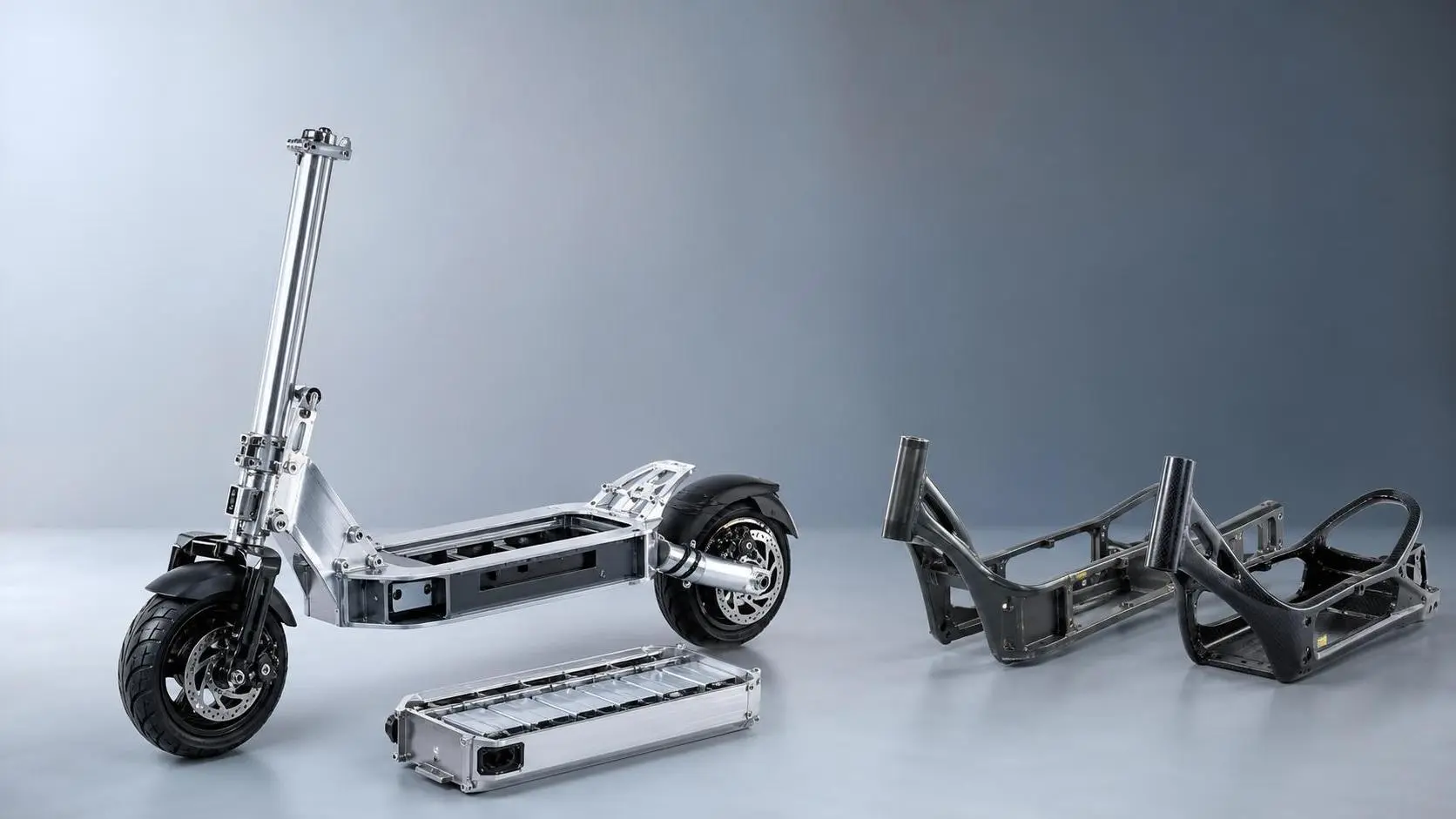
How to Choose Lightweight Scooter Frames in Europe: Materials, Standards, and Use Cases
Lightweight scooter frames Europe buyers need should balance materials, EN standards, durability, and real use cases. Discover how to choose safer, smarter, compliant frames.
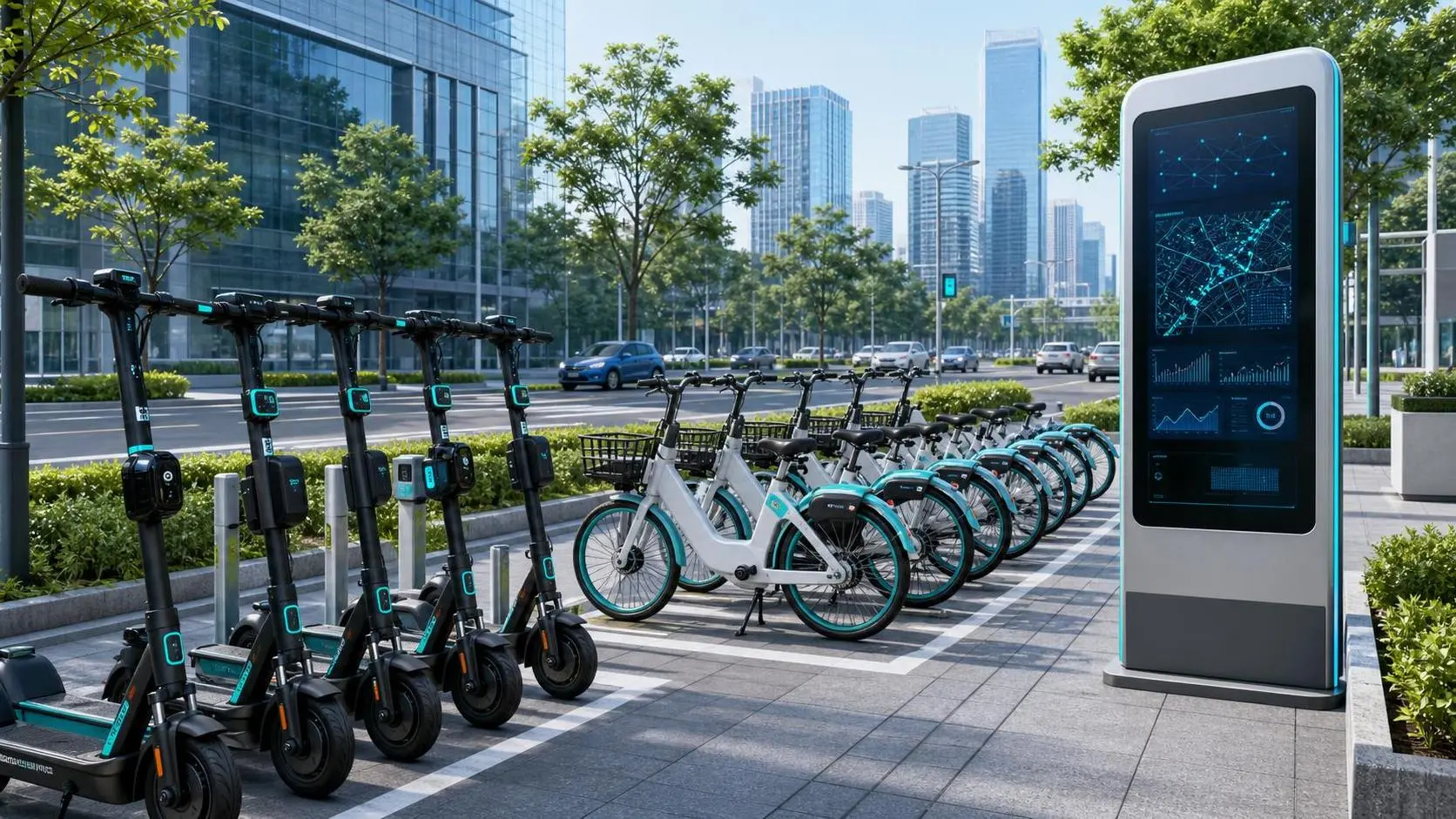
What Is the Intellectualization of Mobility Platform and How Is It Applied in Shared Fleets?
Intellectualization of mobility platform is reshaping shared fleets with real-time data, predictive maintenance, and smarter compliance—learn how it boosts safety, uptime, and urban mobility efficiency.
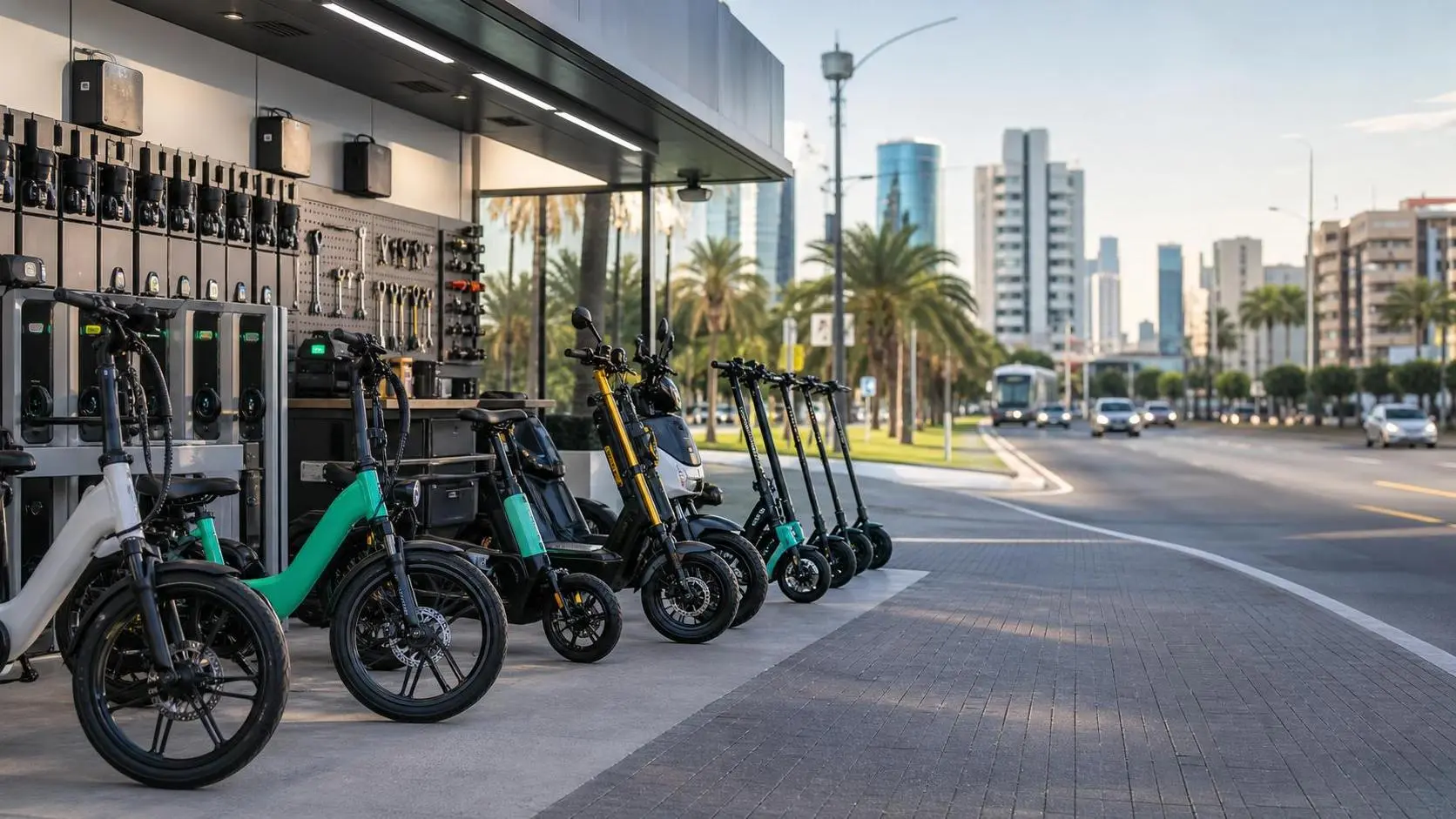
Urban Micro-Mobility Systems in Latin America: Key Market Drivers, Barriers, and Growth Segments
Urban micro-mobility systems Latin America are reshaping city transport. Explore key drivers, barriers, and high-growth segments to spot the region’s most investable opportunities.
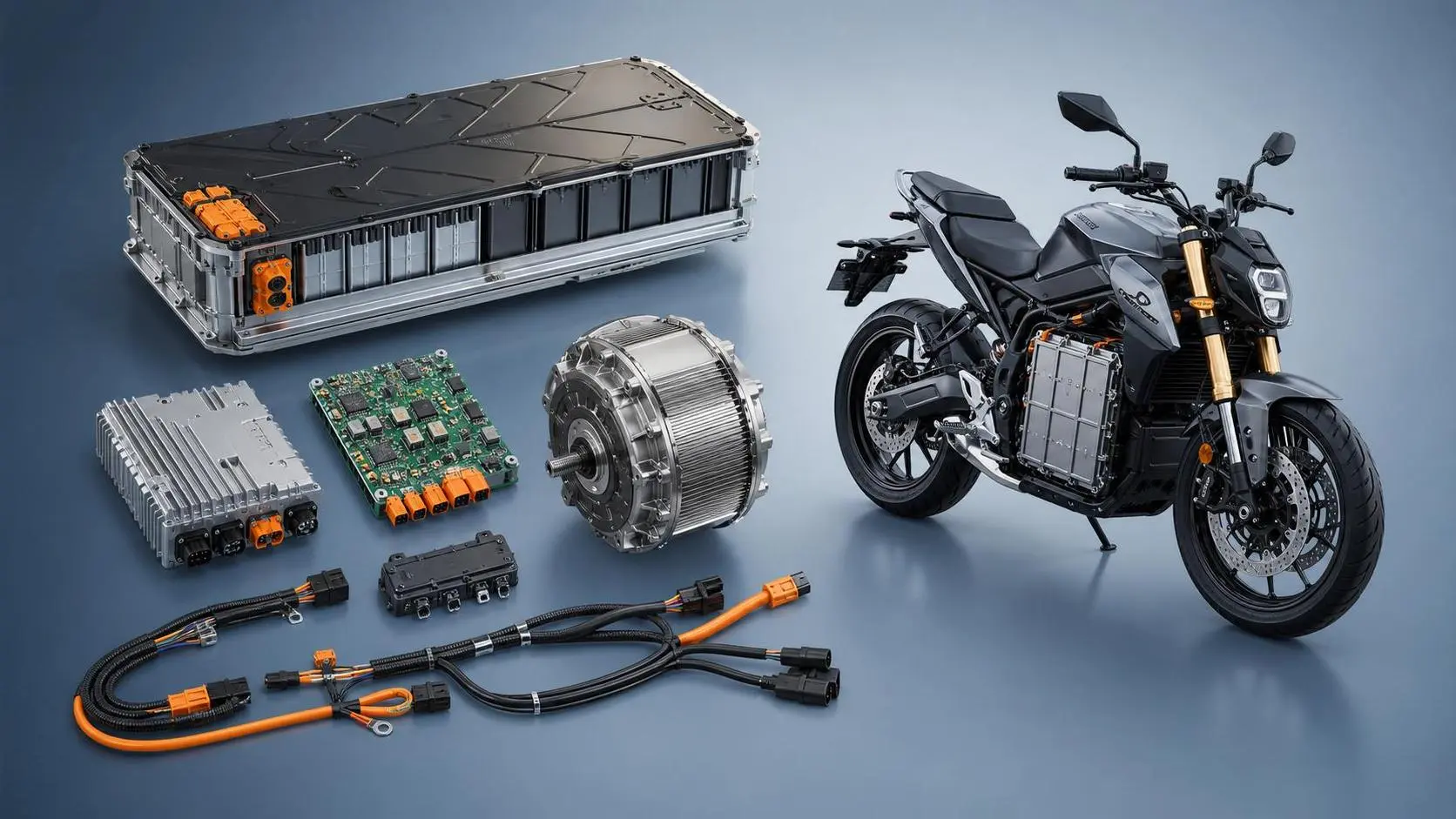
Electric Motorcycle Systems Price Breakdown: What Affects Cost From Battery to Controller?
Electric motorcycle systems price explained: see how battery, controller, motor, BMS, and wiring affect total cost, reliability, and sourcing value before you buy.
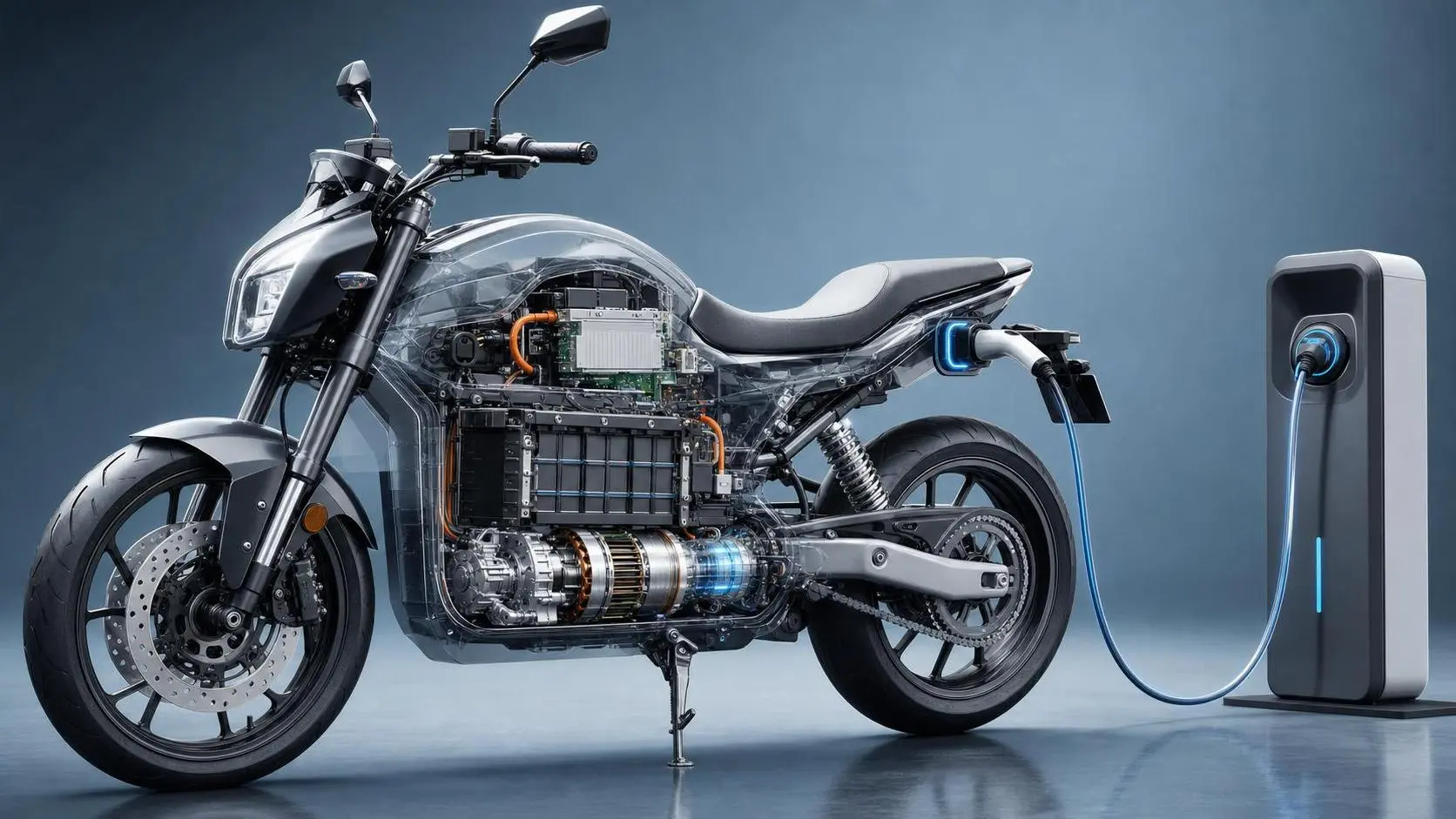
72V Electric Motorcycle Technology Explained: Motors, Controllers, Range, and Charging
Electric motorcycle technology 72V explained clearly: compare motors, controllers, range, battery design, and charging to choose a smoother, stronger, and smarter electric ride.
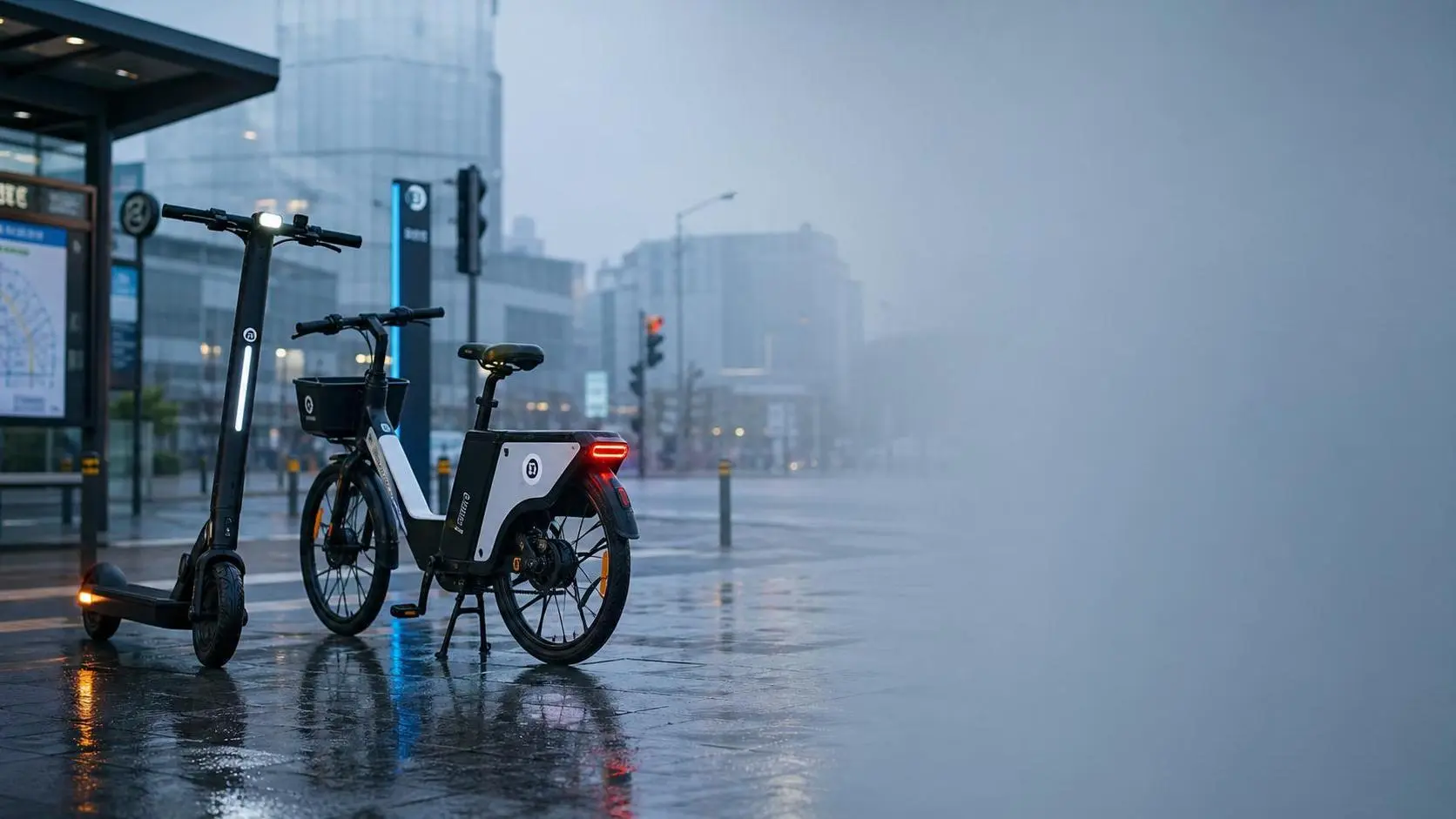
Where LED Urban Visibility Safety Systems Fit Best in Shared Scooters and City E-bikes
LED urban visibility safety systems deliver the most value in shared scooters and city e-bikes by improving multi-angle safety, fleet durability, and urban compliance across real-world routes.
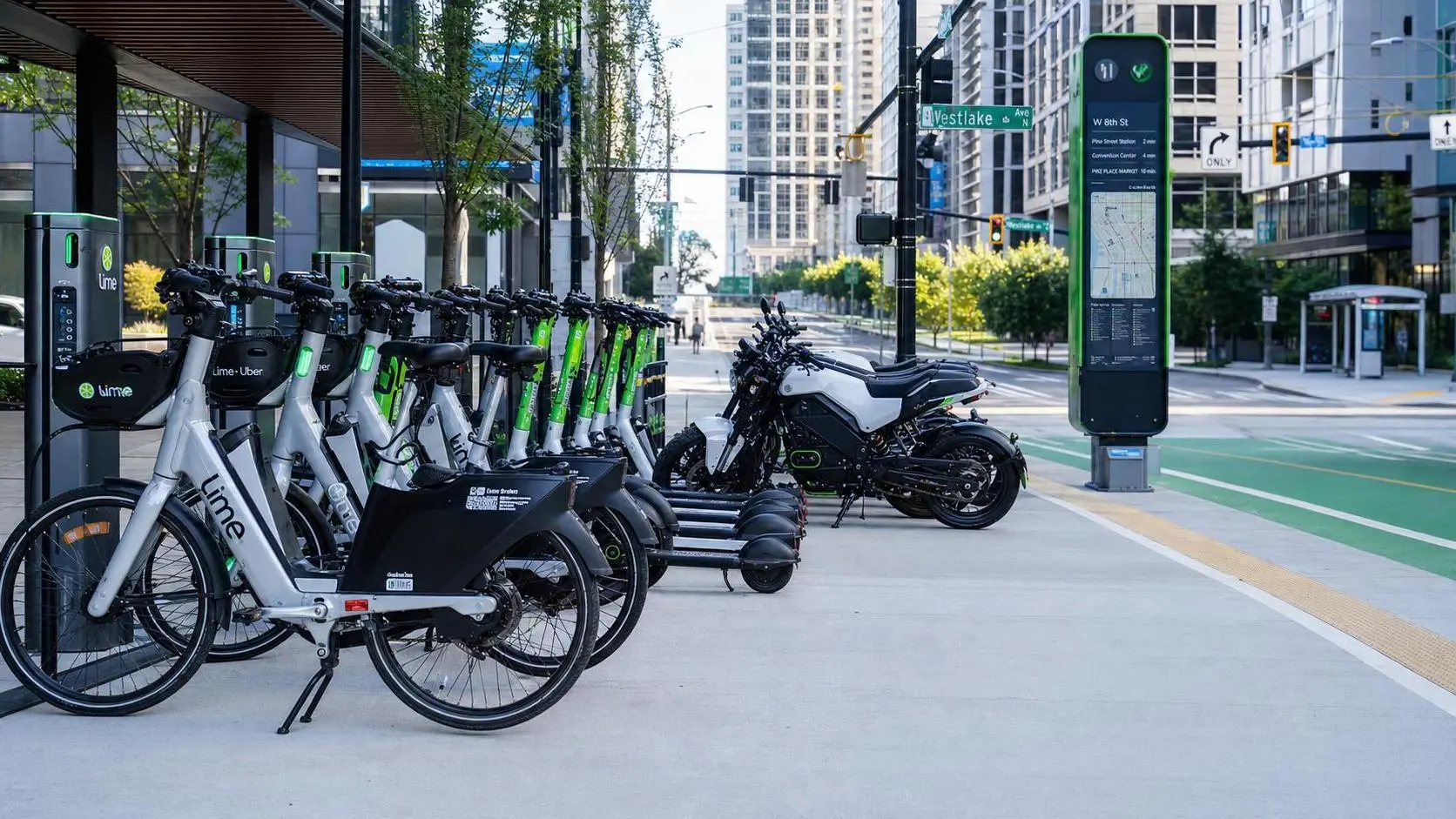
Intellectualization of Mobility in North America: What Is Driving Adoption Across Urban Transport?
Intellectualization of mobility North America is reshaping urban transport through data, smart fleets, and battery intelligence. Explore what is driving adoption and why cities and operators are accelerating now.
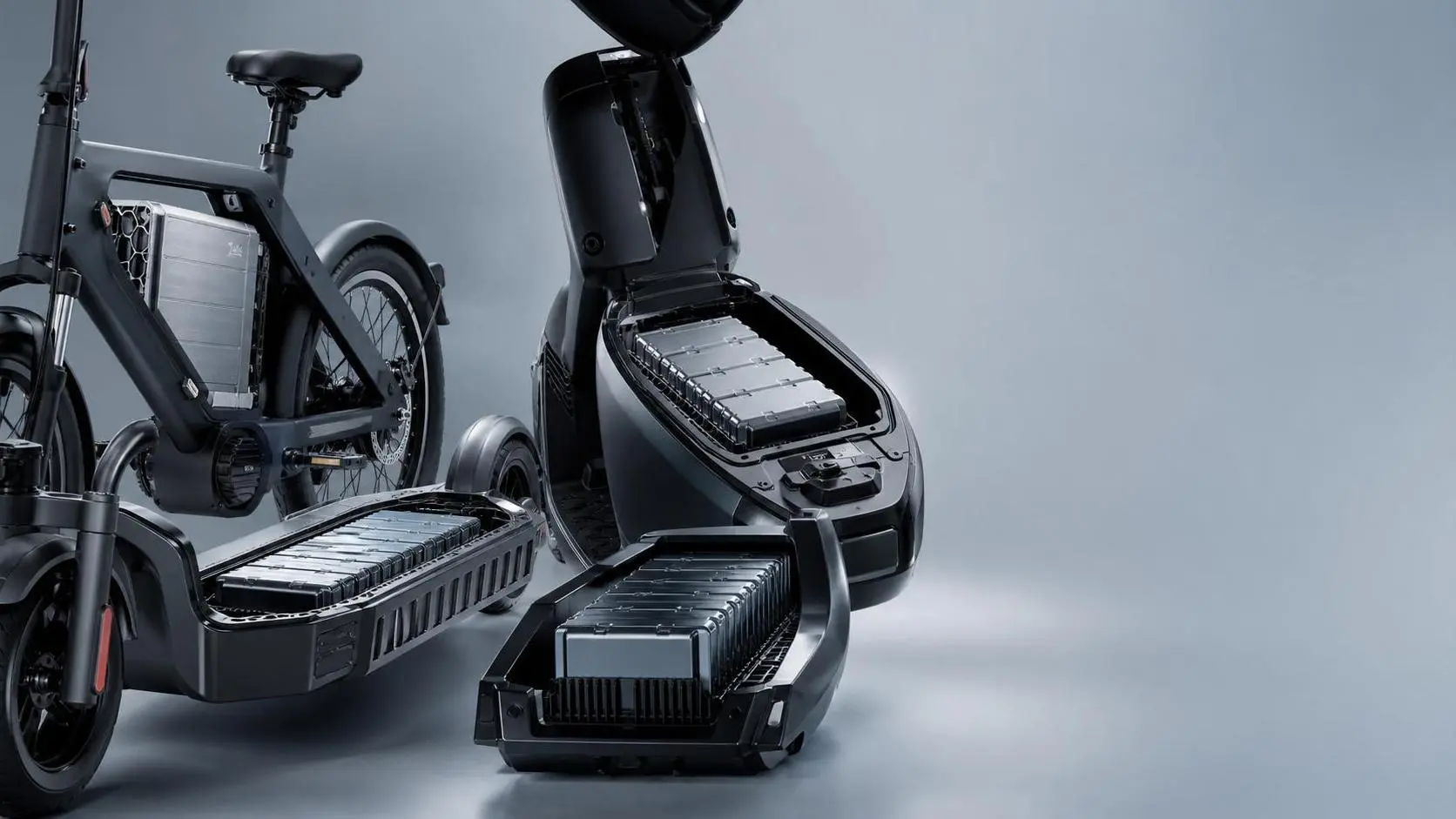
How to Choose a Compact Battery Pack: Size, Energy Density, Thermal Design, and Cycle Life
Compact battery pack selection starts with more than size. Learn how energy density, thermal design, and cycle life shape range, safety, and long-term value.
What Is Driving Green Two-wheelers Demand in Europe? Policy, Fuel Costs, and Buyer Segments
Green two-wheelers demand Europe is rising as policy support, fuel cost pressure, and diverse buyer segments reshape urban mobility. Explore the trends driving the next growth wave.