
Related News
- 00
0000-00
Urban Micro-Mobility Systems in Latin America: Key Market Drivers, Barriers, and Growth Segments - 00
0000-00
Intellectualization of Mobility in North America: What Is Driving Adoption Across Urban Transport? - 00
0000-00
What Is Driving Green Two-wheelers Demand in Europe? Policy, Fuel Costs, and Buyer Segments - 00
0000-00
Urban Micro-Mobility in North America: Policy, Charging Access, and Fleet Growth Drivers - 00
0000-00
Carbon Neutrality for Fleets: How to Measure Emissions and Prioritize Upgrades
Prof. Marcus Chen
Weekly Insights
Stay ahead with our curated technology reports delivered every Monday.
How battery technology is changing urban ride range





Battery technology is redefining how far urban riders can go, from commuter e-bikes to smart e-scooters and high-speed e-motorcycles. For information researchers tracking micro-mobility trends, this shift goes beyond bigger packs—it involves energy density, thermal management, charging logic, and system efficiency. Understanding these changes is essential to evaluating real-world ride range, product competitiveness, and the future of low-carbon urban transport.
Why battery technology now defines urban ride range
In micro-mobility, claimed range is easy to market but difficult to compare. Battery technology has become the central variable because it affects not only how much energy a vehicle stores, but also how efficiently that energy is delivered under real city conditions.
For e-bikes, smart e-scooters, and high-speed e-motorcycles, urban range depends on the interaction between battery cells, battery management systems, drivetrain efficiency, rider load, terrain, software controls, and charging behavior. A larger battery pack may help, but a smarter system often matters more.
This is why information researchers increasingly look beyond watt-hours alone. They want to know which battery technology supports stable output, lower degradation, safer thermal behavior, and better value over the life of the vehicle.
- Energy density determines how much capacity can fit into a constrained urban vehicle frame without making the vehicle too heavy.
- Thermal management affects whether range stays predictable in traffic, hot summers, steep climbs, or repeated acceleration cycles.
- Battery management logic controls balancing, state-of-charge estimation, and power delivery, which can strongly influence usable range.
- Charging strategy influences battery aging, fleet uptime, and long-term operating cost, especially in shared or commercial deployments.
What has changed in battery technology for e-bikes, e-scooters, and e-motorcycles?
The most visible change is higher energy density. Newer lithium-based chemistries and improved pack design allow manufacturers to store more usable energy in smaller, lighter formats. This directly supports better ride range in urban vehicles where space and mass are tightly limited.
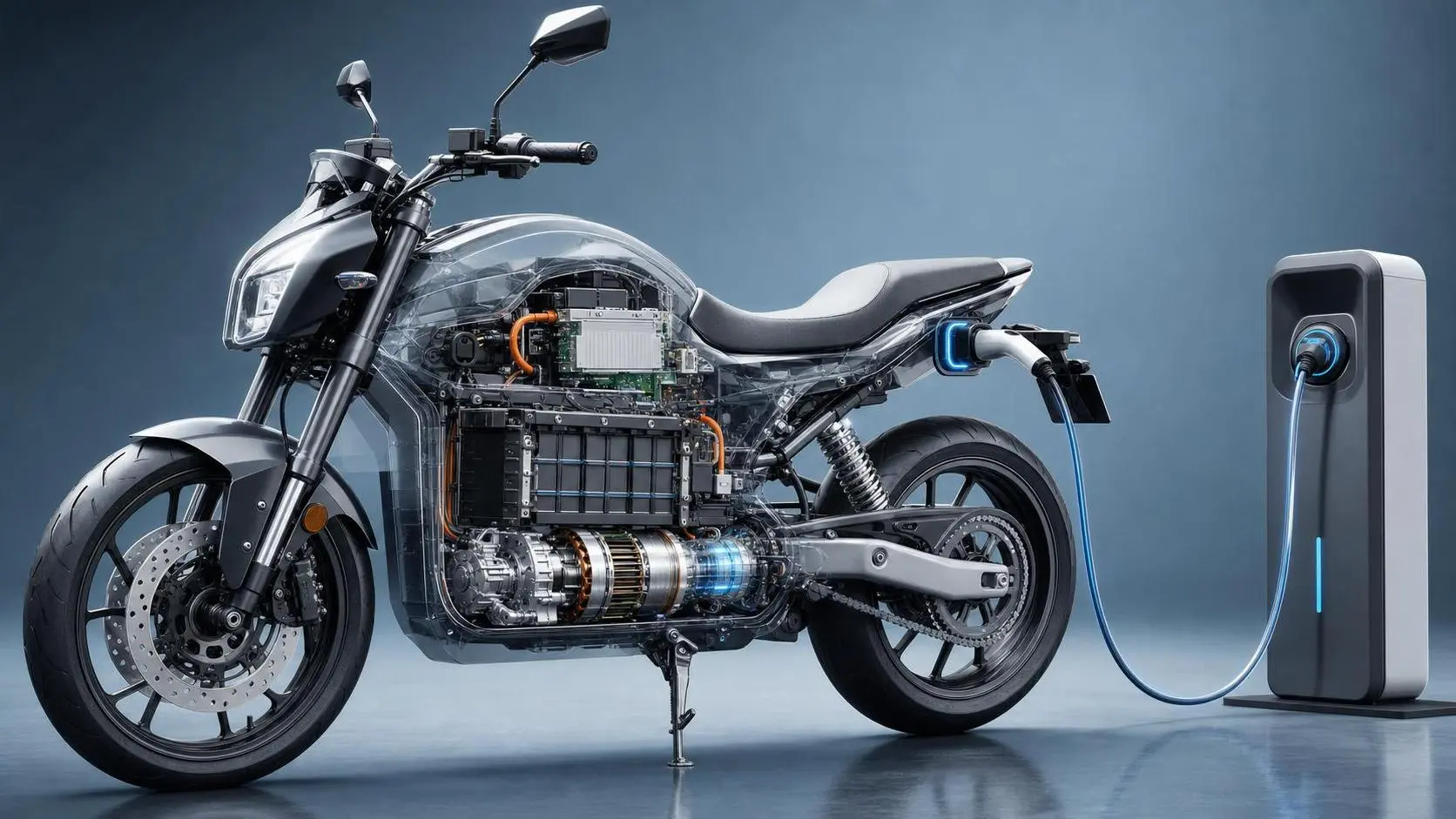
A second shift is smarter pack architecture. Advanced battery technology is no longer just about cells. It includes improved busbar layouts, more accurate sensors, better sealing, vibration resistance, and software that protects cells during fast starts, frequent stops, and partial charging cycles.
A third change is closer integration between battery and vehicle systems. On many premium urban platforms, battery control now communicates with motor controllers, regenerative braking logic, telematics modules, and even route planning tools. This integration can extend ride range without increasing pack size.
Key technical upgrades researchers should track
- Higher volumetric and gravimetric energy density for compact urban packaging.
- More accurate BMS algorithms for state-of-health and state-of-charge estimation.
- Improved passive or active thermal pathways for consistent urban operation.
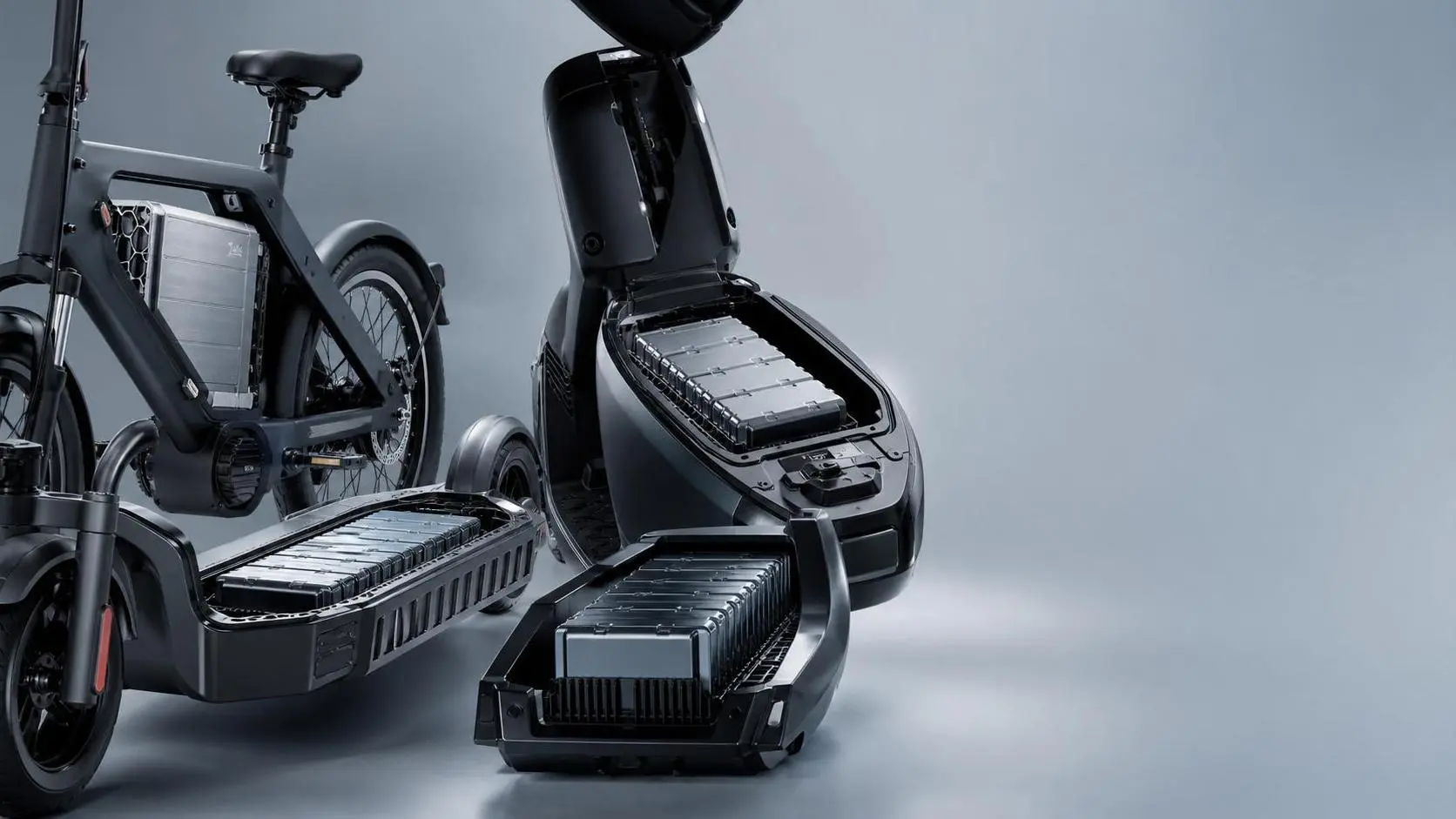
- Modular battery design to support swapping, serviceability, or multi-platform use.
- Safer charging profiles and protection logic for dense city usage and overnight charging.
How does battery technology affect real-world ride range instead of brochure range?
Real-world range is where many buying and sourcing decisions fail. Lab claims may be based on ideal loads, smooth surfaces, low speeds, and controlled temperatures. Urban riding is the opposite: stop-start patterns, repeated acceleration, uneven pavement, riders with cargo, and variable weather all reduce usable range.
Battery technology influences how sharply that gap appears. A well-managed pack can maintain voltage stability and output efficiency longer across the discharge curve. A poorly optimized pack may show steep performance drop-off even if nominal capacity looks competitive on paper.
For information researchers, the key question is not “What is the highest advertised range?” but “How much of the battery energy remains usable under realistic city duty cycles?”
The comparison below helps translate battery technology into practical ride range outcomes across major urban vehicle categories.
The table shows that battery technology must be interpreted by use case. An e-bike may win on efficiency per watt-hour, while a high-speed e-motorcycle may need a more complex thermal and power-delivery design to preserve range under high load.
Which battery metrics matter most when evaluating urban platforms?
Capacity is necessary, but usable energy matters more
Nominal capacity is often the first comparison point, but usable energy window is more important. Conservative buffer settings may improve battery life and safety, yet reduce available ride range. Researchers should compare nominal versus accessible energy where possible.
Weight and packaging strongly influence efficiency
Heavier packs may increase stored energy while reducing efficiency through added mass. In urban mobility, especially for scooters and lightweight e-bikes, battery technology that improves range without major weight penalty usually creates better product balance.
Thermal stability determines consistency
In dense traffic or hot weather, heat buildup can trigger output reduction or accelerate degradation. A battery pack with stable thermal behavior supports more reliable daily range, especially for fleet operators and delivery use.
Cycle life shapes total cost of range
A lower-cost battery may offer acceptable initial range, but faster degradation can raise replacement cost and reduce vehicle value. For procurement teams, battery technology should be evaluated by range retention over time, not day-one specification only.
How should researchers compare battery technology across procurement options?
A practical procurement review needs more than a datasheet scan. It should compare energy, safety, serviceability, integration, and compliance in one framework. This is especially important for OEMs, distributors, shared fleet planners, and component sourcing teams working across regions.
The selection matrix below turns battery technology into decision criteria that are easier to benchmark during supplier screening or platform planning.
For many research projects, the highest-value finding is not the battery with the largest pack. It is the platform where battery technology, vehicle control logic, and intended urban duty cycle are best aligned.
What urban scenarios show the biggest range differences?
Daily commuting
Commuters need predictable range rather than maximum peak performance. Battery technology that delivers accurate range estimation, stable cold-start behavior, and reasonable charging convenience often wins over aggressive high-output configurations.
Shared micro-mobility fleets
Fleet operators care about uptime, charge turnaround, abuse tolerance, and service intervals. In this scenario, battery technology must support frequent cycling, remote diagnostics, and robust safety logic more than headline range alone.
Urban delivery and cargo use
Payload sharply changes energy demand. Range performance under cargo load depends on discharge capability, pack cooling, and motor-battery coordination. Systems built for recreational use may underperform badly in delivery cycles.
Mixed-speed urban mobility
High-speed e-motorcycles face the largest gap between theoretical and real-world range because acceleration, speed variance, and thermal load rise quickly. Here, battery technology must support both power bursts and sustained output without severe derating.
What compliance and safety signals should not be overlooked?
As battery technology advances, compliance becomes part of range strategy rather than a separate checklist. Safer packs are easier to transport, certify, insure, and commercialize. For researchers tracking market readiness, regulatory fit can be as important as technical performance.
- Look for alignment with applicable battery transport and safety expectations in target markets, especially where shipping and warehousing conditions vary.
- Check whether enclosure, connector, and charging system design fit intended urban exposure such as rain, vibration, curb impacts, and daily plug cycles.
- Review traceability and diagnostic capability, because after-sales visibility supports faster fault isolation and better lifecycle management.
UMMS follows these issues closely because micro-mobility success depends on more than a promising vehicle concept. It depends on whether the battery system can move through policy, market, and infrastructure realities in different regions.
Common mistakes when judging battery technology and ride range
- Comparing only total watt-hours while ignoring motor efficiency, control tuning, and vehicle weight distribution.
- Assuming fast charging is always beneficial, without considering heat stress, grid conditions, and long-term battery health.
- Treating all lithium battery technology as equal, despite major differences in power delivery, safety margin, and aging behavior.
- Using a single range benchmark across e-bikes, smart e-scooters, and high-speed e-motorcycles, even though their duty cycles differ greatly.
These mistakes are common in early-stage market scanning. They can lead to poor supplier shortlists, unrealistic product positioning, or inaccurate investment assumptions.
FAQ: what do information researchers ask most about battery technology?
How can I estimate realistic ride range from limited published data?
Start with battery capacity, then adjust for vehicle mass, target speed, assist or throttle behavior, terrain, and thermal environment. If detailed efficiency data is missing, compare similar urban platforms and focus on whether the battery technology includes stable BMS logic and credible thermal control.
Which matters more for city use: higher capacity or smarter battery management?
In many city applications, smarter management can deliver more usable range than a modest increase in raw capacity. Better balancing, reduced voltage sag, and more accurate state-of-charge calculation often improve daily rider confidence and system efficiency.
Are battery swapping systems always better for urban range planning?
Not always. Swapping can reduce downtime and extend operational availability, but it adds infrastructure, standardization, and handling complexity. It works best where fleet density, route consistency, and service networks justify the system design.
What is the biggest hidden risk in battery technology selection?
A frequent hidden risk is poor alignment between the battery pack and actual duty cycle. A battery optimized for light commuting may not hold range well in delivery, hill climbing, or repeated high-load starts. Matching application to pack behavior is critical.
Why this trend matters for future micro-mobility strategy
Battery technology is changing urban ride range in a way that reaches far beyond product brochures. It is reshaping platform architecture, charging ecosystems, fleet economics, city infrastructure planning, and consumer expectations across the two-wheeler electrification landscape.
For e-bikes and smart e-scooters, the next gains may come from system-level efficiency rather than simple pack enlargement. For high-speed e-motorcycles, the competitive edge may depend on thermal intelligence, swap compatibility, and powertrain integration. In every case, battery technology is becoming more strategic and less interchangeable.
Why choose us for battery technology and urban range research
UMMS helps information researchers move from scattered battery claims to structured market understanding. Our coverage connects battery technology with e-bike exports, smart e-scooter urbanization, high-speed e-motorcycle electrification, and the broader system logic behind low-carbon two-wheeler mobility.
You can contact us for targeted support on parameter comparison, product selection logic, battery system trend tracking, regional compliance questions, delivery-cycle assumptions, charging or swapping pathways, and supplier evaluation frameworks for urban mobility projects.
If your team is comparing battery platforms, validating ride range assumptions, screening component partners, or preparing a market-entry brief, UMMS can help structure the research scope and highlight the technical and commercial signals that matter most.
Related News
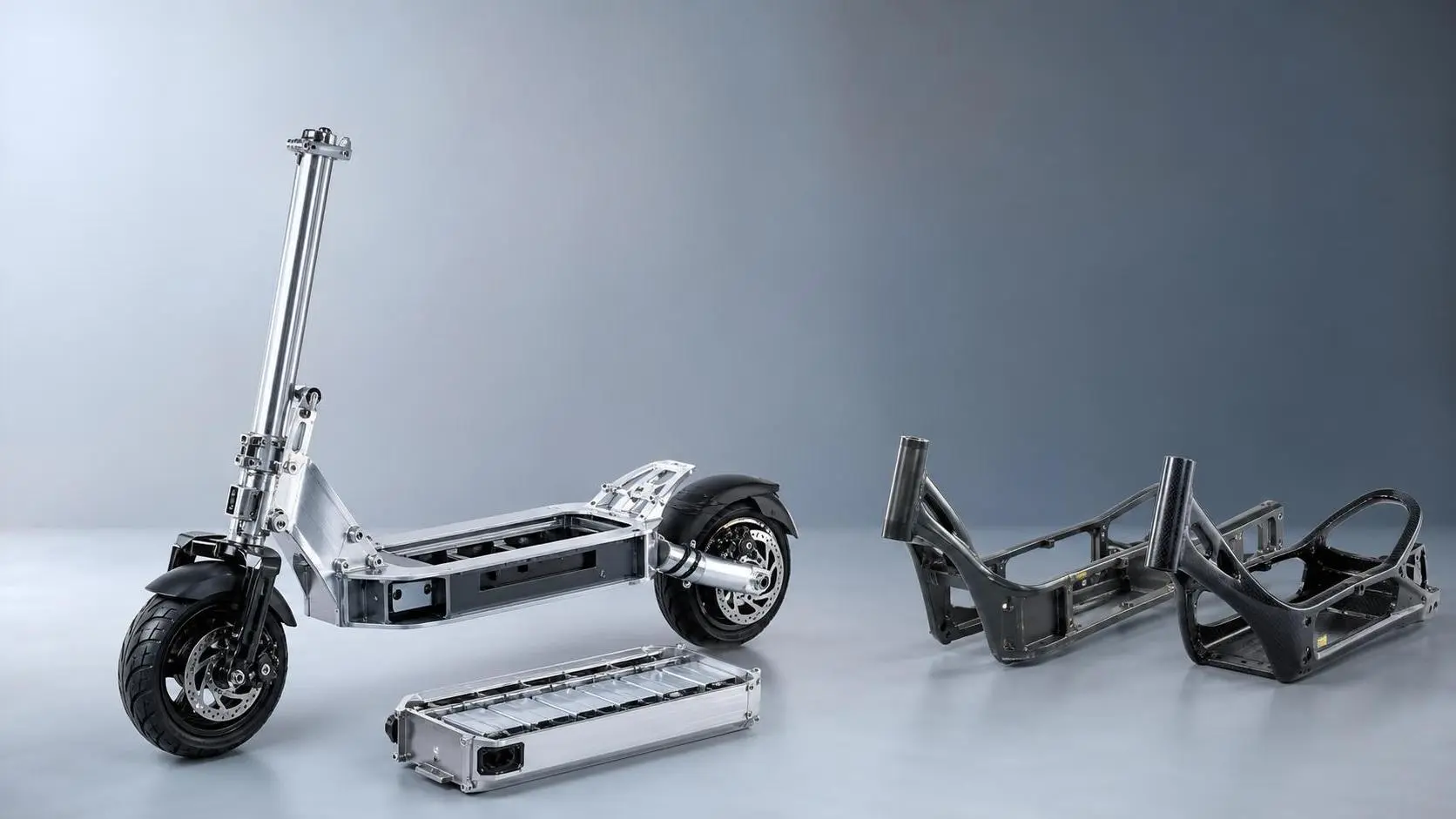
How to Choose Lightweight Scooter Frames in Europe: Materials, Standards, and Use Cases
Lightweight scooter frames Europe buyers need should balance materials, EN standards, durability, and real use cases. Discover how to choose safer, smarter, compliant frames.
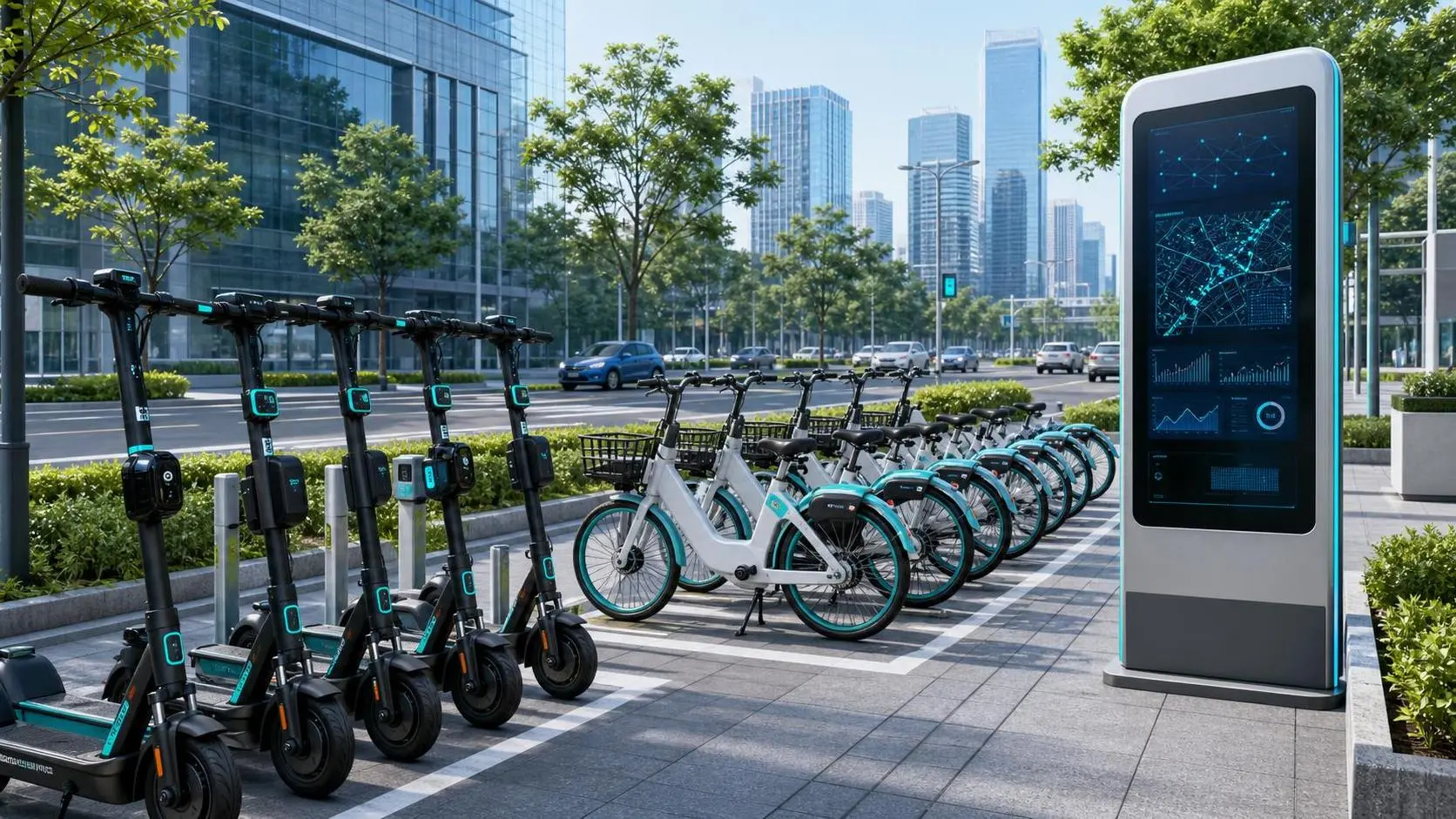
What Is the Intellectualization of Mobility Platform and How Is It Applied in Shared Fleets?
Intellectualization of mobility platform is reshaping shared fleets with real-time data, predictive maintenance, and smarter compliance—learn how it boosts safety, uptime, and urban mobility efficiency.
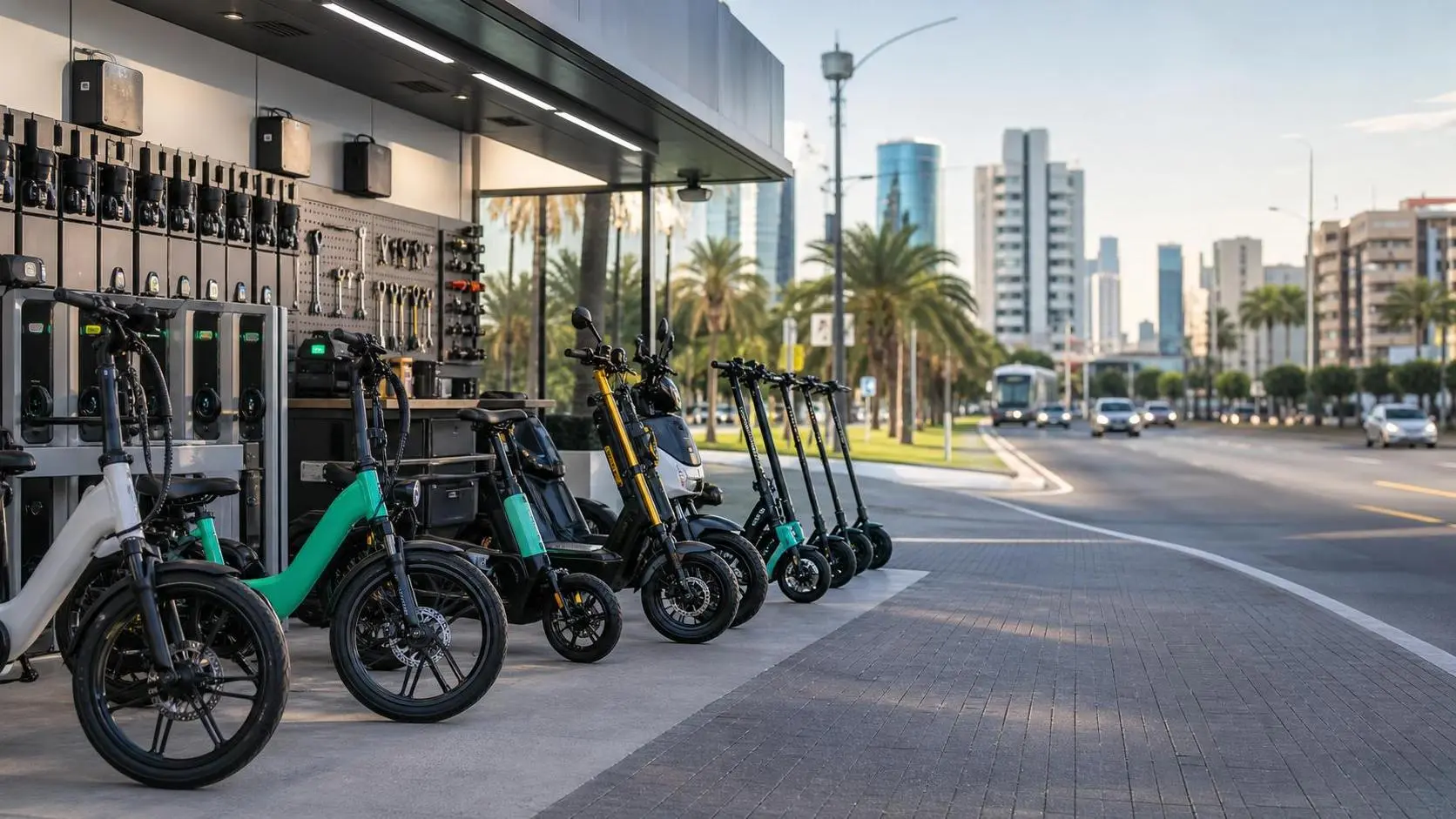
Urban Micro-Mobility Systems in Latin America: Key Market Drivers, Barriers, and Growth Segments
Urban micro-mobility systems Latin America are reshaping city transport. Explore key drivers, barriers, and high-growth segments to spot the region’s most investable opportunities.
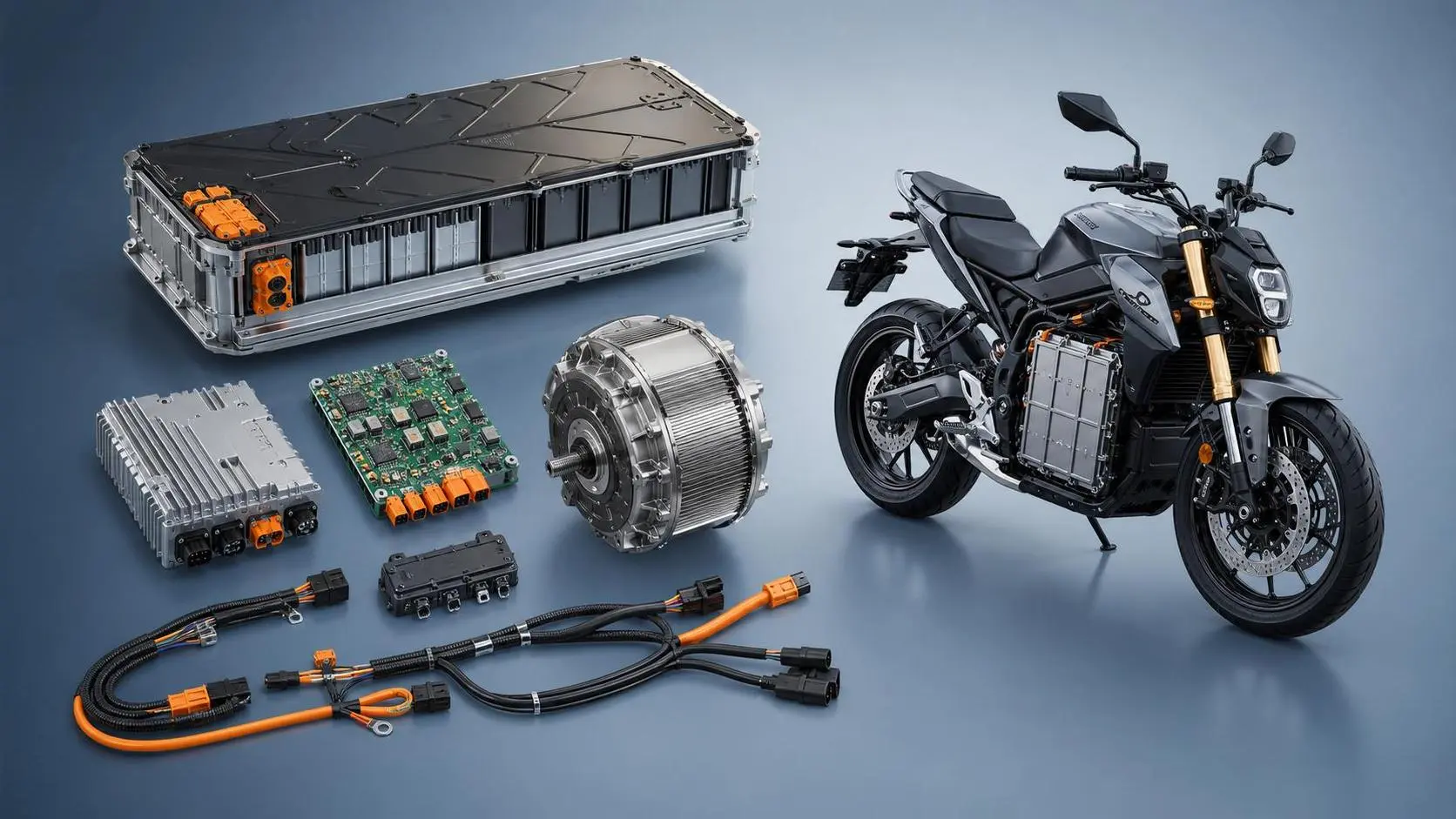
Electric Motorcycle Systems Price Breakdown: What Affects Cost From Battery to Controller?
Electric motorcycle systems price explained: see how battery, controller, motor, BMS, and wiring affect total cost, reliability, and sourcing value before you buy.
72V Electric Motorcycle Technology Explained: Motors, Controllers, Range, and Charging
Electric motorcycle technology 72V explained clearly: compare motors, controllers, range, battery design, and charging to choose a smoother, stronger, and smarter electric ride.
Where LED Urban Visibility Safety Systems Fit Best in Shared Scooters and City E-bikes
LED urban visibility safety systems deliver the most value in shared scooters and city e-bikes by improving multi-angle safety, fleet durability, and urban compliance across real-world routes.
Intellectualization of Mobility in North America: What Is Driving Adoption Across Urban Transport?
Intellectualization of mobility North America is reshaping urban transport through data, smart fleets, and battery intelligence. Explore what is driving adoption and why cities and operators are accelerating now.
How to Choose a Compact Battery Pack: Size, Energy Density, Thermal Design, and Cycle Life
Compact battery pack selection starts with more than size. Learn how energy density, thermal design, and cycle life shape range, safety, and long-term value.
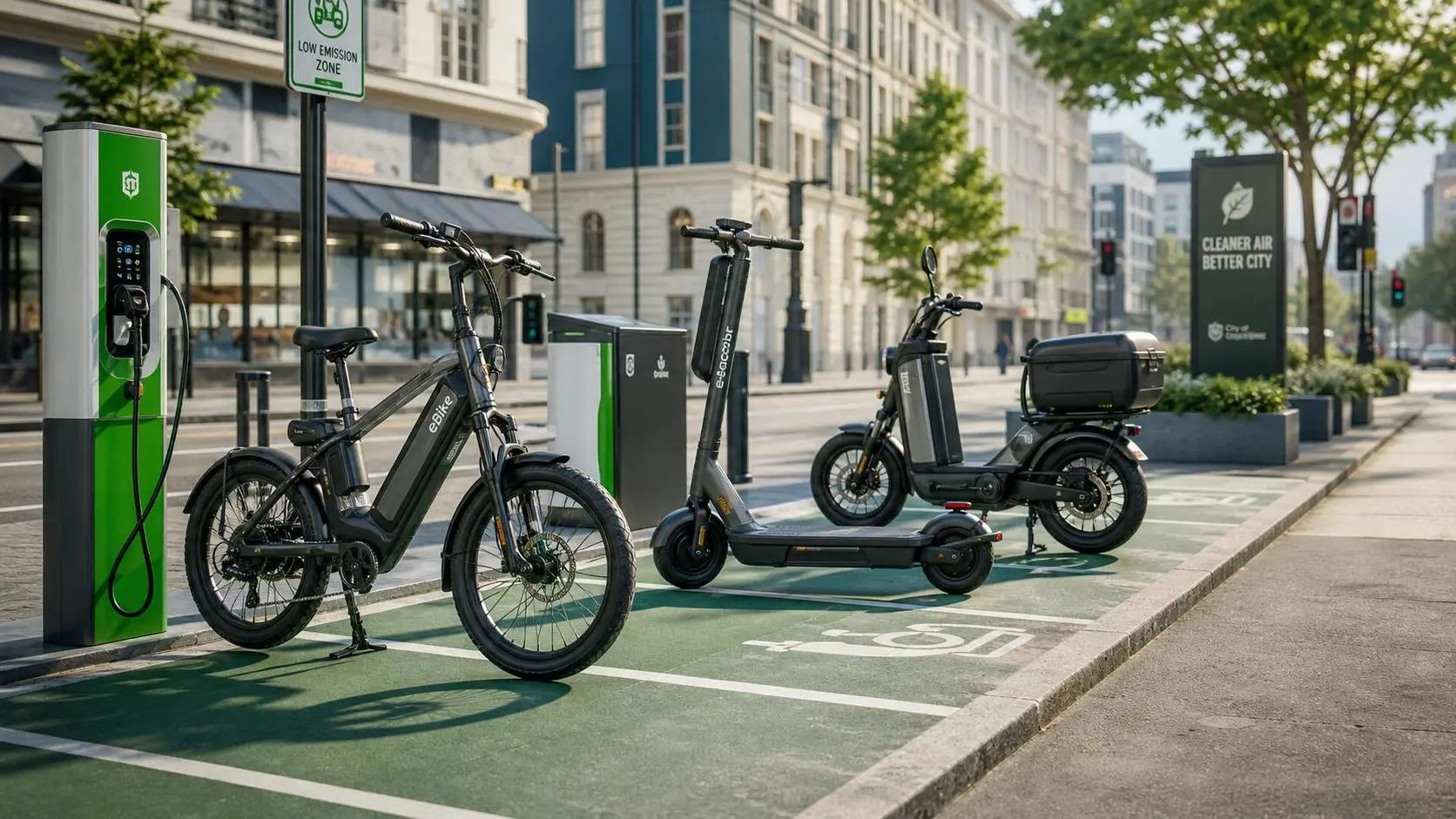
What Is Driving Green Two-wheelers Demand in Europe? Policy, Fuel Costs, and Buyer Segments
Green two-wheelers demand Europe is rising as policy support, fuel cost pressure, and diverse buyer segments reshape urban mobility. Explore the trends driving the next growth wave.