
Related News
- 00
0000-00
Urban Micro-Mobility Systems in Latin America: Key Market Drivers, Barriers, and Growth Segments - 00
0000-00
Intellectualization of Mobility in North America: What Is Driving Adoption Across Urban Transport? - 00
0000-00
What Is Driving Green Two-wheelers Demand in Europe? Policy, Fuel Costs, and Buyer Segments - 00
0000-00
Urban Micro-Mobility in North America: Policy, Charging Access, and Fleet Growth Drivers - 00
0000-00
Carbon Neutrality for Fleets: How to Measure Emissions and Prioritize Upgrades
Prof. Marcus Chen
Weekly Insights
Stay ahead with our curated technology reports delivered every Monday.
Which electric bike trends are shaping 2026 demand





As global urban mobility accelerates, electric bike trends are becoming a critical signal for 2026 demand planning. Battery innovation, smarter software, urban regulation, and changing rider expectations are pushing the market into a more segmented phase. For growth planning, the question is no longer whether e-bikes will expand, but which categories, technologies, and usage models will absorb the most value.
This matters across the broader micro-mobility ecosystem. E-bikes now sit at the intersection of low-carbon transport, connected devices, logistics efficiency, and urban infrastructure policy. The most relevant electric bike trends are therefore not only product features. They also include compliance, serviceability, software readiness, battery traceability, and total lifecycle economics.
Why a checklist approach is essential for reading 2026 electric bike trends
The e-bike market is no longer driven by a single demand story. Commuting, delivery, leisure riding, fleet sharing, and premium recreation all behave differently. A checklist approach helps separate durable electric bike trends from short-lived hype and supports better category selection.
It also reduces blind spots. Some models win attention through design or speed claims, yet fail on service networks, battery certification, software stability, or local street legality. In 2026, demand will favor complete systems, not isolated specifications.
Core checklist: electric bike trends shaping 2026 demand
- Prioritize battery platforms with verified safety, stable thermal management, and traceable cell sourcing, because 2026 demand will reward reliability, insurance compatibility, and lower lifecycle risk over headline range claims.
- Track mid-drive and torque-sensor adoption, since riders increasingly expect smoother assistance, better hill performance, and a more natural ride feel than basic cadence-based entry systems provide.
- Evaluate connected features such as GPS, app diagnostics, anti-theft locking, and remote firmware updates, because smart functions are moving from premium extras into mainstream purchase criteria.
- Watch cargo and utility e-bike expansion, especially in dense cities where family transport and last-mile delivery need practical load capacity, parking flexibility, and lower operating cost than cars.
- Assess compliance with regional speed classes, battery transport rules, and road-use regulations, as demand growth increasingly depends on models that fit local legal frameworks without costly modifications.
- Favor modular service design, including easy battery replacement, standardized connectors, and accessible drivetrain components, because downtime and repair complexity directly affect user satisfaction and resale confidence.
- Measure lightweight frame engineering carefully, since consumers want easier carrying, better handling, and urban convenience, but not at the expense of durability, vibration control, or cargo capability.
- Monitor premium commuter demand, where integrated lights, clean cable routing, suspension tuning, and weather-ready accessories are becoming decisive differentiators in high-value urban segments.
- Examine battery charging ecosystems, including fast charging, removable packs, and workplace charging compatibility, because charging convenience strongly shapes actual usage frequency and repurchase intent.
- Compare total ownership cost rather than upfront price alone, as maintenance intervals, tire wear, battery warranty terms, and software support increasingly define long-term competitiveness.
Which electric bike trends matter most by application scenario
Urban commuting
For city commuting, the strongest electric bike trends are integration, convenience, and theft resistance. Buyers increasingly prefer step-through geometry, removable batteries, integrated lighting, fenders, racks, and app-based security. These features reduce friction in daily use.
Weight also matters more in apartments and mixed-mode transport. Compact frames, easier lifting, and cleaner design language will shape commuter demand, especially where public transit links and limited parking influence purchase decisions.
Cargo and family mobility
Cargo bikes are among the most commercially important electric bike trends for 2026. Rising congestion, school-run alternatives, and local emission targets support demand for long-tail and front-load designs that replace short car trips.
Here, value comes from frame stiffness, braking confidence, battery endurance under load, and accessory ecosystems. Seating options, child safety setups, weather covers, and parking stability can matter more than peak motor watt figures.
Delivery and commercial fleets
Fleet demand follows a different logic. Delivery-focused electric bike trends center on uptime, service intervals, swappable batteries, geofencing, telematics, and rugged components. Fleet operators need predictable output, not lifestyle branding.
Durable wheels, puncture-resistant tires, reinforced racks, and remote diagnostics can materially improve economics. In this segment, software visibility and maintenance planning often create more value than speed or styling.
Sport, touring, and premium recreation
In recreational categories, electric bike trends are moving toward higher refinement. Riders expect smoother power delivery, improved battery density, quieter motors, and better integration with performance drivetrains and suspension systems.
This segment also rewards brand credibility and component quality. Precision shifting, ergonomic tuning, display readability, and terrain-specific geometry all influence whether premium demand converts into repeat purchase momentum.
Commonly overlooked risks behind electric bike trends
Battery compliance gaps
Fast-growing categories can hide certification weakness. If battery systems lack reliable testing records or shipping compliance, growth can stall suddenly through recalls, insurance restrictions, or import delays.
Overreliance on entry-level pricing
Low pricing may generate short-term volume, but weak margins can undermine after-sales support and spare-parts continuity. In 2026, demand should favor credible value rather than unsustainable discount positioning.
Ignoring software maturity
Connected e-bikes need stable firmware, clean app experiences, and secure data handling. A feature-rich system with weak software support can damage retention faster than a simpler but dependable platform.
Misreading local infrastructure
Not every city rewards the same model mix. Bike-lane quality, charging access, theft rates, terrain, and storage patterns all influence which electric bike trends translate into real demand.
Practical execution steps for 2026 planning
- Map demand by use case first, separating commuter, cargo, fleet, and recreational categories before comparing motor, battery, and component specifications.
- Build a compliance screen early, covering speed class rules, battery standards, transport documentation, and local road-access limits.
- Rank suppliers by service depth, not just production capacity, including spare-parts readiness, firmware support, and diagnostic tooling.
- Stress-test ownership economics using battery warranty terms, repair cycles, replacement part pricing, and expected urban wear conditions.
- Track adjacent micro-mobility signals, because smart scooter regulation, shared fleet policy, and urban low-carbon targets often foreshadow e-bike demand shifts.
Conclusion: how to act on electric bike trends now
The most important electric bike trends shaping 2026 demand are clear: safer and smarter batteries, stronger connected functions, cargo-led urban utility, tighter regulation, and a growing preference for dependable service ecosystems. Demand is becoming more sophisticated, not simply larger.
The next step is to turn trend observation into a structured market screen. Compare categories by application, verify regulatory fit, test serviceability, and weigh ownership economics alongside product appeal. In a rapidly electrifying two-wheeler market, the winners will align technology, compliance, and real urban use with precision.
Related News
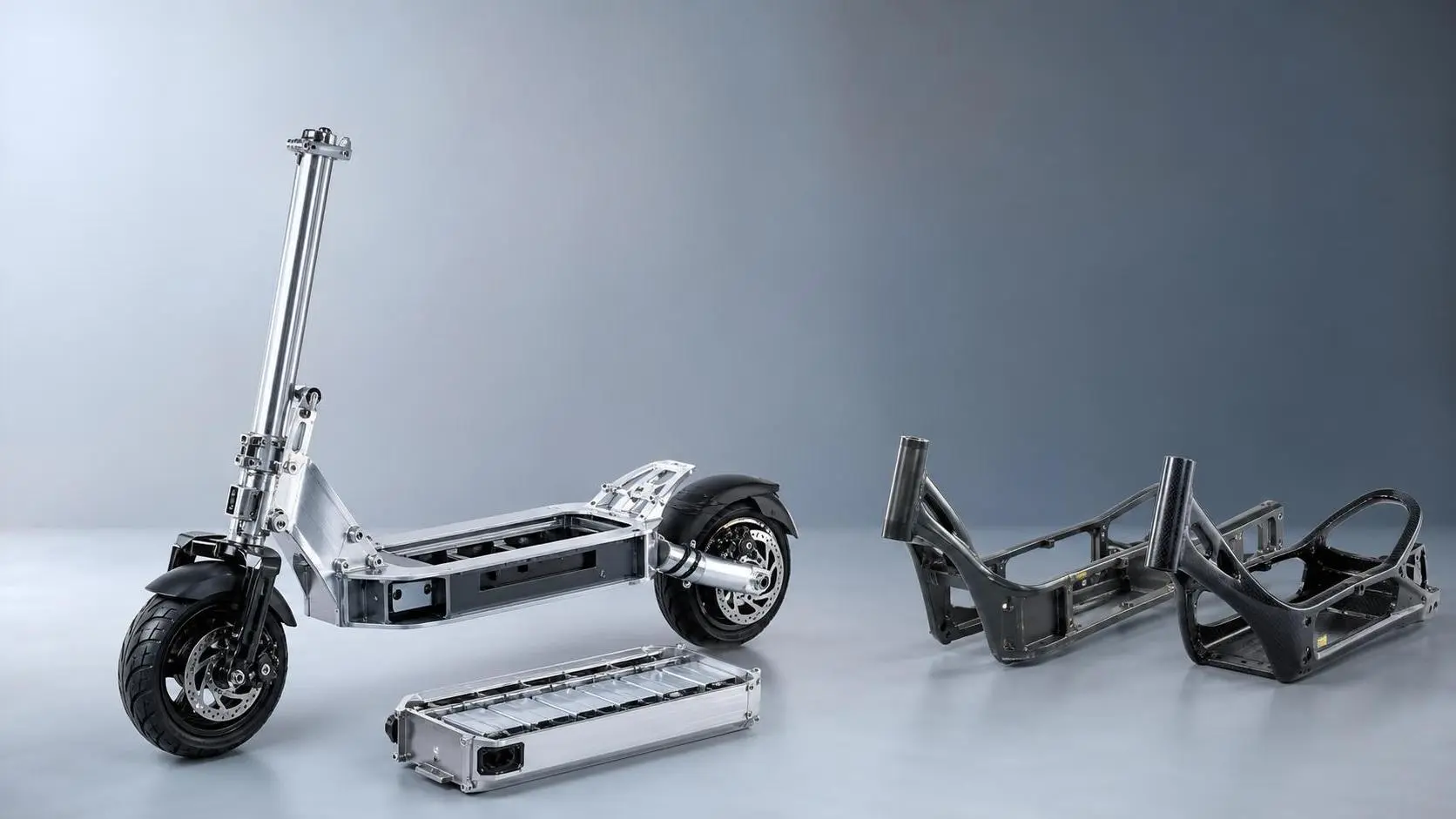
How to Choose Lightweight Scooter Frames in Europe: Materials, Standards, and Use Cases
Lightweight scooter frames Europe buyers need should balance materials, EN standards, durability, and real use cases. Discover how to choose safer, smarter, compliant frames.
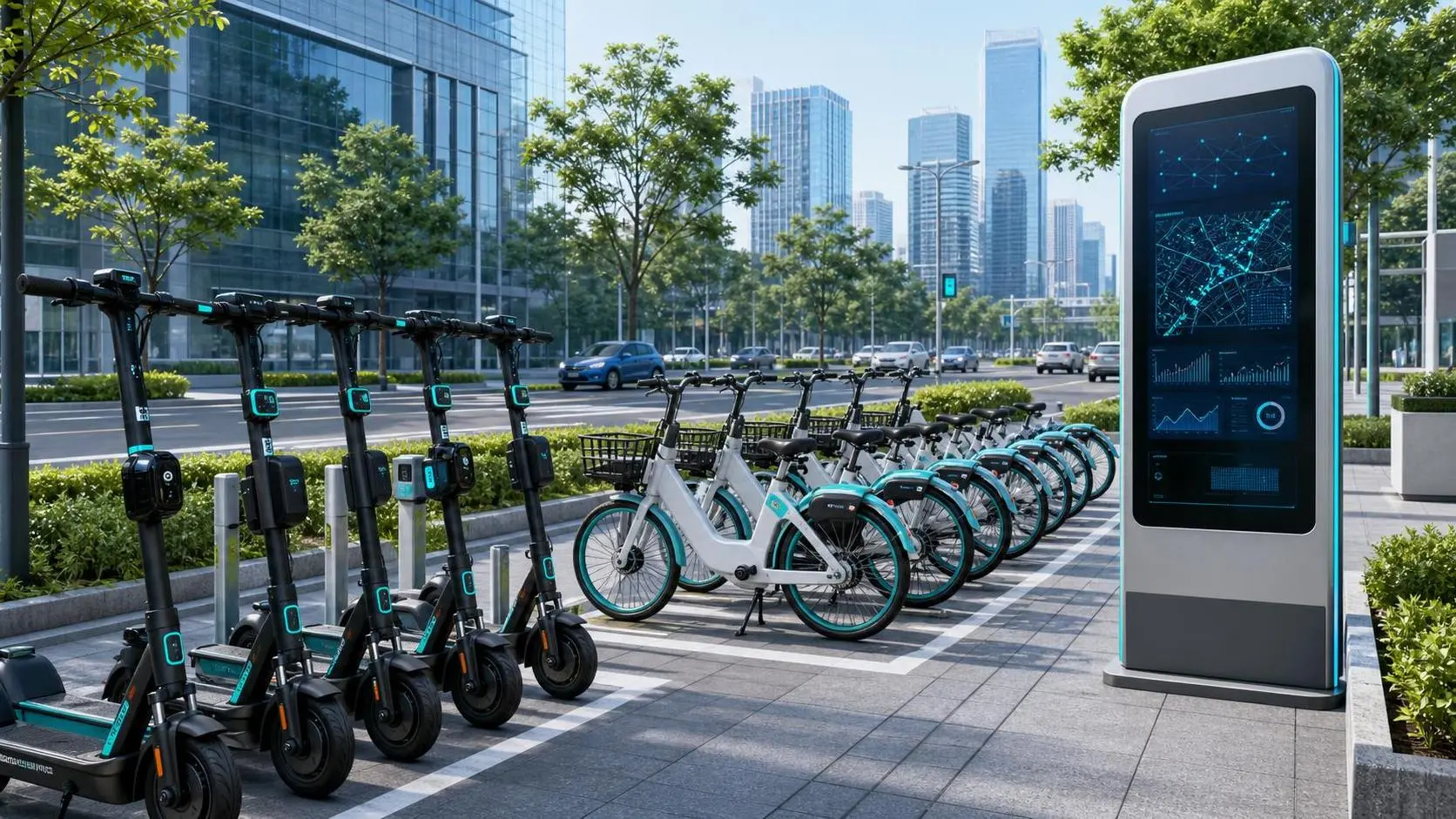
What Is the Intellectualization of Mobility Platform and How Is It Applied in Shared Fleets?
Intellectualization of mobility platform is reshaping shared fleets with real-time data, predictive maintenance, and smarter compliance—learn how it boosts safety, uptime, and urban mobility efficiency.
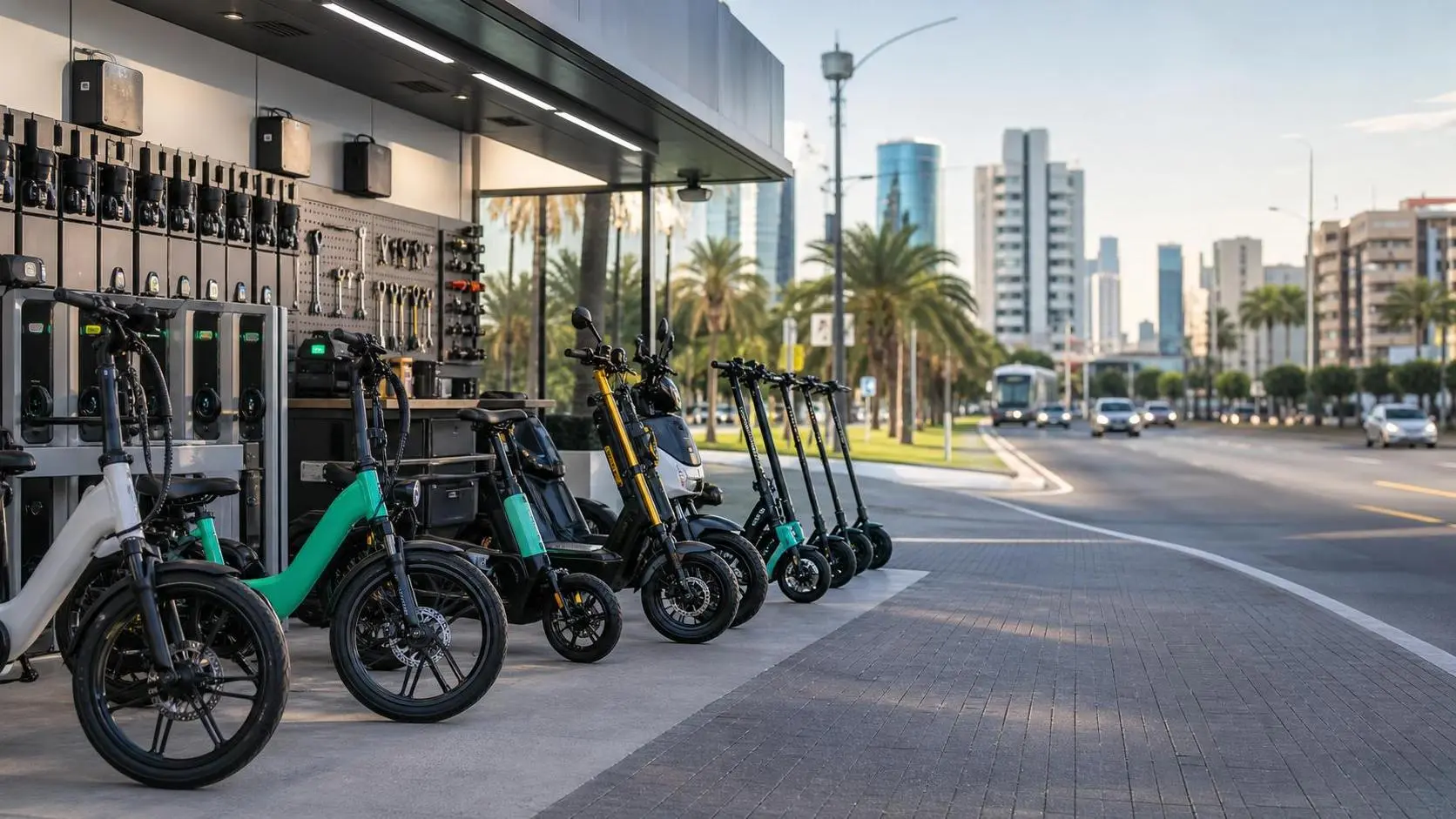
Urban Micro-Mobility Systems in Latin America: Key Market Drivers, Barriers, and Growth Segments
Urban micro-mobility systems Latin America are reshaping city transport. Explore key drivers, barriers, and high-growth segments to spot the region’s most investable opportunities.
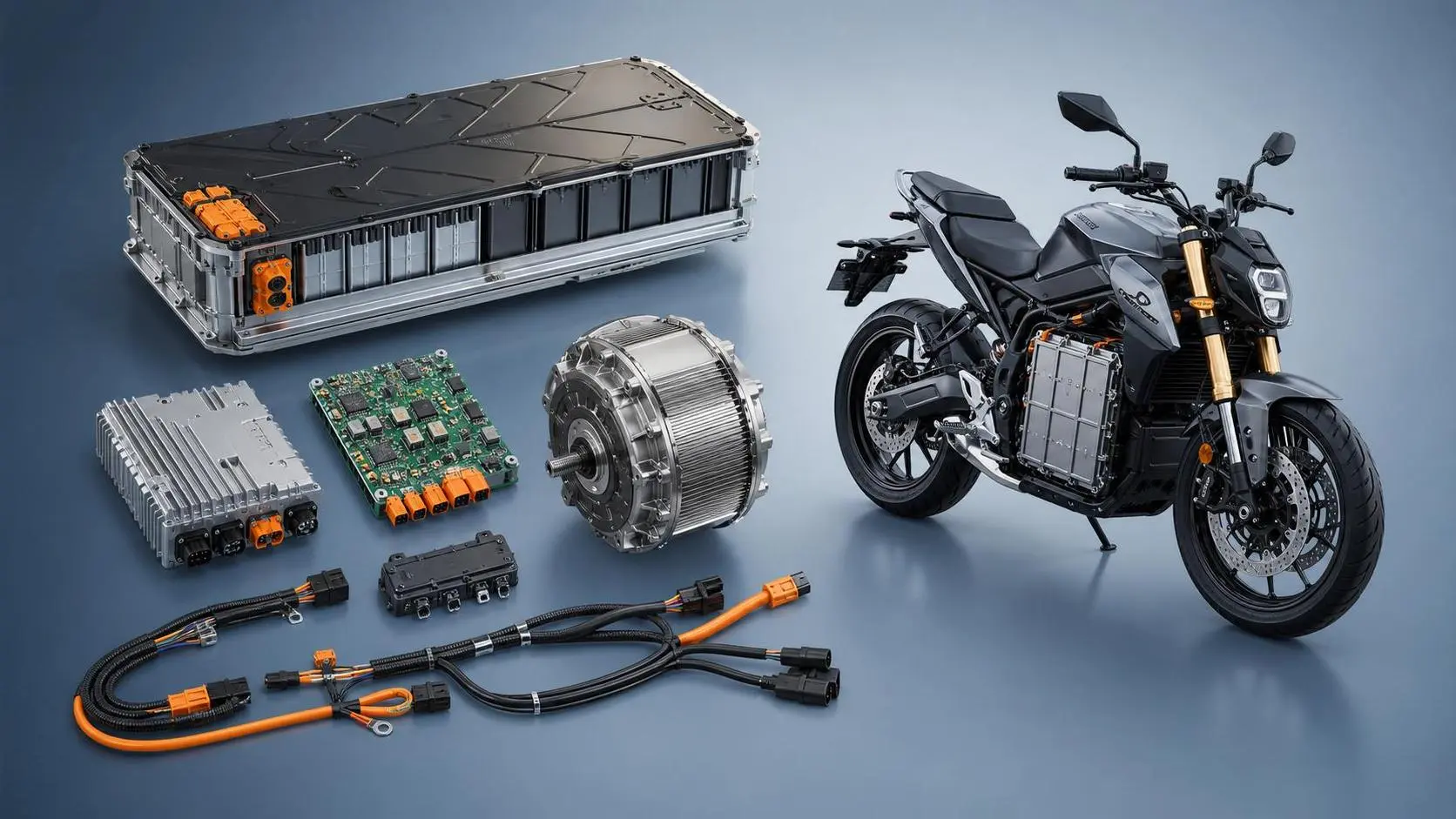
Electric Motorcycle Systems Price Breakdown: What Affects Cost From Battery to Controller?
Electric motorcycle systems price explained: see how battery, controller, motor, BMS, and wiring affect total cost, reliability, and sourcing value before you buy.
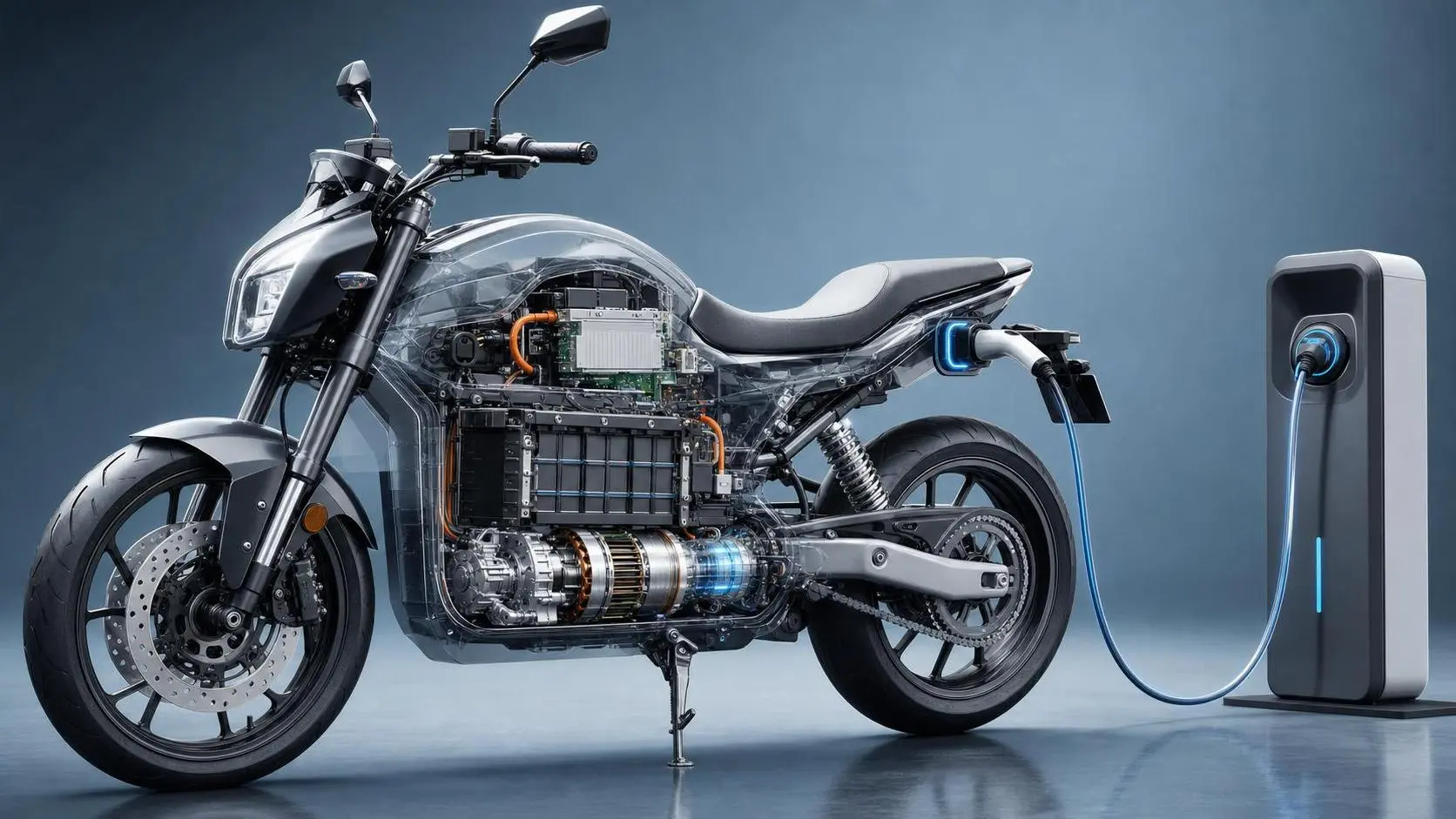
72V Electric Motorcycle Technology Explained: Motors, Controllers, Range, and Charging
Electric motorcycle technology 72V explained clearly: compare motors, controllers, range, battery design, and charging to choose a smoother, stronger, and smarter electric ride.
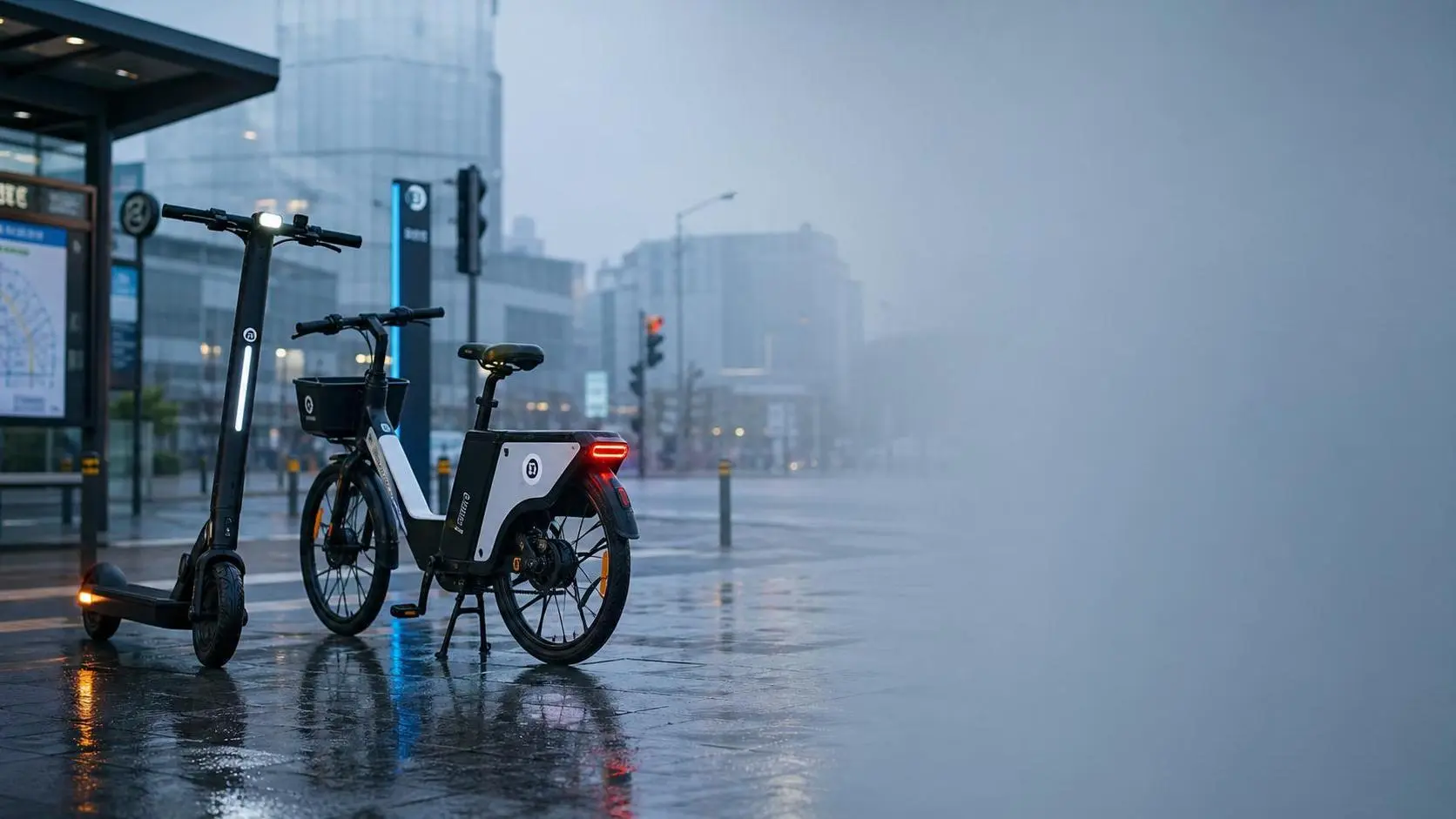
Where LED Urban Visibility Safety Systems Fit Best in Shared Scooters and City E-bikes
LED urban visibility safety systems deliver the most value in shared scooters and city e-bikes by improving multi-angle safety, fleet durability, and urban compliance across real-world routes.
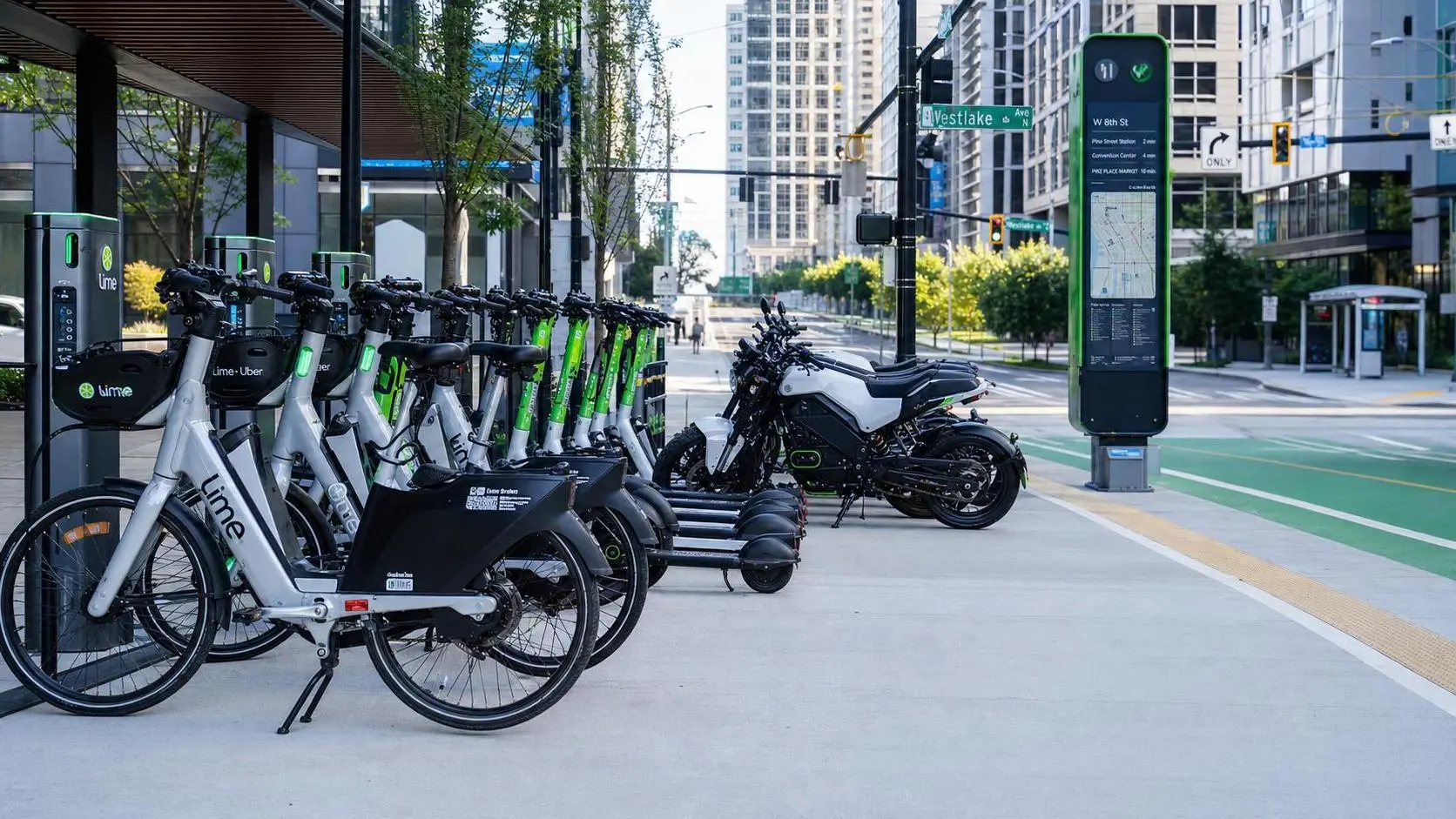
Intellectualization of Mobility in North America: What Is Driving Adoption Across Urban Transport?
Intellectualization of mobility North America is reshaping urban transport through data, smart fleets, and battery intelligence. Explore what is driving adoption and why cities and operators are accelerating now.
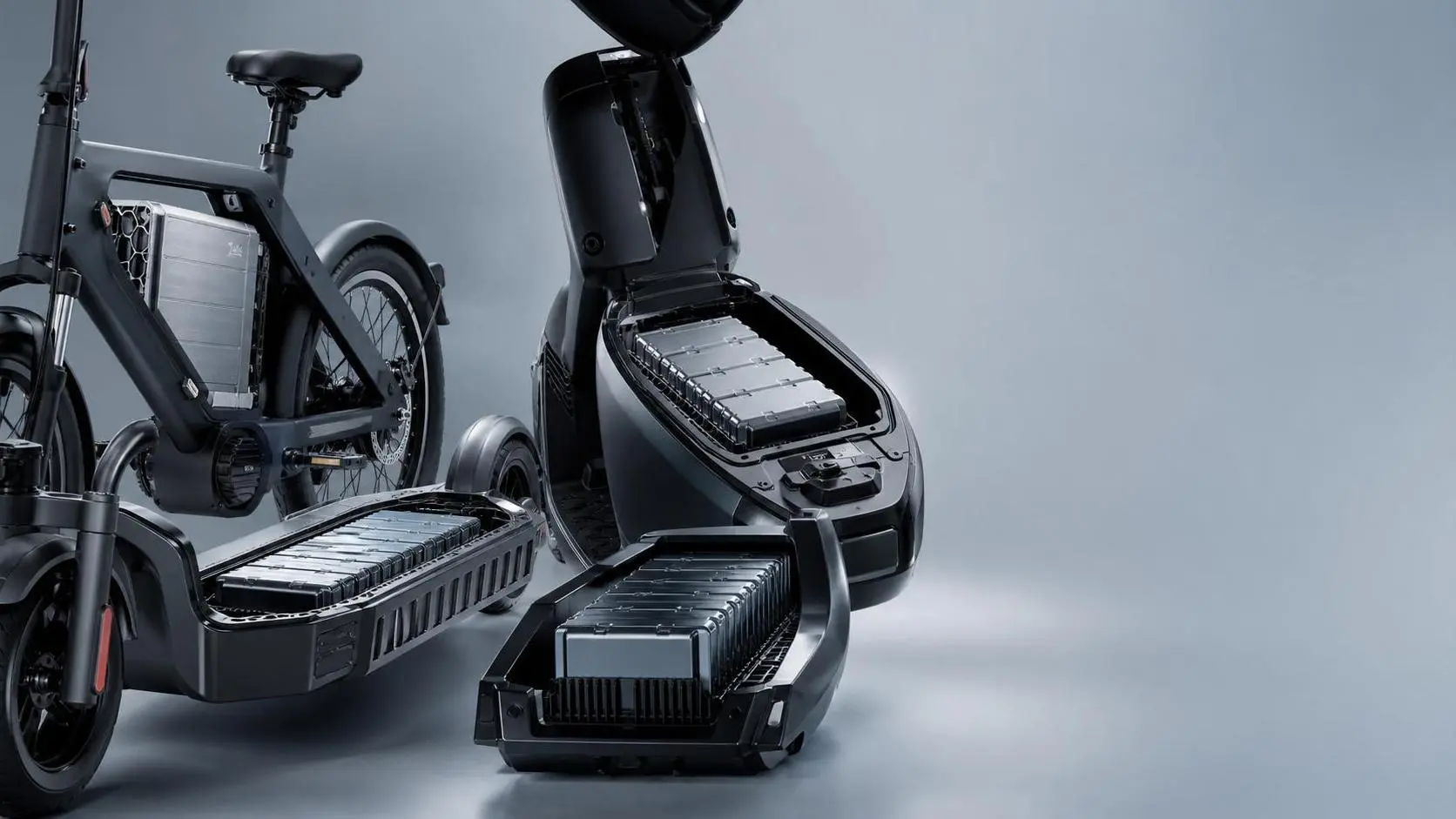
How to Choose a Compact Battery Pack: Size, Energy Density, Thermal Design, and Cycle Life
Compact battery pack selection starts with more than size. Learn how energy density, thermal design, and cycle life shape range, safety, and long-term value.
What Is Driving Green Two-wheelers Demand in Europe? Policy, Fuel Costs, and Buyer Segments
Green two-wheelers demand Europe is rising as policy support, fuel cost pressure, and diverse buyer segments reshape urban mobility. Explore the trends driving the next growth wave.