
Related News
- 00
0000-00
Urban Micro-Mobility Systems in Latin America: Key Market Drivers, Barriers, and Growth Segments - 00
0000-00
Intellectualization of Mobility in North America: What Is Driving Adoption Across Urban Transport? - 00
0000-00
What Is Driving Green Two-wheelers Demand in Europe? Policy, Fuel Costs, and Buyer Segments - 00
0000-00
Urban Micro-Mobility in North America: Policy, Charging Access, and Fleet Growth Drivers - 00
0000-00
Carbon Neutrality for Fleets: How to Measure Emissions and Prioritize Upgrades
Prof. Marcus Chen
Weekly Insights
Stay ahead with our curated technology reports delivered every Monday.
Interconnection of Two-Wheelers: How V2X Improves Fleet Safety





Interconnection of Two-Wheelers: How V2X Improves Fleet Safety
As urban micro-mobility fleets scale across congested streets, the interconnection of two-wheelers is becoming a critical foundation for proactive safety.
Vehicle-to-everything communication enables e-bikes, smart e-scooters, and high-speed e-motorcycles to exchange real-time data with vehicles, infrastructure, and fleet platforms.
For technical evaluation, the question is not whether connectivity adds value, but how reliably it reduces collision risk and improves fleet decisions.
Why the Interconnection of Two-Wheelers Needs a Checklist
Micro-mobility safety is no longer defined only by brakes, lights, tires, and rider behavior.
Dense traffic requires machines to sense, communicate, and react before a rider notices danger.
The interconnection of two-wheelers creates shared awareness across fleets, intersections, depots, cloud systems, and surrounding road users.
However, V2X safety depends on execution quality, not marketing claims.
A checklist helps separate useful connectivity from unstable telemetry, delayed alerts, and fragmented platform integration.
For UMMS intelligence work, checklist thinking also connects hardware capability with policy, infrastructure maturity, and fleet economics.
Core V2X Safety Checklist for Connected Two-Wheeler Fleets
Use this checklist to evaluate whether the interconnection of two-wheelers can support measurable fleet safety outcomes.
- Verify message latency under real traffic loads, especially at intersections, because delayed V2X warnings can convert useful alerts into rider distraction.
- Confirm GNSS accuracy, inertial sensing, and map matching, since lane-level positioning determines whether hazard alerts are relevant or misleading.
- Evaluate V2V communication with buses, cars, delivery vans, and motorcycles to reduce blind-spot conflicts around turns and lane merges.
- Test V2I links with traffic lights, roadside units, and smart crossings to warn riders before red-light violations or hidden pedestrian movement.
- Connect fleet dashboards with battery, brake, tire, and motor-controller data to identify mechanical risks before roadside incidents occur.
- Prioritize cybersecurity authentication, because the interconnection of two-wheelers increases exposure to spoofed alerts, data theft, and unauthorized control commands.
- Define alert hierarchy clearly, ensuring collision warnings, battery thermal alarms, and regulatory messages never compete for rider attention.
- Measure rider interface quality through haptics, audio, lighting, or display cues, avoiding complex alerts that require visual focus.
- Audit cloud-to-vehicle update reliability, since unstable firmware releases can weaken the interconnection of two-wheelers after deployment.
- Track incident reduction, near-miss trends, and response time improvements to prove V2X value beyond connectivity installation numbers.
Key V2X Functions That Improve Fleet Safety
1. Collision Anticipation
The interconnection of two-wheelers allows fleets to detect threats beyond direct sensor range.
A scooter approaching a blocked intersection can receive warnings from infrastructure or another connected vehicle.
This creates time for speed reduction, braking preparation, or route adjustment.
2. Blind-Spot Protection
Two-wheelers are frequently hidden beside larger vehicles.
V2X signals can announce presence before a bus turns, a van opens a door, or a car changes lanes.
The interconnection of two-wheelers therefore strengthens visibility where mirrors and cameras often fail.
3. Fleet-Level Risk Mapping
Connected fleets generate safety intelligence from repeated braking, swerving, pothole detection, and signal conflict events.
Aggregated data reveals dangerous corridors, poor parking zones, and infrastructure gaps.
This makes the interconnection of two-wheelers valuable for operations planning, not only rider warnings.
Scenario Guidance for E-Bikes, E-Scooters, and E-Motorcycles
Shared Smart E-Scooter Fleets
Shared scooters operate with diverse rider skill levels and frequent short trips.
For this scenario, the interconnection of two-wheelers should emphasize geofencing, speed-zone enforcement, and curbside parking control.
V2X can also support warnings near transit exits, school zones, and high-density pedestrian crossings.
Urban E-Bike Commuting
E-bikes mix human power with electric assistance, creating varied acceleration and braking behavior.
The interconnection of two-wheelers should combine rider-speed patterns with road-grade, battery state, and traffic-signal information.
Useful alerts include left-turn conflict warnings, route risk prompts, and maintenance reminders triggered by drivetrain or brake anomalies.
High-Speed E-Motorcycles
High-speed electric motorcycles require faster data handling because stopping distance and thermal load increase sharply.
Here, the interconnection of two-wheelers should integrate V2X with battery management, torque control, and advanced traction monitoring.
Fleet platforms should flag aggressive acceleration clusters, overheating risk, and repeated emergency braking on specific road segments.
Often Ignored Risks in the Interconnection of Two-Wheelers
Signal Reliability in Urban Canyons
Tall buildings, tunnels, parked trucks, and dense radio traffic can degrade communication.
The interconnection of two-wheelers must be tested in the worst operating zones, not only controlled demonstration routes.
Alert Fatigue
Too many warnings reduce attention and trust.
Systems should suppress low-value notifications and reserve urgent channels for immediate collision, thermal, or mechanical danger.
Data Privacy and Governance
Fleet safety data may include location traces, behavior patterns, and vehicle health records.
The interconnection of two-wheelers needs clear retention rules, anonymization, access control, and jurisdiction-specific compliance checks.
Mixed Standards and Fragmented Ecosystems
V2X deployments may involve cellular V2X, DSRC, Bluetooth, GNSS, cloud APIs, and proprietary fleet protocols.
Without interoperability planning, the interconnection of two-wheelers can become a patchwork of isolated data channels.
Implementation Checklist for Safer Deployment
- Start with high-risk corridors, then compare incident history against V2X event logs before expanding connected fleet coverage.
- Define minimum performance thresholds for latency, positioning accuracy, uptime, alert precision, and secure device authentication.
- Integrate vehicle health data with V2X events, linking brake wear, battery heat, tire condition, and controller faults.
- Run pilot programs during rain, night traffic, peak commuting, and roadwork periods to expose hidden system weaknesses.
- Train operating teams to interpret near-miss analytics, not just dashboards showing vehicle count, distance, and battery level.
- Review local right-of-way rules, data regulations, and infrastructure readiness before selecting a communication architecture.
A phased rollout protects safety budgets and reduces technical uncertainty.
The interconnection of two-wheelers should begin with validated safety use cases, then expand toward predictive operations.
How to Measure Whether V2X Is Working
Connectivity should be measured by avoided danger, not by the number of installed modules.
Useful indicators include emergency braking frequency, intersection conflict reduction, wrong-way alerts, and maintenance-triggered downtime avoidance.
The interconnection of two-wheelers also improves when data supports better routing, safer charging schedules, and smarter vehicle redistribution.
Summary and Next Action
The interconnection of two-wheelers turns individual e-bikes, scooters, and e-motorcycles into cooperative safety nodes.
When V2X is reliable, secure, and well integrated, fleets gain earlier warnings and stronger operational control.
The next step is to audit current vehicles, communication modules, infrastructure partners, and safety data quality.
Then prioritize one measurable use case, such as intersection conflict reduction or predictive maintenance linked to V2X events.
For global micro-mobility development, the interconnection of two-wheelers is not a future concept.
It is becoming the operating logic for safer, smarter, low-carbon urban movement.
Related News
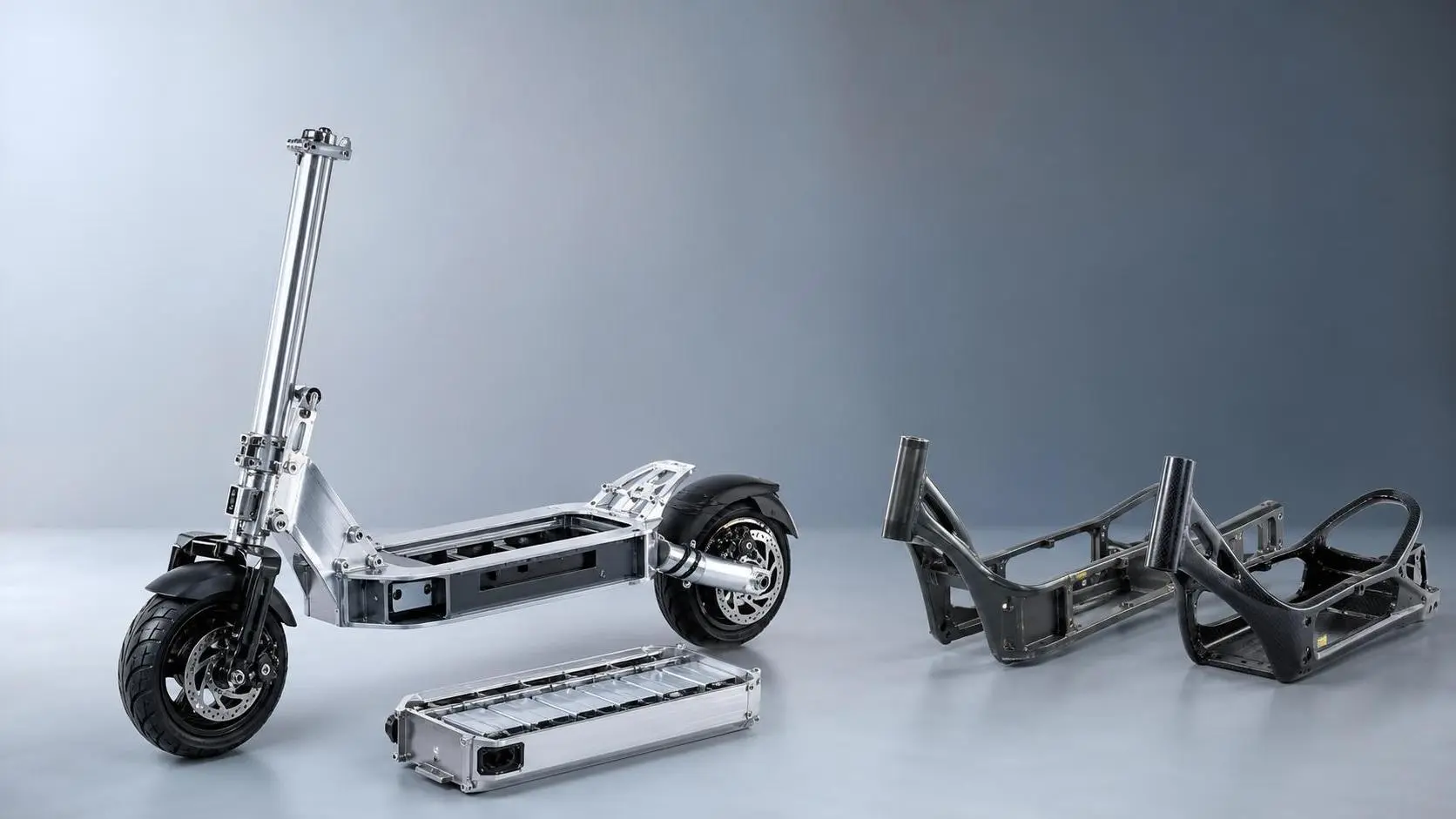
How to Choose Lightweight Scooter Frames in Europe: Materials, Standards, and Use Cases
Lightweight scooter frames Europe buyers need should balance materials, EN standards, durability, and real use cases. Discover how to choose safer, smarter, compliant frames.
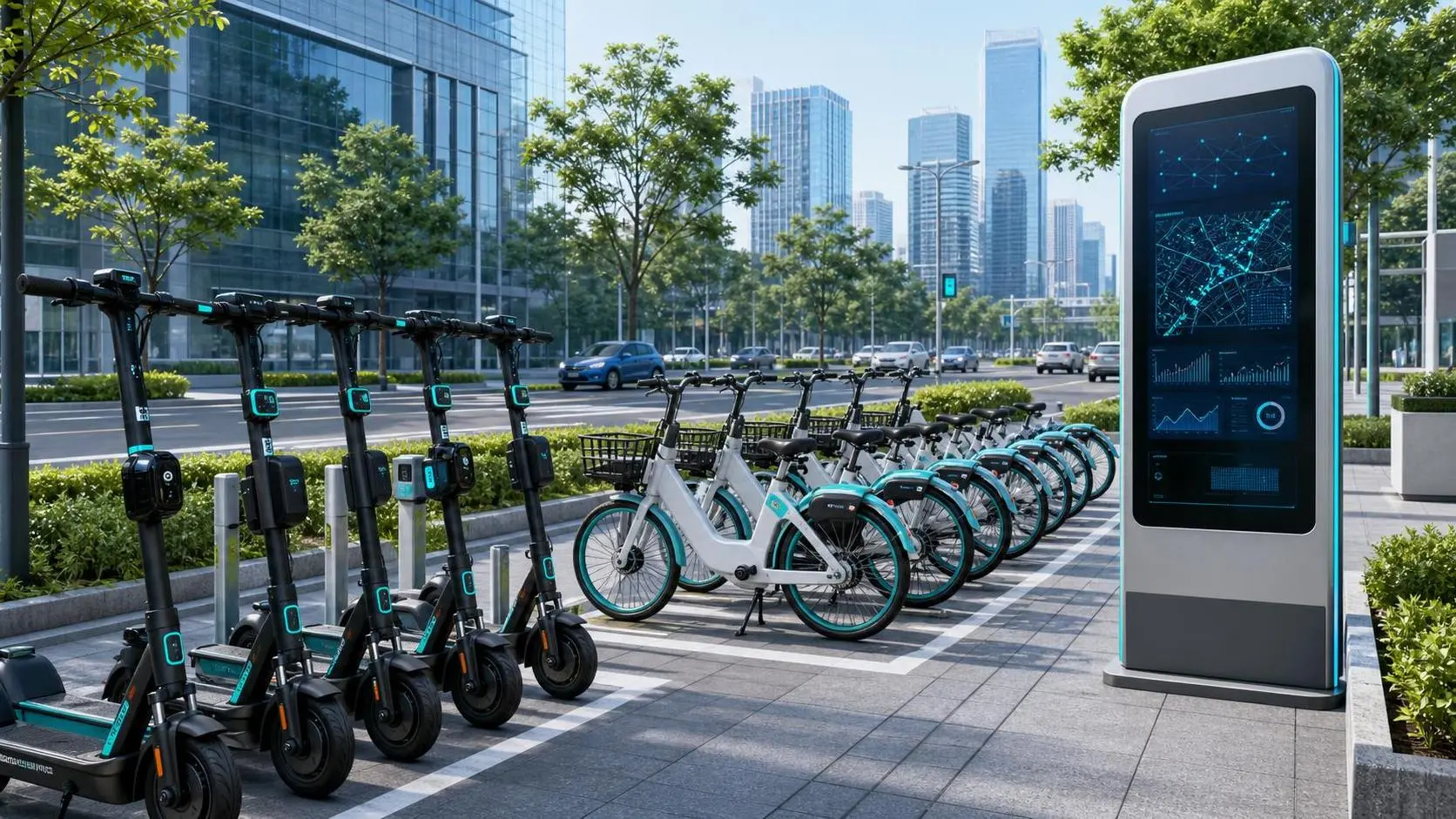
What Is the Intellectualization of Mobility Platform and How Is It Applied in Shared Fleets?
Intellectualization of mobility platform is reshaping shared fleets with real-time data, predictive maintenance, and smarter compliance—learn how it boosts safety, uptime, and urban mobility efficiency.
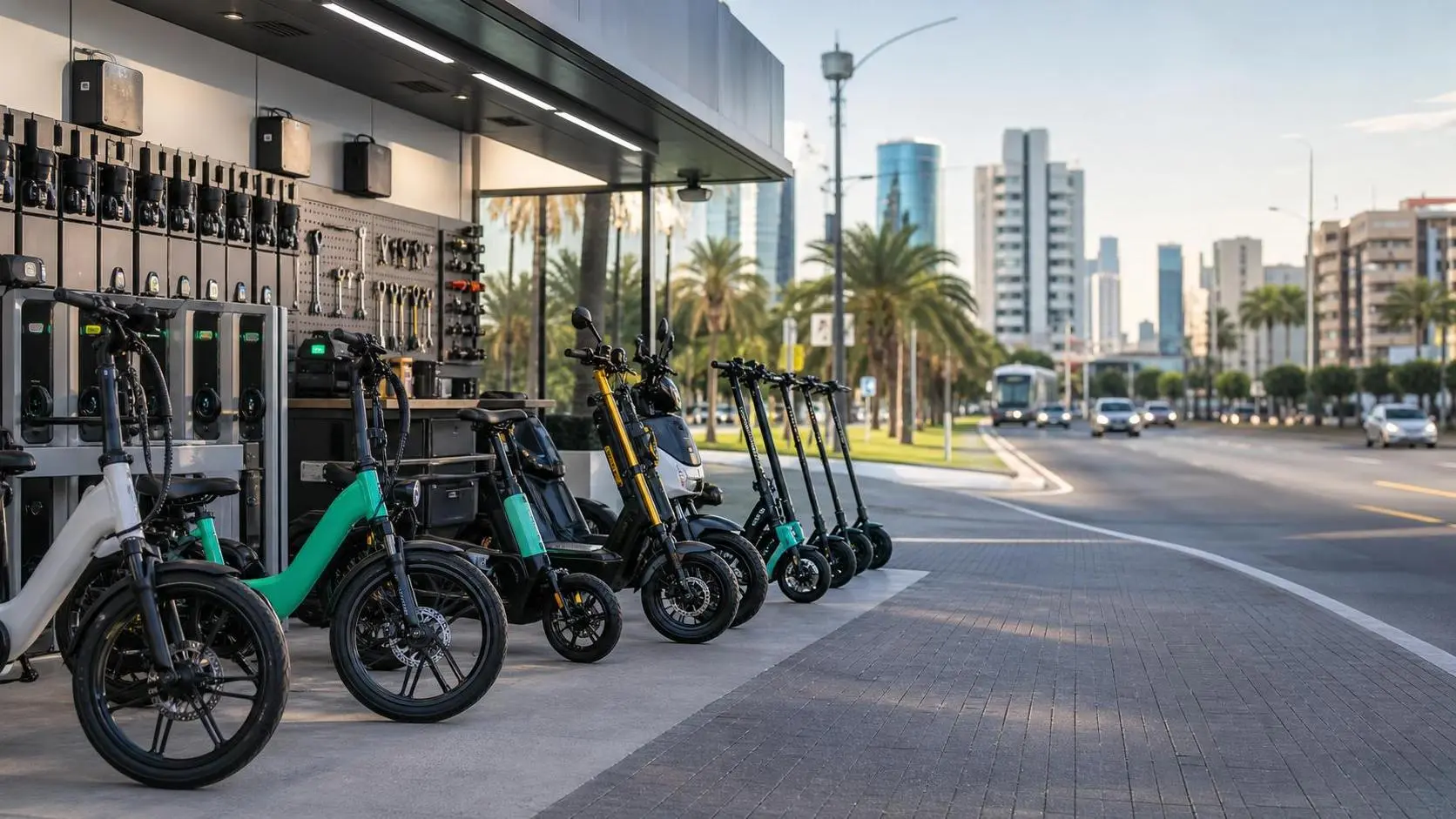
Urban Micro-Mobility Systems in Latin America: Key Market Drivers, Barriers, and Growth Segments
Urban micro-mobility systems Latin America are reshaping city transport. Explore key drivers, barriers, and high-growth segments to spot the region’s most investable opportunities.
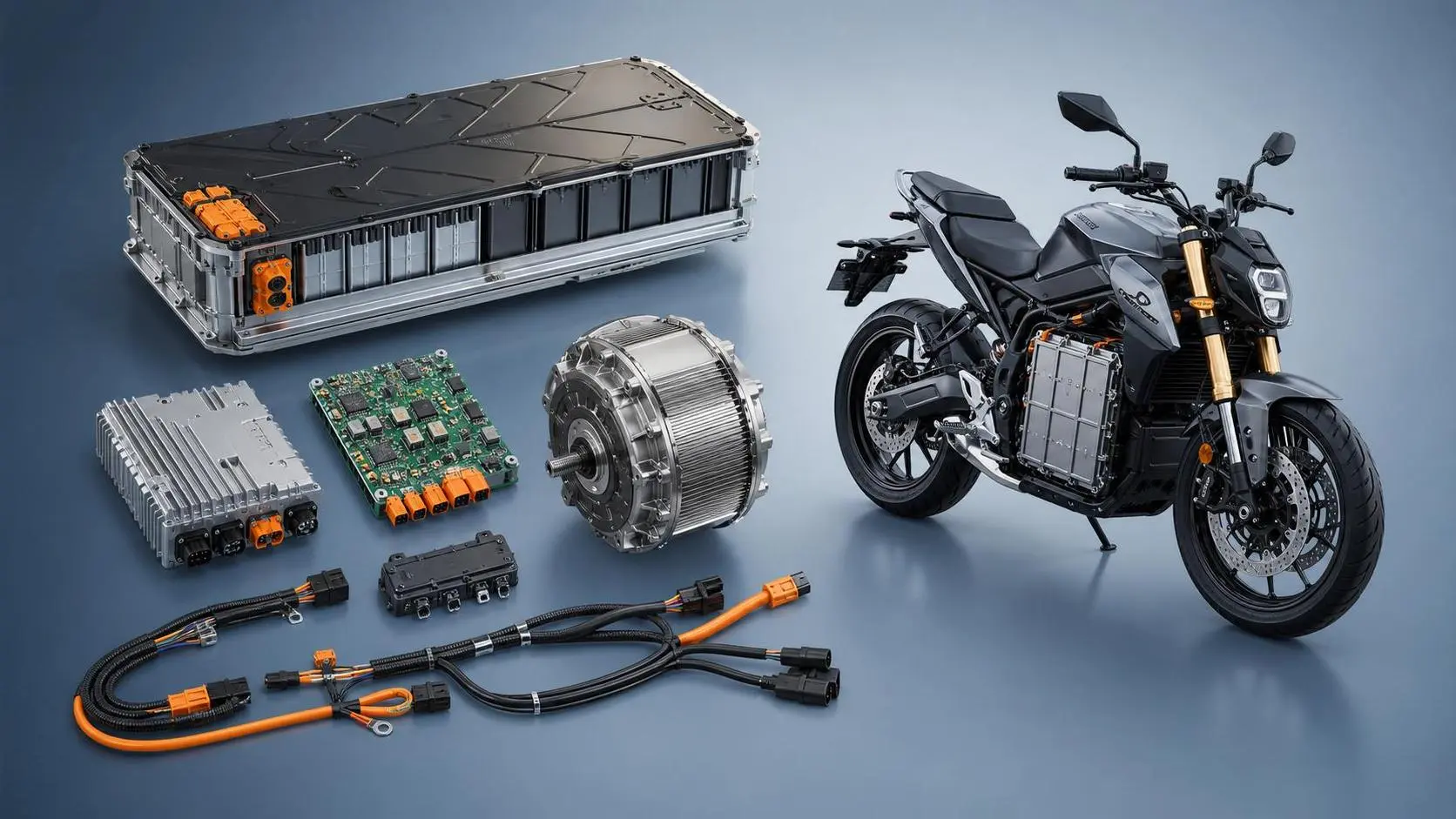
Electric Motorcycle Systems Price Breakdown: What Affects Cost From Battery to Controller?
Electric motorcycle systems price explained: see how battery, controller, motor, BMS, and wiring affect total cost, reliability, and sourcing value before you buy.
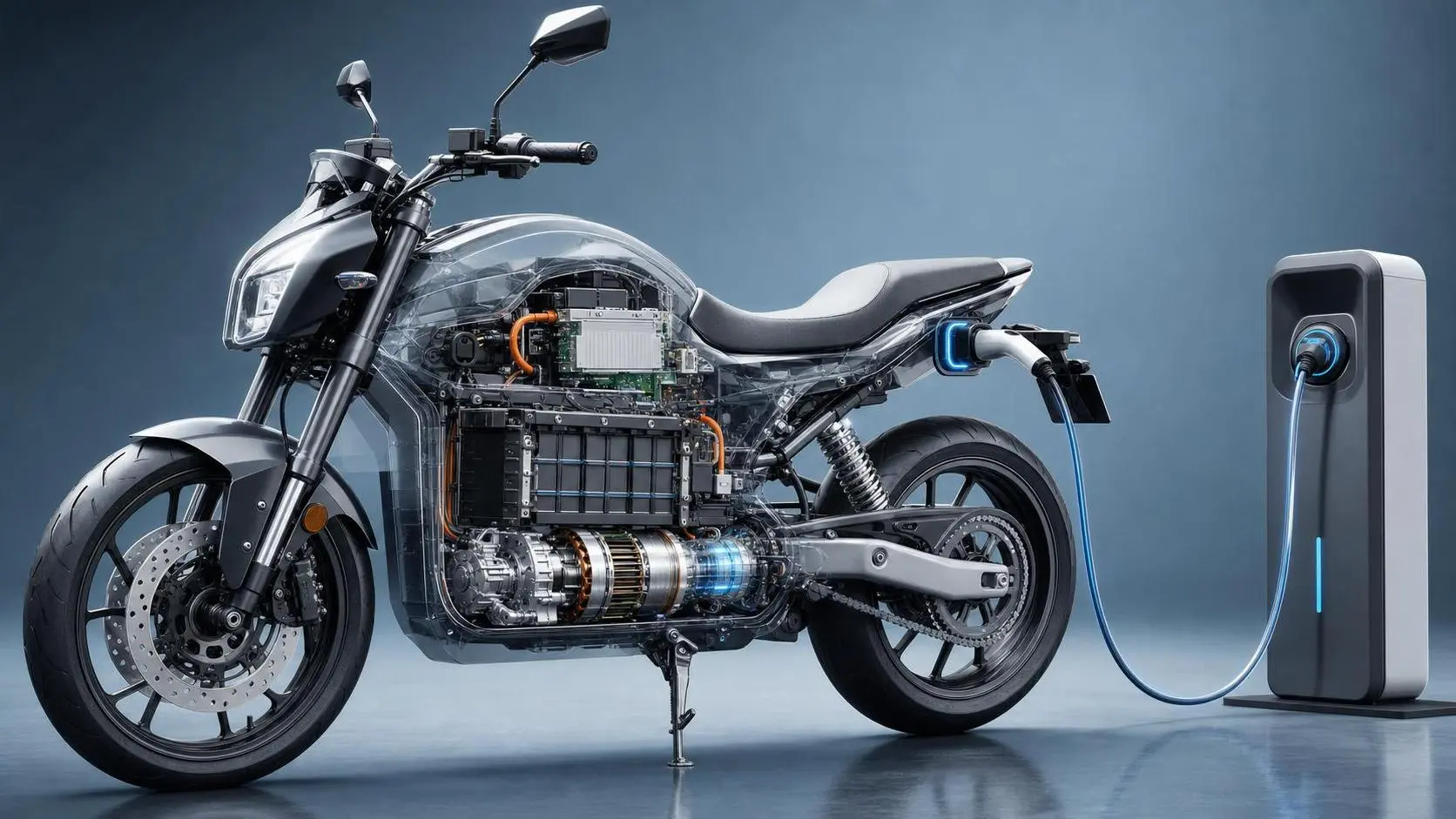
72V Electric Motorcycle Technology Explained: Motors, Controllers, Range, and Charging
Electric motorcycle technology 72V explained clearly: compare motors, controllers, range, battery design, and charging to choose a smoother, stronger, and smarter electric ride.
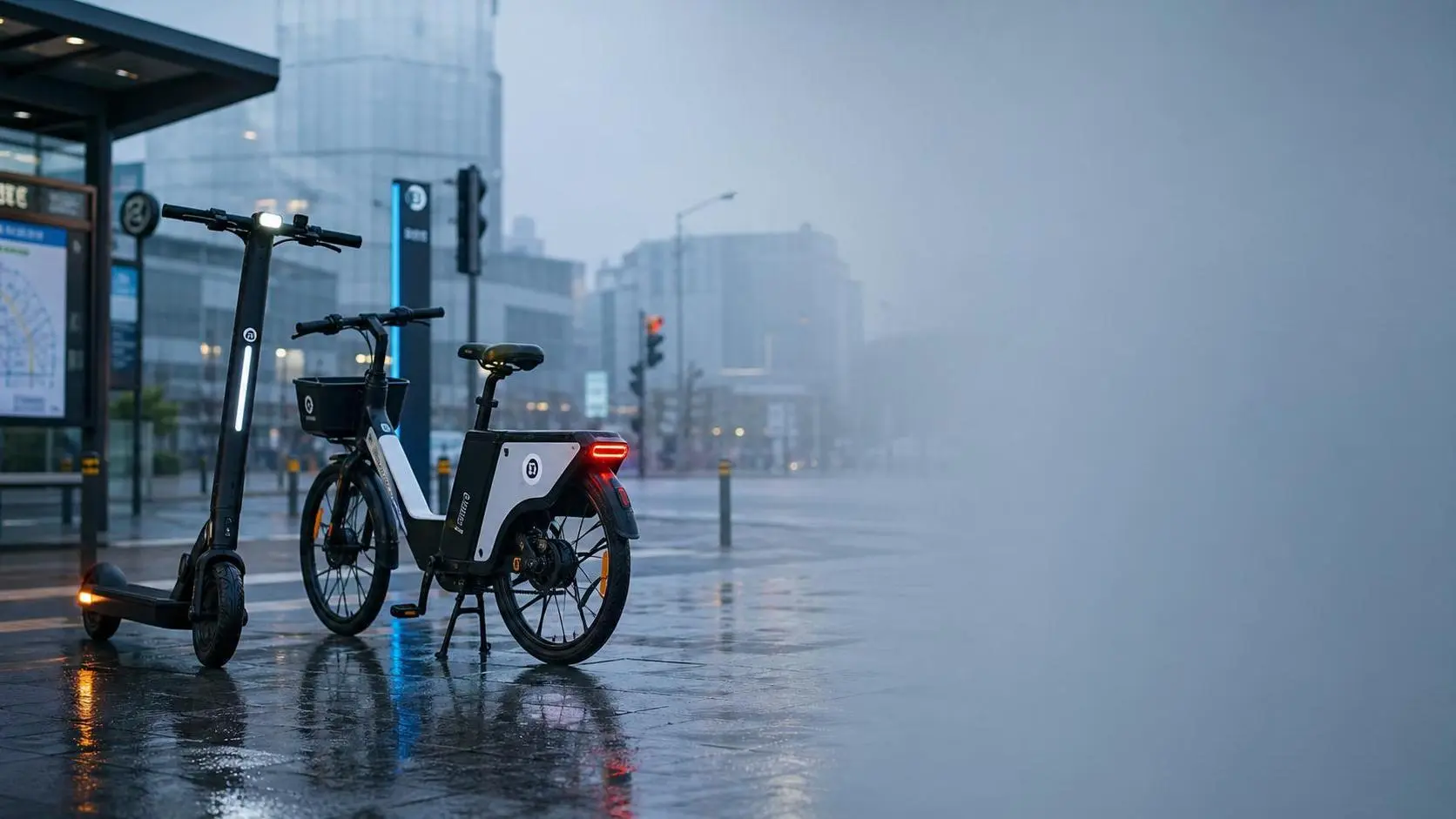
Where LED Urban Visibility Safety Systems Fit Best in Shared Scooters and City E-bikes
LED urban visibility safety systems deliver the most value in shared scooters and city e-bikes by improving multi-angle safety, fleet durability, and urban compliance across real-world routes.
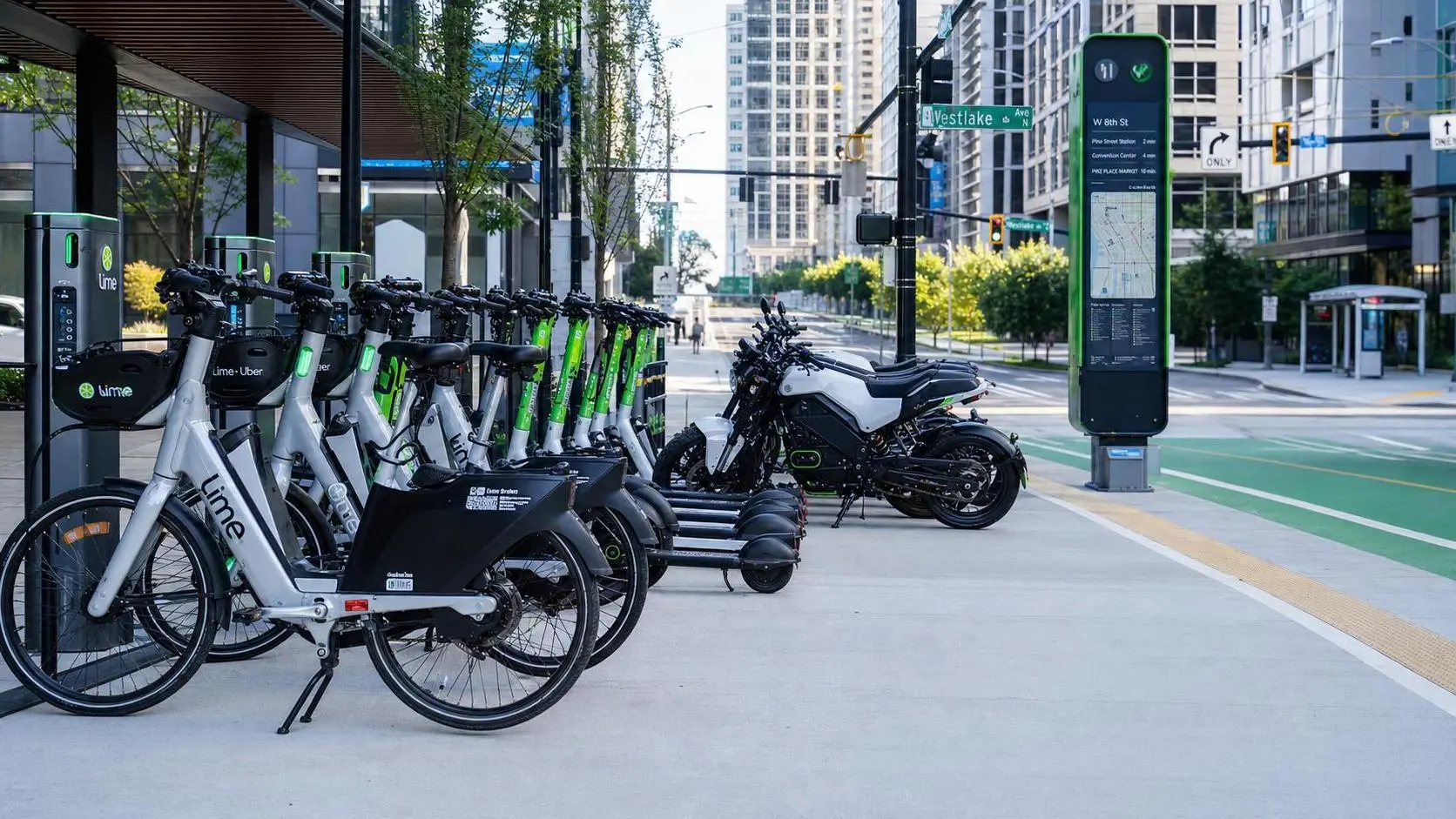
Intellectualization of Mobility in North America: What Is Driving Adoption Across Urban Transport?
Intellectualization of mobility North America is reshaping urban transport through data, smart fleets, and battery intelligence. Explore what is driving adoption and why cities and operators are accelerating now.
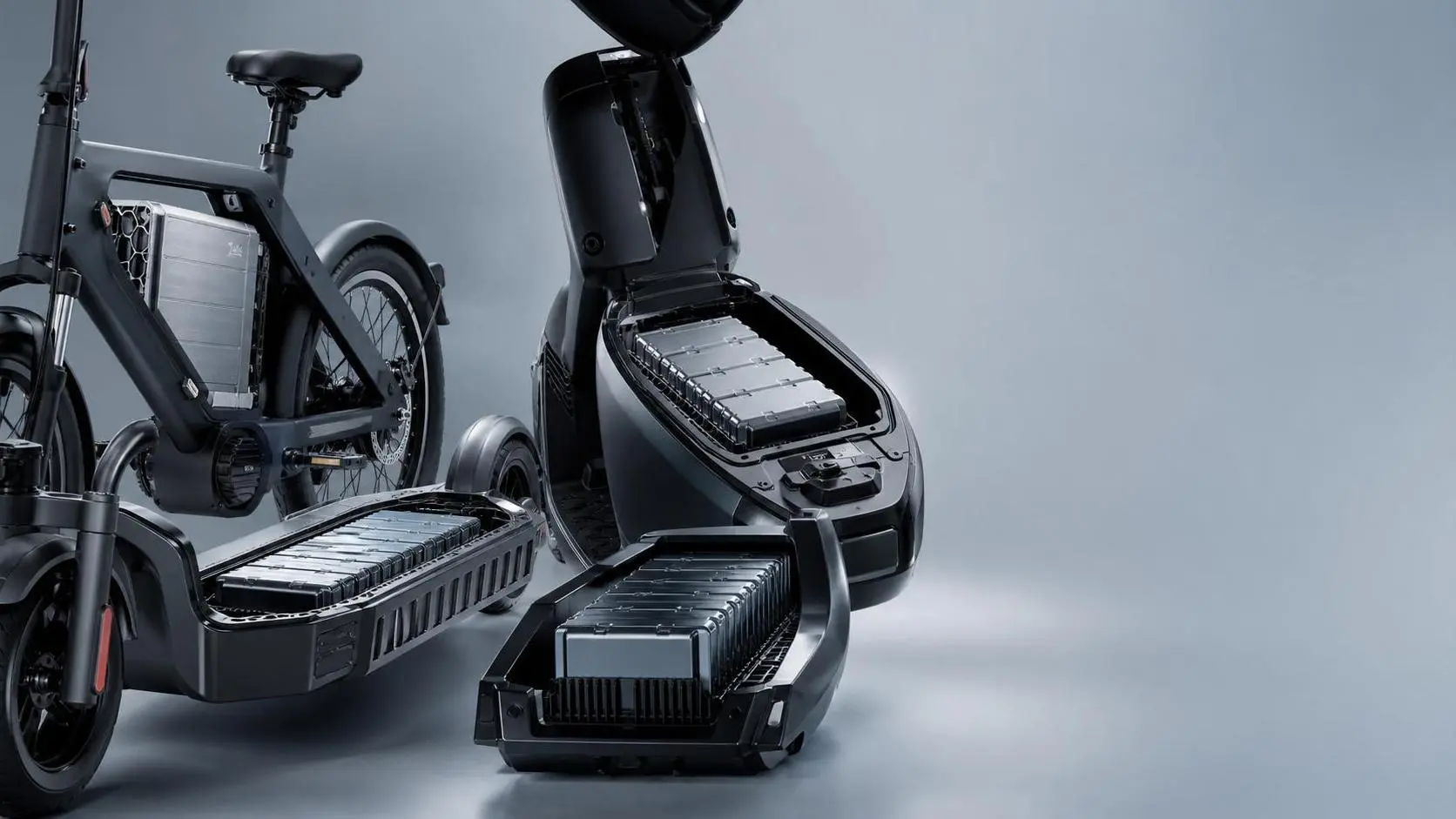
How to Choose a Compact Battery Pack: Size, Energy Density, Thermal Design, and Cycle Life
Compact battery pack selection starts with more than size. Learn how energy density, thermal design, and cycle life shape range, safety, and long-term value.
What Is Driving Green Two-wheelers Demand in Europe? Policy, Fuel Costs, and Buyer Segments
Green two-wheelers demand Europe is rising as policy support, fuel cost pressure, and diverse buyer segments reshape urban mobility. Explore the trends driving the next growth wave.