
Related News
- 00
0000-00
Urban Micro-Mobility Systems in Latin America: Key Market Drivers, Barriers, and Growth Segments - 00
0000-00
Intellectualization of Mobility in North America: What Is Driving Adoption Across Urban Transport? - 00
0000-00
What Is Driving Green Two-wheelers Demand in Europe? Policy, Fuel Costs, and Buyer Segments - 00
0000-00
Urban Micro-Mobility in North America: Policy, Charging Access, and Fleet Growth Drivers - 00
0000-00
Carbon Neutrality for Fleets: How to Measure Emissions and Prioritize Upgrades
Prof. Marcus Chen
Weekly Insights
Stay ahead with our curated technology reports delivered every Monday.
Smart Urban Mobility: Key Technologies Cities Use to Cut Congestion





Smart Urban Mobility: Key Technologies Cities Use to Cut Congestion
As congestion, emissions targets, and last-mile demand reshape city transport, smart urban mobility has become a strategic priority for forward-looking urban systems.
From e-bikes and smart e-scooters to connected traffic systems, cities now use technology to move people faster with lower road pressure.
For mobility operators, OEMs, component suppliers, and policy ecosystems, understanding smart urban mobility is essential for low-carbon transport growth.
Why Smart Urban Mobility Needs a Checklist Approach
Urban mobility projects often fail when technology is selected before the transport problem is clearly defined.
A checklist helps cities compare congestion relief, energy efficiency, safety, cost, and operational resilience before scaling any solution.
Smart urban mobility is not a single product. It is a connected system of vehicles, infrastructure, software, regulations, and user behavior.
Clear evaluation prevents fragmented pilots and helps turn micro-mobility, electrification, and data platforms into measurable traffic improvements.
Core Smart Urban Mobility Technology Checklist
Use the following checklist to assess whether a solution can reduce congestion while supporting safe, scalable, low-carbon urban travel.
- Map congestion hotspots with traffic sensors, GPS traces, curbside data, and trip demand patterns before selecting smart urban mobility technologies.
- Prioritize e-bikes and smart e-scooters for short trips that overload buses, parking zones, and dense arterial corridors.
- Connect shared fleets through IoT modules, geofencing, battery diagnostics, and remote locking to improve availability and reduce street clutter.
- Deploy adaptive traffic signals that respond to real-time vehicle flow, pedestrian crossings, bicycle lanes, and emergency routes.
- Integrate battery management systems that monitor thermal behavior, charge cycles, cell balance, and remaining useful life across electric fleets.
- Design protected micro-mobility lanes with clear markings, weather visibility, docking access, and safe conflict points at intersections.
- Use mobility-as-a-service platforms to combine transit, e-bikes, scooters, parking, payment, and route planning in one interface.
- Apply curb management tools to allocate loading, parking, charging, delivery, ride-hailing, and shared vehicle spaces dynamically.
- Evaluate high-speed e-motorcycles where suburban commuting, delivery intensity, and battery-swapping networks can replace fuel motorcycles.
- Track safety data from braking events, crash reports, lane conflicts, speed patterns, and visibility conditions for continuous redesign.
- Specify durable components, including drivetrains, brakes, wiper systems, displays, connectors, and sensors for harsh urban operating cycles.
- Measure emissions impact by comparing mode shift, vehicle utilization, grid carbon intensity, battery lifespan, and maintenance frequency.
Technology Area 1: Connected Micro-Mobility Fleets
Connected e-bikes and smart e-scooters are central to smart urban mobility because they replace many short car trips.
The strongest systems combine lightweight frames, efficient motors, IoT modules, tamper detection, and accurate battery state estimation.
Geofencing controls speed in pedestrian areas and encourages proper parking near transit stations, campuses, offices, and commercial districts.
Fleet data also reveals where bike lanes, docks, charging points, and repair depots should be placed for maximum congestion reduction.
Execution Notes
- Set service zones according to trip density, transit gaps, parking pressure, and safe road geometry.
- Require real-time fleet monitoring for battery status, location accuracy, fault alerts, and user compliance.
- Link pricing incentives to off-peak travel, dock return behavior, and station-based transit connections.
Technology Area 2: Intelligent Traffic Signal Control
Adaptive signals are a high-impact smart urban mobility tool because they reduce delay without adding new road capacity.
Modern systems use cameras, radar, loop detectors, and connected vehicle data to adjust green time by actual demand.
When configured well, they prioritize buses, emergency vehicles, bicycles, and pedestrian safety while smoothing peak-hour vehicle flows.
However, signal intelligence must not simply speed cars through corridors. It should support balanced, multimodal traffic management.
Execution Notes
- Audit intersection delay by mode, not only by private vehicle throughput.
- Use detection redundancy to maintain performance during rain, glare, fog, and sensor obstruction.
- Coordinate signals with protected bike crossings and scooter-heavy corridors to reduce turning conflicts.
Technology Area 3: Battery Intelligence and Charging Networks
Smart urban mobility depends on dependable battery systems, especially for shared e-bikes, e-scooters, and high-speed e-motorcycles.
Battery management systems protect cells from overcharge, deep discharge, excessive heat, imbalance, and unsafe charging conditions.
For dense cities, swappable batteries can reduce vehicle downtime and avoid scattered charging behavior that strains operations.
Charging infrastructure should be placed near depots, transit hubs, delivery clusters, and areas with frequent short-distance trips.
Execution Notes
- Track charge cycles, thermal history, degradation curves, and fault codes across every battery pack.
- Standardize connectors, safety labeling, fire protection, and maintenance procedures for charging sites.
- Use predictive analytics to remove weak batteries before failures disrupt service availability.
Technology Area 4: Data Platforms and Mobility-as-a-Service
Data platforms connect isolated services into a smart urban mobility ecosystem that users can navigate with less friction.
A strong platform integrates route planning, payment, vehicle availability, transit schedules, parking information, and service alerts.
The value is not only convenience. Better information shifts demand away from congested routes and poorly timed car trips.
Open APIs also help transport agencies, operators, and technology providers align planning decisions around shared performance indicators.
Execution Notes
- Define common data standards for trip records, asset status, service zones, and availability feeds.
- Protect privacy through aggregation, anonymization, access controls, and clear data retention policies.
- Display total trip time, walking distance, transfer effort, cost, and carbon impact together.
Technology Area 5: Precision Components for Reliable Urban Travel
Component reliability directly affects smart urban mobility because small failures can create downtime, safety incidents, and user distrust.
E-bike drivetrains require efficient power transfer, durable chains or belts, stable torque sensors, and weather-resistant connectors.
Electronic derailleurs add precise shifting, low maintenance, and fast response, especially for premium commuting and performance bicycles.
Visibility systems also matter. Smart wiper sensors, aerodynamic blades, and brushless motors support safety in compact electric vehicles.
Execution Notes
- Specify parts according to vibration, moisture, temperature swing, theft risk, and maintenance interval.
- Test drivetrain efficiency under stop-start riding, hill climbs, payload changes, and low-speed traffic.
- Validate sensor performance in rain, dust, night glare, electromagnetic interference, and dense wireless environments.
Scenario Guidance for Different Urban Applications
Dense City Centers
Dense centers need smart urban mobility that reduces curb conflict and replaces short car trips with compact electric options.
Prioritize protected lanes, scooter parking zones, adaptive signals, and clear delivery access windows to prevent operational disorder.
Transit-Oriented Districts
Around rail and bus hubs, smart urban mobility should solve first-mile and last-mile gaps without blocking pedestrian flows.
Place docks, charging cabinets, and shared fleet parking near exits, but keep main walkways open and accessible.
Suburban Corridors
Suburban corridors require longer-range vehicles, safe crossings, battery-swapping options, and connections to commuter rail or express bus routes.
High-speed e-motorcycles can support faster trips where roads are suitable, regulations are clear, and charging networks are mature.
Logistics and Service Fleets
Urban logistics benefits from smart urban mobility when cargo e-bikes and electric two-wheelers replace vans on short delivery routes.
Fleet routing, payload limits, swappable batteries, and dedicated loading zones are essential for reliable commercial deployment.
Commonly Overlooked Risks
Ignoring Street-Level Maintenance
Smart urban mobility fails when lanes are blocked, pavement is poor, charging points break, or vehicles remain unrepaired for days.
Underestimating Weather and Visibility
Rain, snow, dust, fog, and glare affect sensors, brakes, tires, displays, wipers, and rider behavior more than pilot data suggests.
Treating Data as Automatically Useful
Large mobility datasets require validation, context, privacy controls, and operational interpretation before they guide investment decisions.
Scaling Without Regulation Alignment
Right-of-way rules, speed limits, parking standards, insurance, and battery safety codes must mature with smart urban mobility deployment.
Practical Execution Recommendations
- Start with a corridor audit covering congestion, crash history, trip length, curb pressure, and transit gaps.
- Select technologies that match trip types instead of copying another city’s smart urban mobility model.
- Run pilots with measurable targets, including delay reduction, mode shift, safety performance, and vehicle utilization.
- Integrate component quality standards before scaling fleets, especially for batteries, brakes, drivetrains, and electronics.
- Review data monthly and adjust parking zones, charging placement, signal timing, and fleet distribution.
UMMS views smart urban mobility through the combined lens of micro-mobility intelligence, drivetrain engineering, and electric powertrain analysis.
This perspective is useful because congestion relief depends on both policy design and component-level technical credibility.
Conclusion and Next Action
Smart urban mobility cuts congestion when cities combine connected vehicles, intelligent infrastructure, battery systems, reliable components, and actionable data.
The next step is to build a local checklist, score each corridor, and match technology choices to measurable mobility outcomes.
When e-bikes, smart e-scooters, high-speed e-motorcycles, traffic systems, and energy networks work together, streets become more efficient.
That is the practical path toward low-carbon, connected, and resilient smart urban mobility for the next generation of cities.
Related News
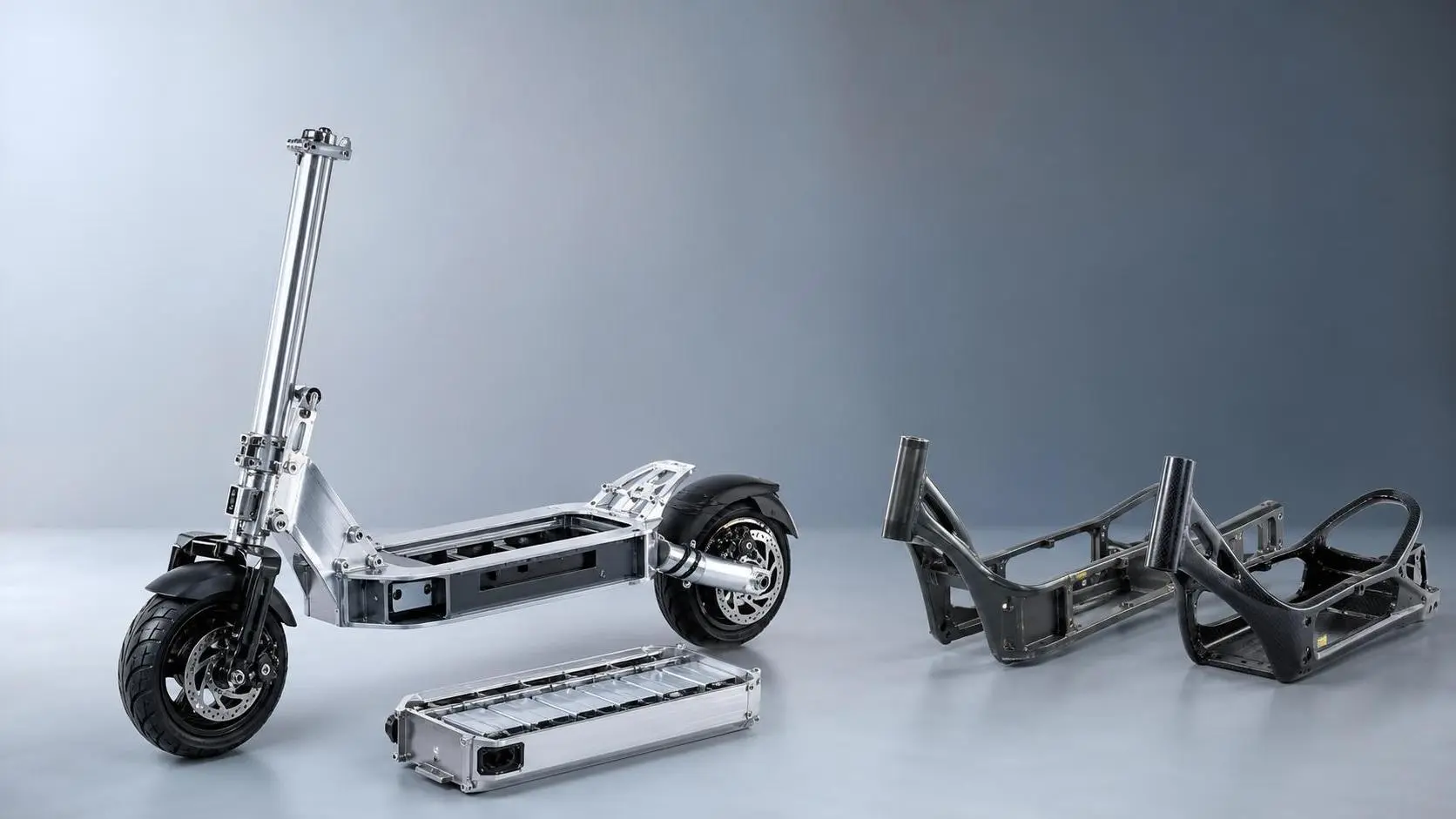
How to Choose Lightweight Scooter Frames in Europe: Materials, Standards, and Use Cases
Lightweight scooter frames Europe buyers need should balance materials, EN standards, durability, and real use cases. Discover how to choose safer, smarter, compliant frames.
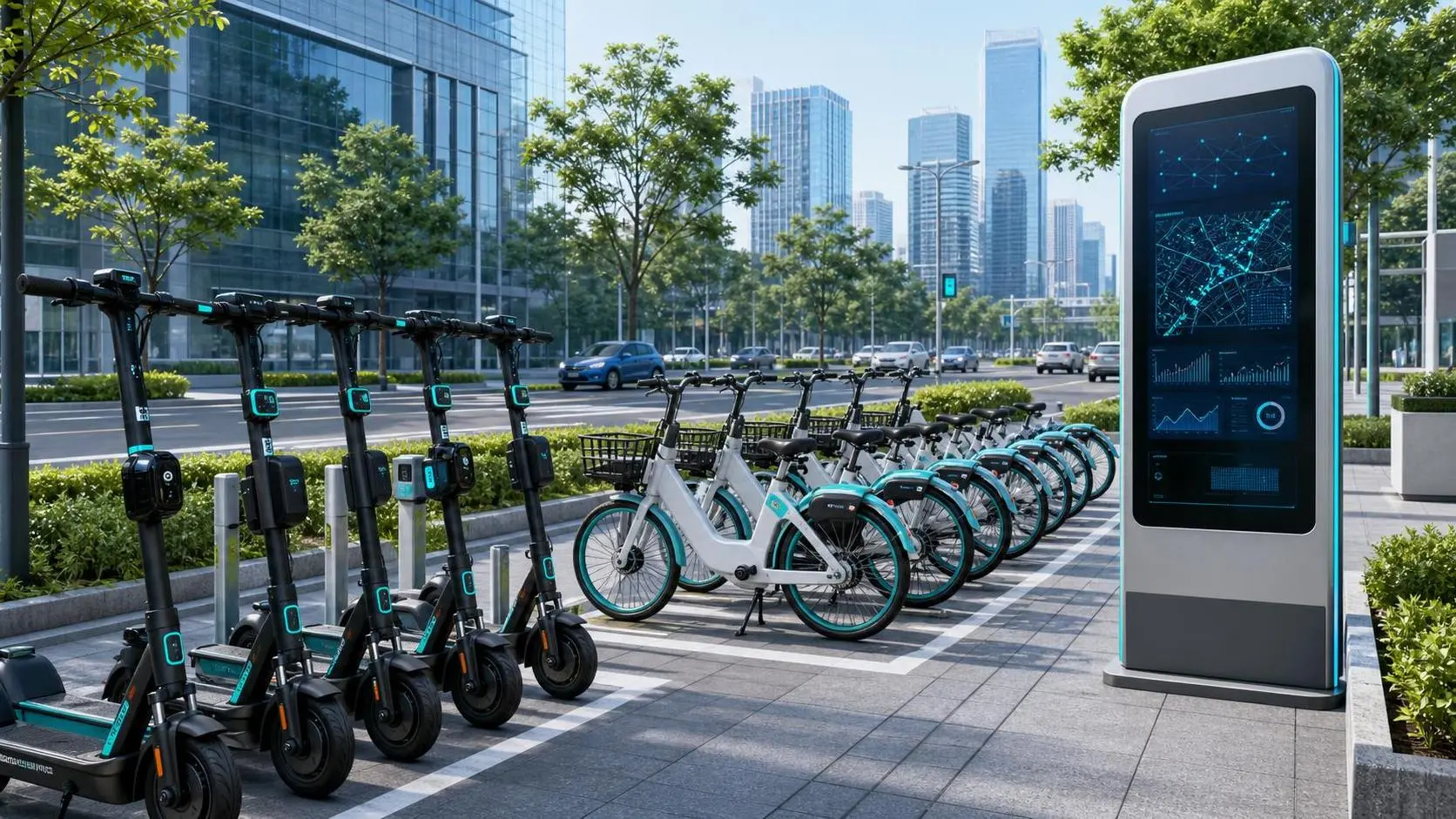
What Is the Intellectualization of Mobility Platform and How Is It Applied in Shared Fleets?
Intellectualization of mobility platform is reshaping shared fleets with real-time data, predictive maintenance, and smarter compliance—learn how it boosts safety, uptime, and urban mobility efficiency.
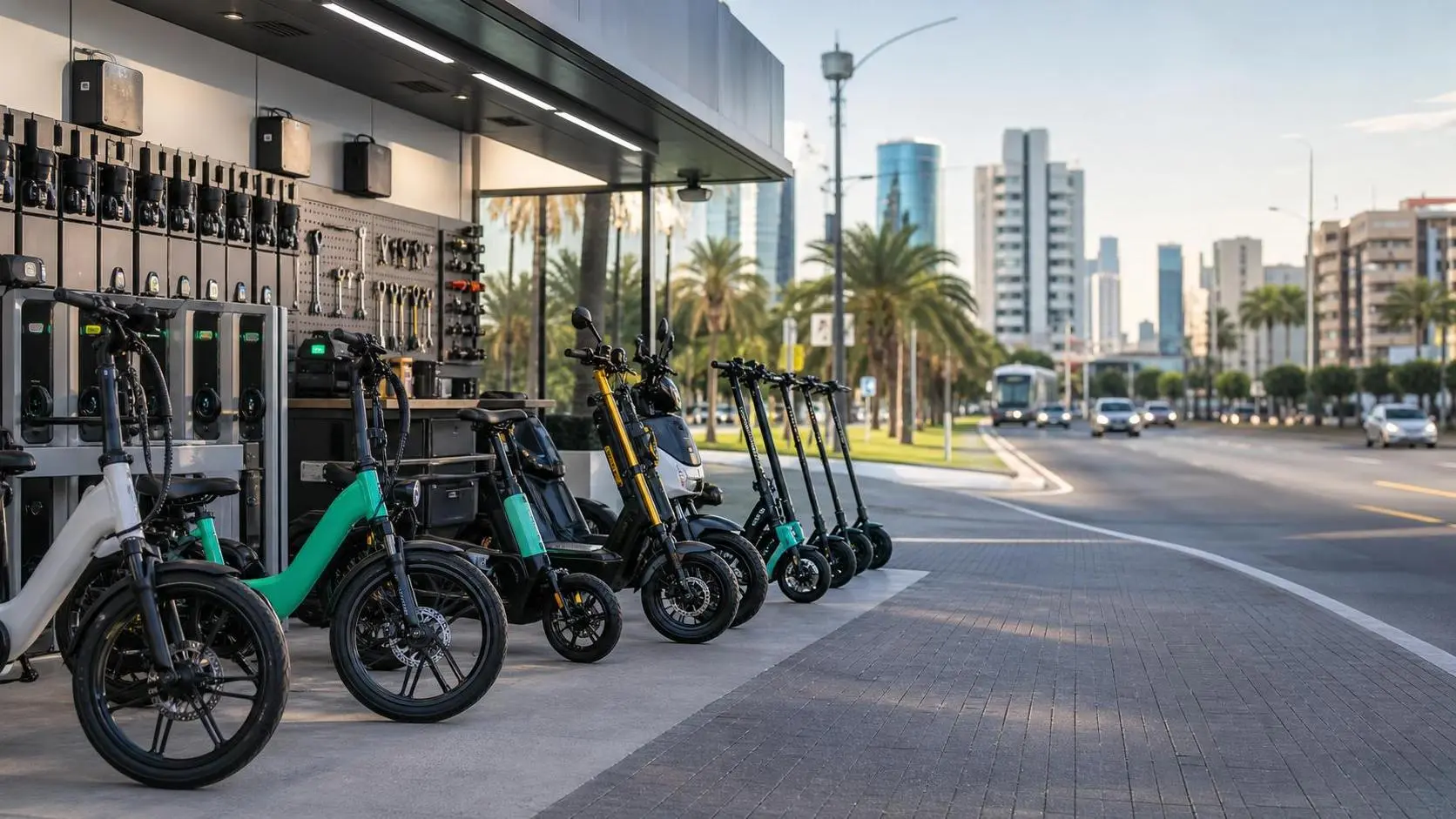
Urban Micro-Mobility Systems in Latin America: Key Market Drivers, Barriers, and Growth Segments
Urban micro-mobility systems Latin America are reshaping city transport. Explore key drivers, barriers, and high-growth segments to spot the region’s most investable opportunities.
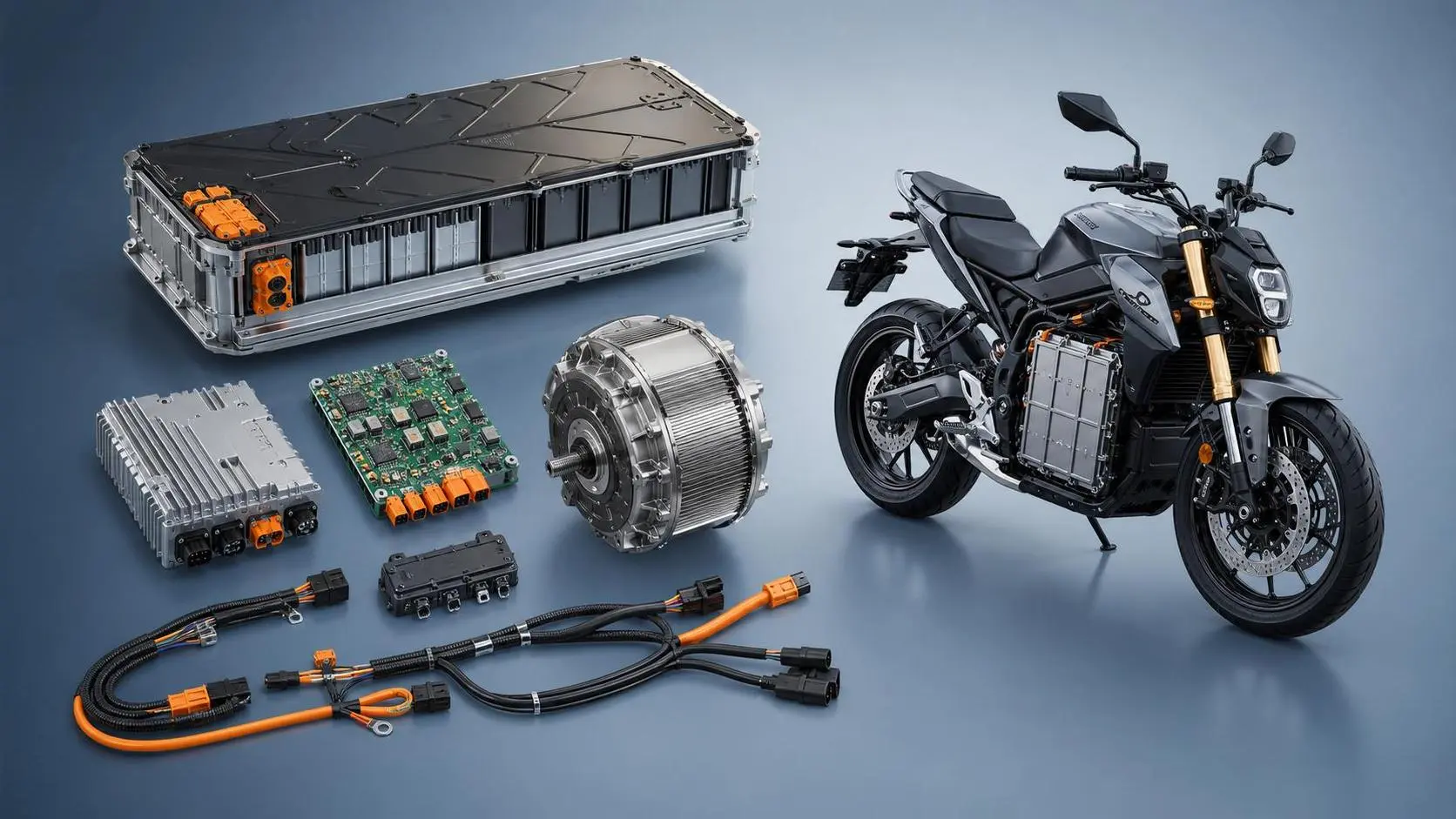
Electric Motorcycle Systems Price Breakdown: What Affects Cost From Battery to Controller?
Electric motorcycle systems price explained: see how battery, controller, motor, BMS, and wiring affect total cost, reliability, and sourcing value before you buy.
72V Electric Motorcycle Technology Explained: Motors, Controllers, Range, and Charging
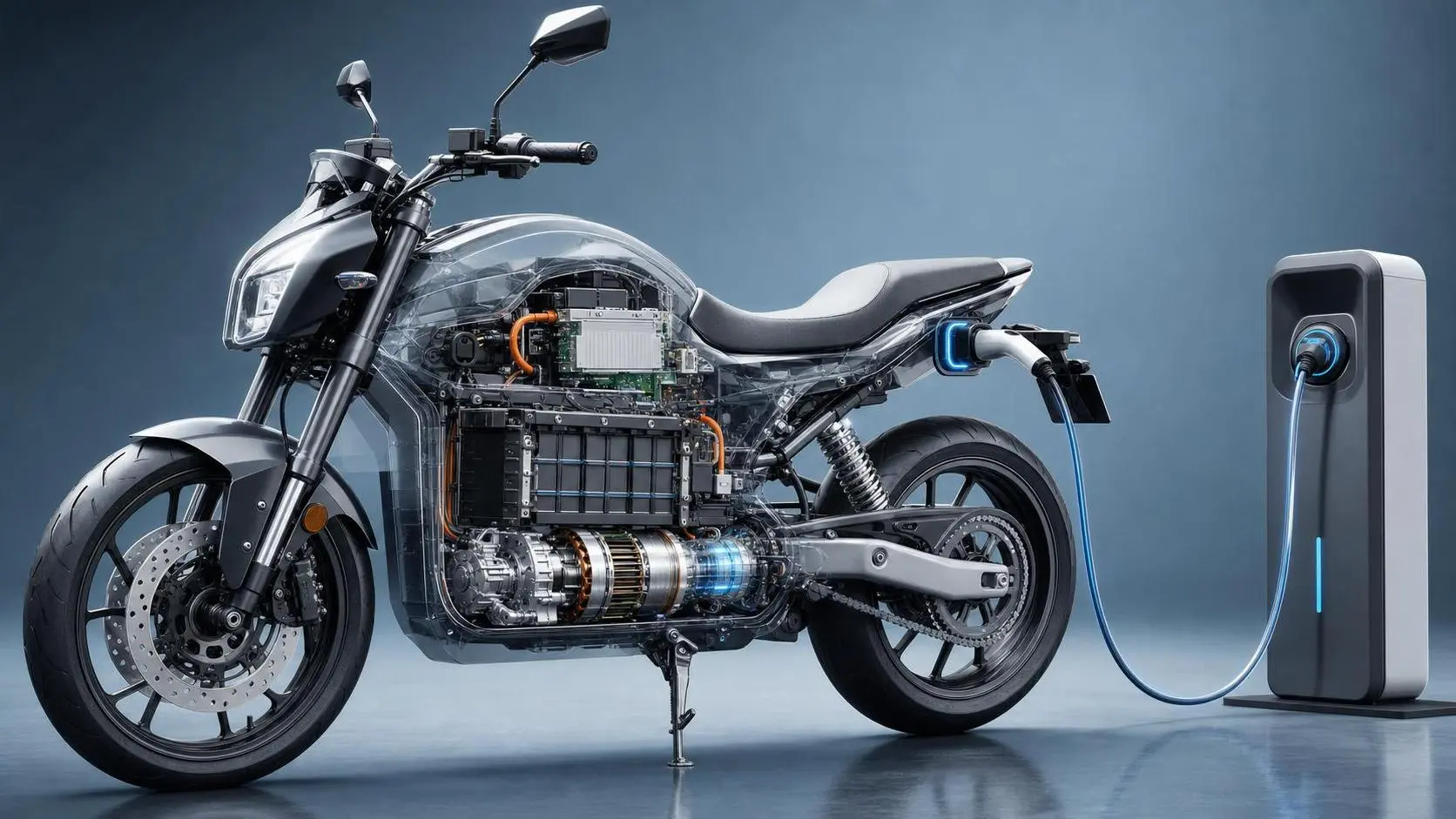
Electric motorcycle technology 72V explained clearly: compare motors, controllers, range, battery design, and charging to choose a smoother, stronger, and smarter electric ride.

Where LED Urban Visibility Safety Systems Fit Best in Shared Scooters and City E-bikes
LED urban visibility safety systems deliver the most value in shared scooters and city e-bikes by improving multi-angle safety, fleet durability, and urban compliance across real-world routes.
Intellectualization of Mobility in North America: What Is Driving Adoption Across Urban Transport?
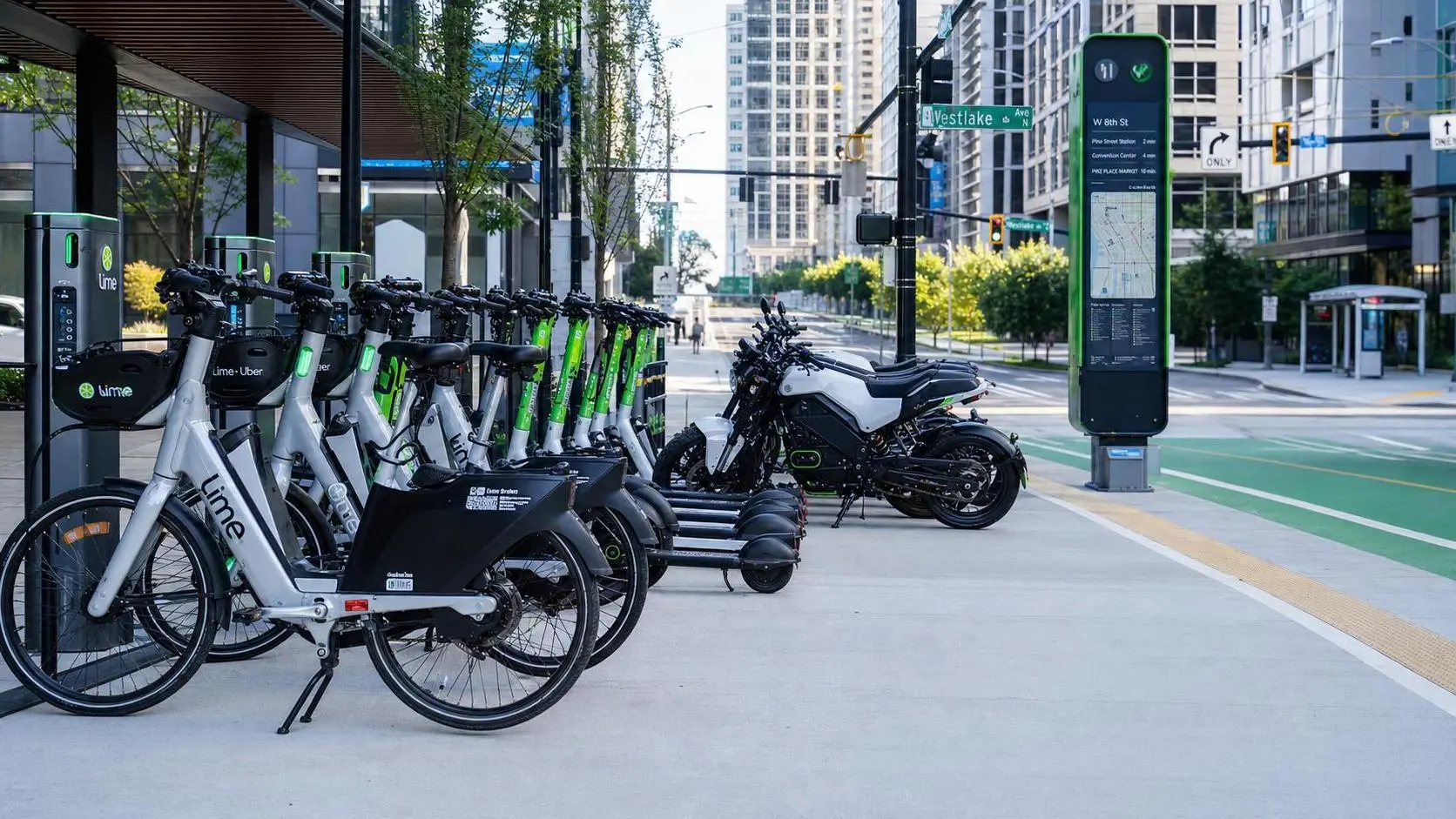
Intellectualization of mobility North America is reshaping urban transport through data, smart fleets, and battery intelligence. Explore what is driving adoption and why cities and operators are accelerating now.

How to Choose a Compact Battery Pack: Size, Energy Density, Thermal Design, and Cycle Life
Compact battery pack selection starts with more than size. Learn how energy density, thermal design, and cycle life shape range, safety, and long-term value.
What Is Driving Green Two-wheelers Demand in Europe? Policy, Fuel Costs, and Buyer Segments
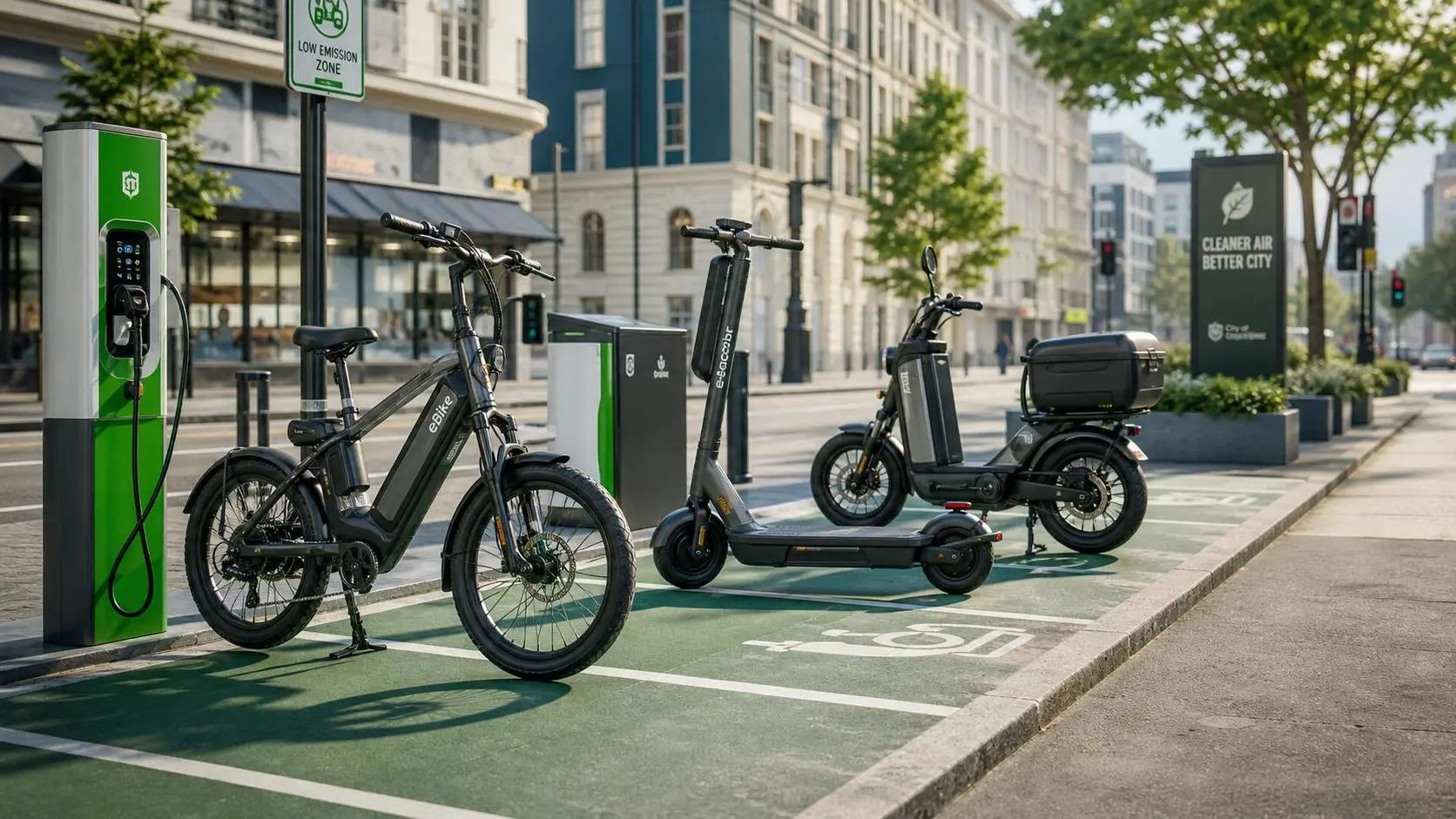
Green two-wheelers demand Europe is rising as policy support, fuel cost pressure, and diverse buyer segments reshape urban mobility. Explore the trends driving the next growth wave.