
Related News
- 00
0000-00
Urban Micro-Mobility Systems in Latin America: Key Market Drivers, Barriers, and Growth Segments - 00
0000-00
Intellectualization of Mobility in North America: What Is Driving Adoption Across Urban Transport? - 00
0000-00
What Is Driving Green Two-wheelers Demand in Europe? Policy, Fuel Costs, and Buyer Segments - 00
0000-00
Urban Micro-Mobility in North America: Policy, Charging Access, and Fleet Growth Drivers - 00
0000-00
Carbon Neutrality for Fleets: How to Measure Emissions and Prioritize Upgrades
Prof. Marcus Chen
Weekly Insights
Stay ahead with our curated technology reports delivered every Monday.
Micro-Mobility Trends Shaping Shared Fleets: Battery Swapping, Data, and Rider Demand





Micro-mobility trends are rapidly redefining shared fleets as operators balance battery swapping efficiency, real-time data intelligence, and shifting rider demand.
For urban mobility systems, the key question is no longer whether fleets will electrify, but which operating model can scale with fewer failures.
This matters across the broader mobility ecosystem tracked by UMMS, where e-bikes, smart e-scooters, and high-speed electric two-wheelers increasingly share infrastructure, software, and rider expectations.
The strongest micro-mobility trends now emerge at the intersection of battery logistics, fleet data, and localized rider behavior.
Understanding those interactions helps improve utilization, reduce idle assets, and guide smarter deployment in complex city environments.
Why scenario-based planning matters for shared fleet growth
Not every city block, commute corridor, or rental zone behaves the same way.
Some locations reward dense battery swapping operations, while others depend more on predictive charging and dynamic redistribution.
One of the most important micro-mobility trends is the shift from broad expansion to precision operations.
Shared fleets now compete on uptime, trip completion, safety, and route relevance, not simply vehicle count.
That is why scenario analysis matters.
A downtown commuter hub, a university district, and a mixed suburban zone all generate different demand curves and battery stress patterns.
Data from connected vehicles can reveal these differences, but only if fleet strategy turns signals into operating rules.
Scenario 1: Dense urban cores where battery swapping becomes a utilization engine
In central business districts, vehicles often complete many short trips with little idle time between rentals.
Here, battery swapping can outperform plug-in charging because it cuts downtime and keeps high-demand vehicles circulating.
This is among the most practical micro-mobility trends shaping shared fleets today.
The best swapping models use standardized packs, trained field teams, and route planning software that prioritizes vehicles near demand spikes.
Without those conditions, swapping can become expensive and operationally messy.
Core judgment points for city-center deployment
- Trip turnover is high enough to justify rapid energy replenishment.
- Street access allows efficient service routes.
- Vehicle designs support safe, repeatable battery replacement.
- Demand concentration reduces labor waste per swap cycle.
In these zones, battery swapping aligns with rider demand for immediate availability.
It also supports premium service levels, especially during morning and evening peaks.
Scenario 2: Campus and lifestyle districts where rider demand changes by hour
University areas, tourism corridors, and leisure districts show more variable rider behavior.
Demand may spike before classes, after events, or during weekends, then fall sharply.
Among current micro-mobility trends, flexible fleet sizing is becoming more important than static placement.
In these environments, data intelligence often creates more value than a full battery swapping buildout.
Fleet software can predict surge windows, identify underused zones, and trigger timely rebalancing before service quality declines.
What data signals matter most here
- Hourly trip density by zone
- Average ride length and battery draw
- Event-linked demand anomalies
- Parking compliance and return clustering
- Repeat user behavior by weekday and season
These patterns help fleets decide when swapping is necessary and when repositioning or smart charging is enough.
That distinction can protect margins in areas with inconsistent volume.
Scenario 3: Mixed suburban networks where economics depend on data-led route design
Suburban and peri-urban networks usually involve longer rides, lower station density, and wider service areas.
Battery swapping may still work, but only when service routes are optimized and demand clusters are predictable.
This reflects a broader shift in micro-mobility trends toward selective infrastructure investment.
Operators increasingly avoid copying dense-city models into spread-out districts without proof of unit economics.
Instead, they combine telematics, battery health analytics, and rider demand mapping to determine where each vehicle type performs best.
Key operating questions in lower-density areas
- Are ride distances draining batteries faster than expected?
- Can field operations reach vehicles without excessive labor time?
- Do riders value range more than instant vehicle availability?
- Would larger batteries reduce service cost more effectively than swapping?
In many suburban cases, the answer is not more infrastructure, but better operational segmentation.
How demand differences change fleet decisions
The table below shows how major micro-mobility trends affect different operating scenarios.
The lesson is clear.
Micro-mobility trends should not be applied uniformly across every service zone.
The winning approach is to match technology depth with real operating conditions.
Practical adaptation strategies for battery, data, and rider demand
The most resilient fleets treat battery systems, telematics, and rider demand as one operating loop.
That integrated view is one of the defining micro-mobility trends across advanced markets.
- Standardize battery architecture where multi-model fleets share maintenance resources.
- Use battery health data, not only charge level, to schedule service intervention.
- Separate commuter, leisure, and hybrid demand zones in reporting dashboards.
- Align rider demand forecasts with staffing plans for swaps and redistribution.
- Track weather, events, and policy changes as external demand drivers.
- Test high-range vehicles only where trip profiles support their cost structure.
For intelligence-focused platforms such as UMMS, this convergence is especially relevant.
Battery networks, drivetrain efficiency, smart sensors, and urban regulations increasingly influence one another.
Common misjudgments that weaken shared fleet performance
Several recurring mistakes appear when organizations react to micro-mobility trends without scenario discipline.
- Assuming battery swapping always reduces cost, regardless of fleet density.
- Treating trip volume as the only metric, while ignoring ride timing and energy intensity.
- Expanding into new zones before validating parking behavior and service access.
- Using historical averages without accounting for real-time demand disruption.
- Overlooking component reliability, especially connectors, packs, and telematics hardware.
These errors often create hidden downtime.
They also distort the data used for later decisions, making strategy less accurate over time.
What to do next as micro-mobility trends continue evolving
The next phase of shared fleet success will come from sharper local adaptation, not broader generic expansion.
Start by mapping each operating zone according to ride density, battery turnover, service access, and rider demand stability.
Then compare those findings against current energy workflows and telematics capabilities.
The most important micro-mobility trends are not isolated technologies.
They are connected operating choices that shape fleet uptime, rider satisfaction, and long-term economics.
UMMS continues to monitor these shifts across e-bikes, smart e-scooters, electric motorcycles, and precision components, helping the market connect technical detail with strategic action.
In a fast-moving mobility landscape, better scenario judgment is becoming the real competitive advantage.
Related News

How to Evaluate Core Component Suppliers for Electric Motorcycles Before Sourcing?
Core component suppliers for electric motorcycles can make or break safety, compliance, and delivery. Learn how to assess technical strength, certifications, quality control, and hidden sourcing risks before you buy.

E-Bike Incentives Explained: How Riders Can Find Local Rebates and Tax Credits
E bike incentives explained: learn how to find local rebates, tax credits, and utility offers, avoid common mistakes, and cut the real cost of your next e-bike.

How to Choose Lightweight Scooter Frames in Europe: Materials, Standards, and Use Cases
Lightweight scooter frames Europe buyers need should balance materials, EN standards, durability, and real use cases. Discover how to choose safer, smarter, compliant frames.
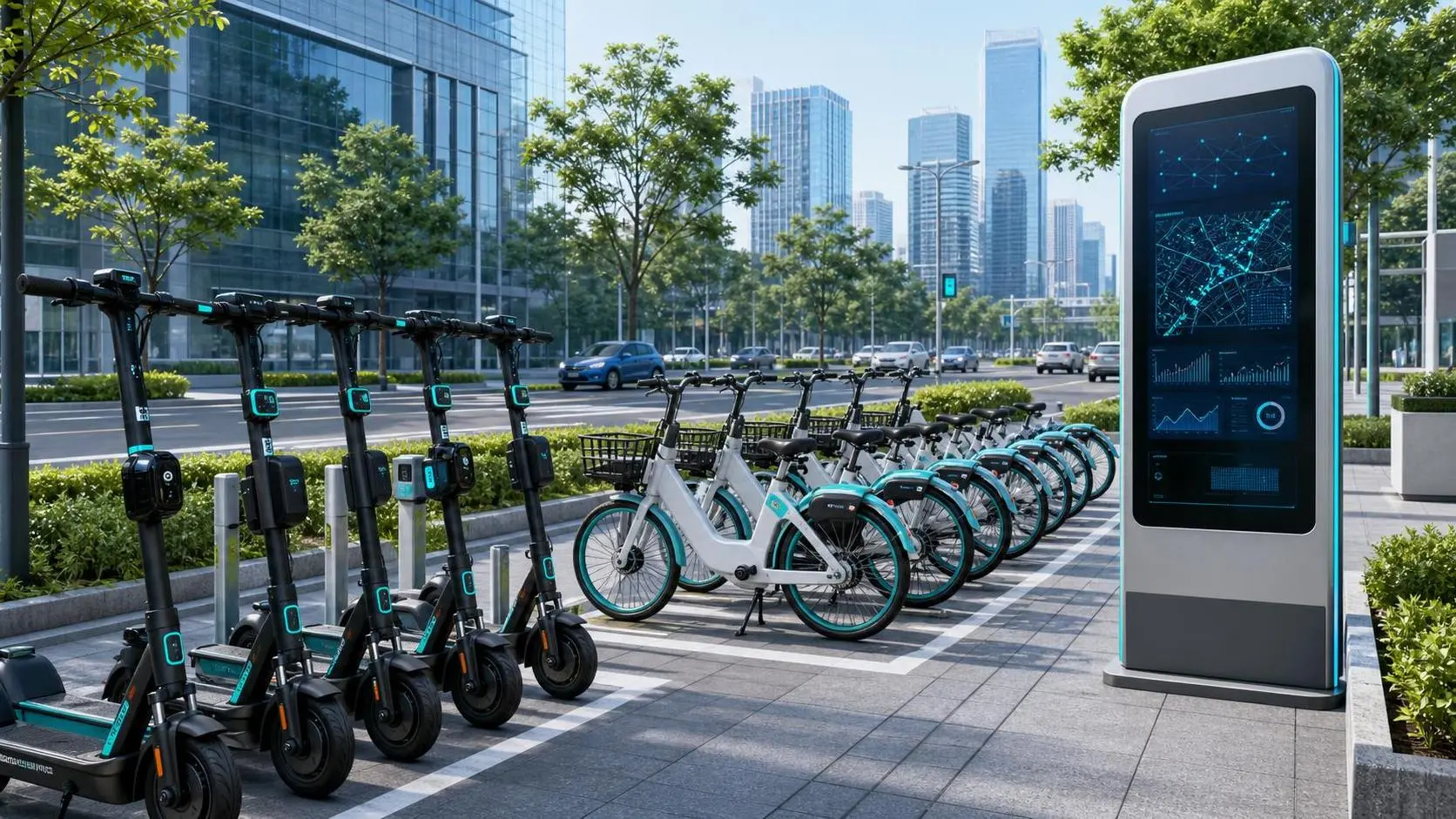
What Is the Intellectualization of Mobility Platform and How Is It Applied in Shared Fleets?
Intellectualization of mobility platform is reshaping shared fleets with real-time data, predictive maintenance, and smarter compliance—learn how it boosts safety, uptime, and urban mobility efficiency.
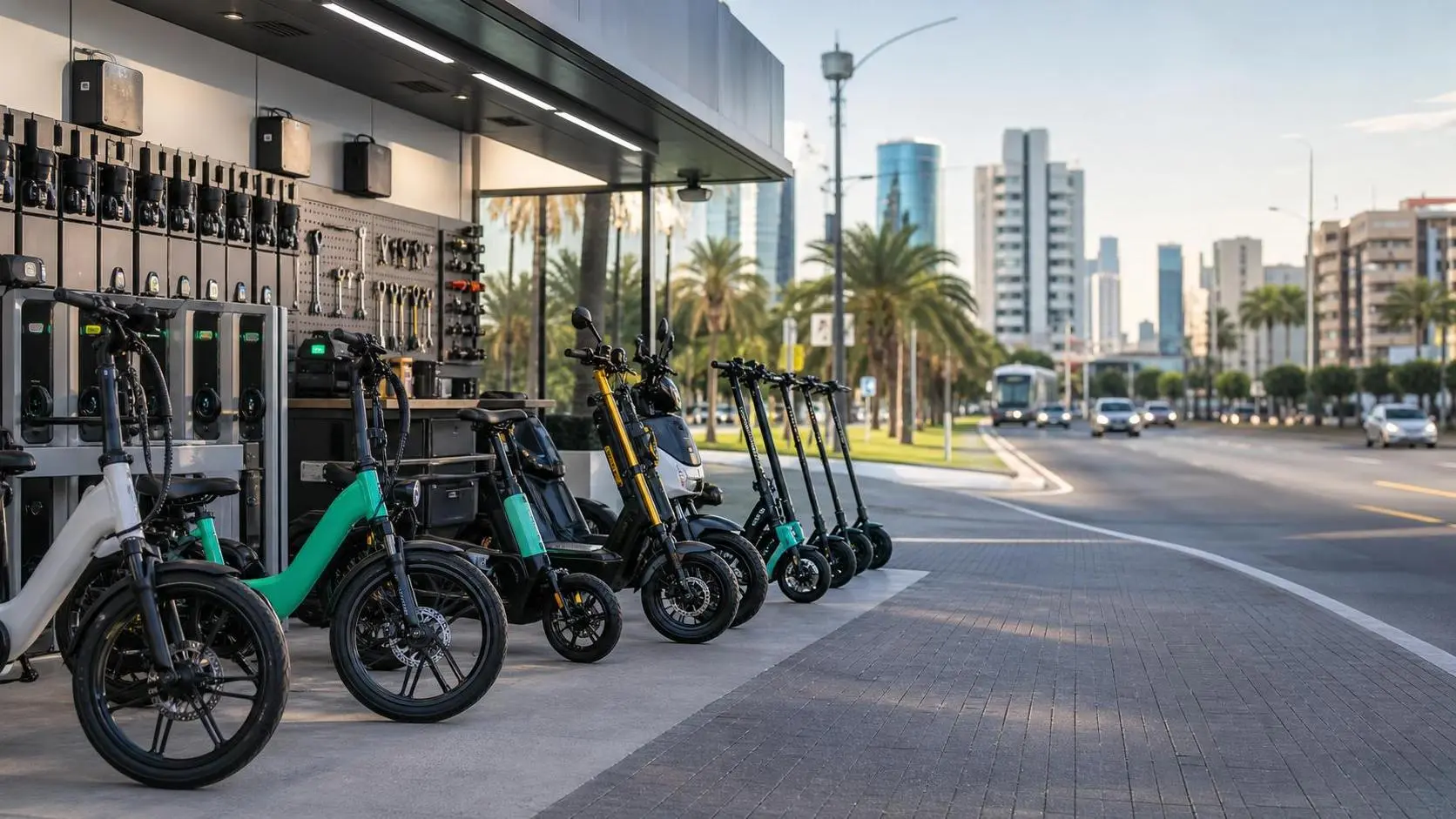
Urban Micro-Mobility Systems in Latin America: Key Market Drivers, Barriers, and Growth Segments
Urban micro-mobility systems Latin America are reshaping city transport. Explore key drivers, barriers, and high-growth segments to spot the region’s most investable opportunities.

Electric Motorcycle Systems Price Breakdown: What Affects Cost From Battery to Controller?
Electric motorcycle systems price explained: see how battery, controller, motor, BMS, and wiring affect total cost, reliability, and sourcing value before you buy.

72V Electric Motorcycle Technology Explained: Motors, Controllers, Range, and Charging
Electric motorcycle technology 72V explained clearly: compare motors, controllers, range, battery design, and charging to choose a smoother, stronger, and smarter electric ride.

Where LED Urban Visibility Safety Systems Fit Best in Shared Scooters and City E-bikes
LED urban visibility safety systems deliver the most value in shared scooters and city e-bikes by improving multi-angle safety, fleet durability, and urban compliance across real-world routes.
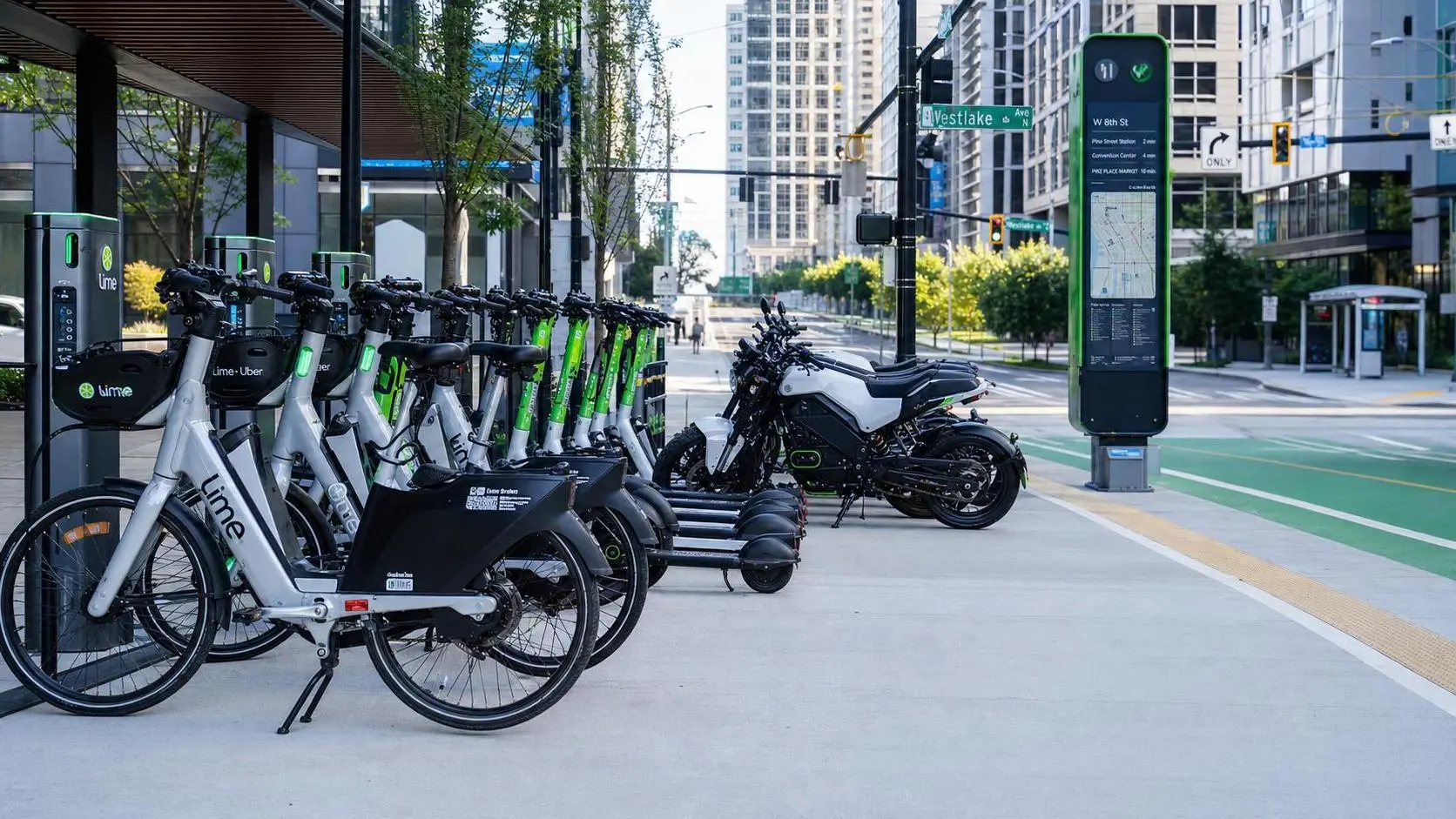
Intellectualization of Mobility in North America: What Is Driving Adoption Across Urban Transport?
Intellectualization of mobility North America is reshaping urban transport through data, smart fleets, and battery intelligence. Explore what is driving adoption and why cities and operators are accelerating now.