
Related News
- 00
0000-00
Urban Micro-Mobility Systems in Latin America: Key Market Drivers, Barriers, and Growth Segments - 00
0000-00
Intellectualization of Mobility in North America: What Is Driving Adoption Across Urban Transport? - 00
0000-00
What Is Driving Green Two-wheelers Demand in Europe? Policy, Fuel Costs, and Buyer Segments - 00
0000-00
Urban Micro-Mobility in North America: Policy, Charging Access, and Fleet Growth Drivers - 00
0000-00
Carbon Neutrality for Fleets: How to Measure Emissions and Prioritize Upgrades
Prof. Marcus Chen
Weekly Insights
Stay ahead with our curated technology reports delivered every Monday.
Is intellectualization of mobility changing urban travel





Is intellectualization of mobility truly changing urban travel? The answer is increasingly yes, especially across dense cities facing congestion, emissions pressure, and limited street space.
The intellectualization of mobility no longer refers only to connected cars. It now shapes e-bikes, smart e-scooters, high-speed e-motorcycles, and precision bicycle systems.
Sensors, software, batteries, and connectivity are turning two-wheel transport into a responsive urban mobility network. That shift matters for safety, energy efficiency, and last-mile reliability.
For UMMS, this transition is central to understanding the Last-Mile Revolution. The intellectualization of mobility is where electromechanical performance meets strategic low-carbon transport planning.
Urban travel is moving from mechanical transport to intelligent circulation
Cities once evaluated transport mainly through speed, cost, and capacity. Today, they increasingly value visibility, connectivity, data feedback, and real-time operating efficiency.
This is why the intellectualization of mobility is gaining relevance. Urban movement is becoming a coordinated system rather than a collection of isolated vehicles.
An e-bike with battery diagnostics, a scooter with geofencing, and an e-motorcycle linked to swap stations all produce actionable transport intelligence.
Even adjacent systems matter. Smart wiper sensing improves visibility safety in extreme weather, while wireless electronic shifting improves rider control and power allocation.
Together, these technologies support smoother micro-circulation. They reduce friction in short-distance travel, which is often the weakest point in urban mobility planning.
The strongest trend signals behind the intellectualization of mobility
Several signals show that the intellectualization of mobility is not a passing concept. It is becoming embedded in transport policy, vehicle design, and urban service models.
- Smart e-scooters increasingly use IoT modules for fleet visibility, anti-theft control, and usage optimization.
- E-bikes now integrate motor control, battery management, and ride analytics for better efficiency and longer asset life.
- High-speed e-motorcycles rely on thermal management and battery-swapping logic to support performance and uptime.
- Precision bicycle components are shifting toward wireless electronic control and faster drivetrain response.
- Cities are introducing digital right-of-way rules, parking controls, and safety regulations for micro-mobility fleets.
Each signal points to the same conclusion. Urban transport is no longer judged only by movement, but by how intelligently movement is managed.
Why the intellectualization of mobility is accelerating now
The rise of intelligent urban travel is being driven by overlapping economic, environmental, and technological forces. These drivers reinforce one another.
This is why the intellectualization of mobility is spreading across product categories. It creates value at vehicle, fleet, infrastructure, and policy levels.
How intelligent systems are changing core micro-mobility segments
E-bikes are becoming energy-aware commuting tools
Modern e-bikes combine human input with motor assistance, battery intelligence, and ride-mode optimization. That improves route suitability and operating efficiency.
The intellectualization of mobility helps e-bikes move beyond simple electrification. It supports diagnostics, anti-theft tracking, and smarter power delivery.
Smart e-scooters are becoming managed urban nodes
Shared and private scooters increasingly depend on connectivity. Geofencing, usage analytics, and remote updates help reduce disorder and improve public acceptance.
In this segment, the intellectualization of mobility directly addresses the last-mile challenge. It turns a lightweight vehicle into a managed mobility service point.
High-speed e-motorcycles are redefining performance logic
Performance two-wheelers now depend on battery thermal models, powertrain software, and swap-network coordination. Raw torque alone is no longer enough.
Here, the intellectualization of mobility improves uptime, safety margins, and user confidence. It makes electrified performance practical for real urban use.
Precision components are becoming digital control interfaces
Electronic shifting and responsive drivetrains show that intelligence can sit inside small mechanical systems. Millisecond control improves ride feel and energy distribution.
That matters because the intellectualization of mobility is not only about platforms. It also depends on component-level intelligence and reliability.
The wider impact on urban systems is becoming impossible to ignore
The intellectualization of mobility affects more than riders and vehicles. It changes how cities organize curb space, safety enforcement, charging access, and transport data planning.
Smarter vehicles can report faults earlier, reduce idle loss, and support better routing. That creates measurable gains in fleet utilization and street-level order.
It also improves resilience. Weather-adaptive sensing, stronger visibility systems, and connected maintenance alerts help urban travel remain functional during disruption.
- Transport planners gain richer real-time insight into demand patterns.
- Mobility platforms gain better control over deployment and asset health.
- Component ecosystems gain stronger value from interoperability and technical credibility.
- Urban users gain safer, cleaner, and more predictable short-distance travel.
What deserves close attention as the intellectualization of mobility deepens
Not every smart feature creates durable value. The most important signals are those that improve safety, compliance, efficiency, and lifecycle performance.
- Battery management quality, especially thermal control and charge-cycle visibility.
- Interoperability between hardware, firmware, and urban digital infrastructure.
- Right-of-way regulation and local operating rules for shared two-wheel systems.
- Reliability of connected safety features, including visibility and sensing systems.
- Cybersecurity and data integrity across fleet and component networks.
- User experience consistency across commuting, recreation, and mixed-traffic conditions.
In other words, the intellectualization of mobility should be evaluated as operating infrastructure, not just as a marketing layer.
A practical framework for judging the next phase of urban travel intelligence
This framework helps separate genuine transformation from temporary hype. That distinction is essential as the intellectualization of mobility accelerates globally.
The direction is clear, but execution will decide who benefits
Urban travel is clearly being reshaped by connected, electrified, and intelligence-driven two-wheel systems. The trend is broad, structural, and still evolving.
Yet the real value of the intellectualization of mobility depends on disciplined execution. Cities and mobility ecosystems must connect performance, compliance, and usability.
UMMS tracks this shift through policy signals, component evolution, powertrain advances, and commercial demand patterns. That intelligence helps decode where urban travel is heading next.
To assess future opportunities, focus on the systems linking battery logic, drivetrain precision, connectivity, and street-level regulation. That is where intelligent mobility becomes real mobility.
Related News
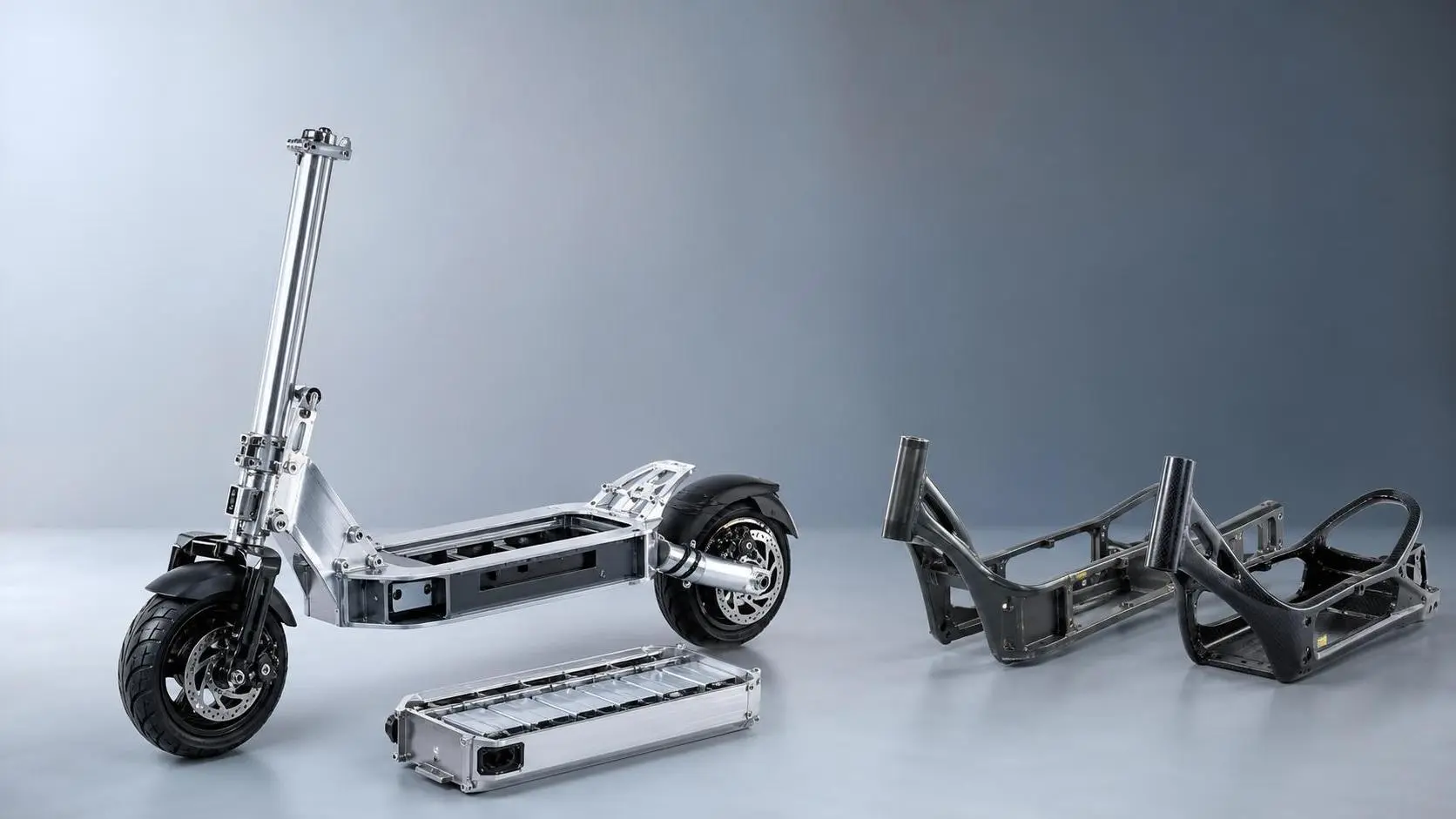
How to Choose Lightweight Scooter Frames in Europe: Materials, Standards, and Use Cases
Lightweight scooter frames Europe buyers need should balance materials, EN standards, durability, and real use cases. Discover how to choose safer, smarter, compliant frames.
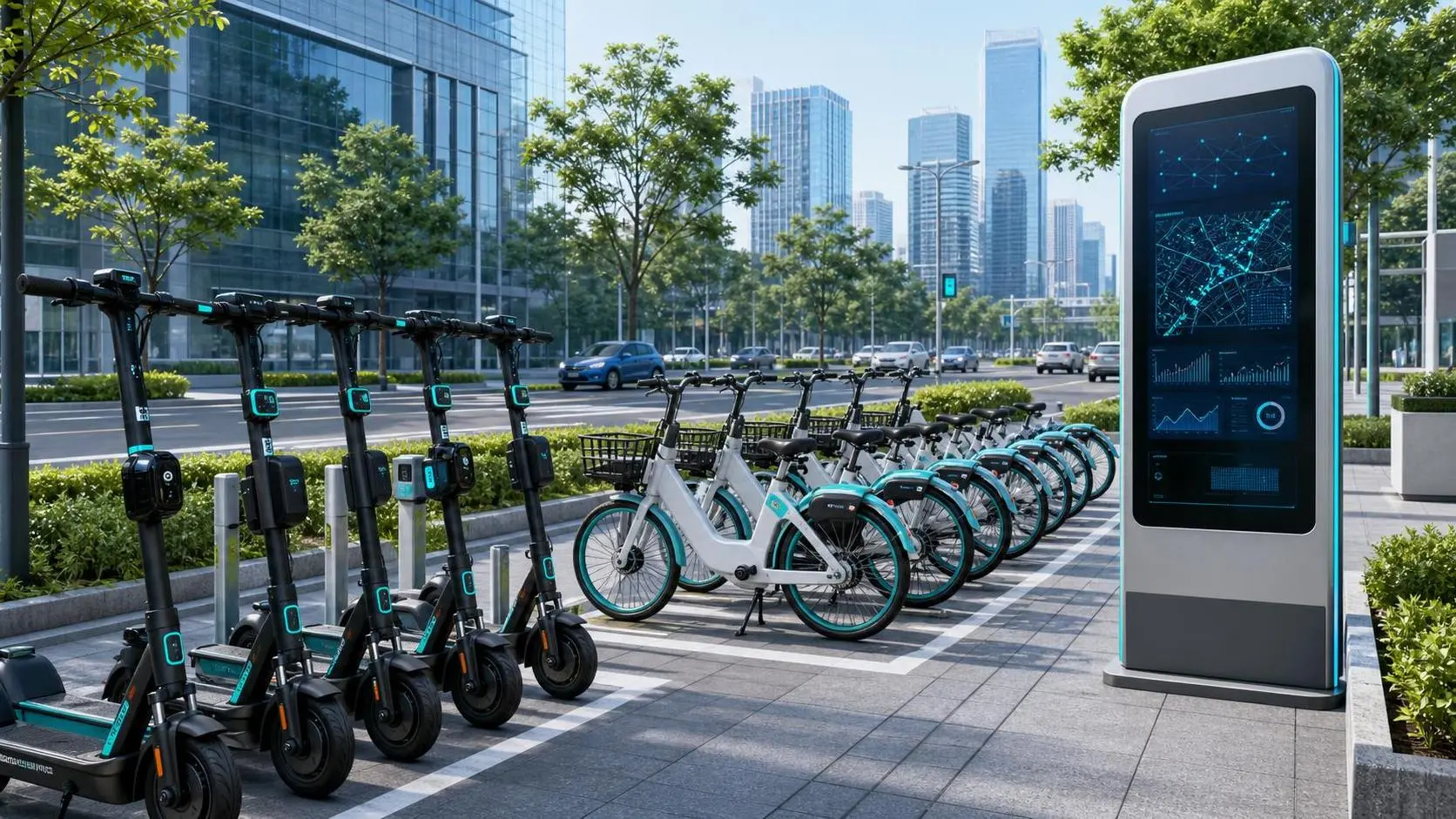
What Is the Intellectualization of Mobility Platform and How Is It Applied in Shared Fleets?
Intellectualization of mobility platform is reshaping shared fleets with real-time data, predictive maintenance, and smarter compliance—learn how it boosts safety, uptime, and urban mobility efficiency.
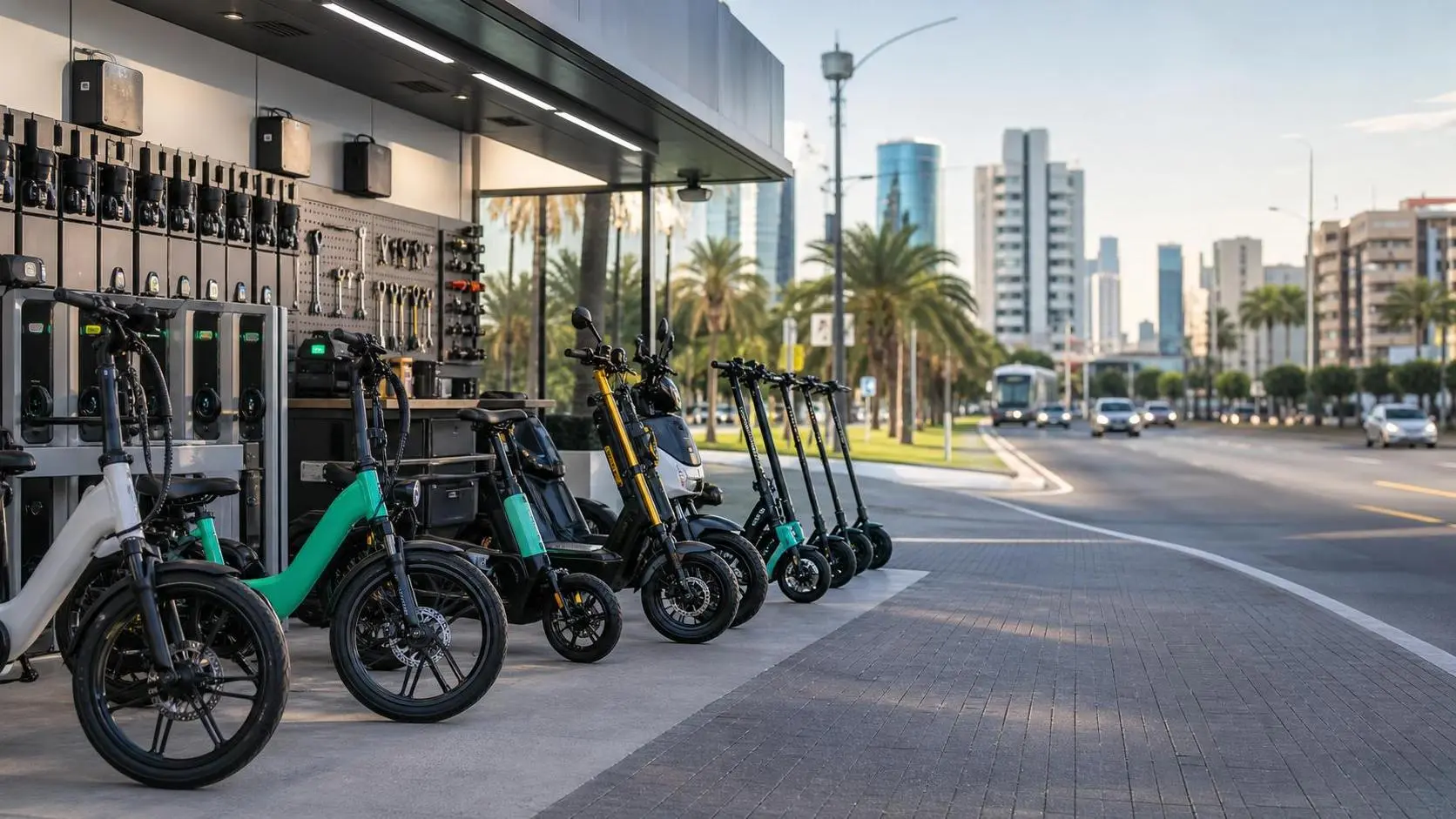
Urban Micro-Mobility Systems in Latin America: Key Market Drivers, Barriers, and Growth Segments
Urban micro-mobility systems Latin America are reshaping city transport. Explore key drivers, barriers, and high-growth segments to spot the region’s most investable opportunities.
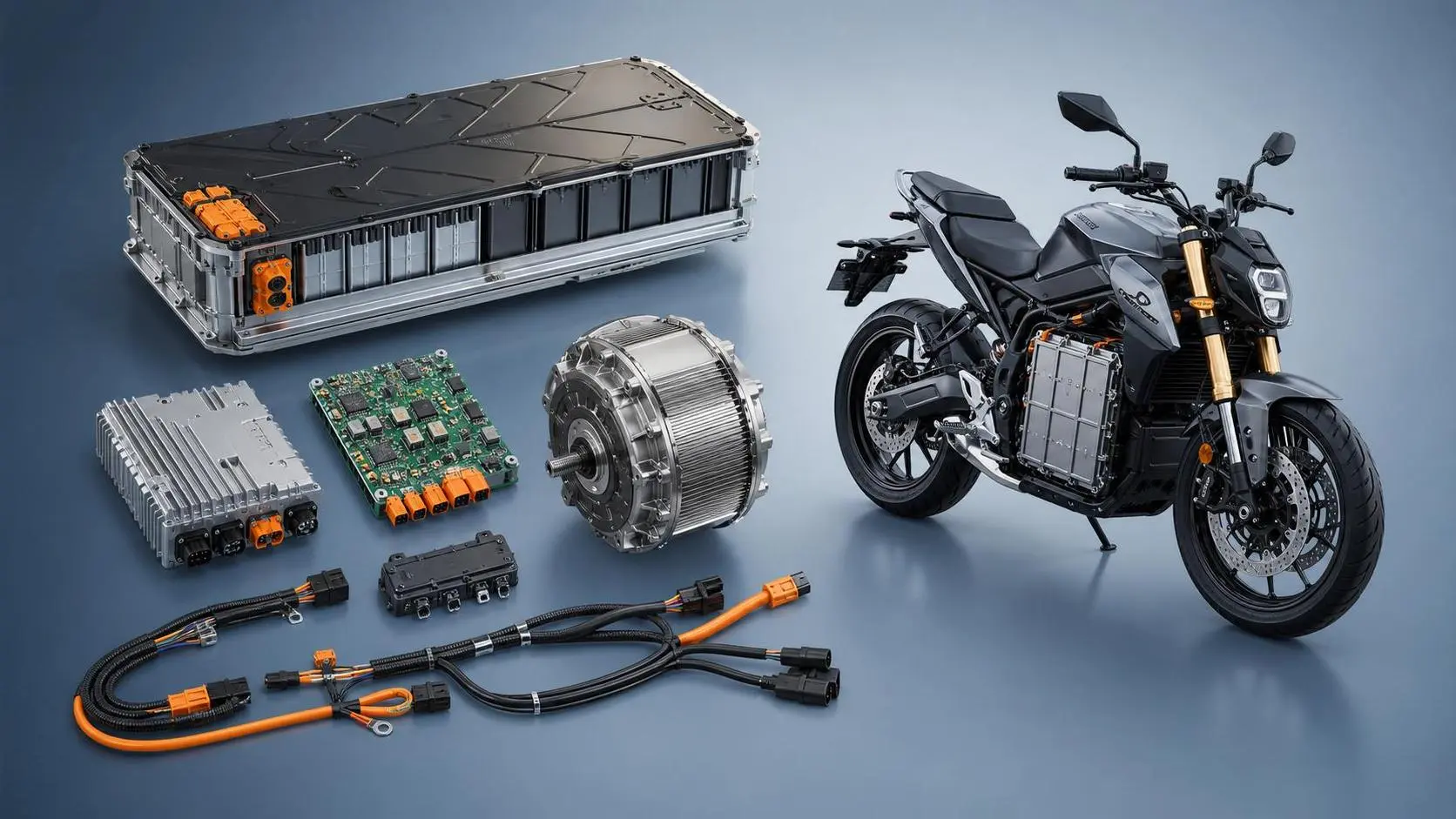
Electric Motorcycle Systems Price Breakdown: What Affects Cost From Battery to Controller?
Electric motorcycle systems price explained: see how battery, controller, motor, BMS, and wiring affect total cost, reliability, and sourcing value before you buy.
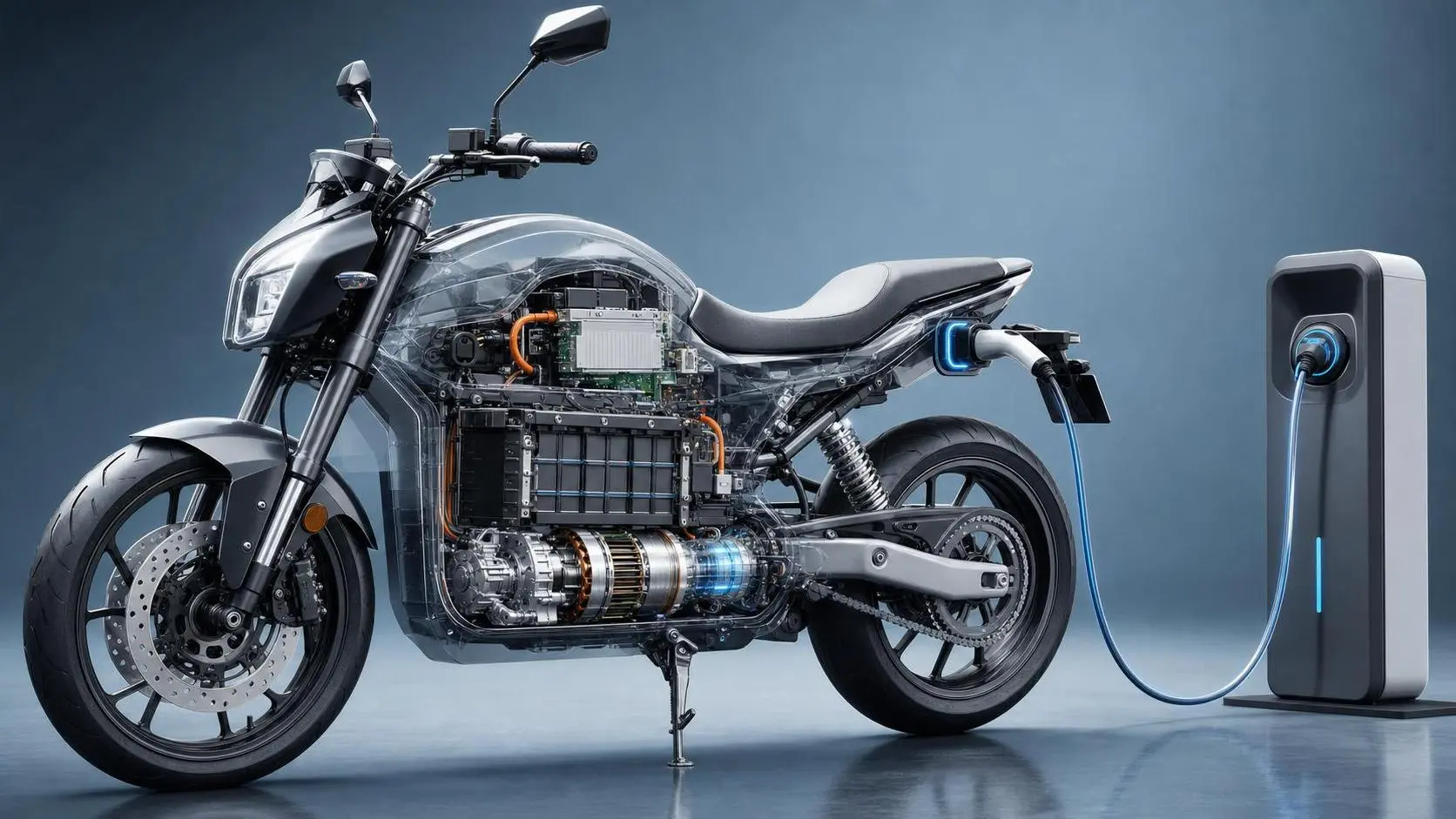
72V Electric Motorcycle Technology Explained: Motors, Controllers, Range, and Charging
Electric motorcycle technology 72V explained clearly: compare motors, controllers, range, battery design, and charging to choose a smoother, stronger, and smarter electric ride.
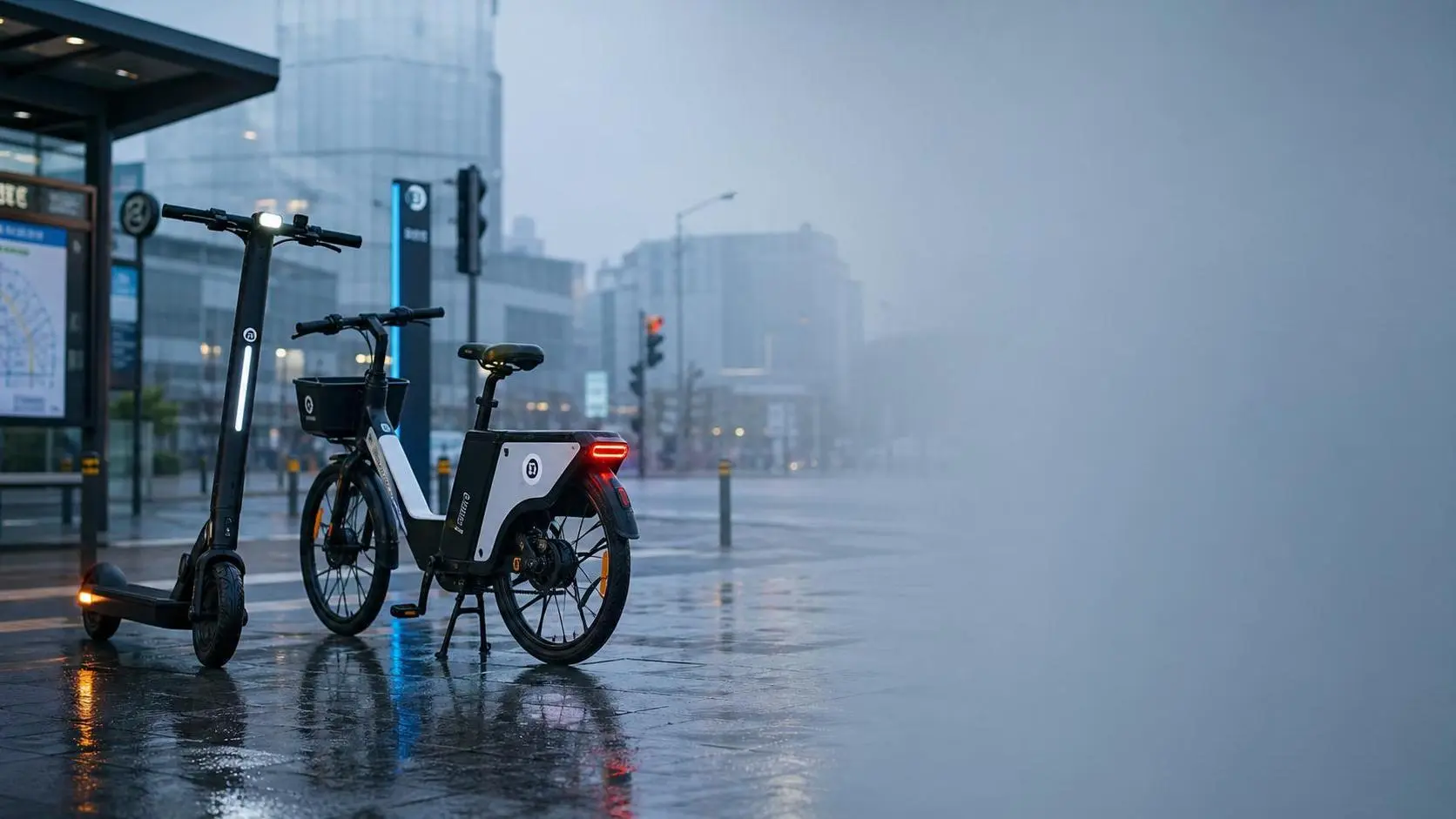
Where LED Urban Visibility Safety Systems Fit Best in Shared Scooters and City E-bikes
LED urban visibility safety systems deliver the most value in shared scooters and city e-bikes by improving multi-angle safety, fleet durability, and urban compliance across real-world routes.
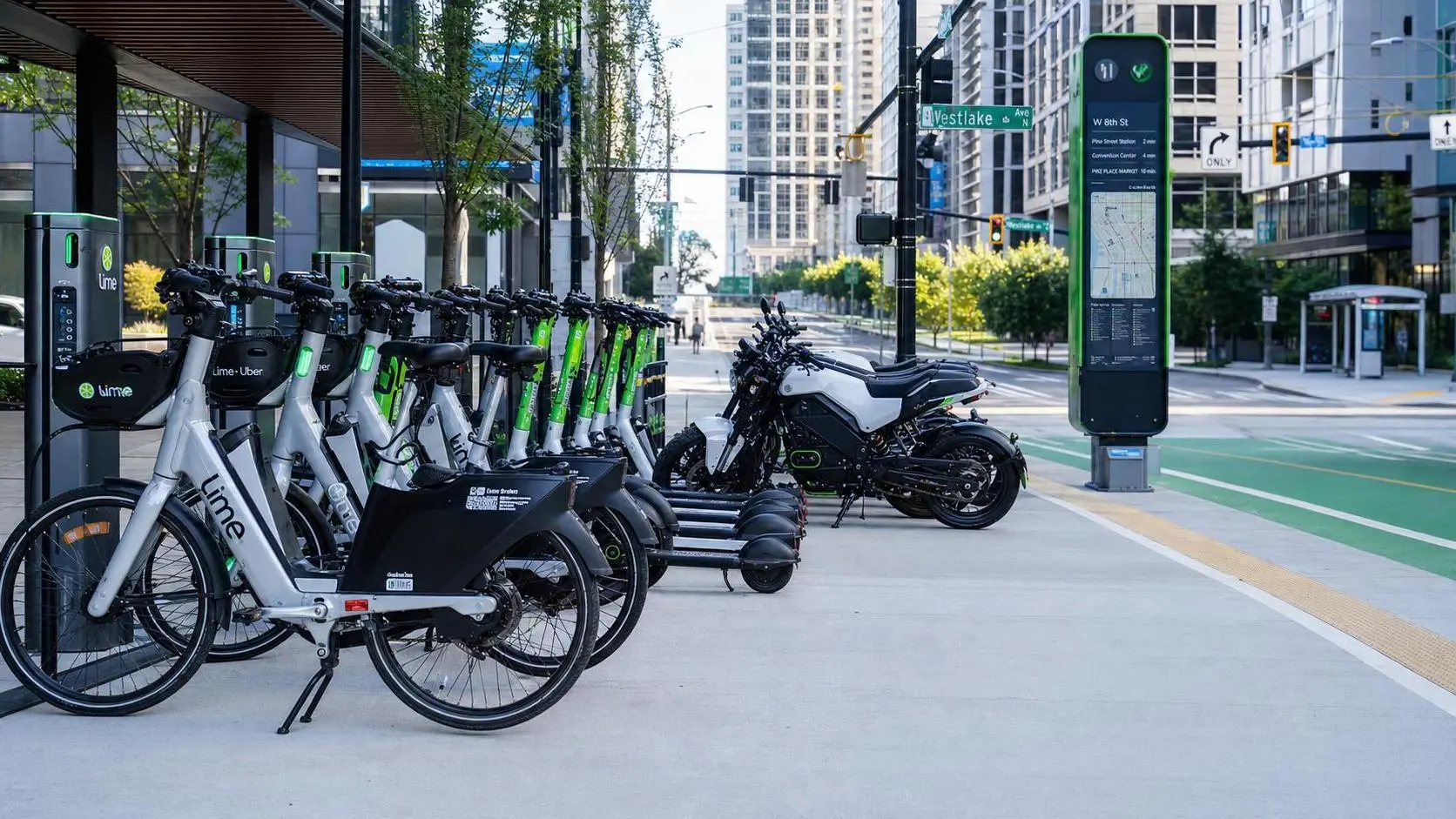
Intellectualization of Mobility in North America: What Is Driving Adoption Across Urban Transport?
Intellectualization of mobility North America is reshaping urban transport through data, smart fleets, and battery intelligence. Explore what is driving adoption and why cities and operators are accelerating now.
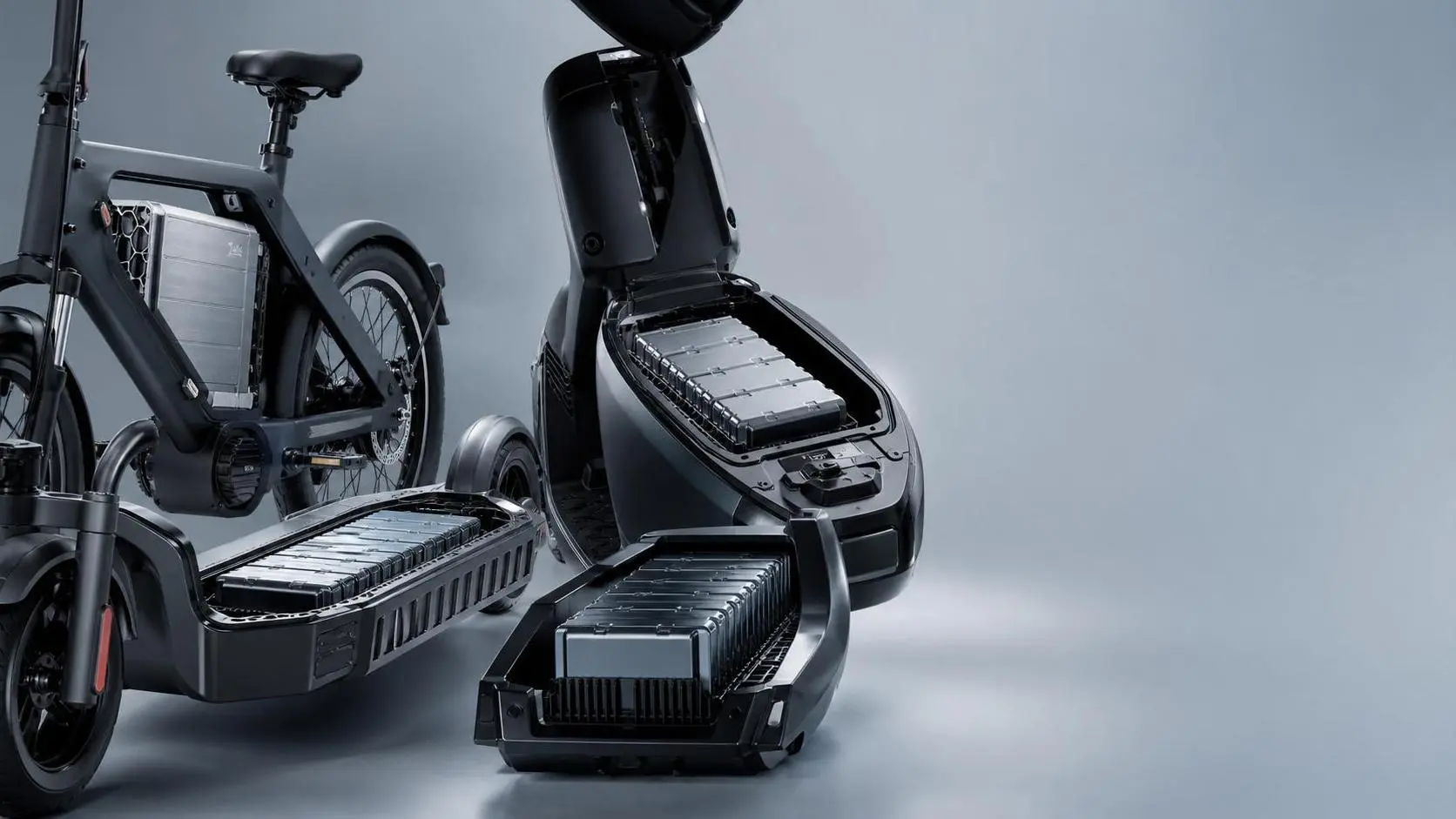
How to Choose a Compact Battery Pack: Size, Energy Density, Thermal Design, and Cycle Life
Compact battery pack selection starts with more than size. Learn how energy density, thermal design, and cycle life shape range, safety, and long-term value.
What Is Driving Green Two-wheelers Demand in Europe? Policy, Fuel Costs, and Buyer Segments
Green two-wheelers demand Europe is rising as policy support, fuel cost pressure, and diverse buyer segments reshape urban mobility. Explore the trends driving the next growth wave.