
Related News
- 00
0000-00
Urban Micro-Mobility Systems in Latin America: Key Market Drivers, Barriers, and Growth Segments - 00
0000-00
Intellectualization of Mobility in North America: What Is Driving Adoption Across Urban Transport? - 00
0000-00
What Is Driving Green Two-wheelers Demand in Europe? Policy, Fuel Costs, and Buyer Segments - 00
0000-00
Urban Micro-Mobility in North America: Policy, Charging Access, and Fleet Growth Drivers - 00
0000-00
Carbon Neutrality for Fleets: How to Measure Emissions and Prioritize Upgrades
Prof. Marcus Chen
Weekly Insights
Stay ahead with our curated technology reports delivered every Monday.
What urban electric transportation gets wrong about last mile costs





Urban electric transportation is often framed as the cheapest answer to congestion, delivery pressure, and short-distance commuting. That promise is attractive, but incomplete. The headline savings usually ignore battery degradation, idle fleet time, repair logistics, charging bottlenecks, and local compliance costs. When those factors surface, the economics of the last mile change quickly. Understanding what urban electric transportation gets wrong about last mile costs helps build more realistic investment logic, stronger operating models, and more durable micro-mobility strategies.
Why the cost story around urban electric transportation is shifting
For years, urban electric transportation was sold on a simple comparison: lower fuel costs, lower emissions, and easier movement in dense cities. That comparison is no longer enough.
Cities are becoming stricter about parking, charging, safety certification, fleet permits, and battery handling. At the same time, delivery expectations are rising, and users demand higher uptime.
This means last mile economics now depend less on the vehicle sticker price and more on system efficiency. In practice, urban electric transportation succeeds or fails on operations, not marketing claims.
That shift matters across e-bikes, smart e-scooters, and high-speed e-motorcycles. It also affects component choices, battery architecture, drivetrain durability, and digital fleet intelligence.
The biggest last mile costs urban electric transportation still underestimates
Many business cases for urban electric transportation focus on visible savings. The hidden costs usually arrive later, after deployment begins and utilization patterns stabilize.
- Battery lifecycle cost is often treated as a future issue, not a current operating expense.
- Fleet maintenance is underestimated, especially for high-use shared or delivery vehicles.
- Charging downtime reduces asset productivity more than many forecasts assume.
- The cost of vehicle retrieval, rebalancing, and field service is rarely modeled accurately.
- Insurance, safety compliance, and theft prevention create ongoing overhead.
- Regulatory friction delays scaling and increases local operating complexity.
Each of these can erase the expected savings of urban electric transportation if planning relies on broad averages instead of local operating data.
Battery economics are more than replacement timing
Battery cost is not just purchase plus replacement. It includes degradation rate, charge cycle behavior, thermal exposure, residual value, storage safety, and collection logistics.
In dense urban use, frequent stop-start patterns, heavy payloads, and fast charging can accelerate wear. That weakens ROI assumptions behind urban electric transportation programs.
Downtime often matters more than energy savings
A low electricity bill does not guarantee low last mile cost. If a vehicle spends too much time charging, waiting for repair, or sitting in the wrong zone, cost per trip rises.
In urban electric transportation, utilization is the true profit lever. Vehicles earn value only when available, safe, and placed where demand actually exists.
What is driving this new cost reality
The cost pressure surrounding urban electric transportation is being shaped by several structural forces. These are not temporary disturbances. They reflect a maturing market.
This is why the urban electric transportation conversation is moving from adoption headlines to operational discipline. The market is asking harder questions now.
How these mistakes affect business performance across the micro-mobility chain
When urban electric transportation last mile costs are misread, the consequences spread well beyond the vehicle fleet. The entire value chain feels the impact.
Poor cost assumptions can distort product design, warranty structures, charging plans, spare parts strategy, and capital allocation. They also weaken expansion into new cities.
- E-bike programs may overspend on acquisition while underspending on battery analytics.
- Smart e-scooter fleets may grow faster than maintenance networks can support.
- High-speed e-motorcycle models may face thermal stress and charging mismatch.
- Precision bicycle components may be selected for performance, not service intervals.
- Data systems may report trip volume while missing true vehicle profitability.
For intelligence-led platforms such as UMMS, this creates a clear signal. The market needs better linkage between component behavior, battery logic, policy change, and fleet economics.
That linkage is critical because urban electric transportation is no longer only a mobility category. It is a systems category shaped by software, hardware, operations, and regulation together.
Where stronger cost judgment starts in urban electric transportation
Better decisions begin with a wider cost lens. Instead of asking whether urban electric transportation is cheaper than legacy transport, ask whether the operating system is sustainable.
Key areas that deserve closer attention
- Battery lifecycle modeling by route, payload, weather, and charging behavior.
- Asset utilization tracking by hour, district, and vehicle type.
- Maintenance planning based on actual failure patterns, not supplier averages.
- Charging strategy design, including swapping, distributed charging, or depot charging.
- Policy monitoring for permits, speed caps, parking rules, and battery standards.
- Component selection that balances performance, durability, and field serviceability.
This is where urban electric transportation moves from a sustainability narrative to a measurable business model. Real economics come from disciplined design and informed execution.
A practical framework for evaluating the true last mile equation
A structured review helps reveal whether an urban electric transportation program is genuinely scalable. The framework below can support more grounded comparison.
Used consistently, this framework makes urban electric transportation analysis more credible. It replaces broad enthusiasm with evidence-based cost control.
What to watch next as urban electric transportation matures
The next phase of urban electric transportation will likely reward systems that combine component precision, battery intelligence, and policy awareness in one operating model.
That includes smarter thermal management, stronger anti-theft architecture, better wireless diagnostics, and more accurate route-level profitability measurement.
It also means that market intelligence becomes a cost tool, not only a content tool. Regulation tracking, technology benchmarking, and fleet data interpretation now directly influence margin quality.
In this environment, urban electric transportation cannot be judged by emissions reductions alone. It must be judged by dependable economics over time.
Turning insight into the next decision
If the goal is resilient growth, the next step is to audit the full last mile cost stack behind urban electric transportation. Review batteries, uptime, service intervals, charging logic, and local policy exposure together.
For organizations tracking e-bikes, smart e-scooters, high-speed e-motorcycles, and precision drivetrain systems, deeper intelligence creates better timing and better allocation.
UMMS supports this shift by connecting technical evolution, commercial signals, and policy movement across the micro-mobility landscape. When the last mile is evaluated with complete context, urban electric transportation becomes easier to scale, defend, and improve.
Related News
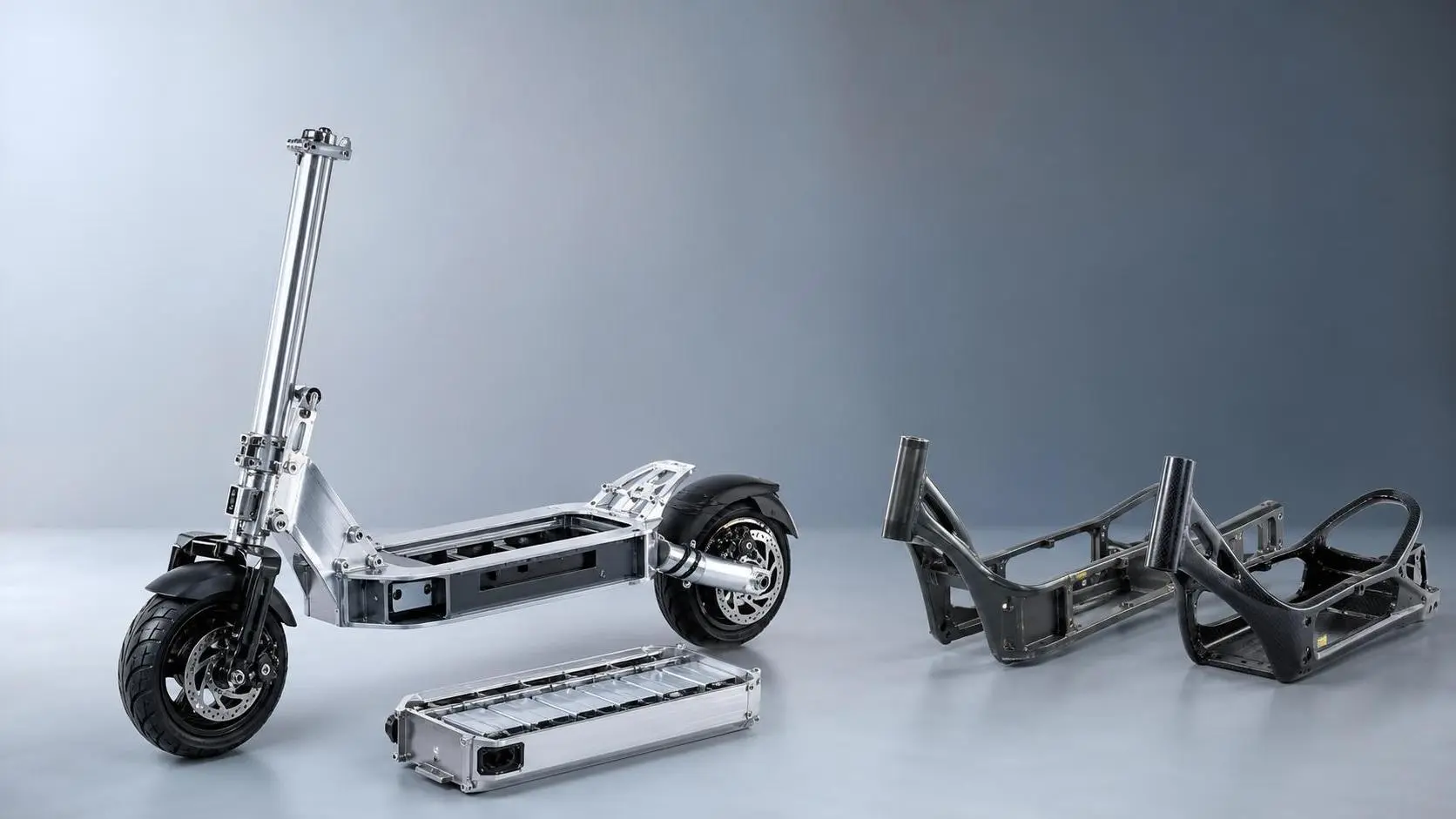
How to Choose Lightweight Scooter Frames in Europe: Materials, Standards, and Use Cases
Lightweight scooter frames Europe buyers need should balance materials, EN standards, durability, and real use cases. Discover how to choose safer, smarter, compliant frames.
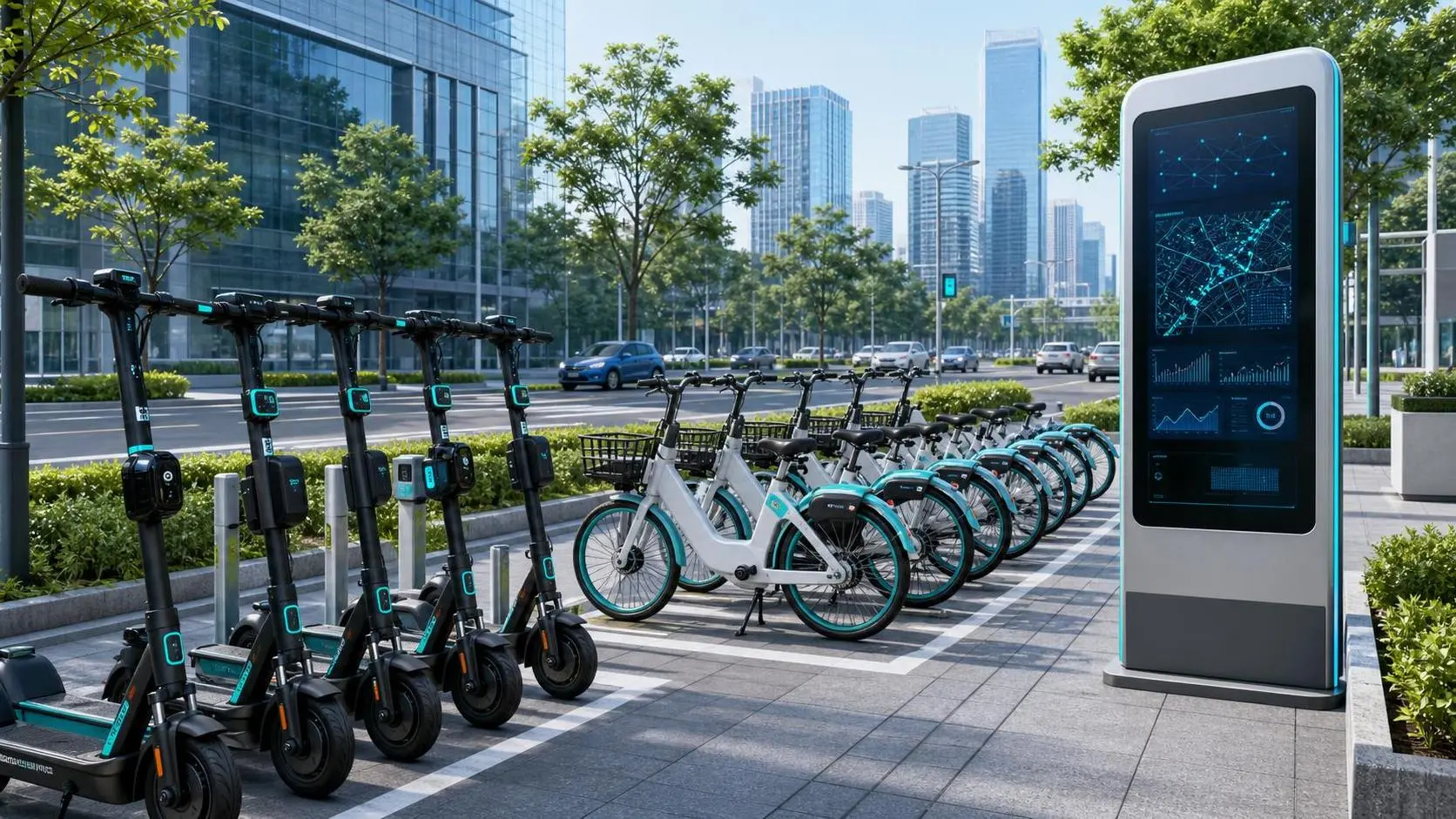
What Is the Intellectualization of Mobility Platform and How Is It Applied in Shared Fleets?
Intellectualization of mobility platform is reshaping shared fleets with real-time data, predictive maintenance, and smarter compliance—learn how it boosts safety, uptime, and urban mobility efficiency.
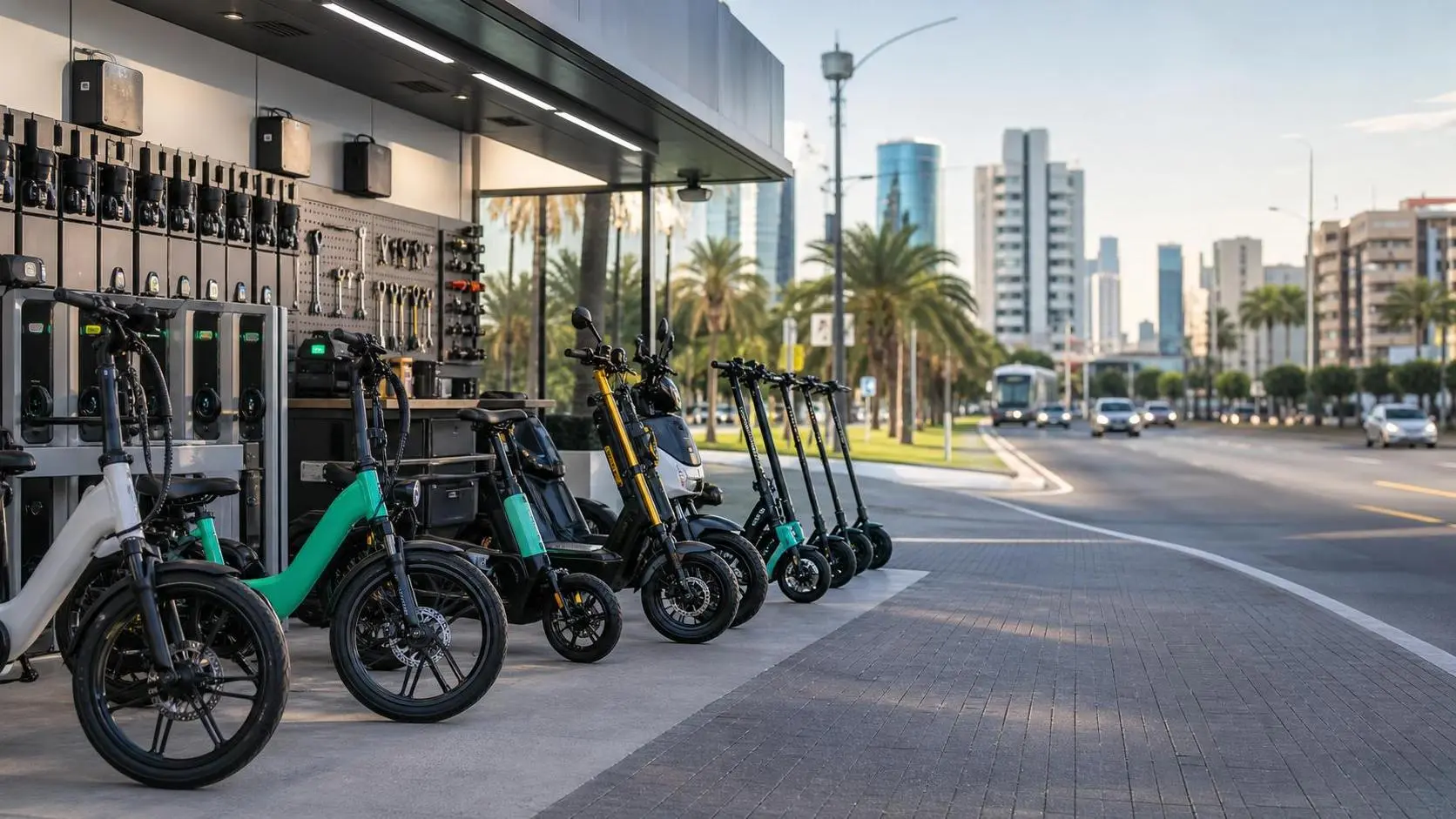
Urban Micro-Mobility Systems in Latin America: Key Market Drivers, Barriers, and Growth Segments
Urban micro-mobility systems Latin America are reshaping city transport. Explore key drivers, barriers, and high-growth segments to spot the region’s most investable opportunities.
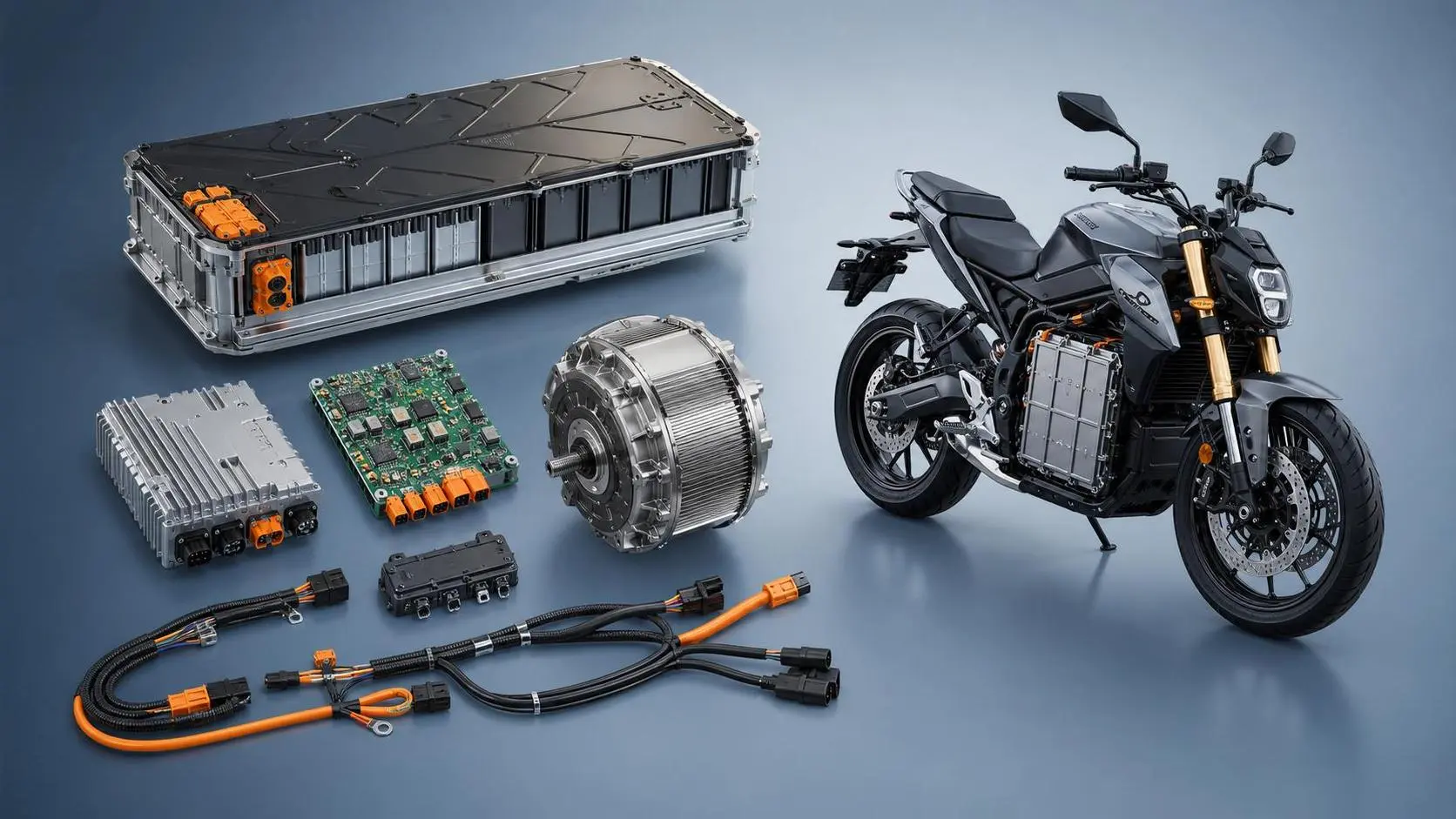
Electric Motorcycle Systems Price Breakdown: What Affects Cost From Battery to Controller?
Electric motorcycle systems price explained: see how battery, controller, motor, BMS, and wiring affect total cost, reliability, and sourcing value before you buy.
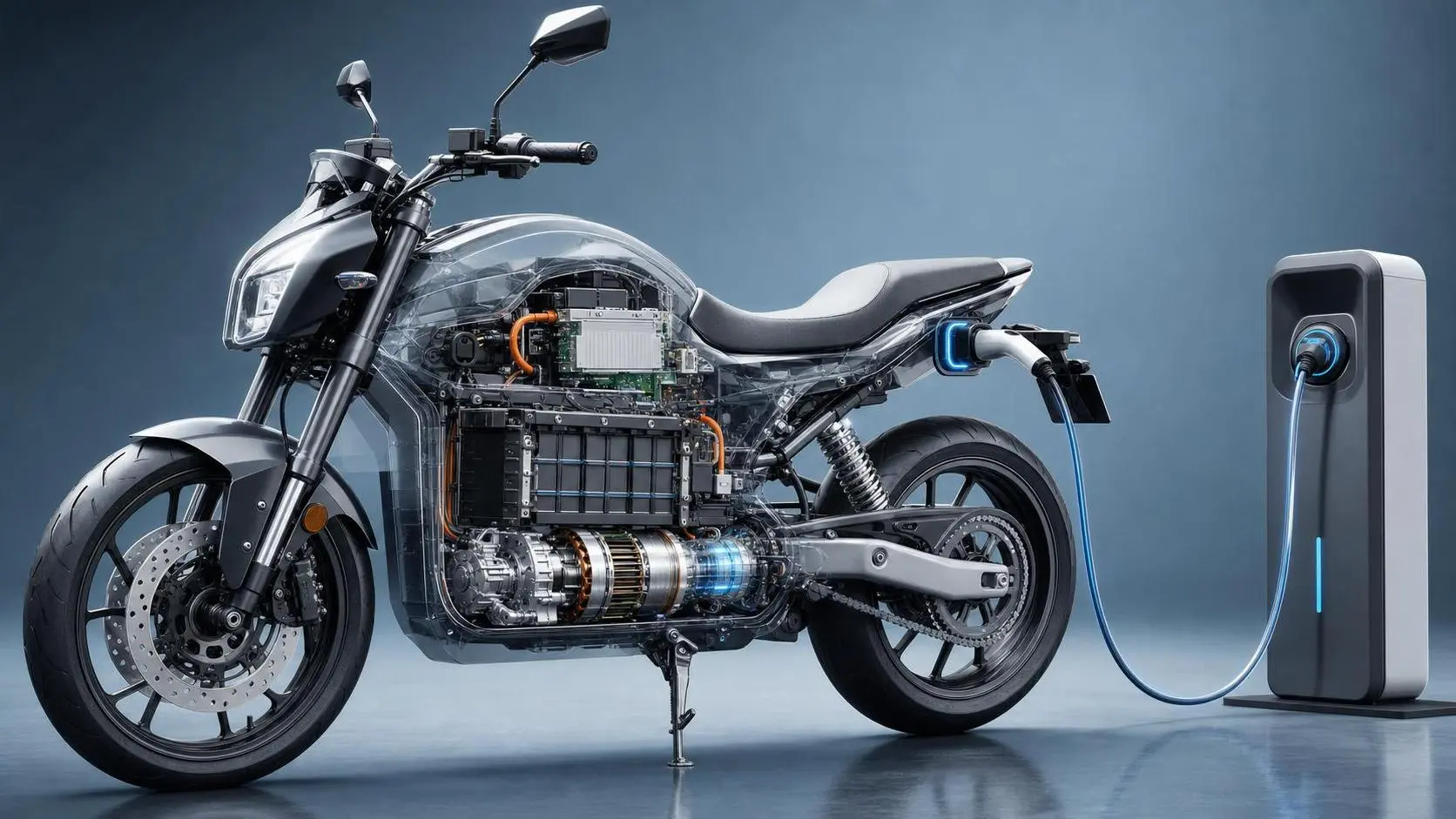
72V Electric Motorcycle Technology Explained: Motors, Controllers, Range, and Charging
Electric motorcycle technology 72V explained clearly: compare motors, controllers, range, battery design, and charging to choose a smoother, stronger, and smarter electric ride.

Where LED Urban Visibility Safety Systems Fit Best in Shared Scooters and City E-bikes
LED urban visibility safety systems deliver the most value in shared scooters and city e-bikes by improving multi-angle safety, fleet durability, and urban compliance across real-world routes.
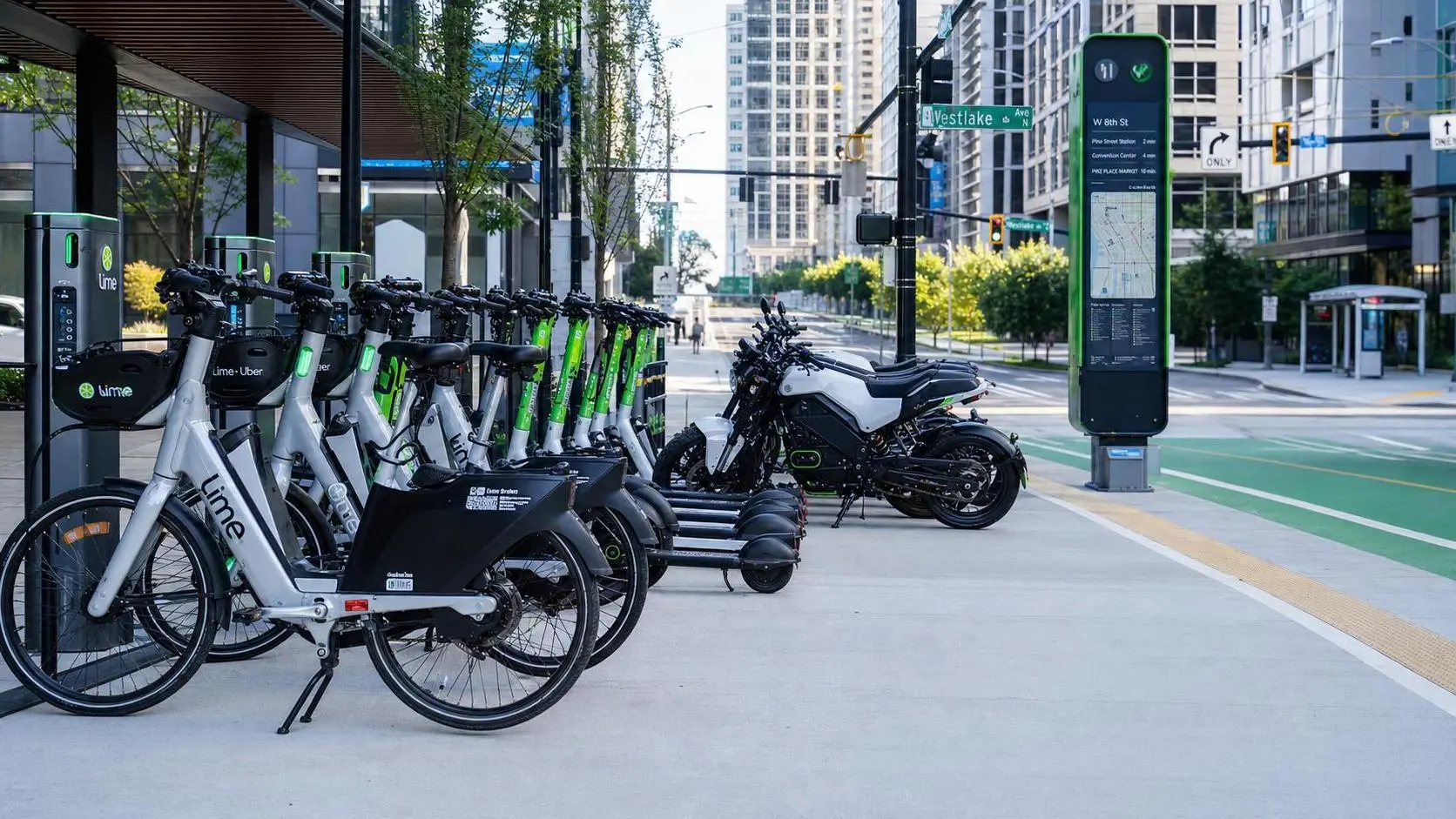
Intellectualization of Mobility in North America: What Is Driving Adoption Across Urban Transport?
Intellectualization of mobility North America is reshaping urban transport through data, smart fleets, and battery intelligence. Explore what is driving adoption and why cities and operators are accelerating now.
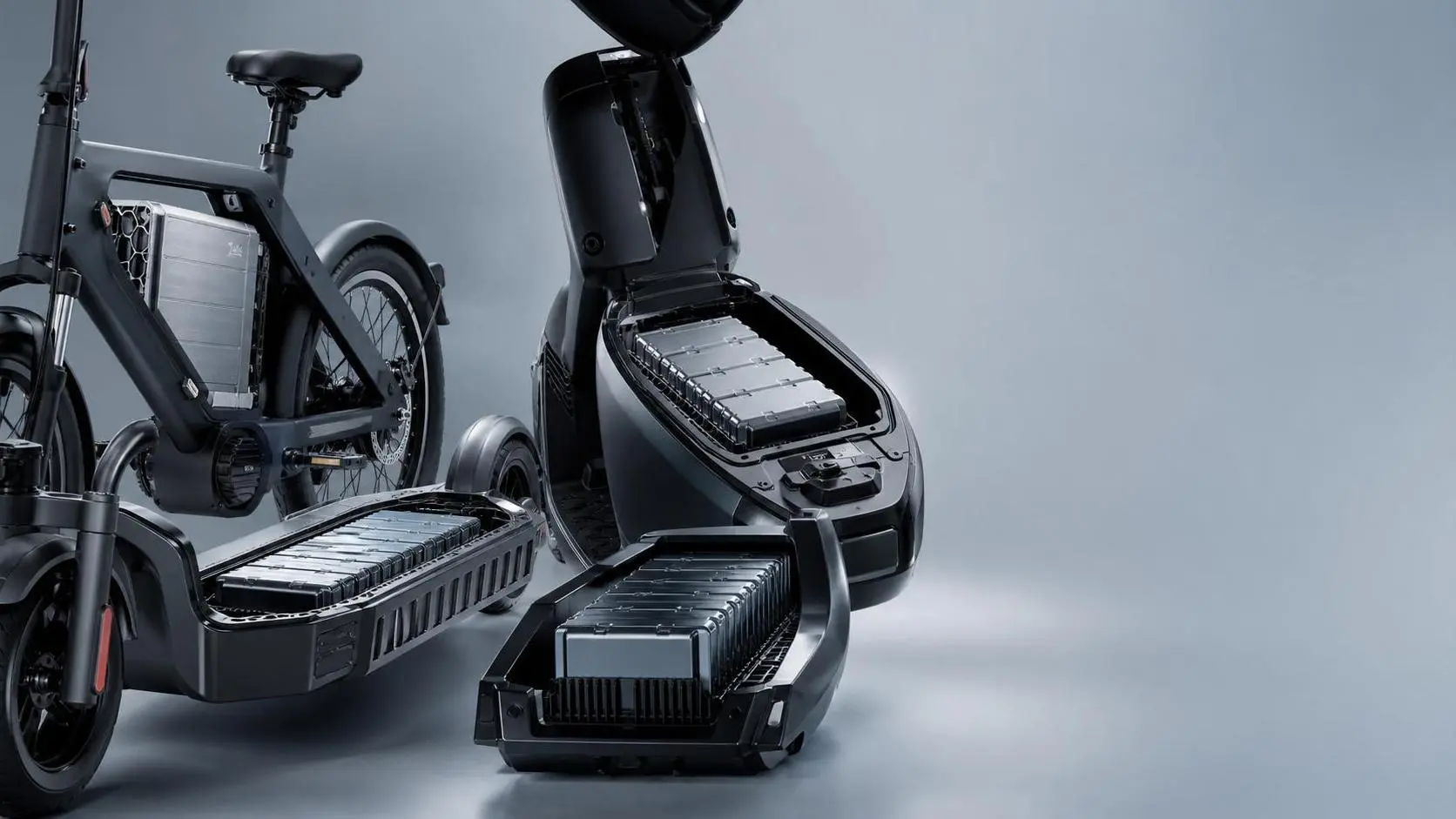
How to Choose a Compact Battery Pack: Size, Energy Density, Thermal Design, and Cycle Life
Compact battery pack selection starts with more than size. Learn how energy density, thermal design, and cycle life shape range, safety, and long-term value.
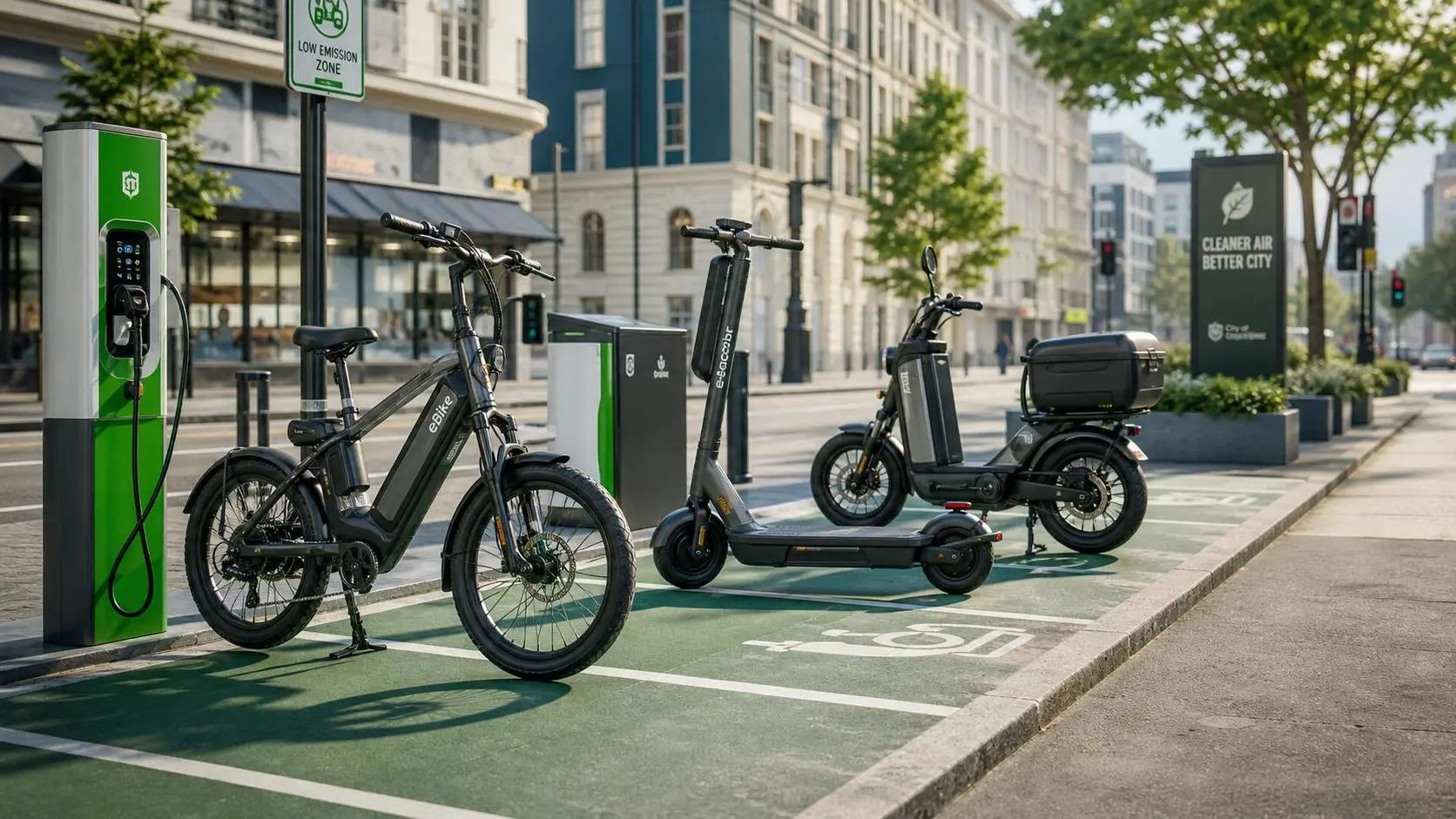
What Is Driving Green Two-wheelers Demand in Europe? Policy, Fuel Costs, and Buyer Segments
Green two-wheelers demand Europe is rising as policy support, fuel cost pressure, and diverse buyer segments reshape urban mobility. Explore the trends driving the next growth wave.