
Related News
- 00
0000-00
Urban Micro-Mobility Systems in Latin America: Key Market Drivers, Barriers, and Growth Segments - 00
0000-00
Intellectualization of Mobility in North America: What Is Driving Adoption Across Urban Transport? - 00
0000-00
What Is Driving Green Two-wheelers Demand in Europe? Policy, Fuel Costs, and Buyer Segments - 00
0000-00
Urban Micro-Mobility in North America: Policy, Charging Access, and Fleet Growth Drivers - 00
0000-00
Carbon Neutrality for Fleets: How to Measure Emissions and Prioritize Upgrades
Prof. Marcus Chen
Weekly Insights
Stay ahead with our curated technology reports delivered every Monday.
Why decarbonization technology now shapes investment choices





For business decision-makers, decarbonization technology is no longer a future concept—it is a strategic filter for capital allocation, supply chain resilience, and market positioning.
From e-bikes and smart e-scooters to high-speed e-motorcycles and precision components, investment choices now follow carbon logic as much as cost logic.
In urban mobility, decarbonization technology affects product design, battery strategy, software architecture, sourcing risk, and regulatory readiness.
That shift matters across the broader industrial landscape, because micro-mobility has become a visible test case for low-carbon innovation at scale.
When investment decisions move from cost-first to carbon-aware
The old investment model favored volume, short payback periods, and proven manufacturing routes.
Today, decarbonization technology introduces new screening criteria that change how assets are valued.
Carbon intensity now influences financing terms, market access, public procurement eligibility, and long-term brand strength.
For urban mobility systems, that means drivetrain efficiency, battery chemistry, lightweight materials, and energy management become investment variables.
Projects once judged as optional upgrades are increasingly treated as core competitiveness drivers.
Why this background matters across different operating scenarios
Not every business faces the same pressure at the same speed.
A shared e-scooter platform, a premium e-bike brand, and a component supplier each encounter different decarbonization technology demands.
The value lies in matching investment timing with actual exposure.
This scenario-based approach reduces wasted capital and improves the odds of scaling with policy and market direction.
Scenario one: urban commuting platforms need decarbonization technology that cuts operating friction
Urban commuting platforms depend on utilization rate, uptime, charging efficiency, and fleet durability.
In this scenario, decarbonization technology is valuable when it lowers total lifecycle emissions and daily operating complexity.
Smart charging algorithms, swap-ready battery architecture, and lightweight frame engineering often produce faster operational gains than headline power upgrades.
IoT-based diagnostics also matter, because maintenance efficiency supports both carbon reduction and service continuity.
Core judgment points in this scenario
- Can the system reduce charging losses across large fleets?
- Does battery management extend useful life without harming safety?
- Will digital monitoring lower unnecessary replacement cycles?
- Is the solution aligned with low-emission urban procurement rules?
Scenario two: premium personal mobility products need decarbonization technology that strengthens brand value
For premium e-bikes and high-speed e-motorcycles, purchase decisions increasingly include environmental credibility.
Here, decarbonization technology supports differentiation through efficiency, cleaner materials, modular repairability, and verified lifecycle reporting.
A high-performance product now needs more than torque and range.
It must prove that performance is delivered with lower embedded carbon and smarter resource use.
This is especially relevant in Europe, where sustainability narratives often shape channel access and consumer trust.
Core judgment points in this scenario
- Can the product show measurable energy efficiency improvements?
- Are suppliers able to support traceable low-carbon claims?
- Does repairability reduce waste and improve ownership economics?
- Will decarbonization technology enhance premium positioning, not dilute it?
Scenario three: component ecosystems need decarbonization technology that protects future relevance
Precision components often appear less visible than complete vehicles, yet they face rising carbon scrutiny.
Bicycle derailleur systems, electronic shifting modules, sensor assemblies, and even visibility-related subsystems are all affected.
In this scenario, decarbonization technology means process efficiency, material selection, reduced defect rates, and better compatibility with electrified platforms.
Components that consume less power, last longer, and simplify assembly create downstream carbon benefits for the entire system.
That improves the investment case even when the component itself is not a consumer-facing hero product.
How scenario needs differ when evaluating decarbonization technology
The same technology can look attractive in one scenario and weak in another.
Comparing decision criteria helps clarify where capital should move first.
Practical scenario-fit recommendations before funding or expansion
Strong decisions rarely begin with technology excitement alone.
They begin with a clear match between business context and decarbonization technology outcomes.
- Map carbon pressure by market, not by assumption.
- Separate regulatory risk from customer preference.
- Prioritize technologies that improve both efficiency and resilience.
- Check whether supplier data can support environmental claims.
- Model total lifecycle value, not only upfront capex.
- Favor modular solutions that can adapt to evolving standards.
In micro-mobility, this often means evaluating motors, battery systems, software layers, sensor packages, and mechanical assemblies together.
Decarbonization technology works best when viewed as a systems decision rather than a single-product upgrade.
Common misjudgments when reading decarbonization technology signals
One frequent mistake is treating low-carbon claims as marketing language instead of measurable operating evidence.
That leads to overvaluing announcements and undervaluing execution capability.
Another mistake is focusing only on vehicle electrification while ignoring hidden contributors such as thermal management, software efficiency, and component lifespan.
A third blind spot is assuming all regions will reward decarbonization technology at the same pace.
In reality, subsidy frameworks, grid conditions, safety standards, and urban traffic policies vary widely.
The final misjudgment is delaying action until standards are fully settled.
By then, stronger competitors may already control channels, partnerships, and data advantages.
What often gets overlooked
- Carbon reporting readiness can influence future deal terms.
- Small efficiency gains compound across high-volume urban fleets.
- Component-level innovation can unlock system-level emissions reductions.
- Better reliability is often a decarbonization technology advantage, not a separate issue.
Why UMMS-style intelligence matters for the next investment move
In fast-changing mobility sectors, timing matters as much as technical direction.
A useful intelligence framework connects subsidy policy, engineering evolution, battery logic, drivetrain efficiency, and commercial demand.
That is where sector-specific observation becomes essential.
Signals from e-bikes, smart e-scooters, high-speed e-motorcycles, and precision components often reveal where decarbonization technology will gain investment priority next.
When these signals are stitched together, capital decisions become less reactive and more strategic.
Next actions for turning decarbonization technology into investment advantage
Start with one scenario, one market, and one measurable outcome.
Build a shortlist of decarbonization technology options tied to efficiency, compliance, and commercial differentiation.
Then compare them using lifecycle economics, supplier readiness, and regulatory durability.
For organizations tracking micro-mobility transformation, the smartest next step is continuous intelligence, not one-time trend watching.
The businesses that win will treat decarbonization technology as a decision framework for where to invest, what to build, and how to scale.
That is why decarbonization technology now shapes investment choices across urban mobility and far beyond it.
Related News
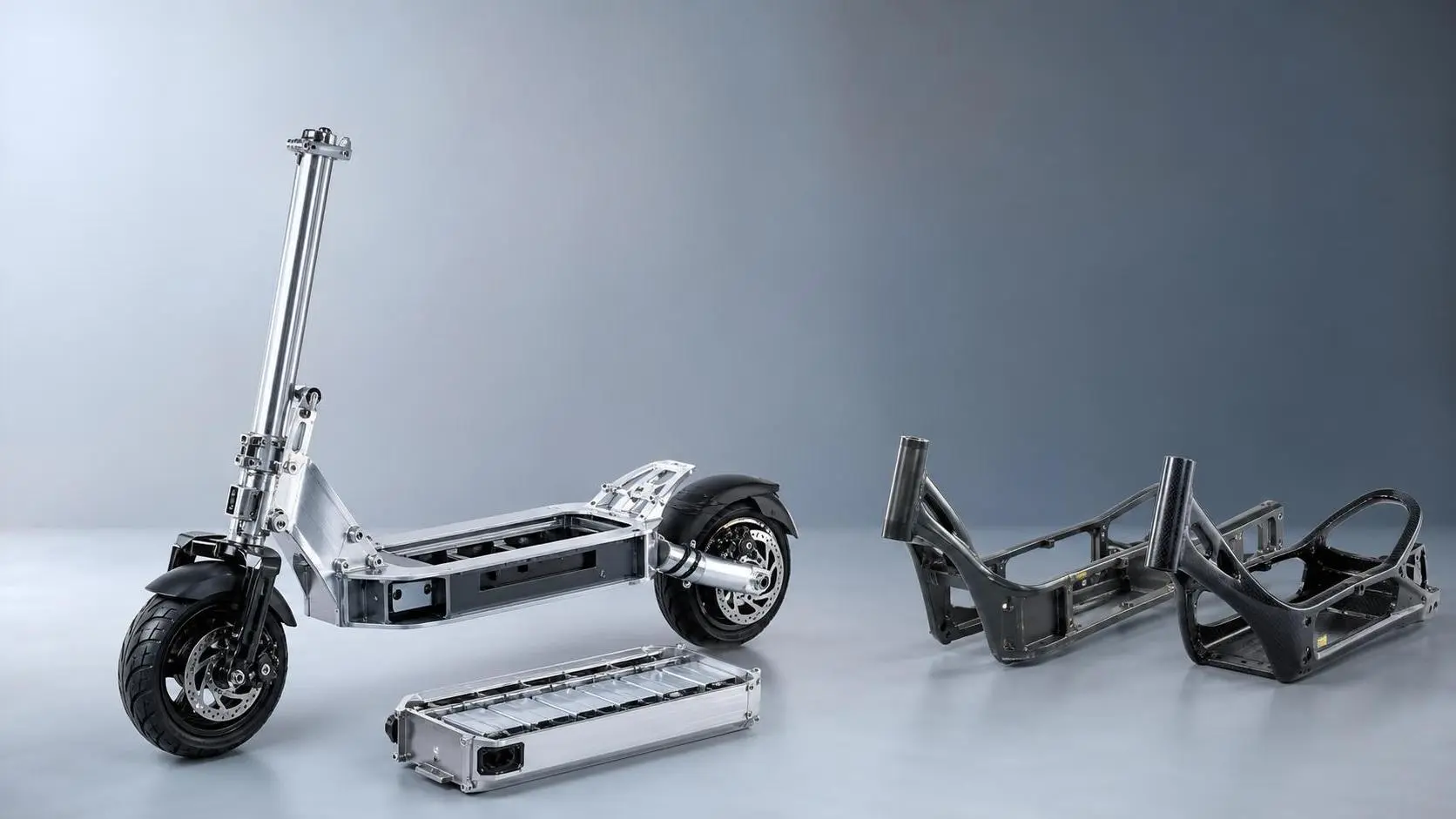
How to Choose Lightweight Scooter Frames in Europe: Materials, Standards, and Use Cases
Lightweight scooter frames Europe buyers need should balance materials, EN standards, durability, and real use cases. Discover how to choose safer, smarter, compliant frames.
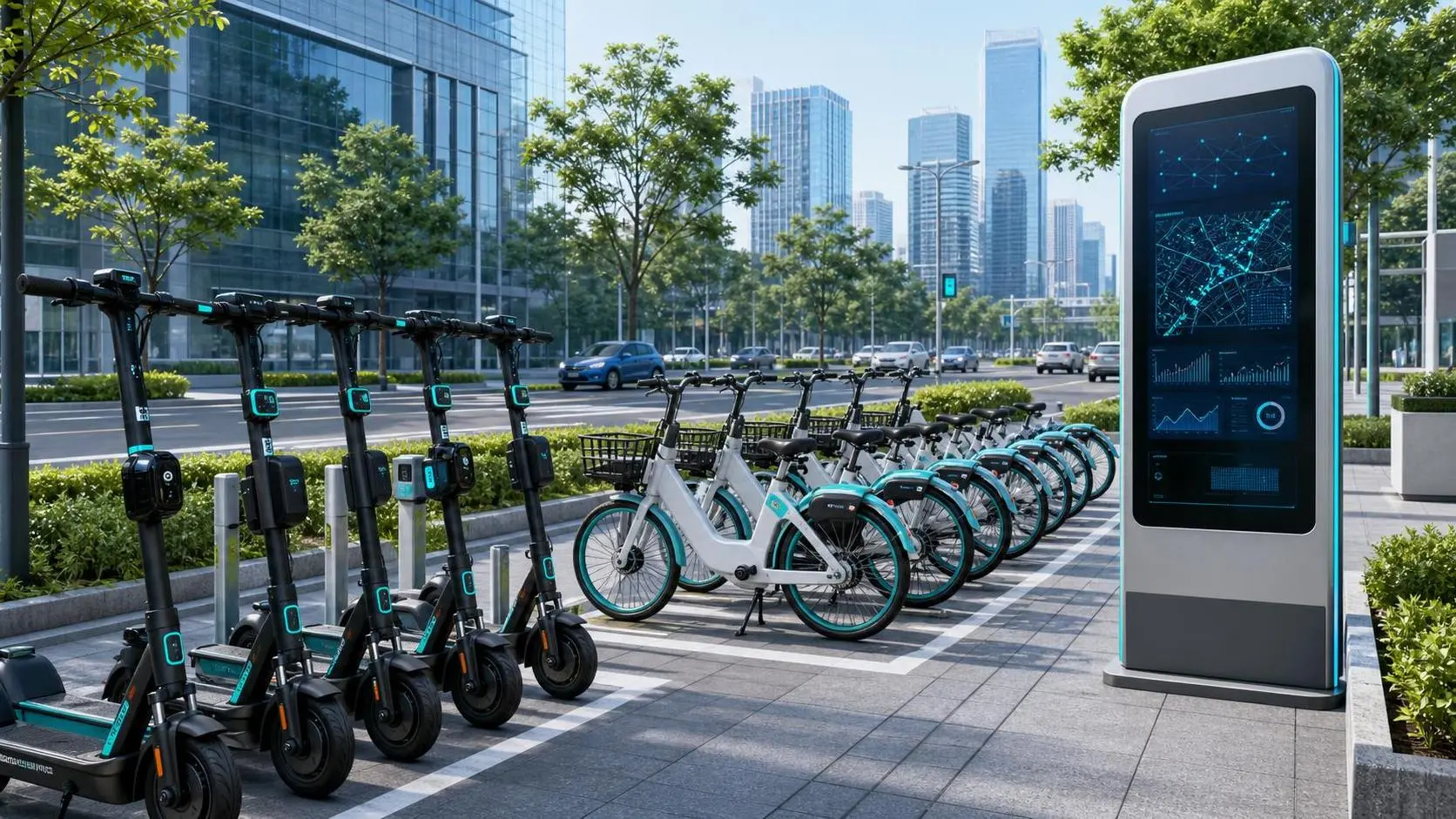
What Is the Intellectualization of Mobility Platform and How Is It Applied in Shared Fleets?
Intellectualization of mobility platform is reshaping shared fleets with real-time data, predictive maintenance, and smarter compliance—learn how it boosts safety, uptime, and urban mobility efficiency.
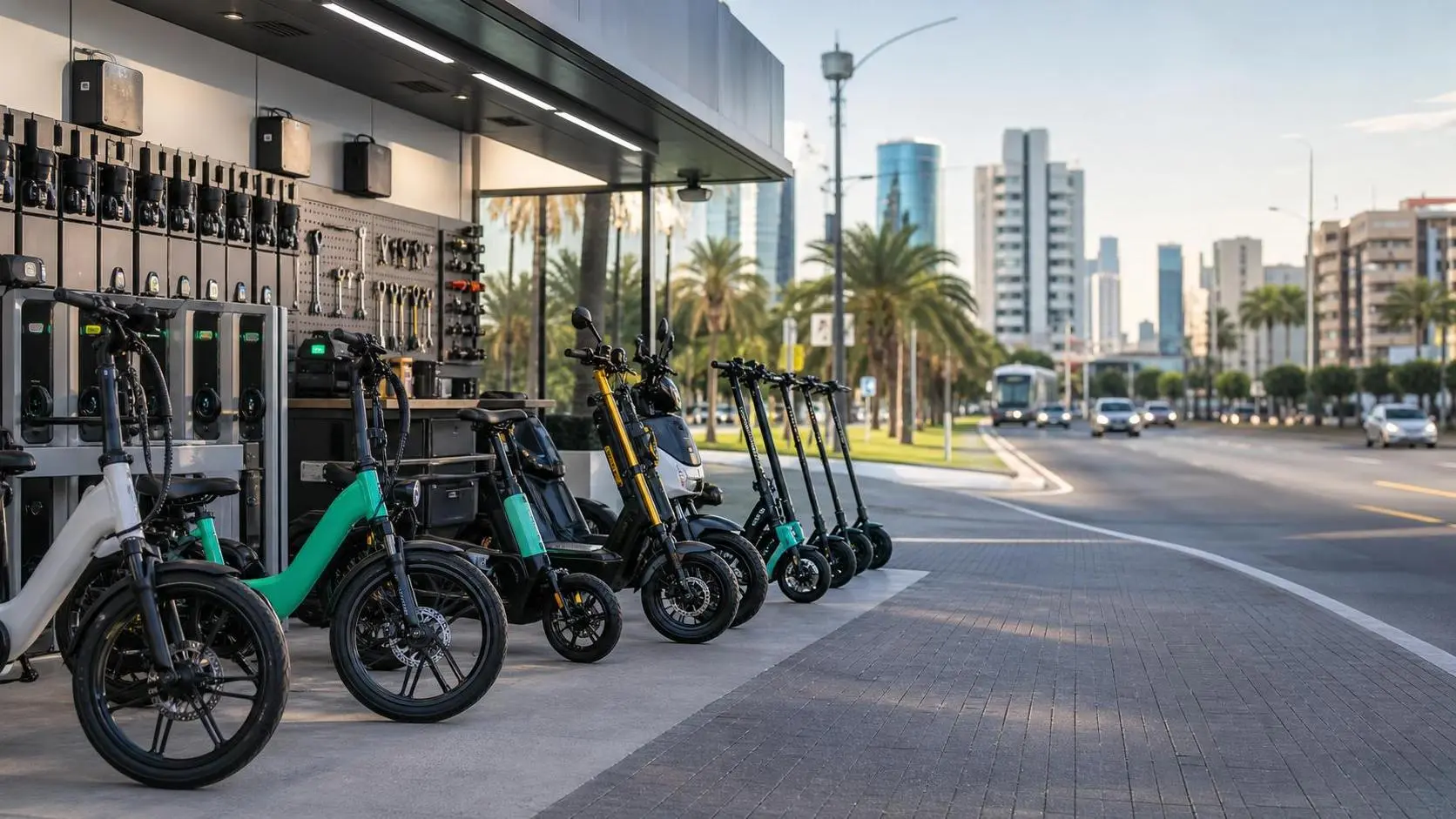
Urban Micro-Mobility Systems in Latin America: Key Market Drivers, Barriers, and Growth Segments
Urban micro-mobility systems Latin America are reshaping city transport. Explore key drivers, barriers, and high-growth segments to spot the region’s most investable opportunities.
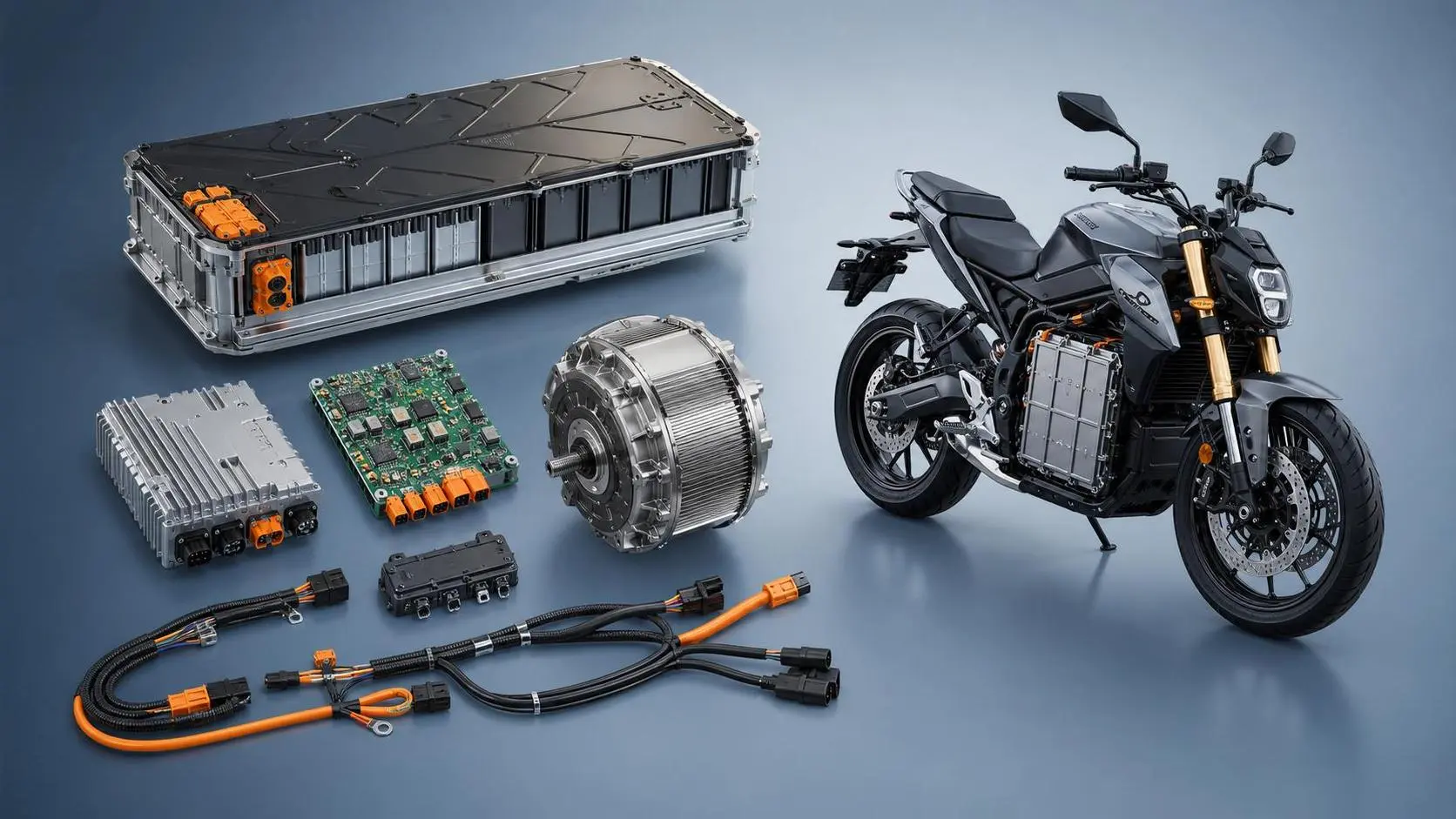
Electric Motorcycle Systems Price Breakdown: What Affects Cost From Battery to Controller?
Electric motorcycle systems price explained: see how battery, controller, motor, BMS, and wiring affect total cost, reliability, and sourcing value before you buy.
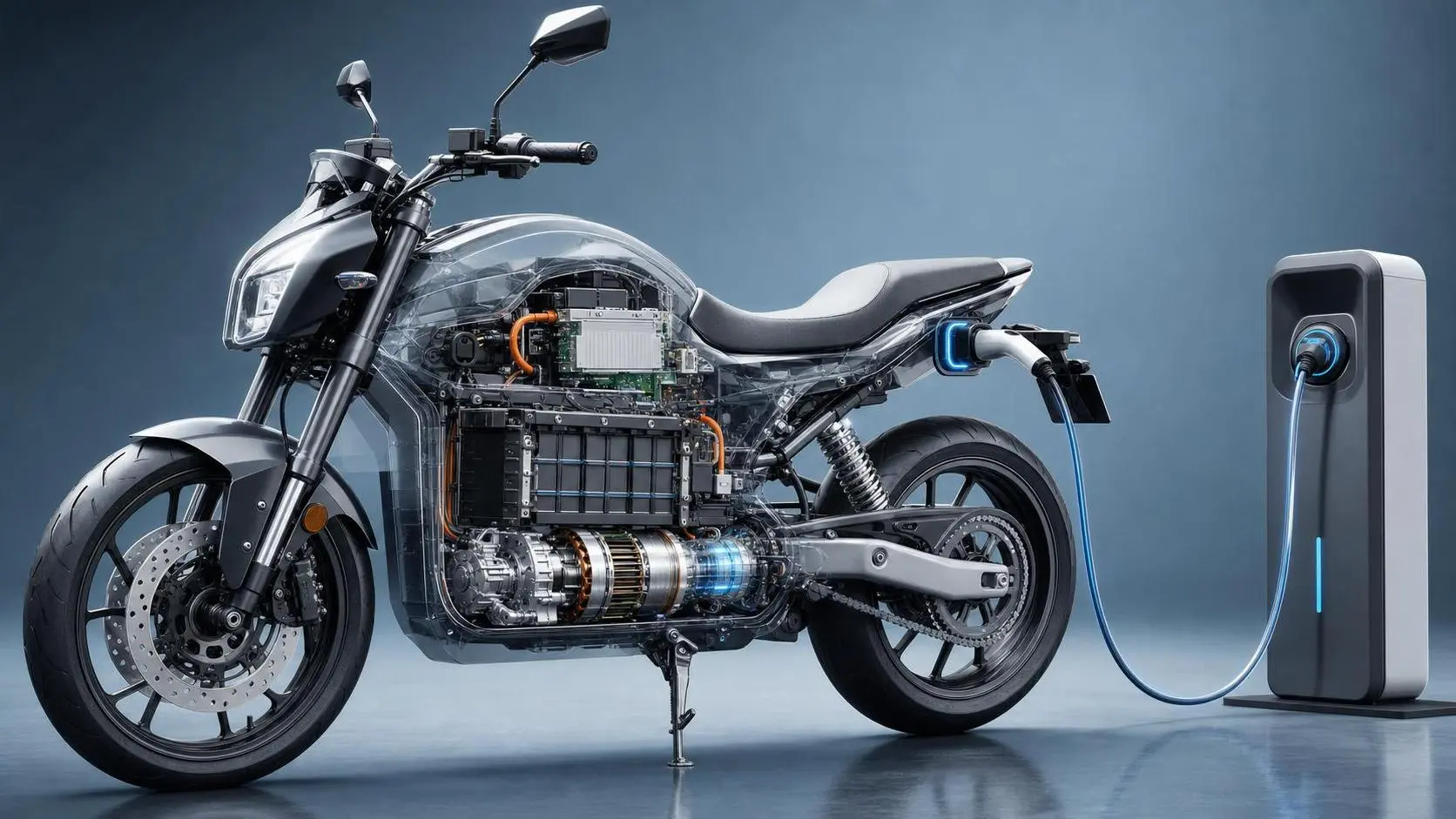
72V Electric Motorcycle Technology Explained: Motors, Controllers, Range, and Charging
Electric motorcycle technology 72V explained clearly: compare motors, controllers, range, battery design, and charging to choose a smoother, stronger, and smarter electric ride.

Where LED Urban Visibility Safety Systems Fit Best in Shared Scooters and City E-bikes
LED urban visibility safety systems deliver the most value in shared scooters and city e-bikes by improving multi-angle safety, fleet durability, and urban compliance across real-world routes.

Intellectualization of Mobility in North America: What Is Driving Adoption Across Urban Transport?
Intellectualization of mobility North America is reshaping urban transport through data, smart fleets, and battery intelligence. Explore what is driving adoption and why cities and operators are accelerating now.
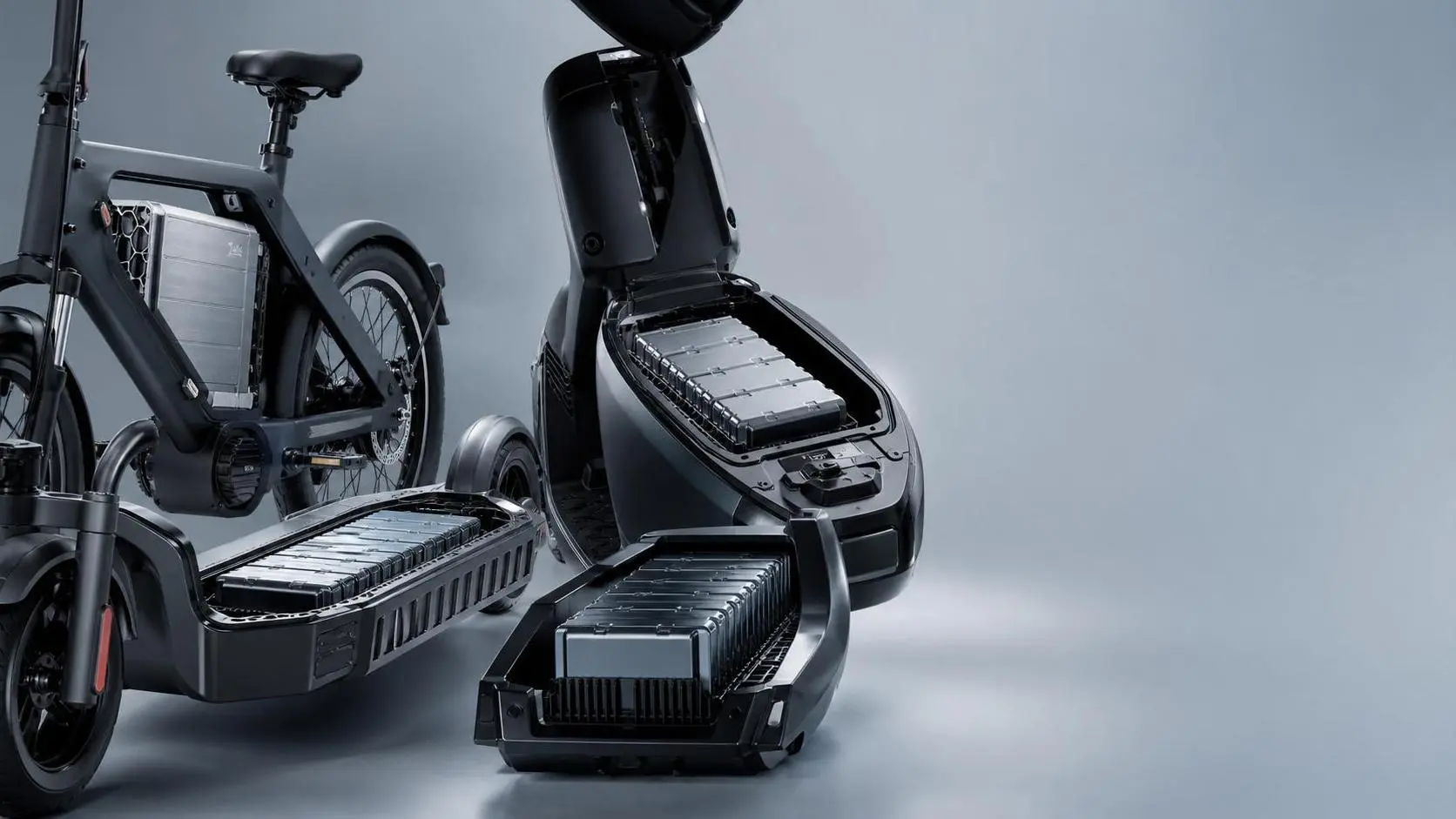
How to Choose a Compact Battery Pack: Size, Energy Density, Thermal Design, and Cycle Life
Compact battery pack selection starts with more than size. Learn how energy density, thermal design, and cycle life shape range, safety, and long-term value.
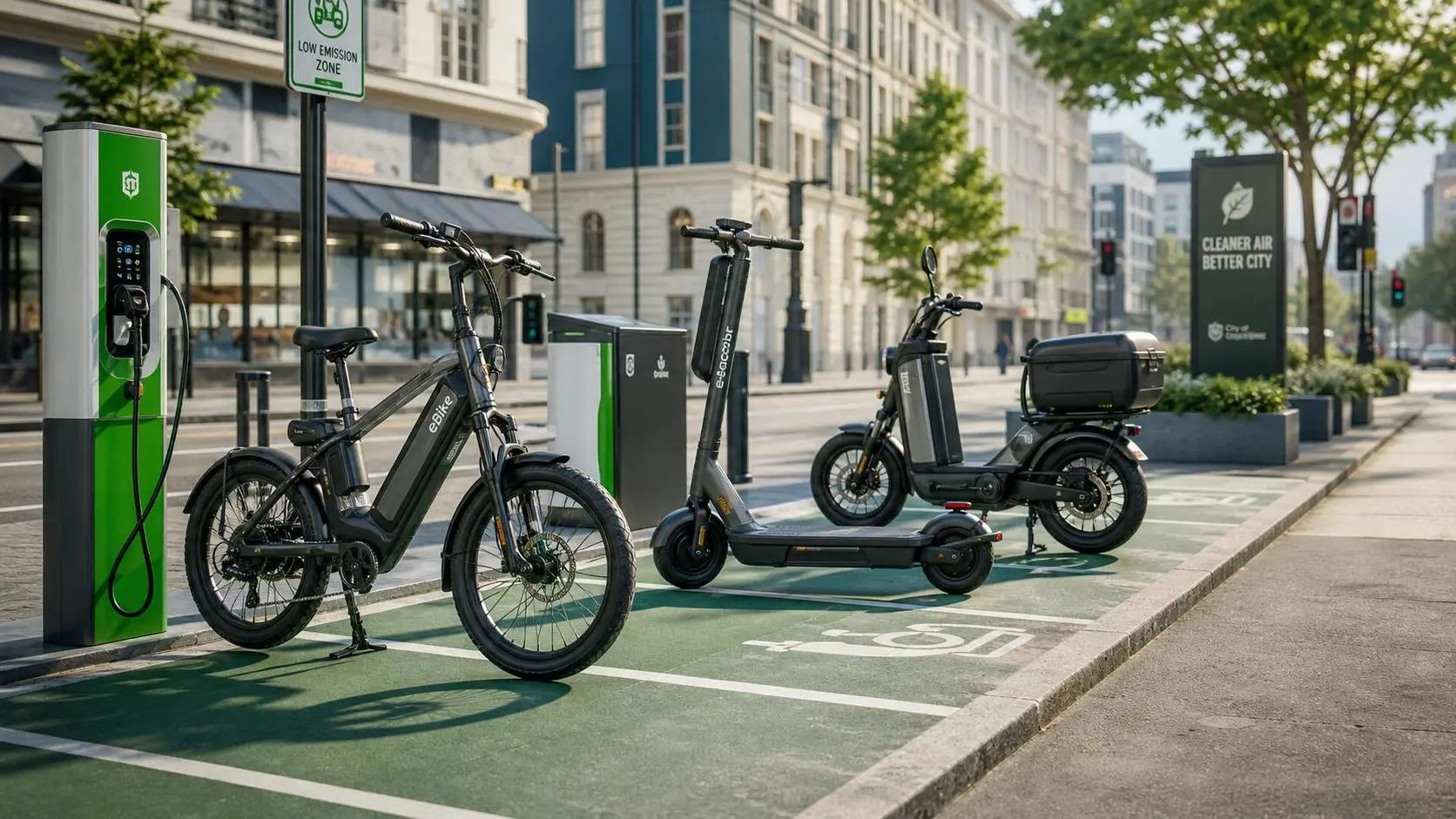
What Is Driving Green Two-wheelers Demand in Europe? Policy, Fuel Costs, and Buyer Segments
Green two-wheelers demand Europe is rising as policy support, fuel cost pressure, and diverse buyer segments reshape urban mobility. Explore the trends driving the next growth wave.