
Related News
- 00
0000-00
Urban Micro-Mobility Systems in Latin America: Key Market Drivers, Barriers, and Growth Segments - 00
0000-00
Intellectualization of Mobility in North America: What Is Driving Adoption Across Urban Transport? - 00
0000-00
What Is Driving Green Two-wheelers Demand in Europe? Policy, Fuel Costs, and Buyer Segments - 00
0000-00
Urban Micro-Mobility in North America: Policy, Charging Access, and Fleet Growth Drivers - 00
0000-00
Carbon Neutrality for Fleets: How to Measure Emissions and Prioritize Upgrades
Prof. Marcus Chen
Weekly Insights
Stay ahead with our curated technology reports delivered every Monday.
Is urban traffic micro-circulation reshaping last mile travel?





Urban traffic micro-circulation is moving from concept to core mobility layer
Is urban traffic micro-circulation becoming the key force behind last mile travel? The answer is increasingly yes across dense global cities.
Congestion is worsening, curb space is constrained, and short trips now dominate many daily movement patterns. Traditional transport alone cannot absorb this pressure efficiently.
That gap is where urban traffic micro-circulation is gaining strategic value. It connects rail stations, offices, campuses, residential districts, and retail zones with lighter vehicles and smarter networks.
E-bikes, smart e-scooters, and high-speed electric two-wheelers are no longer fringe devices. They are becoming part of practical urban operating systems.
For UMMS, this shift matters because the last mile is not only about vehicles. It is about battery logic, drivetrain precision, safety systems, connectivity, and policy alignment.
As a result, urban traffic micro-circulation is reshaping last mile travel through coordinated advances in hardware, software, and city governance.
Clear trend signals show last mile travel is being redefined
Several visible signals suggest that urban traffic micro-circulation has entered a new phase of maturity rather than a temporary growth cycle.
First, consumers increasingly prefer flexible short-distance options. Many trips under five kilometers are too long to walk and too inefficient for private cars.
Second, city authorities are redesigning streets for mixed-mode travel. Protected lanes, low-emission districts, and parking controls are redirecting travel behavior.
Third, shared mobility operators are becoming more data-driven. They now focus less on scale at any cost and more on utilization, compliance, and fleet durability.
Fourth, component innovation is improving user trust. Better brakes, stronger frames, thermal management, and sensor integration reduce failure points in daily use.
These shifts indicate that urban traffic micro-circulation is evolving into a measurable infrastructure category, not merely a consumer trend.
Why this matters for city movement patterns
Last mile travel has always been a weak link in public transport systems. The missing connection often determines whether people choose low-carbon mobility at all.
Urban traffic micro-circulation closes that gap by reducing transfer friction. It shortens access time, improves reliability, and extends the practical reach of transit hubs.
This is especially important in expanding cities, where commuting patterns are dispersed and many districts lack direct high-capacity transport coverage.
The strongest drivers behind urban traffic micro-circulation
The rise of urban traffic micro-circulation is being pushed by structural forces rather than a single product category.
Technology is now a decisive multiplier
Urban traffic micro-circulation scales more effectively when vehicles become smarter, safer, and easier to maintain under intensive operating conditions.
- Brushless motors improve efficiency and reduce maintenance frequency.
- Battery management systems support stable performance and thermal safety.
- Wireless electronic shifting enhances precision for performance-oriented bicycles.
- Sensor systems improve visibility, braking response, and route optimization.
- Data platforms help operators align fleets with real demand patterns.
This is why the market conversation is expanding from simple vehicle sales to integrated mobility systems and component ecosystems.
How different business links are being affected
The growth of urban traffic micro-circulation creates opportunities and pressure across multiple layers of the value chain.
Vehicle platforms and component systems
E-bike and scooter platforms must now balance range, durability, portability, and safety within tighter urban regulations and user expectations.
High-speed e-motorcycles face a different challenge. They must deliver stronger performance while fitting battery-swapping models and advanced thermal management requirements.
Precision components also matter more. Derailleur systems, braking assemblies, and drive modules influence reliability, energy transfer, and rider confidence.
Fleet operations and city systems
Shared mobility fleets depend on high uptime, geofencing control, and predictable maintenance costs. Poor system integration quickly erodes profitability.
At the city level, urban traffic micro-circulation affects curb management, parking design, insurance rules, enforcement models, and multimodal planning.
That means operational success increasingly depends on technical compliance as much as product appeal.
Market intelligence and strategic positioning
This is where intelligence platforms like UMMS become valuable. The market changes too quickly for static assumptions about regulation, demand, or technical standards.
Subsidy shifts, right-of-way rules, anti-interference protocols, and component performance trends can all alter competitiveness across regions.
What deserves the closest attention now
Urban traffic micro-circulation is not growing evenly. Some segments are accelerating, while others face tougher regulatory and operational filters.
- Watch local policy design, especially speed caps, parking rules, and fleet licensing.
- Track battery safety standards and thermal performance in high-frequency urban usage.
- Assess vehicle visibility and weather resilience, including smart wiper and sensor applications.
- Prioritize lightweight structures that do not compromise durability or rider protection.
- Evaluate data capability, including diagnostics, anti-theft systems, and fleet utilization analytics.
- Follow cross-category convergence between personal ownership, sharing models, and logistics use.
The most resilient strategies will connect component excellence with real urban operating conditions, not just headline market growth.
Practical judgment framework for the next stage
A useful way to evaluate urban traffic micro-circulation is to look at readiness across technology, regulation, infrastructure, and user adoption together.
This framework helps separate temporary excitement from durable market direction.
The likely direction: denser integration, stricter standards, smarter vehicles
Looking ahead, urban traffic micro-circulation will likely become more integrated with digital city management and public transport planning.
Vehicles will become lighter, more connected, and more specialized for different urban tasks, from commuting to delivery to premium performance riding.
At the same time, standards will become stricter. Safety certification, battery traceability, data compliance, and infrastructure coordination will matter more.
In that environment, strong market insight becomes a competitive asset. Understanding micro-mobility trends early can support better technical and commercial decisions.
Next steps for turning insight into action
Urban traffic micro-circulation is already reshaping last mile travel, but the winners will be those who read the signals with precision.
Focus on where policy, user behavior, and component innovation intersect. That is where scalable opportunity is emerging fastest.
Use current intelligence to compare city readiness, product requirements, and compliance risks before expanding into new mobility segments.
For deeper tracking of urban traffic micro-circulation, follow UMMS insights on e-bikes, smart e-scooters, electric motorcycles, precision bicycle systems, and strategic mobility intelligence.
Related News
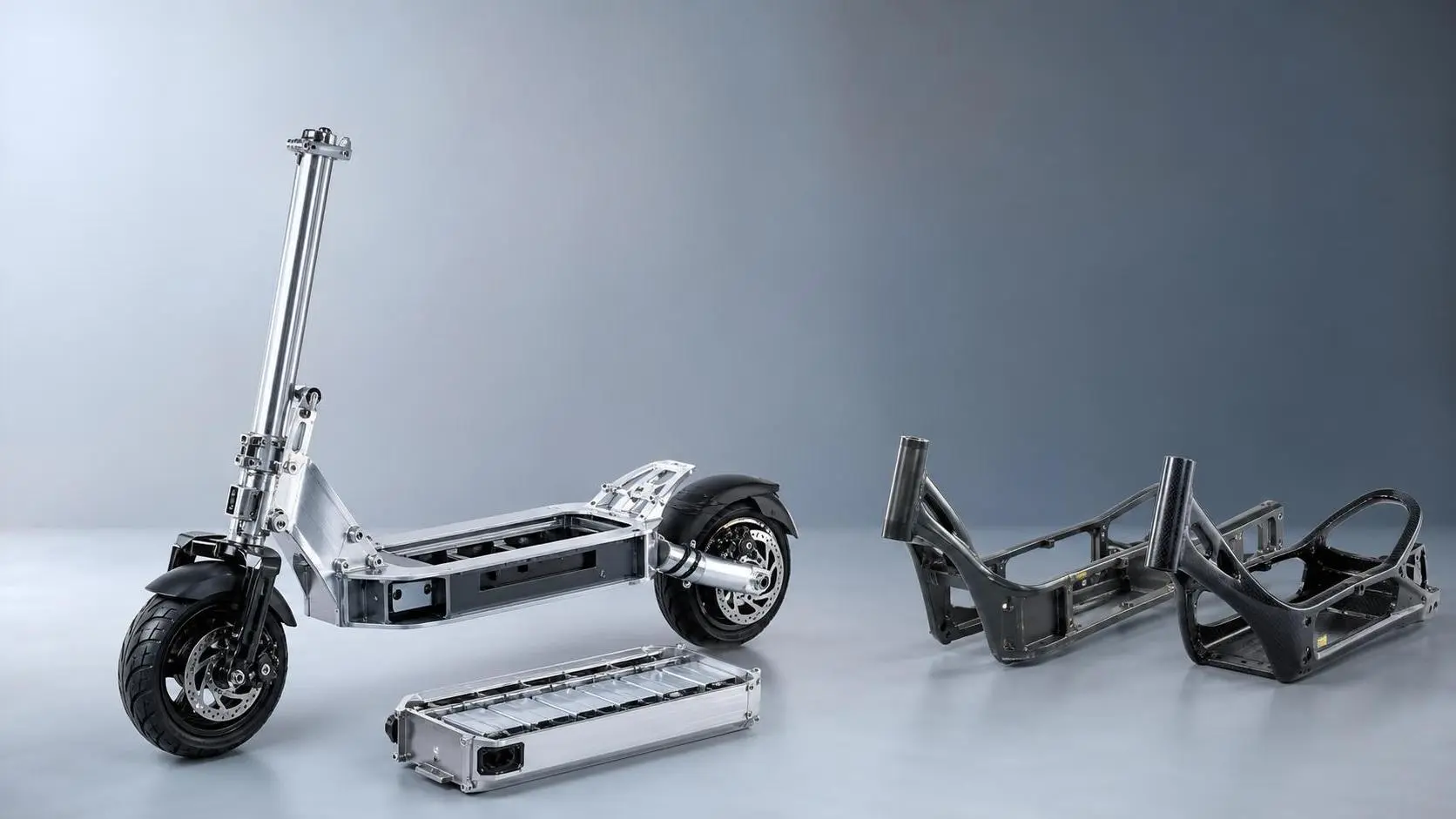
How to Choose Lightweight Scooter Frames in Europe: Materials, Standards, and Use Cases
Lightweight scooter frames Europe buyers need should balance materials, EN standards, durability, and real use cases. Discover how to choose safer, smarter, compliant frames.
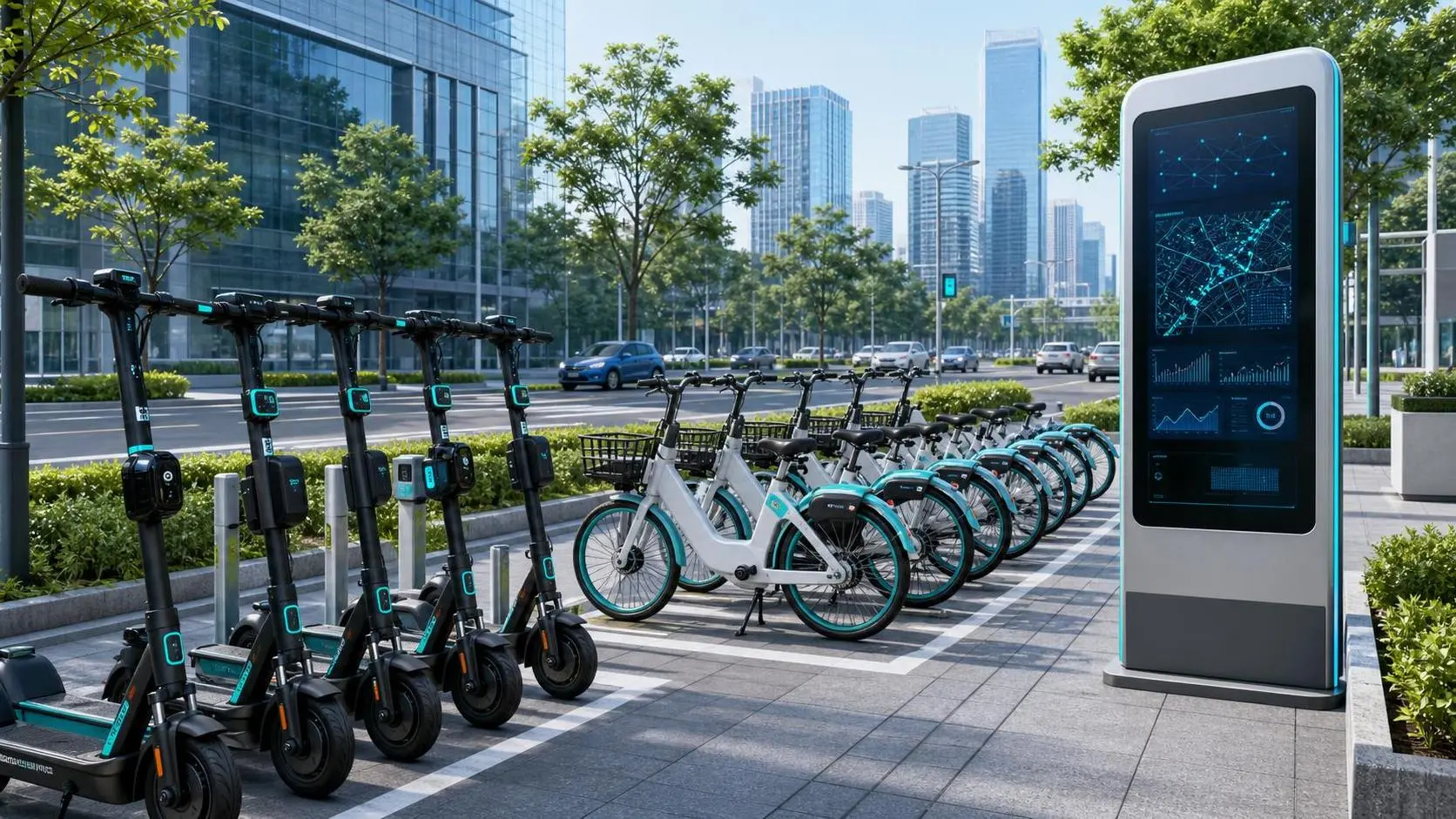
What Is the Intellectualization of Mobility Platform and How Is It Applied in Shared Fleets?
Intellectualization of mobility platform is reshaping shared fleets with real-time data, predictive maintenance, and smarter compliance—learn how it boosts safety, uptime, and urban mobility efficiency.
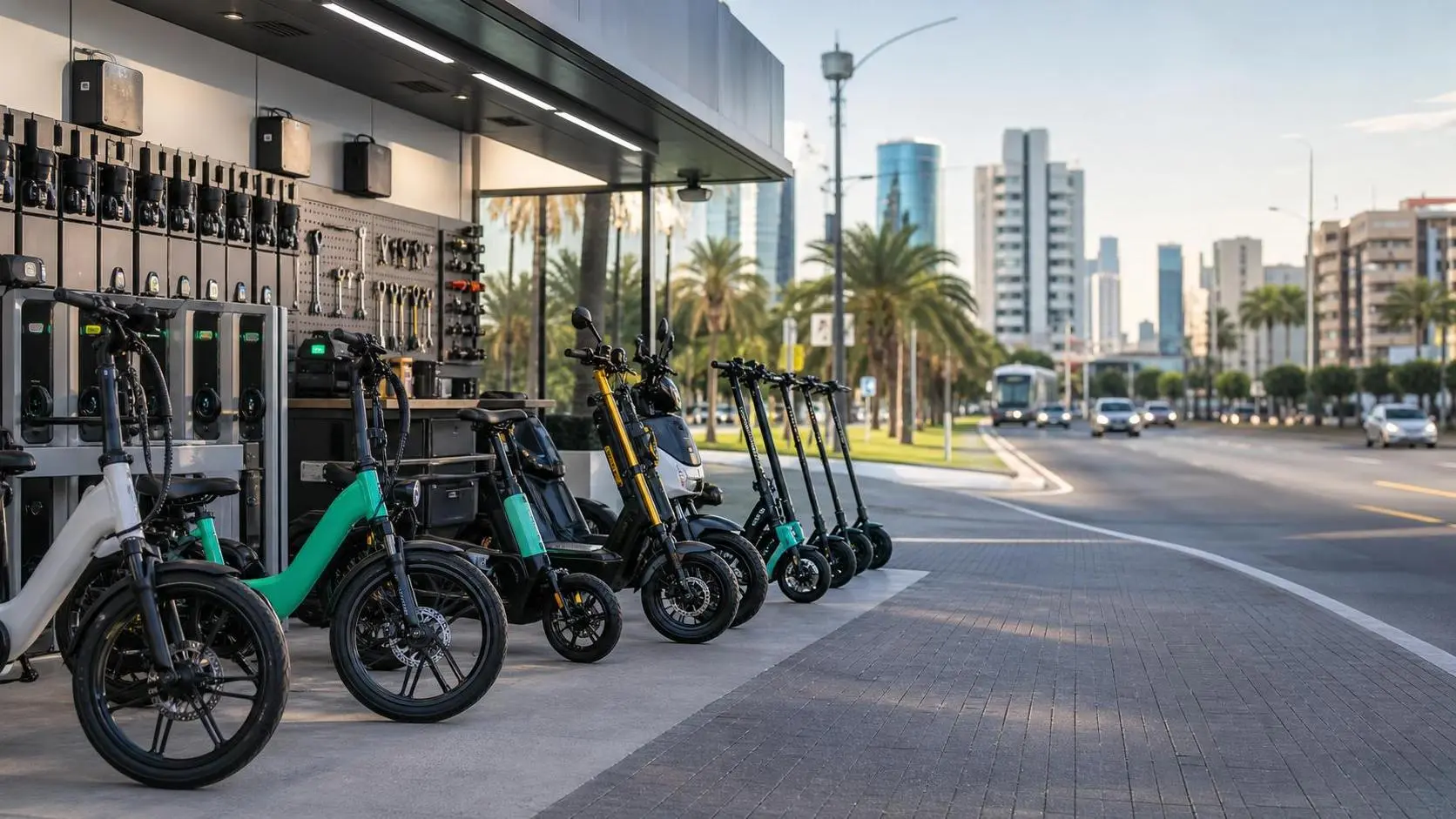
Urban Micro-Mobility Systems in Latin America: Key Market Drivers, Barriers, and Growth Segments
Urban micro-mobility systems Latin America are reshaping city transport. Explore key drivers, barriers, and high-growth segments to spot the region’s most investable opportunities.
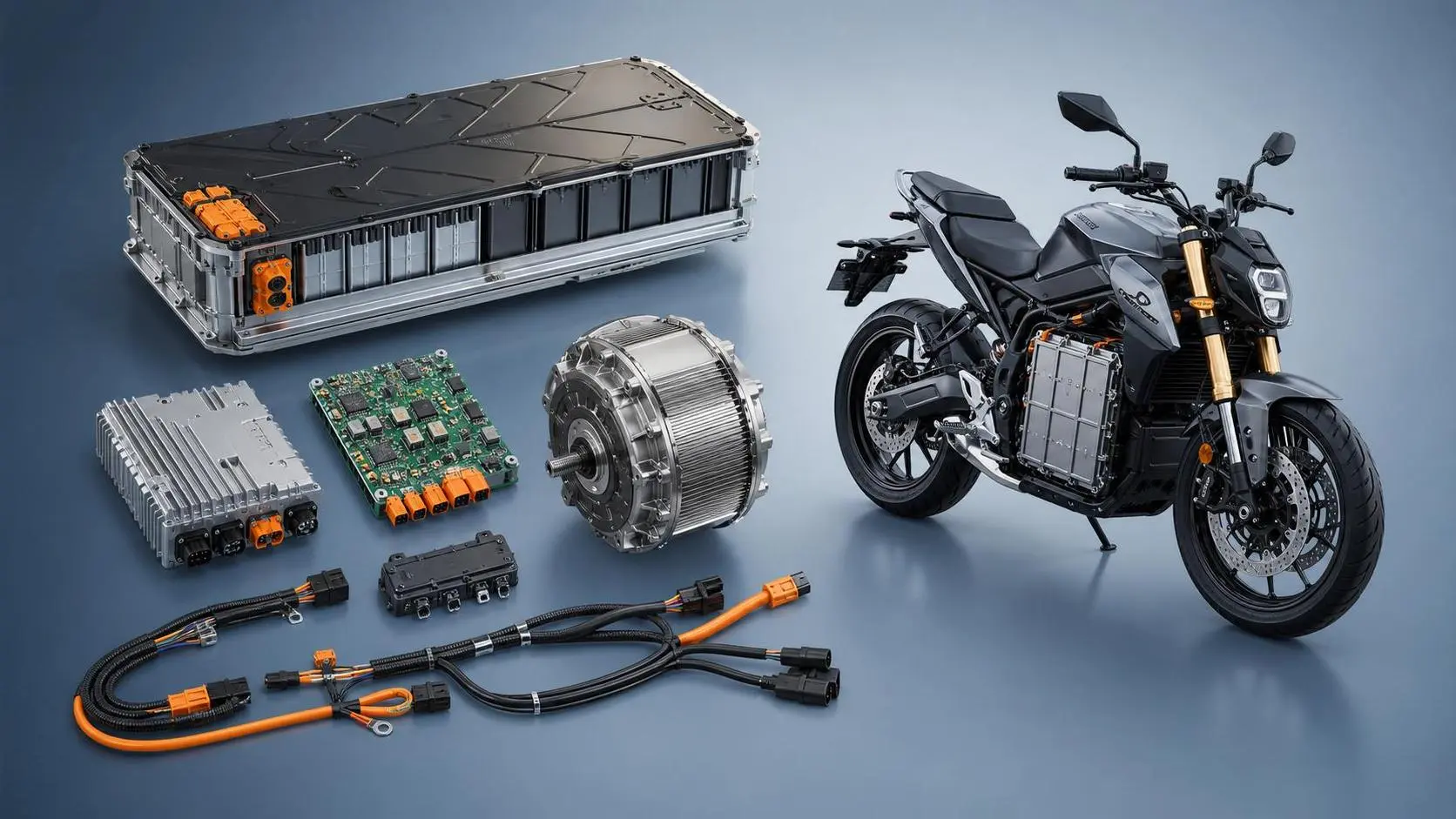
Electric Motorcycle Systems Price Breakdown: What Affects Cost From Battery to Controller?
Electric motorcycle systems price explained: see how battery, controller, motor, BMS, and wiring affect total cost, reliability, and sourcing value before you buy.
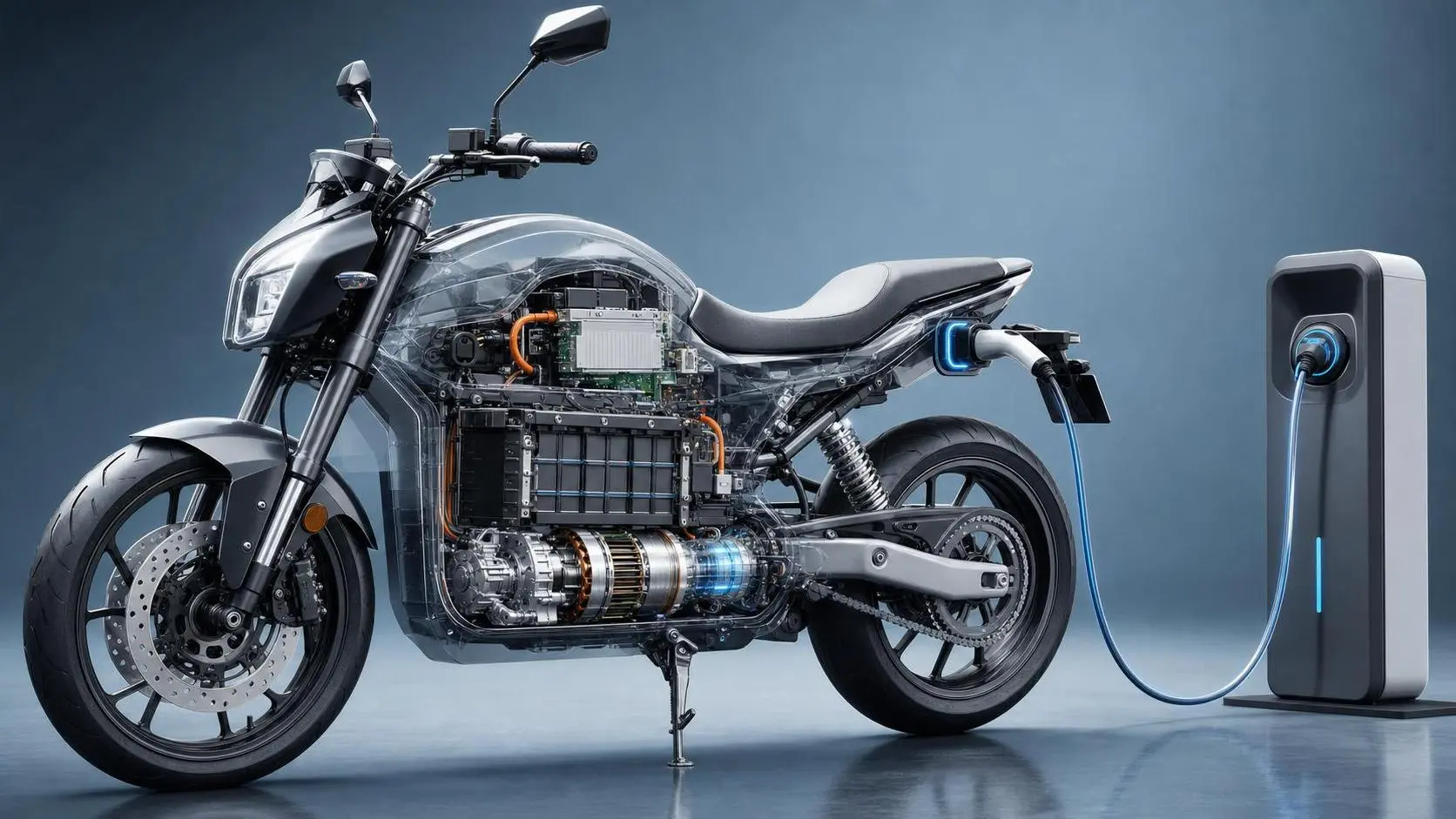
72V Electric Motorcycle Technology Explained: Motors, Controllers, Range, and Charging
Electric motorcycle technology 72V explained clearly: compare motors, controllers, range, battery design, and charging to choose a smoother, stronger, and smarter electric ride.
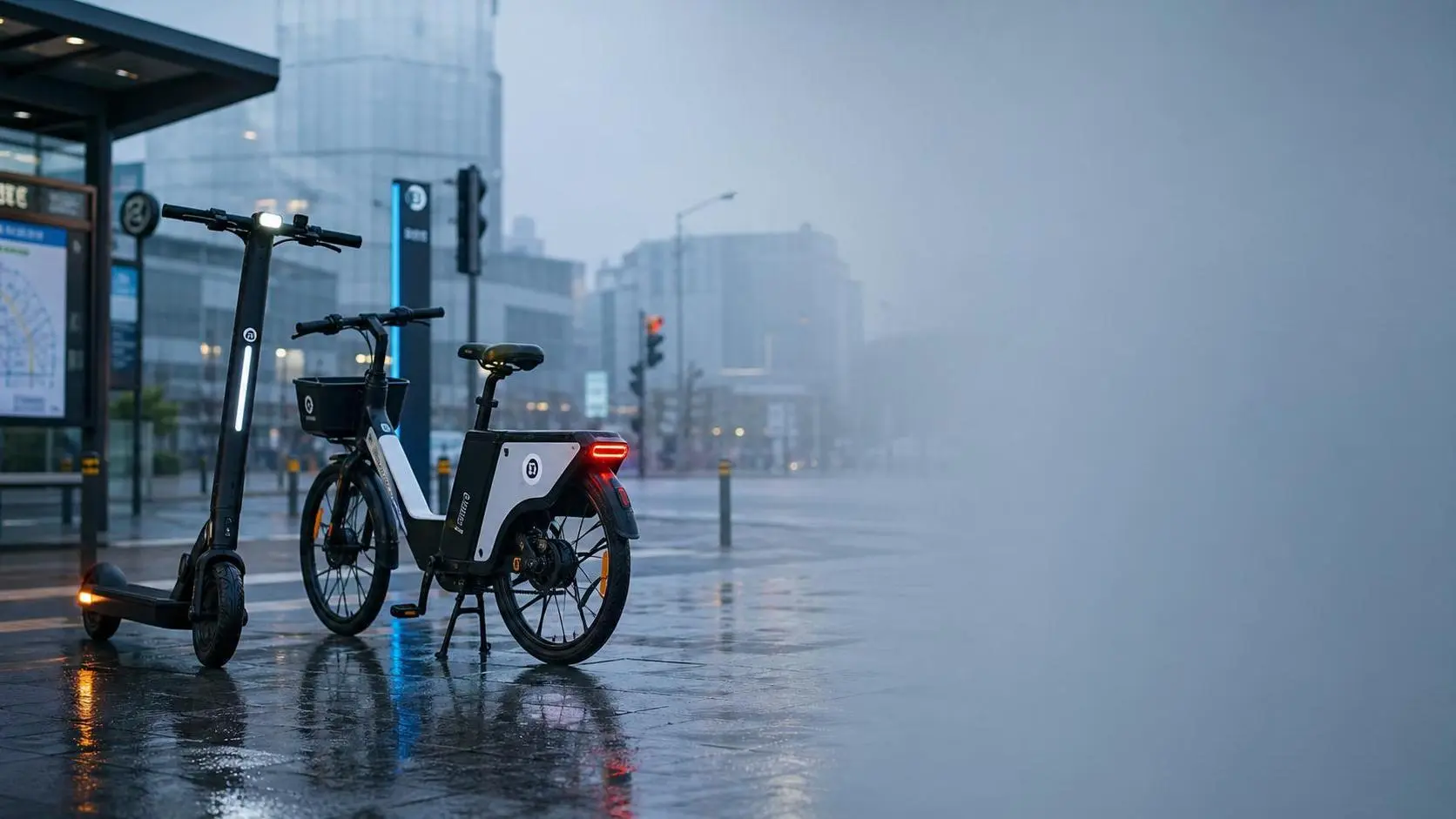
Where LED Urban Visibility Safety Systems Fit Best in Shared Scooters and City E-bikes
LED urban visibility safety systems deliver the most value in shared scooters and city e-bikes by improving multi-angle safety, fleet durability, and urban compliance across real-world routes.
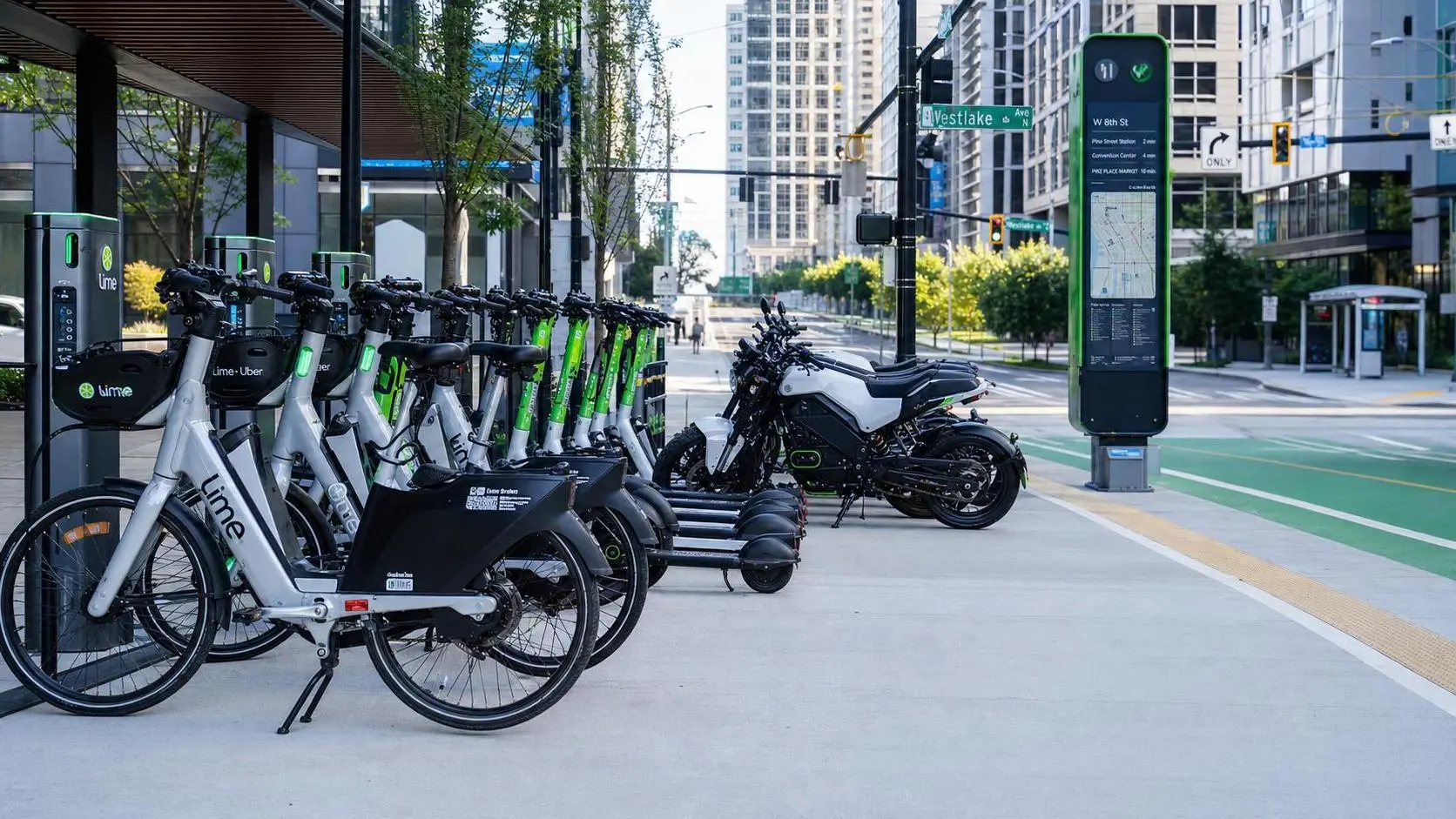
Intellectualization of Mobility in North America: What Is Driving Adoption Across Urban Transport?
Intellectualization of mobility North America is reshaping urban transport through data, smart fleets, and battery intelligence. Explore what is driving adoption and why cities and operators are accelerating now.
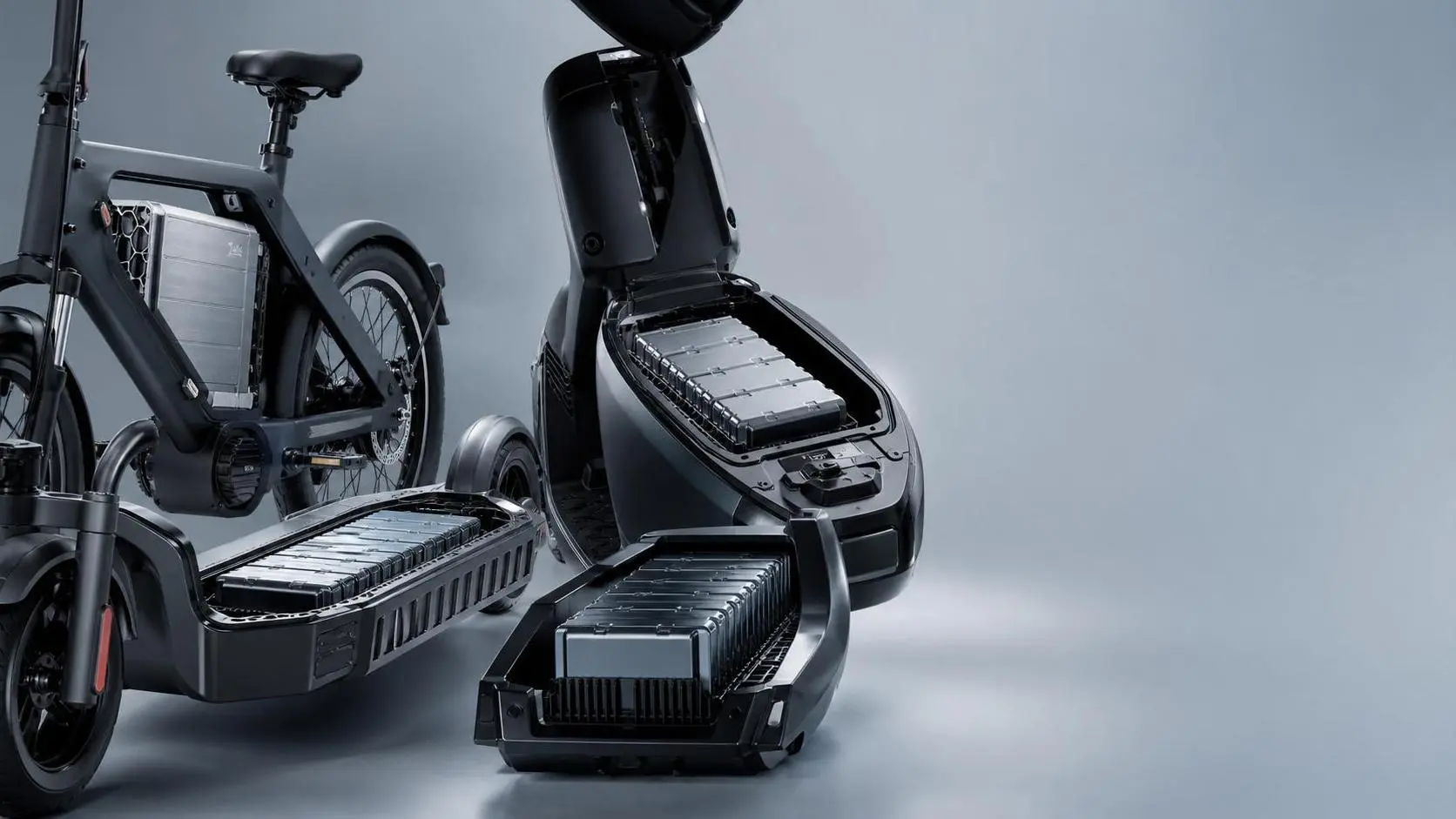
How to Choose a Compact Battery Pack: Size, Energy Density, Thermal Design, and Cycle Life
Compact battery pack selection starts with more than size. Learn how energy density, thermal design, and cycle life shape range, safety, and long-term value.
What Is Driving Green Two-wheelers Demand in Europe? Policy, Fuel Costs, and Buyer Segments
Green two-wheelers demand Europe is rising as policy support, fuel cost pressure, and diverse buyer segments reshape urban mobility. Explore the trends driving the next growth wave.