
Related News
- 00
0000-00
Urban Micro-Mobility Systems in Latin America: Key Market Drivers, Barriers, and Growth Segments - 00
0000-00
Intellectualization of Mobility in North America: What Is Driving Adoption Across Urban Transport? - 00
0000-00
What Is Driving Green Two-wheelers Demand in Europe? Policy, Fuel Costs, and Buyer Segments - 00
0000-00
Urban Micro-Mobility in North America: Policy, Charging Access, and Fleet Growth Drivers - 00
0000-00
Carbon Neutrality for Fleets: How to Measure Emissions and Prioritize Upgrades
Prof. Marcus Chen
Weekly Insights
Stay ahead with our curated technology reports delivered every Monday.
What evolutionary trends mean for compact mobility





What evolutionary trends mean for compact mobility
As cities become denser and climate targets tighten, evolutionary trends in compact mobility are reshaping how people move through the last mile.
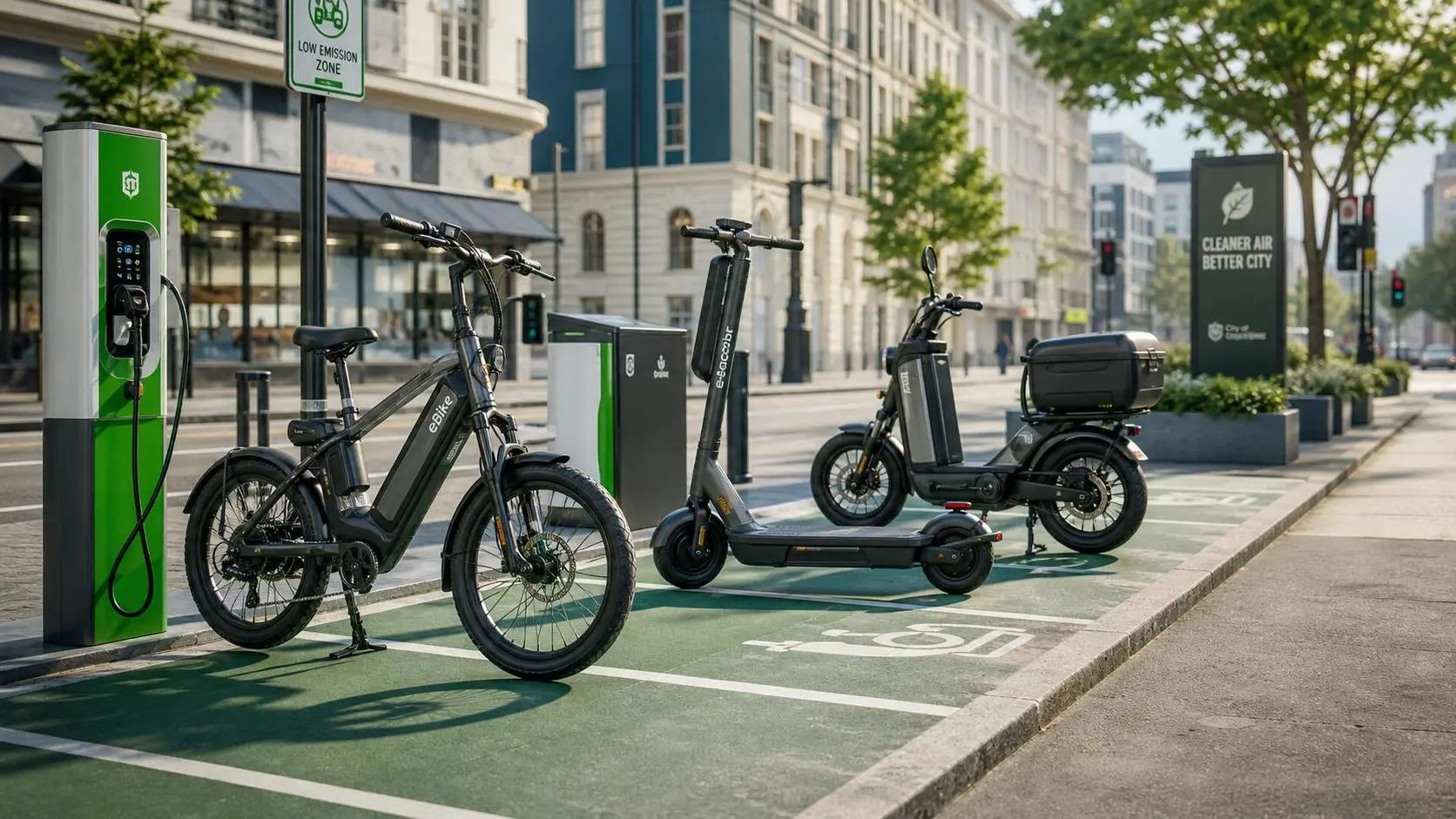
From e-bikes and smart e-scooters to high-speed e-motorcycles, today’s ecosystem is defined by electrification, connectivity, efficiency, and safety.
These evolutionary trends show where transport technology, policy incentives, component innovation, and consumer demand converge into practical low-carbon mobility systems.
Why evolutionary trends need a checklist view
Compact mobility no longer means a single vehicle category. It now includes energy systems, software layers, drivetrain precision, safety sensors, and urban rules.
A checklist helps convert broad evolutionary trends into measurable decisions. It separates market noise from durable technical and commercial signals.
Without structured judgment, short-term product hype can hide battery risks, regulatory limits, service costs, or weak component integration.
The strongest compact mobility strategies evaluate vehicles as systems. Motors, batteries, frames, controls, and policies must evolve together.
Core checklist for reading compact mobility evolutionary trends
- Map propulsion efficiency first, because evolutionary trends favor motors, controllers, and transmissions that reduce energy loss across daily stop-and-go routes.
- Check battery density, thermal control, and charging logic before judging range claims, especially for e-bikes, e-scooters, and high-speed e-motorcycles.
- Compare vehicle weight against structural stiffness, since compact mobility evolutionary trends reward lightweight frames that remain safe under repeated urban impact.
- Assess connectivity functions by usefulness, not novelty, including diagnostics, anti-theft positioning, firmware updates, fleet data, and predictive maintenance alerts.
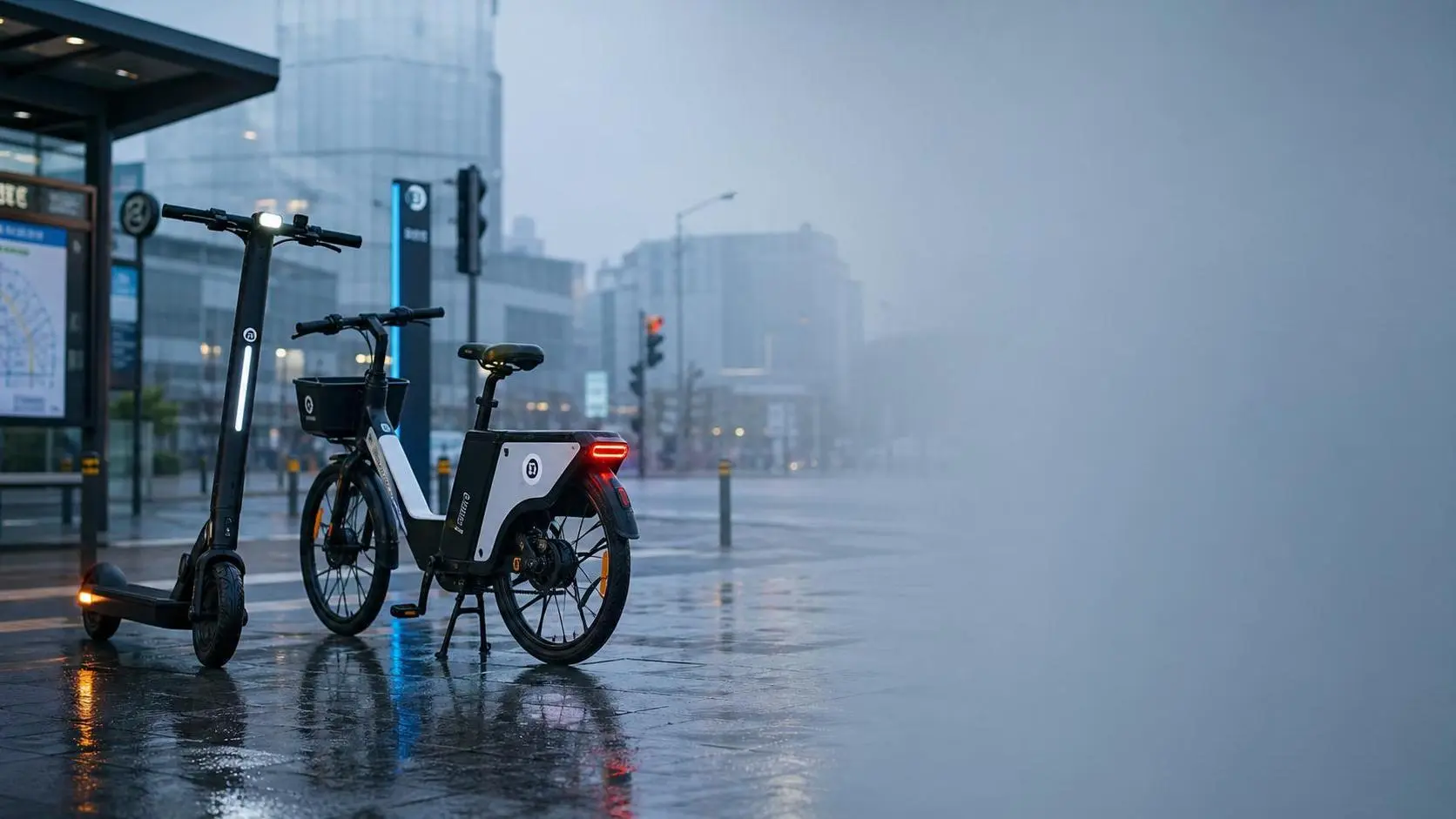
- Review braking, lighting, tires, and visibility systems together, because safety evolutionary trends depend on integrated responses during rain, darkness, and congestion.
- Track local right-of-way rules, speed limits, subsidies, and parking restrictions before forecasting adoption in any dense metropolitan transport corridor.
- Measure lifecycle serviceability, including replaceable batteries, modular drivetrains, available spare parts, and repair complexity across different urban usage cycles.
- Validate drivetrain precision under real load, especially electronic shifting, hub motors, mid-drive systems, belt drives, and chainline alignment.
- Examine data security and communication resilience, because evolutionary trends increasingly rely on wireless controls, IoT modules, and cloud-linked maintenance systems.
- Prioritize weather durability, including seals, corrosion resistance, wiper performance, sensor accuracy, and battery protection during extreme seasonal operation.
Application scenario one: e-bikes as practical urban workhorses
E-bikes reveal evolutionary trends that combine human power with electric assistance. Their success depends on comfort, reliability, regulatory fit, and service availability.
Mid-drive motors support climbing and cargo loads. Hub motors simplify cost and maintenance. The best choice depends on terrain and riding frequency.
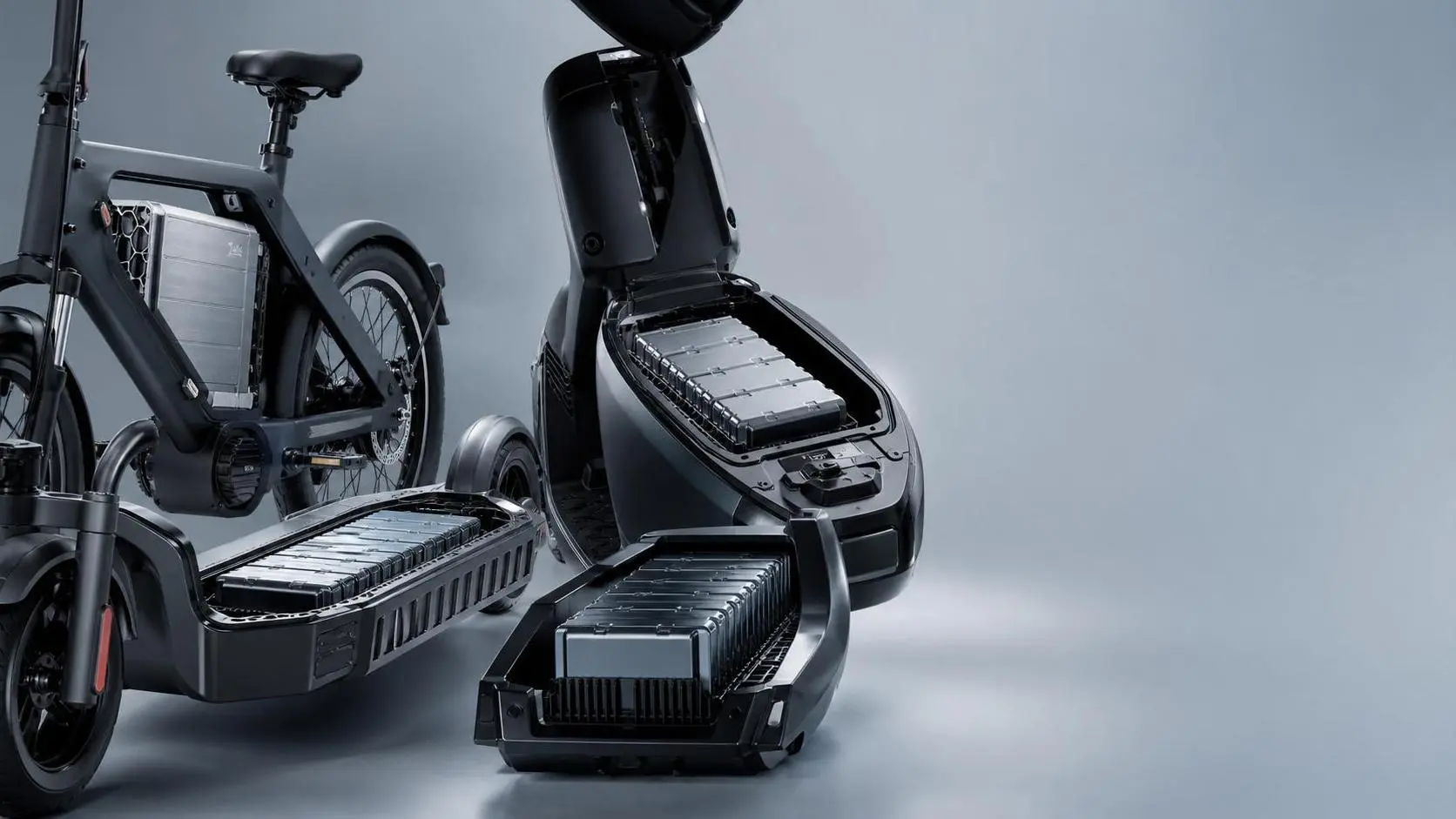
Battery placement also matters. Integrated downtube packs improve balance, while removable batteries support apartment charging and shared storage constraints.
For e-bikes, evolutionary trends point toward torque sensors, smarter assist curves, anti-theft tracking, and components built for longer maintenance intervals.
Application scenario two: smart e-scooters and managed last-mile flow
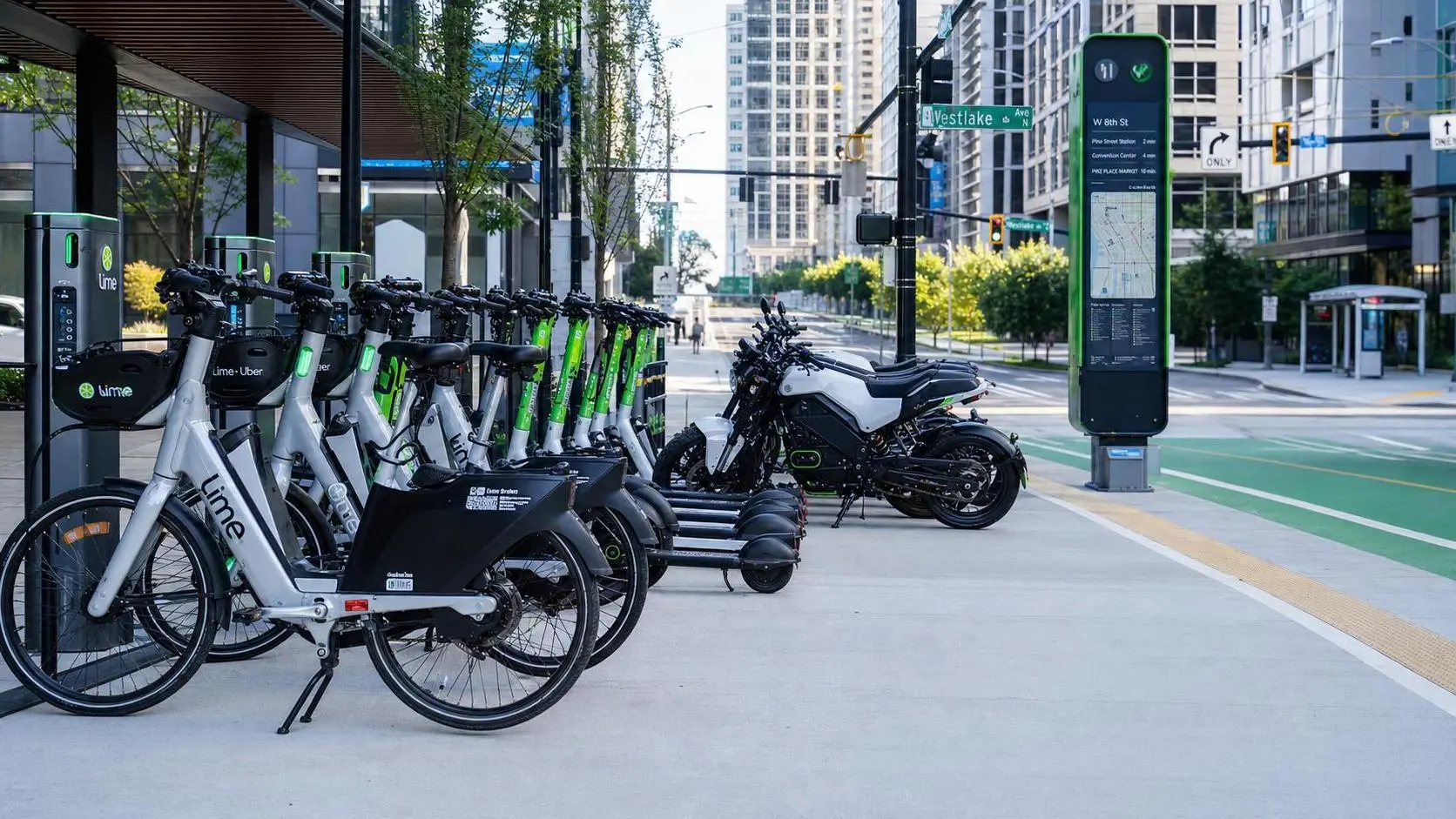
Smart e-scooters translate evolutionary trends into compact convenience. Their advantage lies in small footprints, rapid deployment, and strong fit with transit nodes.
Yet scooter performance depends on more than motor output. Deck strength, tire format, waterproofing, braking modulation, and geofencing shape daily reliability.
IoT modules are central. They support location control, battery status, theft response, usage analytics, remote locking, and speed management.
In shared networks, evolutionary trends favor swappable batteries, fleet-level diagnostics, durable frames, and compliance with changing sidewalk and lane policies.
Application scenario three: high-speed e-motorcycles and powertrain maturity
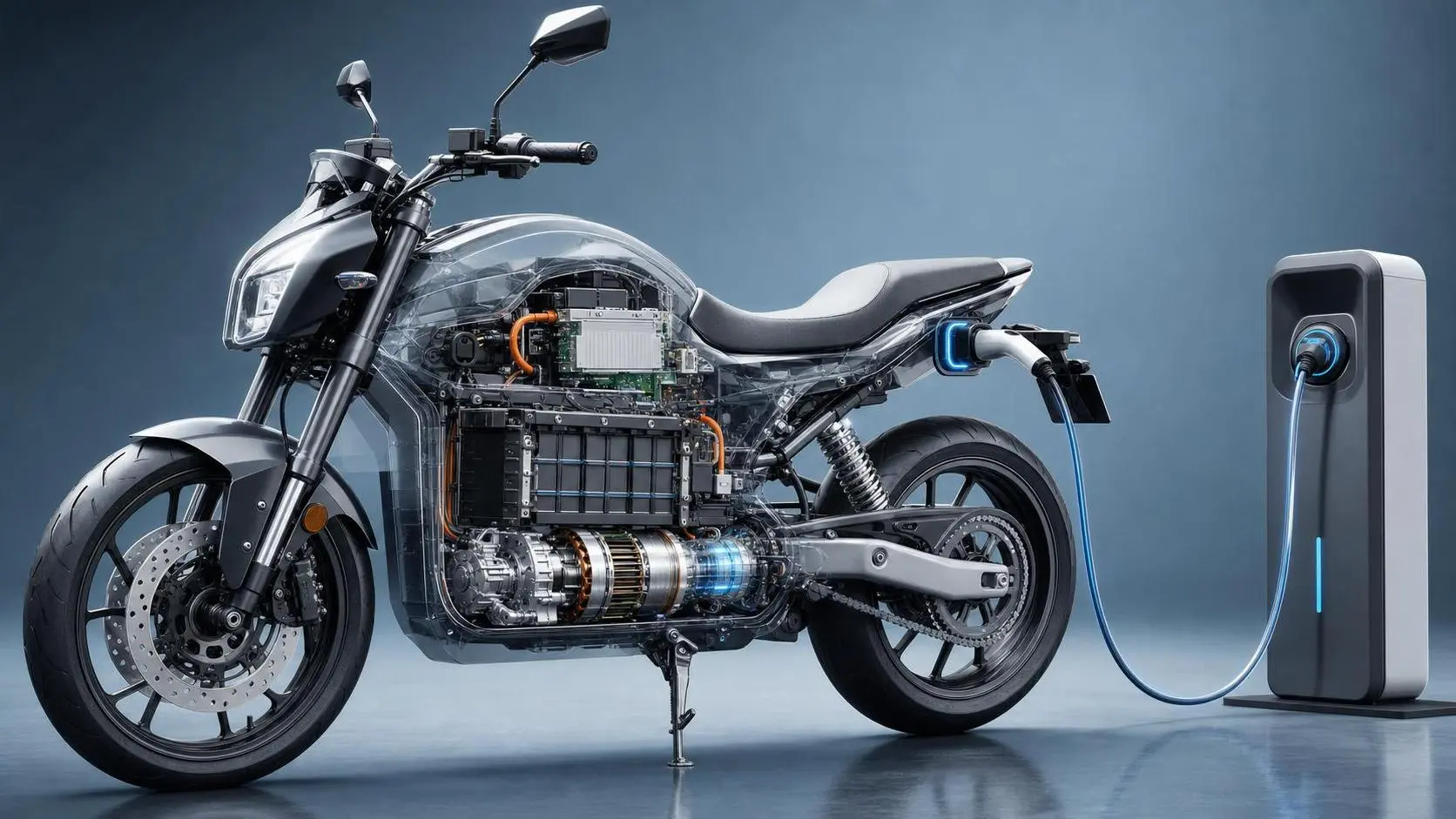
High-speed e-motorcycles show evolutionary trends at the performance edge. Instant torque creates strong acceleration, but thermal control determines sustainable output.
Battery-swapping networks can reduce downtime. However, they require pack standardization, safe locking systems, thermal monitoring, and reliable station economics.
Vehicle controllers must manage torque delivery, regenerative braking, temperature, voltage limits, and rider modes without creating unstable handling behavior.
Here, evolutionary trends indicate a shift from isolated performance claims toward complete electric powertrain architecture and verified duty-cycle durability.
Application scenario four: precision drivetrain components
Bicycle derailleur components remain central to compact mobility quality. Mechanical precision still shapes ride feel, energy transfer, and long-term dependability.
Wireless electronic shifting highlights evolutionary trends in milliseconds. Fast actuation, anti-interference protocols, battery status, and crash recovery all affect performance.
Drivetrain selection should match rider load, chain durability, cassette range, motor torque, and maintenance access in the intended mobility environment.
The next phase of evolutionary trends will merge drivetrain data with service platforms, allowing earlier detection of wear and misalignment.
Application scenario five: wiper systems and visibility safety
Wiper systems may seem separate from two-wheel mobility, but compact urban vehicles increasingly need reliable visibility under intense weather conditions.
Evolutionary trends in wiper design include brushless motors, aerodynamic blade profiles, sensor-linked activation, quieter operation, and improved water evacuation.
For enclosed scooters, lightweight electric vehicles, and delivery pods, visibility systems directly influence safety, liability, and all-weather usability.
The practical question is simple. Can the system maintain clear sightlines during vibration, low temperature, heavy rain, and dirty road spray?
Common overlooked risks in compact mobility decisions
Ignoring regulatory fragmentation
Evolutionary trends vary by city and country. A vehicle legal in one region may face speed caps, registration rules, or parking limits elsewhere.
Overvaluing headline range
Range depends on rider weight, terrain, temperature, tire pressure, wind, acceleration patterns, and battery age. Laboratory figures rarely explain real usage.
Underestimating maintenance infrastructure
Compact mobility fails when parts, technicians, diagnostics, and documentation lag behind adoption. Service access is part of technical credibility.
Treating connectivity as guaranteed value
Connected features need stable firmware, secure data handling, useful dashboards, and repair pathways. Poor software can weaken otherwise strong hardware.
Missing component compatibility
Motors, controllers, batteries, brakes, drivetrains, sensors, and frames must be tested as one system. Compatibility gaps create costly failures.
Practical execution guide for using evolutionary trends
- Define the operating environment first, including average trip length, gradients, weather exposure, storage conditions, and local road quality.
- Create a component map linking battery, motor, controller, drivetrain, brakes, connectivity, frame structure, and visibility systems.
- Score each technology signal by durability, regulation fit, lifecycle cost, user convenience, and measurable energy efficiency.
- Test claims against real duty cycles, not marketing scenarios, especially for range, waterproofing, braking distance, and thermal stability.
- Monitor policy updates monthly, because subsidies, lane access, battery rules, and shared-mobility restrictions can change adoption speed.
- Build a repair and parts plan before scaling, including battery replacement, software resets, derailleur adjustment, and brake servicing.
- Compare evolutionary trends across regions to identify which innovations are temporary experiments and which are becoming global standards.
How to judge whether a trend is durable
Durable evolutionary trends solve persistent problems. They reduce energy waste, improve safety, simplify ownership, extend component life, or unlock regulatory acceptance.
Temporary trends usually depend on subsidies alone, weak novelty, or performance claims that fail during bad weather and intensive daily use.
A strong signal appears across multiple vehicle types. For example, modular batteries benefit e-bikes, scooters, and e-motorcycles alike.
Another strong signal is component convergence. Sensors, controllers, wireless protocols, and service platforms increasingly connect once-separate mobility functions.
Summary and action direction
Evolutionary trends in compact mobility point toward cleaner propulsion, smarter control, safer operation, and more disciplined component integration.
The practical path is not chasing every new feature. It is building a structured view of systems, risks, and operating conditions.
Start with the checklist. Map the use case, verify powertrain efficiency, test durability, read regulations, and confirm service readiness.
Then compare evolutionary trends across e-bikes, smart e-scooters, high-speed e-motorcycles, wipers, and precision drivetrain components.
The next generation of compact mobility will reward systems that are light, connected, repairable, safe, and genuinely energy efficient.
- e-bikes
- smart e-scooters
- high-speed e-motorcycles
- bicycle derailleur
- wiper systems
- electric powertrain
- low-carbon mobility
- wireless electronic shifting
- battery-swapping networks
- precision drivetrain
- IoT modules
- lightweight frames
- brushless motors
- lightweight electric vehicles
- evolutionary trends
- anti-interference protocols
- technical credibility
Related News
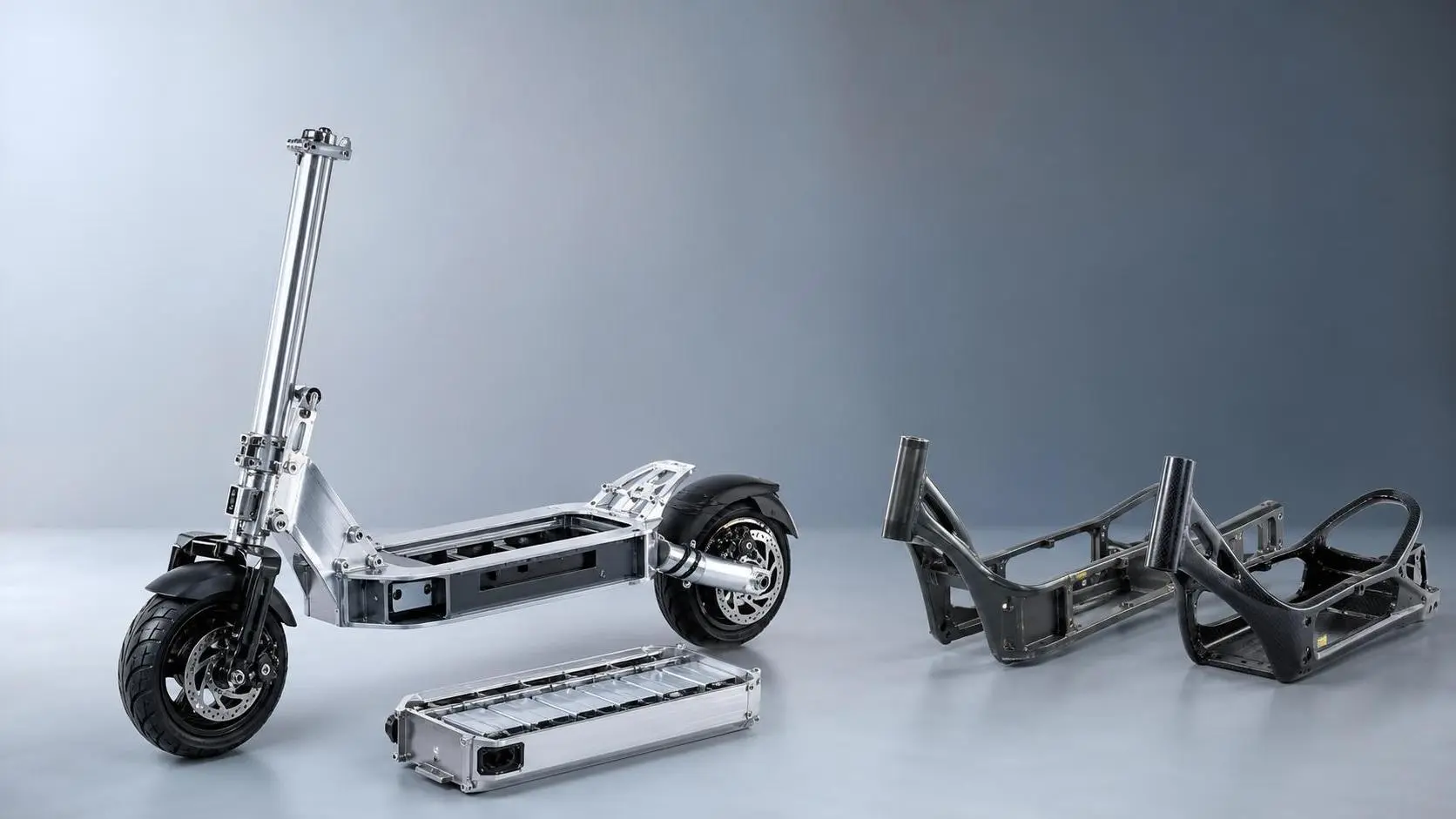
How to Choose Lightweight Scooter Frames in Europe: Materials, Standards, and Use Cases
Lightweight scooter frames Europe buyers need should balance materials, EN standards, durability, and real use cases. Discover how to choose safer, smarter, compliant frames.
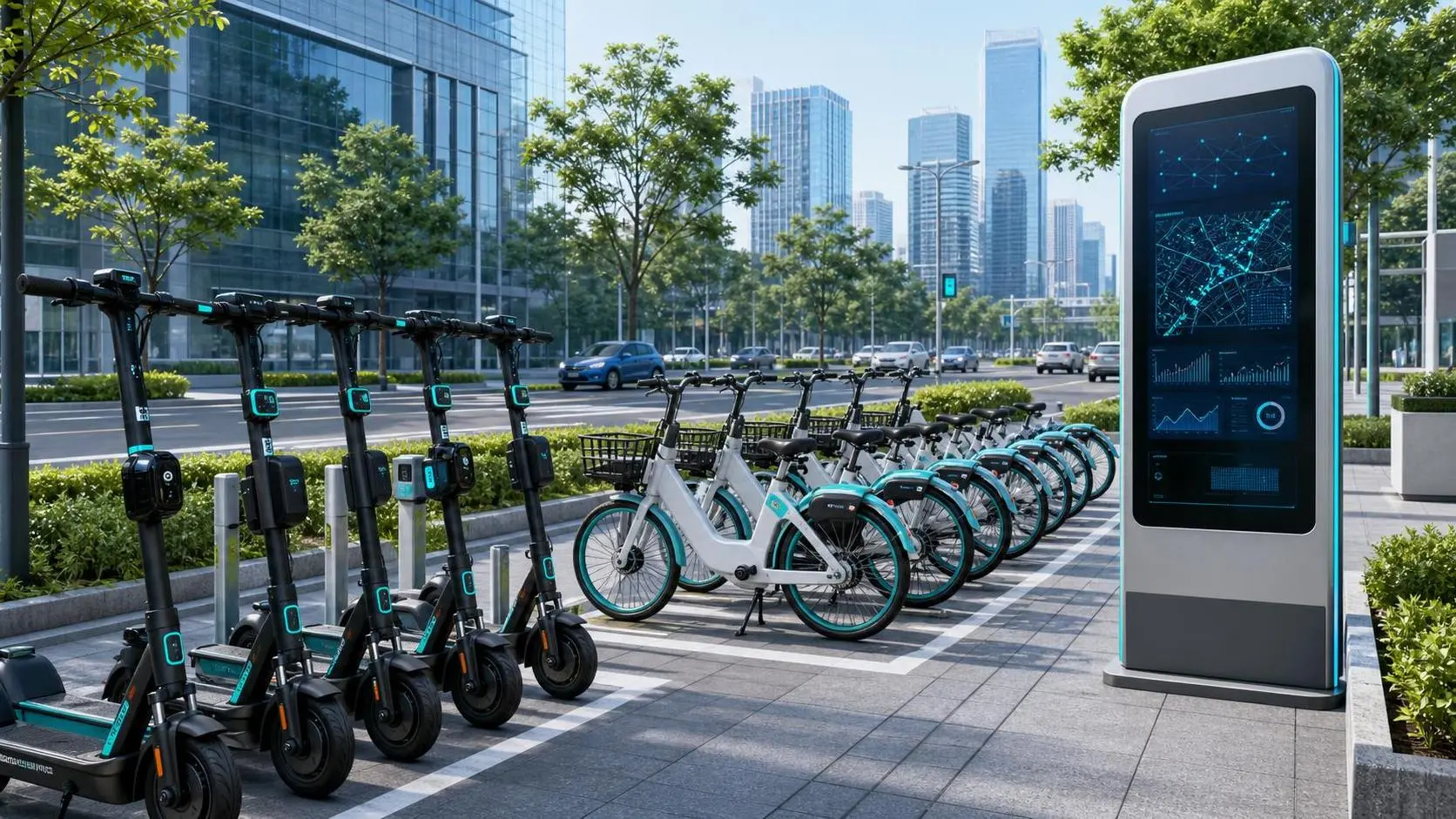
What Is the Intellectualization of Mobility Platform and How Is It Applied in Shared Fleets?
Intellectualization of mobility platform is reshaping shared fleets with real-time data, predictive maintenance, and smarter compliance—learn how it boosts safety, uptime, and urban mobility efficiency.
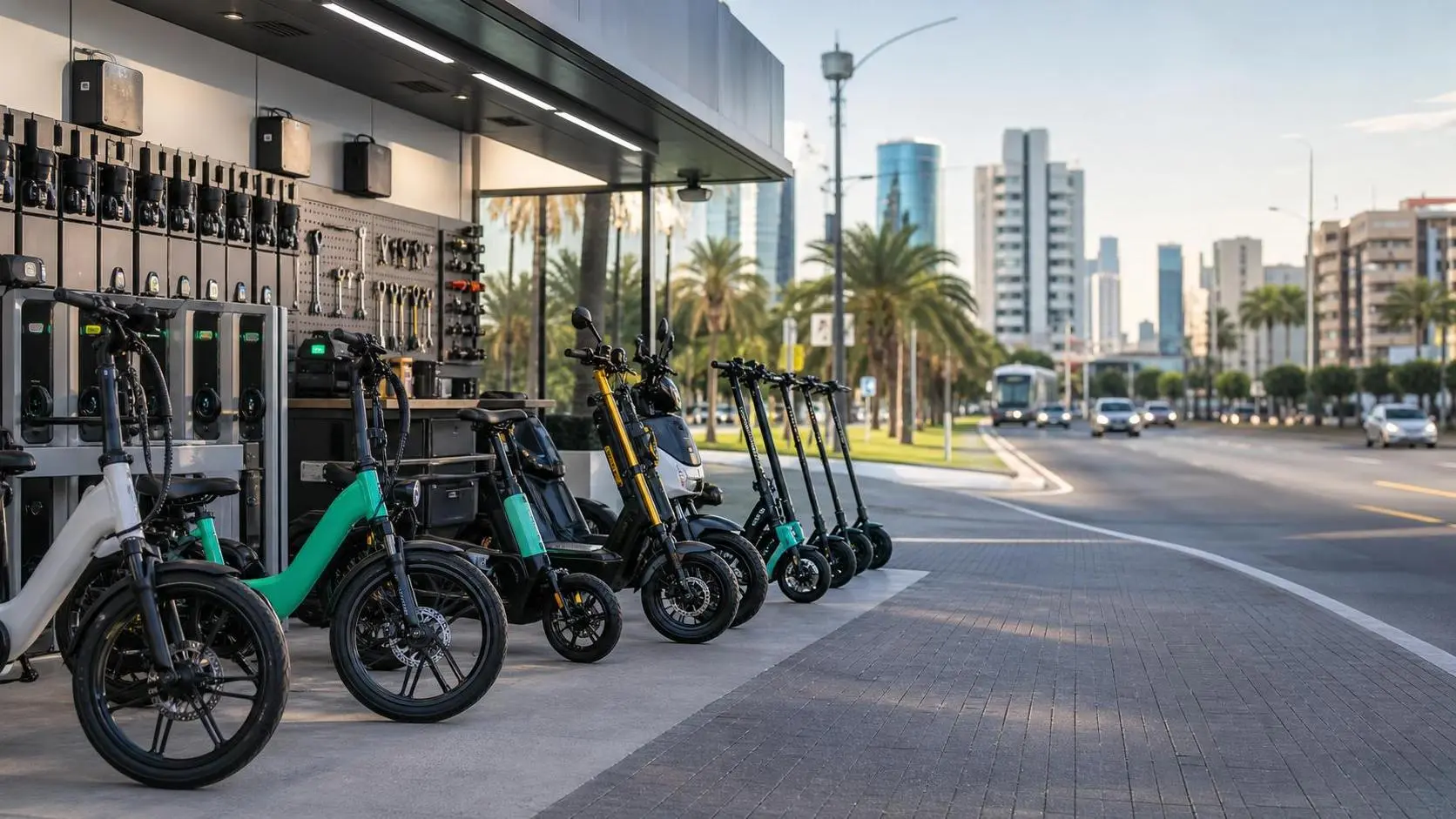
Urban Micro-Mobility Systems in Latin America: Key Market Drivers, Barriers, and Growth Segments
Urban micro-mobility systems Latin America are reshaping city transport. Explore key drivers, barriers, and high-growth segments to spot the region’s most investable opportunities.
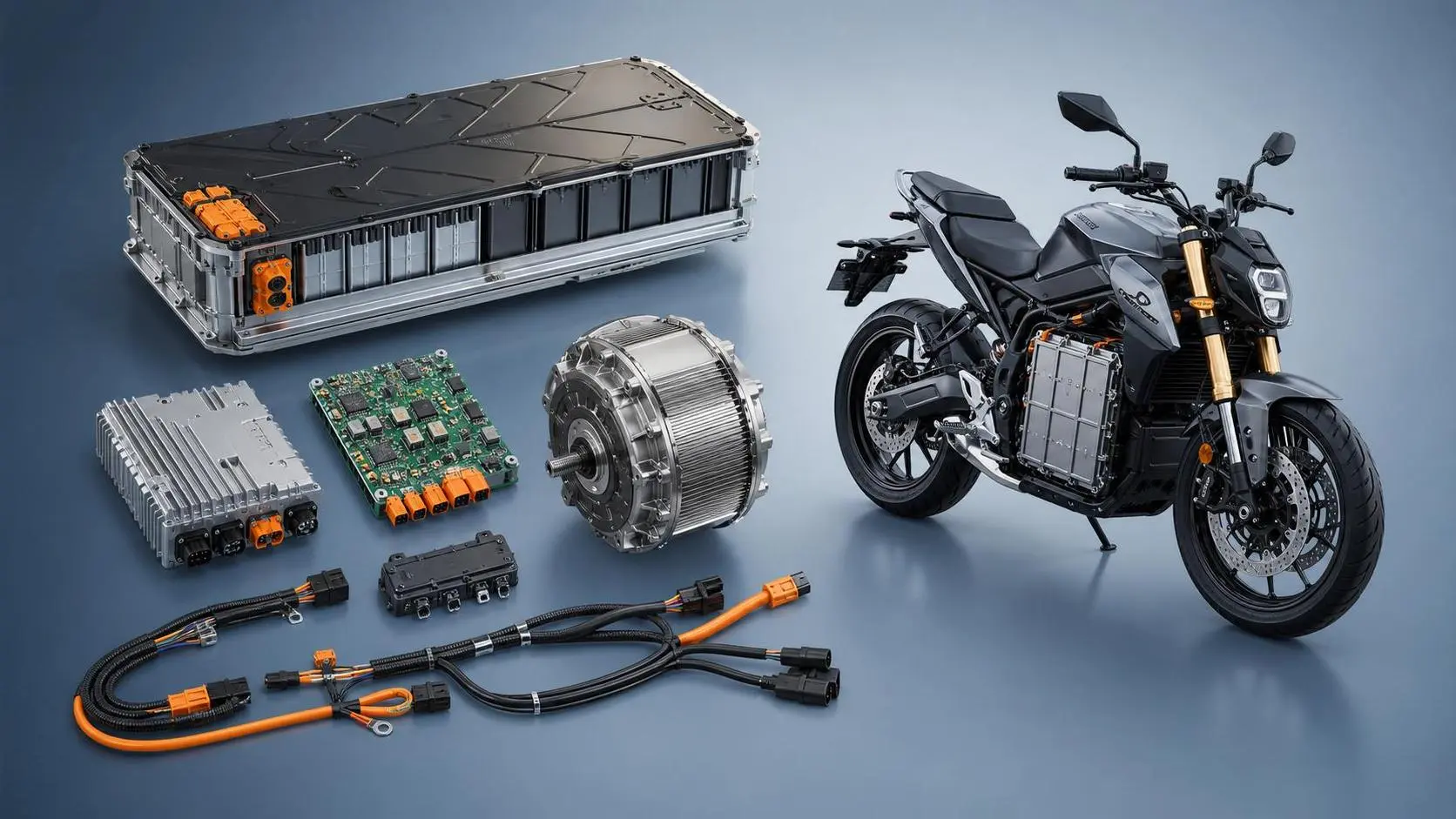
Electric Motorcycle Systems Price Breakdown: What Affects Cost From Battery to Controller?
Electric motorcycle systems price explained: see how battery, controller, motor, BMS, and wiring affect total cost, reliability, and sourcing value before you buy.
72V Electric Motorcycle Technology Explained: Motors, Controllers, Range, and Charging
Electric motorcycle technology 72V explained clearly: compare motors, controllers, range, battery design, and charging to choose a smoother, stronger, and smarter electric ride.
Where LED Urban Visibility Safety Systems Fit Best in Shared Scooters and City E-bikes
LED urban visibility safety systems deliver the most value in shared scooters and city e-bikes by improving multi-angle safety, fleet durability, and urban compliance across real-world routes.
Intellectualization of Mobility in North America: What Is Driving Adoption Across Urban Transport?
Intellectualization of mobility North America is reshaping urban transport through data, smart fleets, and battery intelligence. Explore what is driving adoption and why cities and operators are accelerating now.
How to Choose a Compact Battery Pack: Size, Energy Density, Thermal Design, and Cycle Life
Compact battery pack selection starts with more than size. Learn how energy density, thermal design, and cycle life shape range, safety, and long-term value.
What Is Driving Green Two-wheelers Demand in Europe? Policy, Fuel Costs, and Buyer Segments
Green two-wheelers demand Europe is rising as policy support, fuel cost pressure, and diverse buyer segments reshape urban mobility. Explore the trends driving the next growth wave.