
Related News
- 00
0000-00
Urban Micro-Mobility Systems in Latin America: Key Market Drivers, Barriers, and Growth Segments - 00
0000-00
Intellectualization of Mobility in North America: What Is Driving Adoption Across Urban Transport? - 00
0000-00
What Is Driving Green Two-wheelers Demand in Europe? Policy, Fuel Costs, and Buyer Segments - 00
0000-00
Urban Micro-Mobility in North America: Policy, Charging Access, and Fleet Growth Drivers - 00
0000-00
Carbon Neutrality for Fleets: How to Measure Emissions and Prioritize Upgrades
Prof. Marcus Chen
Weekly Insights
Stay ahead with our curated technology reports delivered every Monday.
Electric Mobility Transition: Cost Drivers, Policy Risks, and ROI for City Projects





The electric mobility transition has moved from climate ambition to portfolio discipline. For city projects, the real question is no longer whether electrification matters, but how to fund it, stage it, and protect returns when technology, regulation, and operating costs keep shifting.
That pressure is especially visible in urban micro-mobility. E-bikes, smart e-scooters, and high-speed e-motorcycles now sit at the intersection of congestion relief, emissions policy, and infrastructure investment. The result is a market where cost logic, policy timing, and system design matter as much as vehicle demand.
Seen through the intelligence lens of UMMS, the electric mobility transition is not a single procurement event. It is a linked decision chain involving battery strategy, charging or swapping models, safety systems, component reliability, and the rules that govern urban access.
Why the transition now carries strategic weight
Urban transport networks are under pressure from several directions at once. Fuel volatility, low-emission zones, carbon reporting, and rider expectations are pushing cities to rethink short-distance mobility faster than many capital plans anticipated.
Micro-mobility plays a distinct role here. It does not replace every car trip or transit corridor. It strengthens the weak points in urban circulation, especially first-mile and last-mile movement, dense district commuting, campus logistics, and short commercial trips.
This is why the electric mobility transition deserves attention beyond transport departments. It affects land use, grid planning, insurance exposure, public safety, and procurement frameworks. In practice, a city project succeeds when these links are mapped early, not after deployment.
What decision-makers should mean by electric mobility transition
In business terms, the electric mobility transition is the shift from combustion-based or non-networked mobility assets toward electrified, digitally managed, and policy-aligned transport systems. It includes vehicles, energy supply, software layers, and operating rules.
For city projects, that usually covers several asset categories at once:
- Shared or privately integrated e-bikes for short urban commuting.
- Smart e-scooters supported by IoT tracking and fleet controls.
- High-speed e-motorcycles for delivery, patrol, and longer-range use.
- Supporting components such as drivetrains, battery systems, sensors, and safety modules.
UMMS tracks these segments because city outcomes depend on how they interact. A low-cost vehicle can become a poor investment if thermal management is weak, spare parts are inconsistent, or local right-of-way rules change within a year.
The cost drivers behind city-scale economics
Upfront vehicle price remains visible, but it rarely explains total project performance. The strongest cost drivers usually emerge after launch, when utilization patterns and service requirements become clearer.
Battery economics shape the baseline
Battery packs remain the most sensitive cost variable in the electric mobility transition. Chemistry choice, cycle life, charging speed, temperature tolerance, and residual value all influence fleet economics.
A cheaper battery may lower procurement cost but increase replacement frequency. That changes depreciation, service downtime, and warranty exposure. In dense cities with heavy daily use, those downstream effects often matter more than the initial discount.
Infrastructure is more than charging points
Charging infrastructure costs include site preparation, grid connection, permits, software, and maintenance. For high-usage fleets, battery swapping can improve asset utilization, but it adds network complexity and inventory costs.
Projects often underbudget for electrical upgrades, curbside redesign, or secure parking. Those items are not secondary. They determine whether a system can scale without public complaints or operational friction.
Reliability and serviceability influence lifetime value
Precision components matter because service interruptions are expensive. Drivetrain wear, brake performance, water ingress, sensor failure, and firmware instability can quickly erode margins in shared and commercial fleets.
That is one reason UMMS follows precision bicycle components and safety-critical systems. In the electric mobility transition, component quality is not a technical footnote. It is a financial variable.
Policy risk is now part of the business model
Many urban projects still model policy as an external factor. That approach is increasingly outdated. In the electric mobility transition, subsidy design, vehicle classification, and road access rules can directly reshape project cash flow.
Subsidies can accelerate deployment, but they can also distort purchasing decisions. A fleet built around temporary incentives may struggle when support expires, especially if replacement batteries or compliant parts remain expensive.
Regulatory inconsistency is another concern. Shared scooters may face new parking controls. E-motorcycles may encounter licensing revisions. Battery safety rules can tighten after isolated incidents. None of these changes are unusual anymore.
UMMS places value on policy tracking for this reason. Subsidy updates, right-of-way rules, and technical standards are not side news. They are operating signals that help prevent stranded investment.
How ROI should be judged in practice
A credible ROI model for the electric mobility transition should move beyond simple payback. City projects generate mixed returns, including direct financial savings, indirect network benefits, and strategic resilience.
The useful benchmark is not one universal number. It is a decision framework that compares asset classes, service models, and policy scenarios on equal terms.
Financial return
This includes fuel displacement, maintenance savings, labor efficiency, and asset utilization. For delivery or patrol use, route density and daily mileage can make electric models attractive sooner than public assumptions suggest.
Operational return
Operational ROI comes from reliability, fast redeployment, software visibility, and lower downtime. Fleets with strong telematics and disciplined battery management usually outperform similar fleets with cheaper hardware but weaker controls.
Strategic return
This includes emissions compliance, public space efficiency, and flexibility under future regulation. A project may justify itself partly because it reduces exposure to fuel shocks, access restrictions, or tightening carbon obligations.
Where city projects often create value first
The electric mobility transition rarely scales best through a citywide launch. It usually works better through focused applications where user behavior, infrastructure readiness, and policy support already align.
- Transit connectors, where e-bikes and scooters extend rail and bus catchment areas.
- Commercial districts, where compact electric fleets reduce congestion and parking pressure.
- Municipal service fleets, where predictable routes simplify charging and utilization planning.
- University, industrial, and tourism zones, where controlled environments support faster adoption.
In these settings, technical details make a noticeable difference. IoT-enabled scooters improve fleet discipline. E-bike motor efficiency affects range and user satisfaction. Thermal management in e-motorcycles influences uptime. Even visibility systems matter in poor weather operations.
Signals worth tracking before the next investment cycle
A more resilient electric mobility transition starts with better filters, not more enthusiasm. Before expanding a project, it helps to compare a short list of indicators that reveal whether the system can keep performing under pressure.
- Battery replacement assumptions versus real duty cycles.
- Local rule stability on access, parking, and fleet size.
- Availability of qualified service partners and spare components.
- Interoperability between vehicles, software, and energy infrastructure.
- Weather resilience, visibility safety, and vandalism exposure.
This is where specialized market intelligence becomes practical. UMMS connects policy movement, component evolution, and fleet technology signals in a way that supports staged decisions rather than one-time speculation.
A disciplined path forward
The electric mobility transition will keep advancing, but not every project will create durable value. The strongest programs usually begin with narrow use cases, realistic battery assumptions, and clear policy stress testing.
From there, the next step is straightforward: map the highest-potential urban corridors, compare infrastructure models, and build ROI scenarios that include regulation, maintenance, and component reliability. That approach produces decisions that remain workable even when incentives, technology, or operating conditions change.
Related News

How Do Photoelectric Wiper Sensors Work and Where Are They Most Effective?
Photoelectric wiper sensors explained: learn how they detect rain, reduce false triggers, and deliver the best visibility gains in urban EVs, e-bikes, fleets, and smart mobility.

How Battery-Swapping Networks Reduce Downtime in Shared Fleet Scooter Operations
Battery-swapping networks cut scooter fleet downtime by speeding field turnaround, improving uptime in peak zones, and helping operators optimize labor, battery rotation, and service efficiency.
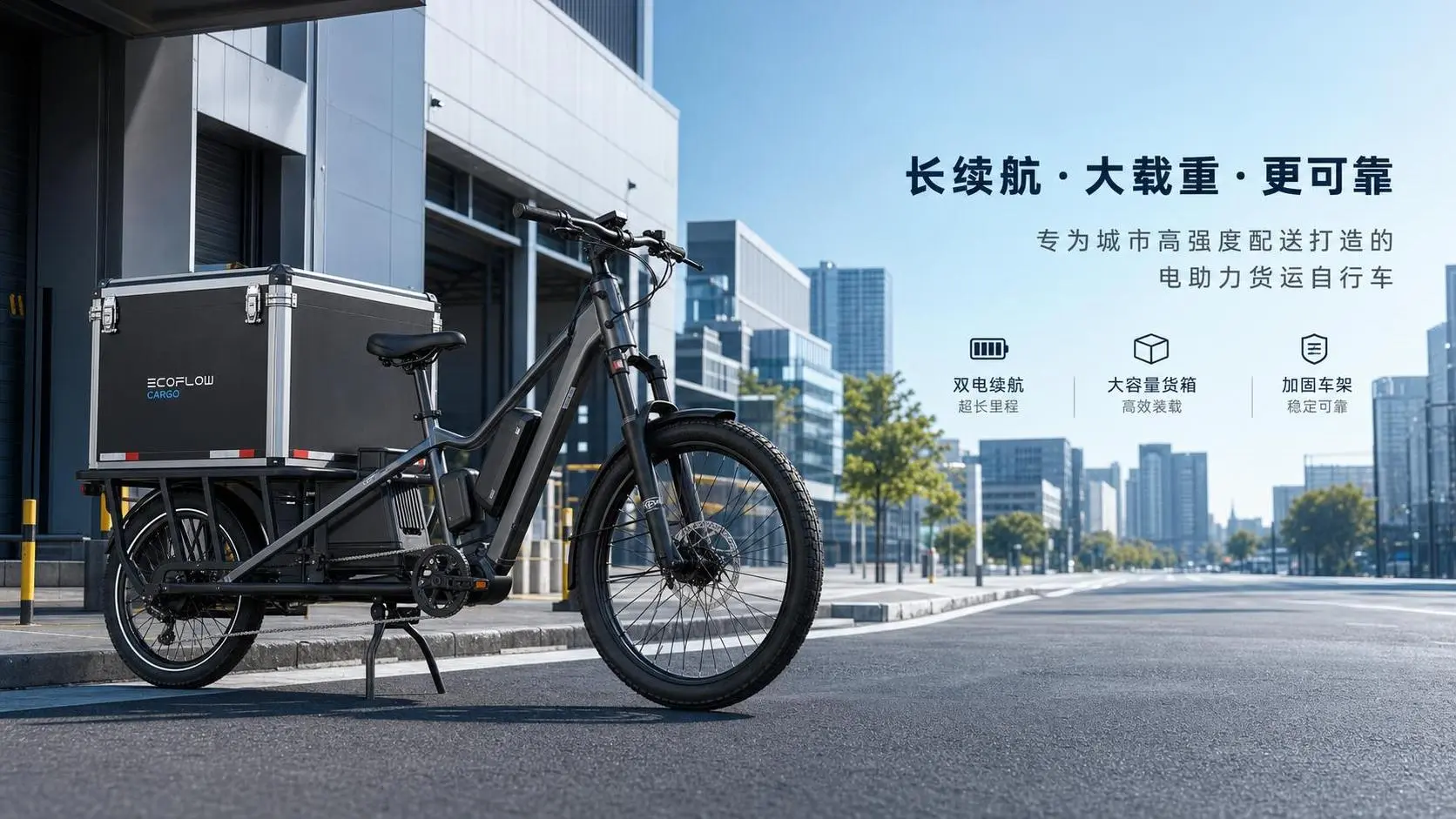
How to Choose a Long-Range Commercial Cargo E-Bike for Delivery Operations
Commercial cargo e-bike long range buying guide: learn how to assess battery, payload, route fit, and uptime support to choose a reliable delivery model with lower operating costs.
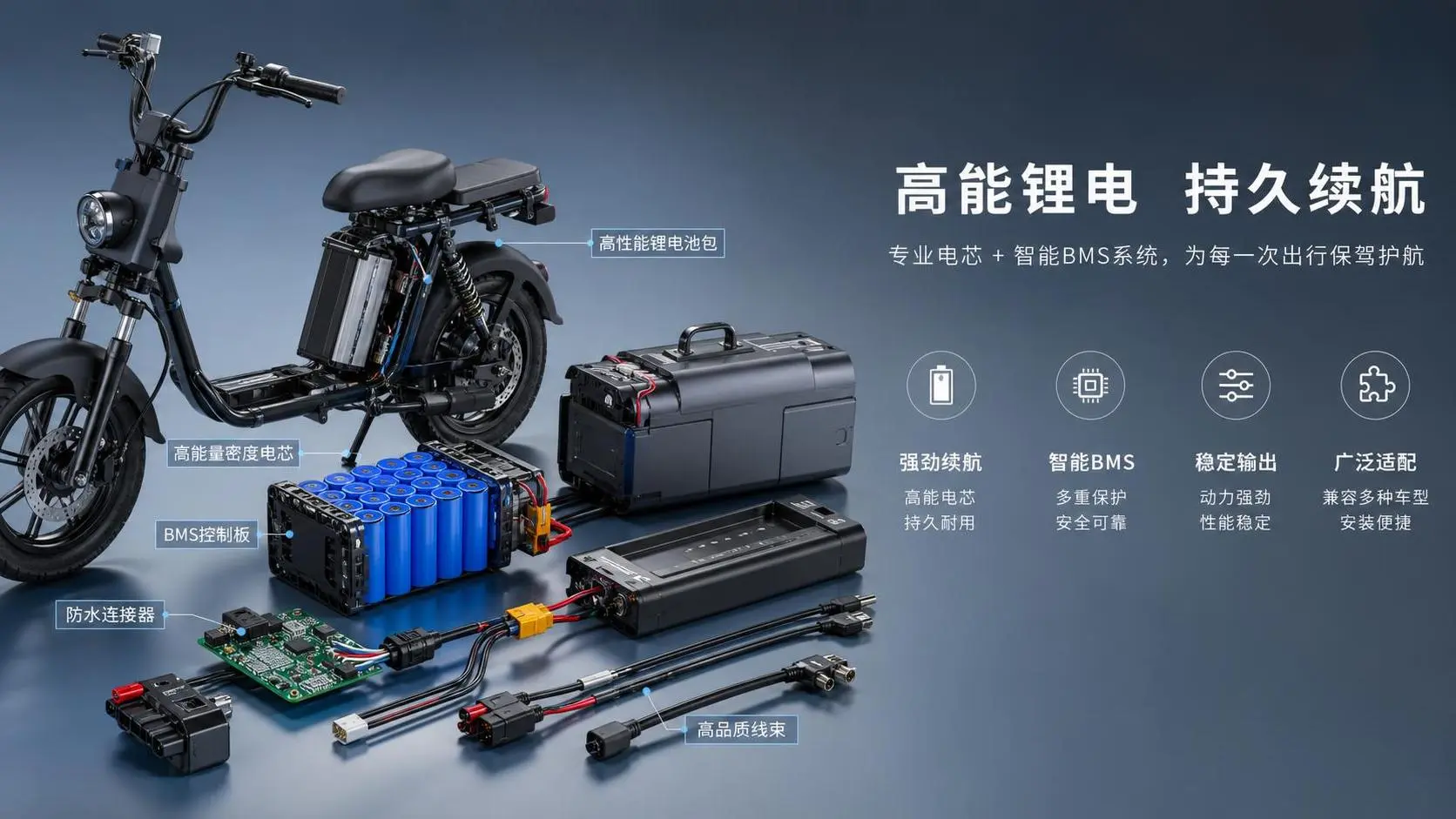
How to Select the Right E-Bike Battery Components for Range, Safety, and Fit?
E-bike component selection battery guide: learn how to choose the right battery components for better range, stronger safety, and perfect fit across modern e-bike platforms.

How to Evaluate Core Component Suppliers for Electric Motorcycles Before Sourcing?
Core component suppliers for electric motorcycles can make or break safety, compliance, and delivery. Learn how to assess technical strength, certifications, quality control, and hidden sourcing risks before you buy.

E-Bike Incentives Explained: How Riders Can Find Local Rebates and Tax Credits
E bike incentives explained: learn how to find local rebates, tax credits, and utility offers, avoid common mistakes, and cut the real cost of your next e-bike.

How to Choose Lightweight Scooter Frames in Europe: Materials, Standards, and Use Cases
Lightweight scooter frames Europe buyers need should balance materials, EN standards, durability, and real use cases. Discover how to choose safer, smarter, compliant frames.
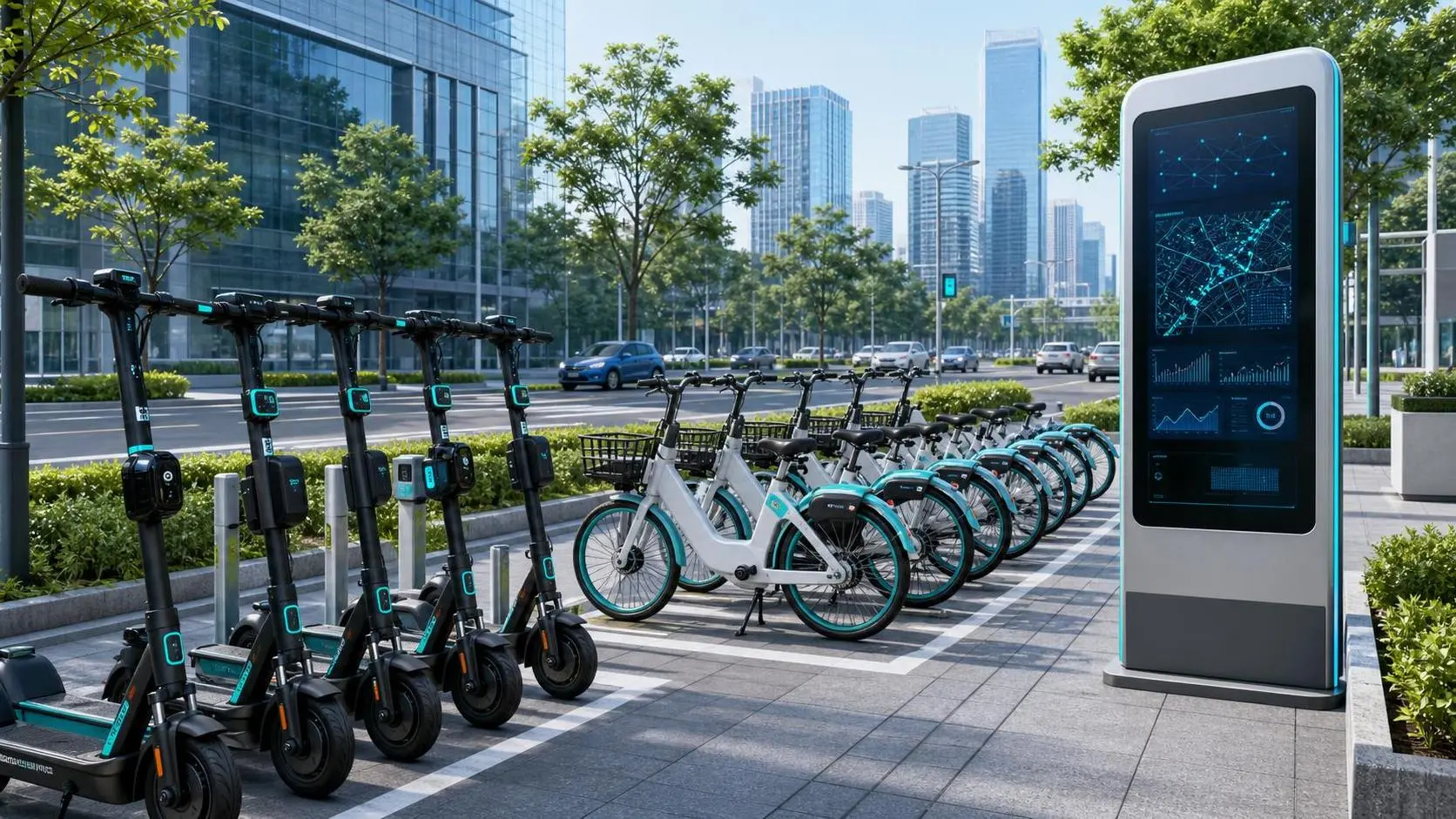
What Is the Intellectualization of Mobility Platform and How Is It Applied in Shared Fleets?
Intellectualization of mobility platform is reshaping shared fleets with real-time data, predictive maintenance, and smarter compliance—learn how it boosts safety, uptime, and urban mobility efficiency.
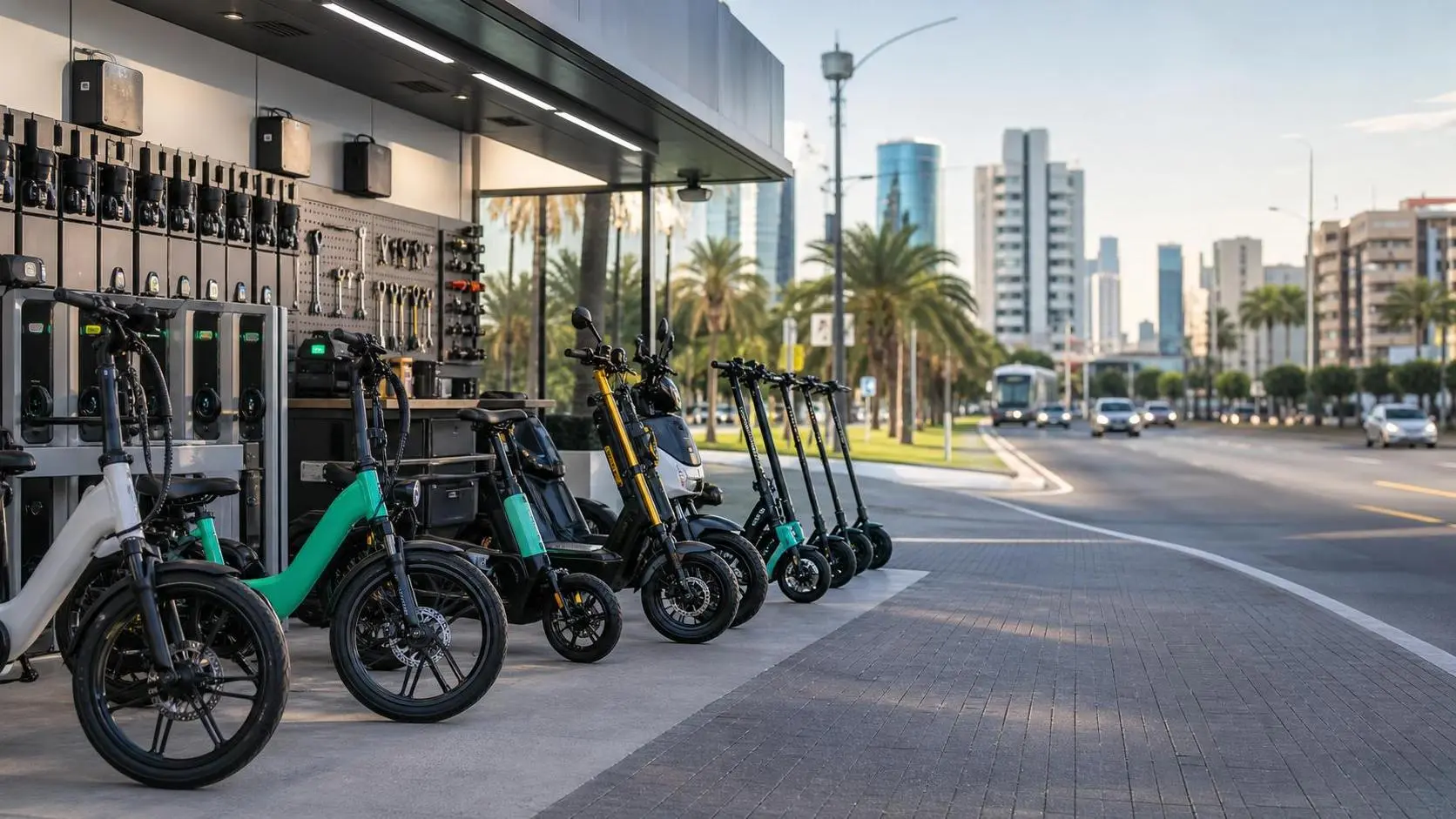
Urban Micro-Mobility Systems in Latin America: Key Market Drivers, Barriers, and Growth Segments
Urban micro-mobility systems Latin America are reshaping city transport. Explore key drivers, barriers, and high-growth segments to spot the region’s most investable opportunities.