
Related News
- 00
0000-00
What Is the Intellectualization of Mobility Platform and How Is It Applied in Shared Fleets? - 00
0000-00
Where LED Urban Visibility Safety Systems Fit Best in Shared Scooters and City E-bikes - 00
0000-00
Green Transport Scooters for Urban Fleets: Which Specs Matter Most in Daily Use? - 00
0000-00
Micro-Mobility Solutions for Campuses: How to Choose the Right Fleet Model - 00
0000-00
Smart Battery Solutions for Shared Fleets: What Reduces Downtime and Maintenance Costs?
Urban Transit Fellow
Weekly Insights
Stay ahead with our curated technology reports delivered every Monday.
How electric scooter technology is improving safety





As cities adopt smarter micro-mobility, electric scooter technology is becoming a critical focus for quality control and safety management teams.
From advanced braking systems to battery protection, every upgrade helps reduce risk and improve rider protection.
This shift matters across the wider mobility ecosystem, where compliance, durability, and connected diagnostics now shape product credibility.
For UMMS, the topic connects directly with the last-mile revolution, smart urban transport, and the electrification of two-wheelers.
Understanding how electric scooter technology is improving safety helps clarify where design, regulation, and market expectations are heading next.
Safety Foundations in Electric Scooter Technology
At its core, electric scooter technology combines power electronics, battery systems, braking hardware, software controls, and structural engineering.
Safety improves when these systems work together rather than as isolated components.
Earlier scooters often prioritized speed, portability, and low cost over integrated safety performance.
Today, product development increasingly emphasizes controlled acceleration, predictable stopping, thermal stability, and better visibility.
Key safety layers now built into modern designs
- Dual braking systems combining electronic and mechanical braking.
- Battery management systems that track heat, voltage, and charging balance.
- Motor controllers that smooth torque output and limit sudden wheel spin.
- Frames engineered for stiffness, vibration control, and load stability.
- Lighting, reflectors, and smart alerts that improve rider visibility.
These upgrades show how electric scooter technology is moving from gadget status to transport-grade engineering.
Industry Signals Shaping Current Safety Priorities
The fast growth of shared fleets and private ownership has pushed safety to the center of design decisions.
Cities now expect micro-mobility devices to meet stricter performance, reporting, and maintenance standards.
That pressure is accelerating better electric scooter technology across hardware and digital systems.
Within the broader micro-mobility field, these signals align with UMMS coverage of intelligent systems, drivetrain precision, and low-carbon transport standards.
How Electric Scooter Technology Is Improving Safety in Practice
Braking systems are becoming faster and more balanced
One major advance is brake redundancy.
Many models now pair regenerative braking with drum or disc brakes for more stable stopping.
This reduces reliance on a single mechanism during wet roads, downhill riding, or emergency deceleration.
Better lever feel and controller tuning also help prevent abrupt front-end dive.
Battery intelligence reduces fire and failure risk
Battery safety is central to modern electric scooter technology.
Advanced BMS units monitor cell temperature, overcurrent events, overcharge conditions, and imbalance between cells.
When abnormal conditions appear, the system can limit output or stop charging before damage spreads.
This is especially important in dense urban storage and high-usage fleet environments.
Frames and tires improve stability
Safety is not only electronic.
Geometry, stem rigidity, deck height, wheel size, and tire compound all influence control.
Wider handlebars and stronger folding mechanisms reduce wobble and structural fatigue.
Tubeless and self-healing tires also lower puncture-related incidents.
Software adds a new layer of prevention
Connected electric scooter technology increasingly relies on sensors, controllers, and cloud reporting.
These tools detect brake wear, battery stress, controller faults, and irregular riding behavior.
In shared mobility, software can trigger maintenance locks before a minor defect becomes a serious hazard.
Geo-fencing can also limit speed in crowded zones, campuses, or sidewalks.
Visibility systems make riders easier to detect
Lighting quality now extends beyond a simple front lamp.
Integrated brake lights, side reflectors, turn indicators, and ambient light sensing improve road awareness.
For all-weather commuting, visibility remains one of the most cost-effective safety gains.
Business Value Across the Micro-Mobility Ecosystem
Safer electric scooter technology delivers value well beyond accident reduction.
It supports product reliability, lowers service interruptions, and strengthens compliance readiness.
In a market shaped by public trust, safety performance influences brand acceptance and urban deployment potential.
- Lower maintenance costs through predictive diagnostics.
- Longer service life from improved thermal and structural protection.
- Better eligibility for city tenders and regulated fleet programs.
- Stronger documentation for insurance and liability control.
- Higher confidence in export markets with stricter standards.
For intelligence platforms like UMMS, these safety trends are not isolated technical details.
They are strategic indicators of where innovation, regulation, and commercial momentum intersect.
Typical Safety Technology Categories and Use Cases
Implementation Considerations and Risk Control
Not every safety feature delivers equal value in every operating context.
Effective selection depends on terrain, usage intensity, local regulation, and service capability.
Practical evaluation points
- Check whether braking performance stays consistent in wet and dry conditions.
- Review battery certifications, charger compatibility, and thermal shutoff logic.
- Verify structural durability at folding joints, steering columns, and deck mounts.
- Assess firmware update control and cybersecurity for connected scooters.
- Confirm spare parts access for brakes, tires, controllers, and battery modules.
It is also wise to compare lab claims with field data.
Real-world vibration, curb impacts, weather exposure, and charging habits often reveal hidden weaknesses.
This is where sector intelligence, testing discipline, and cross-market benchmarking become highly valuable.
Next-Step Outlook for Safer Electric Scooter Technology
The direction of travel is clear.
Electric scooter technology is improving safety through deeper integration of mechanics, electronics, and connected intelligence.
The most important advances are no longer isolated features.
They are system-level improvements that make scooters more predictable, visible, stable, and diagnosable.
For any organization tracking micro-mobility trends, the next step is to monitor safety innovation as both a compliance issue and a competitive signal.
Follow evolving standards, compare field performance, and prioritize electric scooter technology that proves safety through measurable engineering results.
That approach supports smarter decisions across product planning, market expansion, and long-term urban mobility strategy.
Related News
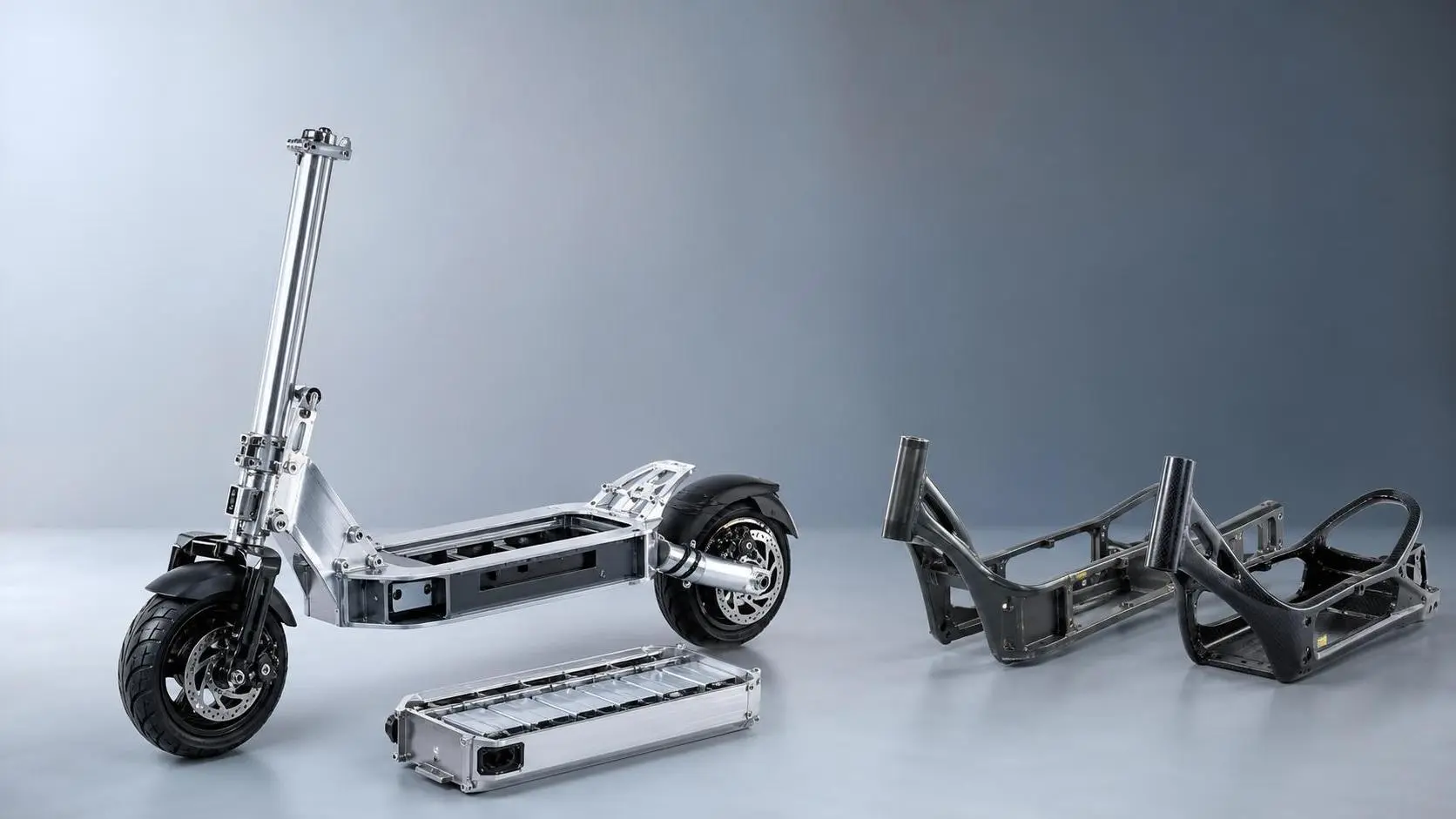
How to Choose Lightweight Scooter Frames in Europe: Materials, Standards, and Use Cases
Lightweight scooter frames Europe buyers need should balance materials, EN standards, durability, and real use cases. Discover how to choose safer, smarter, compliant frames.
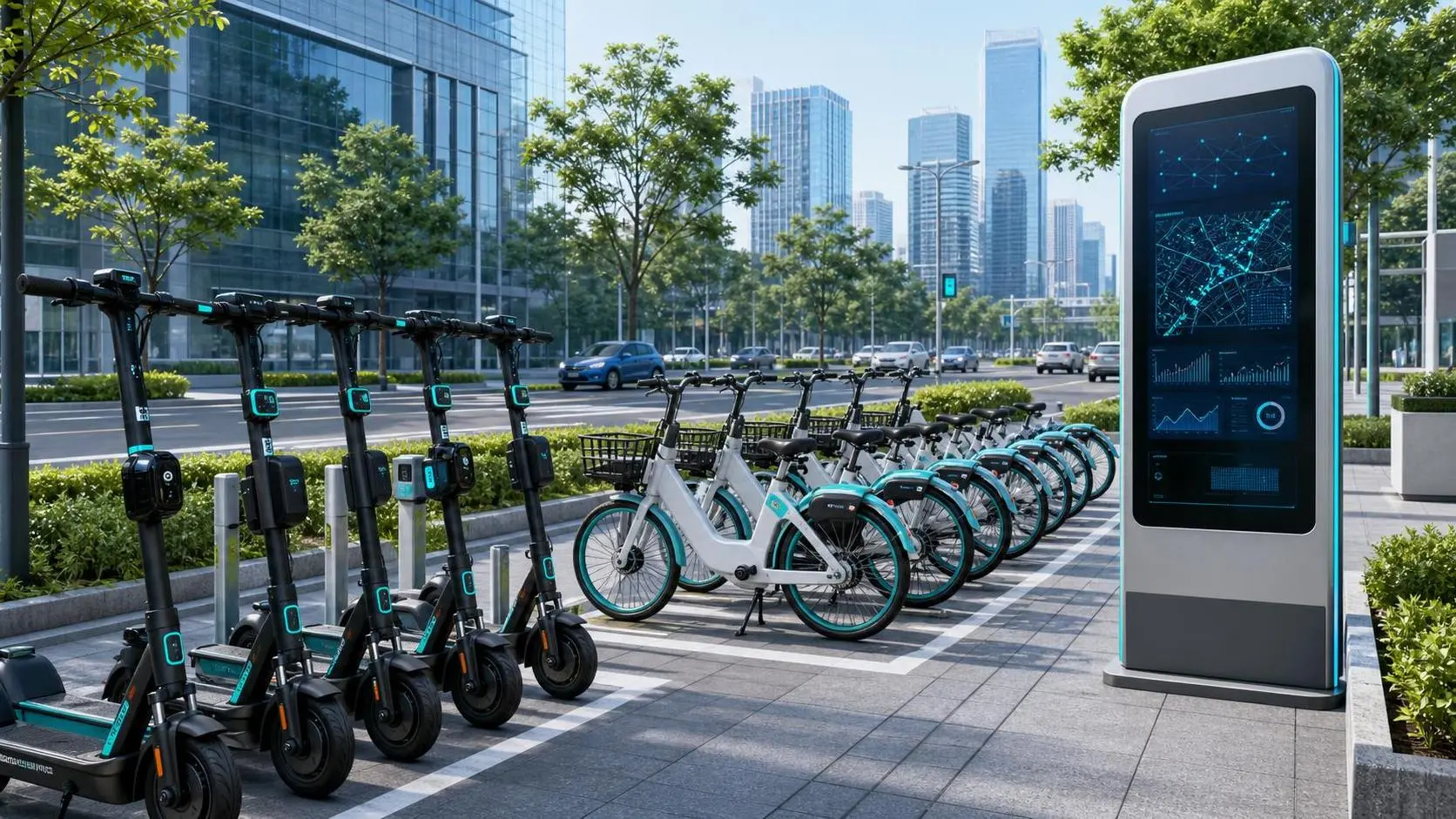
What Is the Intellectualization of Mobility Platform and How Is It Applied in Shared Fleets?
Intellectualization of mobility platform is reshaping shared fleets with real-time data, predictive maintenance, and smarter compliance—learn how it boosts safety, uptime, and urban mobility efficiency.
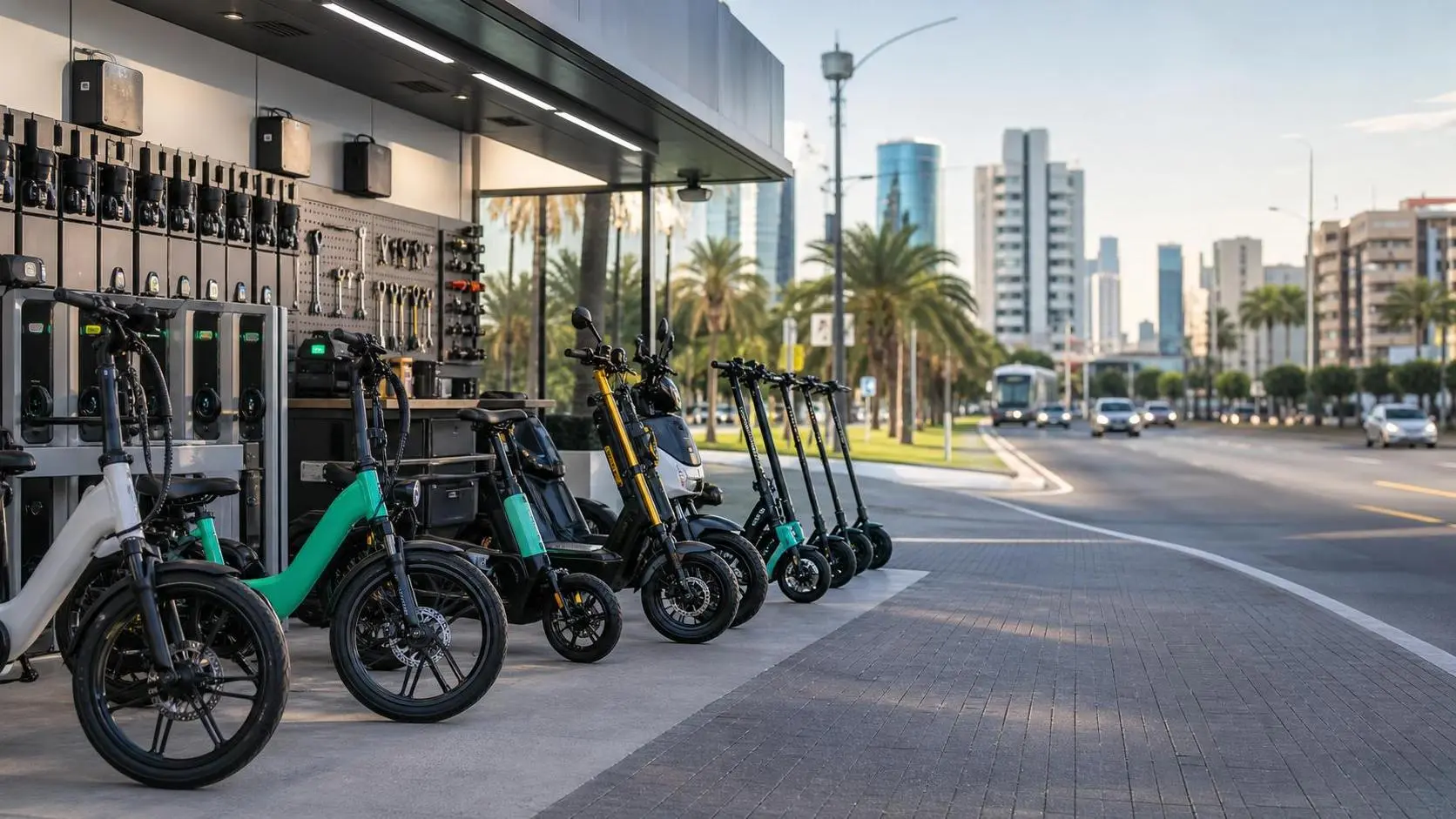
Urban Micro-Mobility Systems in Latin America: Key Market Drivers, Barriers, and Growth Segments
Urban micro-mobility systems Latin America are reshaping city transport. Explore key drivers, barriers, and high-growth segments to spot the region’s most investable opportunities.
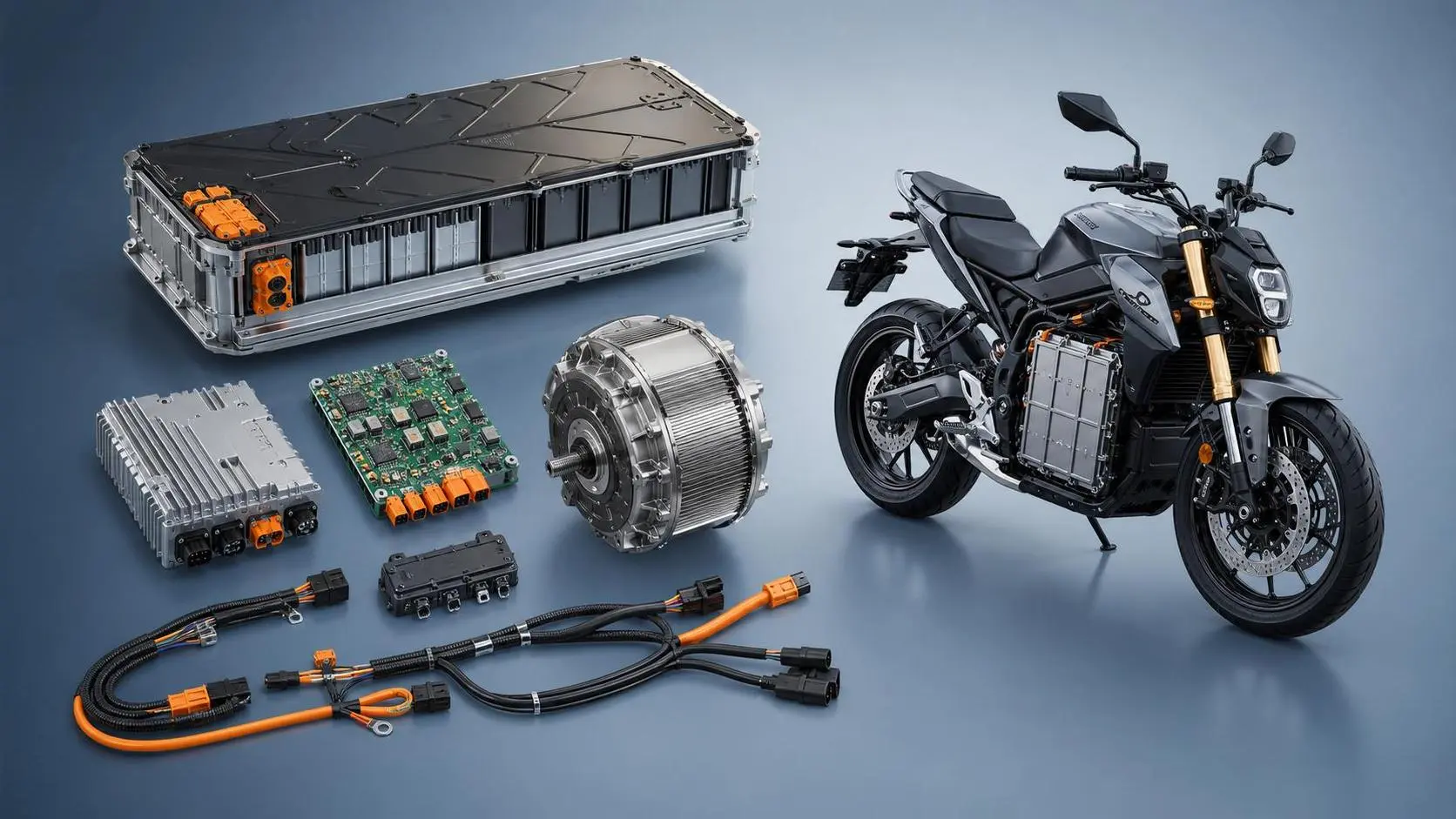
Electric Motorcycle Systems Price Breakdown: What Affects Cost From Battery to Controller?
Electric motorcycle systems price explained: see how battery, controller, motor, BMS, and wiring affect total cost, reliability, and sourcing value before you buy.
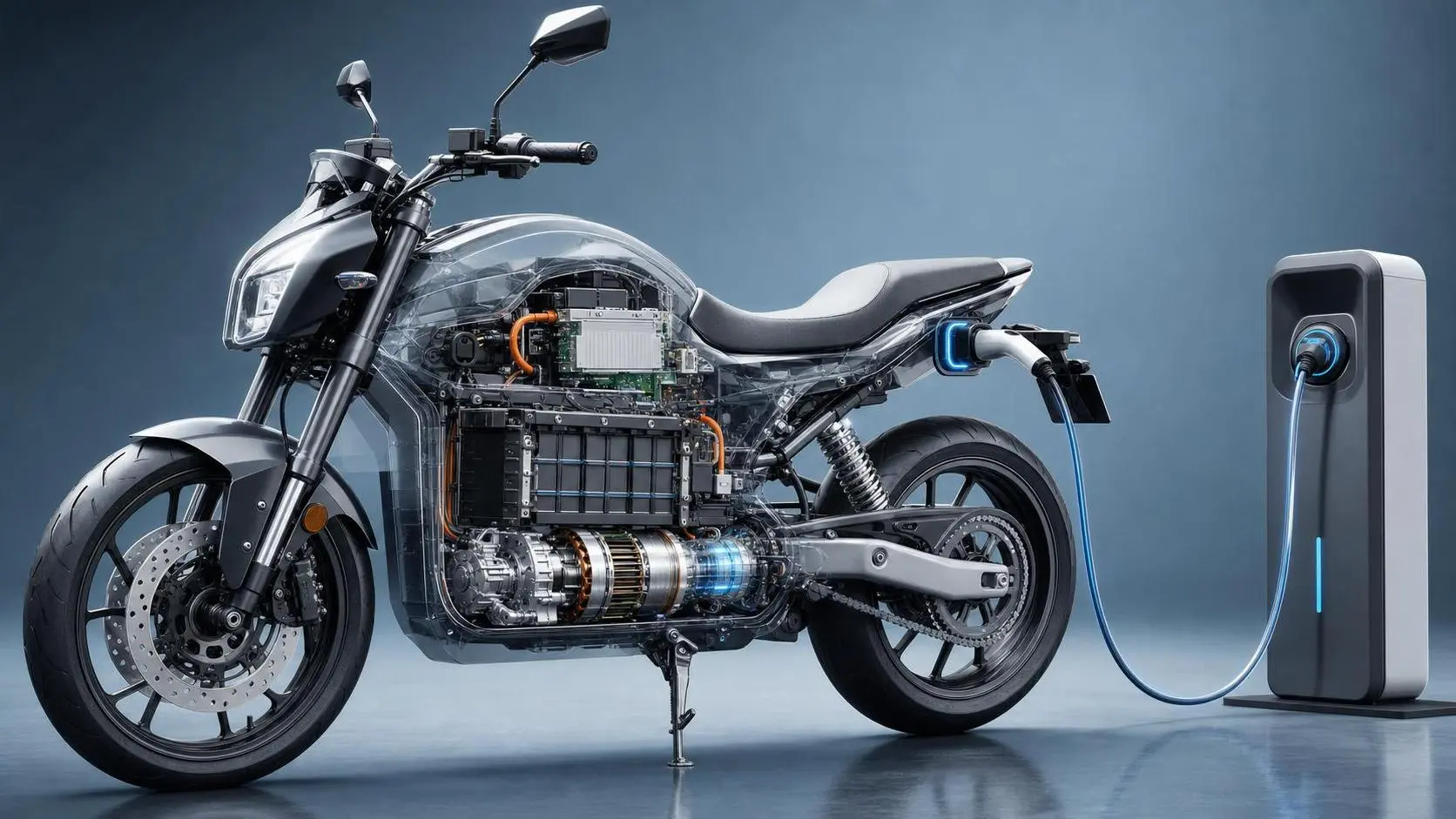
72V Electric Motorcycle Technology Explained: Motors, Controllers, Range, and Charging
Electric motorcycle technology 72V explained clearly: compare motors, controllers, range, battery design, and charging to choose a smoother, stronger, and smarter electric ride.
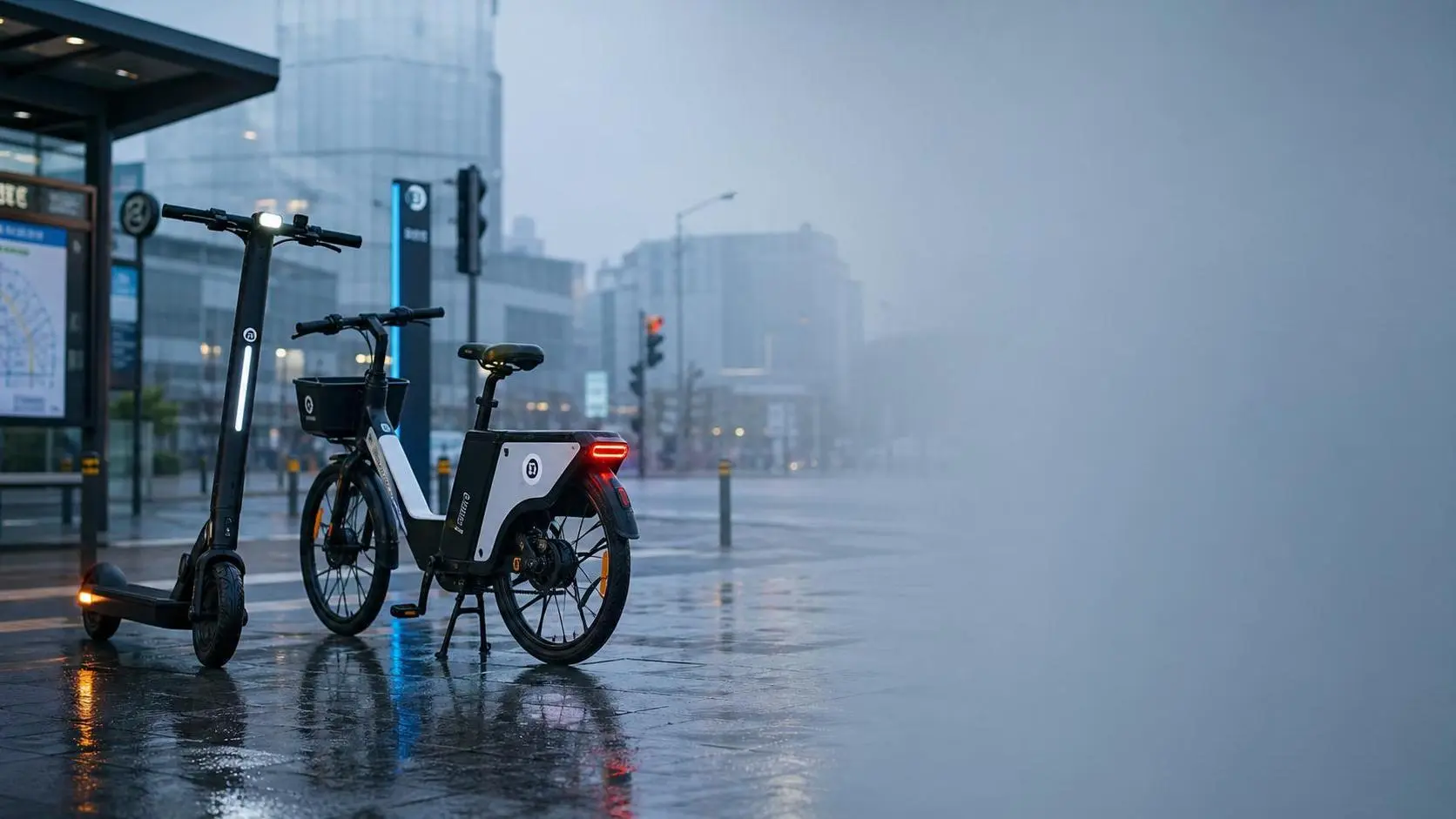
Where LED Urban Visibility Safety Systems Fit Best in Shared Scooters and City E-bikes
LED urban visibility safety systems deliver the most value in shared scooters and city e-bikes by improving multi-angle safety, fleet durability, and urban compliance across real-world routes.
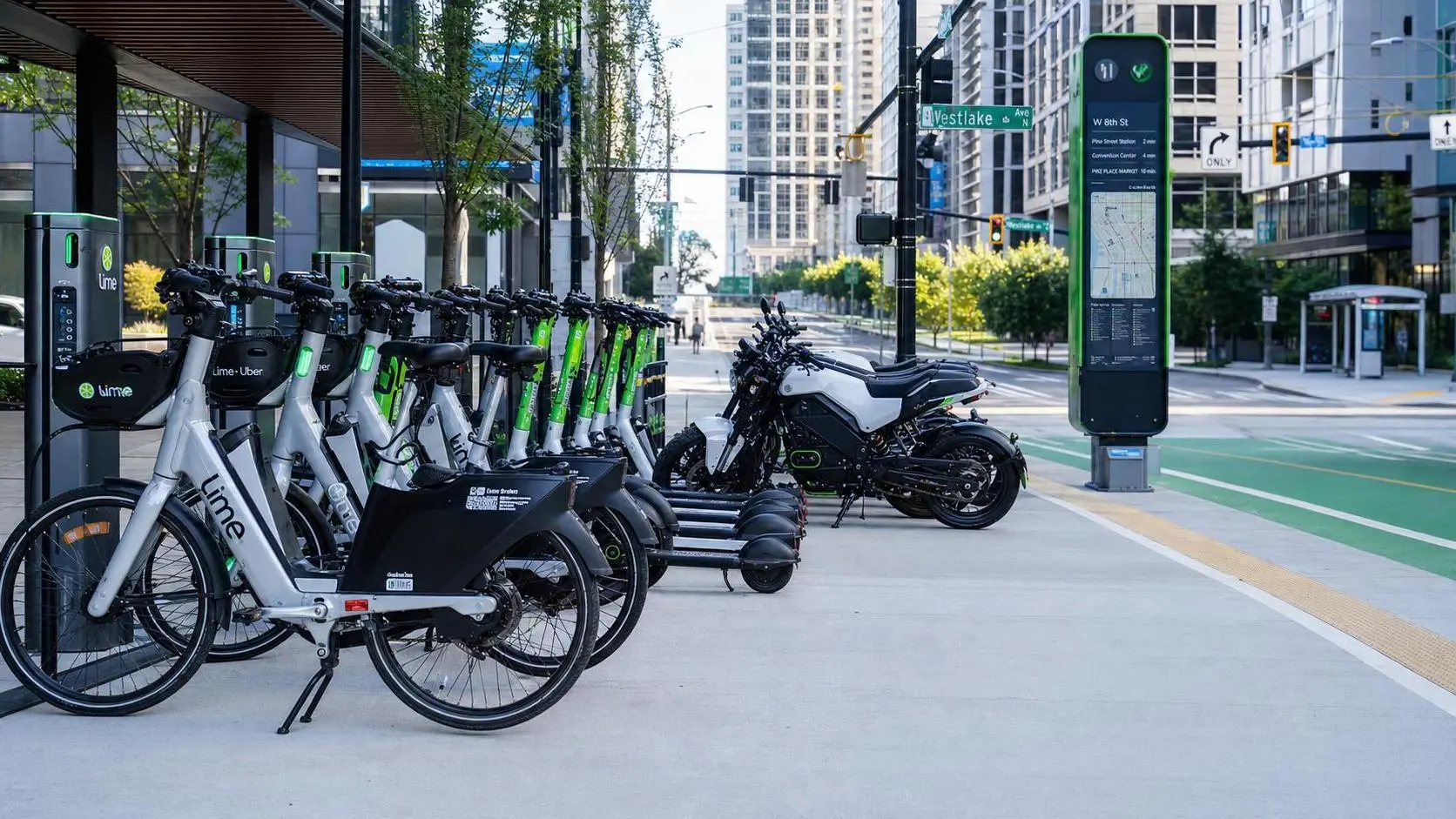
Intellectualization of Mobility in North America: What Is Driving Adoption Across Urban Transport?
Intellectualization of mobility North America is reshaping urban transport through data, smart fleets, and battery intelligence. Explore what is driving adoption and why cities and operators are accelerating now.
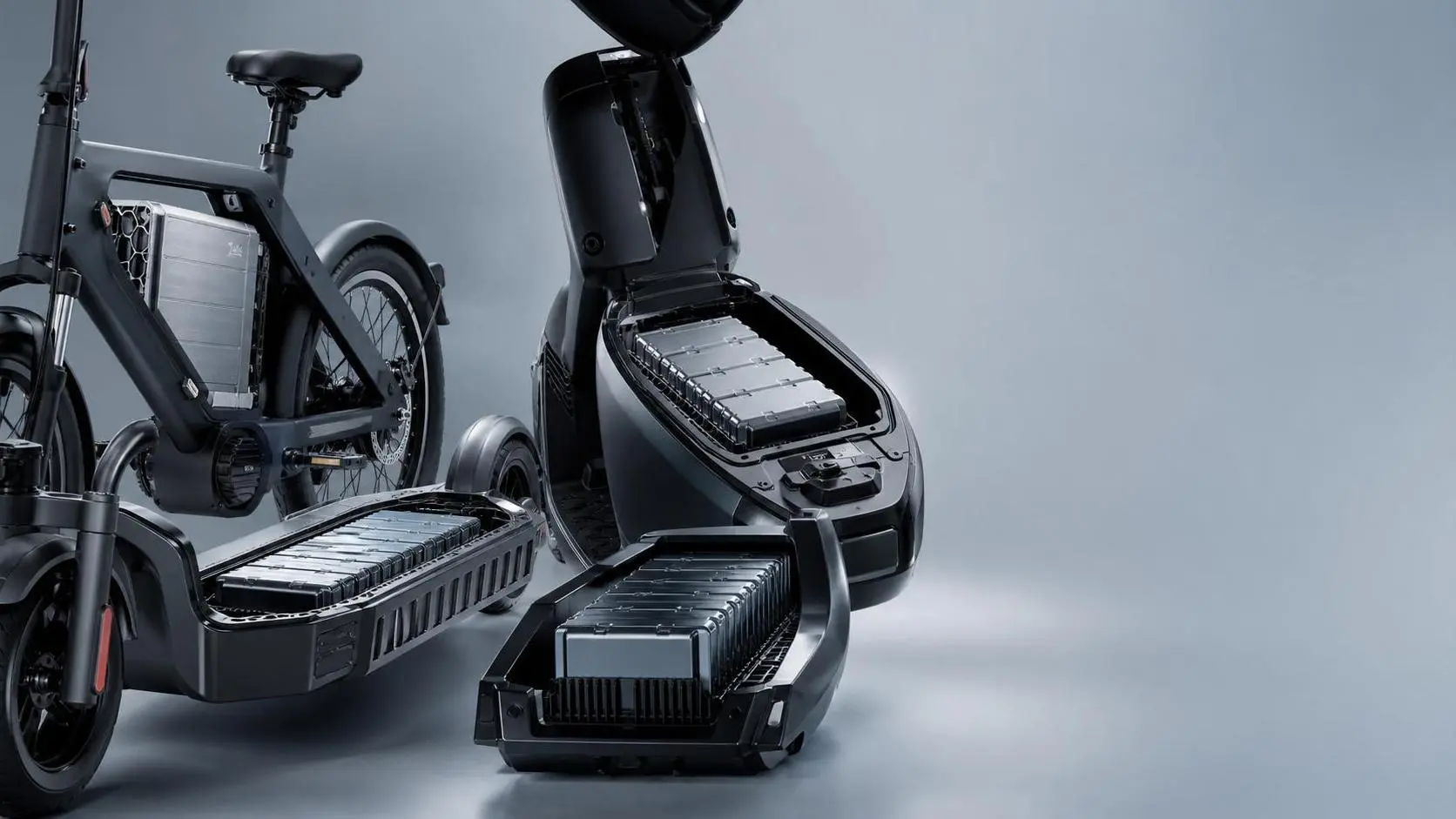
How to Choose a Compact Battery Pack: Size, Energy Density, Thermal Design, and Cycle Life
Compact battery pack selection starts with more than size. Learn how energy density, thermal design, and cycle life shape range, safety, and long-term value.
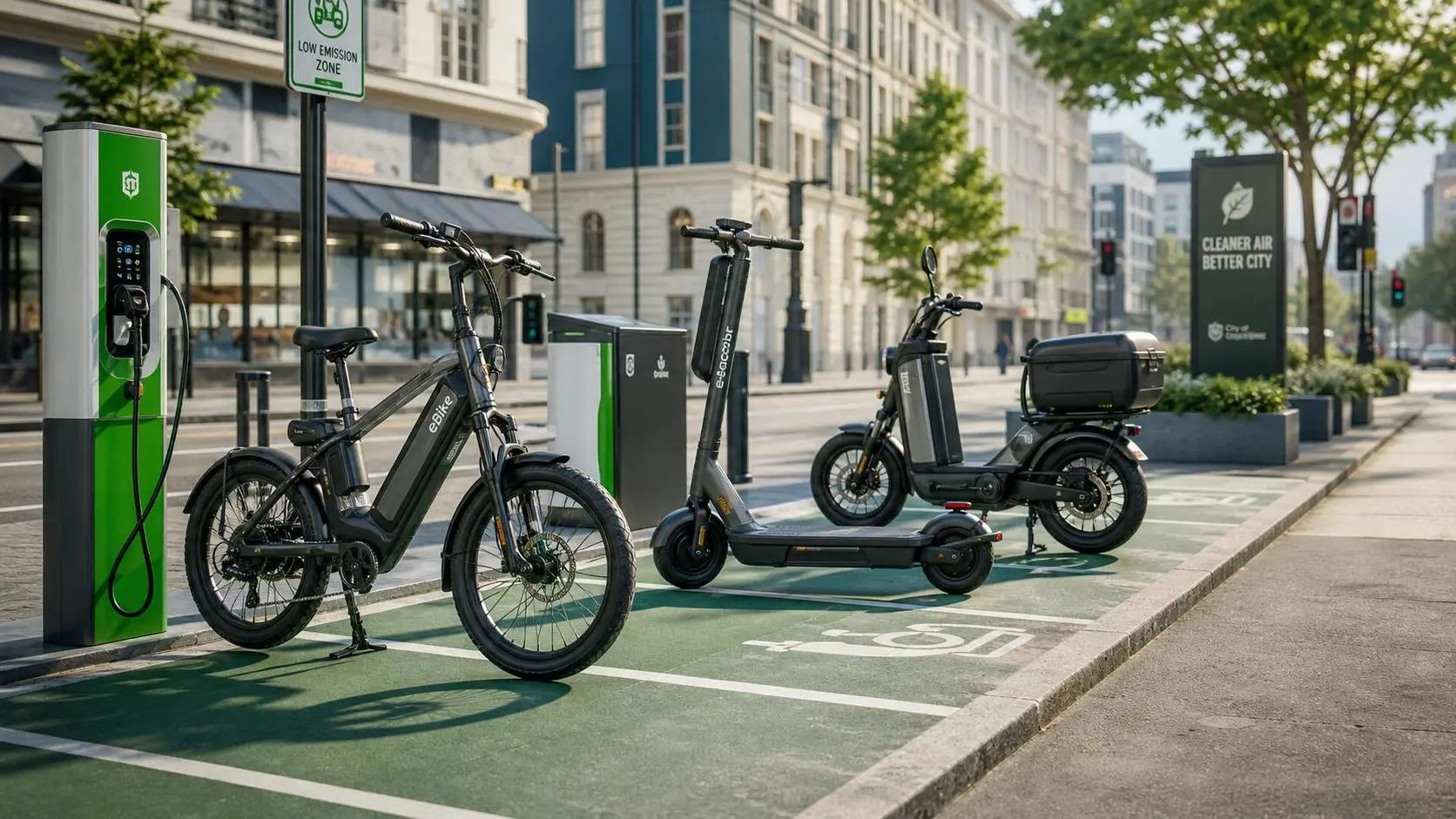
What Is Driving Green Two-wheelers Demand in Europe? Policy, Fuel Costs, and Buyer Segments
Green two-wheelers demand Europe is rising as policy support, fuel cost pressure, and diverse buyer segments reshape urban mobility. Explore the trends driving the next growth wave.