
Related News
- 00
0000-00
What Is the Intellectualization of Mobility Platform and How Is It Applied in Shared Fleets? - 00
0000-00
Where LED Urban Visibility Safety Systems Fit Best in Shared Scooters and City E-bikes - 00
0000-00
Green Transport Scooters for Urban Fleets: Which Specs Matter Most in Daily Use? - 00
0000-00
Micro-Mobility Solutions for Campuses: How to Choose the Right Fleet Model - 00
0000-00
Smart Battery Solutions for Shared Fleets: What Reduces Downtime and Maintenance Costs?
Urban Transit Fellow
Weekly Insights
Stay ahead with our curated technology reports delivered every Monday.
Is the electric scooter market still worth entering in 2026?





As 2026 approaches, many business evaluators are asking whether the electric scooter market still offers real entry potential or has already passed its peak. The answer depends less on hype and more on regulation, unit economics, battery innovation, urban demand, and competitive positioning. For companies assessing risk and expansion opportunities, a clear, data-driven view of the electric scooter market is essential before committing capital.
The short conclusion is balanced. The electric scooter market is still worth entering in 2026, but not as a generic player. Easy growth has faded. Focused growth remains.
This means success now depends on segment selection, compliance capability, system integration, and durable economics. In other words, the market rewards discipline more than speed.
Electric scooter market definition and scope in 2026
The electric scooter market includes personal e-scooters, shared fleet scooters, connected scooter systems, and core components. It also covers software, batteries, controllers, telemetry, and after-sales service.
In 2026, the market is no longer defined only by vehicle sales. It is increasingly shaped by recurring service revenue, compliance engineering, fleet uptime, and data-driven operations.
That broader view matters. Many failed entries treated scooters as simple hardware. The stronger entrants treat them as urban mobility systems with connected, regulated, and service-heavy characteristics.
For UMMS, this systems perspective is crucial. Smart e-scooters sit at the intersection of lightweight frames, efficient powertrains, battery management logic, and city-level mobility policy.
Current industry signals shaping the electric scooter market
The electric scooter market in 2026 is neither a pure boom story nor a decline story. It is a selective growth market with stronger barriers and clearer winners.
- Urban congestion still supports short-distance mobility demand.
- Cities are tightening parking, speed, and fleet management rules.
- Battery safety and certification have become core purchase factors.
- Fleet operators now prioritize durability over low purchase price.
- Consumers increasingly compare scooters with e-bikes and compact EVs.
A few years ago, growth often came from rapid deployment. Now growth comes from operational excellence. This shift has changed what “market opportunity” really means.
Why the electric scooter market still has business value
The electric scooter market still matters because the mobility problem remains unresolved. Cities need lower-emission, space-efficient, and flexible transport between transit hubs and final destinations.
That need is structural, not temporary. Even where growth slows, replacement demand, fleet renewal, and premium upgrades continue to create business space.
There is also value in adjacent system layers. Connected diagnostics, battery lifecycle services, fleet software, and safety electronics can carry stronger margins than undifferentiated scooter hardware.
This is especially relevant within the wider micro-mobility ecosystem. Insights from e-bikes, e-motorcycles, drivetrain systems, and urban regulation increasingly influence electric scooter design and commercialization.
Key value drivers
- Short-trip convenience in dense urban areas
- Growing interest in low-carbon transport options
- Recurring aftermarket and maintenance revenue
- Data monetization through connected mobility platforms
- Cross-selling with batteries, IoT modules, and charging systems
Where entry potential exists inside the electric scooter market
Entering the electric scooter market in 2026 makes sense only when the target segment is clear. Not all opportunities have the same risk profile or margin structure.
The strongest openings usually sit above or below the finished vehicle. Above it are software and system intelligence. Below it are batteries, controllers, sensors, and structural components.
That does not eliminate finished-product opportunity. It means product entry works best when paired with specialization, such as commuter safety, fleet endurance, or modular serviceability.
Main risks that can weaken returns
The electric scooter market remains attractive, but it is not forgiving. Several risks can quickly erode margin or delay scale.
- Regulatory change can restrict riding zones, speed, or parking behavior.
- Battery incidents can damage brand credibility and trigger costly recalls.
- Commodity competition can compress profits in basic scooter categories.
- Poor repairability can raise service cost and reduce fleet availability.
- Weak channel strategy can lead to inventory stress and discount pressure.
Another risk is false positioning. Some entrants assume the electric scooter market behaves like a fast consumer gadget category. In practice, it behaves more like regulated urban equipment.
That distinction affects certification, liability, software maintenance, spare parts strategy, and long-term support expectations.
Practical entry considerations for 2026
A workable market entry plan starts with hard filters. The electric scooter market should be evaluated through compliance readiness, lifecycle economics, and service architecture.
Recommended evaluation framework
- Verify target-region regulations before product definition.
- Model total cost of ownership, not just factory cost.
- Assess battery certification and thermal management capacity.
- Design for repair, parts replacement, and diagnostic transparency.
- Build data connectivity into the platform from the start.
- Define whether the advantage is hardware, software, or system integration.
This framework reduces strategic ambiguity. It also aligns with broader UMMS intelligence priorities, where battery logic, transmission efficiency, and urban operating realities must work together.
In 2026, the electric scooter market will likely reward those who solve practical friction. Examples include safe charging, theft resistance, weather durability, and predictable maintenance cycles.
Strategic outlook for the electric scooter market
The long-term outlook remains credible, but more concentrated. Scale alone will not guarantee advantage. Technical defensibility and policy alignment will matter more.
The electric scooter market is moving toward professionalization. That means fewer careless entrants, stronger platform standards, and greater emphasis on safety, digital control, and lifecycle value.
For businesses connected to micro-mobility intelligence, this shift is positive. It creates room for differentiated components, smarter systems, and deeper urban mobility partnerships.
So, is the electric scooter market still worth entering in 2026? Yes, if entry is selective, evidence-based, and technically grounded. No, if the plan relies on generic hardware and optimistic volume assumptions.
The next practical step is to map one target segment, one geography, and one defendable capability. Then validate regulation, economics, and lifecycle support before committing expansion capital.
Related News
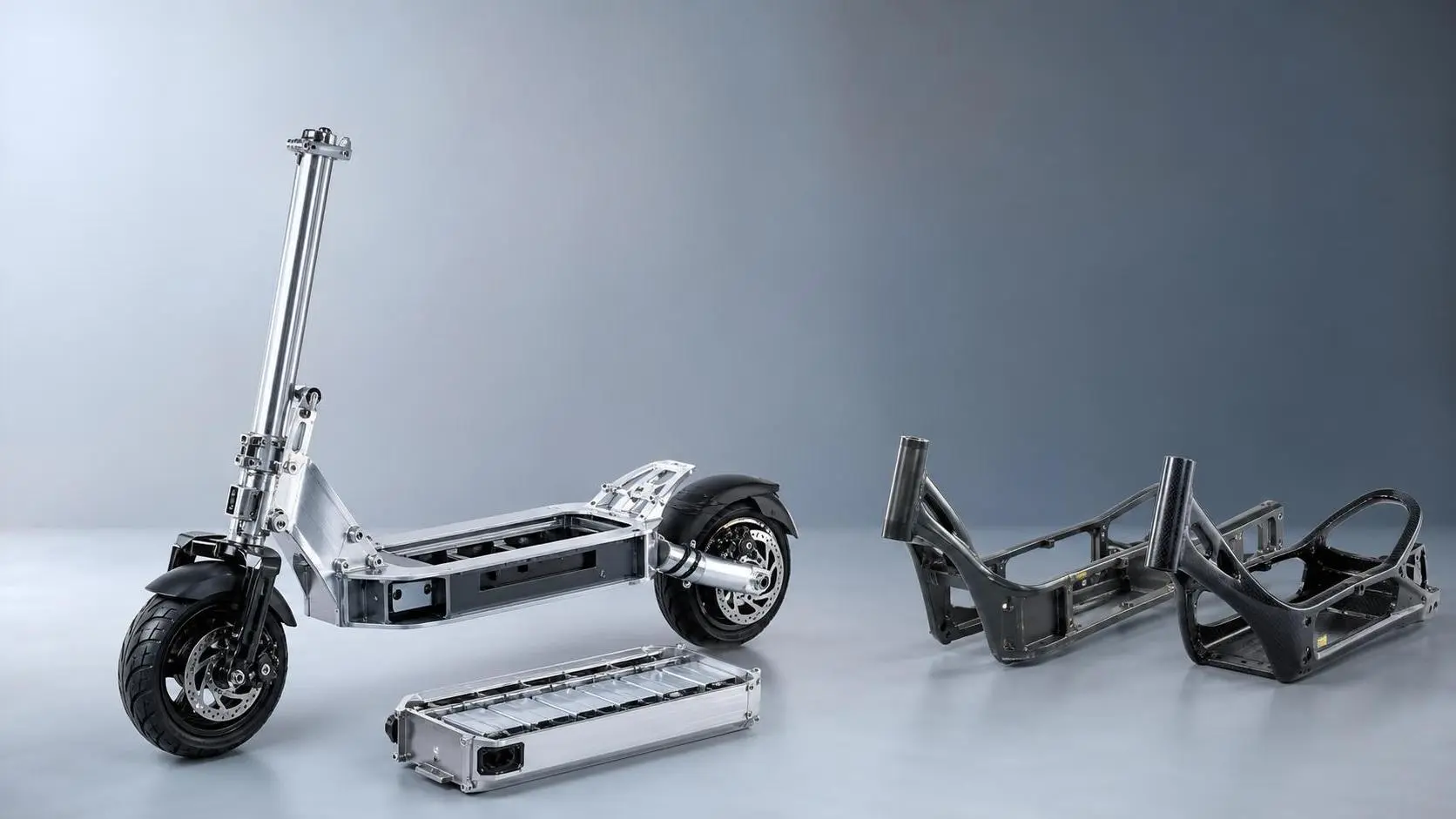
How to Choose Lightweight Scooter Frames in Europe: Materials, Standards, and Use Cases
Lightweight scooter frames Europe buyers need should balance materials, EN standards, durability, and real use cases. Discover how to choose safer, smarter, compliant frames.
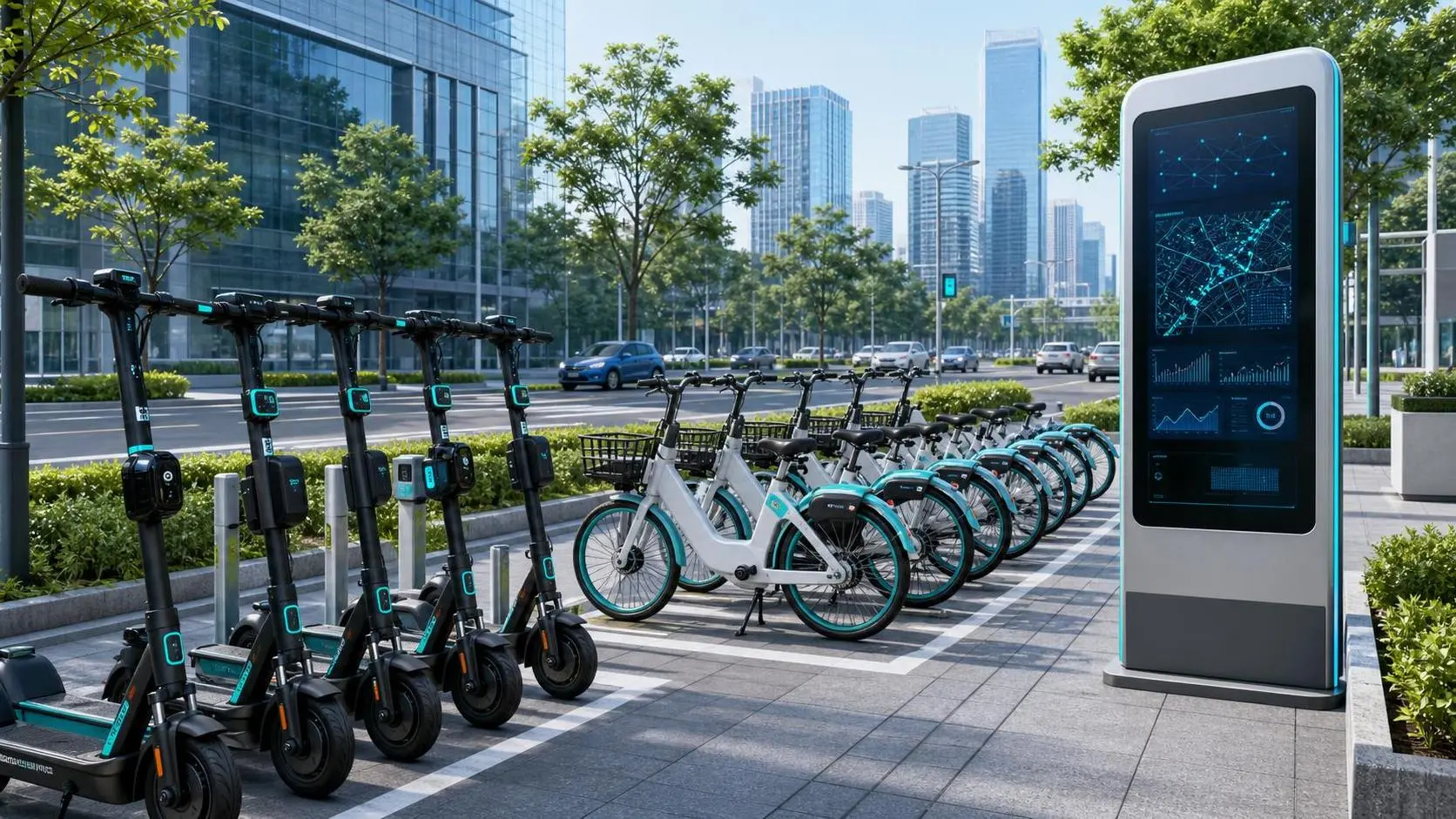
What Is the Intellectualization of Mobility Platform and How Is It Applied in Shared Fleets?
Intellectualization of mobility platform is reshaping shared fleets with real-time data, predictive maintenance, and smarter compliance—learn how it boosts safety, uptime, and urban mobility efficiency.
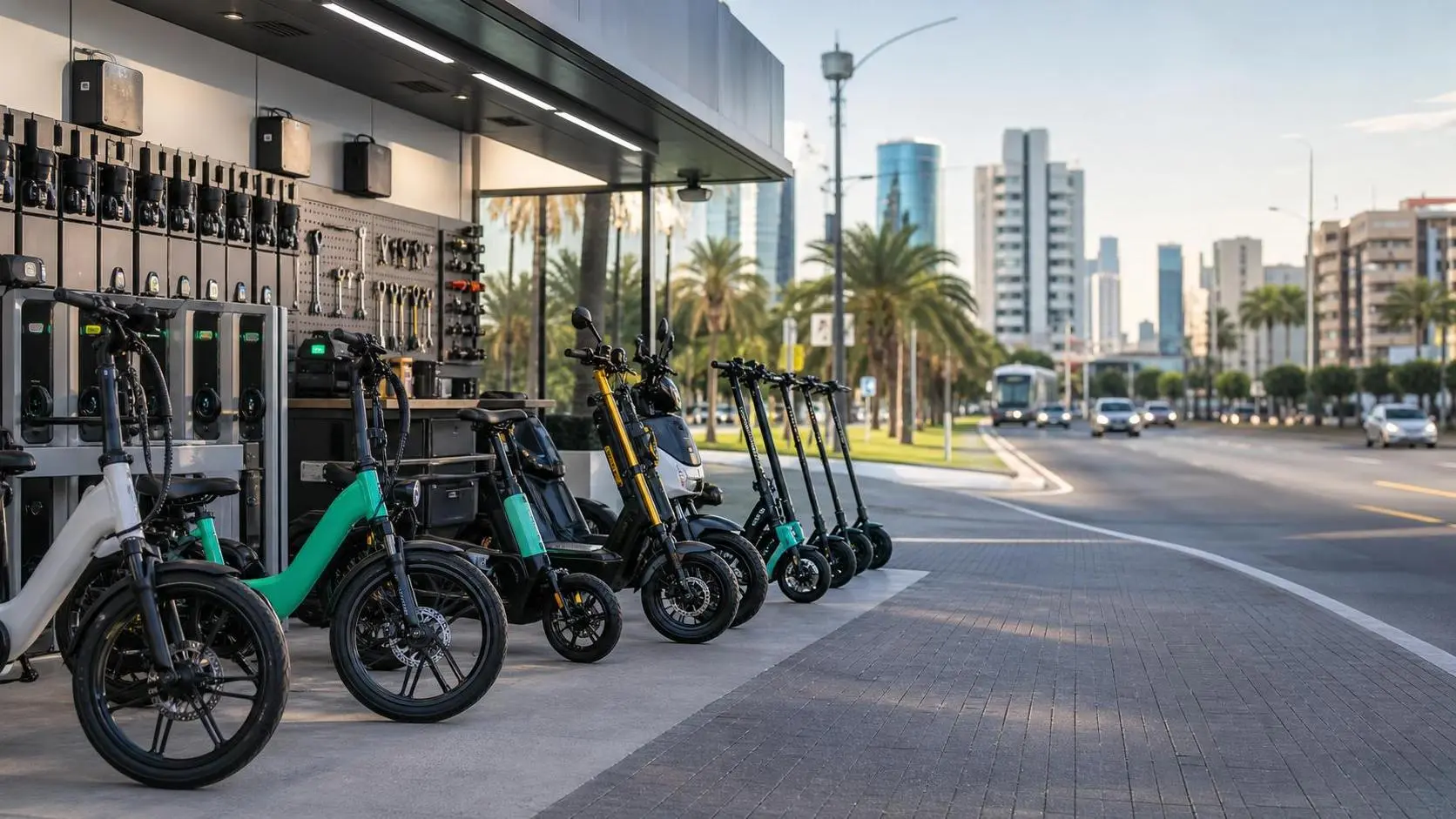
Urban Micro-Mobility Systems in Latin America: Key Market Drivers, Barriers, and Growth Segments
Urban micro-mobility systems Latin America are reshaping city transport. Explore key drivers, barriers, and high-growth segments to spot the region’s most investable opportunities.
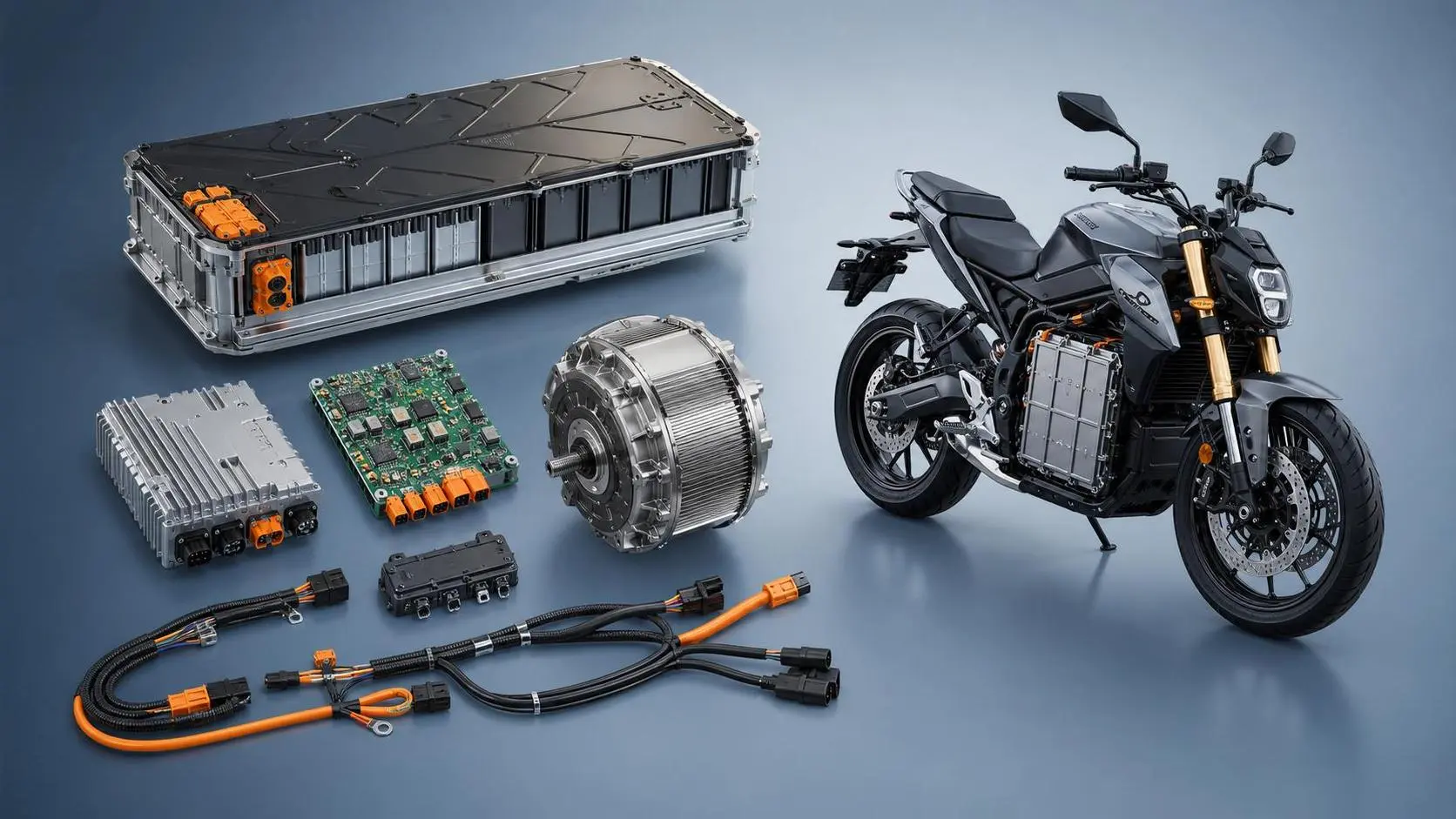
Electric Motorcycle Systems Price Breakdown: What Affects Cost From Battery to Controller?
Electric motorcycle systems price explained: see how battery, controller, motor, BMS, and wiring affect total cost, reliability, and sourcing value before you buy.
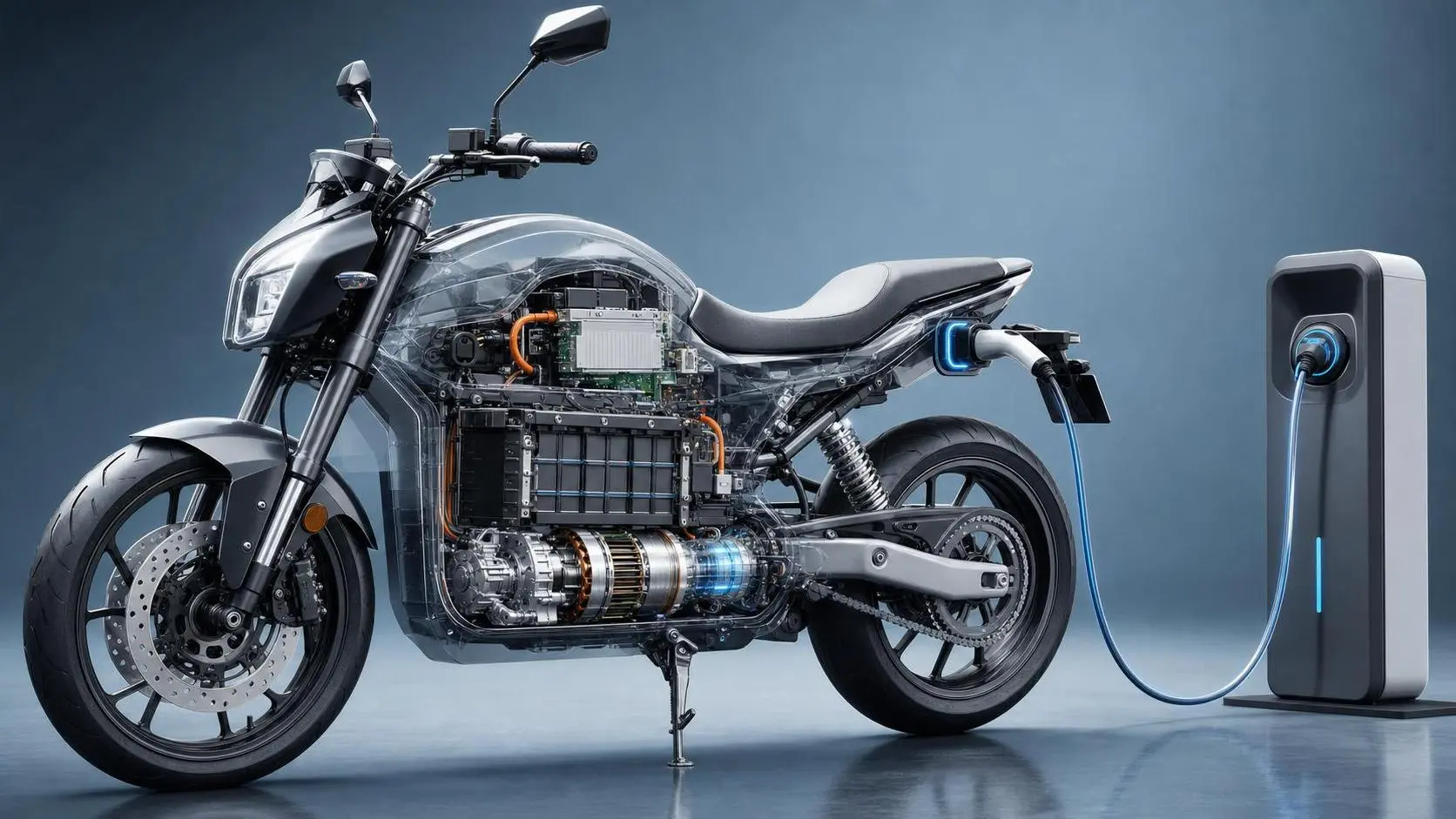
72V Electric Motorcycle Technology Explained: Motors, Controllers, Range, and Charging
Electric motorcycle technology 72V explained clearly: compare motors, controllers, range, battery design, and charging to choose a smoother, stronger, and smarter electric ride.
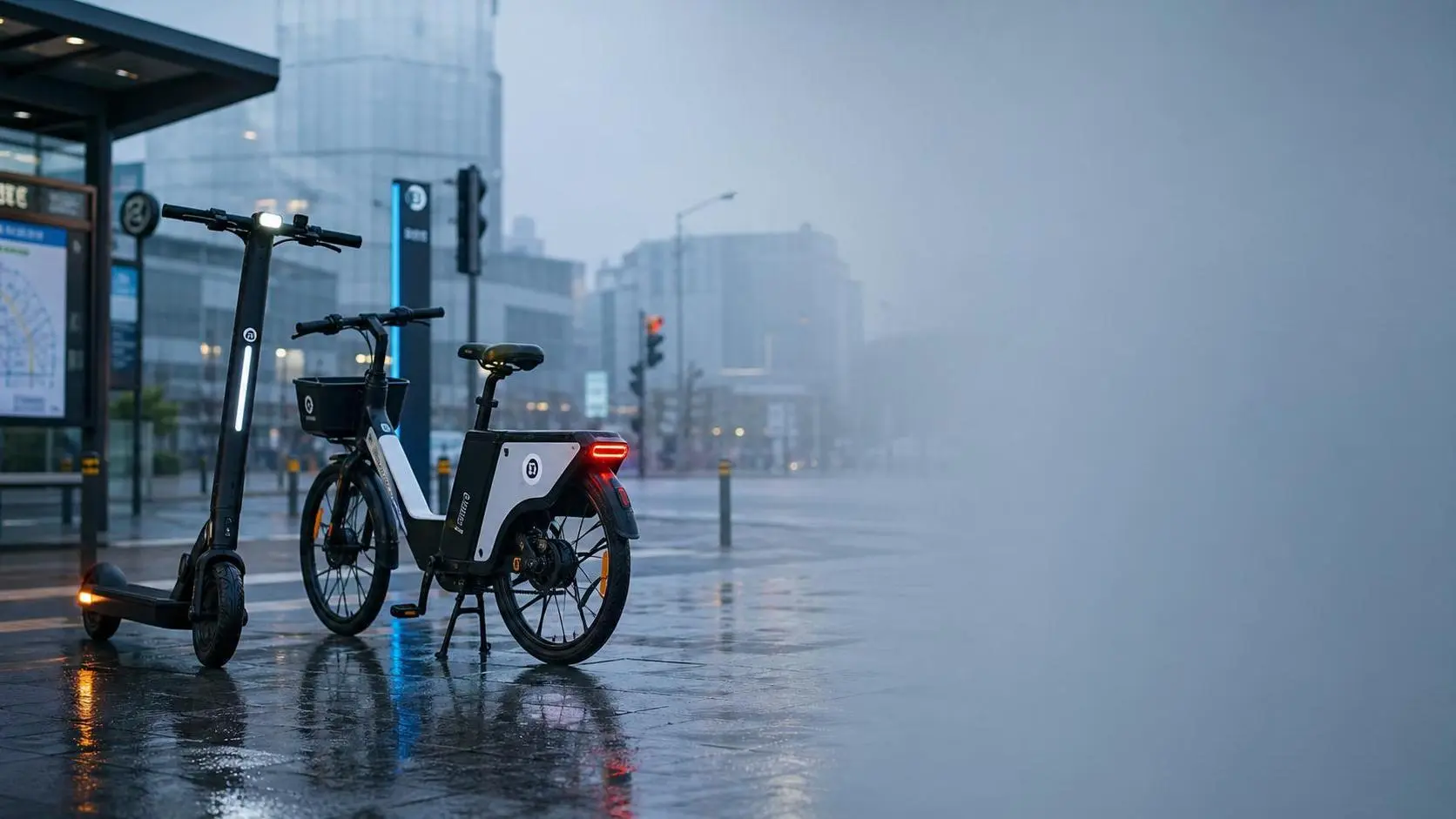
Where LED Urban Visibility Safety Systems Fit Best in Shared Scooters and City E-bikes
LED urban visibility safety systems deliver the most value in shared scooters and city e-bikes by improving multi-angle safety, fleet durability, and urban compliance across real-world routes.
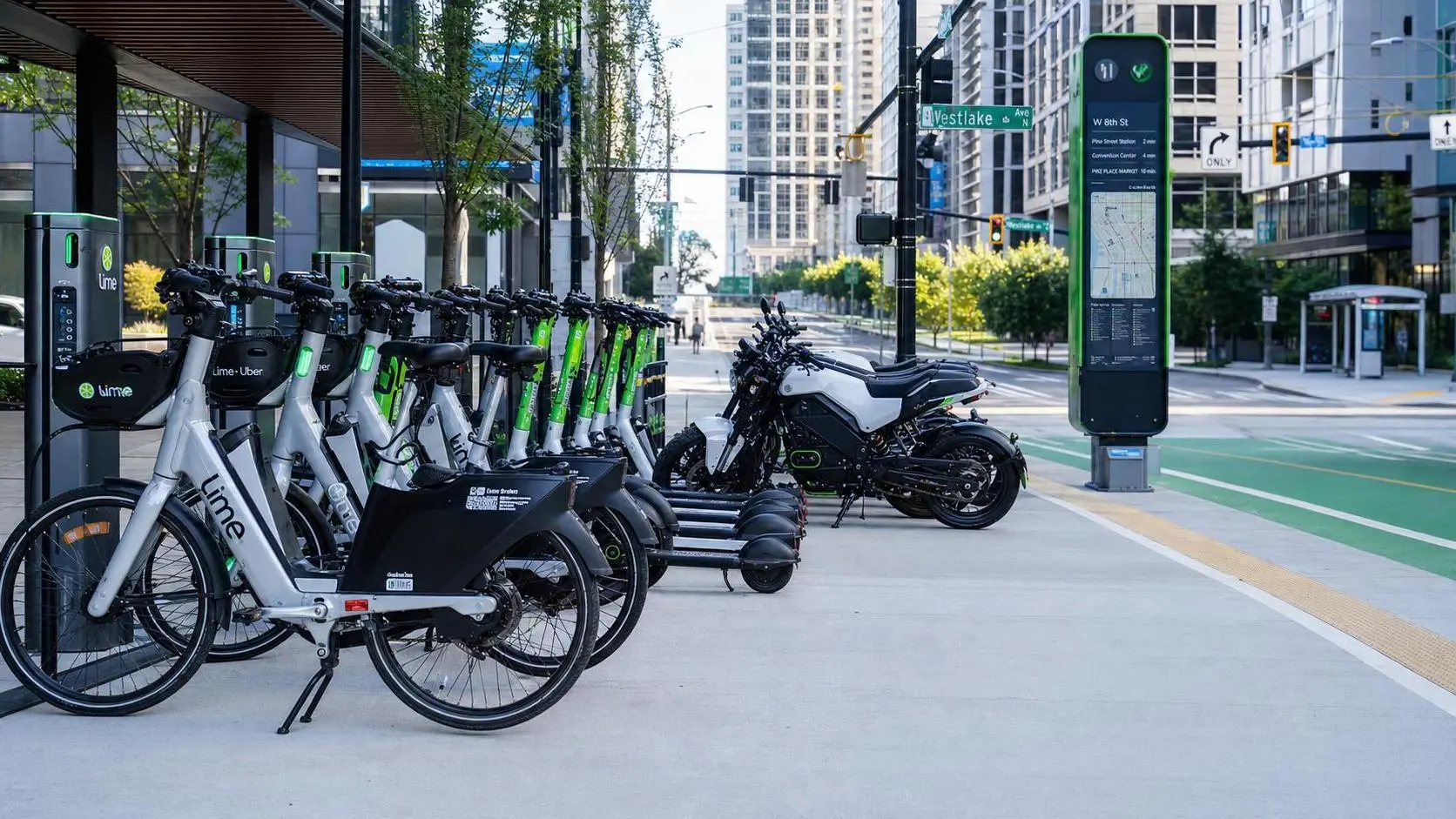
Intellectualization of Mobility in North America: What Is Driving Adoption Across Urban Transport?
Intellectualization of mobility North America is reshaping urban transport through data, smart fleets, and battery intelligence. Explore what is driving adoption and why cities and operators are accelerating now.
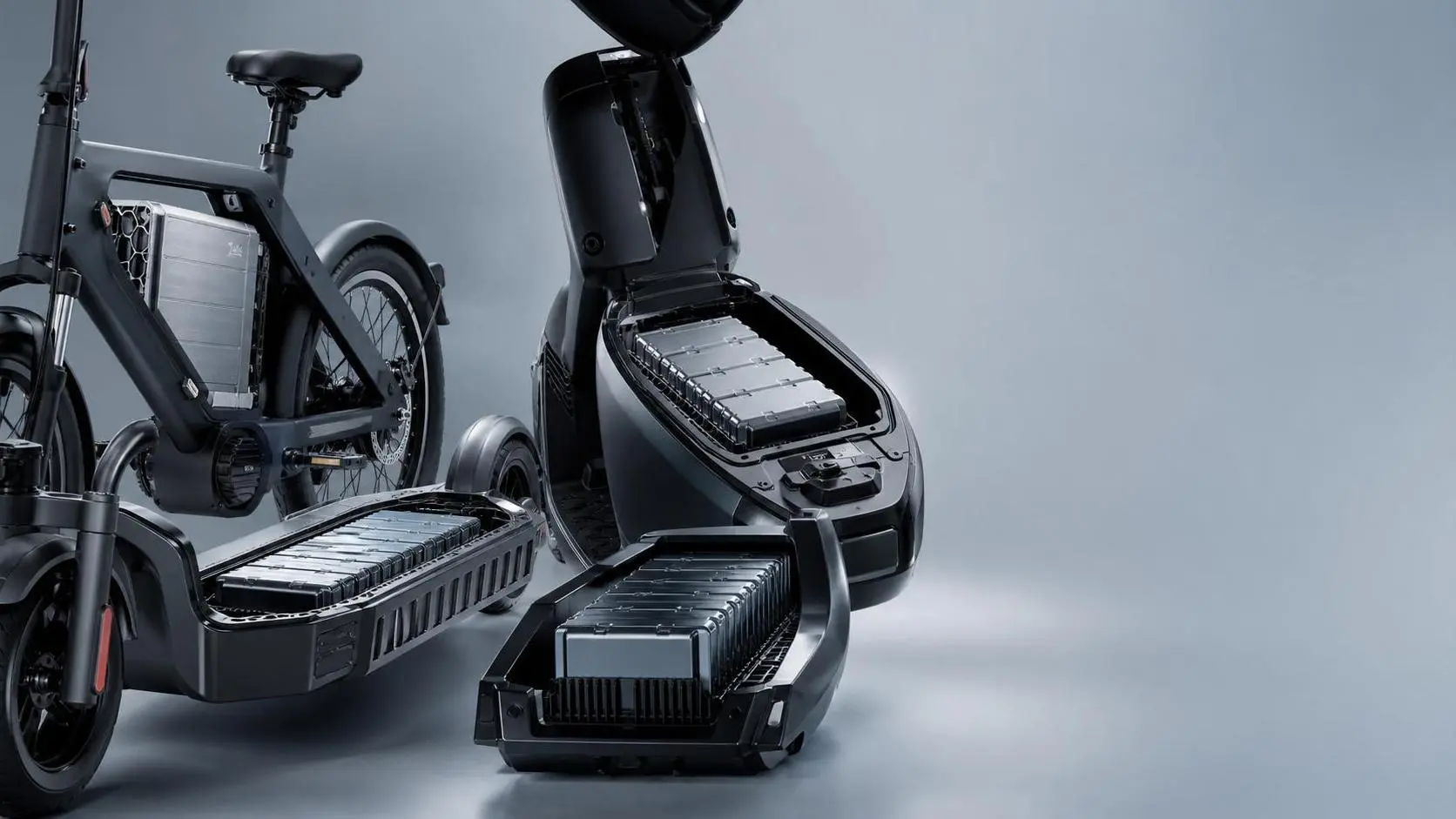
How to Choose a Compact Battery Pack: Size, Energy Density, Thermal Design, and Cycle Life
Compact battery pack selection starts with more than size. Learn how energy density, thermal design, and cycle life shape range, safety, and long-term value.
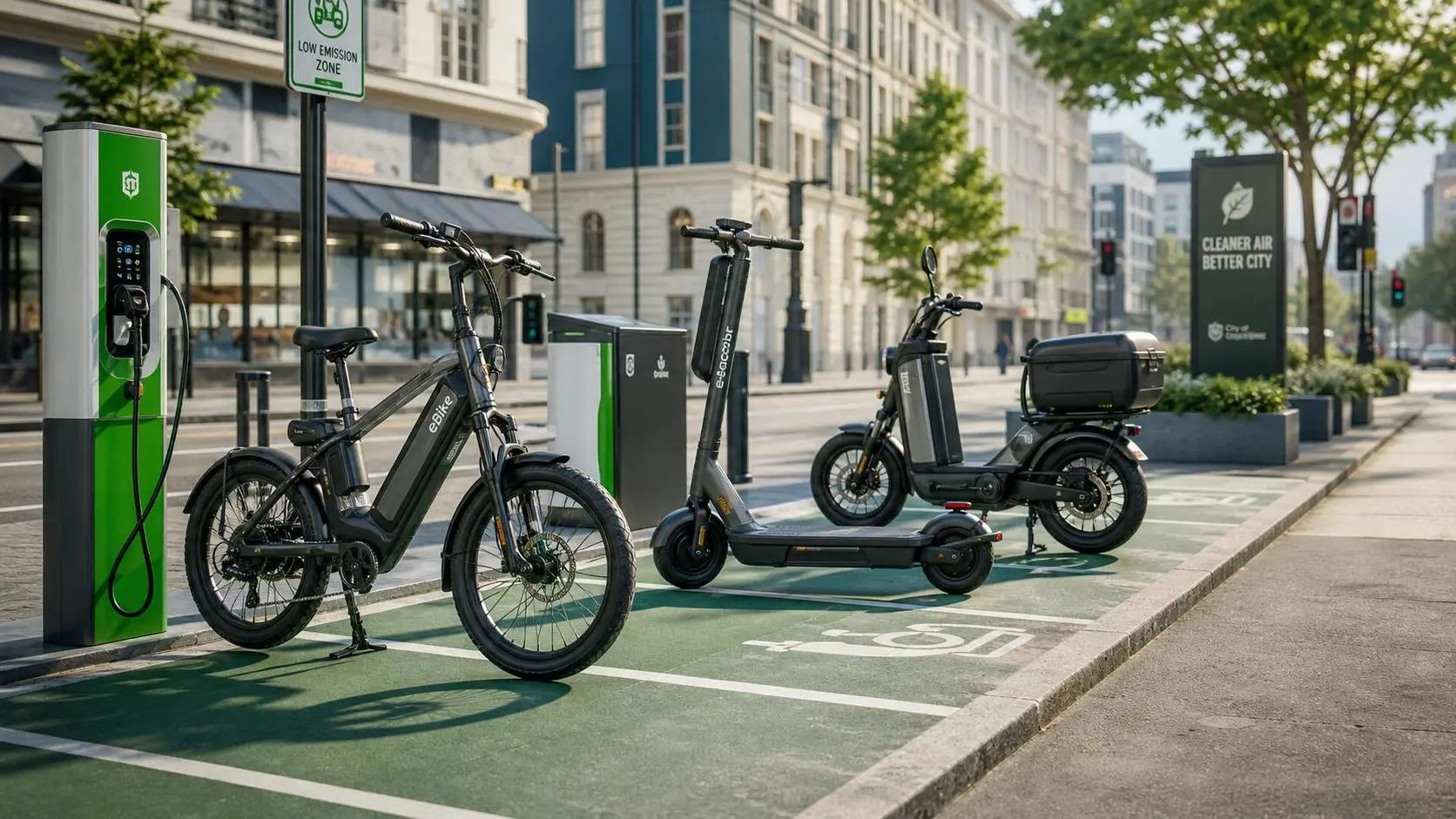
What Is Driving Green Two-wheelers Demand in Europe? Policy, Fuel Costs, and Buyer Segments
Green two-wheelers demand Europe is rising as policy support, fuel cost pressure, and diverse buyer segments reshape urban mobility. Explore the trends driving the next growth wave.