
Related News
- 00
0000-00
What Is the Intellectualization of Mobility Platform and How Is It Applied in Shared Fleets? - 00
0000-00
Where LED Urban Visibility Safety Systems Fit Best in Shared Scooters and City E-bikes - 00
0000-00
Green Transport Scooters for Urban Fleets: Which Specs Matter Most in Daily Use? - 00
0000-00
Micro-Mobility Solutions for Campuses: How to Choose the Right Fleet Model - 00
0000-00
Smart Battery Solutions for Shared Fleets: What Reduces Downtime and Maintenance Costs?
Urban Transit Fellow
Weekly Insights
Stay ahead with our curated technology reports delivered every Monday.
Interconnection of Two-Wheelers: What Works in Shared Fleets





Interconnection of Two-Wheelers: What Works in Shared Fleets
In shared mobility, the interconnection of two-wheelers decides whether a fleet scales smoothly or fails under city pressure.
The best systems connect vehicles, batteries, apps, service teams, and control platforms into one dependable operating layer.
For urban micro-mobility, this is not only a hardware issue. It is a business, safety, data, and uptime issue.
This guide explains what the interconnection of two-wheelers really means, where it creates value, what often breaks, and how shared fleets can build a system that works in real streets.
What does the interconnection of two-wheelers actually include?
The interconnection of two-wheelers is the digital and electrical linking of vehicle components, software, and fleet operations.
It goes beyond GPS tracking. A connected fleet should combine location, battery state, controller data, lock status, ride history, and maintenance alerts.
In practice, four layers matter most.
- Vehicle layer: sensors, motor controller, battery management system, and smart lock.
- Communication layer: Bluetooth, cellular IoT, GNSS, and secure firmware channels.
- Platform layer: fleet dashboard, dispatch logic, diagnostics, and API connections.
- Operations layer: charging, swapping, maintenance, compliance, and rider support.
When people discuss the interconnection of two-wheelers, they often focus on one device. That is too narrow.
What works in shared fleets is system-level coordination. One weak data link can reduce recovery rates, charging efficiency, and rider trust.
Why shared fleets need deeper connectivity than private vehicles
Private ownership can tolerate occasional blind spots. Shared fleets cannot.
A fleet operator needs constant visibility across hundreds or thousands of assets. Vehicle loss, battery abuse, and low utilization quickly become expensive.
That is why the interconnection of two-wheelers in shared use must support continuous monitoring, remote control, and predictive decisions.
Which connected functions truly improve shared fleet performance?
Not every connected feature adds real value. The strongest returns usually come from a small group of operational functions.
1. Real-time vehicle visibility
Location accuracy supports rebalancing, theft recovery, no-parking enforcement, and route-based demand planning.
However, location alone is not enough. Fleets also need movement state, parking status, and ride completion confirmation.
2. Battery intelligence
Battery health is central to the interconnection of two-wheelers, especially in e-bikes, smart e-scooters, and high-speed e-motorcycles.
Useful data includes state of charge, temperature, cycle count, voltage spread, abnormal discharge, and charging history.
This data helps prevent stranded vehicles, unsafe charging, and underused battery inventory.
3. Remote diagnostics and firmware updates
A connected fleet should detect faults before riders report them.
Remote diagnostics reduce unnecessary field visits. Over-the-air updates keep controllers, locks, and IoT modules current without mass recalls.
4. Smart locking and user authorization
Access control is a core part of fleet efficiency.
The interconnection of two-wheelers should allow secure unlock, ride start validation, geofenced parking confirmation, and anti-tamper alerts.
5. Maintenance prediction
Brake wear, tire pressure loss, vibration anomalies, and controller overheating can all be flagged early.
This is especially useful in fleets exposed to weather, rough pavement, and variable rider behavior.
How should shared fleets design the right IoT architecture?
The best architecture is not the most complex one. It is the one that remains stable in dense urban operations.
A practical framework starts with clear separation between critical and non-critical signals.
- Critical signals: lock state, motion alerts, battery alarms, emergency faults, and ride authorization.
- Non-critical signals: detailed ride analytics, comfort metrics, and long-interval usage trends.
This prevents bandwidth waste and lowers cloud costs.
What communication stack works best?
There is no universal answer, but hybrid designs work well.
Bluetooth supports proximity tasks like pairing and service access. Cellular IoT supports remote visibility and command execution.
GNSS enables positioning, while edge logic helps the vehicle keep functioning during temporary network loss.
The interconnection of two-wheelers becomes more reliable when devices can fail gracefully instead of stopping completely.
Why APIs and data standards matter
Shared fleets rarely use one vendor forever.
Open APIs and clean data models allow dashboards, battery systems, and service tools to evolve without rebuilding the entire stack.
That flexibility is essential in a fast-moving micro-mobility market.
What are the biggest mistakes in the interconnection of two-wheelers?
Many failures come from design assumptions that look efficient in tests but collapse in the field.
Mistake 1: Chasing features instead of uptime
A fleet does not win by having the longest feature sheet.
It wins by keeping vehicles available, safe, and easy to service.
Mistake 2: Ignoring battery and thermal behavior
Battery interconnection must include thermal logic, charger behavior, and swap or charge cycle planning.
Without this, data may look complete while the fleet still suffers reduced range and shorter battery life.
Mistake 3: Weak security design
The interconnection of two-wheelers creates attack surfaces.
Poor encryption, insecure firmware processes, and weak device identity management can expose vehicles and users.
Mistake 4: No field-service feedback loop
Connected data is useful only if maintenance teams can act on it.
Work orders, spare parts tracking, and repair verification should connect back into the fleet platform.
How can teams evaluate whether a connected fleet system really works?
A strong evaluation method compares technical performance with operational outcomes.
This kind of review keeps the interconnection of two-wheelers tied to measurable outcomes instead of technical promises.
What implementation timeline, cost, and rollout approach make sense?
Connected fleet deployment should happen in stages.
A useful sequence starts with a pilot, then validation, then scaled rollout across zones with different traffic and climate conditions.
Suggested rollout path
- Define target outcomes such as uptime, recovery rate, and charging efficiency.
- Run a pilot with mixed routes, weather exposure, and usage density.
- Measure false alarms, battery data quality, and lock reliability.
- Connect service workflows before scaling fleet volume.
- Expand only after firmware, cloud logic, and maintenance response stabilize.
Costs usually come from hardware modules, cloud traffic, software integration, testing, and operational training.
The interconnection of two-wheelers should be judged by lifecycle value, not only module price.
A practical decision table
What should the next step be?
The interconnection of two-wheelers works when connectivity supports operations instead of distracting from them.
Shared fleets need connected vehicles that report clearly, fail safely, update remotely, and feed useful service actions.
In e-bikes, smart e-scooters, and high-speed e-motorcycles, strong interconnection turns raw devices into coordinated urban assets.
Start with a fleet audit. Map battery logic, lock behavior, communication stability, and service response. Then fix weak links before expanding features.
That is the most reliable path to making the interconnection of two-wheelers deliver real performance in shared fleets.
Related News
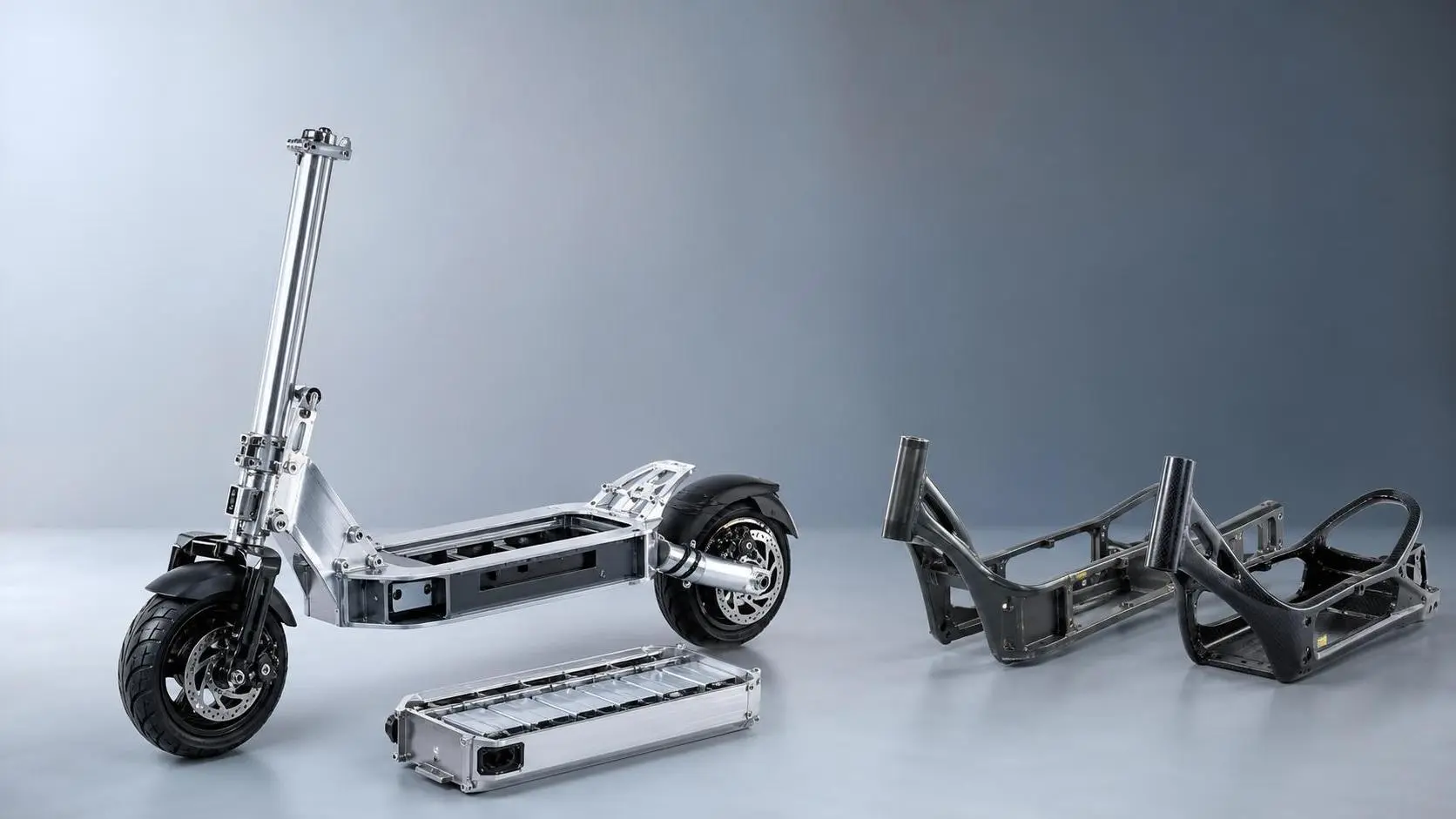
How to Choose Lightweight Scooter Frames in Europe: Materials, Standards, and Use Cases
Lightweight scooter frames Europe buyers need should balance materials, EN standards, durability, and real use cases. Discover how to choose safer, smarter, compliant frames.
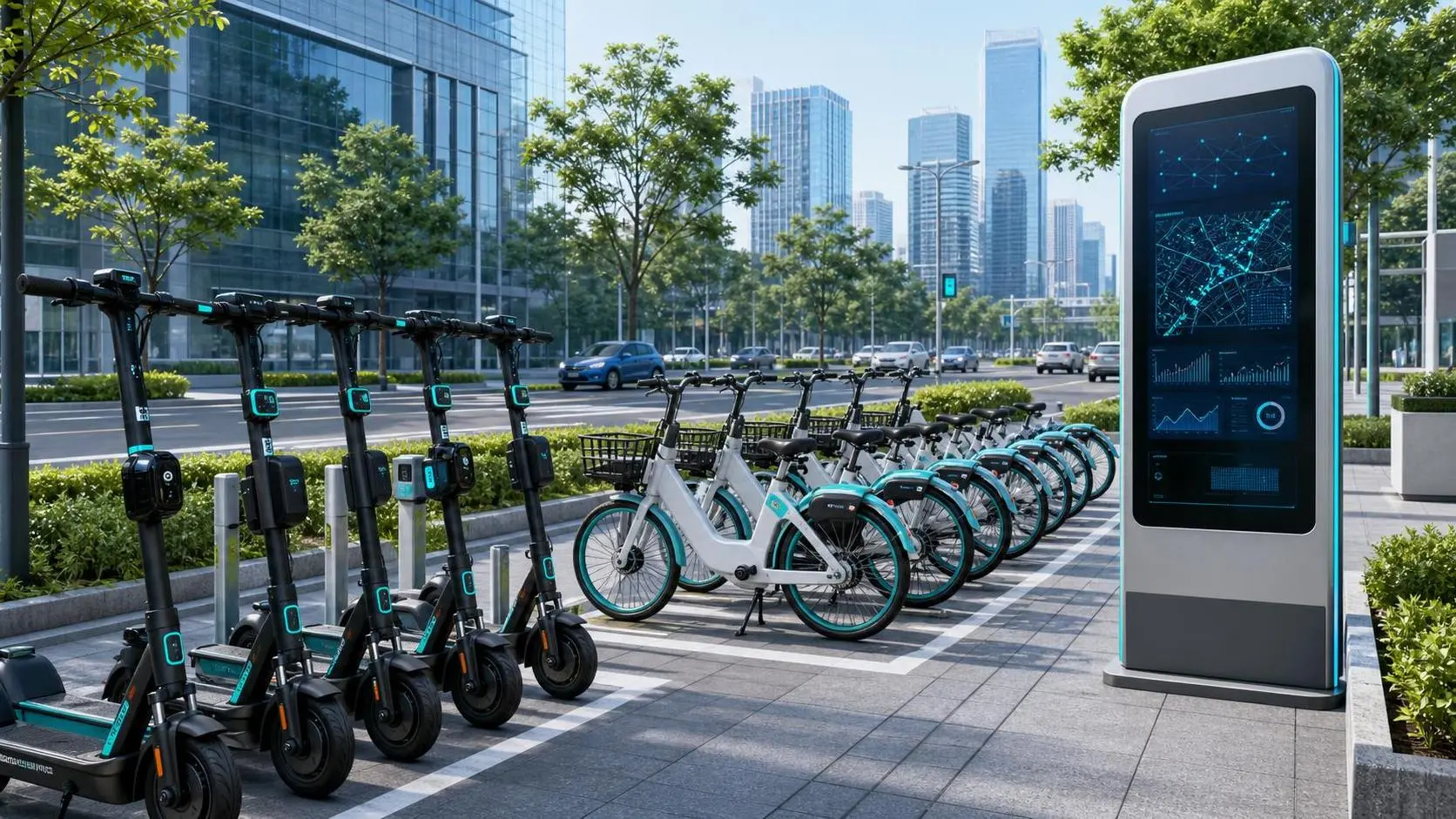
What Is the Intellectualization of Mobility Platform and How Is It Applied in Shared Fleets?
Intellectualization of mobility platform is reshaping shared fleets with real-time data, predictive maintenance, and smarter compliance—learn how it boosts safety, uptime, and urban mobility efficiency.
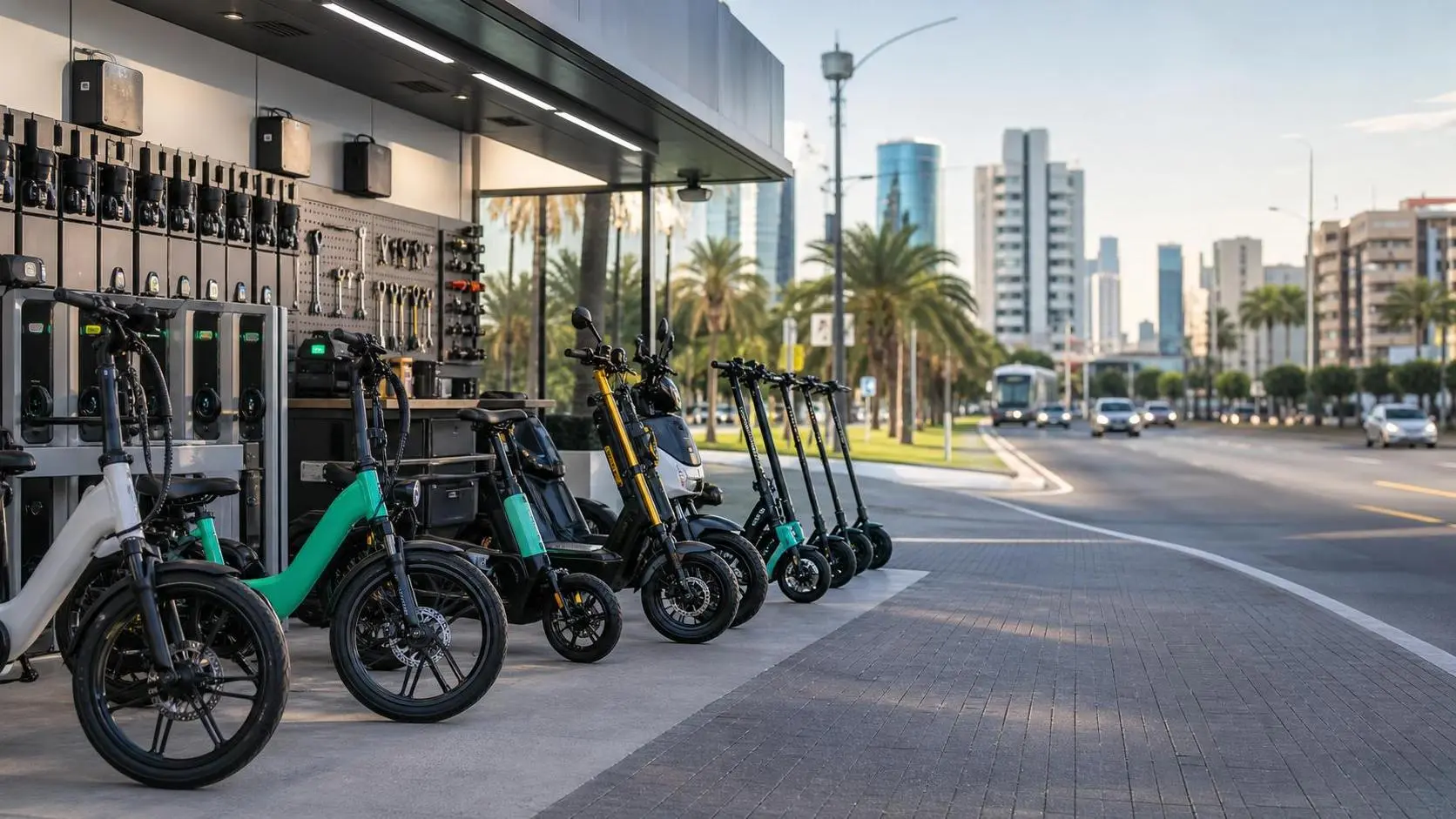
Urban Micro-Mobility Systems in Latin America: Key Market Drivers, Barriers, and Growth Segments
Urban micro-mobility systems Latin America are reshaping city transport. Explore key drivers, barriers, and high-growth segments to spot the region’s most investable opportunities.
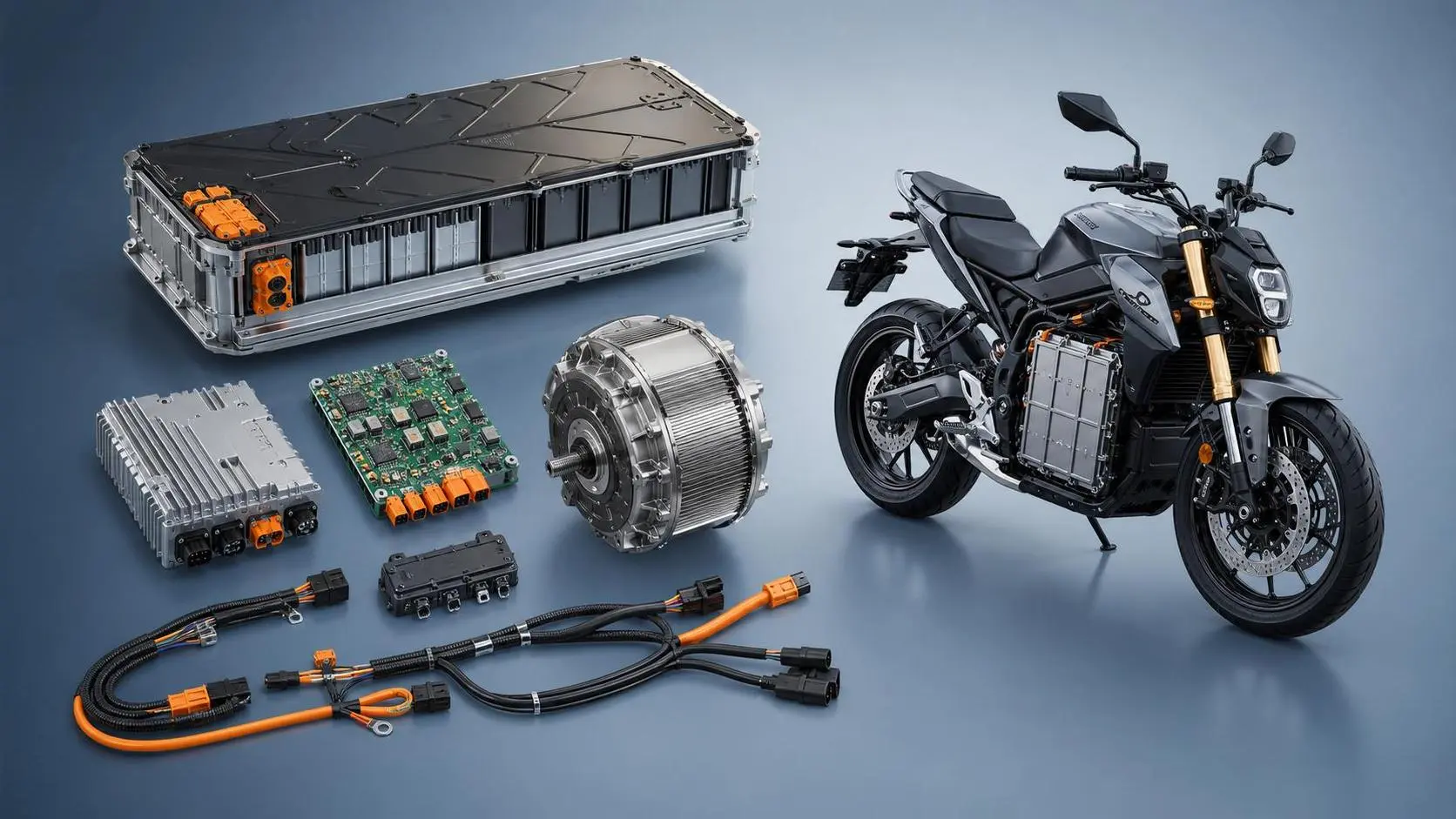
Electric Motorcycle Systems Price Breakdown: What Affects Cost From Battery to Controller?
Electric motorcycle systems price explained: see how battery, controller, motor, BMS, and wiring affect total cost, reliability, and sourcing value before you buy.
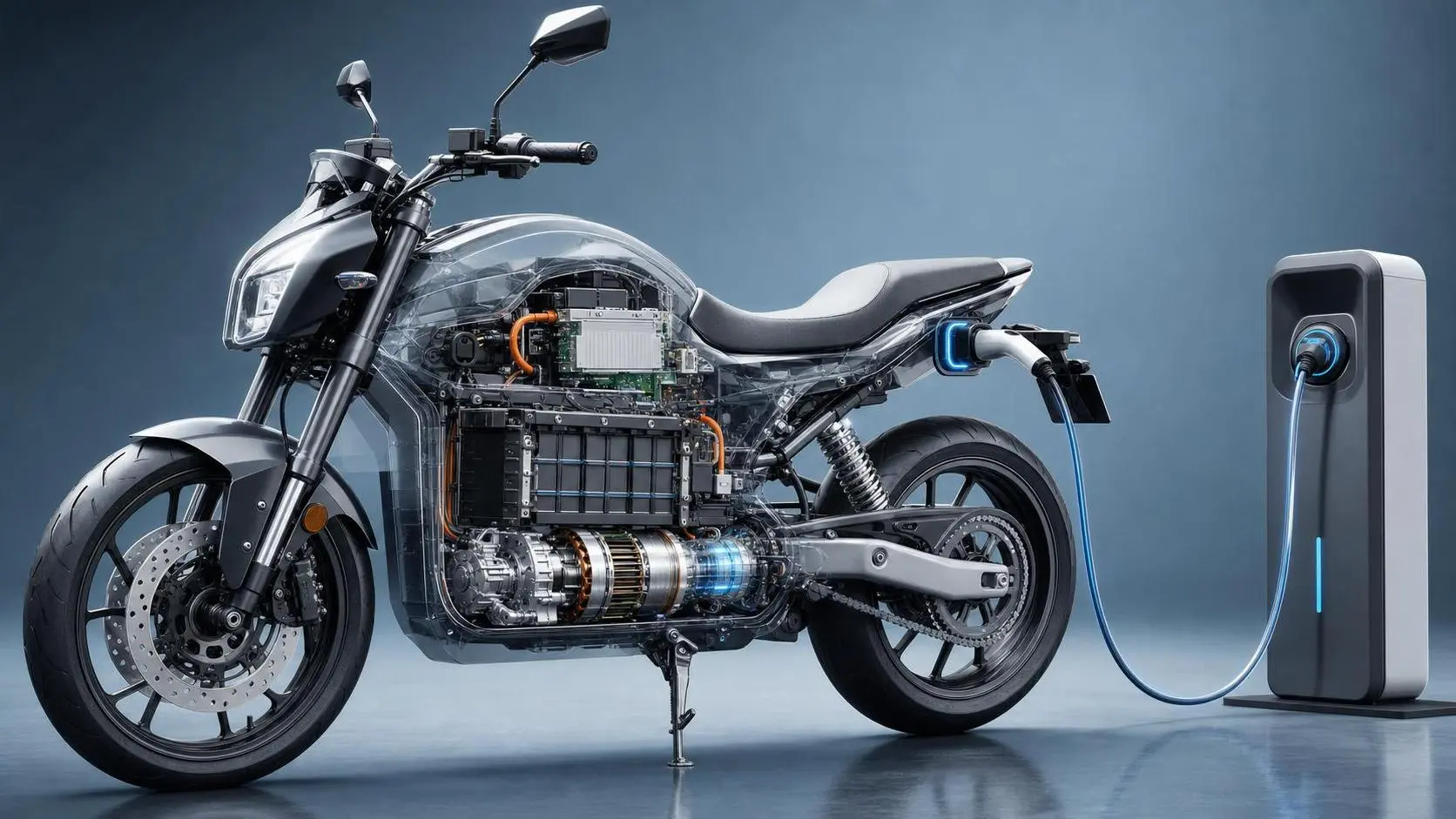
72V Electric Motorcycle Technology Explained: Motors, Controllers, Range, and Charging
Electric motorcycle technology 72V explained clearly: compare motors, controllers, range, battery design, and charging to choose a smoother, stronger, and smarter electric ride.

Where LED Urban Visibility Safety Systems Fit Best in Shared Scooters and City E-bikes
LED urban visibility safety systems deliver the most value in shared scooters and city e-bikes by improving multi-angle safety, fleet durability, and urban compliance across real-world routes.
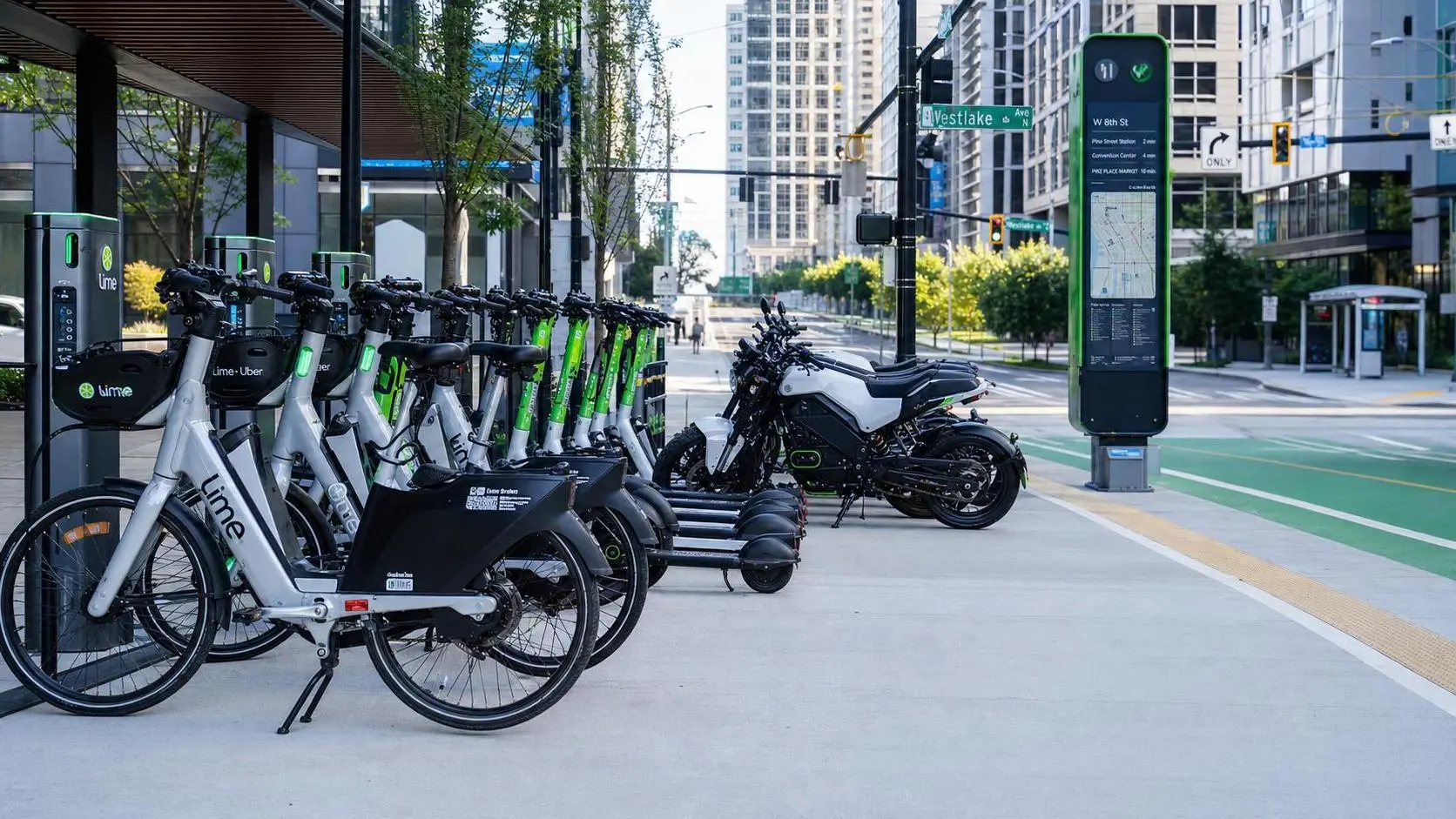
Intellectualization of Mobility in North America: What Is Driving Adoption Across Urban Transport?
Intellectualization of mobility North America is reshaping urban transport through data, smart fleets, and battery intelligence. Explore what is driving adoption and why cities and operators are accelerating now.

How to Choose a Compact Battery Pack: Size, Energy Density, Thermal Design, and Cycle Life
Compact battery pack selection starts with more than size. Learn how energy density, thermal design, and cycle life shape range, safety, and long-term value.
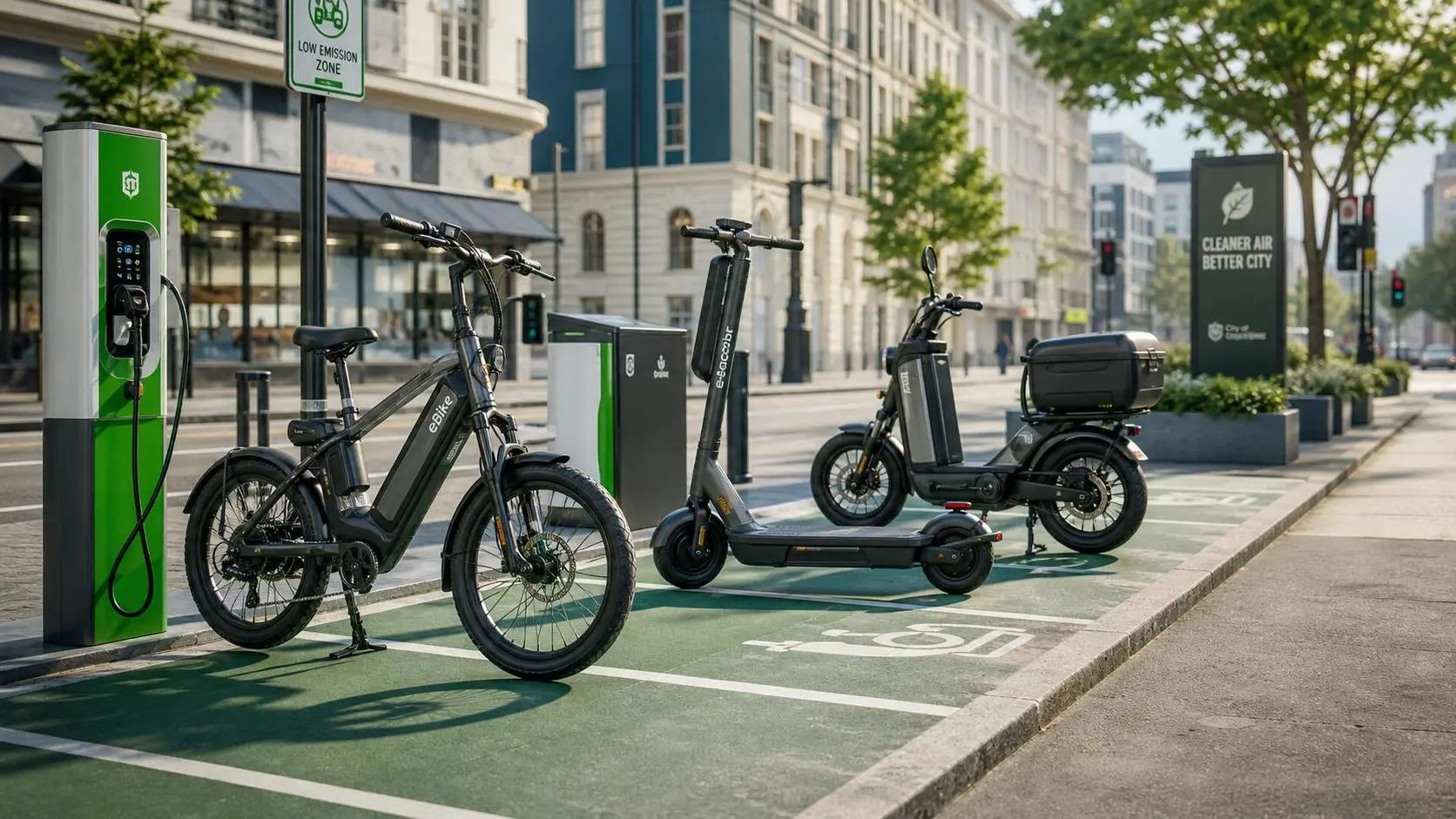
What Is Driving Green Two-wheelers Demand in Europe? Policy, Fuel Costs, and Buyer Segments
Green two-wheelers demand Europe is rising as policy support, fuel cost pressure, and diverse buyer segments reshape urban mobility. Explore the trends driving the next growth wave.