
Related News
- 00
0000-00
How Battery-Swapping Networks Reduce Downtime in Shared Fleet Scooter Operations - 00
0000-00
What Is the Intellectualization of Mobility Platform and How Is It Applied in Shared Fleets? - 00
0000-00
Where LED Urban Visibility Safety Systems Fit Best in Shared Scooters and City E-bikes - 00
0000-00
Green Transport Scooters for Urban Fleets: Which Specs Matter Most in Daily Use? - 00
0000-00
Micro-Mobility Solutions for Campuses: How to Choose the Right Fleet Model
Urban Transit Fellow
Weekly Insights
Stay ahead with our curated technology reports delivered every Monday.
Scooter Motor Technology Comparison: Hub vs Mid-drive vs Dual Motor for Real-World Use





Scooter Motor Technology Comparison: Hub vs Mid-drive vs Dual Motor for Real-World Use
Choosing the right scooter motor setup shapes far more than top speed.
It affects efficiency, gradeability, thermal stability, maintenance cycles, and rider confidence.
That is why scooter motor technology should be evaluated in context, not only by peak watt numbers.
In real fleets and consumer products, control strategy often matters as much as hardware architecture.
This guide compares hub, mid-drive, and dual motor systems through actual operating demands.
The focus stays on system-level trade-offs that influence sourcing, validation, and long-term product value.
Why Scooter Motor Technology Needs Real-World Evaluation
Spec sheets usually highlight rated power, peak power, voltage, and claimed range.
Useful, yes, but incomplete.
A scooter that performs well on flat test loops may struggle in dense urban stop-and-go traffic.
Another may feel strong at launch, then derate quickly under sustained climbing.
This is where scooter motor technology becomes a systems question.
Motor placement, transmission path, controller tuning, battery discharge behavior, and cooling limits interact continuously.
So the better comparison asks how each layout behaves over time, not only at launch.
Core metrics that matter
- Launch torque under rider load and low battery state
- Continuous climbing ability without severe thermal rollback
- Drivetrain efficiency across urban cruising speeds
- Unsprung mass and its impact on ride quality
- Maintenance burden, spare part access, and field serviceability
- Software calibration complexity and fault management
Hub Motor Systems: Simple Architecture, Strong Packaging Efficiency
Hub motors remain the most common answer in scooter motor technology.
The reason is straightforward.
They package the motor directly into the wheel, eliminating chains, belts, and extra reduction components.
That lowers mechanical complexity and reduces assembly steps.
For many commuter scooters, this creates a clean, cost-effective architecture.
Where hub motors perform well
Hub systems work best in moderate-speed urban use with predictable terrain.
They are especially attractive where low service frequency is a purchasing priority.
With fewer moving parts, there is less routine adjustment compared with transmitted drive systems.
This also helps shared mobility operators reduce workshop time.
Main limitations
The weakness of hub-based scooter motor technology usually appears under heat and load.
Because the motor sits inside the wheel, thermal dissipation can be constrained.
Long climbs, repeated starts, and heavy riders can push temperatures upward fast.
Another trade-off is unsprung mass.
A heavier wheel can reduce suspension sensitivity and slightly blunt ride comfort on broken pavement.
In compact scooters without advanced suspension, that effect becomes easier to notice.
Best fit cases
- City commuting on mostly flat or rolling roads
- Shared scooters needing straightforward maintenance routines
- Programs targeting lower BOM cost and fast assembly scaling
- Use cases where quiet operation and compact packaging matter
Mid-drive Systems: Better Torque Management, Higher Mechanical Complexity
Mid-drive layouts are less common in scooters, but they solve specific problems very well.
In this version of scooter motor technology, the motor sits closer to the chassis center.
Power reaches the wheel through a chain, belt, or geared transmission.
That design opens more freedom for torque multiplication and thermal packaging.
Why evaluators consider mid-drive
Mid-drive systems can hold output more consistently during hill climbing.
The motor is not trapped inside the wheel, so cooling options improve.
Weight also moves toward the center of the scooter.
That usually helps balance, steering feel, and suspension response.
For heavier-duty platforms, those gains can justify the extra engineering effort.
The trade-offs are real
No version of scooter motor technology gets performance for free.
Mid-drive adds components that wear, need alignment, and can create noise.
Belts need tension management.
Chains need lubrication and protection from dirt ingress.
Transmission losses also offset some theoretical efficiency benefits.
So the design only wins when the full duty cycle rewards its strengths.
Best fit cases
- High-load scooters facing steep and frequent gradients
- Premium products where ride refinement matters
- Platforms requiring stronger thermal headroom
- Applications where chassis balance is a design priority
Dual Motor Systems: Traction, Redundancy, and Control Challenges
Dual motor architecture is the performance-focused branch of scooter motor technology.
It typically places one motor at each wheel.
That creates stronger acceleration, better traction on mixed surfaces, and improved climbing under heavy demand.
On paper, it looks like the obvious upgrade.
What dual motor really improves
Torque can be shared across two contact patches.
That reduces the burden on a single motor during starts and climbs.
When calibrated well, the scooter feels more stable on wet roads, loose surfaces, and variable grades.
There is also a redundancy benefit.
A partial limp-home mode may remain possible if one motor path fails.
Where the complexity grows
Dual motor scooter motor technology raises demands on the battery and controller stack.
Peak current draw can rise sharply.
Thermal events now need coordination across two motors and often two controller channels.
If torque blending is crude, efficiency drops and tire wear increases.
This also raises calibration time during development.
So dual motor is powerful, but not automatically efficient or durable.
Best fit cases
- Performance scooters needing fast launch and strong grade response
- Mixed-terrain products used on wet, rough, or variable surfaces
- Premium platforms with robust battery and controller reserves
- Programs where software tuning resources are available
Side-by-Side Scooter Motor Technology Comparison
Decision Factors Beyond the Motor Itself
A smart scooter motor technology decision always includes the surrounding system.
Battery chemistry, controller limits, firmware logic, and chassis geometry can reverse expected results.
A well-matched single hub setup may outperform a poorly integrated dual motor platform.
That is a common reality in rushed product programs.
Questions that improve selection quality
- What is the real duty cycle, including rider mass, stop frequency, and slope distribution?
- How often will sustained peak output occur in normal use?
- What thermal derating thresholds are acceptable for safety and user experience?
- Can service teams support transmission maintenance if mid-drive is chosen?
- Does the battery pack support dual motor current demand without accelerated aging?
- How mature is the controller software for traction, regen, and fault isolation?
Practical Selection Guidance
For mainstream commuting, hub-based scooter motor technology usually offers the best balance.
It stays competitive on cost, packaging, and service simplicity.
For heavier vehicles or hill-dominant routes, mid-drive deserves serious attention.
Its advantage appears when torque management and thermal stability matter more than simplicity.
For premium performance products, dual motor can create the strongest user impression.
Still, it only pays off with disciplined battery sizing and refined control logic.
In short, the best scooter motor technology is the one matched to actual workload, not marketing ambition.
Before final sourcing, validate each architecture with heat soak testing, repeated hill cycles, low-voltage launch checks, and maintenance modeling. That process turns scooter motor technology from a brochure claim into a reliable product decision.
Related News
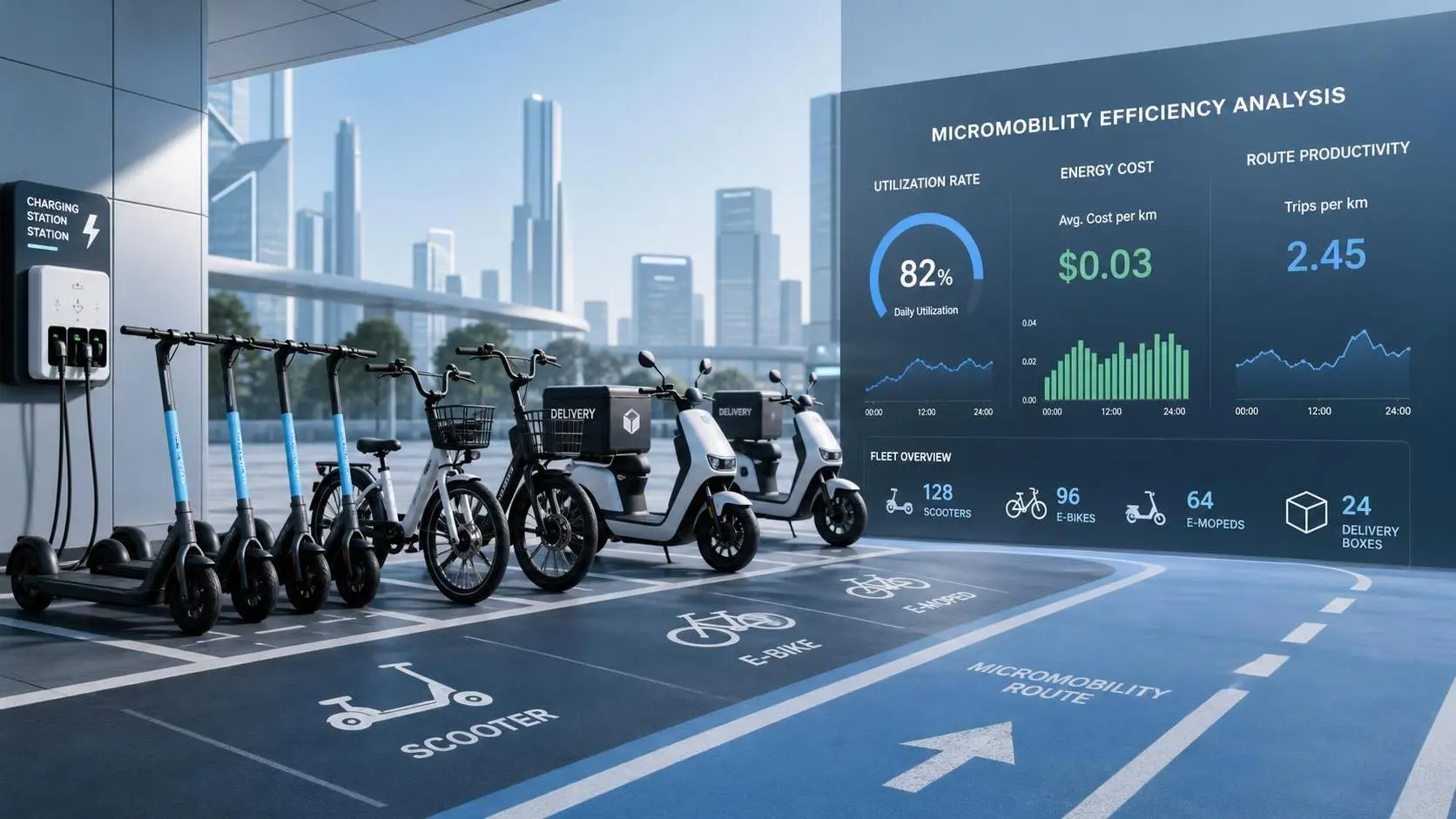
Mobility Efficiency Analysis: How to Measure Vehicle Use, Energy Cost, and Route Productivity
Mobility efficiency analysis reveals how to measure vehicle use, energy cost, and route productivity to cut waste, improve fleet performance, and make smarter urban mobility decisions.
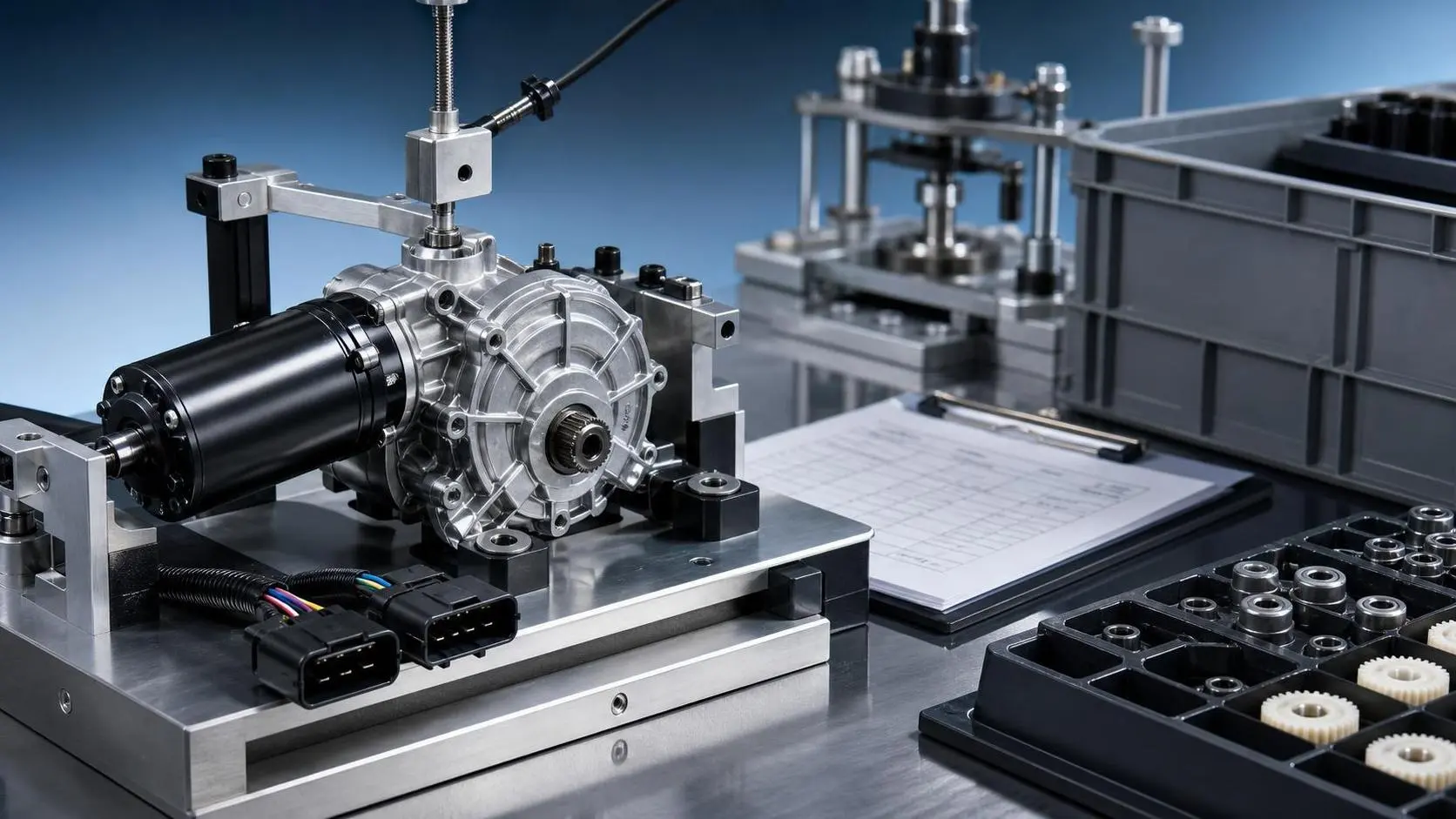
How to Evaluate a Brushless Wiper Motor Supplier for OEM Quality and Lead Time
Brushless wiper motor supplier selection made easier: learn how to assess OEM quality, engineering support, compliance, and lead time to reduce sourcing risk.
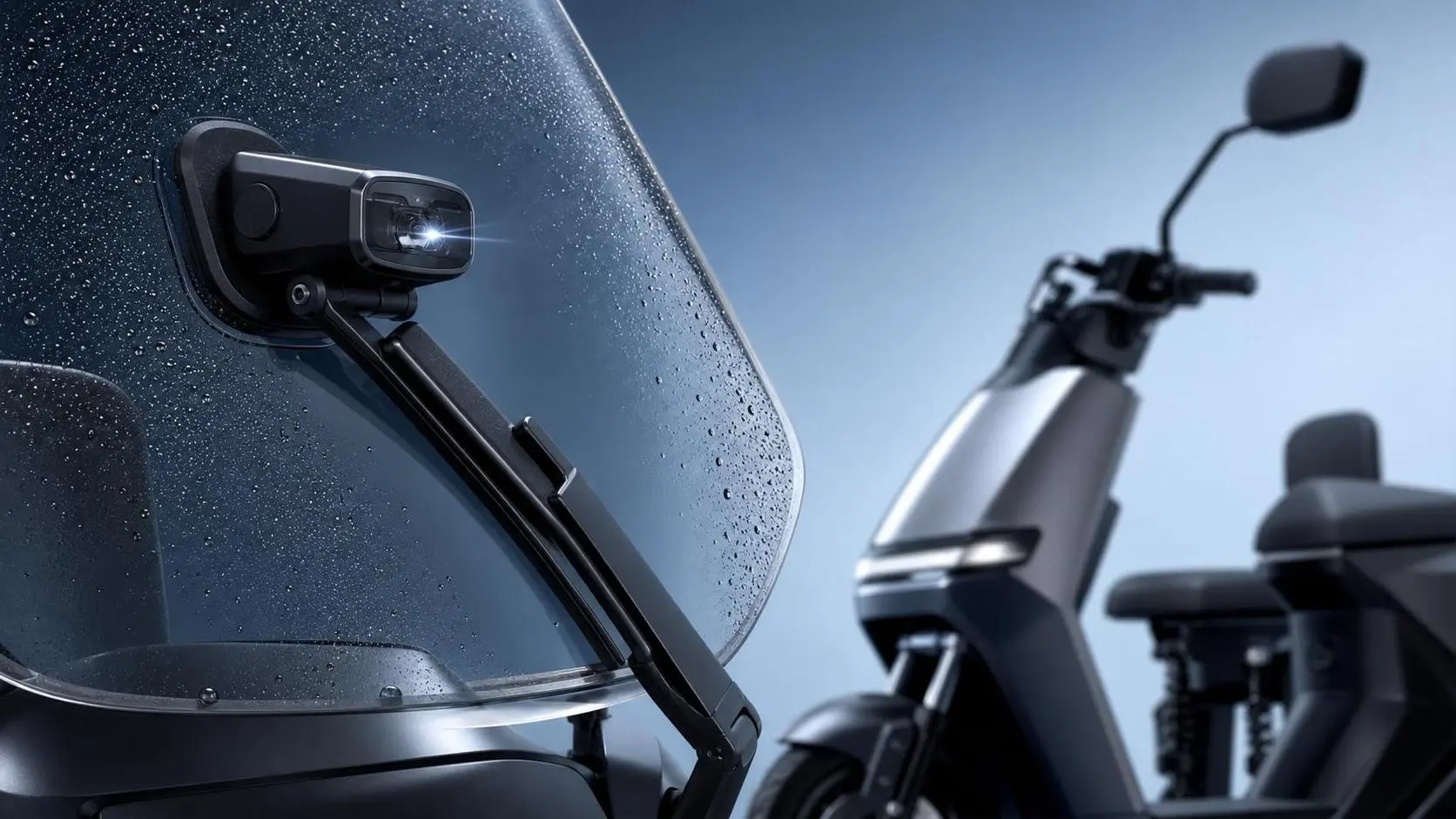
How Do Photoelectric Wiper Sensors Work and Where Are They Most Effective?
Photoelectric wiper sensors explained: learn how they detect rain, reduce false triggers, and deliver the best visibility gains in urban EVs, e-bikes, fleets, and smart mobility.

How Battery-Swapping Networks Reduce Downtime in Shared Fleet Scooter Operations
Battery-swapping networks cut scooter fleet downtime by speeding field turnaround, improving uptime in peak zones, and helping operators optimize labor, battery rotation, and service efficiency.
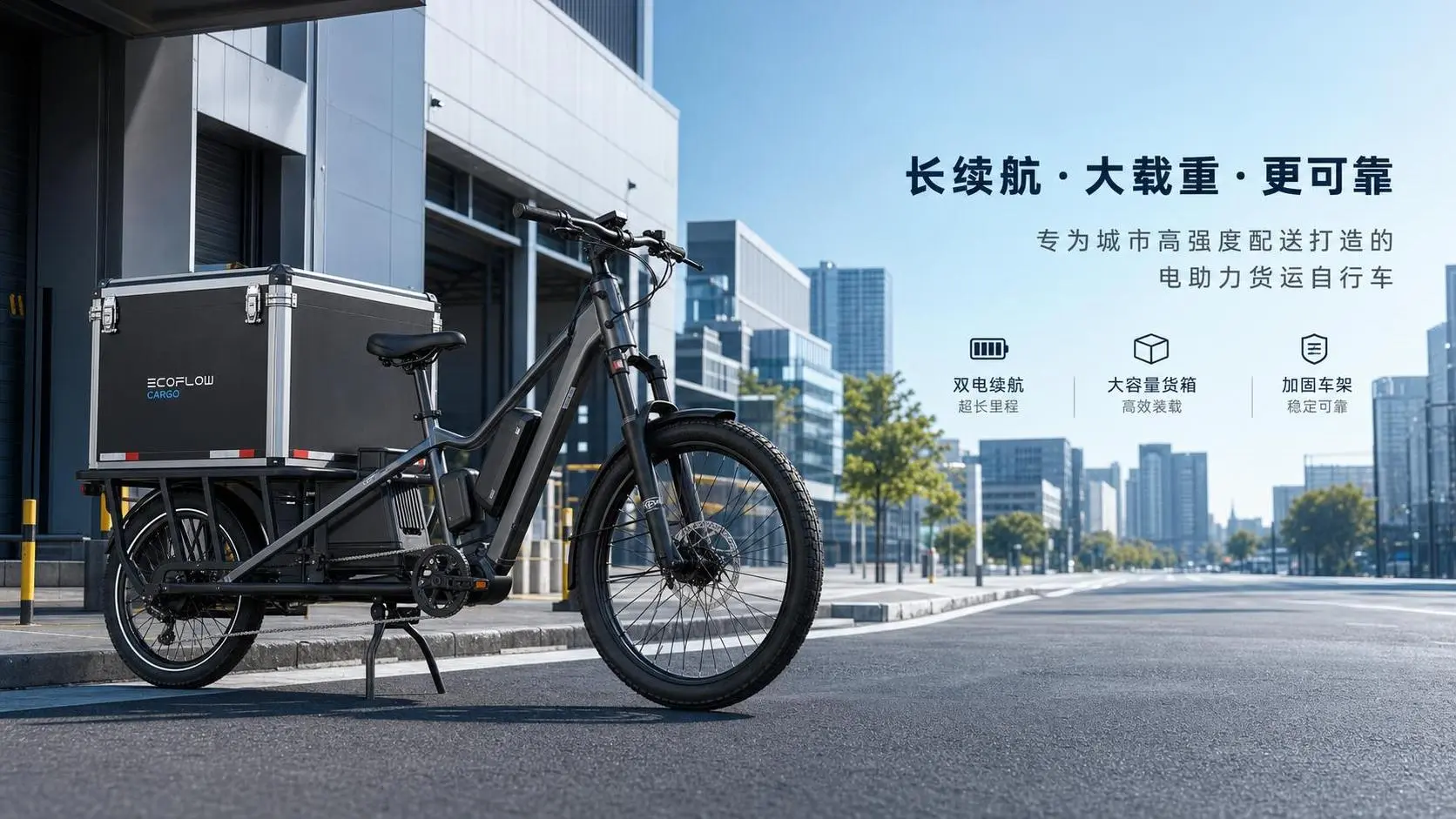
How to Choose a Long-Range Commercial Cargo E-Bike for Delivery Operations
Commercial cargo e-bike long range buying guide: learn how to assess battery, payload, route fit, and uptime support to choose a reliable delivery model with lower operating costs.
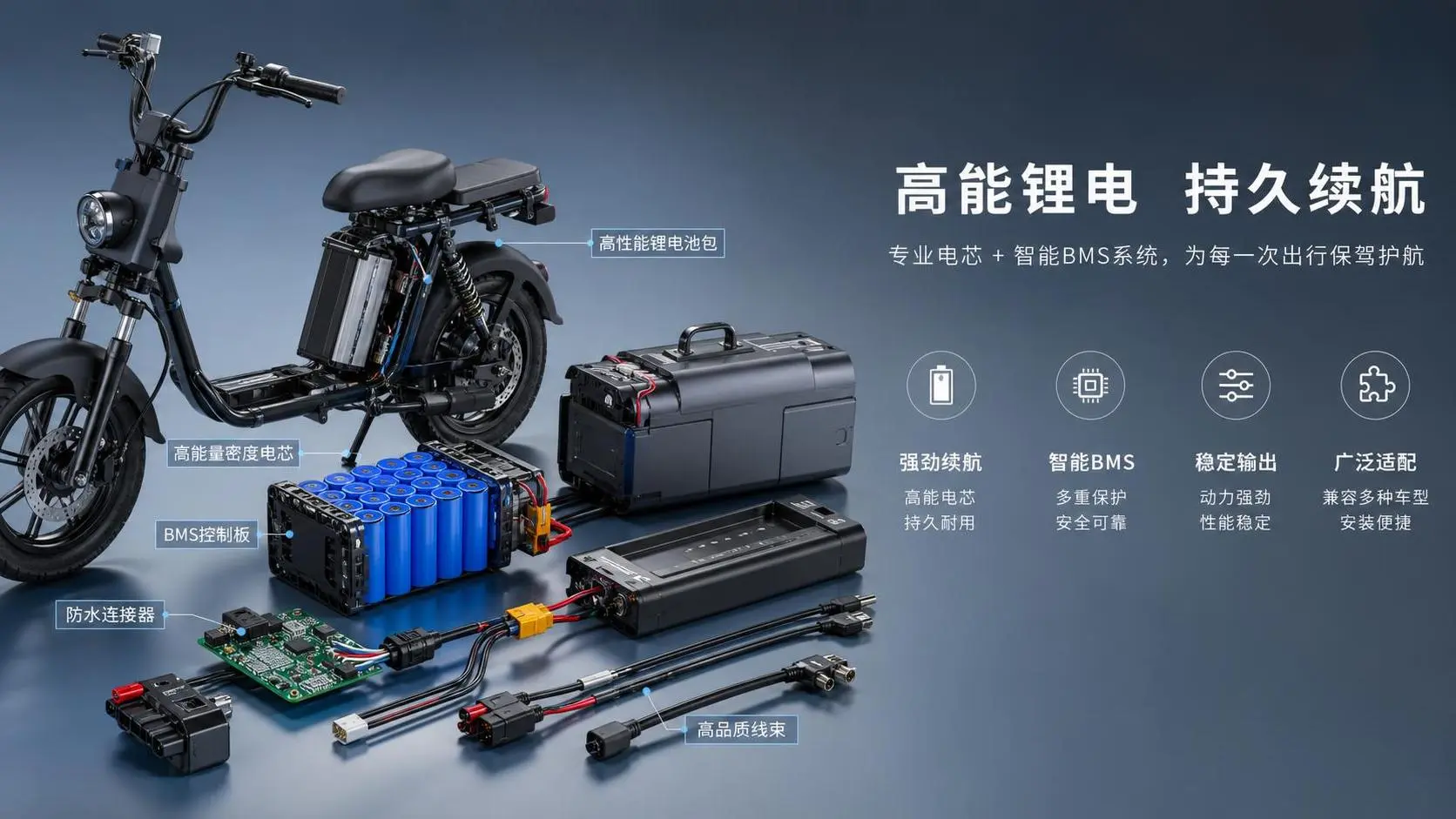
How to Select the Right E-Bike Battery Components for Range, Safety, and Fit?
E-bike component selection battery guide: learn how to choose the right battery components for better range, stronger safety, and perfect fit across modern e-bike platforms.
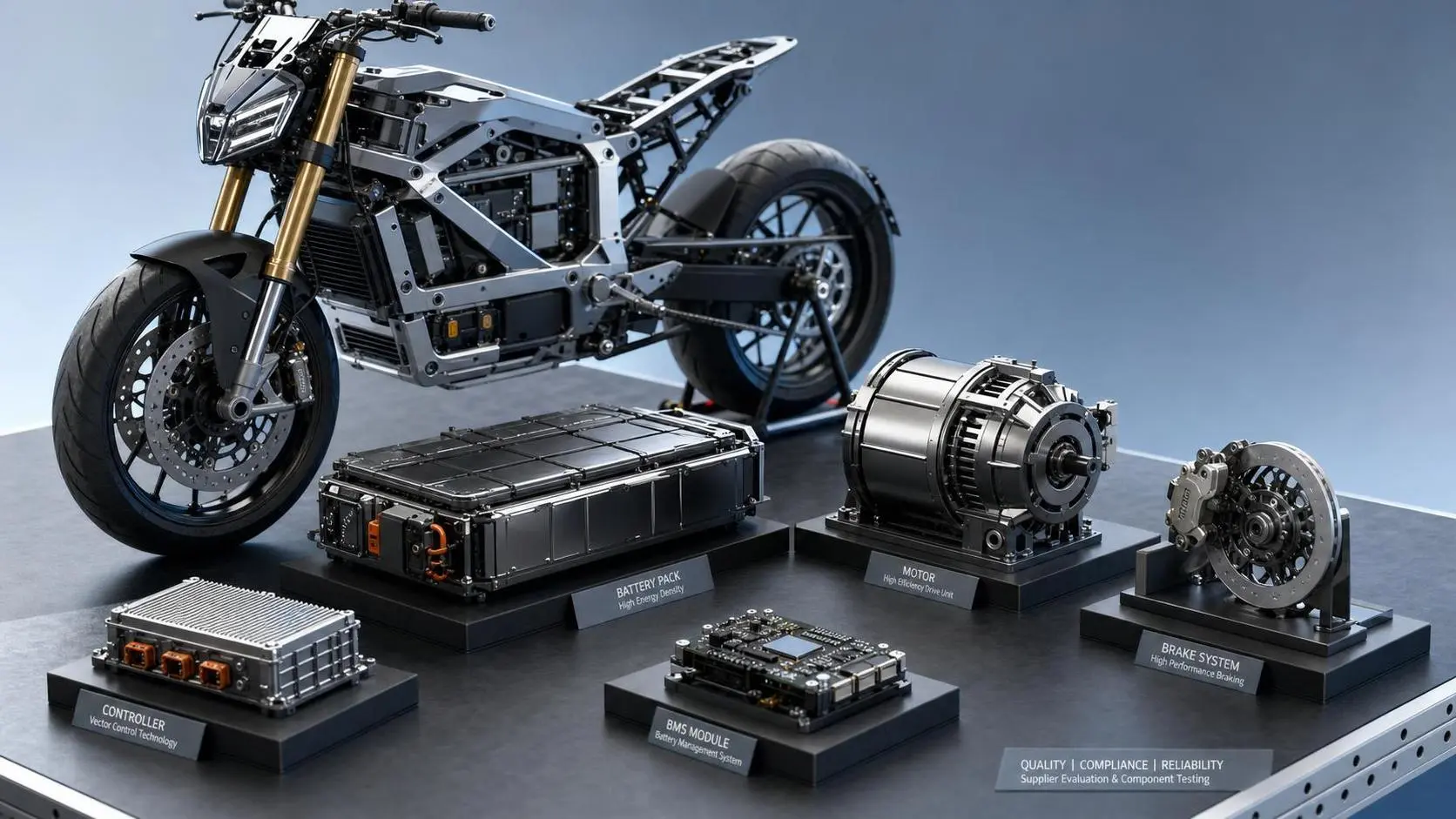
How to Evaluate Core Component Suppliers for Electric Motorcycles Before Sourcing?
Core component suppliers for electric motorcycles can make or break safety, compliance, and delivery. Learn how to assess technical strength, certifications, quality control, and hidden sourcing risks before you buy.
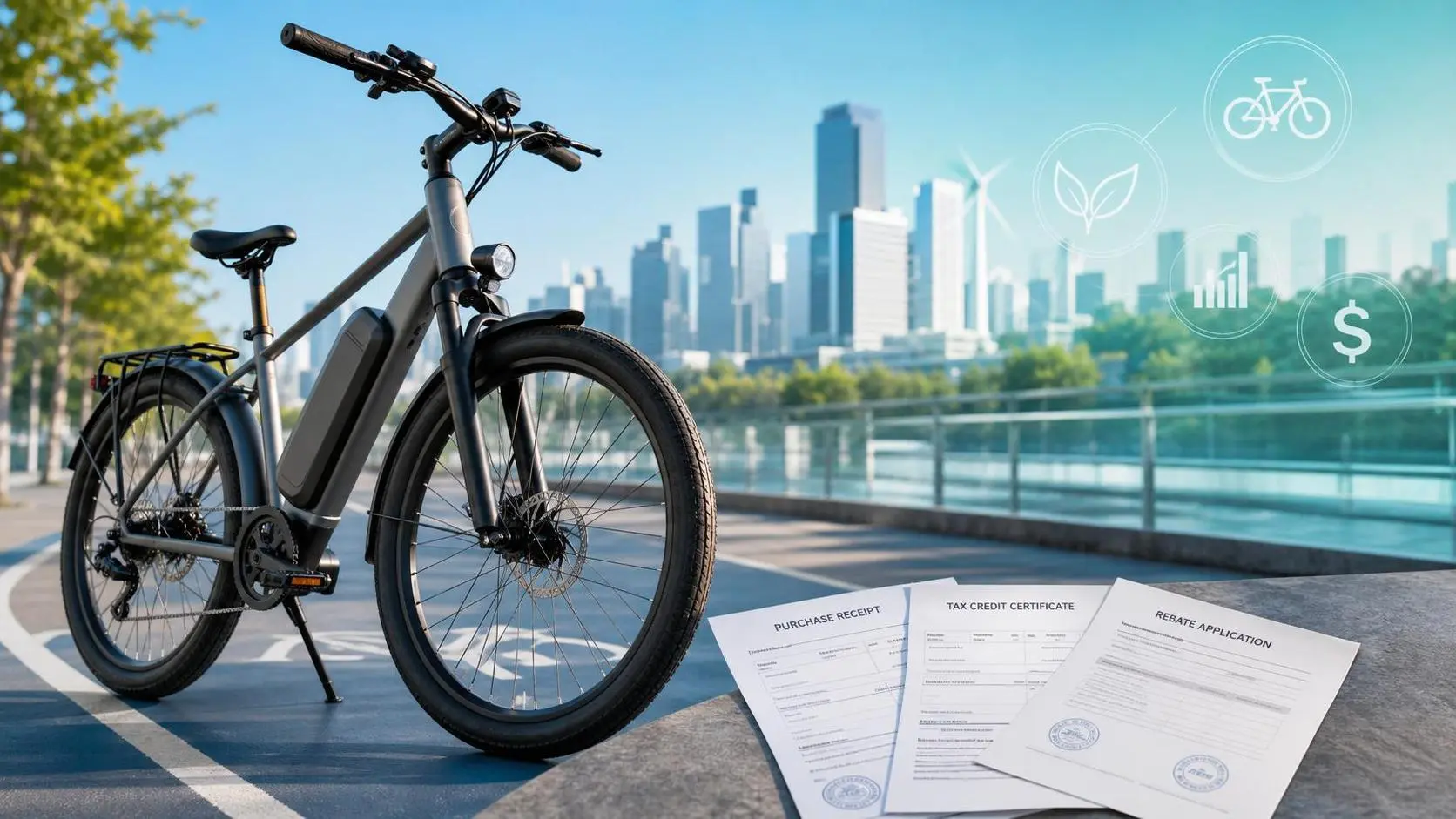
E-Bike Incentives Explained: How Riders Can Find Local Rebates and Tax Credits
E bike incentives explained: learn how to find local rebates, tax credits, and utility offers, avoid common mistakes, and cut the real cost of your next e-bike.
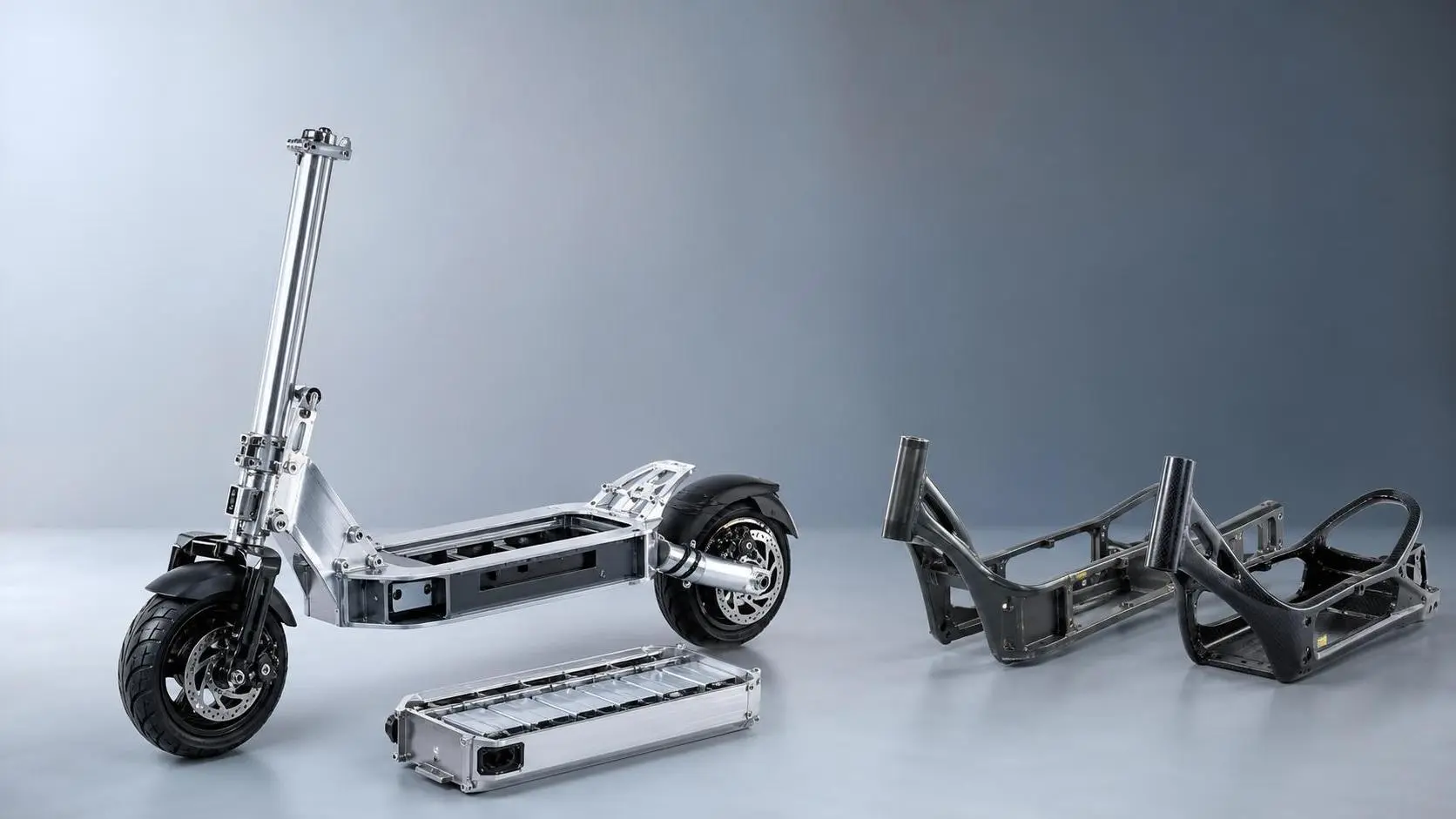
How to Choose Lightweight Scooter Frames in Europe: Materials, Standards, and Use Cases
Lightweight scooter frames Europe buyers need should balance materials, EN standards, durability, and real use cases. Discover how to choose safer, smarter, compliant frames.