
Related News
- 00
0000-00
How Battery-Swapping Networks Reduce Downtime in Shared Fleet Scooter Operations - 00
0000-00
What Is the Intellectualization of Mobility Platform and How Is It Applied in Shared Fleets? - 00
0000-00
Where LED Urban Visibility Safety Systems Fit Best in Shared Scooters and City E-bikes - 00
0000-00
Green Transport Scooters for Urban Fleets: Which Specs Matter Most in Daily Use? - 00
0000-00
Micro-Mobility Solutions for Campuses: How to Choose the Right Fleet Model
Urban Transit Fellow
Weekly Insights
Stay ahead with our curated technology reports delivered every Monday.
How to Evaluate Intellectualization of Mobility in Shared Fleets and Smart Urban Transport





How to Evaluate Intellectualization of Mobility in Shared Fleets and Smart Urban Transport
For shared fleets and smart urban transport, intellectualization of mobility has moved from a pilot idea to a board-level metric.
Connected e-bikes, smart e-scooters, and electrified two-wheelers now generate constant operational data.
The harder question is not whether systems are smart.
It is how to evaluate intellectualization of mobility in a way that improves safety, utilization, maintenance, compliance, and return on investment.
In practice, many operators still confuse digitization with intelligence.
A dashboard alone is not intellectualization of mobility unless data changes decisions, field actions, and long-term system performance.
Start with a clear definition
At a strategic level, intellectualization of mobility means embedding sensing, connectivity, analytics, and automated decision logic into mobility assets and operations.
That includes vehicles, charging workflows, battery systems, dispatch logic, rider interfaces, and city coordination tools.
A useful evaluation model should answer three simple questions.
- Does the system see what is happening in real time?
- Does it interpret data accurately enough to support decisions?
- Does it trigger better actions at vehicle, fleet, and network level?
If one of these layers is weak, intellectualization of mobility remains incomplete, even if the hardware looks advanced.
Evaluate the five core dimensions
A reliable framework usually rests on five dimensions.
Together, they show whether intellectualization of mobility is creating measurable business value.
1. Perception and data capture
This is the sensing layer.
It covers GPS precision, battery telemetry, motor status, braking behavior, fault codes, environmental conditions, and rider interaction data.
For smart urban transport, low-quality data creates blind spots that no software can fully fix later.
2. Connectivity and system reliability
Intellectualization of mobility depends on stable communication between vehicles, apps, batteries, service platforms, and city systems.
Evaluate uptime, latency, data packet loss, firmware update success, and cybersecurity resilience under real operating stress.
3. Decision intelligence
This is where raw data becomes operational intelligence.
Can the platform predict battery degradation, identify unsafe riding patterns, optimize vehicle rebalancing, and reduce downtime before failure happens?
A stronger model makes intellectualization of mobility visible in daily results, not just quarterly reports.
4. Execution and automation
Insights only matter when they drive action.
Check whether the system can automate maintenance tickets, fleet redistribution, charging priorities, geofence enforcement, and safety alerts.
This is often the point where intellectualization of mobility begins to lower cost per ride.
5. Strategic adaptability
Urban transport systems change quickly.
Policies shift, rider demand moves, and hardware generations update fast.
A mature intellectualization of mobility framework must support scale, new vehicle classes, and future interoperability standards.
Use measurable indicators, not marketing claims
Vendors often describe platforms as intelligent, connected, or AI-enabled.
Those labels mean little without measurable indicators.
In real operations, these indicators make intellectualization of mobility easier to compare across vendors, cities, and fleet models.
Match evaluation to actual mobility scenarios
Not every fleet needs the same intelligence stack.
The right way to evaluate intellectualization of mobility depends on the operating scenario.
- Shared e-scooters need strong geofencing, rider behavior detection, and rapid field response.
- Shared e-bikes need battery visibility, anti-theft tracking, and route-based utilization analysis.
- High-speed electric two-wheelers need thermal management intelligence and tighter safety diagnostics.
- Municipal platforms need multimodal interoperability, reporting transparency, and compliance traceability.
This is where sector intelligence matters.
UMMS tracks these mobility layers across e-bikes, smart e-scooters, high-speed e-motorcycles, and supporting component systems.
That broader view helps teams judge whether intellectualization of mobility is future-ready or only optimized for one narrow use case.
Watch the most common evaluation mistakes
Several mistakes appear again and again.
- Overvaluing features while ignoring adoption by operations teams.
- Measuring data volume instead of decision quality.
- Treating pilot performance as proof of citywide scalability.
- Ignoring cybersecurity, privacy, and regulatory reporting duties.
- Separating battery intelligence from fleet intelligence.
The more advanced the system becomes, the more integration matters.
That also means intellectualization of mobility should be tested as an operating system, not as a list of disconnected modules.
Build a practical evaluation roadmap
A practical roadmap keeps the process grounded.
- Define the business priority first, such as safety, uptime, battery cost, or city compliance.
- Map the required intelligence layers across vehicle, platform, and field operations.
- Choose a short list of measurable KPIs tied to cost or service outcomes.
- Run a structured pilot with baseline data and clear pass or fail thresholds.
- Review interoperability, upgrade flexibility, and governance before scaling.
From recent market changes, the stronger signal is clear.
The winners in smart urban transport will not be those with the most devices.
They will be those that evaluate intellectualization of mobility with discipline, standard thinking, and real operational evidence.
Conclusion
Intellectualization of mobility is not just a technology trend.
It is a decision framework for safer fleets, cleaner cities, and more resilient transport economics.
When evaluation is tied to sensing quality, decision logic, automation depth, and strategic adaptability, smart mobility investments become easier to justify.
That is especially true in shared fleets, where margins are tight and system reliability shapes public trust.
For teams navigating e-bikes, smart e-scooters, battery systems, and urban transport intelligence, the next step is straightforward.
Evaluate intellectualization of mobility against real operating outcomes, then scale only what consistently improves safety, efficiency, and long-term value.
Related News
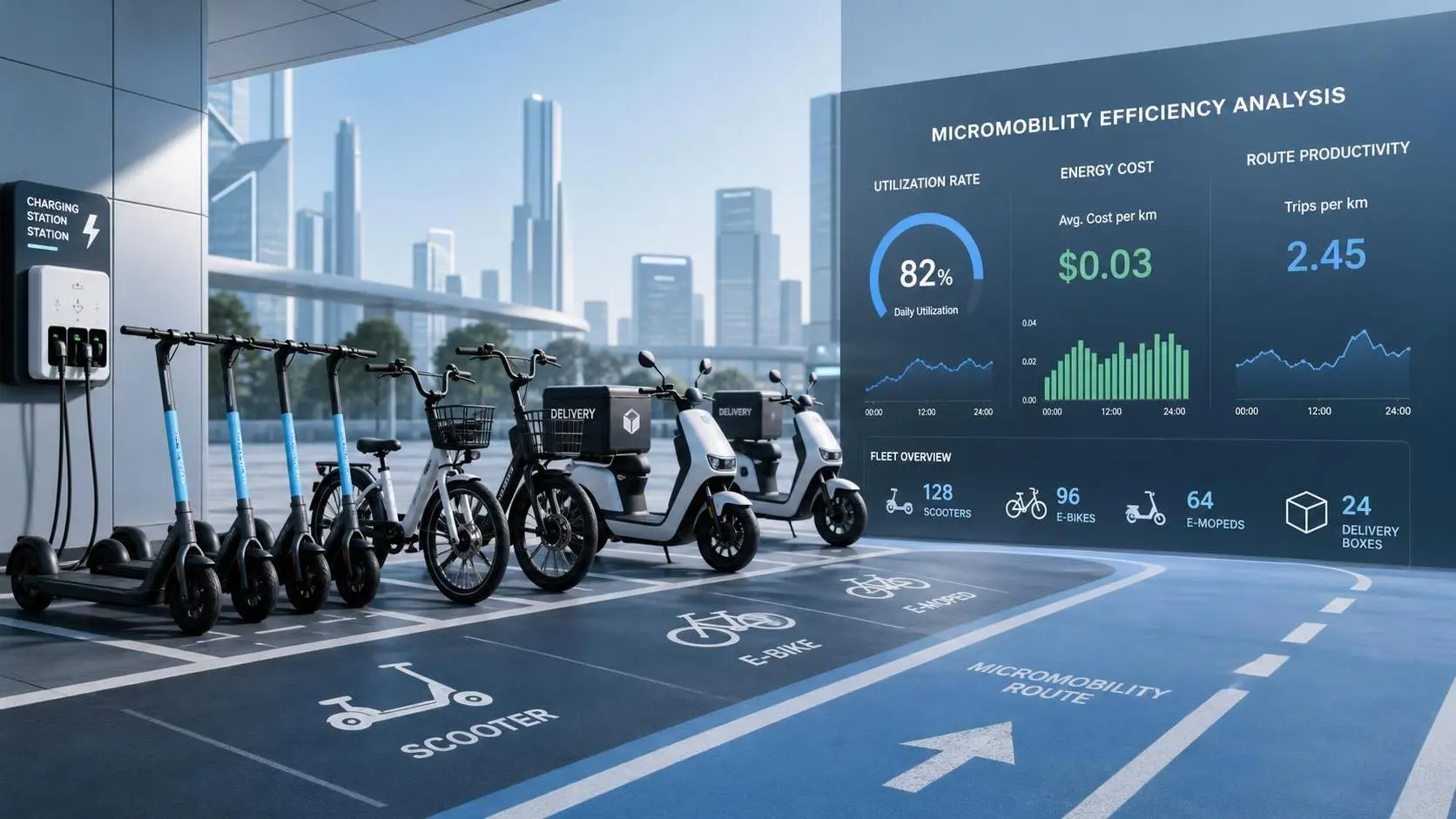
Mobility Efficiency Analysis: How to Measure Vehicle Use, Energy Cost, and Route Productivity
Mobility efficiency analysis reveals how to measure vehicle use, energy cost, and route productivity to cut waste, improve fleet performance, and make smarter urban mobility decisions.

How to Evaluate a Brushless Wiper Motor Supplier for OEM Quality and Lead Time
Brushless wiper motor supplier selection made easier: learn how to assess OEM quality, engineering support, compliance, and lead time to reduce sourcing risk.

How Do Photoelectric Wiper Sensors Work and Where Are They Most Effective?
Photoelectric wiper sensors explained: learn how they detect rain, reduce false triggers, and deliver the best visibility gains in urban EVs, e-bikes, fleets, and smart mobility.

How Battery-Swapping Networks Reduce Downtime in Shared Fleet Scooter Operations
Battery-swapping networks cut scooter fleet downtime by speeding field turnaround, improving uptime in peak zones, and helping operators optimize labor, battery rotation, and service efficiency.
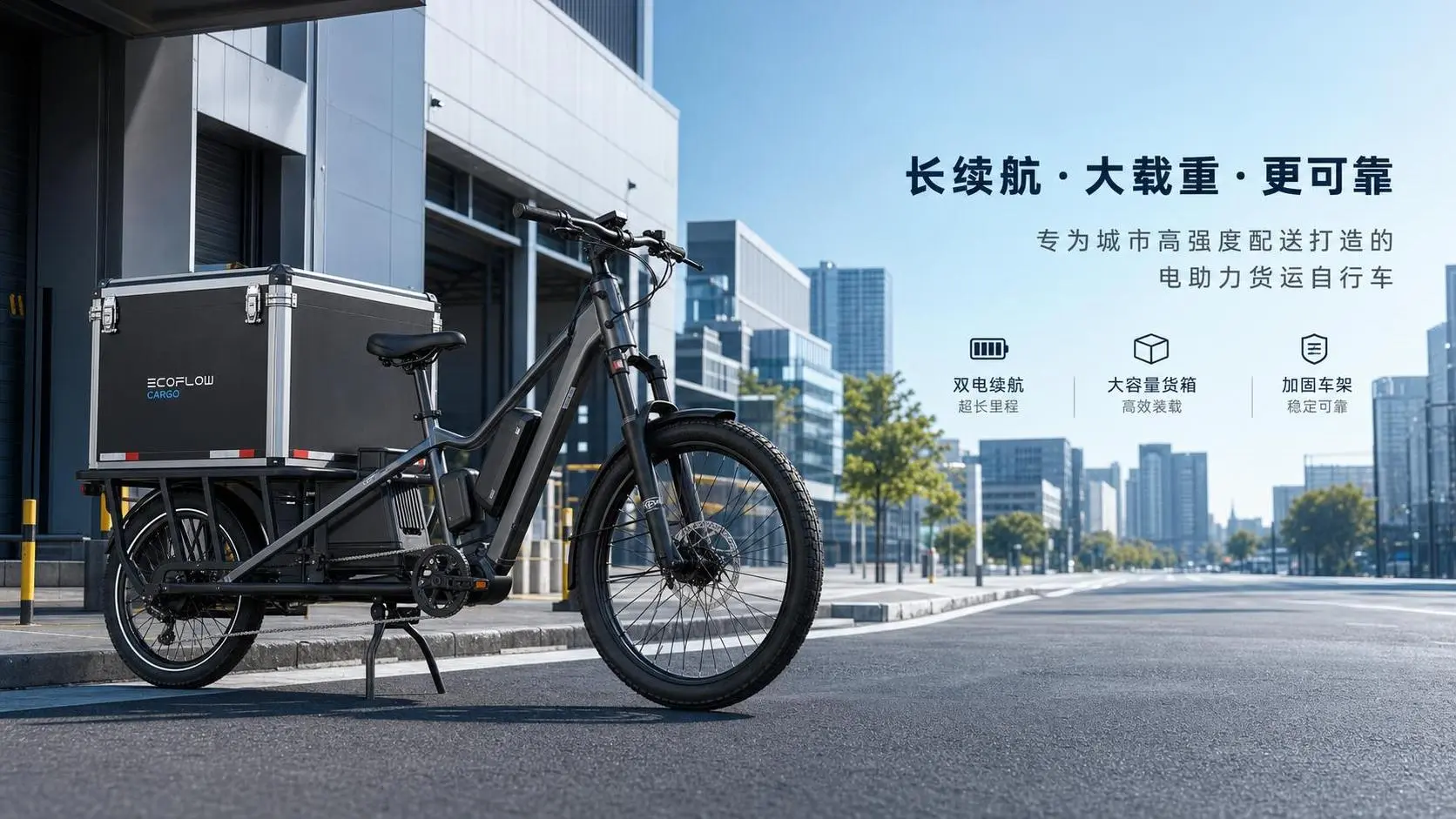
How to Choose a Long-Range Commercial Cargo E-Bike for Delivery Operations
Commercial cargo e-bike long range buying guide: learn how to assess battery, payload, route fit, and uptime support to choose a reliable delivery model with lower operating costs.
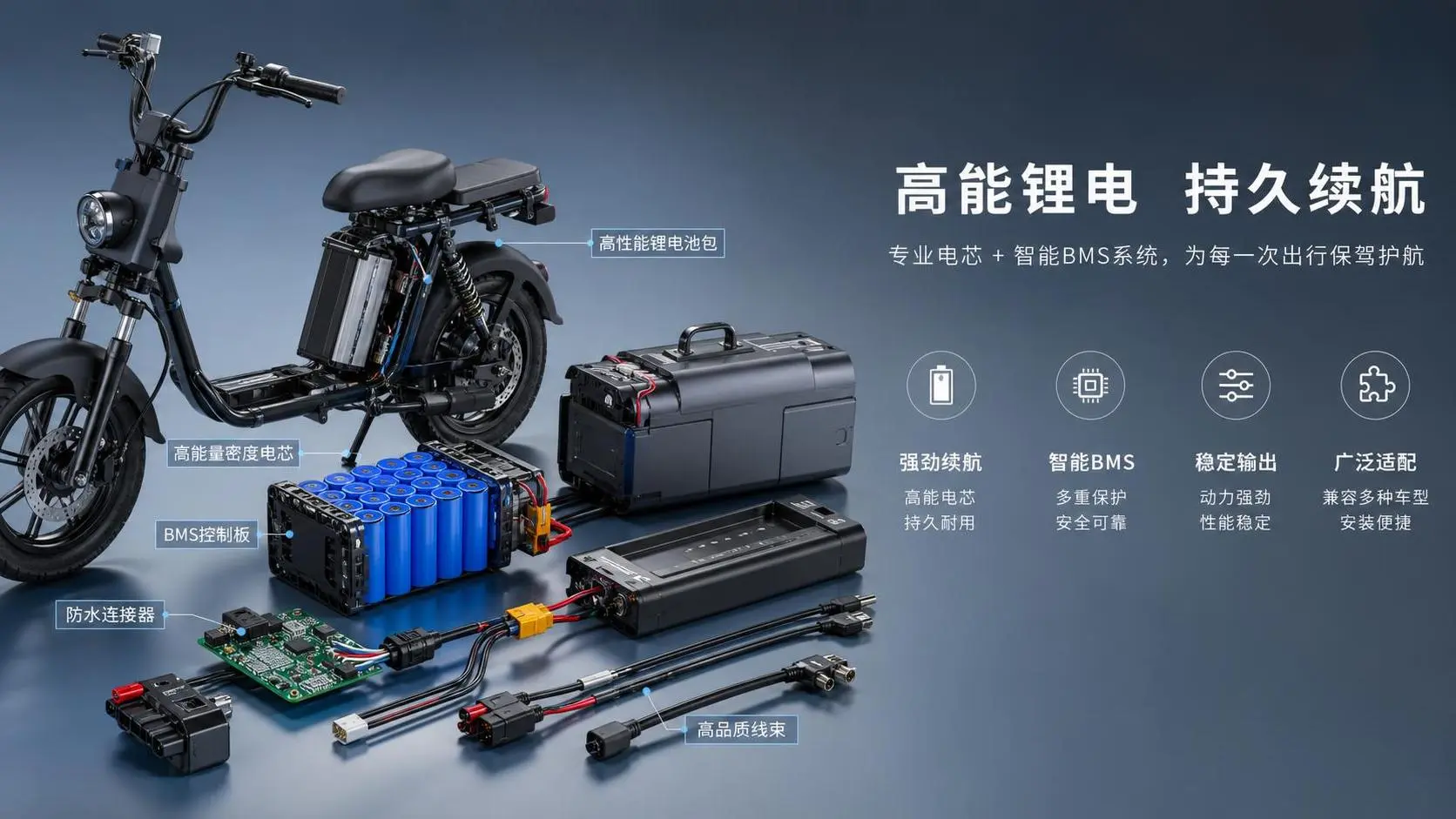
How to Select the Right E-Bike Battery Components for Range, Safety, and Fit?
E-bike component selection battery guide: learn how to choose the right battery components for better range, stronger safety, and perfect fit across modern e-bike platforms.
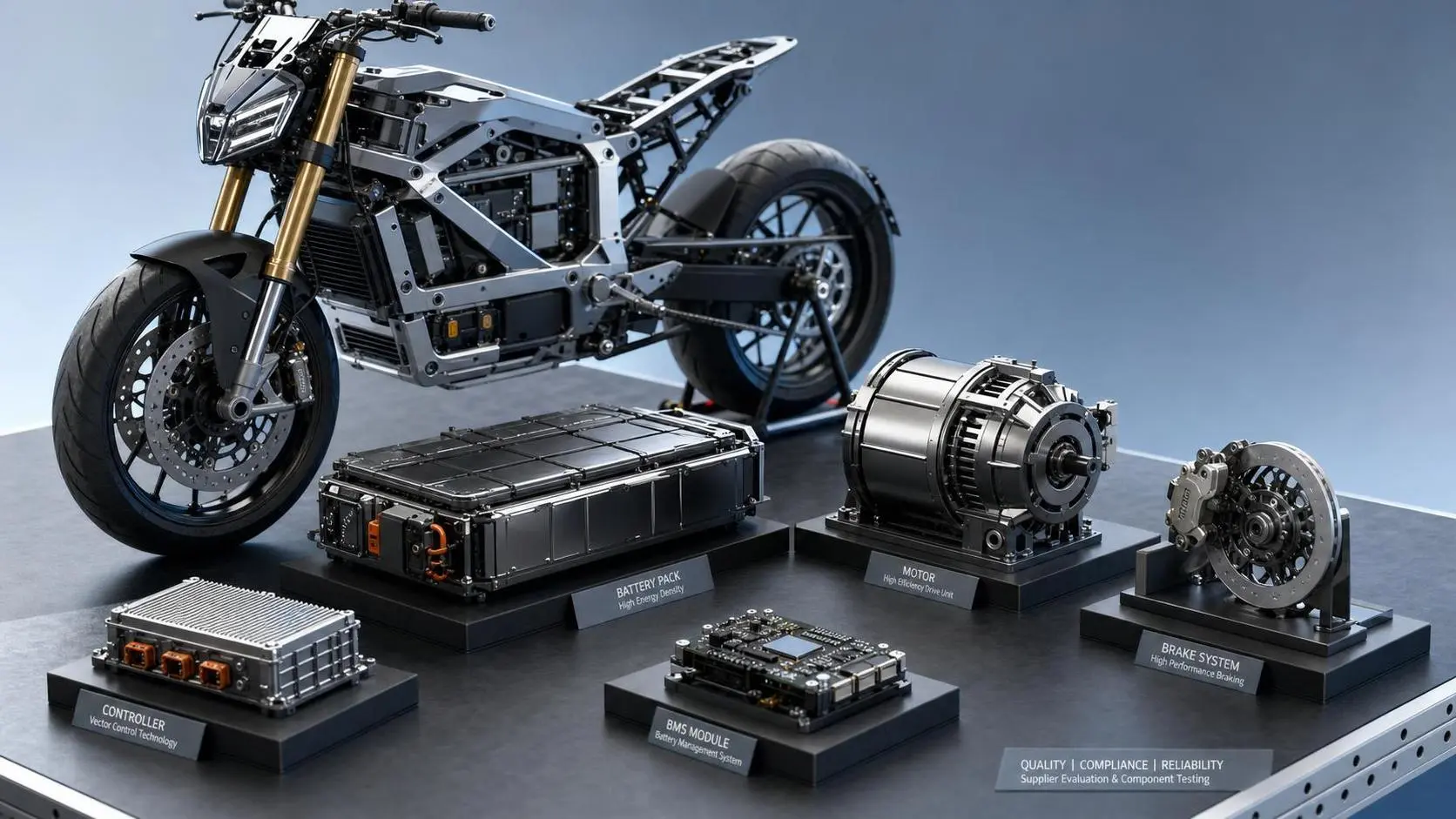
How to Evaluate Core Component Suppliers for Electric Motorcycles Before Sourcing?
Core component suppliers for electric motorcycles can make or break safety, compliance, and delivery. Learn how to assess technical strength, certifications, quality control, and hidden sourcing risks before you buy.

E-Bike Incentives Explained: How Riders Can Find Local Rebates and Tax Credits
E bike incentives explained: learn how to find local rebates, tax credits, and utility offers, avoid common mistakes, and cut the real cost of your next e-bike.
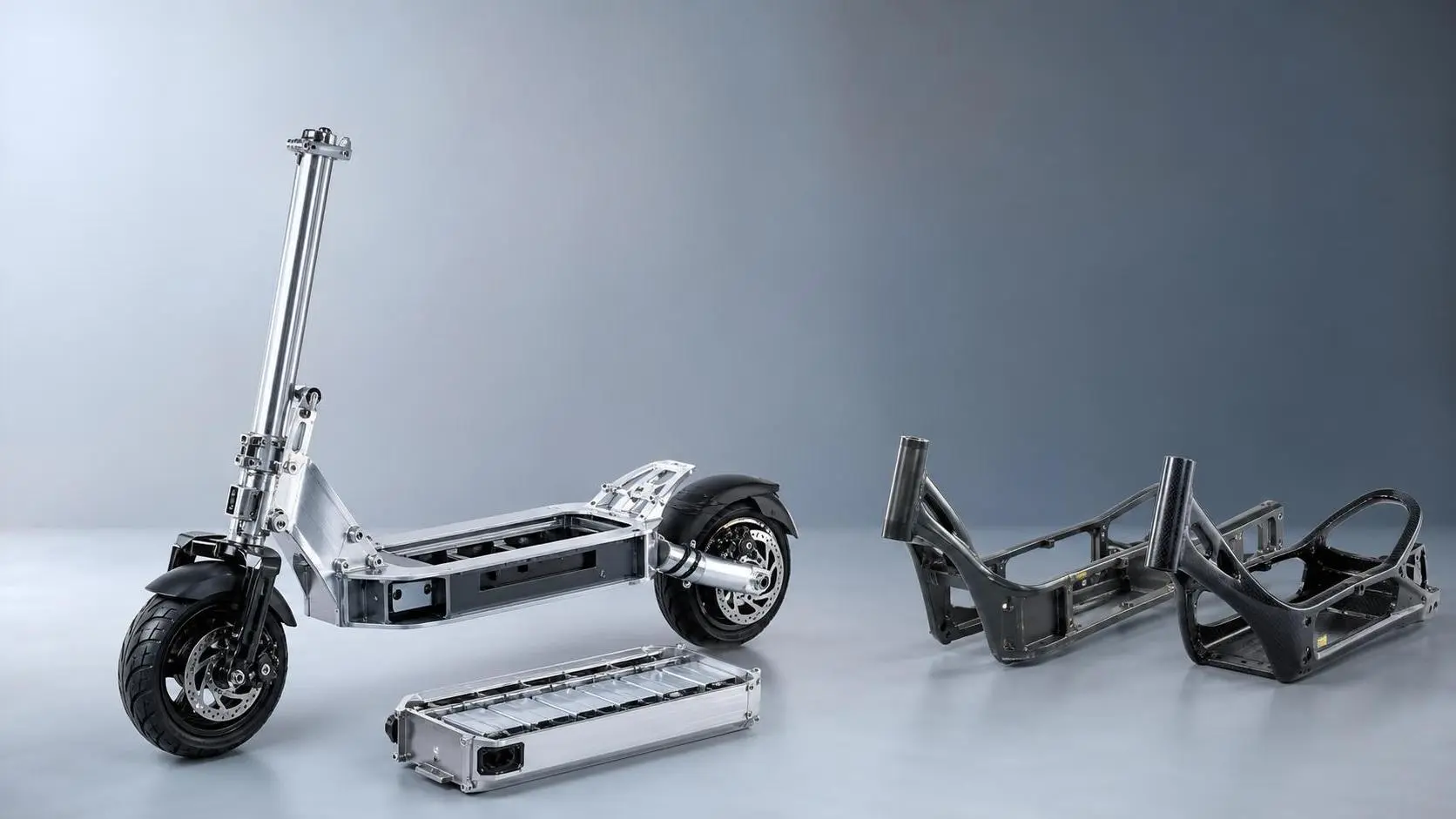
How to Choose Lightweight Scooter Frames in Europe: Materials, Standards, and Use Cases
Lightweight scooter frames Europe buyers need should balance materials, EN standards, durability, and real use cases. Discover how to choose safer, smarter, compliant frames.