
Related News
- 00
0000-00
How Battery-Swapping Networks Reduce Downtime in Shared Fleet Scooter Operations - 00
0000-00
What Is the Intellectualization of Mobility Platform and How Is It Applied in Shared Fleets? - 00
0000-00
Where LED Urban Visibility Safety Systems Fit Best in Shared Scooters and City E-bikes - 00
0000-00
Green Transport Scooters for Urban Fleets: Which Specs Matter Most in Daily Use? - 00
0000-00
Micro-Mobility Solutions for Campuses: How to Choose the Right Fleet Model
Urban Transit Fellow
Weekly Insights
Stay ahead with our curated technology reports delivered every Monday.
Shared Scooter Technology: Key System Components Behind Fleet Tracking and Uptime





Shared scooter technology now sits at the center of urban micro-mobility operations. It is no longer just about unlocking a vehicle with an app. It determines where scooters are, how often they move, how quickly faults are detected, and whether a fleet can stay available during peak demand. In a market shaped by tighter city rules, rising service expectations, and pressure on unit economics, the systems behind fleet tracking and uptime deserve close attention.
Why shared scooter technology matters now
Shared scooters operate in a demanding environment. They face vibration, weather exposure, curb impacts, battery stress, network interruptions, and unpredictable rider behavior.
That makes uptime a systems question, not a single hardware issue. A scooter can look fine mechanically and still fail operationally if its location data is inaccurate or its battery telemetry is delayed.
This is why shared scooter technology has become a strategic topic across the wider mobility sector. It connects vehicle engineering, IoT architecture, service logistics, software intelligence, and regulatory compliance.
For an intelligence platform such as UMMS, this connection is especially relevant. Smart e-scooters do not evolve in isolation. Their progress depends on battery management logic, lightweight structures, drivetrain efficiency, and data-informed operating models across the two-wheeler ecosystem.
The core idea behind fleet tracking and uptime
At a practical level, shared scooter technology is the combination of onboard electronics, communications infrastructure, software platforms, and maintenance workflows that keep vehicles visible and usable.
Fleet tracking means more than GPS dots on a map. It includes geofencing accuracy, ride-state confirmation, battery status reporting, tamper alerts, and the confidence level of each data point.
Uptime also goes beyond simple availability. It reflects how many scooters are ready to rent, correctly located, safe to use, and operational without manual intervention.
In other words, the best shared scooter technology turns scattered field assets into a managed, measurable urban mobility network.
System components that shape real-world performance
IoT control unit and connectivity stack
The telematics or IoT control unit is the digital nerve center. It gathers sensor data, manages communications, and supports commands such as lock, unlock, immobilize, and diagnostics.
Its value depends on stable connectivity. Cellular modules, eSIM management, antenna design, firmware resilience, and fallback logic all influence whether data reaches the platform consistently.
GNSS positioning and geofencing logic
Accurate positioning underpins charging operations, rebalancing, parking compliance, and theft recovery. Weak location performance creates hidden costs because field teams chase vehicles that are not where the platform says they are.
Effective shared scooter technology usually combines GNSS, motion sensing, map logic, and platform-side validation. Dense urban canyons often require smarter filtering rather than stronger hardware alone.
Battery management and power visibility
Battery systems are fundamental to uptime. A scooter with poor state-of-charge estimation may be deployed in the wrong zone or stranded before demand peaks end.
Useful battery data includes charge level, temperature, cycle history, voltage behavior, and abnormal discharge patterns. These signals help operators separate a healthy low battery from a failing pack.
This is one area where insights from the broader UMMS landscape matter. High-density battery management logic developed across e-bikes and e-motorcycles increasingly informs smarter scooter fleet decisions.
Sensors, controllers, and fault detection
Controllers, motor drivers, braking sensors, tilt detection, and vibration monitoring contribute to operational awareness. They provide early warnings before a visible breakdown occurs.
When these components are integrated well, a platform can distinguish crash events, parking abuse, unauthorized movement, or component degradation. That improves dispatch quality and shortens repair cycles.
Locking, anti-tamper, and vehicle security
Security is part of uptime because stolen or vandalized vehicles are unavailable assets. Smart locking modules, tamper switches, alarm triggers, and remote immobilization functions reduce asset leakage.
The strongest shared scooter technology balances deterrence with serviceability. Overly complex security hardware can create new maintenance burdens if replacement parts or diagnostics are difficult to manage.
Where operators usually gain or lose uptime
Fleet uptime rarely fails for one reason. It usually drops when several weak links interact across hardware, software, and field operations.
From an execution standpoint, the lesson is simple. Reliable shared scooter technology must be evaluated as an operating stack, not a list of isolated parts.
How these systems create business value
Better tracking improves more than visibility. It supports smarter deployment, denser service coverage, and faster decisions about charging, swapping, and rebalancing.
Higher uptime improves rider trust because vehicle availability becomes more predictable. That matters in cities where shared scooters compete with walking, transit, and private light electric vehicles.
It also affects municipal relationships. When operators can prove parking compliance, response speed, and asset traceability, they are better positioned in permit reviews and operational audits.
More broadly, shared scooter technology supports the decarbonization logic that UMMS tracks across the micro-mobility sector. Efficient fleets are not just greener in theory. They are greener when routing, charging, and maintenance waste are reduced.
Common operating scenarios that test the system
Some weaknesses only appear under field pressure. Looking at typical scenarios helps separate lab performance from operational performance.
- High-density downtown zones test GNSS stability, parking verification, and rapid redeployment logic.
- Extreme temperatures expose battery estimation errors, connector reliability, and enclosure sealing limits.
- Night-time recovery operations depend on precise asset location and clear fault prioritization.
- Shared curb environments raise the importance of anti-tamper alerts and rule-based geofencing.
- Firmware rollouts across large fleets reveal whether remote update governance is mature enough.
These scenarios explain why mature shared scooter technology often wins through consistency, not headline features.
What to examine before scaling or upgrading a fleet
When assessing platforms or component choices, several questions are more useful than broad claims about intelligence or smart mobility.
Data quality first
Ask how often location updates fail, how battery health is inferred, and how false fault codes are filtered. Clean data improves every downstream workflow.
Maintenance logic should be measurable
A useful system does not just report faults. It should rank severity, support remote diagnosis, and reduce unnecessary truck rolls or battery swaps.
Integration matters as much as hardware
Shared scooter technology performs best when vehicle firmware, telematics, operations software, and service tools share a consistent logic model.
Regulatory fit cannot be added later
City requirements on parking, speed control, right-of-way behavior, and reporting are shaping product choices earlier in the design cycle.
That trend aligns with UMMS coverage of subsidy rules, road access policies, and technology standards across the low-carbon mobility landscape.
A practical next step
The most effective way to evaluate shared scooter technology is to map the full chain from vehicle signal to operational action. Where is data created, how is it validated, who acts on it, and what happens when it is wrong?
That review usually reveals the true constraints behind fleet tracking and uptime. It also clarifies whether the next improvement should come from telematics, battery intelligence, firmware control, field processes, or city-specific deployment logic.
As shared fleets become more regulated and more technical, the advantage will go to operations built on dependable signals and realistic service models. That is where shared scooter technology moves from a device feature set to an operational discipline worth refining continuously.
Related News
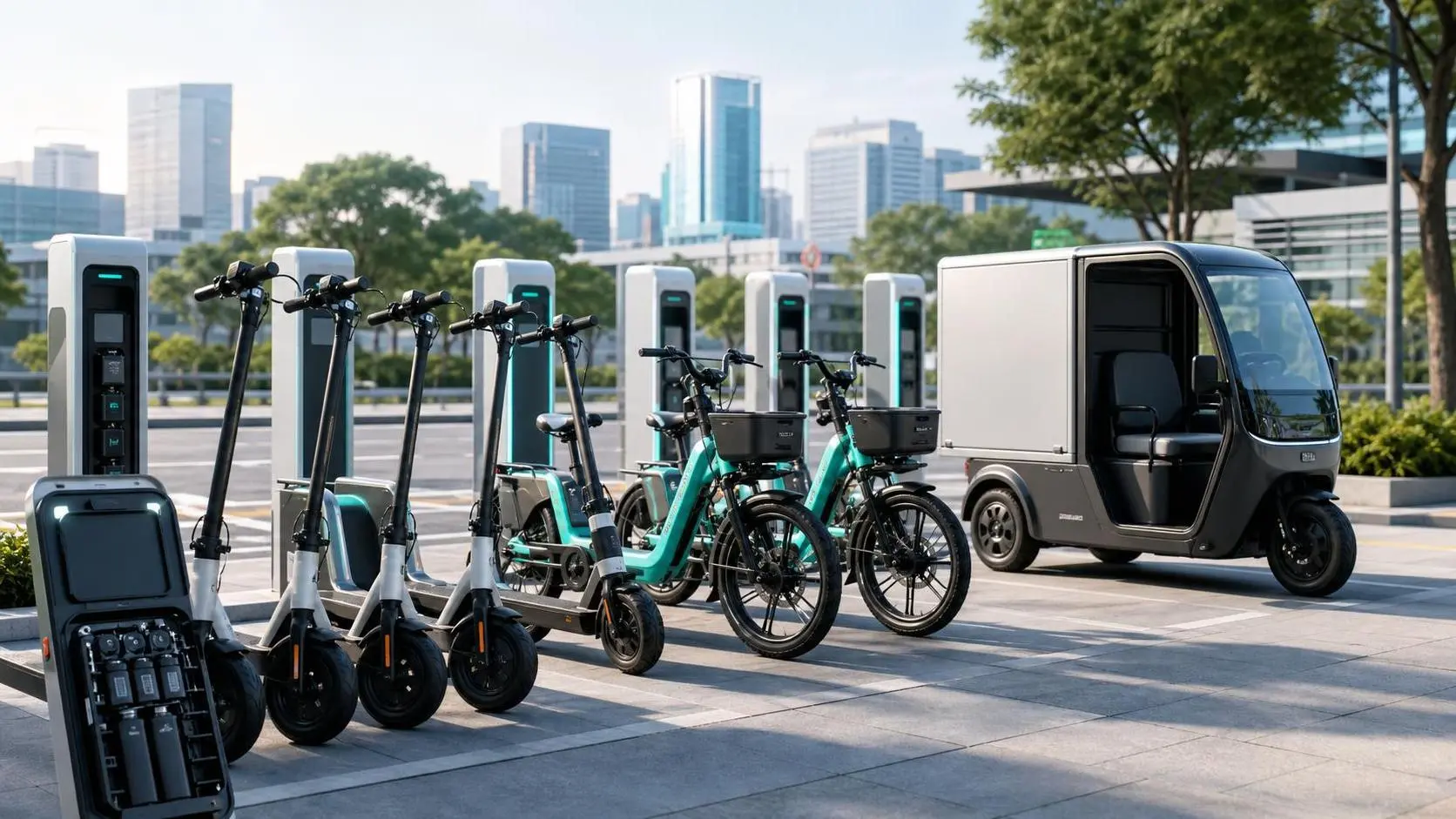
Micro-Mobility Trends Forecast: What Fleet Operators Should Watch Through 2030
Micro-mobility trends forecast for fleet operators through 2030: discover key shifts in batteries, regulation, durability, connectivity, and demand to reduce risk and scale smarter.
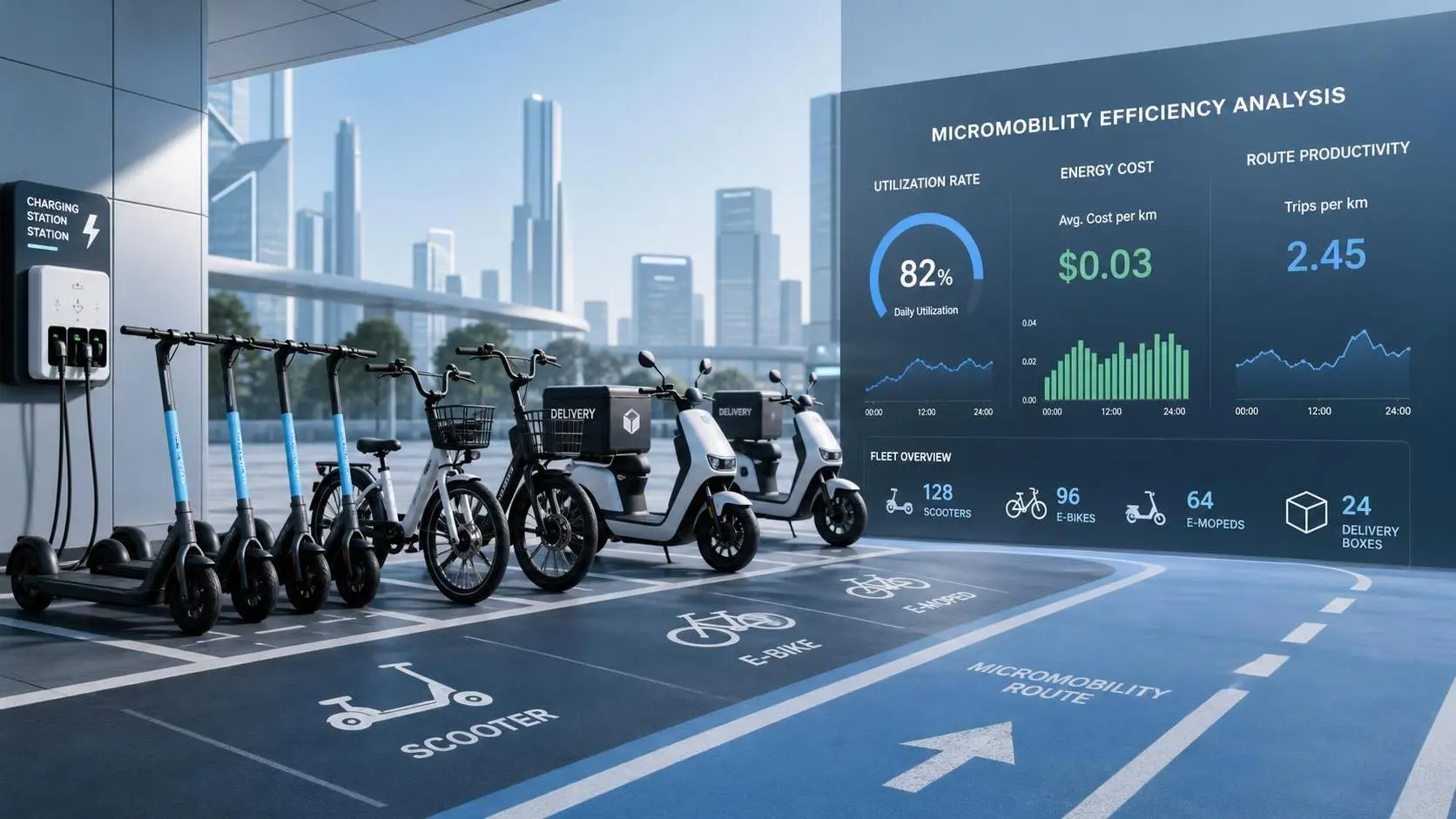
Mobility Efficiency Analysis: How to Measure Vehicle Use, Energy Cost, and Route Productivity
Mobility efficiency analysis reveals how to measure vehicle use, energy cost, and route productivity to cut waste, improve fleet performance, and make smarter urban mobility decisions.

How to Evaluate a Brushless Wiper Motor Supplier for OEM Quality and Lead Time
Brushless wiper motor supplier selection made easier: learn how to assess OEM quality, engineering support, compliance, and lead time to reduce sourcing risk.

How Do Photoelectric Wiper Sensors Work and Where Are They Most Effective?
Photoelectric wiper sensors explained: learn how they detect rain, reduce false triggers, and deliver the best visibility gains in urban EVs, e-bikes, fleets, and smart mobility.

How Battery-Swapping Networks Reduce Downtime in Shared Fleet Scooter Operations
Battery-swapping networks cut scooter fleet downtime by speeding field turnaround, improving uptime in peak zones, and helping operators optimize labor, battery rotation, and service efficiency.
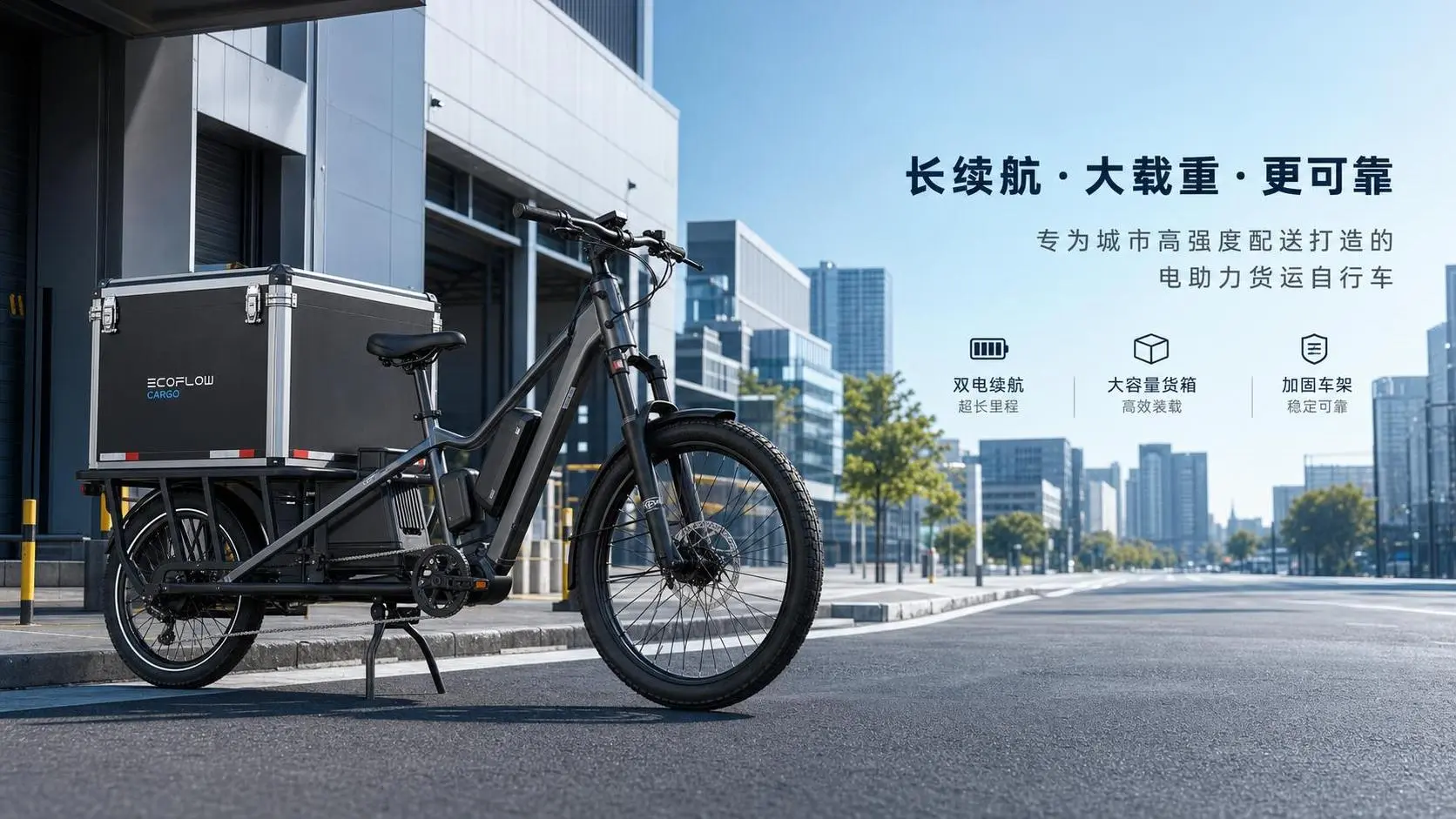
How to Choose a Long-Range Commercial Cargo E-Bike for Delivery Operations
Commercial cargo e-bike long range buying guide: learn how to assess battery, payload, route fit, and uptime support to choose a reliable delivery model with lower operating costs.
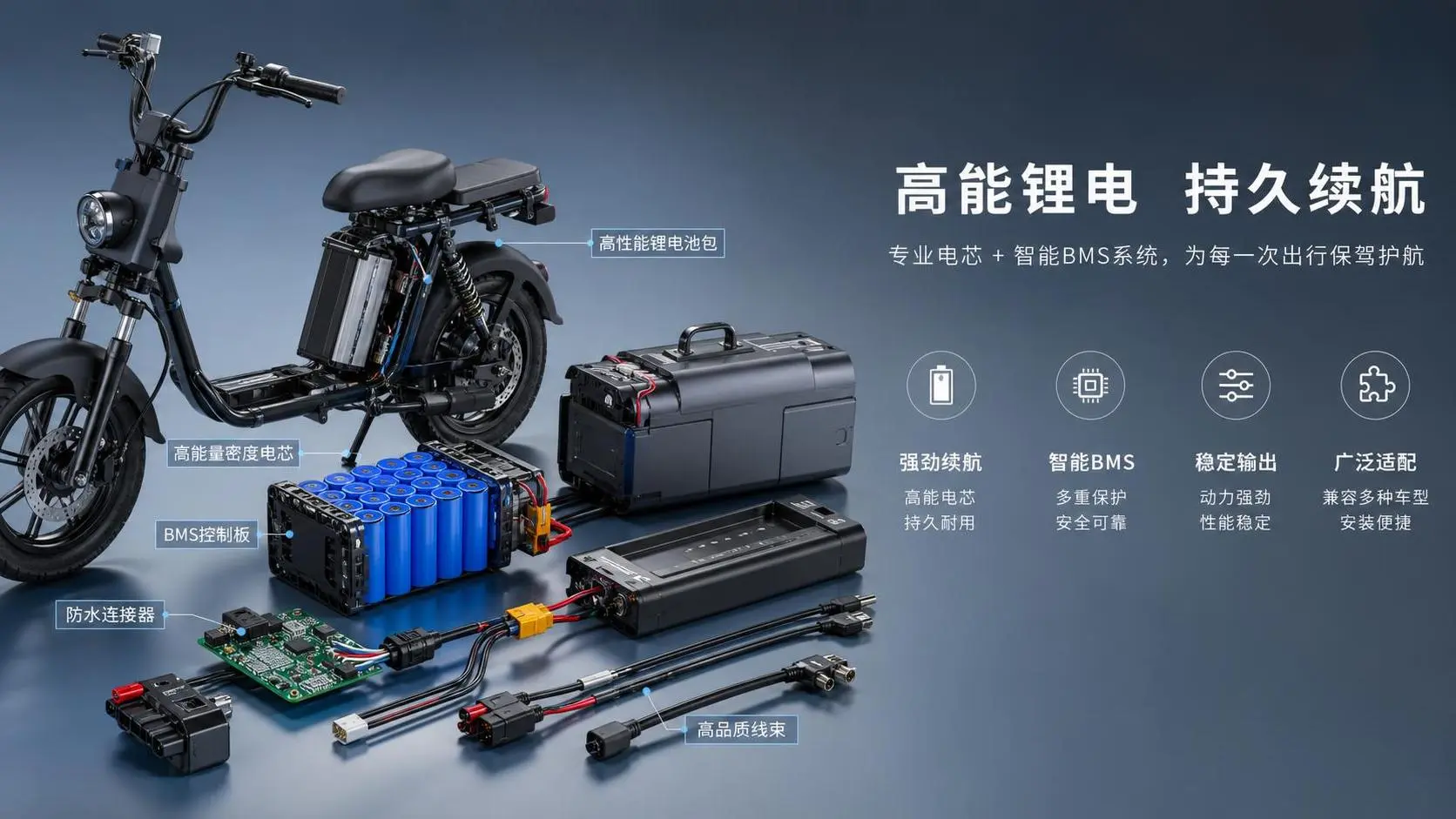
How to Select the Right E-Bike Battery Components for Range, Safety, and Fit?
E-bike component selection battery guide: learn how to choose the right battery components for better range, stronger safety, and perfect fit across modern e-bike platforms.

How to Evaluate Core Component Suppliers for Electric Motorcycles Before Sourcing?
Core component suppliers for electric motorcycles can make or break safety, compliance, and delivery. Learn how to assess technical strength, certifications, quality control, and hidden sourcing risks before you buy.

E-Bike Incentives Explained: How Riders Can Find Local Rebates and Tax Credits
E bike incentives explained: learn how to find local rebates, tax credits, and utility offers, avoid common mistakes, and cut the real cost of your next e-bike.