
Related News
- 00
0000-00
What Is the Intellectualization of Mobility Platform and How Is It Applied in Shared Fleets? - 00
0000-00
Where LED Urban Visibility Safety Systems Fit Best in Shared Scooters and City E-bikes - 00
0000-00
Green Transport Scooters for Urban Fleets: Which Specs Matter Most in Daily Use? - 00
0000-00
Micro-Mobility Solutions for Campuses: How to Choose the Right Fleet Model - 00
0000-00
Smart Battery Solutions for Shared Fleets: What Reduces Downtime and Maintenance Costs?
Urban Transit Fellow
Weekly Insights
Stay ahead with our curated technology reports delivered every Monday.
Why do shared scooters still struggle in dense cities?





Shared scooters promised to solve the last mile in dense cities, yet their performance remains uneven across utilization, regulation, safety, parking discipline, and unit economics.
For business evaluators, demand is no longer the central question. The harder issue is whether shared scooters can become reliable urban systems.
Dense cities offer short trips, public transit gaps, and high foot traffic. They also expose every weakness in operations, policy alignment, and rider behavior.
Basic Definition and Operating Logic
Shared scooters are dockless or semi-docked electric vehicles rented through mobile apps for short urban trips.
A typical service combines vehicles, IoT modules, cloud platforms, payment systems, battery workflows, geofencing, and field maintenance teams.
The model looks simple at street level. A rider unlocks, travels, parks, and pays by time or distance.
Behind that trip is a difficult balance between fleet availability, charging cost, safety risk, vandalism, insurance, and municipal compliance.
Shared scooters perform best when many vehicles complete many short trips each day with limited repositioning and low downtime.
Dense urban areas should theoretically support that pattern. However, density also multiplies conflicts among pedestrians, cyclists, vehicles, retailers, and local authorities.
Industry Background and Current Market Signals
The rise of shared scooters reflects broader electrification of two-wheel mobility and pressure to reduce car dependency.
Cities need flexible links between homes, offices, campuses, stations, and commercial districts. Micro-mobility fits that spatial logic.
Yet shared scooters entered many markets faster than public rules, infrastructure, and social acceptance could mature.
These signals explain why shared scooters remain attractive but difficult. The opportunity is visible, while execution risk remains high.
Why Dense Cities Still Create Operational Friction
Utilization varies by block, hour, and weather
Dense demand is not evenly distributed. Morning flows, nightlife zones, tourist routes, and office districts behave differently.
Shared scooters may be plentiful in one district and unavailable three streets away. Rebalancing then becomes essential and expensive.
Weather also matters. Rain, snow, heat, and wind reduce trips while vehicles still occupy valuable public space.
Parking discipline remains a public acceptance barrier
A misplaced scooter can block wheelchair access, storefronts, loading zones, or transit entrances.
For residents, the visual disorder may outweigh the mobility benefit. This perception shapes political tolerance.
Shared scooters need parking rules that are both technically enforceable and easy for riders to understand.
Safety expectations are rising
Dense streets mix buses, delivery vans, bicycles, pedestrians, private cars, and micromobility devices in limited space.
Shared scooters face criticism when riders use sidewalks, ignore signals, ride in pairs, or travel without helmets.
Better brakes, lighting, tires, suspension, and speed control help, but street design remains decisive.
Battery logistics affect unit economics
Charging is not only an energy issue. It is a labor, routing, warehousing, and asset-availability issue.
Swappable batteries reduce vehicle collection, but require secure battery packs, trained teams, and accurate state-of-charge monitoring.
Shared scooters become more viable when battery management reduces unnecessary field visits and prevents premature degradation.
Business Value Beyond the Last Mile
The business meaning of shared scooters extends beyond individual rides. They generate insight into street-level movement patterns.
Aggregated trip data can support curb planning, transit integration, low-emission zones, and infrastructure prioritization.
For micro-mobility ecosystems, shared scooters also accelerate development of rugged frames, connected controllers, and high-cycle battery systems.
They push suppliers toward waterproof connectors, tamper-resistant components, GPS accuracy, remote diagnostics, and modular repair design.
This learning benefits adjacent segments, including e-bikes, smart e-scooters, high-speed e-motorcycles, and precision bicycle components.
In this sense, shared scooters are both mobility services and testbeds for urban electrified transport systems.
Typical Urban Scenarios and Operating Differences
Not all dense districts create the same requirements. Shared scooters need different rules and fleet settings by scenario.
Scenario-based deployment helps shared scooters avoid a one-size-fits-all model that often fails in complex cities.
Technology Factors That Shape Performance
Hardware durability is central. Shared scooters experience harsher use than privately owned smart e-scooters.
Frames must survive curb impacts, frequent braking, vibration, moisture, theft attempts, and repeated outdoor exposure.
IoT systems must report location, battery health, fault codes, riding status, and unauthorized movement with minimal delay.
Geofencing accuracy is especially important near pedestrian streets, parks, campuses, and no-ride zones.
If location drift is high, shared scooters may wrongly slow down, fail to end trips, or allow illegal parking.
Battery design also determines service quality. High-density packs must balance energy capacity, thermal stability, cycle life, and swap convenience.
Remote diagnostics reduce downtime when they identify brake faults, controller issues, water ingress, or abnormal current patterns early.
Regulation, Public Space, and Trust
Regulation is not simply a constraint. It can create stable conditions for shared scooters when rules are predictable.
Permit caps, parking zones, speed limits, data sharing, and service-area obligations all shape operating feasibility.
The challenge is finding rules that protect public space without making the service too rigid or costly.
Trust improves when operators respond quickly to complaints, remove damaged units, and share transparent safety metrics.
Cities also need consistent enforcement. Random crackdowns create uncertainty, while weak enforcement allows disorder to spread.
Shared scooters work better when transport agencies treat them as part of a mobility network, not as street clutter.
Practical Improvement Priorities
A stronger shared scooters model depends on operational discipline, not only larger fleets or better apps.
- Use demand forecasting by block, hour, event, weather, and transit disruption.
- Prioritize swappable batteries where trip density justifies daily field service.
- Create visible parking corrals near stations, campuses, and commercial streets.
- Apply adaptive speed limits in pedestrian-heavy and high-risk corridors.
- Improve rider onboarding with local rules, photo parking checks, and penalties.
- Track lifecycle emissions, repair rates, battery replacement, and vehicle lifespan.
- Design vehicles for modular maintenance instead of whole-unit replacement.
These priorities help shared scooters move from rapid deployment toward resilient urban integration.
Common Evaluation Metrics
Strong decisions require more than trip counts. Shared scooters should be evaluated through service, safety, and asset efficiency.
These metrics create a clearer view of whether shared scooters are reducing mobility friction or shifting costs elsewhere.
Conclusion and Next Steps
Shared scooters struggle in dense cities because density creates both demand and conflict.
The model must coordinate vehicle engineering, battery management, public-space rules, safety design, and user accountability.
Success depends less on novelty and more on repeatable operations, predictable regulation, and credible lifecycle economics.
UMMS tracks the intelligence layer behind this transition, from smart e-scooter systems to electrified two-wheeler components.
The next practical step is to compare deployment scenarios, operating metrics, and component requirements before expanding any shared scooters program.
Related News

How to Choose Lightweight Scooter Frames in Europe: Materials, Standards, and Use Cases
Lightweight scooter frames Europe buyers need should balance materials, EN standards, durability, and real use cases. Discover how to choose safer, smarter, compliant frames.
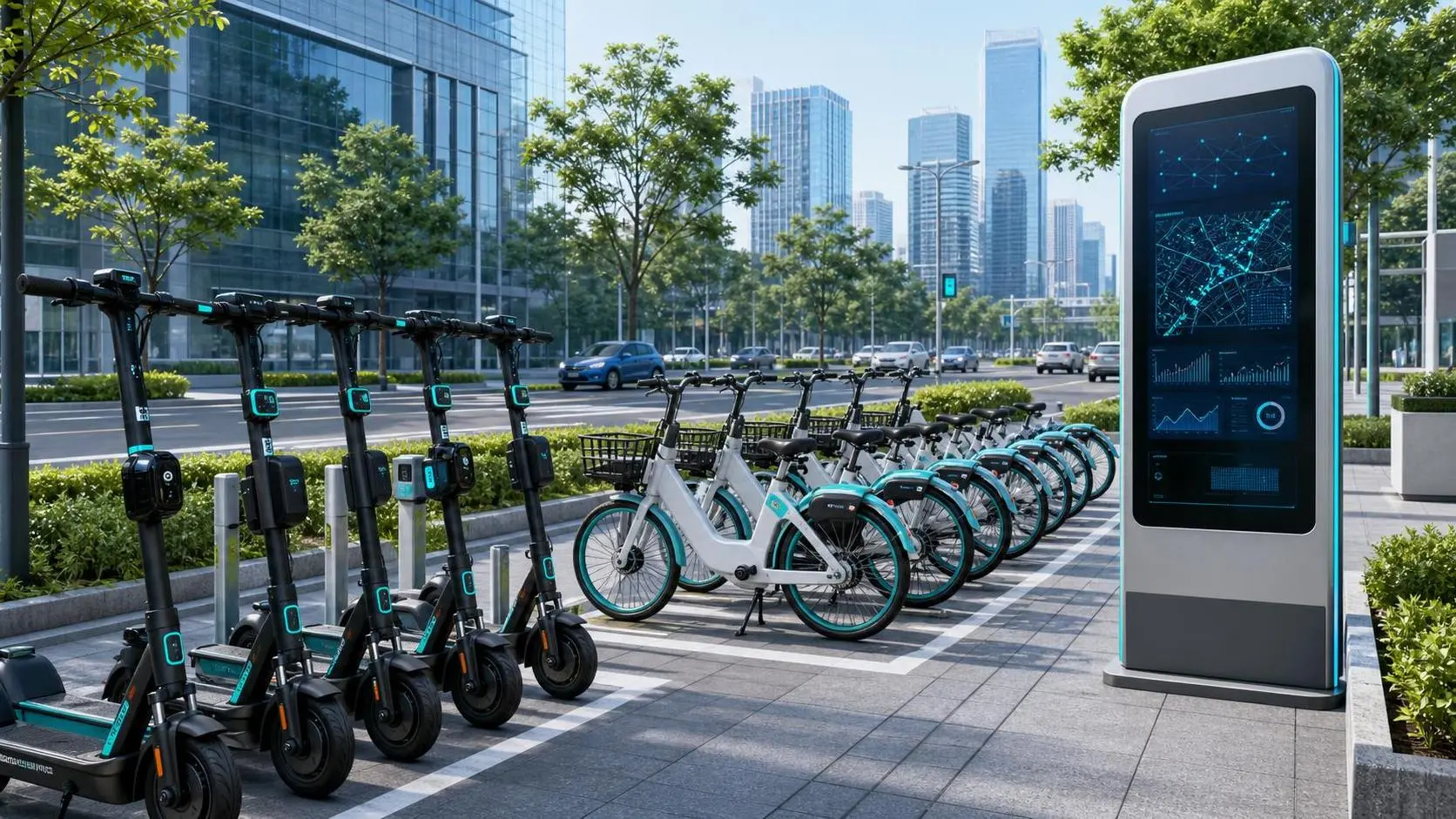
What Is the Intellectualization of Mobility Platform and How Is It Applied in Shared Fleets?
Intellectualization of mobility platform is reshaping shared fleets with real-time data, predictive maintenance, and smarter compliance—learn how it boosts safety, uptime, and urban mobility efficiency.
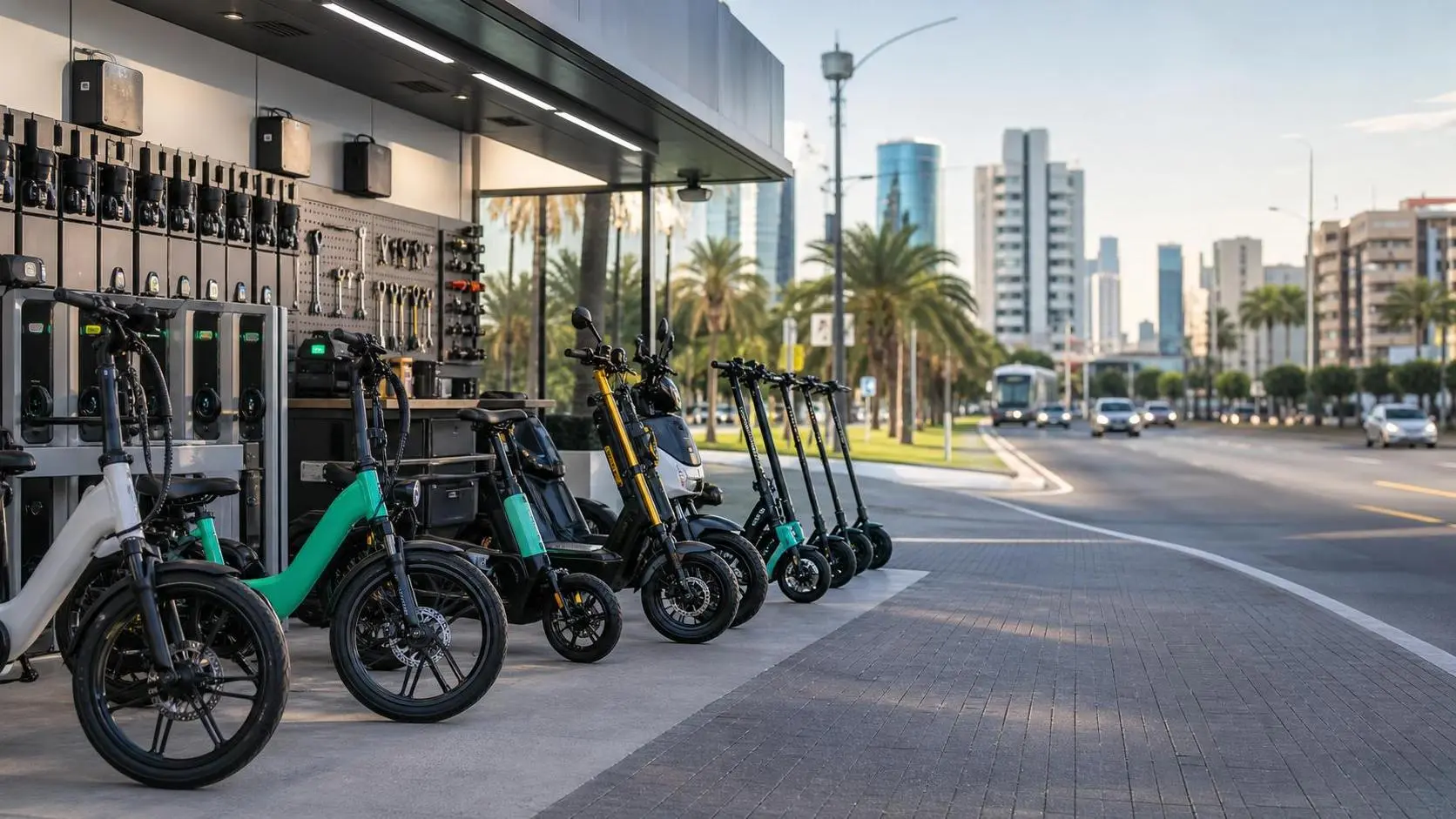
Urban Micro-Mobility Systems in Latin America: Key Market Drivers, Barriers, and Growth Segments
Urban micro-mobility systems Latin America are reshaping city transport. Explore key drivers, barriers, and high-growth segments to spot the region’s most investable opportunities.

Electric Motorcycle Systems Price Breakdown: What Affects Cost From Battery to Controller?
Electric motorcycle systems price explained: see how battery, controller, motor, BMS, and wiring affect total cost, reliability, and sourcing value before you buy.
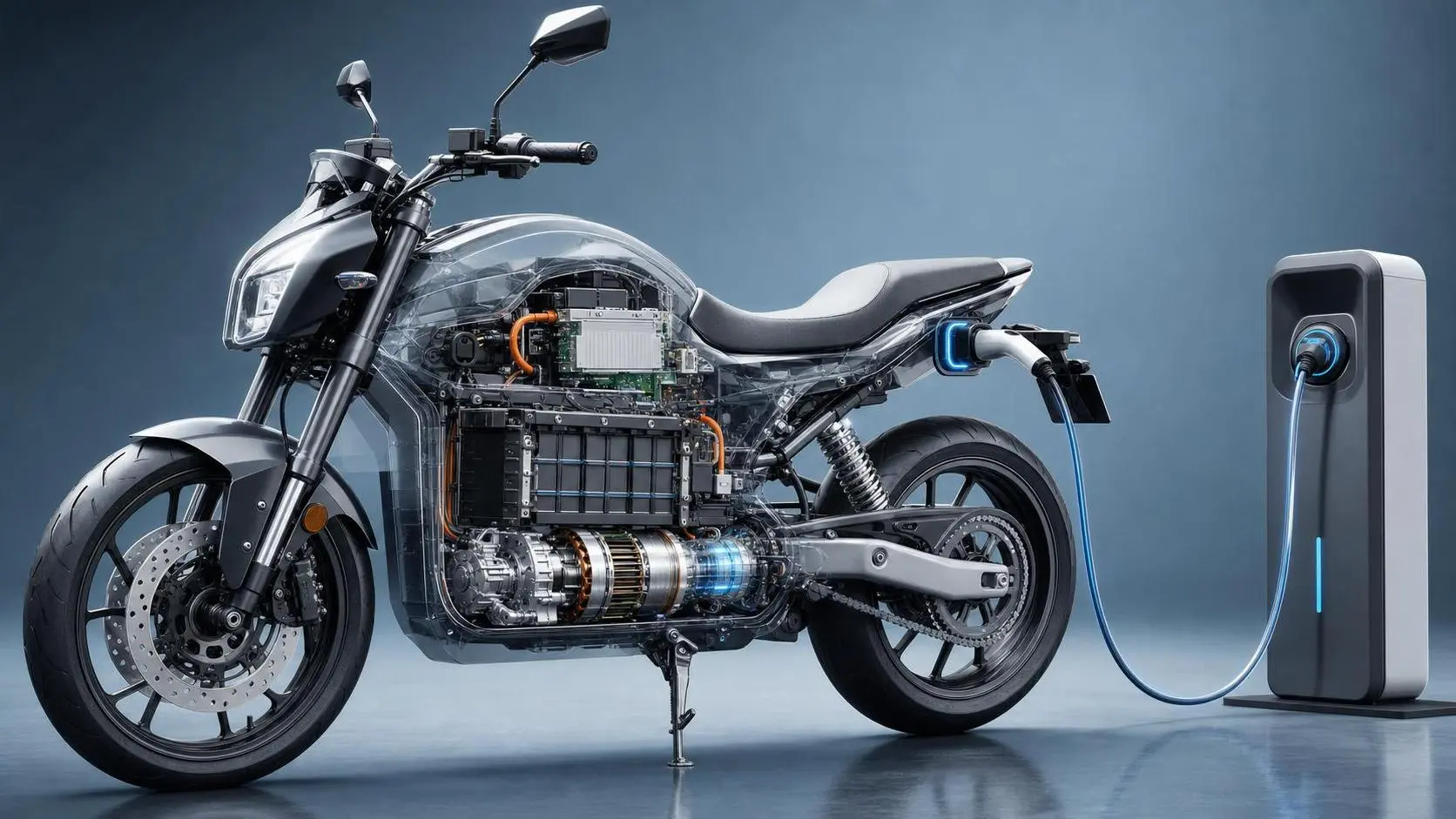
72V Electric Motorcycle Technology Explained: Motors, Controllers, Range, and Charging
Electric motorcycle technology 72V explained clearly: compare motors, controllers, range, battery design, and charging to choose a smoother, stronger, and smarter electric ride.
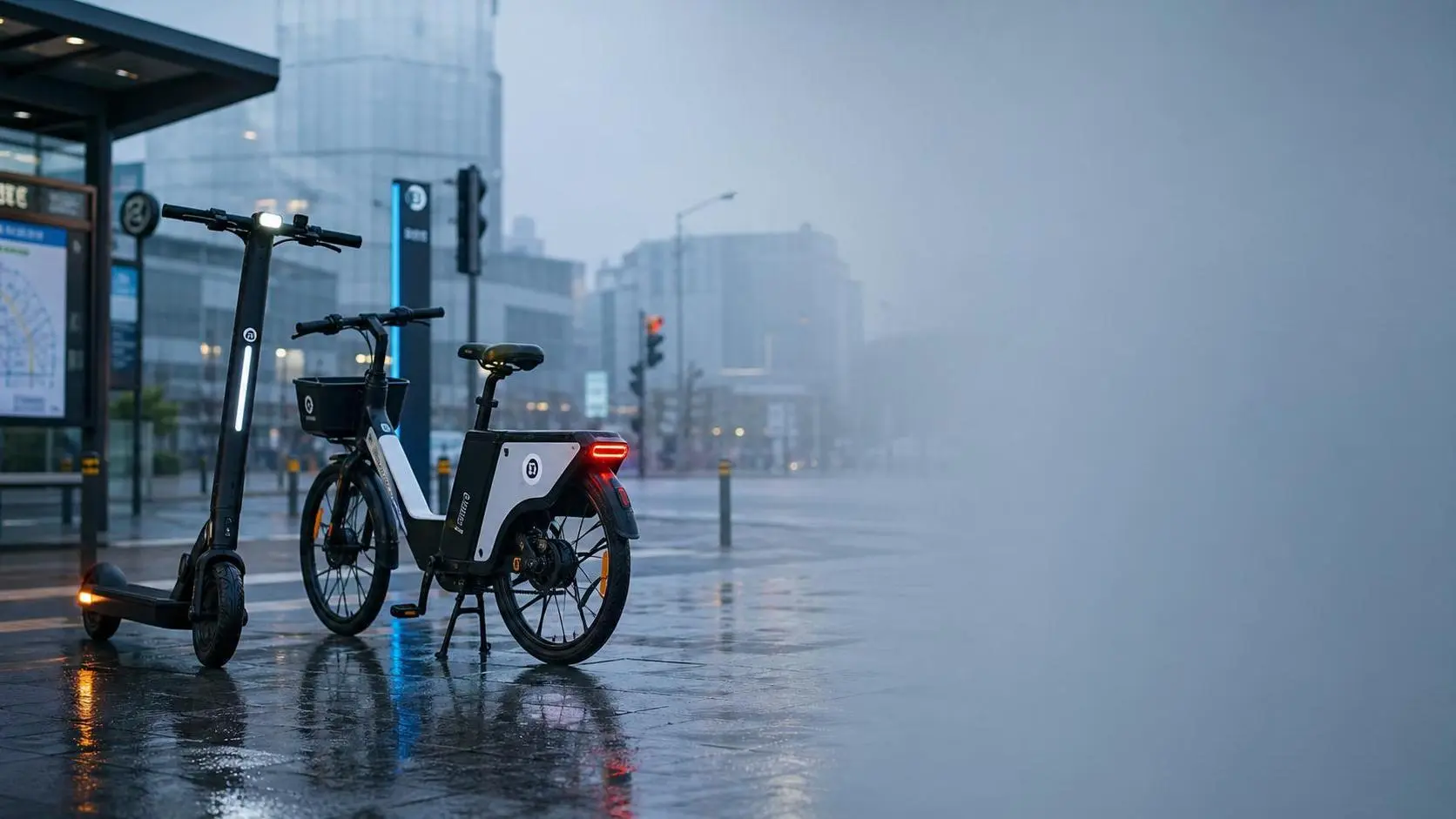
Where LED Urban Visibility Safety Systems Fit Best in Shared Scooters and City E-bikes
LED urban visibility safety systems deliver the most value in shared scooters and city e-bikes by improving multi-angle safety, fleet durability, and urban compliance across real-world routes.
Intellectualization of Mobility in North America: What Is Driving Adoption Across Urban Transport?
Intellectualization of mobility North America is reshaping urban transport through data, smart fleets, and battery intelligence. Explore what is driving adoption and why cities and operators are accelerating now.

How to Choose a Compact Battery Pack: Size, Energy Density, Thermal Design, and Cycle Life
Compact battery pack selection starts with more than size. Learn how energy density, thermal design, and cycle life shape range, safety, and long-term value.
What Is Driving Green Two-wheelers Demand in Europe? Policy, Fuel Costs, and Buyer Segments
Green two-wheelers demand Europe is rising as policy support, fuel cost pressure, and diverse buyer segments reshape urban mobility. Explore the trends driving the next growth wave.