
Related News
- 00
0000-00
What Is the Intellectualization of Mobility Platform and How Is It Applied in Shared Fleets? - 00
0000-00
Where LED Urban Visibility Safety Systems Fit Best in Shared Scooters and City E-bikes - 00
0000-00
Green Transport Scooters for Urban Fleets: Which Specs Matter Most in Daily Use? - 00
0000-00
Micro-Mobility Solutions for Campuses: How to Choose the Right Fleet Model - 00
0000-00
Smart Battery Solutions for Shared Fleets: What Reduces Downtime and Maintenance Costs?
Urban Transit Fellow
Weekly Insights
Stay ahead with our curated technology reports delivered every Monday.
How micro-mobility strategists cut fleet downtime





Fleet downtime is no longer a maintenance issue alone. It is a strategic cost affecting utilization, rider trust, insurance exposure, and market expansion.
For e-bikes, smart e-scooters, and high-speed electric two-wheelers, micro-mobility strategists now treat uptime as a measurable operating system.
They combine diagnostics, battery intelligence, parts planning, and deployment logic to keep assets active across dense urban networks.
How micro-mobility strategists define fleet downtime
Downtime means any period when a vehicle cannot generate service value. It includes mechanical failure, battery depletion, software lockout, relocation delay, or inspection hold.
Micro-mobility strategists separate visible downtime from hidden downtime. Visible downtime appears as disabled vehicles, missing inventory, or unresolved work orders.
Hidden downtime is more complex. A scooter parked far from demand may be technically available but commercially idle.
An e-bike with degraded torque response may still move, yet it can damage rider experience and platform retention.
This broader definition changes operational priorities. Repair speed matters, but asset positioning, component reliability, and data quality matter equally.
Core downtime categories
Industry signals reshaping uptime priorities
Urban micro-mobility is entering a more disciplined phase. Growth is still important, but uncontrolled expansion now carries higher financial risk.
Cities demand cleaner parking, safer riding behavior, and stronger lifecycle accountability. Operators need assets that remain reliable under public scrutiny.
Micro-mobility strategists respond by connecting fleet uptime with regulatory resilience, carbon efficiency, and local service credibility.
- Battery costs make premature replacement a direct margin threat.
- Shared scooters face stricter parking and safety enforcement.
- E-bike commuting requires consistent power assist and braking reliability.
- High-speed electric motorcycles need stronger thermal management controls.
- Component shortages increase the value of accurate parts forecasting.
These signals make downtime reduction a cross-functional discipline. It links engineering, depot workflow, field operations, and city-level strategy.
Data-driven diagnostics as the first uptime layer
The first practical step is knowing why vehicles fail. Guesswork increases labor hours and causes unnecessary component replacement.
Micro-mobility strategists use telematics, controller logs, battery management data, and rider feedback to identify failure patterns before they spread.
A useful diagnostic system does not only report faults. It ranks severity, repetition, location, weather exposure, and component age.
For smart e-scooters, impact events and vibration signatures can indicate frame fatigue, steering issues, or wheel damage.
For e-bikes, abnormal motor current can reveal drivetrain drag, brake rubbing, or early bearing resistance.
For electric motorcycles, temperature rise under moderate load can expose cooling limitations or degraded battery cells.
Diagnostic metrics worth tracking
- Mean time between failures by vehicle model and component.
- Repeat repair rate within seven, fourteen, and thirty days.
- Fault codes per thousand rides or kilometers.
- Battery temperature variance during similar duty cycles.
- Repair diagnosis time compared with total depot dwell time.
When metrics are consistent, micro-mobility strategists can shift from reactive repair to targeted prevention.
Battery health modeling and charging discipline
Battery condition is often the largest uptime variable. A weak pack can remove an otherwise healthy vehicle from daily service.
Micro-mobility strategists analyze state of health, charge cycles, depth of discharge, temperature exposure, and voltage imbalance.
The goal is not only longer battery life. The goal is predictable range, safer charging, and fewer field retrievals.
A fleet with inconsistent battery behavior creates rider uncertainty. It also increases redistribution costs and emergency maintenance trips.
Charging discipline includes pack rotation, thermal limits, warehouse ventilation, and clear rules for damaged or wet batteries.
Battery-swapping networks add another layer. Packs must be traceable, balanced, and matched with demand patterns by location.
Battery actions that reduce downtime
- Flag fast-degrading packs before rider complaints appear.
- Separate cold-weather range loss from permanent capacity loss.
- Link charging schedules with local peak demand periods.
- Use temperature data to protect cells during rapid charging.
- Retire packs based on risk profile, not simple age alone.
Parts planning and modular maintenance
Downtime frequently lasts longer because the right part is unavailable. This is preventable with better demand planning.
Micro-mobility strategists build parts forecasts from failure history, vehicle age, riding intensity, road conditions, and seasonality.
Brake pads, tires, throttle assemblies, displays, controllers, and connectors should be tracked by consumption velocity.
Precision bicycle components require particular attention. Drivetrain wear can reduce assist efficiency and make e-bikes feel underpowered.
Modular maintenance reduces dwell time. Instead of diagnosing every subcomponent at the depot, teams swap certified modules quickly.
The faulty unit can then be inspected separately. This protects daily availability while supporting deeper root-cause analysis.
Deployment logic that prevents commercial idle time
A repaired vehicle still creates downtime if placed in the wrong zone. Availability must align with real mobility demand.
Micro-mobility strategists evaluate origin-destination flows, transit connections, weather, event schedules, and street-level parking rules.
The strongest deployment systems combine historical demand with live signals. They also recognize when saturation reduces utilization.
For campus zones, morning peaks may require reliable e-bikes near transit entrances. For nightlife districts, scooters need stronger evening rotation.
High-speed electric motorcycles require different logic. Charging access, rider licensing, parking legality, and trip distance influence placement.
Good deployment reduces both idle inventory and field recovery workload. It also improves rider perception of platform reliability.
Operational intelligence across vehicle types
Different vehicle categories produce different downtime patterns. Micro-mobility strategists avoid applying one maintenance model to every asset.
E-bikes combine human power and electric assist. Their downtime often sits between mechanical wear and electrical inconsistency.
Smart e-scooters experience frequent curb impacts, weather exposure, and misuse. Their uptime depends on rugged frames and sealed electronics.
High-speed e-motorcycles require stricter monitoring. Battery thermal behavior, braking performance, and torque delivery must remain predictable.
Even components such as wiper systems matter in adjacent electric mobility platforms. Visibility systems influence safety in extreme weather operations.
Practical governance for lower downtime
Technology alone cannot cut downtime. Governance defines how information becomes action across depots, suppliers, and field teams.
Micro-mobility strategists create rules for inspection intervals, fault escalation, repair authorization, and post-repair validation.
They also standardize condition codes. Without consistent codes, fleet analytics becomes noisy and operational comparison becomes unreliable.
Supplier feedback loops are equally important. Repeated controller faults or waterproofing failures should influence sourcing and design discussions.
Recommended operating practices
- Create one downtime taxonomy shared by operations and engineering.
- Set uptime targets by vehicle class, not only by fleet average.
- Measure depot dwell time separately from repair labor time.
- Audit repeat repairs to expose weak diagnosis or poor parts quality.
- Connect procurement decisions with field failure evidence.
These practices help micro-mobility strategists convert maintenance records into business intelligence.
Business value of strategic uptime management
Higher uptime improves revenue per asset. It also reduces capital pressure because fewer vehicles are needed to support the same demand.
Rider trust improves when vehicles are consistently charged, responsive, clean, and available where trips begin.
Cities also notice reliability. Organized fleets reduce sidewalk clutter, abandoned assets, and emergency recovery incidents.
For global expansion, uptime data becomes a credibility asset. It supports market entry discussions, insurance evaluation, and partner selection.
Micro-mobility strategists can use this evidence to compare vehicle platforms, validate suppliers, and prioritize technical upgrades.
Action path for building a resilient fleet
A practical uptime program should begin with visibility. Measure every unavailable asset by reason, duration, location, and commercial impact.
Next, prioritize the failures that remove the most service hours. Not every repair category deserves the same operational attention.
Then connect diagnostics with parts planning and deployment logic. This prevents isolated improvements from disappearing inside daily complexity.
Finally, review results monthly. Uptime strategy should evolve with seasons, regulations, vehicle age, and rider behavior.
Micro-mobility strategists who treat downtime as strategic intelligence gain more than smoother maintenance. They gain a stronger operating model.
In the last-mile mobility economy, the winning fleet is not simply larger. It is better measured, better positioned, and more consistently available.
Related News

How to Choose Lightweight Scooter Frames in Europe: Materials, Standards, and Use Cases
Lightweight scooter frames Europe buyers need should balance materials, EN standards, durability, and real use cases. Discover how to choose safer, smarter, compliant frames.

What Is the Intellectualization of Mobility Platform and How Is It Applied in Shared Fleets?
Intellectualization of mobility platform is reshaping shared fleets with real-time data, predictive maintenance, and smarter compliance—learn how it boosts safety, uptime, and urban mobility efficiency.
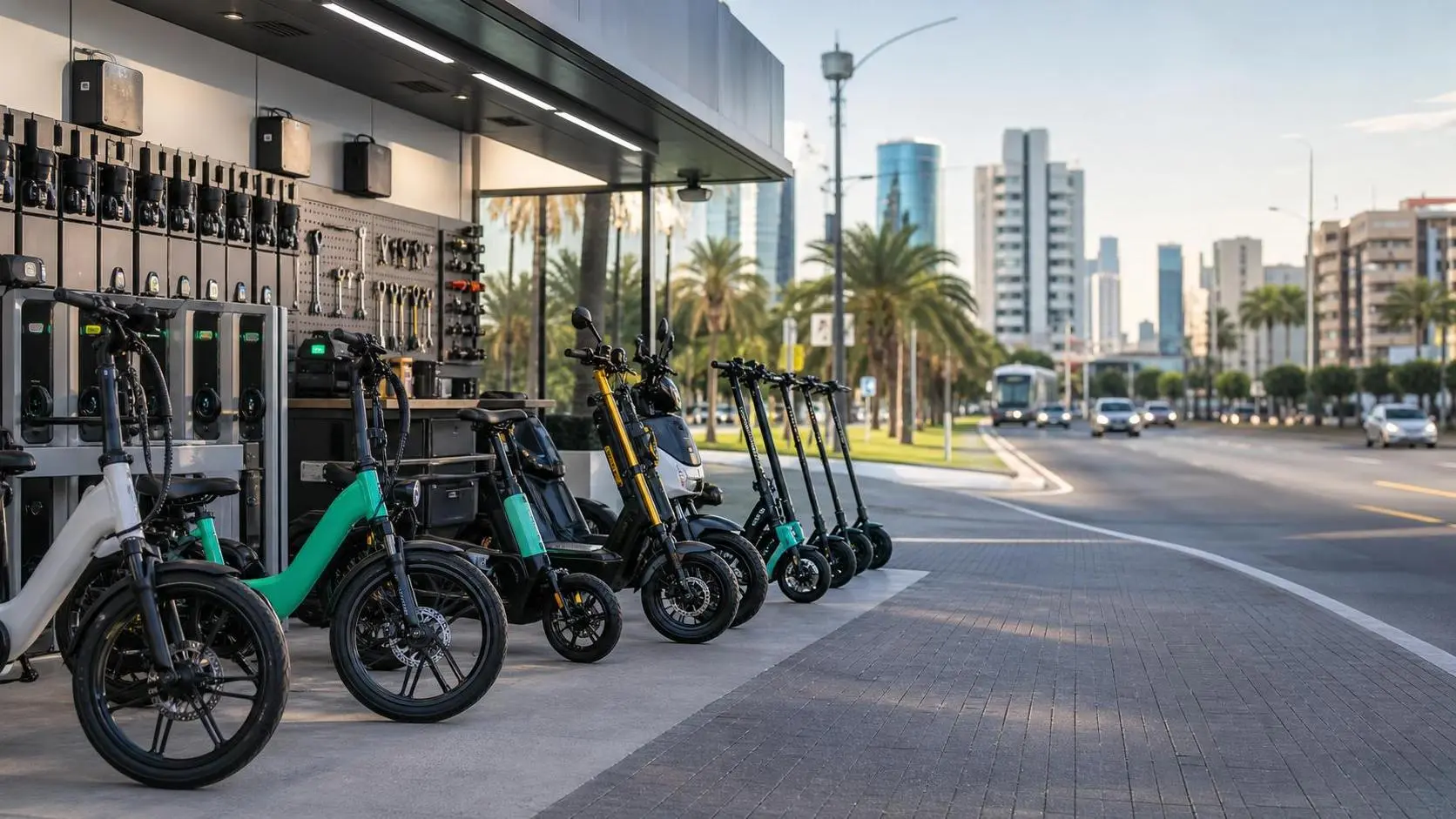
Urban Micro-Mobility Systems in Latin America: Key Market Drivers, Barriers, and Growth Segments
Urban micro-mobility systems Latin America are reshaping city transport. Explore key drivers, barriers, and high-growth segments to spot the region’s most investable opportunities.

Electric Motorcycle Systems Price Breakdown: What Affects Cost From Battery to Controller?
Electric motorcycle systems price explained: see how battery, controller, motor, BMS, and wiring affect total cost, reliability, and sourcing value before you buy.
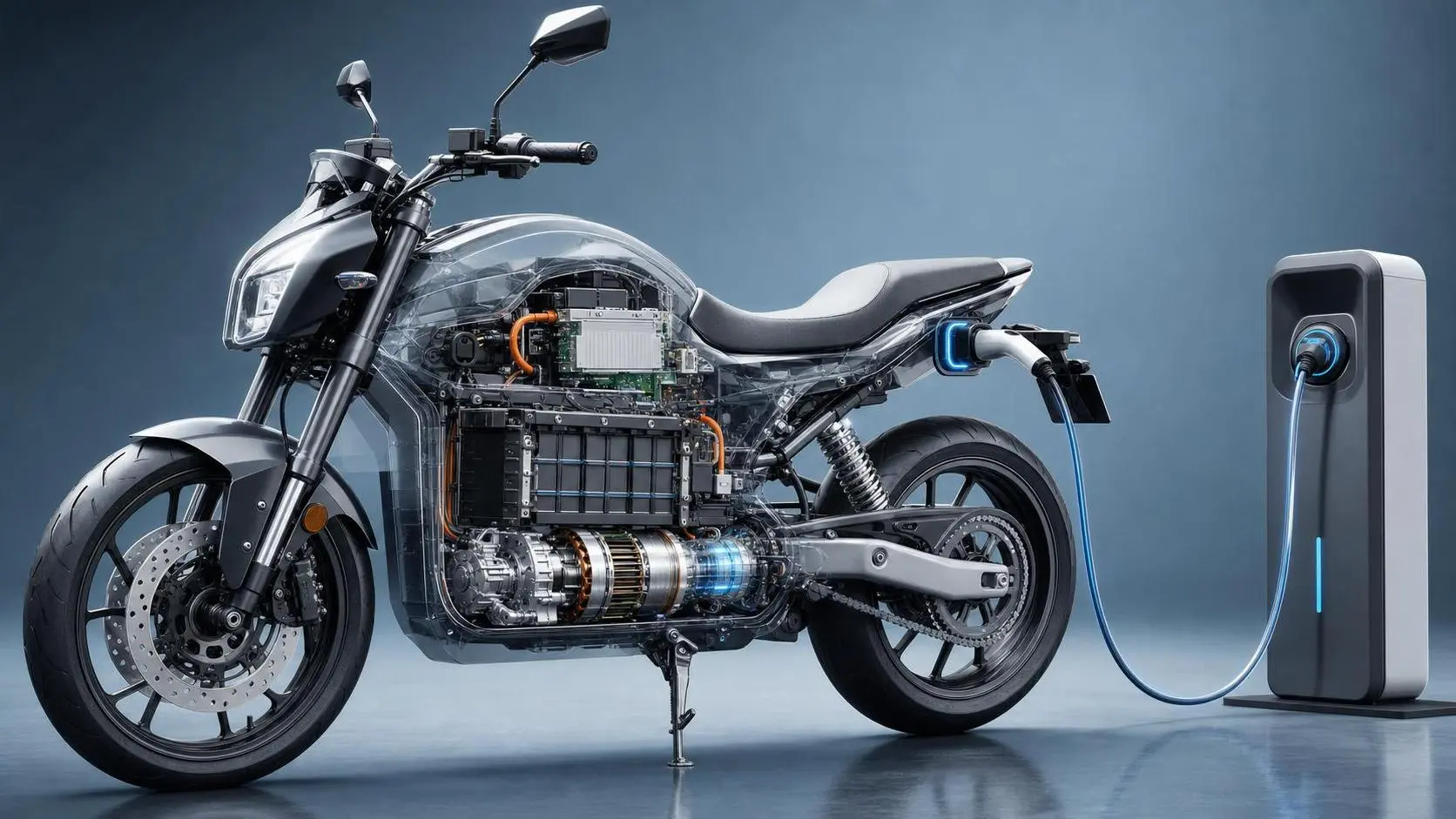
72V Electric Motorcycle Technology Explained: Motors, Controllers, Range, and Charging
Electric motorcycle technology 72V explained clearly: compare motors, controllers, range, battery design, and charging to choose a smoother, stronger, and smarter electric ride.

Where LED Urban Visibility Safety Systems Fit Best in Shared Scooters and City E-bikes
LED urban visibility safety systems deliver the most value in shared scooters and city e-bikes by improving multi-angle safety, fleet durability, and urban compliance across real-world routes.

Intellectualization of Mobility in North America: What Is Driving Adoption Across Urban Transport?
Intellectualization of mobility North America is reshaping urban transport through data, smart fleets, and battery intelligence. Explore what is driving adoption and why cities and operators are accelerating now.

How to Choose a Compact Battery Pack: Size, Energy Density, Thermal Design, and Cycle Life
Compact battery pack selection starts with more than size. Learn how energy density, thermal design, and cycle life shape range, safety, and long-term value.
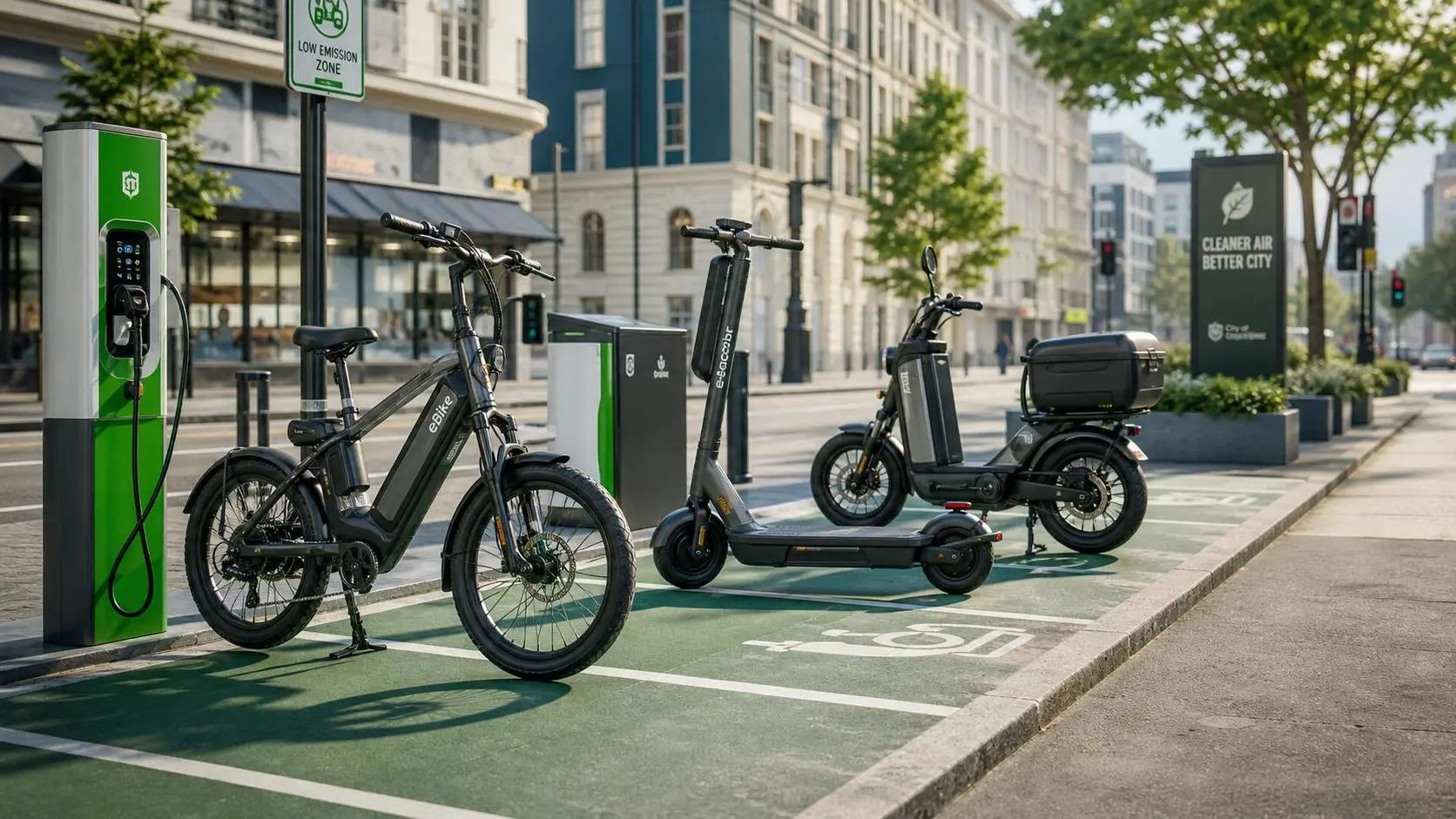
What Is Driving Green Two-wheelers Demand in Europe? Policy, Fuel Costs, and Buyer Segments
Green two-wheelers demand Europe is rising as policy support, fuel cost pressure, and diverse buyer segments reshape urban mobility. Explore the trends driving the next growth wave.