
Related News
- 00
0000-00
What Affects Ebike Energy Efficiency? Battery Size, Rider Weight, Terrain, and Speed - 00
0000-00
How to Choose an Electric Bicycle for City Commuting: Range, Motor, and Weight Explained - 00
0000-00
E-Bike Technology Explained: Motor Types, Battery Range, and Control Systems - 00
0000-00
Electric Bike Technology Solutions for Urban Fleets: Connectivity, BMS, and Service Data - 00
0000-00
Electric Bicycles ODM: How to Evaluate Design, MOQ, and Customization Capabilities
Micro-Mobility Strategist
Weekly Insights
Stay ahead with our curated technology reports delivered every Monday.
E-Bike Technology Upgrades That Improve Daily Commutes





Modern commuting is being reshaped by e-bike technology that makes daily travel faster, safer, and more comfortable. From smarter batteries and efficient motors to connected displays and improved braking systems, today’s upgrades help riders save time, reduce effort, and enjoy a smoother urban journey. This article explores the practical innovations that truly improve everyday commutes for consumers.
Which e-bike technology upgrades matter most for daily commuting?
Not every new feature improves a real-world ride. For commuters, the most useful e-bike technology upgrades are the ones that reduce friction in everyday use: easier starts at traffic lights, more predictable range, safer braking in wet streets, and clearer ride data.
From UMMS’s perspective as a micro-mobility intelligence observer, the value of innovation is not in novelty alone. It lies in how electromechanical efficiency, battery management, drivetrain response, and urban safety systems work together under stop-and-go traffic, changing weather, and limited charging time.
- High-efficiency mid-drive or improved hub motors that deliver smoother acceleration without wasting battery power.
- Battery systems with smarter management logic, more stable charging behavior, and clearer range estimation.
- Hydraulic disc brakes, better tires, and integrated lights that raise safety during early-morning or rainy commutes.
- Connected displays, app support, and anti-theft functions that simplify ownership beyond the ride itself.
If you are comparing models, focus first on commuting outcomes rather than spec-sheet hype. A slightly smaller battery with better control software may serve a city rider better than a larger pack paired with inefficient motor tuning.
Why commuters feel the difference immediately
Daily riders notice technology gains faster than recreational riders because they repeat the same route often. They can tell when pedal assist engages too abruptly, when a display is unreadable in sunlight, or when claimed range drops sharply in cold weather.
That is why the best e-bike technology for commuting is practical, not flashy. It must perform consistently across hills, traffic signals, curb ramps, wet roads, and crowded bike lanes.
How modern batteries and battery management improve commuting range
Battery improvements are one of the biggest reasons e-bike technology has become more commuter-friendly. Consumers no longer evaluate battery packs only by watt-hours. They increasingly look at charging convenience, long-term stability, pack placement, and the logic of the battery management system.
A good battery management system helps balance cells, manage temperature, protect the pack during charging, and support more accurate range estimates. For someone commuting to work, that means less uncertainty and fewer unpleasant surprises on the return trip.
The table below shows how battery-related e-bike technology upgrades affect daily commuting decisions.
For most city riders, battery usability matters as much as capacity. If you live upstairs or cannot bring the bike near a wall outlet, a removable battery may improve your ownership experience more than a small increase in range.
Range claims versus real commuting conditions
Consumers often overpay for battery size because they compare marketing numbers rather than their real route. Headwinds, rider weight, hills, assist level, cargo, tire pressure, and cold temperatures all affect performance. A realistic commuting margin is more valuable than a theoretical maximum.
As a simple rule, choose a battery that covers your round trip with reserve capacity rather than one that is only just enough on paper. That reserve supports battery health and reduces daily charging stress.
Motor, sensors, and drivetrain: what makes an e-bike feel smooth in traffic?
When shoppers say an e-bike feels “natural,” they are usually responding to the interaction between motor tuning, cadence or torque sensing, and drivetrain efficiency. This is one of the most important areas of e-bike technology because it defines how the bike behaves at intersections, on climbs, and in crowded bike lanes.
Torque sensors generally deliver more proportional assistance, making starts and speed adjustments feel controlled. Cadence-based systems can still work well for many users, but low-cost tuning sometimes creates delayed or abrupt power delivery. For commuting, predictable support usually beats aggressive output.
Mid-drive or hub motor for urban riders?
Both can be effective, but they solve different problems. Mid-drive systems often offer better hill climbing and improved weight distribution. Hub motors can be quieter, simpler, and more affordable. The right choice depends on route profile, maintenance expectations, and budget.
This comparison table can help consumers assess which e-bike technology setup aligns with their commute.
UMMS closely tracks the relationship between powertrain architecture and rider experience across micro-mobility segments. That broader lens matters because lessons from advanced drivetrain response, electronic control, and compact electromechanical efficiency often shape the next generation of commuter-friendly e-bike technology.
How safety upgrades improve confidence in all-weather commuting
A fast e-bike is only useful if it remains controllable and visible. For urban riders, safety upgrades are not optional extras. They are part of the real commuting value proposition, especially during rain, winter darkness, and mixed traffic conditions.
- Hydraulic disc brakes usually offer more consistent stopping power and better modulation than basic mechanical systems.
- Integrated front and rear lighting reduces the risk of forgetting removable lights and improves everyday readiness.
- Wider puncture-resistant tires can add grip, comfort, and stability on poor surfaces.
- Fenders, chain guards, and weather-protection accessories make year-round use more realistic for ordinary clothing and office travel.
UMMS’s wider focus on visibility safety and urban mobility systems highlights a simple truth: commuter reliability is not just about motor power. It is about how the full vehicle system performs when roads are wet, visibility is reduced, and reaction time matters.
What buyers often overlook
Many consumers compare only top speed and range. They forget to ask whether the brake levers feel comfortable for smaller hands, whether stock tires suit painted bike lanes in rain, or whether lights are powered directly by the main battery. These details influence daily confidence more than headline performance.
Connected displays, anti-theft tools, and smart controls: are they worth paying for?
Digital upgrades are becoming a defining part of e-bike technology. For many commuters, the best smart features are not entertainment features. They are practical tools that support route planning, battery awareness, service reminders, and theft deterrence.
A clear display can help riders manage assist levels efficiently and preserve range. App connectivity can store ride history, diagnose faults, or support firmware updates. Integrated alarms, wheel locks, or location tracking can reduce anxiety when parking near offices, apartments, or train stations.
Useful smart functions for consumers
- Live battery and range data that updates according to assist mode rather than showing a simple bar indicator.
- Basic diagnostics that help identify charging issues, connection faults, or service intervals before failure occurs.
- Navigation support or phone integration for riders replacing short car trips with e-bike commuting.
- Security functions that make the bike less attractive to opportunistic theft in urban parking areas.
Still, consumers should avoid paying extra for features they will not use. A simple, readable display with dependable battery data may be more valuable than a complex interface that drains attention or adds maintenance complexity.
How to choose the right e-bike technology for your route, budget, and storage situation
The best buying decision starts with the commute, not the catalog. A rider traveling six flat miles each way has different needs from someone carrying groceries uphill or combining cycling with public transport. E-bike technology should match that reality.
Use the checklist below before comparing brands or visiting a retailer.
This framework helps buyers avoid common mistakes such as choosing a heavy bike for stair access, underestimating braking needs, or paying too much for motor output they will rarely use.
Budget priorities that usually make sense
If your budget is limited, spend first on safety and ride quality. Good brakes, dependable battery behavior, and stable motor control usually create more day-to-day value than premium cosmetic design or excessive connected features.
- Priority one: brakes, lights, tires, and battery reliability.
- Priority two: sensor quality, motor smoothness, and practical frame design.
- Priority three: advanced connectivity, premium accessories, and aesthetic extras.
Common mistakes and FAQ about e-bike technology
Is the most powerful motor always better for commuting?
No. For urban commuting, controllability and efficiency often matter more than peak power. A well-calibrated system with smooth assistance can feel faster in traffic because it starts cleanly, handles corners better, and wastes less energy.
How much battery do most commuters really need?
That depends on route length, assist level, rider weight, weather, and terrain. Many everyday riders need enough capacity for a round trip plus reserve, not the largest battery available. Oversizing increases cost and weight, which can reduce convenience.
Are smart features essential?
Essential for some riders, optional for others. If you park outdoors regularly, anti-theft and tracking tools can be valuable. If your commute is short and consistent, a reliable basic display may be enough. The key is matching technology to daily risk and usage.
What standards or compliance points should consumers ask about?
Consumers can reasonably ask whether the e-bike aligns with applicable local regulations on speed class, lighting, braking, and battery or charger safety. Requirements vary by region, so legal use and service support should be checked before purchase, especially for imported models.
Why informed guidance matters when evaluating e-bike technology
The commuter e-bike market is full of options, but comparing them well requires more than reading sales copy. You need to understand how battery logic, powertrain response, safety components, and urban usage patterns interact in the real world.
That is where UMMS adds value. By tracking the wider micro-mobility ecosystem, from e-bikes and smart e-scooters to drivetrain evolution and electric powertrain analysis, UMMS helps translate technical change into practical consumer decision-making. The result is clearer judgment on which upgrades truly improve a daily commute and which are simply marketing noise.
Why choose us
If you are comparing e-bike technology for everyday commuting, you can consult UMMS for focused guidance on battery configuration, motor and sensor selection, braking and visibility priorities, product positioning, regulatory considerations, and realistic route-based evaluation.
You can also reach out for support on parameter review, commuting scenario matching, product selection logic, delivery-cycle questions, certification-related concerns, sample evaluation direction, and quotation communication with a stronger technical basis. For consumers navigating a crowded market, informed selection is often the upgrade that matters first.
Related News
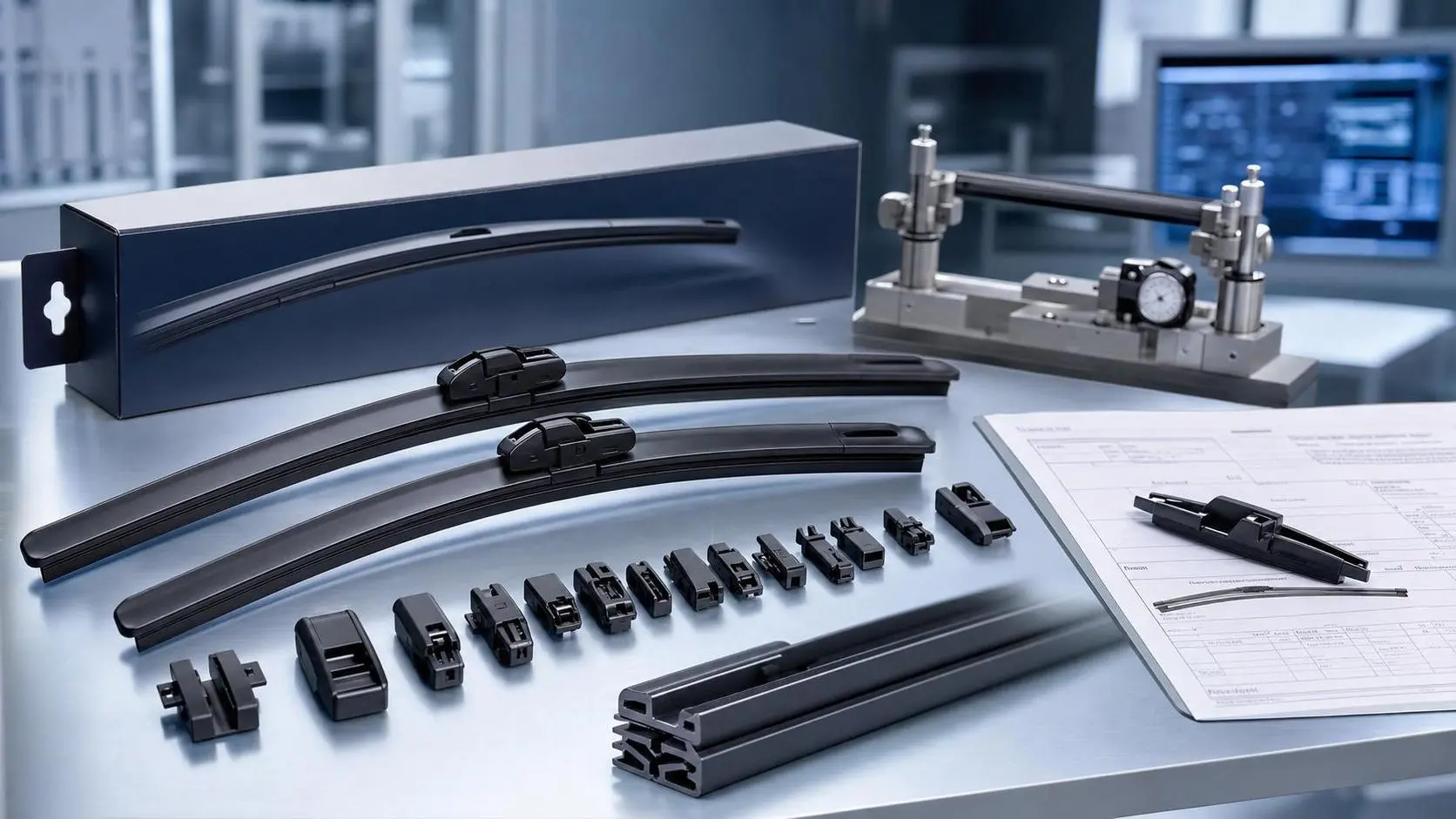
Flat Wiper Blades Wholesale Buying Guide: MOQ, Rubber Quality, Fitment, and Supplier Checks
Flat wiper blades wholesale buying guide covering MOQ, rubber quality, fitment accuracy, and supplier checks to reduce risk, improve margins, and choose reliable bulk partners.
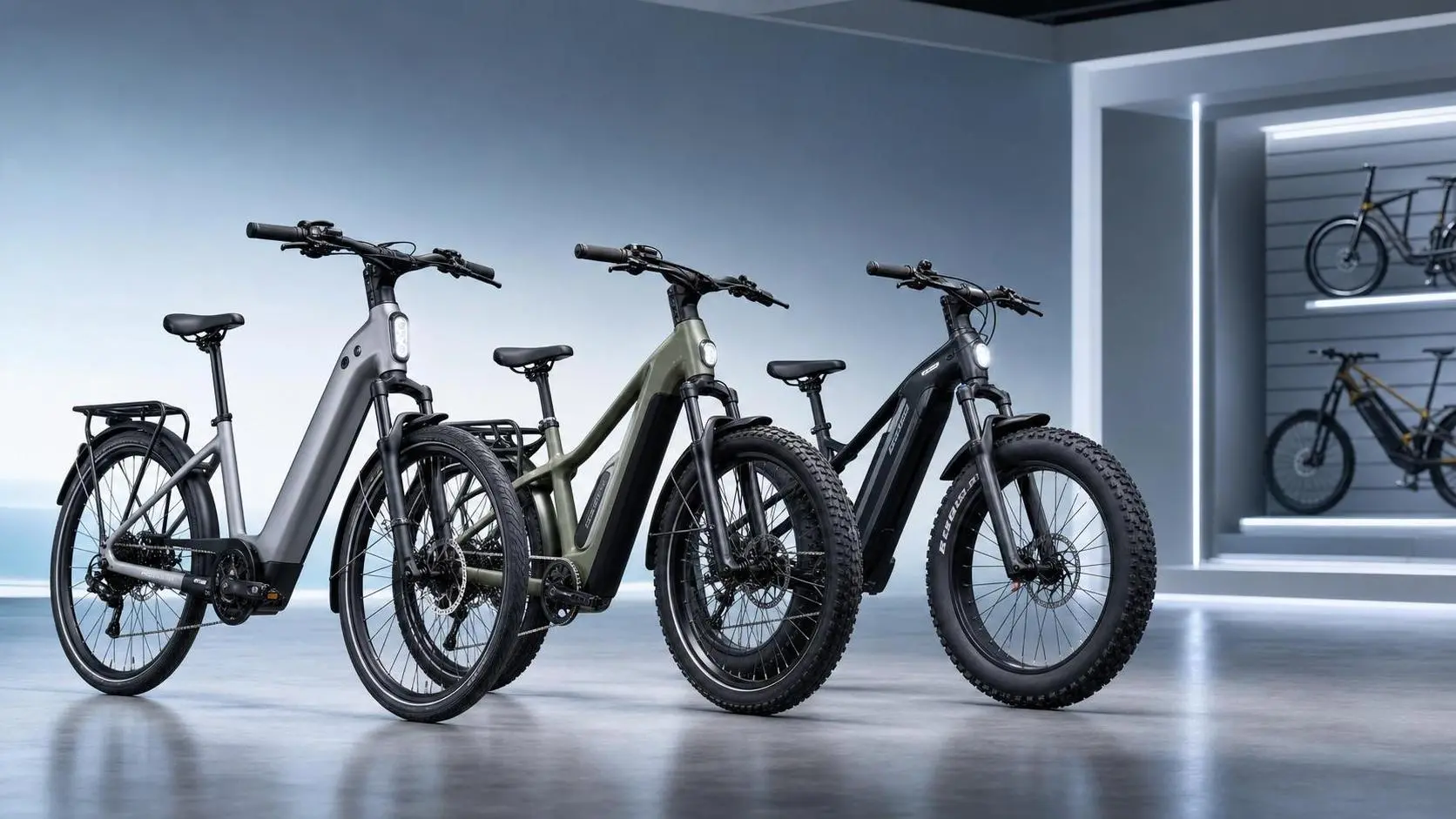
Ebike Market USA: What Dealers Should Know About Demand Shifts, Pricing, and Product Mix
ebike market USA is shifting fast. Discover how demand segmentation, pricing pressure, and smarter product mix decisions can help dealers protect margins and grow.
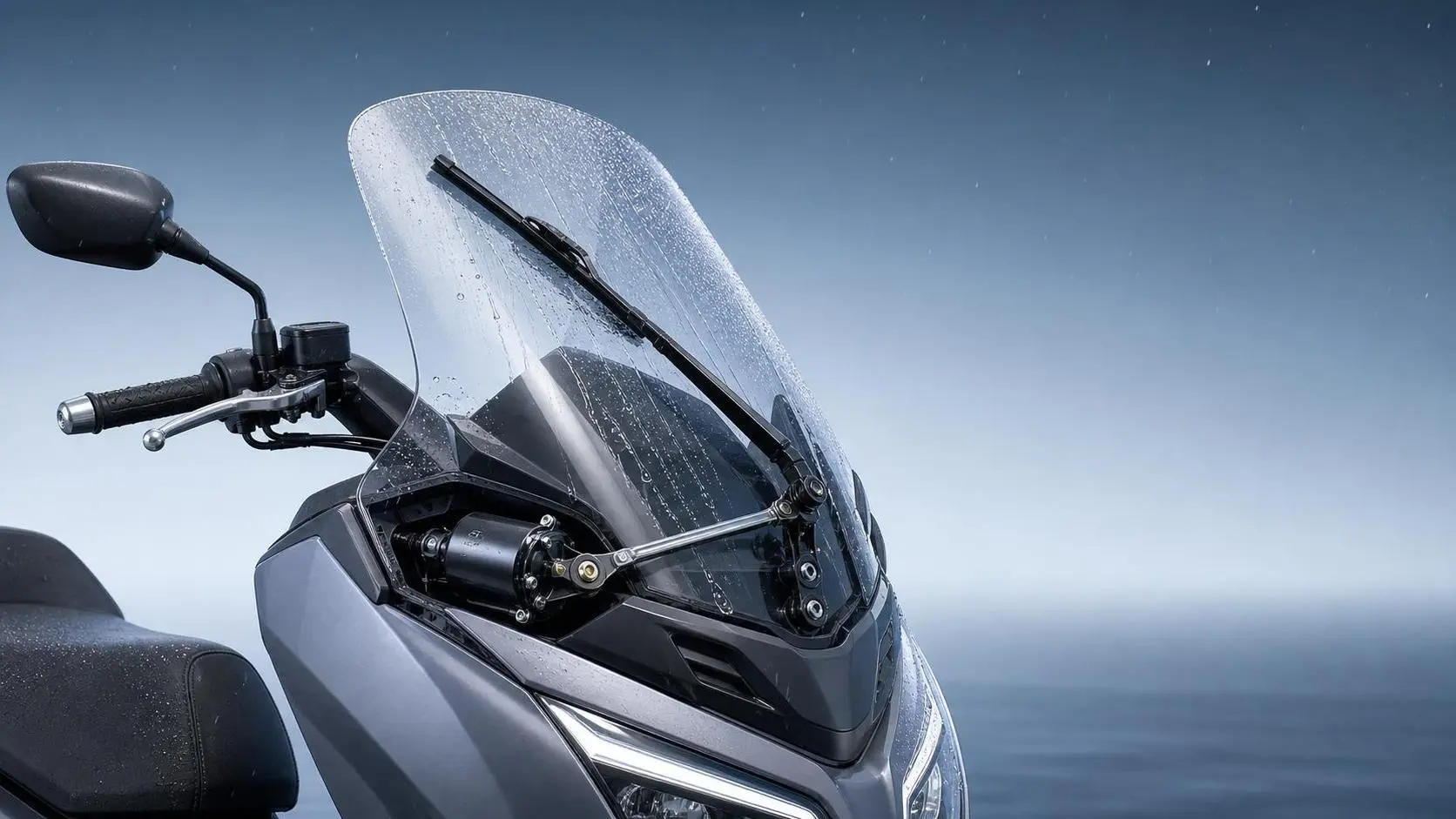
Wiper Systems for Scooters: Common Failure Points, Maintenance Tips, and Replacement Signs
Wiper systems for scooters: learn the most common failure points, smart maintenance tips, and clear replacement signs to improve visibility, reduce repeat repairs, and keep riders safer.
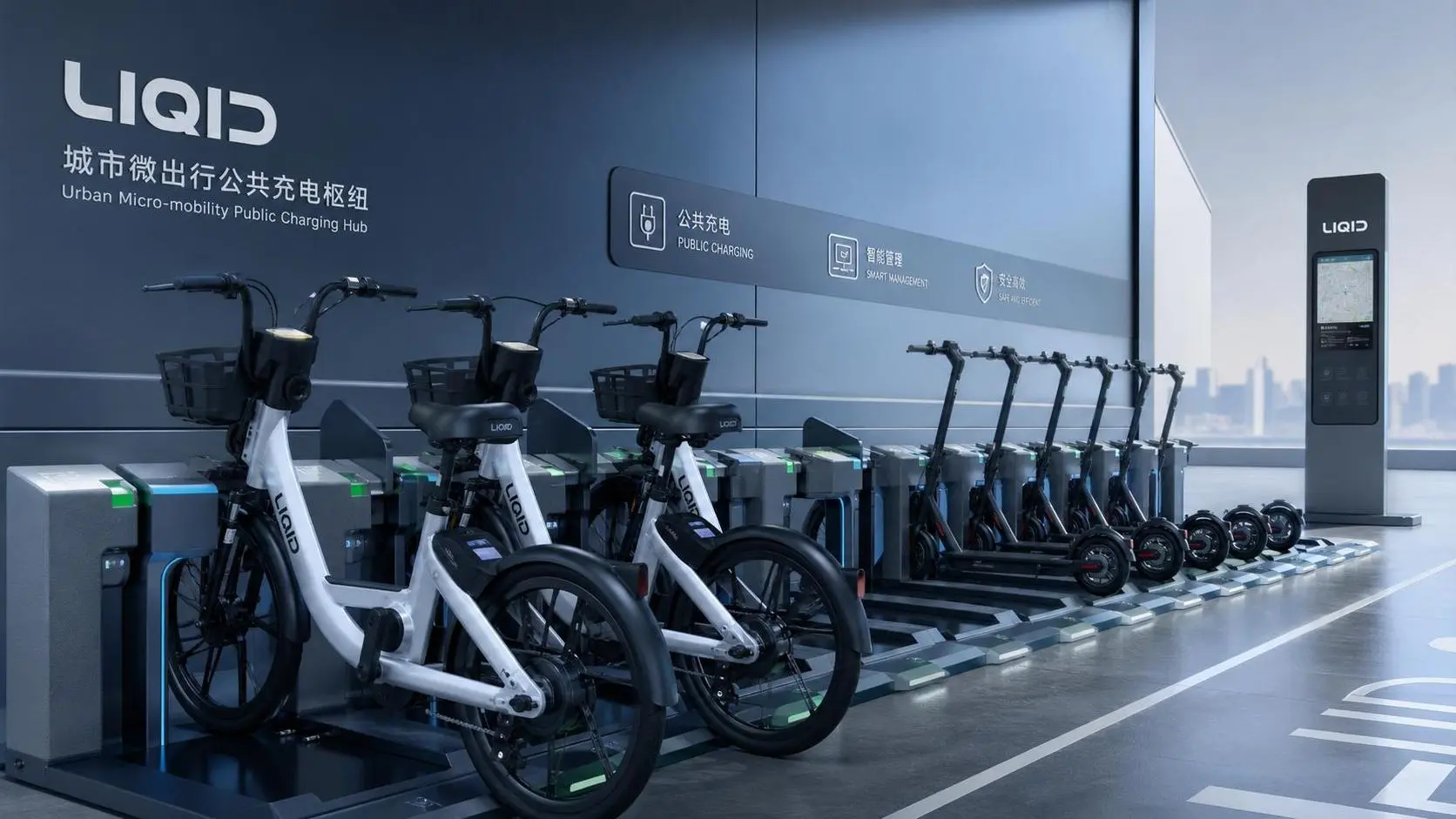
How to Choose Micro-Mobility Docking Stations for Shared Fleets and Public Charging Hubs
Micro-mobility docking stations: learn how to compare charging, locking, software, and site-fit factors to choose safer, smarter hubs for shared fleets and public use.
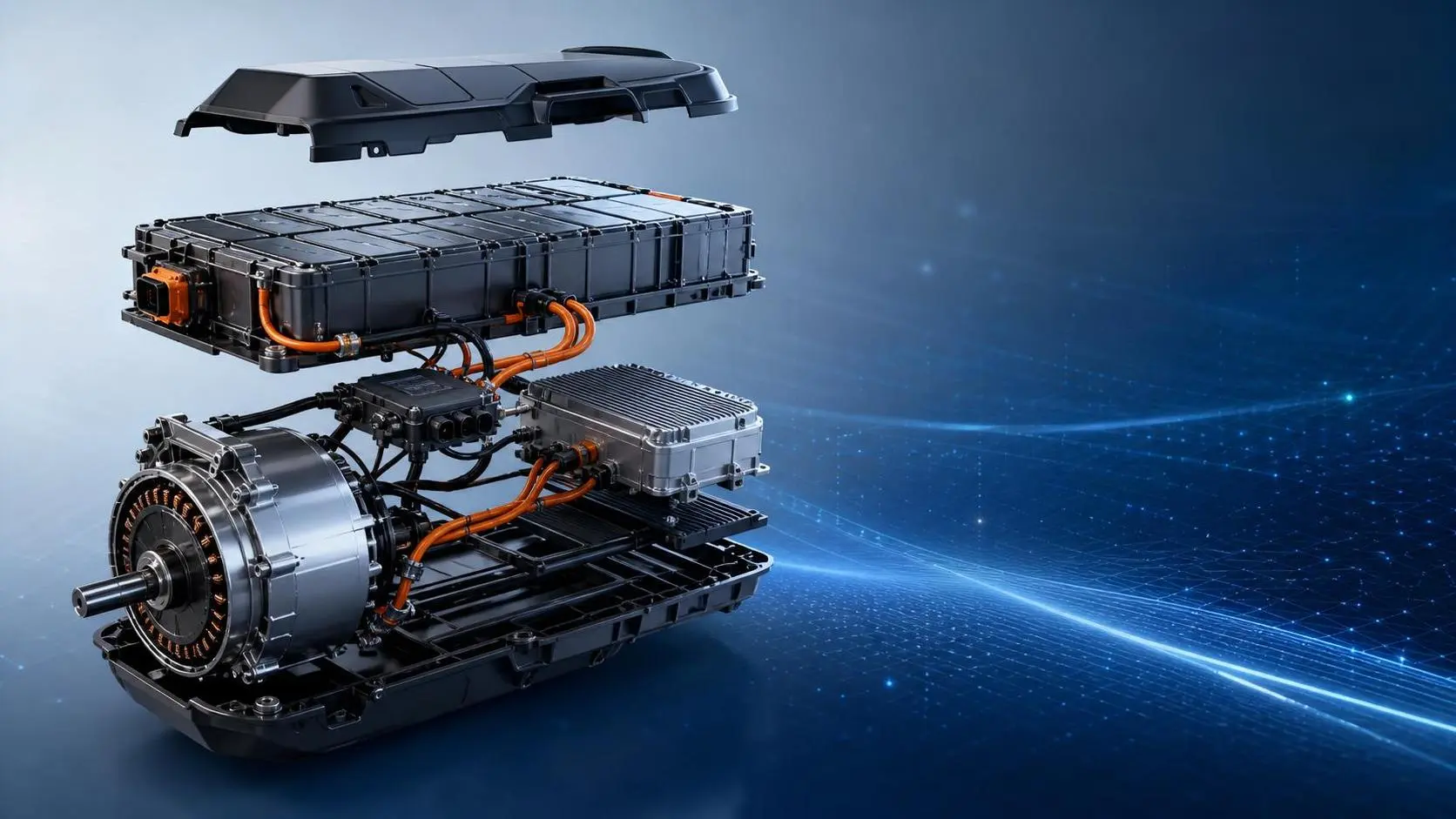
Powertrain Heat Management Explained: Key Design Factors for EV Efficiency and Battery Life
Powertrain heat management explained for EVs: discover how thermal design boosts efficiency, protects battery life, improves safety, and sustains real-world performance.
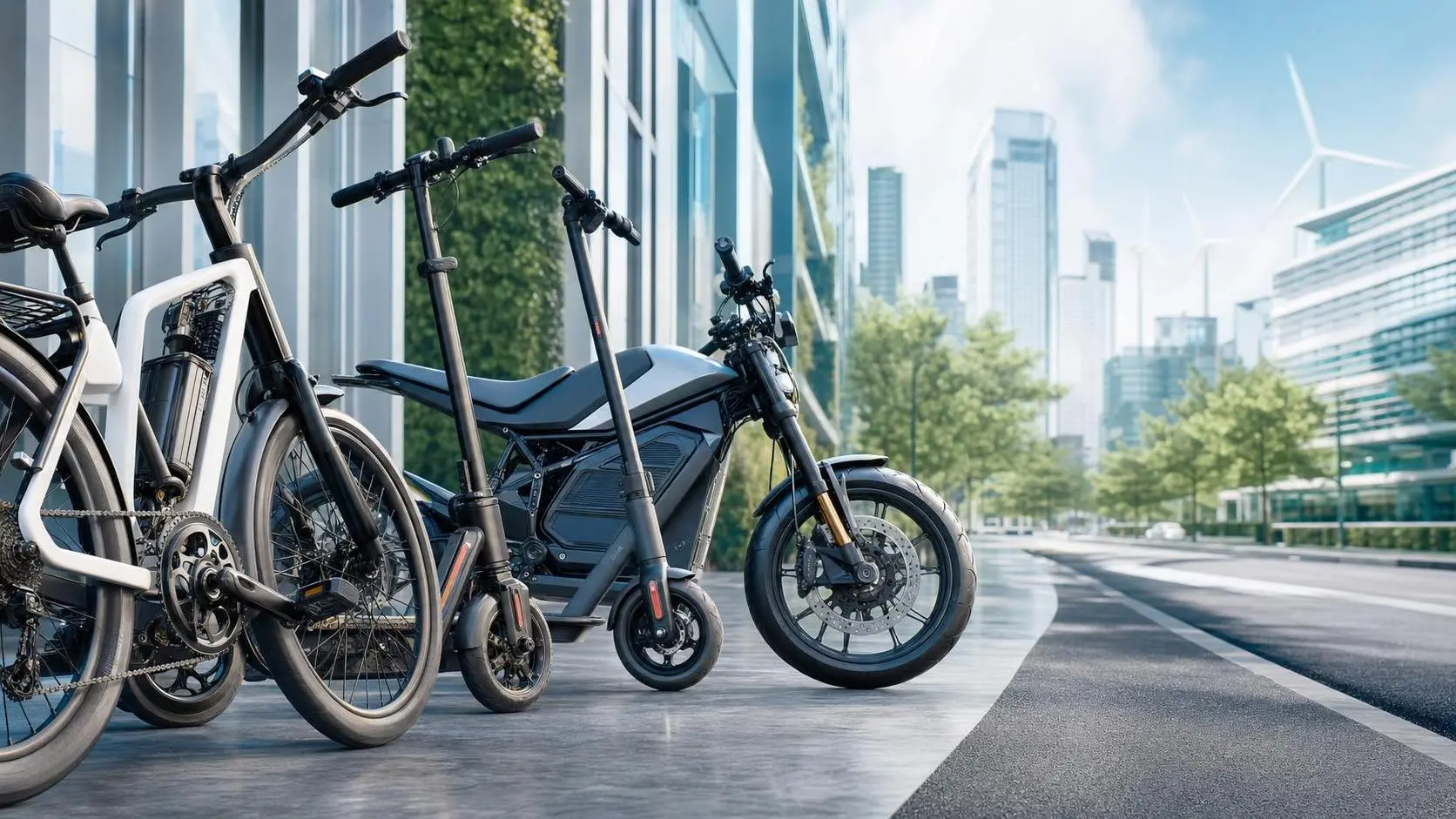
Urban Mobility Market Analysis: Demand Drivers, Policy Risks, and Revenue Models Compared
Urban mobility market analysis compares demand drivers, policy risks, and revenue models across e-bikes, scooters, and e-motorcycles to reveal where growth is durable.
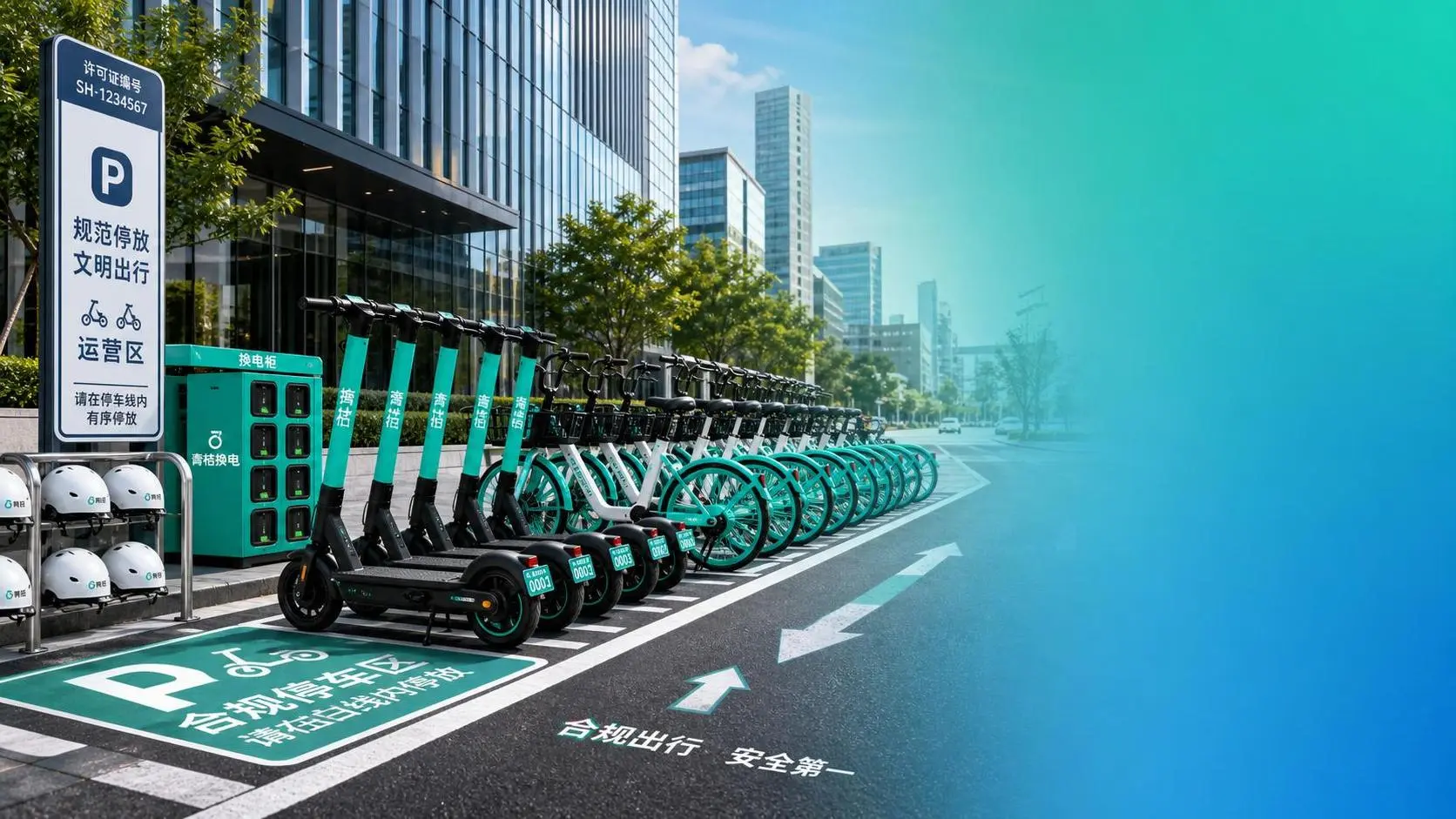
Shared Mobility Compliance Checklist: Permits, Safety Rules, and Fleet Data Requirements
Shared mobility compliance made simple: explore a practical checklist for permits, safety rules, and fleet data requirements to launch faster, reduce risk, and stay audit-ready.
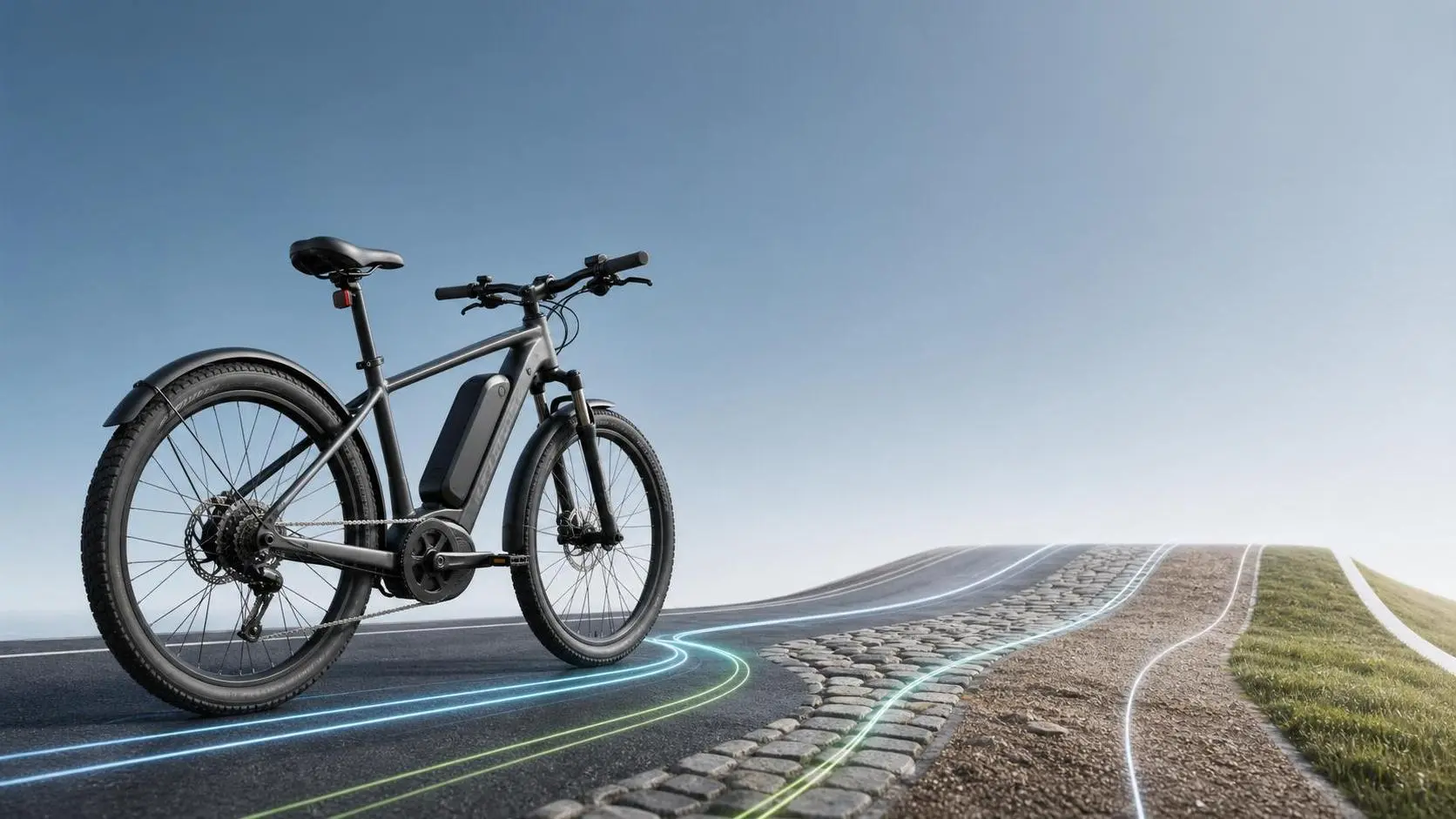
What Affects Ebike Energy Efficiency? Battery Size, Rider Weight, Terrain, and Speed
Ebike energy efficiency explained: learn how battery size, rider weight, terrain, and speed shape real-world range, lower Wh/km, and smarter buying or commuting decisions.
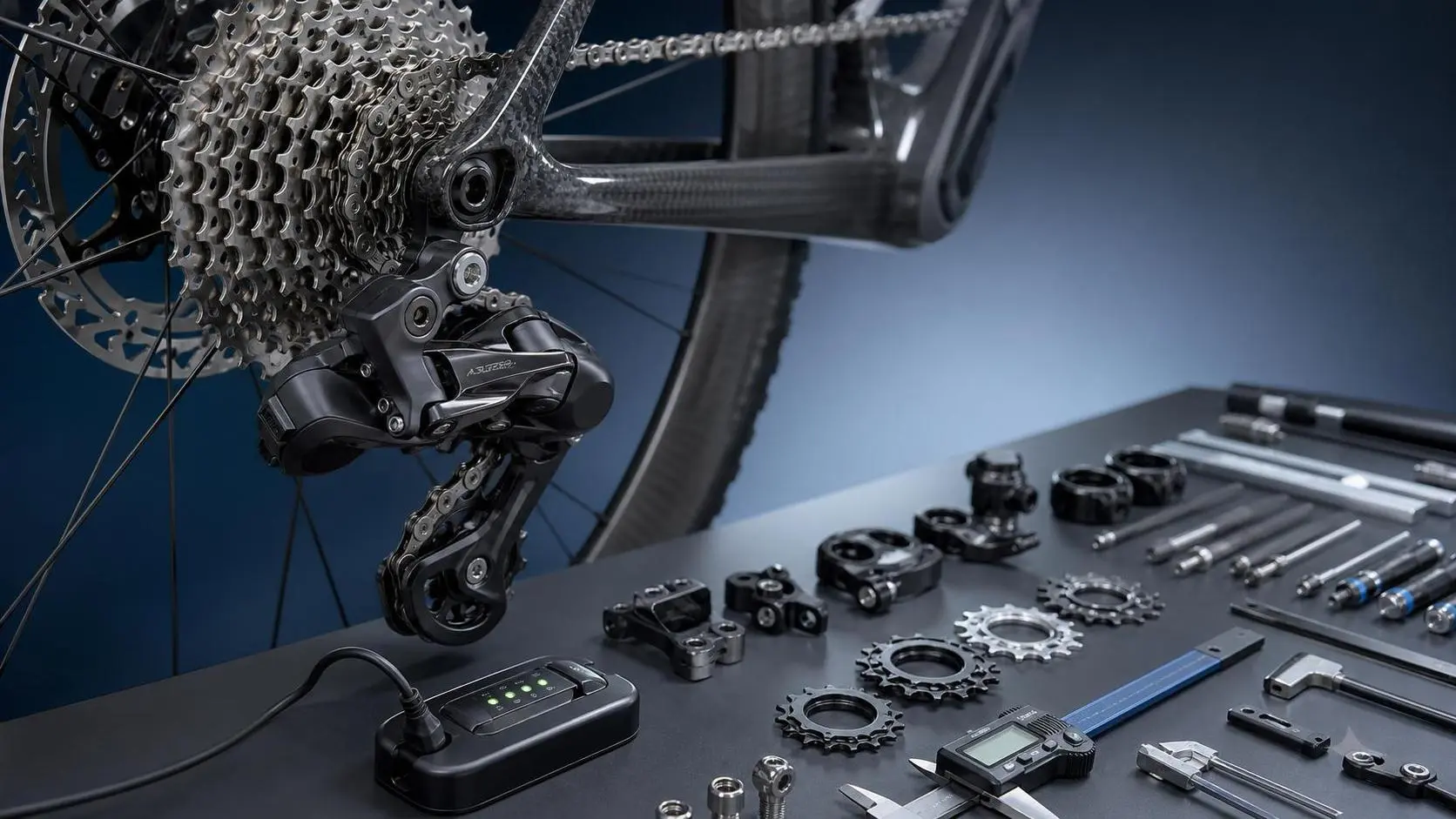
Wireless Electronic Shifting in North America: Compatibility, Standards, and Upgrade Limits
Wireless electronic shifting North America explained: compare compatibility, FCC/ISED standards, retrofit limits, and upgrade risks before choosing the right platform.